New Delhi, August 2025 In a landmark stride towards transforming India’s maritime infrastructure, both houses of Parliament have passed the Indian Ports Bill, 2025, signalling the end of over a century of colonial-era regulation under the Indian Ports Act, 1908. This decisive reform aligns with Prime Minister Narendra Modi’s vision of a globally competitive, self-reliant maritime sector.
From Lok Sabha to Rajya Sabha: A Unified Push for Modernisation
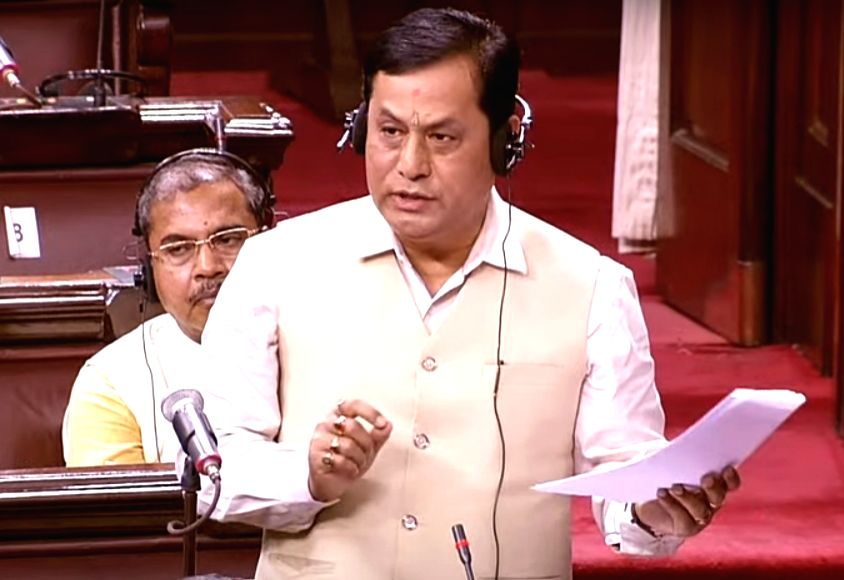
On August 12, 2025, the Lok Sabha approved the new legislation, marking a pivotal moment for India’s maritime future. The Bill promises to modernise port governance, streamline trade, and accelerate India’s ascent as a global leader in port operations.
Just six days later, on August 18, 2025, the Rajya Sabha gave its nod, endorsing the Bill as a bold move out of colonial legal frameworks into a modern, future-oriented port ecosystem. Together, these approvals clear the way for Presidential assent, bringing the Indian Ports Bill, 2025 one step closer to becoming law.
Key Provisions of the Indian Ports Bill, 2025
1. Cooperative Federalism Through MSDC & State Maritime Boards
The Bill establishes the Maritime State Development Council (MSDC)—a statutory body to harmonise planning between the Centre and coastal States. Under this framework, States can form State Maritime Boards, enabling uniform governance across India’s 12 major and over 200 non-major ports.
2. Digitalisation & Seamless Operations
With an emphasis on ease of doing business, the Bill mandates digital tools like a Maritime Single Window and advanced vessel traffic systems. These innovations aim to eliminate red tape, reduce logistics costs, and improve efficiency.
3. Sustainability & Disaster Readiness
Recognising the environmental footprint of port activities, the Bill enforces anti-pollution standards and compliance with global conventions such as MARPOL and the Ballast Water Management convention. Ports must also equip themselves with emergency preparedness protocols, green infrastructure like shore power systems, and waste reception facilities.
4. Investment & Tariff Transparency
Ports are granted autonomy to set transparent tariffs, pursue public–private partnerships (PPPs), and attract foreign investment. These provisions aim to bolster competitiveness and pave the way for long-term infrastructure development.
5. Redressal Mechanisms
To resolve disputes efficiently, the Bill establishes Dispute Resolution Committees, ensuring timely resolution between ports, service providers, and users.
Also read : DG Shipping Confirms No Ban on Foreign Seafarers’ Certificates, 30-Day Validation Window Announced
What This Means for India’s Maritime Future
Accelerated Growth & Trade Efficiency
The Bill builds on a decade of steady improvements—cargo handling at major ports soared from 581 million tonnes in FY 2014–15 to 855 million tonnes in FY 2024–25, while port capacity grew nearly 87%, and average ship turnaround time halved to 48 hours.
Sustainability as a Pillar of Development
By embedding green norms, pollution management, and disaster protocols into law, the Bill ensures environmental preservation is not an afterthought but a fundamental requirement.
Jobs & MSME Support
Streamlined procedures and enhanced infrastructure unlock employment opportunities in port operations, logistics, warehousing, and allied sectors, benefiting exporters and MSMEs with smoother, more efficient access to markets.
Towards Viksit Bharat by 2047
Every aspect of the Indian Ports Bill, 2025—from modernisation and federal cooperation to sustainability and digital integration—reflects India’s strategic ambition to emerge as a global maritime leader by 2047, aligned with the Modi government’s ‘Amrit Kaal’ agenda and the country’s long-term growth vision.
Final Takeaway
The Indian Ports Bill, 2025 marks a historic shift—transforming ports from relics of colonial regulation into dynamic, resilient engines of global trade. As India positions itself for the future, this legislation sets the stage for enhanced efficiency, sustainability, and cooperative governance across the maritime ecosystem.
Source: (Press Information Bureau)