Introduction
Two significant developments in India’s maritime sector signal fresh momentum for port-led growth. On one hand, the Cochin Port Authority in Kerala has moved to monetise around 140 acres of land for commercial and hospitality activities, aiming to raise over ₹500 crore upfront. On the other, the state government of Tamil Nadu has unveiled a massive port infrastructure plan worth approximately ₹1.2 lakh crore (₹1.2 trillion) to modernise multiple major ports and strengthen its role in global maritime trade.
1. Cochin Port’s Land Lease Plan
1.1 Scope & Purpose
The Cochin Port Authority is offering two separate land parcels for long-term lease: one of about 22.38 hectares (55.30 acres) along the south side of NH-966B (linking Willingdon Island to NH-66 at Kundannoor Junction), and another parcel of around 85 acres to be tendered shortly. These lands are in areas where typical port operations can’t be carried out, making them suitable for commercial/hospitality development (hotels, convention centres, office complexes, stadiums, educational institutes, hospitals, public spaces).
1.2 Financials & Terms
- For the 22.38 ha parcel, a reserve annual lease rent of ₹12,70,26,495 per hectare (excluding GST) has been set.
- The lease term: initially 30 years, with an option for renewal for up to another 30 years (total possible 60 years).
- Bidders must quote above the reserve price; the highest bid becomes the floor price for an e-auction, and the land gets allotted to the highest bidder.
1.3 Strategic Rationale
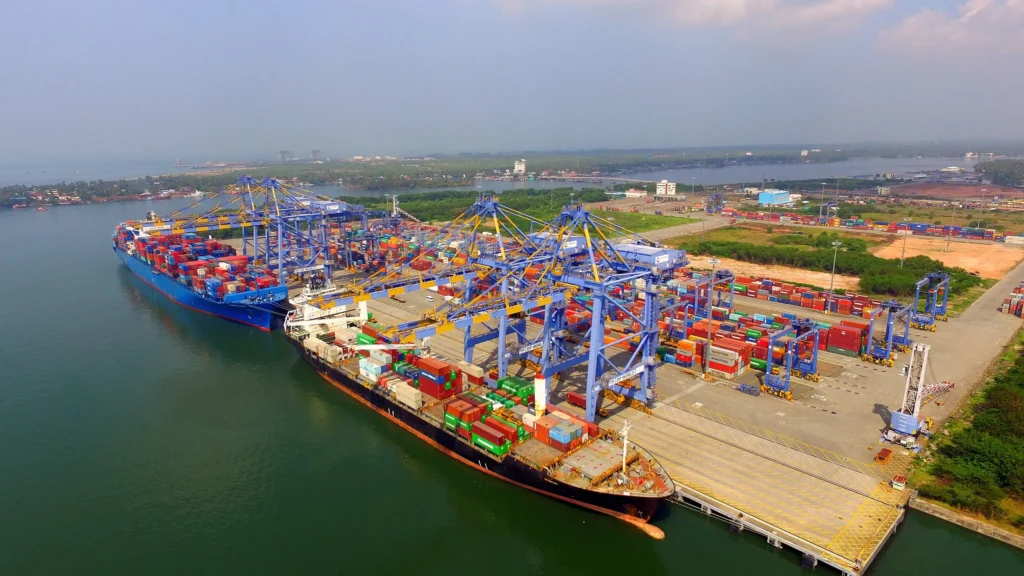
According to officials, about 60% of Cochin Port’s traffic comprises oil cargo handled by state-run oil marketing companies, 30% is container cargo via the International Container Transhipment Terminal (run by DP World) and the remaining 10% is mostly cement. Since the berths handling oil cargo cannot easily be privatised (private stake would reduce port revenue), monetising the non-core land parcels becomes a strategic route for unlocking value without interfering with core operations.
In short: the port is tapping into real estate asset monetisation (a PPP-style lease model) to raise non-cargo related revenue.
2. Tamil Nadu’s ₹1.2 Lakh Crore Port Expansion
2.1 What the Plan Covers
The Tamil Nadu government has announced a comprehensive investment plan worth ₹1.2 lakh crore (₹1.2 trillion) aimed at upgrading both public and private major ports in the state. Key components include:
- Modernising existing berths and adding new ones
- Deepening draughts to handle larger vessels
- Expanding container handling zones and cargo yards
- Strengthening last-mile multimodal links (road & rail)
- Deploying digital systems for faster vessel turnaround and logistics flows
2.2 Strategic Importance
For Tamil Nadu a state with significant manufacturing, automotive, textiles, electronics and aerospace industries efficient port connectivity is vital. By expanding port capacity, the state aims to attract global manufacturers, increase exports, and plug infrastructure bottlenecks that hamper trade competitiveness.
2.3 Illustrative Projects & MoUs
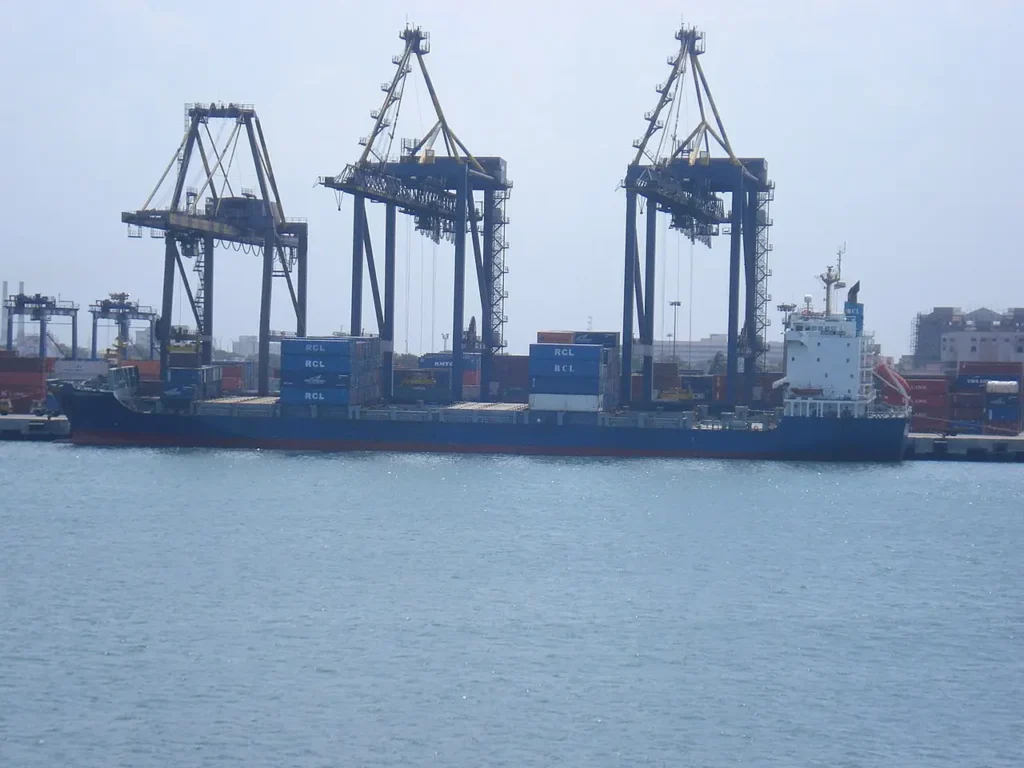
- At the Chennai Port Authority and V. O. Chidambaranar Port Authority (Tuticorin), MoUs worth over ₹1.2 lakh crore were signed during the India Maritime Week 2025.
- For example, Chennai Port signed agreements worth about ₹42,000 crore including a planned outer harbour project (reclamation over ~90 hectares) while V.O. Chidambaranar Port signed MoUs around ₹80,000 crore including ship-repair facilities.
3. Implications for the Maritime Sector & Stakeholders
3.1 For Ports
- Monetisation of non-core assets (Cochin) means ports can unlock value without relying solely on cargo growth.
- Infrastructure upgrades (Tamil Nadu) mean ports can handle larger vessels, more cargo, and provide faster turnaround – essential for competitiveness in global supply chains.
3.2 For Industry & Trade
- More capacity and better connectivity will reduce logistics costs, vessel idle time and bottlenecks, making trade smoother and cheaper.
- Improved ports will support industrial exports (automobiles, textiles, electronics) and help states like Tamil Nadu become stronger maritime hubs.
3.3 For the Local Economy
- Commercial and hospitality development in port zones (as with Cochin) can create real estate, jobs, tourism, and spill-over urban growth.
- Expansion in ports leads to construction jobs, equipment manufacturing, warehousing, transport services and allied industries.
3.4 For Marine & Seafarer Careers
- Larger ports and new terminals may require more port operations staff, logistics managers, marine engineers and deck crew engaged in loading/unloading, berth management, vessel servicing.
- As ports deepen draughts and expand terminals, interest may grow in specialised maritime training for large vessel operations and new technology adoption (automation, digital systems).
4. Challenges & Considerations
- Leasing land for 30–60 years (Cochin) means long term commitment – ensuring the investor delivers is vital.
- Deep-water port expansions cost large sums, need long gestation, and must be matched by cargo demand growth, or risk under-utilisation.
- Last-mile connectivity (rail, road) often lags port development; without it the capacity cannot be fully realised.
- Land acquisition and environmental clearances can stall progress — ports must ensure these are addressed early.
- For local communities, commercial development needs to be balanced with public impact (traffic, infrastructure, environment).
Conclusion
In sum, the twin announcements from Cochin and Tamil Nadu reflect India’s evolving maritime strategy: unlocking value in existing port assets and building ambitious expansion plans to become a global maritime powerhouse. For students, professionals and industry watchers in the maritime ecosystem, these developments hint at shifts in where opportunities will emerge beyond traditional cargo handling to land-development, hospitality, logistics management and state-of-the-art infrastructural operations.
The Cochin Port lease is about optimising non-core land and tapping new revenue streams. The Tamil Nadu expansion is about capacity, connectivity and competitiveness. Together they show a holistic view: ports aren’t just places where ships dock they are hubs of trade, investment, jobs and urban development.
Source: www.shippingtribune.com