India’s Growing Focus on Global Shipping Partnerships
India is steadily strengthening its position in the global maritime landscape by actively building partnerships with foreign governments, international organisations, and global maritime industry players. These collaborations span across ports, shipping, maritime logistics, green shipping, digitalisation, and maritime skill development, reflecting the government’s long-term vision to create a modern, competitive, and sustainable maritime sector.
According to information shared in Parliament by the Union Minister of Ports, Shipping and Waterways, Shri Sarbananda Sonowal, India’s maritime strategy increasingly relies on international cooperation to modernise infrastructure, adopt advanced technologies, and align with global best practices.
Strategic International Collaborations in Shipping and Ports
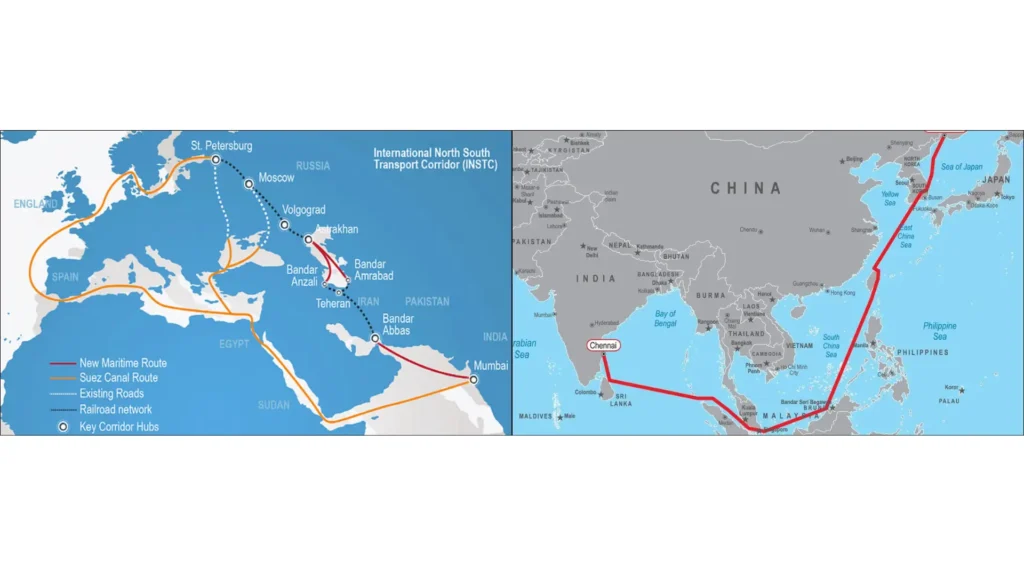
One of the most notable developments in recent years has been India’s expanding engagement with key maritime nations. A major highlight is the India–Russia partnership, which focuses on exploring the Northern Sea Route, the Eastern Maritime Corridor, and specialised training of Indian seafarers in polar waters. These initiatives are expected to open new trade routes, reduce transit time, and enhance India’s capabilities in extreme maritime environments.
Another significant collaboration is the Indo-Danish Centre of Excellence in Green Shipping, which aims to accelerate the adoption of sustainable maritime technologies and low-emission solutions. Similarly, the India–Singapore Green and Digital Shipping Corridor focuses on reducing emissions while improving efficiency through digital systems and smart port solutions.
At the port level, Deendayal Port Authority (DPA) in Gujarat has partnered with the Port of Rotterdam, one of the world’s most advanced ports. This collaboration is focused on setting up state-of-the-art facilities for green hydrogen and green ammonia, including storage, handling, transportation, and dispatch infrastructure at Kandla. This marks a significant step toward positioning India as a future hub for green fuels.
Foreign Direct Investment in India’s Port Sector
Foreign Direct Investment (FDI) continues to play a crucial role in strengthening India’s port infrastructure. The government allows FDI in the port sector, which has attracted leading global terminal operators.
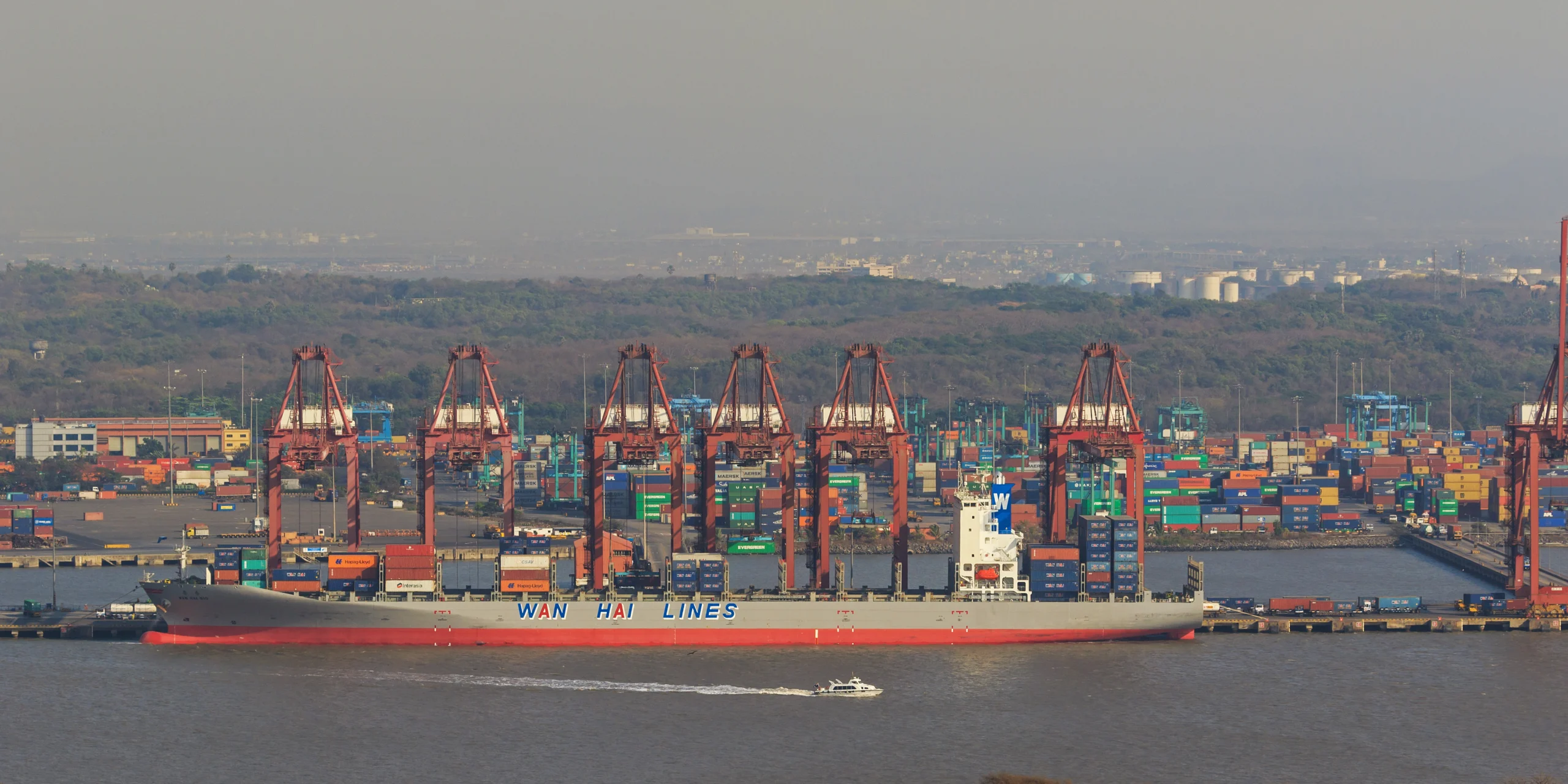
DP World (UAE) operates container terminals at major Indian ports including Jawaharlal Nehru Port (JNPT) in Maharashtra, Cochin Port in Kerala, and Chennai Port in Tamil Nadu. In addition, DP World is developing a new container terminal at Tuna Tekra at Deendayal Port in Gujarat, which is expected to significantly enhance container handling capacity.
Similarly, PSA Singapore, one of the world’s largest port operators, operates terminals at Jawaharlal Nehru Port, strengthening India’s connectivity with global trade networks and improving operational efficiency.
Engagement with Maritime Nations Worldwide
India has also institutionalised engagement through Joint Working Groups, bilateral meetings, Memoranda of Understanding (MoUs), and Letters of Intent with several maritime nations. These include Norway, the Netherlands, Denmark, Italy, South Korea, Singapore, Japan, Saudi Arabia, Sri Lanka, Myanmar, Oman, and others.
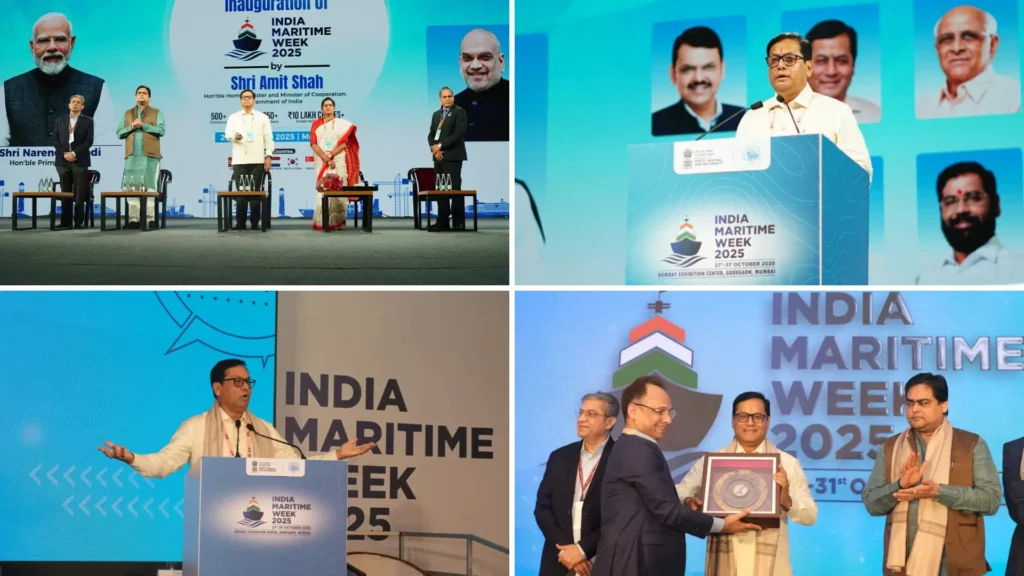
Such engagements help India explore cooperation in port development, shipbuilding, maritime safety, logistics, and capacity building. The scale of global interest was evident during India Maritime Week 2025, held in Mumbai from 27 to 31 October 2025, which saw participation from over 93 countries and more than 100,000 delegates and stakeholders from across the maritime ecosystem.
Legislative Reforms Transforming the Maritime Sector
To support these global partnerships and modernisation efforts, the Government of India has enacted several key maritime legislations in recent years.
The Merchant Shipping Act, 2025 aims to promote tonnage under the Indian flag, strengthening India’s shipping capacity. The Coastal Shipping Act, 2025 simplifies licensing for coastal vessels, encouraging domestic coastal trade.
The Indian Ports Act, 2025 provides a framework for long-term planning and integrated development of ports, while the Bills of Lading Act, 2025 and the Carriage of Goods by Sea Act, 2025 replace outdated colonial-era laws with modern legal frameworks.
Earlier reforms such as the Marine Aids to Navigation Act, 2021, Inland Vessel Act, 2021, and the Major Port Authorities Act, 2021 have further enhanced safety, efficiency, environmental protection, and port autonomy while attracting private investment.
Massive Investments in Port Capacity and Efficiency
Over the past decade, the government has undertaken extensive projects aimed at improving port capacity, operational efficiency, and cargo handling capabilities. Projects worth over ₹40,000 crore have been completed to enhance the performance of Major Ports across India.
These projects support coastal shipping, cruise tourism, fisheries, and multimodal logistics, helping Indian ports handle larger volumes while reducing turnaround times and logistics costs.
Digitalisation Driving Maritime Efficiency
Digital transformation is a central pillar of India’s maritime modernisation. Initiatives such as One Nation One Port Process (ONOP) aim to standardise documentation, reduce manual processes, and re-engineer workflows to minimise transaction costs and cargo processing time.
Platforms such as Maritime Single Window (Sagar Setu), e-Samudra, e-Pariksha, Jalyan, and Navic are strengthening IT systems across ports and waterways. These digital tools improve transparency, coordination, and operational efficiency for all stakeholders in the maritime sector.
Green Shipping and Sustainability Initiatives
India is also aligning its maritime sector with environmental objectives. The Harit Sagar Green Port Guidelines, launched in 2023, provide a structured framework for ports to reduce carbon footprints through energy efficiency, renewable energy integration, and cleaner operations.
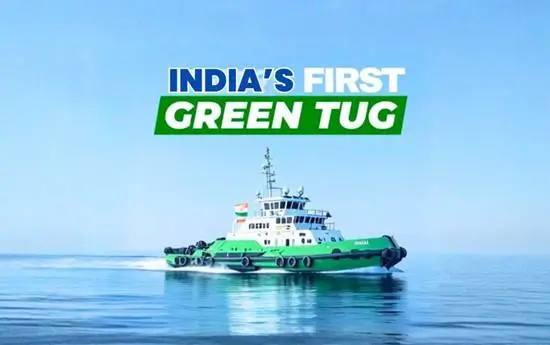
Several ports are being developed as Green Hydrogen Hub Ports, supporting the production and export of green fuels. The Green Tug Transition Programme outlines a phased shift from conventional tugboats to low-emission and alternative-fuel vessels, reinforcing India’s commitment to sustainable maritime operations.
₹69,725 Crore Package to Revitalise Shipbuilding
A major milestone in India’s maritime journey is the approval of a comprehensive ₹69,725 crore package to revitalise the shipbuilding and maritime ecosystem. This initiative follows a four-pillar approach aimed at building a globally competitive and technologically advanced sector.
The package includes the Shipbuilding Financial Assistance Scheme (SBFAS), Maritime Development Fund (MDF), Shipbuilding Development Scheme (SbDS), and wide-ranging policy, technology, and institutional reforms. The National Shipbuilding Mission (NSbM) will act as the nodal body to coordinate, implement, and monitor these initiatives.
Also read: Geopolitical Tensions Expose India’s Crude Oil Import Vulnerability
Building a Globally Integrated Maritime Future
India’s expanding global shipping partnerships reflect a clear and strategic vision to build a modern, resilient, and sustainable maritime sector that is deeply integrated with global trade and technology networks. Through international collaborations, regulatory reforms, digitalisation, green initiatives, and large-scale investments, India is positioning itself as a key maritime hub in the decades ahead.
Source: PIB