Introduction
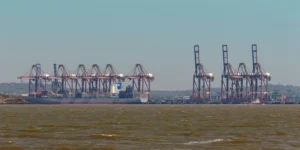
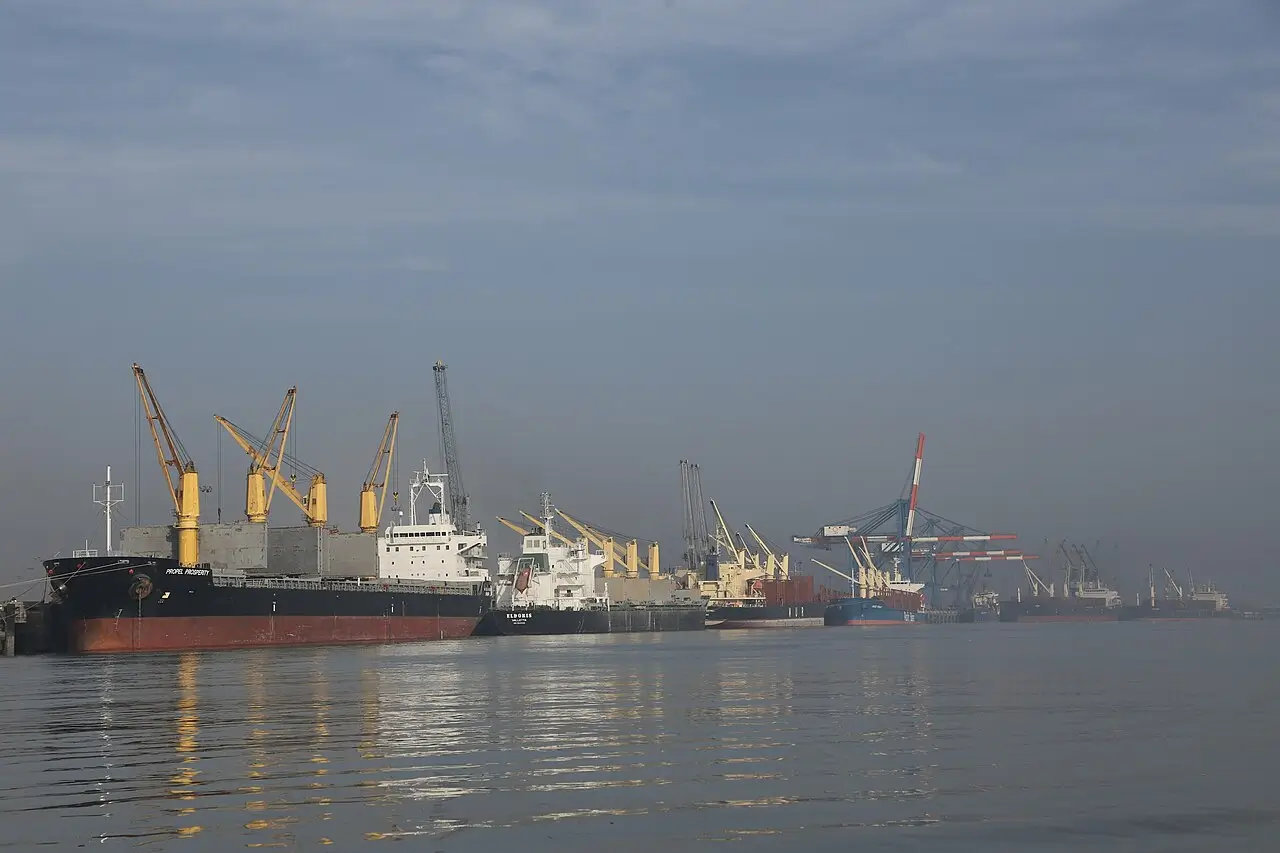
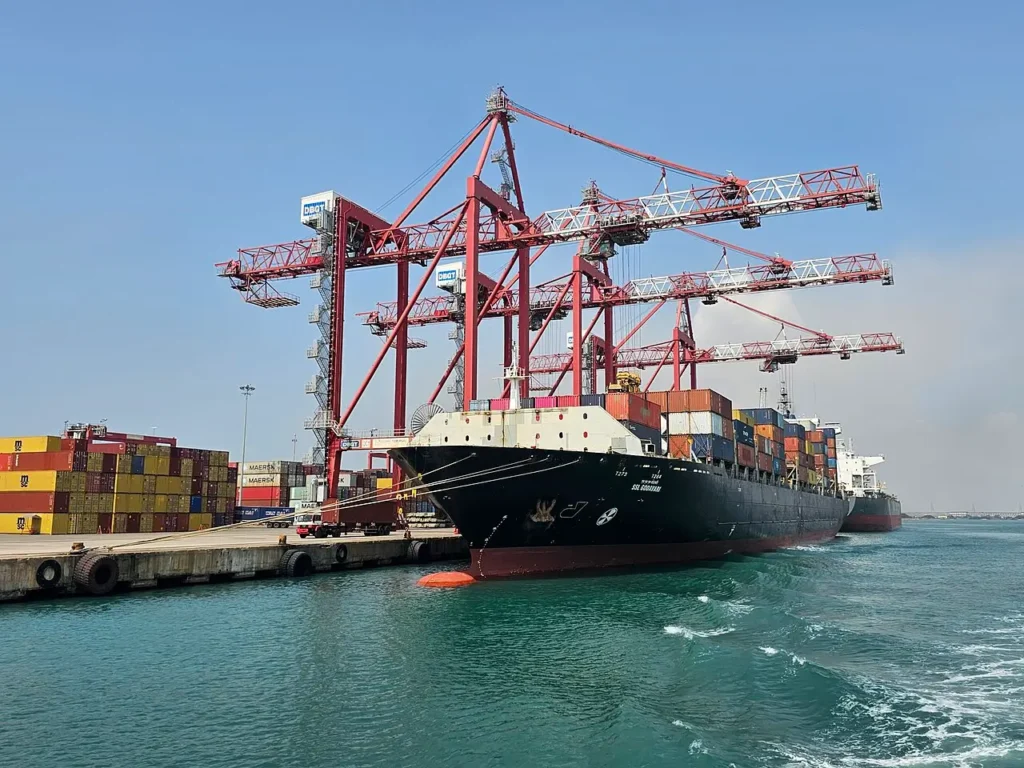
When you hear “ports”, you often think of ships, cranes, and containers. But what if ports could also become engines for clean energy? That’s exactly what India has embarked upon. On 10 October 2025, the Ministry of Ports, Shipping and Waterways officially recognised three major ports as Green Hydrogen Hubs under the National Green Hydrogen Mission (NGHM).
The ports selected are:
- Deendayal Port Authority (Gujarat)
- V.O. Chidambar Anar Port Authority (Tamil Nadu)
- Paradip Port Authority (Odisha)
This move signals that ports are not just gateways for goods, they can become nodes in India’s clean energy transition.
Let’s dive in.
What Is the National Green Hydrogen Mission?
The National Green Hydrogen Mission (NGHM) is India’s roadmap to becoming a global hub in the production, utilization, and export of green hydrogen and its derivatives. Green hydrogen is generated from renewable energy sources with no carbon emissions, making it a vital clean fuel option for heavy industry, shipping, and other sectors.
The Mission focuses on creating hydrogen hubs. Areas where production, consumption, infrastructure, and logistics are co-located to lower costs, boost efficiency, and enable large-scale viability.
In June 2025, revised guidelines under Component B2 allowed certain locations to be recognised as Green Hydrogen Hubs even without direct financial assistance. That is, states or authorities can obtain recognition and benefit from incentives under other schemes.
Why These Three Ports?
The strategic location and connectivity of these ports are key. They play a central role in trade, energy flows, and logistics, with strong access to hinterlands, industrial hubs, and major routes. Identifying them as green hydrogen hubs maximises current maritime infrastructure.
The Mission’s design emphasizes cluster-based development, meaning the hydrogen ecosystem (production, storage, usage) should be geographically reasonable. Ports naturally lend themselves to cluster formation because they already have infrastructure, land, and connectivity.
Because of the revised guidelines, these ports now can access incentives and benefits under central and state-level schemes linked to green hydrogen, even if the port itself isn’t getting direct funding. This recognition is a signal to industry: “you can invest here with support.”
Union Minister Sarbananda Sonowal highlighted that ports are critical nodes in India’s transition to sustainable logistics, especially given their strategic location on eastern and western trade corridors.
Benefits & Potential Impacts
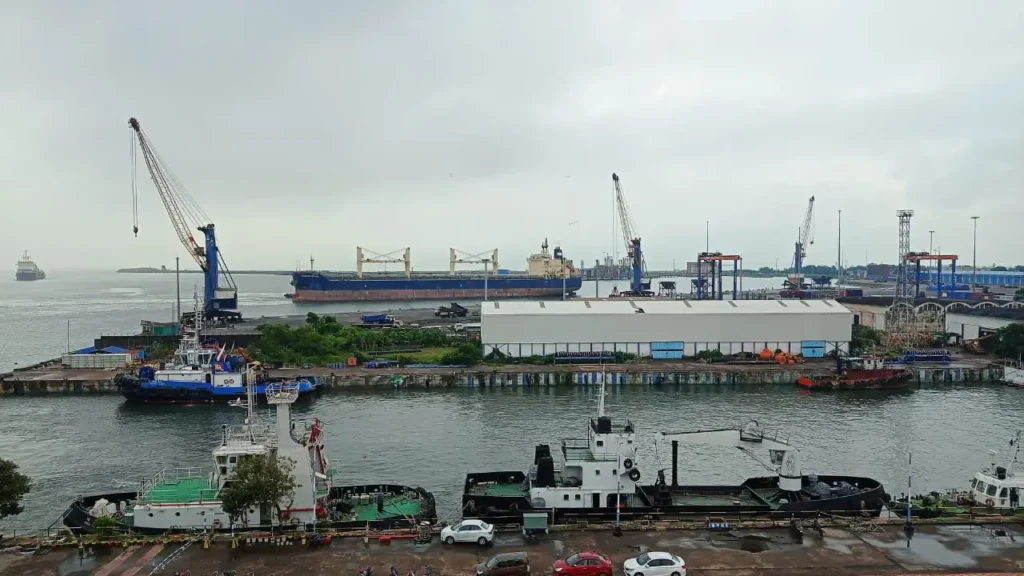
Once recognised, ports qualify for incentives, which can accelerate investment in hydrogen production facilities, electrolysers, hydrogen storage, and related sectors such as ammonia and methanol manufacturing. This growth paves the way for significant job creation.
Ports deal with heavy emissions: ships, trucks, cranes. If the hydrogen produced locally can power port operations or cleaner fuel bunkering, logistics become more sustainable. This aligns with global pressure to decarbonize maritime transport.
With global demand for green hydrogen rising, India could become an exporter of hydrogen or hydrogen-based fuels. Ports designated as hubs give physical gateways for export. India could move from being an energy importer to a clean energy competitor.
Grouping infrastructure elements such as pipelines, storage, and connectivity can reduce the cost of hydrogen per unit. Achieving scale is crucial for hydrogen, especially as it faces significant cost obstacles today.
Each of the three ports is in a different part of India — Gujarat, Tamil Nadu, Odisha. Recognizing them as hubs can spread clean energy benefits across regions, not just in one zone.
Challenges & Risks to Watch
Establishing hydrogen infrastructure requires significant investment in electrolysers, pipelines, storage, and safety systems. Securing initial funding and managing risk can be challenging. Producing green hydrogen depends on stable renewable energy sources such as solar or wind. Ports and nearby areas must ensure proper grid integration or have access to dedicated renewable power.
Hydrogen is tricky to transport. Its low density, needs compression or liquefaction. Even within the port cluster, getting hydrogen from production to usage points might involve technical challenges.
Hydrogen projects require safety measures, regulatory approvals, environmental clearances, and coordination between government agencies. Additionally, early offtake agreements are necessary to ensure buyers in sectors like industry, shipping, and mobility.
How This Fits into India’s Clean Energy Trajectory
This action reflects a wider trend in India’s climate and energy policy.
- India has pledged net zero by 2070. Green hydrogen is one of the tools in the toolbox.
- The government is trying to localize manufacturing of solar, batteries etc. Hydrogen hubs at ports help integrate energy and industrial supply chains.
- Policy updates such as the June 2025 guidelines demonstrate increased flexibility and acknowledge private sector initiatives even when there is no direct funding.
- With ports as hubs, India is combining two levers, clean energy and maritime infrastructure, which historically are critical to economic growth.
What This Means for Students, Professionals & Stakeholders
- Maritime professionals: Ports could become hydrogen bunkering centres. Understanding hydrogen logistics, safety, and integration will be a valuable skill.
- Energy / clean tech students: You can watch how renewable power, hydrogen, and industrial demand integrate. These ports may serve as case studies.
- Policy & planning: The government’s model is hybrid, combining cluster planning with incentive frameworks. Observing what works/what doesn’t will shape future zones.
- Investors & startups: Early entry into hydrogen value chain around these ports could pay off if infrastructure and demand align.
What Steps Lie Ahead
| Phase | Key Activities | Possible Timeframe |
| Recognition & Planning | Define hub boundaries, stakeholder consultations, mapping infrastructure needs | Already beginning |
| Renewable Power & Grid Integration | Set up solar/wind capacity, grid upgrades, dedicated energy corridors | Months to years |
| Hydrogen Infrastructure Build-out | Electrolyser plants, storage, pipelines, transport inside port clusters | 1–3 years |
| Industrial Linkage & Offtake | Sign deals with industry, shipping, chemical firms | By year 2–3 |
| Scaling & Export | Build export terminals, international tie-ups, derivative chemicals | Year 3 onward |
A lot depends on execution, demand stability, regulation, and cross-sector coordination, so it won’t be linear.
Also Read : India Strengthens “Maritime Atmanirbharata” with “VLGC Shivalik” under Indian Flag
This recognition of three major ports as green hydrogen hubs under the National Green Hydrogen Mission is bold and hopeful. It signals that India is serious about set in clean energy into its infrastructure, not keeping it at the margins.
Still, this is a first step, not a finish line. Whether these ports succeed in creating viable hydrogen clusters depends on investment, demand, regulatory clarity, and technical execution.