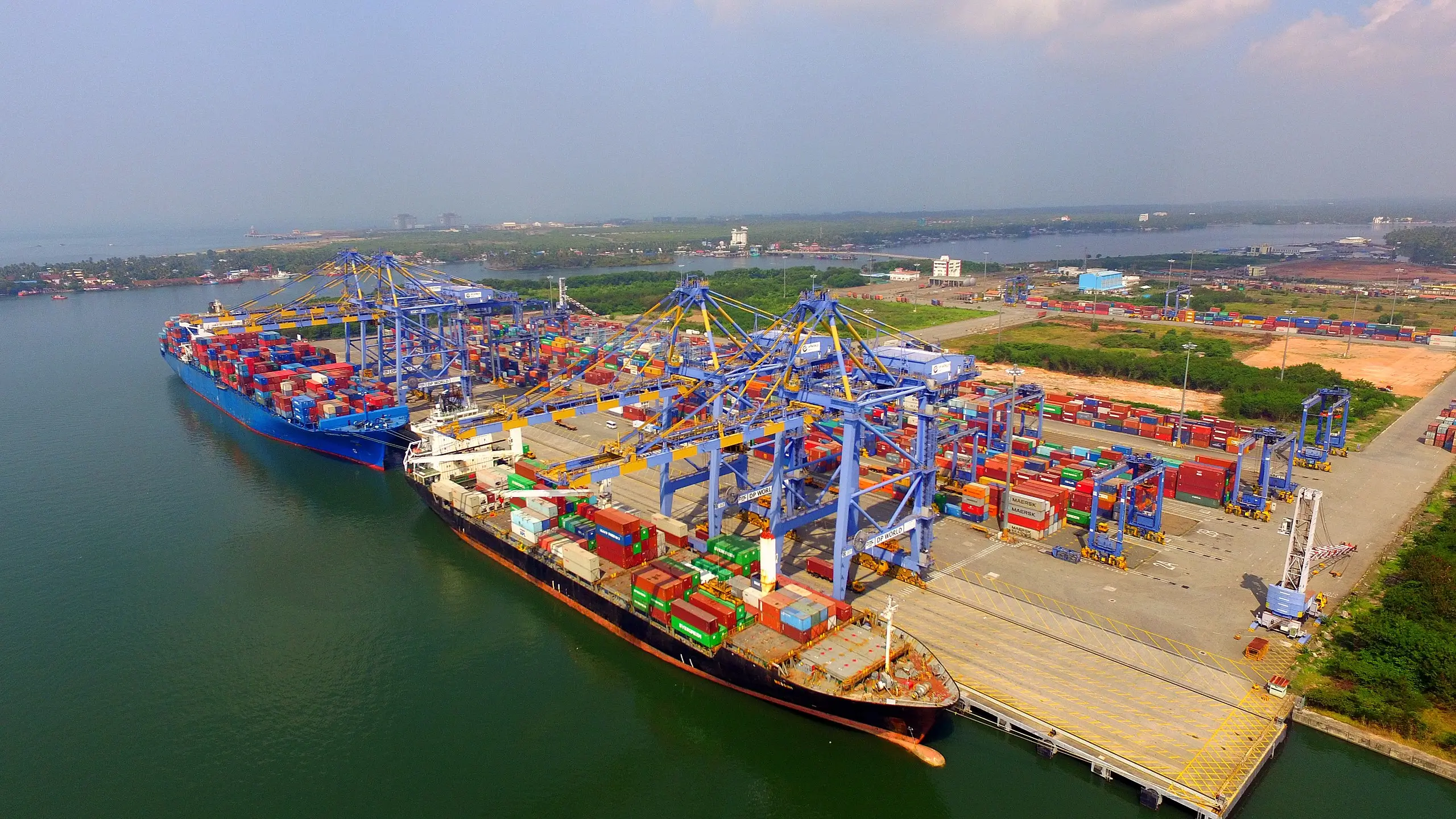
India’s maritime sector is undergoing one of its most transformative phases ever. From ambitious waterway development and port modernisation to cruise tourism revival, global partnerships and fishing harbour upgrades, the country is pushing major structural reforms to accelerate Indian shipping growth. Although these six developments are unrelated, together they paint a clear picture of how rapidly maritime development India is evolving to support trade, tourism, logistics efficiency and green mobility.
Below is a combined overview of all six updates, presented clearly and accessibly for students, maritime professionals and industry readers.
One Nation One Port – A Unified Framework for Indian Ports
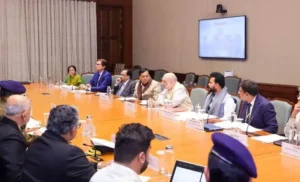
The Ministry of Ports, Shipping & Waterways (MoPSW) has launched the groundbreaking One Nation One Port (ONOP) framework, a major step toward simplifying and standardising port operations across the country. With this reform, port processes that were earlier fragmented and inconsistent are now brought under one unified system.
What the Framework Delivers
- Standardised documentation across ports
- 33% reduction in paperwork and administrative steps
- Faster clearances for trade and logistics
- Improved coordination between central and state agencies
- A clear boost to Indian shipping growth
This unified approach ensures that every port big or small follows a common set of procedures, creating a predictable and business-friendly environment. As India aims to become a major global maritime hub, such consistency in port infrastructure India is essential.
Jal Marg Vikas Project (JMVP) – Strengthening Inland Water Transport
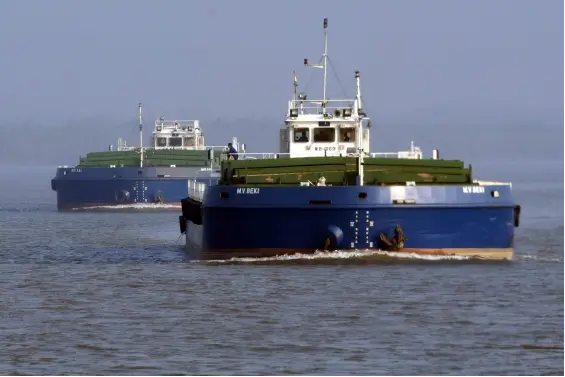
The government continues to advance the Jal Marg Vikas Project (JMVP) on National Waterway-1 (NW-1), connecting Haldia to Varanasi. This mega project is creating modern terminals, night navigation systems, river training works and dredging management processes that allow larger vessels to move cargo efficiently.
Key Achievements
- Major terminals in Varanasi, Sahibganj and Haldia operational
- Cargo movement on NW-1 has increased almost 220% in the last decade
- Private operators have partnered with IWAI for terminal operations
- River dredging is being optimised for uninterrupted navigation
By shifting cargo to rivers, India reduces road congestion and logistics costs while supporting cleaner modes of transport. Strengthening inland water transport brings India closer to its sustainability and efficiency goals.
Maritime Sprint – 150 High-Impact Projects for Future Growth
The government has identified 150 priority maritime projects under Maritime India Vision (MIV) 2030 and Maritime Amrit Kaal Vision (MAKV) 2047. These projects span shipbuilding, port expansion, maritime logistics, skill development and digital transformation.
Highlights from the Sprint
- Strong financial support to shipbuilding industries
- New port connectivity and modernization projects
- Development of smart logistics systems
- Digital tools to improve transparency and reduce costs
These initiatives collectively push Indian shipping growth and ensure that India’s maritime sector is ready for long-term global competitiveness.
Cruise Tourism Push on Konkan Coast
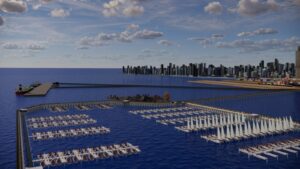
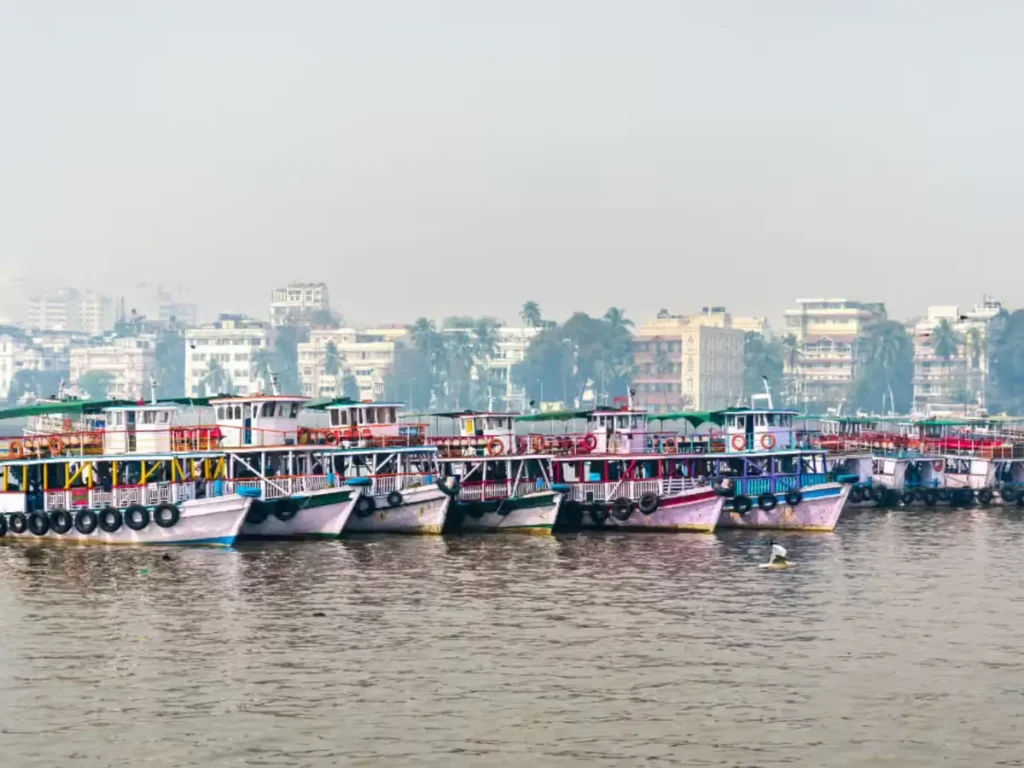
To promote tourism and boost local economies, MoPSW has set up a Konkan Coast Cruise Tourism Task Force. This initiative focuses on creating new cruise routes, improving port facilities and simplifying environmental approvals.
Key Focus Areas
- Cruise terminals at key points on Maharashtra and Goa coastline
- Sustainable tourism practices
- Financial support under tourism-linked schemes
- Promotion of coastal circuits for domestic and international travelers
This is expected to increase passenger traffic, create jobs and strengthen maritime development India, especially in coastal communities.
India Strengthens International Maritime Partnerships
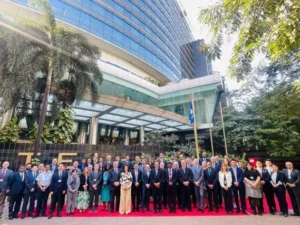
As part of ongoing India Maritime Week 2025, the government highlighted how India is collaborating with international partners to improve operational efficiency, green shipping, digitalisation and legislative reforms.
International Engagement Areas
- Adoption of global port standards
- Knowledge-sharing on decarbonisation
- Technology exchange for port automation and logistics
- Cooperation on shipbuilding and maritime training
These global partnerships help India position itself as a trusted maritime player, encouraging investment and innovation that support Indian shipping growth.
Hejamadi Kodi Fishing Harbour – A Major Sagarmala Project Nearing Completion
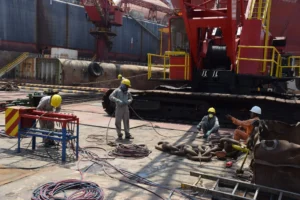
Under the Sagarmala projects, the Hejamadi Kodi Fishing Harbour in Karnataka has reached 87% completion. With an estimated budget of ₹198.17 crore, this project is set to modernise fishing operations and support coastal communities.
Features of the Project
- Modern landing and auction halls
- Cold storage and ice plants
- Safe berthing facilities for fishing boats
- Better hygiene standards
- Project completion target: March 2026
Once completed, the harbour will significantly improve local fisheries, enhance market access and strengthen port infrastructure India at a grassroots level.
Also read: India Launches Its First Hydrogen Passenger Ship – A Green Milestone for Inland Waterways
What These Six Developments Mean for India
Even though each news item highlights a different area, together they showcase India’s broader commitment to building a strong, future-ready maritime sector.
1. Faster, Smarter Ports
Reforms like ONOP and digital initiatives will improve cargo handling and reduce bottlenecks, helping India compete globally.
2. Greener, Cleaner Infrastructure
Projects under IWAI and Sagarmala support sustainable logistics, cleaner waterways and reduced emissions.
3. Stronger Global Partnerships
India is widening its maritime influence through international collaborations and knowledge exchange.
4. Tourism and Coastal Development
Konkan cruise tourism and fishing harbour upgrades improve livelihoods and local economies.
5. Long-Term Vision for 2047
With 150 future-focused projects, India is preparing for a modern maritime ecosystem that supports trade, jobs and innovation.
6. Boost to Indian Shipping Growth
From inland waterways to modern ports and fishing harbours, every reform contributes to expanding cargo movement, reducing costs, and elevating India’s maritime standing.
Conclusion
India’s maritime sector is witnessing rapid transformation powered by ambitious policies, infrastructure upgrades and global collaboration. Whether it’s the One Nation One Port framework, the Jal Marg Vikas Project, cruise tourism, international outreach or Sagarmala developments, all initiatives are aligned toward one goal accelerating Indian shipping growth.
With strong backing from the government and a clear long-term vision, India is steadily building a maritime ecosystem that is modern, sustainable, efficient and globally competitive. These steps will shape the next generation of maritime development India, ensuring the country’s ports, waterways and coastal zones remain engines of economic progress.
Source: PIB