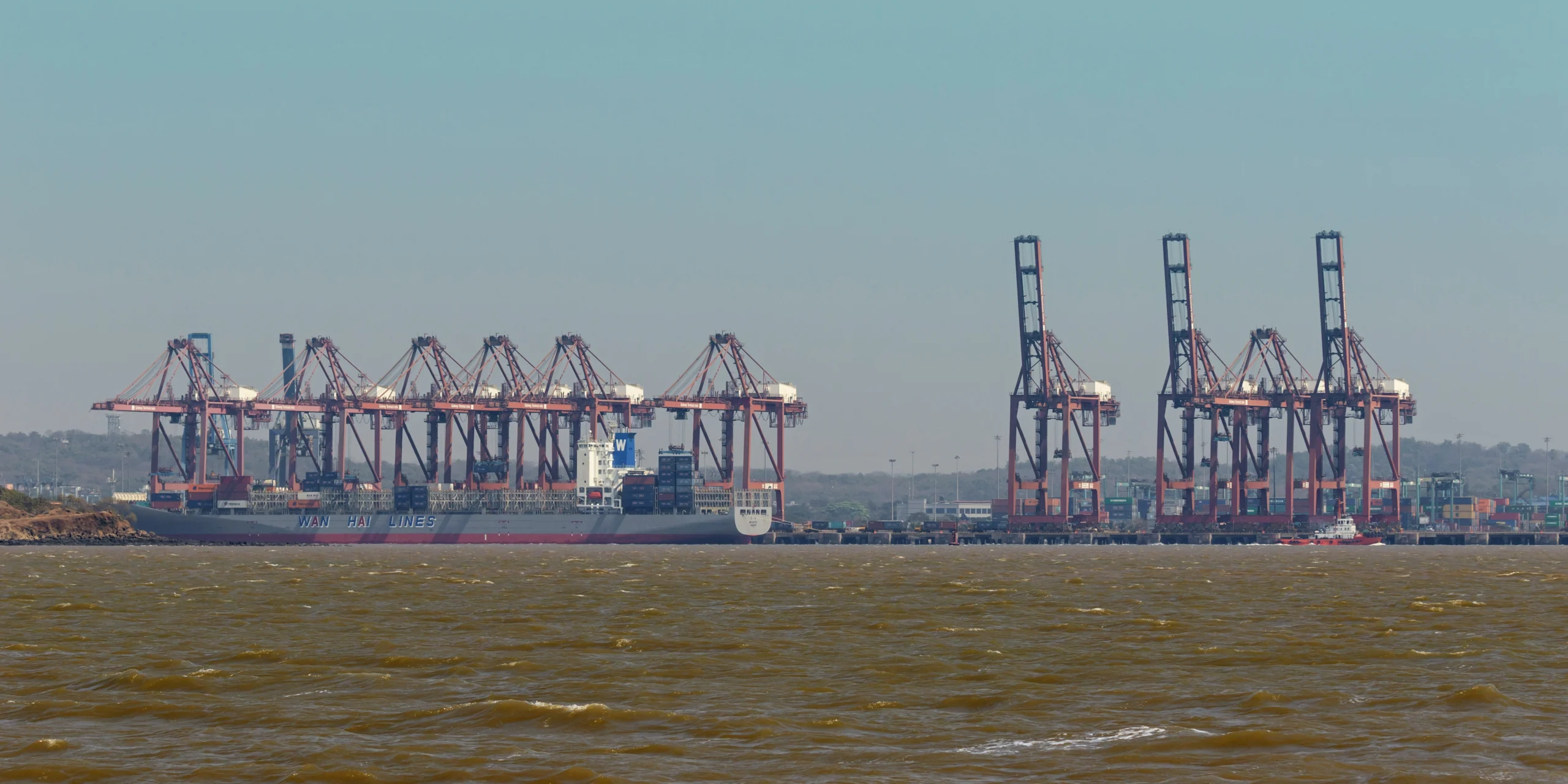
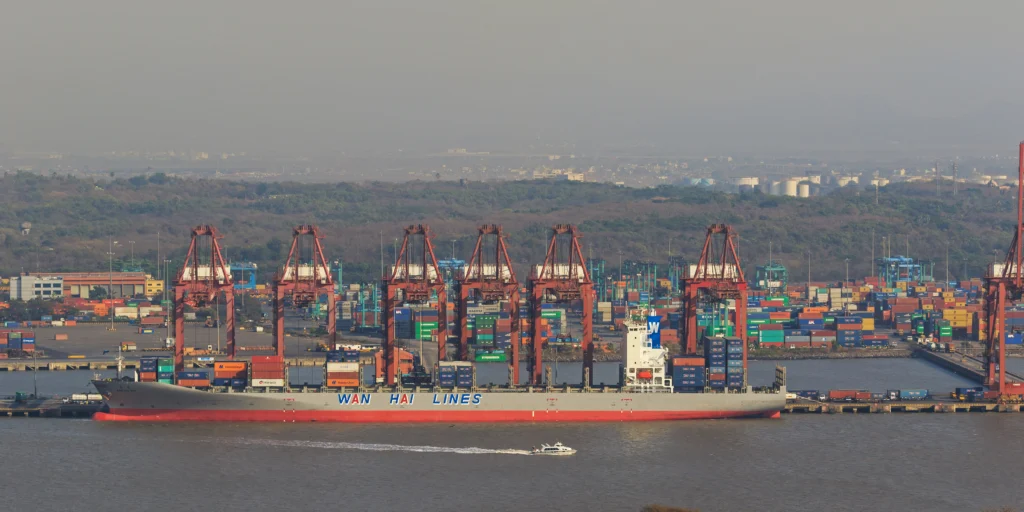
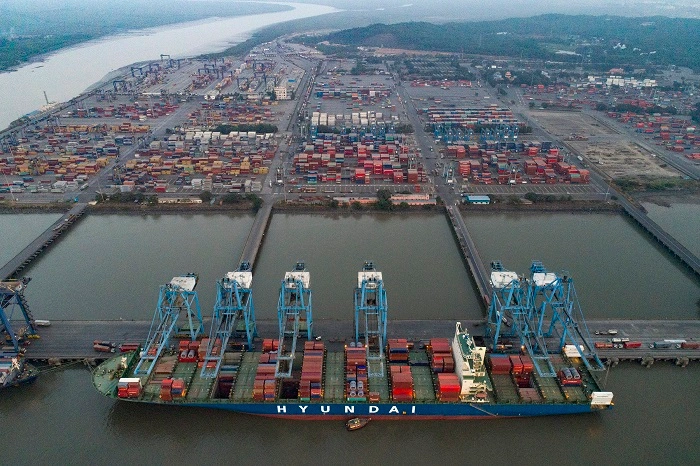
The JN Port, India’s largest state-owned container gateway, is preparing for a major technological shift with the introduction of the country’s first Automated Mooring System (AMS). This new initiative represents a big leap forward in Port Automation, safety, and vessel-handling operations. The project will be tested at Gateway Terminals India (GTI) as a pilot showing how modern equipment can improve Terminal Efficiency and help ports handle ships faster and safer.
The port authority has already begun the process by releasing a tender to find a supplier that will install and operate the Automated Mooring System. Once installed, this will be the first such system in any Indian port putting JN Port on the map alongside global ports that already use advanced Port Automation for safer and quicker mooring operations.
Understanding Mooring – A High-Risk but Essential Process
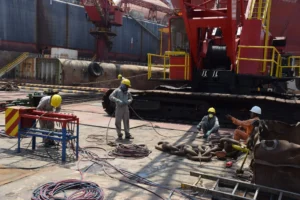
Mooring is the process of securing a ship to a berth using heavy ropes or wires. When a vessel reaches the jetty, the onboard crew throws strong mooring lines to port workers standing on the dock. These workers then take the ropes and secure them onto bollards fixed on the quay.
This sounds simple, but in reality, it is extremely risky. Every rope tightly holding a vessel stores massive energy. If a rope snaps or slips under tension, it can recoil with deadly force.
Experts at JN Port revealed that mooring operations are the most dangerous part of vessel handling, responsible for the only fatal accidents inside ports.
This is where the Automated Mooring System comes in as a lifesaver.
Why JN Port Wants an Automated Mooring System
According to Sunay Mukerjee, COO of Gateway Terminals India, replacing manual mooring with an advanced Automated Mooring System will bring three big advantages:
1. Dramatically Improved Safety
Workers no longer need to hold heavy ropes or go near the vessel’s edge.
The Automated Mooring System uses equipment usually vacuum pads that attach directly to the ship’s hull. This eliminates the risk of a mooring line snapping and harming workers.
Unmesh Wagh, Deputy Chairman of JN Port, said it clearly:
“You cannot put a price on safety. Automating the mooring system removes the biggest risk inside a port.”
By removing ropes and physical contact, the AMS ensures a safer working environment and reduces the chance of deadly accidents.
2. Faster Arrivals and Departures
Every minute counts inside a port. Ships can only begin operations once they are moored and stable. After mooring, the gangway must be fixed, crane lashing operations must start, and only then can container loading or unloading begin.
With manual ropes, all of this takes time.
But with Port Automation, the Automated Mooring System can moor a vessel in 120 seconds or less and unmoor it in 60 seconds. This is a huge improvement and directly boosts Terminal Efficiency.
Shorter arrival and departure times mean:
- Faster turnaround
- More ships per day
- Better use of cranes
- Higher terminal productivity
3. More Stable Berthing = Better Crane Performance
Ports like JN Port face tidal movements. During monsoon and non-monsoon seasons, ships rise and fall with the tide, making cranes pause operations while adjusting their equipment.
The AMS holds ships more firmly, reducing up-and-down motions. This allows crane operators to work smoothly without constant interruptions.
Better stability improves:
- Crane cycle speed
- Safety of crane operations
- Overall Terminal Efficiency
This contributes directly to the port’s productivity.
Boosting Terminal Capacity Without Physical Expansion
One of the biggest challenges at JN Port is space. Gateway Terminals India has a 712-metre berth. It cannot be extended further, and terminal operators must leave 15–25 metres of space between ships because of crossing mooring lines.
This space is wasted capacity.
However, with the Automated Mooring System, ships will no longer use traditional lines. This means vessels can be berthed closer to each other, safely and efficiently.
Sunay Mukerjee explains:
- Today: A 368m ship + gap = difficult to accommodate another 300m ship
- With AMS: The gap can be reduced
- Result: Larger ships can be accommodated simultaneously
This effectively creates artificial berth expansion without constructing new infrastructure.
Such smart Port Automation gives:
- Better vessel planning
- More berthing windows
- Higher revenue for the terminal
- Greater container handling capacity
APM Terminals already uses similar systems in global ports like Salalah, Tangier Med, and several European terminals, all showing strong efficiency results.
Technical Requirements Set by JN Port
JN Port’s tender document clearly outlines what the new system must be capable of. The Automated Mooring System must:
- Moor a vessel in 120 seconds
- Unmoor in 60 seconds
- Handle ships from 150m LOA / 10,000 DWT
- Up to 400m LOA / 200,000 DWT
This means the system must work for a wide range of container ships from small feeders to some of the largest vessels calling Indian shores.
The equipment will use strong vacuum pads or similar technology that attaches directly to the vessel’s side. This provides a secure and constant hold, even in tidal conditions.
What This Means for India’s Maritime Future
The pilot project at GTI has national importance. If successful, the Automated Mooring System could:
- Become standard in all major Indian ports
- Set new benchmarks in Port Automation
- Reduce fatal accidents
- Cut vessel turnaround time
- Improve India’s position in global logistics rankings
- Attract more shipping lines due to faster operations
This move shows that JN Port is ready to lead India’s transition into modern, technology-driven port operations. The AMS aligns with India’s maritime vision for safer, smarter, and more efficient terminals.
Conclusion
The introduction of the Automated Mooring System is more than just a new machine it is a transformation in how Indian ports operate. By combining safety, speed, and stability, AMS brings world-class Port Automation to India for the first time.
For JN Port, this pilot project marks the beginning of a new era in Terminal Efficiency, promising faster vessel handling, better productivity, and safer workplaces. If successful, it could completely change how mooring is handled across India.
The future of India’s port sector is becoming smarter, safer, and more advanced one automated innovation at a time.
Source: shippingtribune.com