Gandhidham, Gujarat — A high-level European delegation recently visited the green hydrogen plant at Kandla Port, marking a significant step in international cooperation on sustainable port infrastructure and clean energy. The visit reflects Europe’s growing interest in India’s initiatives to expand the sustainable maritime sector and integrate renewable energy solutions into port operations.
The delegation included representatives from European diplomatic missions, energy researchers, and maritime development agencies. Their objective was to understand how India is positioning Kandla Port as a hub for alternative fuel adoption and environmentally responsible maritime operations.
Kandla Port’s Green Hydrogen Vision
The green hydrogen plant at Kandla Port is one of India’s first large-scale initiatives aimed at producing hydrogen through renewable energy sources instead of fossil fuels. The project aligns with the national strategy to promote green fuels across transport and logistics networks.
The Ministry of Ports, Shipping and Waterways has outlined a roadmap in which major Indian ports will help drive the shift toward clean fuels. Kandla Port is among the first to implement this direction by hosting a green hydrogen plant focused on production, storage, and future bunkering supply for ships.
The delegation was briefed on:
- Production method using renewable energy
- Storage and handling technology
- Safety protocols for hydrogen operations
- Future supply possibilities for domestic and international ships
Officials highlighted that green hydrogen can significantly reduce carbon emissions in maritime transport, which is currently one of the highest carbon-intensive global industries.
Understanding India’s Clean Energy Push
During the visit, the European delegation held detailed discussions with port officials, engineers, and energy sector partners collaborating on the project. The delegation expressed strong appreciation for India’s commitment to building a sustainable maritime sector powered by clean technologies.
India aims to reduce carbon emissions per ton of cargo movement in ports and shipping, in line with its Net Zero 2070 pledge. Green hydrogen is expected to play a central role in this transition, especially for long-distance cargo ships, port vehicles, and industrial fuel use.
The delegation noted that Kandla’s green hydrogen initiative demonstrates:
- Practical application of climate-friendly fuel production
- Potential for large-scale industry adoption
- Opportunities for India-Europe technology exchange

Strategic Importance of Kandla Port
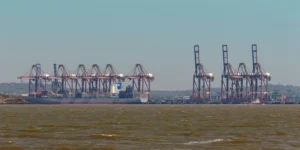
Located on the western coast of India, Kandla Port (also known as Deendayal Port) is one of the country’s busiest and most strategically located maritime gateways. It handles a large share of crude oil, coal, and bulk cargo shipments.
The introduction of a green hydrogen plant adds a new dimension to the port’s role — shifting from economic gateway to a center for renewable energy innovation.
Port authorities shared plans to further:
- Scale up green hydrogen production capacity
- Introduce hydrogen bunkering facilities
- Support hydrogen-powered industrial clusters nearby
The European delegation recognized that such developments could make Kandla Port a model for other ports aiming to transition toward low-emission operations.

International Collaboration Opportunities
The visit also opened conversations about partnerships in research, manufacturing, workforce training, and joint pilot projects. European nations have been early adopters of hydrogen-based maritime fuel systems, offering valuable knowledge on regulations, supply chains, and industrial safety standards.
The delegation suggested that collaboration could support:
- Technology transfer
- Joint demonstrations for hydrogen-fueled vessels
- Maritime academic exchanges
- Shared climate financing frameworks
Indian officials welcomed the possibility of exploring European funding support for future renewable energy expansion in ports.

Green Hydrogen and India’s Maritime Future
The establishment of the green hydrogen plant at Kandla Port is part of India’s broader plan to build a decarbonized supply chain across shipping, trade, and logistics. The plan aligns with national missions such as:
- Maritime India Vision 2030
- Maritime Amrit Kaal Vision 2047
- National Green Hydrogen Mission
By showcasing progress to the European delegation, India demonstrated readiness to collaborate globally on clean fuel adoption.
Officials emphasized that the sustainable maritime sector is not only an environmental priority but also a major opportunity for new jobs, industrial growth, and technological leadership.
Also read: India’s Maritime Sector Strengthens as MSC Flags 12 Vessels Under Indian Registry
Conclusion
The visit of the European delegation to the green hydrogen plant at Kandla Port highlighted India’s steady movement toward a renewable energy-powered maritime future. With strong cooperation, shared technology, and long-term vision, India is emerging as an important voice in global climate action and sustainable shipping innovation.
The plant at Kandla Port stands as a practical example of how ports can transform into clean energy ecosystems and as a symbol of India’s commitment to building a sustainable maritime sector for decades to come.
Source: indiashippingnews.com