India’s Shipbuilding Push Focuses on Jobs and Industrial Clusters
The Government of India has approved a comprehensive ₹69,725 crore package aimed at strengthening the country’s shipbuilding and ship recycling ecosystem, with a strong focus on employment generation and industrial cluster development. The initiative follows a four-pillar approach designed to boost domestic capacity, maritime financing, shipyard development, skilling, and policy reforms.
This strategic move reflects the government’s recognition of shipbuilding as a core pillar of heavy engineering and a major driver of industrial growth. The details of the initiative were shared by the Union Minister of Ports, Shipping and Waterways, Shri Sarbananda Sonowal, in a written reply to the Rajya Sabha.
Shipbuilding as the Mother Industry of Heavy Engineering
Shipbuilding is often described as the “mother industry” within the heavy engineering sector. A large share of a ship’s value comes from industries such as steel manufacturing, mechanical systems, electrical and electronic equipment, and composite materials. In addition to these core sectors, a wide range of ancillary industries, including fabrication, machining, coatings, logistics, and services develop alongside shipyards. As shipbuilding activity increases, it creates a ripple effect across multiple industrial segments. This interconnected nature makes the shipbuilding sector one of the most powerful engines for broad-based industrial growth.
High Employment Potential Across Skill Levels
One of the most significant benefits of expanding the shipbuilding and recycling sector is its high employment multiplier. According to government estimates, the approved package has the potential to generate approximately 22 lakh (2.2 million) direct and indirect jobs across the country.
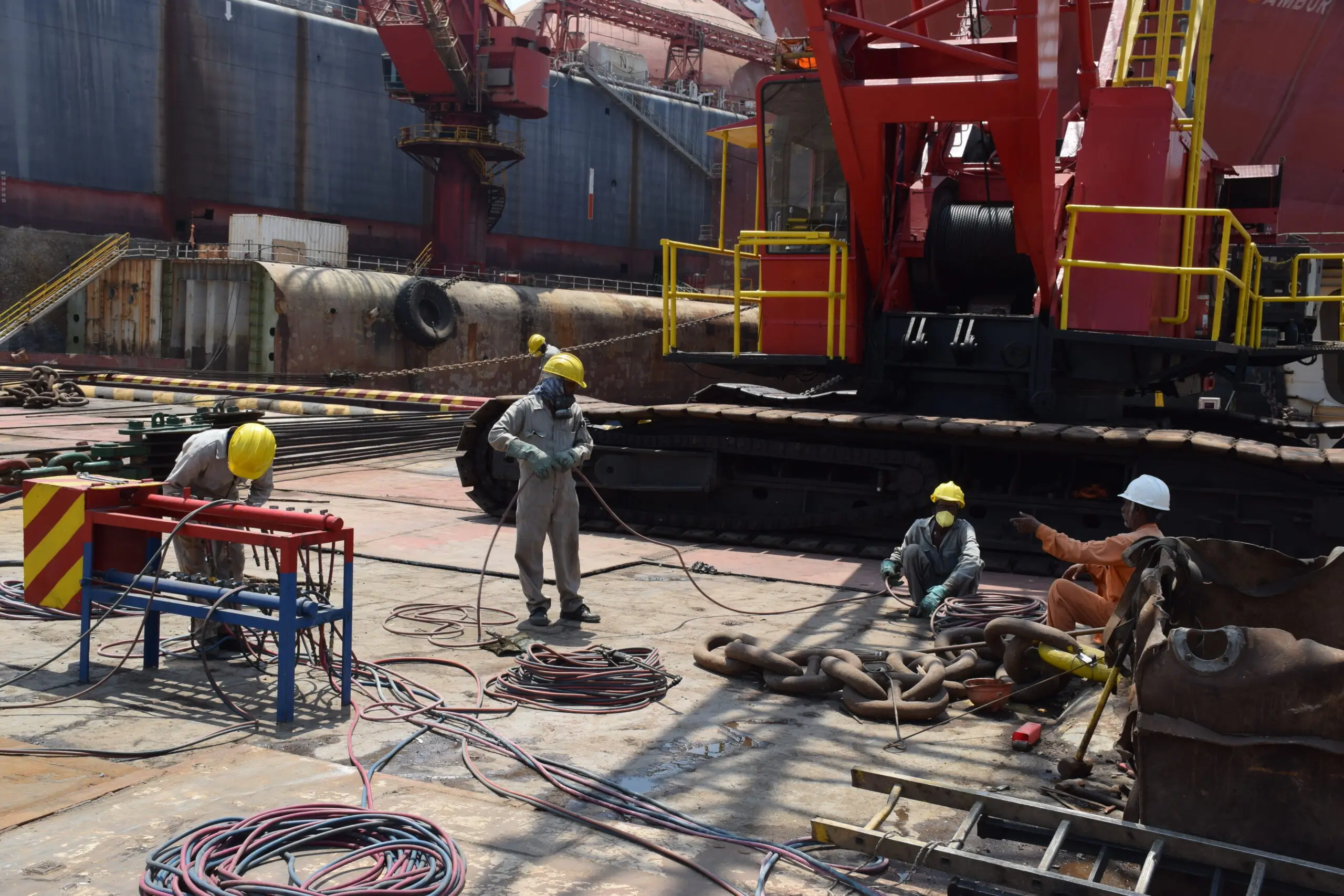
These employment opportunities will span a wide range of skill levels, from highly skilled engineers and designers to technicians, welders, electricians, and support staff. Indirect employment will also be created in raw material supply, logistics, equipment manufacturing, and service industries linked to shipyards and recycling facilities. This makes shipbuilding a powerful tool not only for industrial growth but also for inclusive employment generation.
Addressing Supply-Side and Demand-Side Challenges
The government has taken a balanced approach to strengthening the shipbuilding sector by addressing both supply-side and demand-side challenges. On the supply side, efforts are focused on improving shipyard capacity, access to finance, availability of skilled manpower, and adoption of modern technologies. On the demand side, the government is working to ensure better visibility and predictability of vessel orders for domestic shipyards.
To achieve this, extensive stakeholder consultations have been conducted across multiple ministries, including cargo-generating ministries. These consultations aim to align future vessel requirements such as cargo ships, coastal vessels, and specialised ships with domestic shipbuilding capabilities.
Role of Shipbuilding Clusters in Industrial Growth
A key component of the strategy is the development of shipbuilding clusters, which can create concentrated hubs of manufacturing, services, and innovation. These clusters allow shipyards, suppliers, training institutes, and logistics providers to operate in close proximity, improving efficiency and reducing costs.
However, approval for greenfield shipbuilding clusters will depend on several critical factors. These include the availability of adequate land, feasibility of location, connectivity through rail and road networks, alignment with state industrial policies, and demonstrated interest from potential investors. By carefully evaluating these parameters, the government aims to ensure that new clusters are economically viable and capable of attracting long-term private investment.
Boosting Ancillary and Recycling Industries
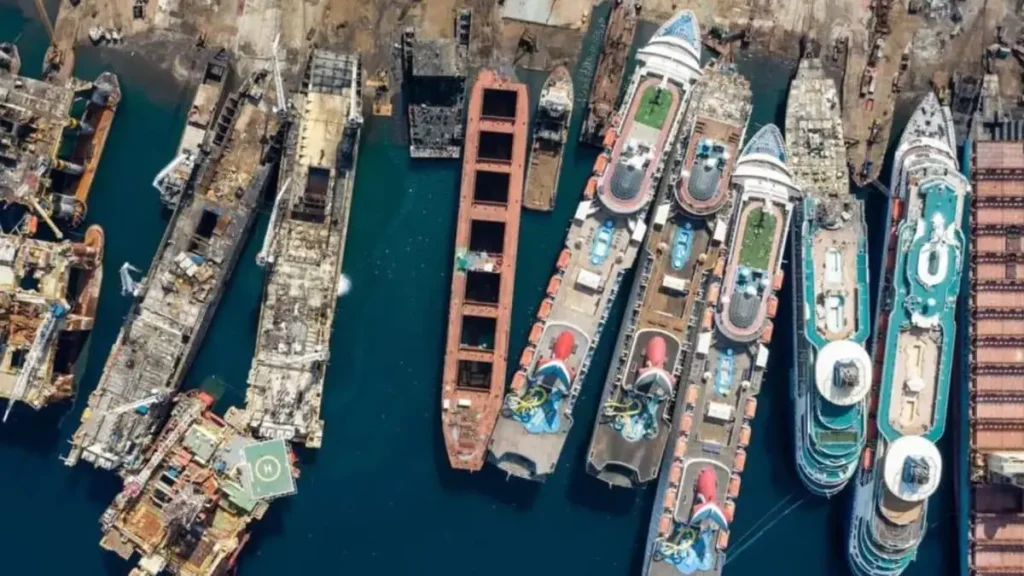
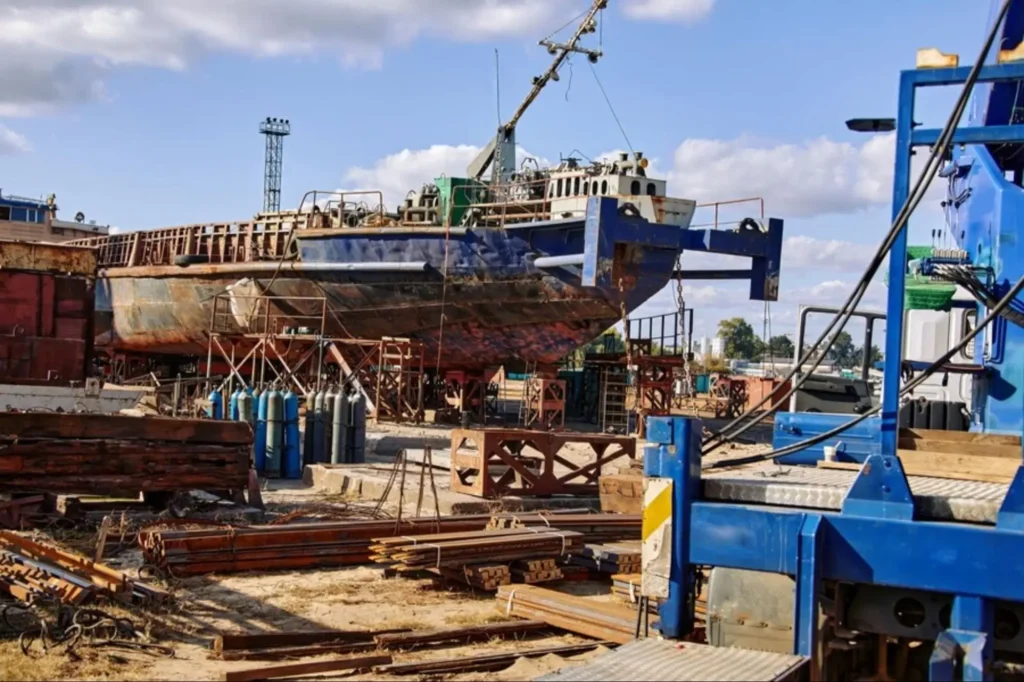
The shipbuilding push is also expected to strengthen the ship recycling industry, which plays an important role in resource efficiency and sustainability. Ship recycling generates demand for steel reprocessing, waste management, and environmental services, further expanding employment opportunities. Together, shipbuilding and recycling create a closed-loop industrial ecosystem that supports circular economy principles, reduces import dependence, and enhances domestic manufacturing strength.
Long-Term Impact on Maritime Manufacturing
The ₹69,725 crore package is designed not as a short-term stimulus but as a long-term structural reform for India’s maritime manufacturing ecosystem. By combining financial support, policy reforms, skill development, and infrastructure planning, the initiative aims to make Indian shipyards globally competitive. Over time, this is expected to reduce dependence on foreign-built vessels, increase domestic value addition, and position India as a strong player in global shipbuilding and recycling markets.
Also read: Mumbai IALA Meet Signals India’s Rising Global Maritime Influence
A Strategic Investment in Jobs and Industry
India’s shipbuilding and recycling package marks a decisive step toward building a self-reliant, employment-intensive, and globally competitive maritime industry. With the potential to create 22 lakh jobs, strengthen heavy engineering, and promote industrial clusters, the initiative aligns economic growth with employment generation. As implementation progresses, the success of this programme will play a crucial role in shaping India’s maritime manufacturing future and reinforcing the country’s position in the global shipping ecosystem.
Source: PIB