Report: India Prevents Potential Oil Spill by Halting Unfit Russian Oil Tanker.
What was the incident that happened?
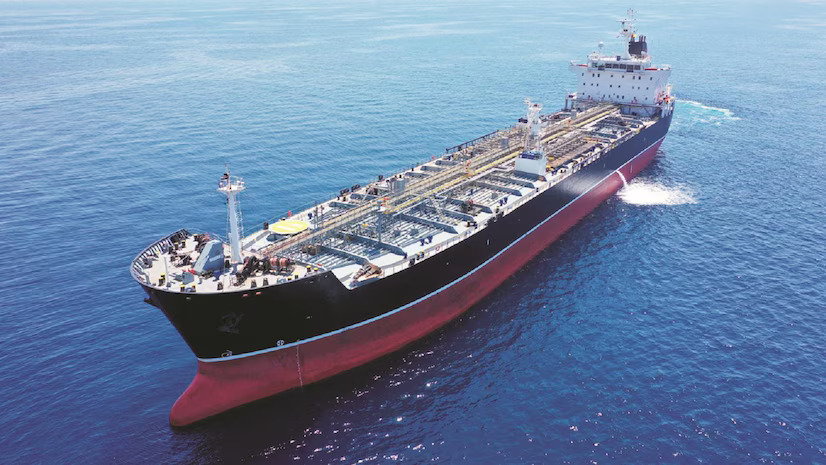
In early April, a ship named Andaman Skies carrying around 767,000 barrels of Russian Arctic crude oil was stopped from entering India’s western coast. The ship had sailed from Murmansk, Russia, but was denied entry into Indian waters near the Vadinar port. Why? Because the vessel failed to show the required safety documents.
The ship, which is more than 20 years old and flagged under Honduras, did not have the proper certificate to prove its seaworthiness which is a must for older vessels to dock at Indian ports.This wasn’t a minor paperwork error. The absence of this certificate raised serious concerns about the safety of the ship and the risk it posed to India’s coastline.
Why Was the Ship Stopped?
India has clear maritime rules: oil tankers older than 20 years must have a special certificate of inspection from a recognized classification society. This certificate shows the ship has passed all technical and safety checks and is fit to enter a port. Andaman Skies had no such certificate.
Even though the ship wasn’t blacklisted by the U.S., it was sanctioned by the U.K. and the European Union. However, India didn’t base its decision on political factors. Instead, Indian port authorities acted strictly based on safety regulations and environmental concerns. In short, India said “no” because the ship was not fit either physically, technically or environmentally.
What Was India Thinking?
India took this bold decision to protect its coast, its environment, and its people. In recent years, India has emerged as one of the biggest buyers of Russian oil, especially after the Ukraine war led to Western sanctions on Russian energy exports. Yet, India has drawn a line conveying that the cheap oil can’t come at the cost of safety.
Here’s what likely influenced India’s decision:
- Avoiding an Oil Spill Disaster: One weak spot in the ship’s body or a technical fault could have led to a major leak or wreck.
- Safeguarding Marine Life: India’s western coastline is rich in marine biodiversity, coral reefs, and fishing communities that depend on a healthy sea.
- Protecting Port Infrastructure: Ports like Kandla and Vadinar handle massive amounts of cargo. A single accident could have damaged port operations for days or weeks.
- Global Reputation: India wants to be seen as a responsible maritime nation that follows international safety standards.
What If the Ship Had Broken Down?
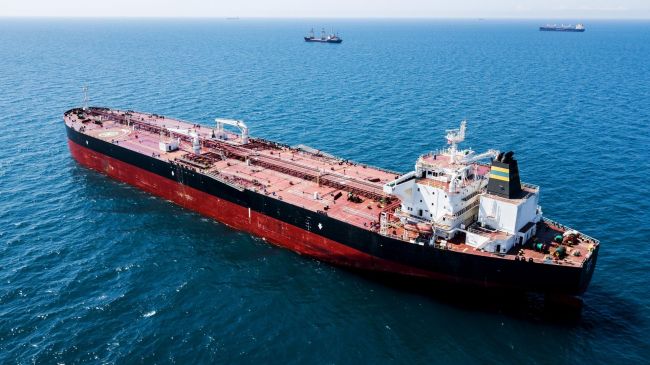
If Andaman Skies had suffered damage or broken down while waiting near the Indian coast, the consequences would’ve been devastating:
- Massive Oil Spill
Over 700,000 barrels of crude oil could’ve leaked into the Arabian Sea. That much oil could cover hundreds of kilometres of coastline, destroying everything in its path. - Damage to Marine Ecosystems
Turtles, dolphins, fish, coral reefs, and other wildlife animals would’ve been smothered in oil. These species take years or even decades to recover after such disasters. - Fisheries and Livelihood Loss
Fishing communities in Gujarat and Maharashtra would have suffered immensely. Boats would remain idle, fish would vanish, and families dependent on the sea would have no income. - Polluted Beaches
Tourist destinations like Diu, Mandvi, and parts of Goa could have seen oil washing up on their shores, making them unusable and unsafe. - Shipping Rerouting
If a spill had happened, cargo ships, tankers, and navy vessels would have been forced to avoid the area. This would increase travel times, fuel costs, and delay critical imports and exports.
A Global Shadow Fleet Problem
This case also shines a light on a troubling global issue: the “shadow fleet”. These are old, poorly maintained ships used by some traders to move oil in ways that bypass international sanctions and avoid oversight.
They often operate under flags of small or less-regulated countries, without proper insurance or inspections. Many of these vessels continue to carry oil even though they pose a real danger to the oceans and port nations like India.
India’s decision to stop such a vessel is a step toward breaking this dangerous pattern. It shows that compliance, not convenience, will shape India’s maritime decisions.
What Can Be Done Going Forward?
To avoid such risky situations in the future, these steps are crucial:
- Stricter Ship Vetting at the High Seas: Countries can work together to inspect and monitor suspicious vessels before they get close to shore.
- Stronger International Policies: Global rules around oil trade, especially from sanctioned or high-risk zones, need to be tightened.
- Transparent Ship Registries: Knowing exactly who owns and controls these ships would make it harder for shady operators to hide.
- Investment in Green Shipping: Countries like India can lead the way in promoting eco-friendly vessels and reducing dependence on risky oil trades.
Why This Story Matters
At first glance, this might seem like just another cargo ship problem. But it’s much bigger than that. This is a story about a country taking responsibility. It’s about how one smart decision, backed by rules, care, and foresight can prevent a huge disaster. It’s a reminder that economic growth must not come at the cost of the environment.
India’s coastline, its marine life, its fishermen, and its future were all protected because someone followed the rulebook. And in today’s complex world, that’s something truly worth celebrating.