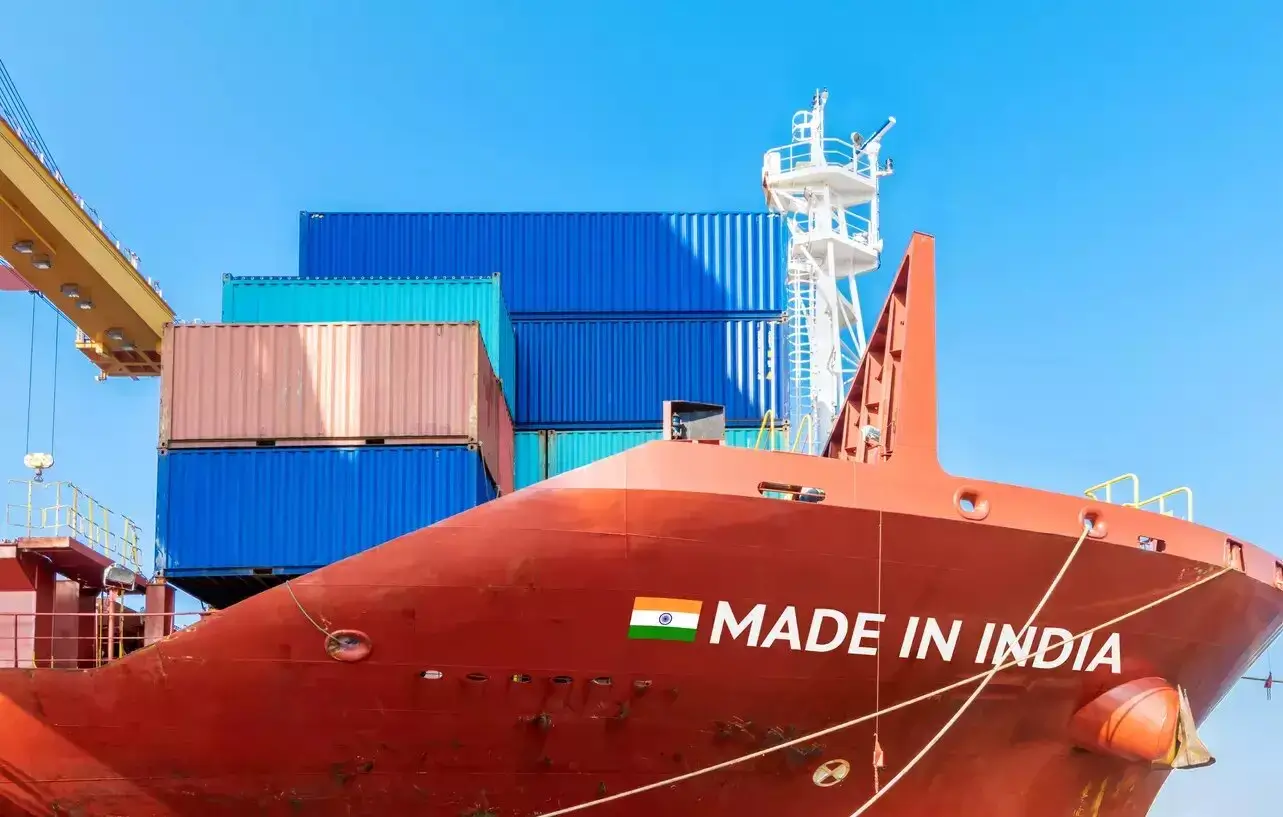
Report: India’s Maritime Leap: A Six-Fold Expansion for Global Shipping
India is embarking on a historic maritime expansion, aiming to increase its port capacity six-fold by 2047. This ambitious undertaking, spearheaded by Union Minister for Ports, Shipping, and Waterways Sarbananda Sonowal, signifies the nation’s unwavering commitment to establishing itself as a global maritime powerhouse. The expansion program envisions a substantial increase in cargo handling capacity, from the current 820 million metric tonnes (MMT) to a staggering 10,000 MMT per annum.
The cornerstone of this ambitious project lies in the development of two strategic mega-ports:
- Vadhavan Port, Maharashtra: Poised to become India’s largest container facility, Vadhavan Port is strategically located on the western coast, offering seamless connectivity to major trade routes. The port’s deep-water berths and state-of-the-art infrastructure will facilitate the handling of large container vessels, significantly boosting India’s trade competitiveness.
- International Container Transshipment Port at Galathea Bay, Great Nicobar: Situated in the Andaman and Nicobar Islands, this strategically located port aims to capture a significant share of the transhipment trade along key global routes. By offering a convenient stopover for vessels transiting between Asia and Europe, the port is expected to revolutionize India’s maritime trade landscape.
The expansion program also encompasses a series of transformative initiatives:
- Modernization of Existing Ports: A comprehensive modernization drive is underway to upgrade existing ports with advanced technologies and infrastructure. This includes the installation of automated cargo handling systems, dredging of channels, and expansion of berthing facilities.
- Inland Waterways Development: Recognizing the potential of inland waterways, the government is investing heavily in their development. The ambitious Sagarmala project aims to enhance river connectivity, reducing logistics costs and promoting sustainable transportation.
- Coastal Shipping Promotion: Efforts are being made to promote coastal shipping as a viable alternative to road and rail transport. This includes the development of coastal shipping infrastructure and incentives for shippers to utilize this mode of transportation.
- Skill Development and Capacity Building: Recognizing the need for a skilled workforce, the government is investing in capacity building initiatives to equip the maritime sector with the necessary human capital. This includes training programs for port workers, seafarers, and other professionals.
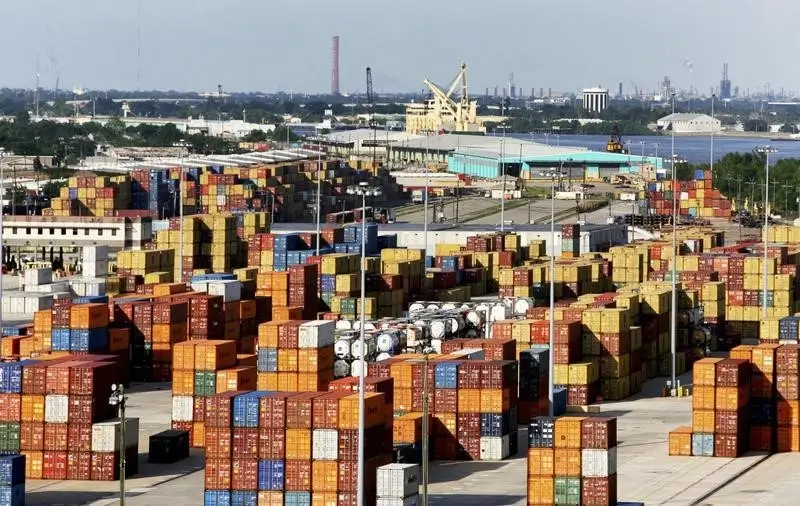
The Benefits of Maritime Expansion:
The six-fold expansion of India’s maritime capacity is expected to yield a multitude of benefits:
- Economic Growth: The expansion program is projected to generate substantial economic growth, creating numerous job opportunities and attracting foreign investment.
- Trade Facilitation: Enhanced port capacity will streamline trade operations, reducing logistics costs and improving the efficiency of supply chains.
- Regional Connectivity: The development of strategic ports will strengthen India’s connectivity with regional and global markets, facilitating trade and economic cooperation.
- Energy Security: The expansion of maritime infrastructure will enhance India’s energy security by facilitating the import of crude oil and other energy resources.
- National Security: A strong maritime presence will bolster India’s national security, enabling it to effectively safeguard its maritime borders and protect its maritime interests.
Challenges and Opportunities:
While the expansion program presents immense opportunities, it also comes with its share of challenges:
- Environmental Concerns: The expansion of port infrastructure raises concerns about environmental impact. The government must ensure that environmental regulations are strictly adhered to and mitigation measures are implemented to minimize the ecological footprint.
- Technological Advancements: The rapid pace of technological advancements necessitates continuous innovation and adaptation. The government must invest in research and development to ensure that India’s maritime sector remains at the forefront of technological innovation.
- Global Competition: The global maritime landscape is highly competitive. India must effectively compete with established maritime powers to attract trade and investment.
Conclusion:
India’s ambitious maritime expansion program marks a pivotal moment in the nation’s history. By investing in infrastructure, technology, and human capital, India is poised to emerge as a global maritime leader. The success of this endeavor will not only transform India’s economic landscape but also solidify its position as a key player in the global maritime arena.
Also Read: Gujarat Maritime Board Hosts Stakeholder Consultation Workshop on Coastal Shipping