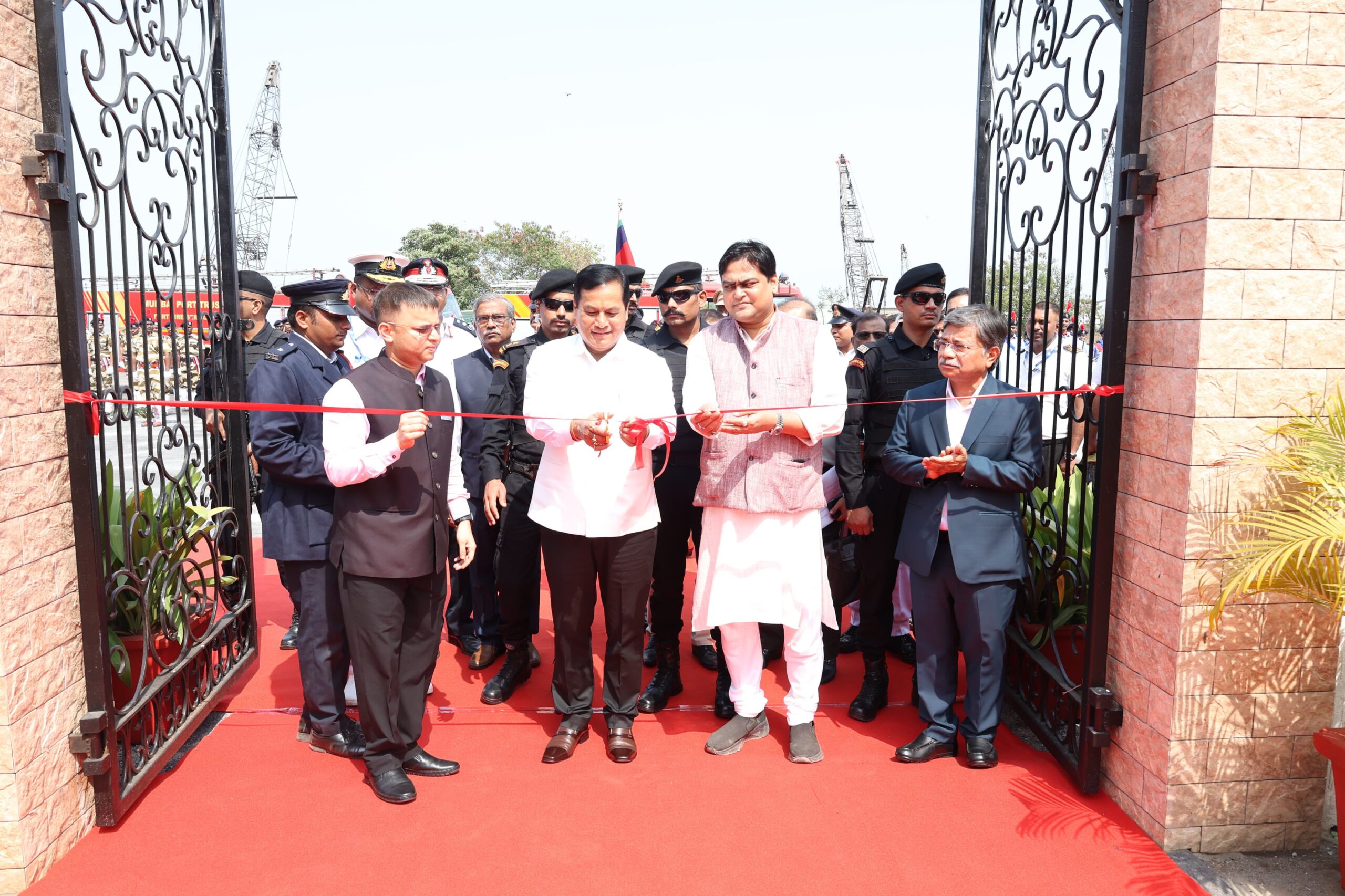
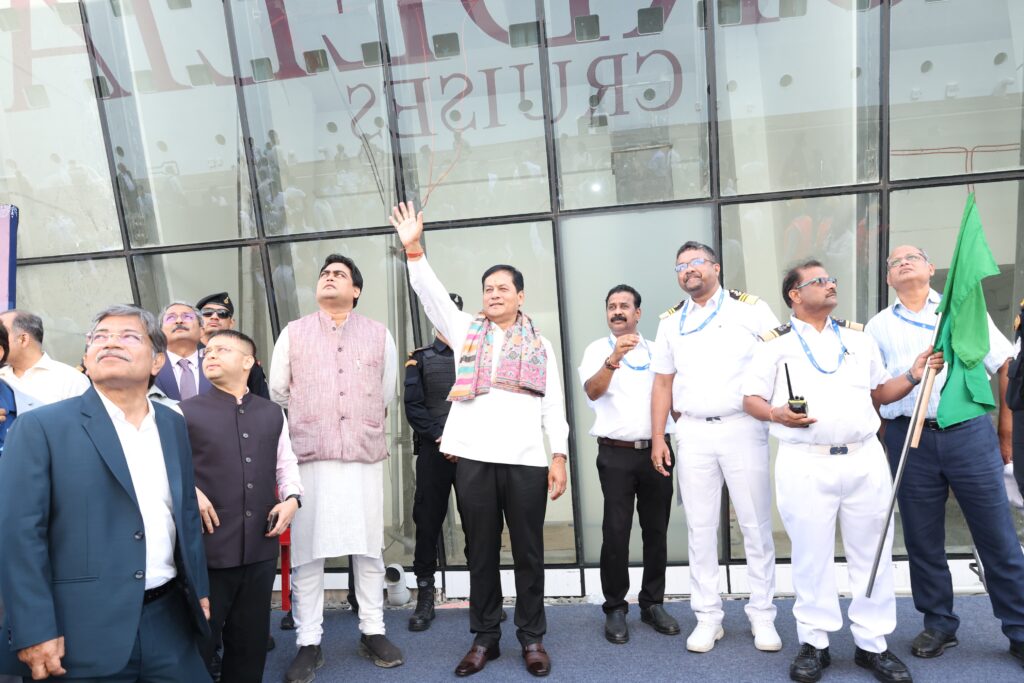
On April 21, 2025, Union Minister of Ports, Shipping and Waterways Sarbananda Sonowal officially flagged off cruise operations at the Mumbai International Cruise Terminal (MICT), India’s largest world-class cruise facility, marking a major step in the nation’s maritime tourism ambitions. Developed under the Centre’s “Cruise Bharat Mission”. The inauguration also included the unveiling of the restored Fire Memorial at Victoria Docks, refurbishments of two heritage buildings in Colaba, and launch of a Shore-to-Ship Electric Supply under the Green Port Initiative. With an investment of ₹556 crore, MICT complements existing facilities at Visakhapatnam and Chennai, reinforcing Prime Minister Modi’s vision of positioning India as a leading global cruise hub by 2029.
Background
The Cruise Bharat Mission, launched on September 30, 2024, aims to harness India’s vast coastline and cultural appeal to boost cruise tourism by doubling passenger traffic to two lakh annually by 2029. In fiscal year 2023-24, India welcomed approximately 471,000 cruise passengers, signalling strong growth potential in a segment traditionally overshadowed by cargo operations. Prior to MICT’s commissioning, India had two international cruise terminals in Chennai and Visakhapatnam both positioned to serve increasing domestic and international demand. The government envisages a three-pillar strategy ocean and harbour cruises, river and inland cruises, and island and lighthouse cruises to diversify offerings and drive regional economic benefits along maritime corridors.
The Cruise Bharat Mission
The Cruise Bharat Mission has set ambitious yet achievable goals like Development of 10 international sea cruise terminals, creation of 100 river cruise terminals, launch of 5 marinas along our coast, Seamless integration of more than 5000 km of waterways, Aiming for 1 million sea cruise passengers and 1.5 million river cruise passengers by 2029 creation of over 400 thousand direct and indirect jobs across the cruise value chain. Since 2014, the government under the leadership of PM Shri Narendra Modi, has led to a transformation of the maritime sector. The cargo handled at the major port cargo surged from 556 MMT in 2014 to 854 MMT in 2024-25 while costal cargo grew by 119%. The inland water cargo rose from 6.89 MMT to 133 MMT-a leaps of over 1800%. The cruise passengers increased from 85,000 in 2014 to 4.71 lakh today, a phenomenal growth of 454%.
Also read: Major Blow to Red Sea Trade – US Strikes Yemen’s Ras Isa Oil Terminal
Commencement Ceremony
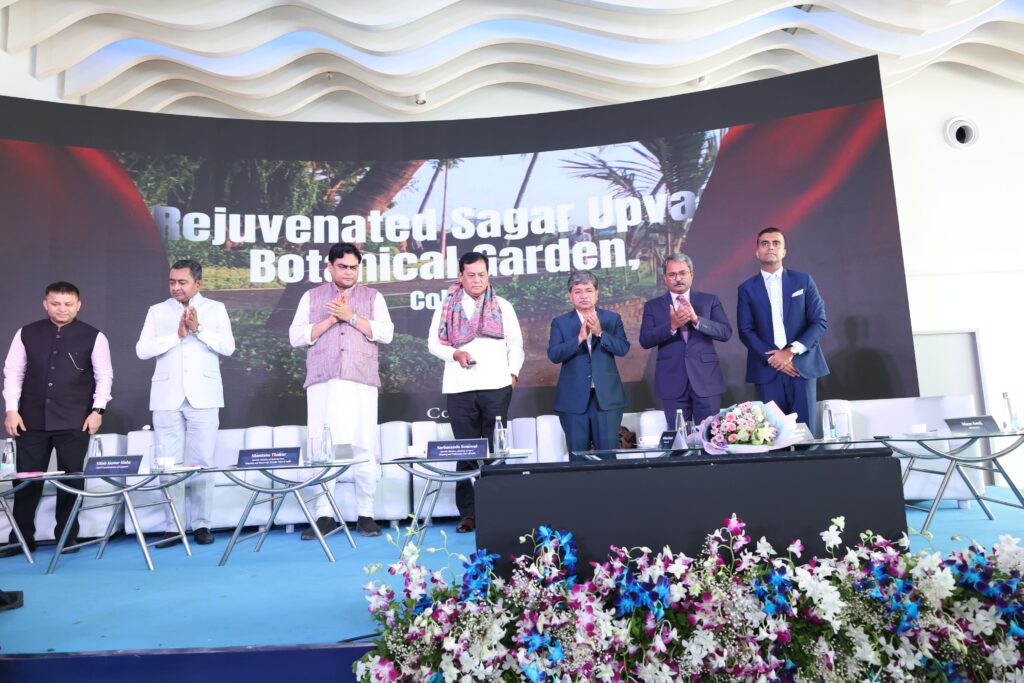
The flag-off ceremony at MICT was presided over by Union Minister Sarbananda Sonowal, who emphasized Mumbai’s storied maritime heritage and the potential for cruise tourism to generate employment and revenue in allied sectors such as hospitality, transport, and local crafts. Also present were Shri Shantanu Thakur, Union Minister of State, (MoSPW) as the Guest of Honour along with Susil Kumar Singh (IRSME), Chairman, Mumbai Port Authority (MbPA); Adesh Titarmare, IAS, Deputy Chairman, (MbPA); Unmesh Sharad Wagh, IRS, Chairman, Jawaharlal Nehru Port Authority (NPA) and Dhruv Kotak, Managing Director, J.M. Baxi among other dignitaries and senior officials of the (MoPSW) and (MbPA), underscoring multi-agency coordination in port modernization efforts. Minister Sonowal remarked that MICT’s cutting-edge facilities would elevate passenger experience to global standards, aligning with the government’s Green Port and heritage conservation priorities.
Features of Mumbai International Cruise Terminal
MICT’s built-up area exceeds 415,000 sq ft, with the ground and first floors (G+1) housing 72 check-in and immigration counters spread over 207,000 sq ft, enabling rapid processing and reducing embarkation times. The second and third floors are dedicated to commercial outlets, passenger lounges, and other amenities designed to provide a seamless travel experience. Five berths, each accommodating ships up to 300 m in length with an 11 m draft, allow simultaneous handling of multiple vessels, while parking for more than 300 vehicles addresses ground-transport integration. Advanced baggage handling systems, customs and immigration infrastructure, and dedicated arrival and departure halls ensure MICT meets International Ship and Port Facility Security (ISPS) standards.
Heritage Conservation and Green Initiatives
In tandem with modernization, MICT’s inauguration featured the restoration of the Fire Memorial at Victoria Docks and two Grade-II heritage structures Fort House Ballard Estate and Evelyn House in Colaba reaffirming a commitment to preserving Mumbai’s colonial-era maritime legacy. The newly unveiled Sagar Upvan Garden offers passengers and the public a landscaped green space overlooking the harbour, blending recreation with heritage. Under the Green Port Initiative, the Shore-to-Ship Electric Supply will enable docked vessels to tap into shore power, reducing emissions and noise pollution during port stays and advancing India’s environmental targets in line with international maritime standards.
Strategic Implications
MICT’s launch underlines India’s ambition to emerge as a top-tier cruise destination in Asia, tapping into rising outbound and inbound tourism trends. By providing world-class infrastructure, India aims to attract leading global cruise lines, generate foreign exchange earnings, and stimulate investment in coastal economies. Ancillary industries-hotels, restaurants, ground transport, and local artisans stand to benefit from increased tourist footfall, fostering sustainable livelihoods in waterfront communities. Moreover, MICT’s success is expected to catalyse further investments under the Cruise Bharat Mission’s roadmap, including riverine and island-based cruise circuits that showcase India’s diverse cultural and natural heritage.
Conclusion
The commissioning of MICT represents a transformative leap for India’s cruise tourism landscape, melding modern port infrastructure with heritage conservation and environmental stewardship. As Mumbai opens its gates to international cruise travellers, stakeholders across government and industry will look to replicate this model at other ports, steering India toward its goal of becoming a preeminent cruise destination by 2029.