Report : Nhava Sheva ports congested due to surge in shipping containers.
Indian shippers at Nhava Sheva Port (JNPT) are experiencing significant delays due to a surge in container volume and ongoing disruptions in vessel schedules, according to industry reports. The congestion at the port’s key terminals, Nhava Sheva International Container Terminal (NSICT) and Gateway Terminals India (GTI), is causing headaches for exporters, importers, and truck drivers alike.
The Nhava Sheva Container Operators’ Welfare Association (NSCOWA), representing container truck operators, issued a trade notice highlighting the severity of the problem. They report average delays of 6-8 hours for every import, export, and empty container entering or leaving the NSICT and GTI terminals.
This congestion is attributed to a twofold issue: a sudden spike in container volume and persistent inconsistencies in vessel arrival and departure times.
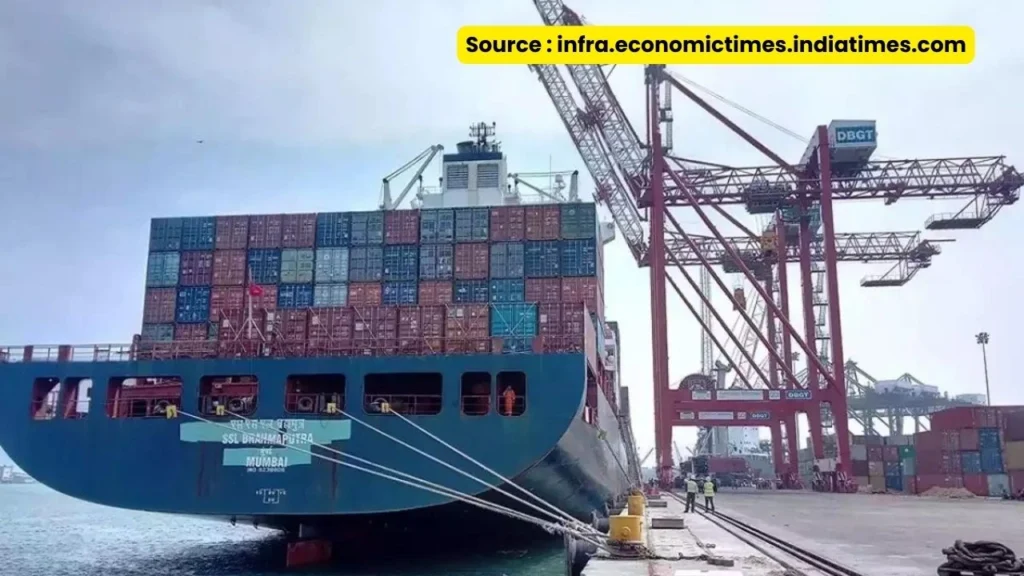
The rise in container volume can be attributed to several factors. The global economic recovery post-pandemic has led to increased trade activity. Additionally, disruptions at other major ports worldwide might be pushing some cargo volumes towards Nhava Sheva.
Also Read : Houthis Claim Mediterranean Attack on Tanker After Red Sea Strikes
The erratic vessel schedules further compound the problem. Unforeseen delays and last-minute changes in arrival and departure times disrupt the smooth flow of operations at the terminals. This throws off pre-planned logistics, leading to bottlenecks and delays in container handling.
The consequences of this congestion are far-reaching. Truck drivers are facing long wait times, impacting their productivity and leading to frustration. Delays in container movement are disrupting the entire export-import cycle, jeopardizing delivery schedules for importers. Ultimately, these issues could potentially translate to higher costs for businesses and consumers.
Efforts are underway to mitigate the situation. NSCOWA and other stakeholders are issuing daily traffic advisories to keep the trade community informed. However, a long-term solution requires a multi-pronged approach.
Firstly, improving coordination between shipping lines and terminal operators is crucial. Predictable vessel schedules would allow for better planning and resource allocation at the terminals, optimizing container handling efficiency.
Secondly, increasing infrastructure capacity at Nhava Sheva Port could help alleviate congestion in the long run. Expanding terminal yard space and investing in additional handling equipment would create more room and resources to manage larger volumes of containers.
Finally, exploring alternative ports or streamlining inland logistics could offer some temporary relief. Diversifying shipping routes and optimizing freight movement by road or rail could help reduce the pressure on Nhava Sheva terminals.
The congestion at Nhava Sheva highlights the challenges faced by India’s vital trade infrastructure. Addressing these issues through improved coordination, infrastructure upgrades, and exploring alternative logistics solutions is critical to ensuring the smooth flow of goods and maintaining India’s position as a global trade hub.
Conclusion:
The unexpected surge in container traffic has exposed limitations in the Nhava Sheva terminals’ capacity. The resulting congestion poses challenges for shipping lines, exporters, importers, and overall supply chain efficiency. Addressing this issue requires immediate measures to streamline operations and expedite cargo movement. Long-term solutions might involve infrastructure upgrades and more flexible management strategies to ensure the port’s continued smooth functioning in the face of fluctuating cargo volumes.
Also Read : Vizhinjam Port: India’s Gateway to Global Trade