Report : Philippines Faces Twin Maritime Disasters
A Race Against Time
The Philippines is grappling with a mounting environmental catastrophe as it races against time to prevent what could be its worst oil spill on record. The 22-year-old tanker, Terra Nova, carrying 1.4 million liters of industrial fuel oil, capsized and sank on Thursday, July 25, just 3.6 nautical miles off Lamao Point, Bataan, due to rough seas brought on by Typhoon Gaemi.
The incident has triggered a massive oil spill, with a slick spreading over more than 70 square kilometers of Manila Bay. The Philippine Coast Guard (PCG) has described the situation as critical, with the potential for widespread environmental damage and economic disruption if the oil reaches the heavily populated Manila Bay area.
“We are racing against time and we will try to do our best to contain it immediately and stop the fuel from leaking,” said a PCG spokesperson. “There is a big danger that Manila will be affected, even the shoreline of Manila if the fuel [leaks] because it is within Manila Bay.”
The sunken tanker lies at a depth of 34 meters, which, while posing challenges, is considered manageable for siphoning operations. Authorities are working tirelessly to extract the remaining oil before it leaks and causes irreparable harm to the marine ecosystem.
Double Tragedy Strikes
Adding to the nation’s woes, a second ship, the smaller Jason Bradley, carrying diesel fuel, sank just two days after the Terra Nova incident, in the same area of Bataan. While the quantity of oil spilled from the Jason Bradley is significantly less, it exacerbates the already dire situation.
The combined oil slick from both vessels poses a serious threat to coastal communities, fisheries, and tourism, which are vital to the Philippine economy. The government has deployed numerous vessels and personnel to contain the spill, clean up affected areas, and mitigate the damage.
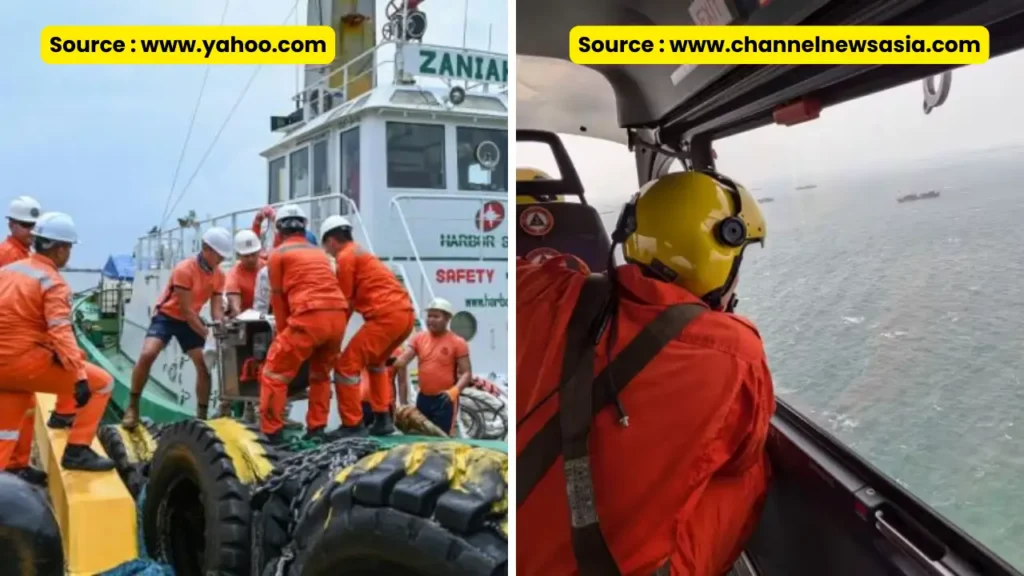
Environmental and Economic Fallout
The potential consequences of this double disaster are immense. An oil spill of this magnitude can have devastating effects on marine life, including fish, birds, and mammals. Coastal ecosystems, including mangroves and coral reefs, are highly vulnerable to oil contamination, which can disrupt food chains and destroy habitats.
Also Read : Shipping Companies Fine $2 Million for Deliberate Oil Dumping and Record Falsification
Furthermore, the oil spill threatens the livelihoods of thousands of people who depend on fishing and tourism for their income. The cleanup process will be lengthy and costly, and the economic impact on affected communities is expected to be severe.
A Call for Stronger Regulations
These consecutive maritime disasters highlight the urgent need for stricter safety regulations and improved disaster response capabilities in the Philippines. The country has a history of oil spills, with the Princess Empress disaster in 2023 serving as a stark reminder of the potential consequences of inadequate safeguards.
It is imperative that the government invests in advanced oil spill prevention and response technologies, strengthens maritime safety inspections, and enforces stricter penalties for environmental violations.
Conclusion
The Philippines is facing a formidable challenge in the aftermath of two major shipwrecks and the resulting oil spills. The race to contain the environmental damage is far from over, and the full extent of the ecological and economic consequences remains to be seen. This crisis underscores the critical importance of robust maritime safety measures and disaster preparedness to protect both the environment and the livelihoods of coastal communities.
As the nation works tirelessly to address the immediate crisis, it is equally crucial to invest in long-term solutions to prevent such disasters from happening again.
Also Read : Red Sea Reroute: Houthi Attacks Drive Up Carbon Emissions by Millions