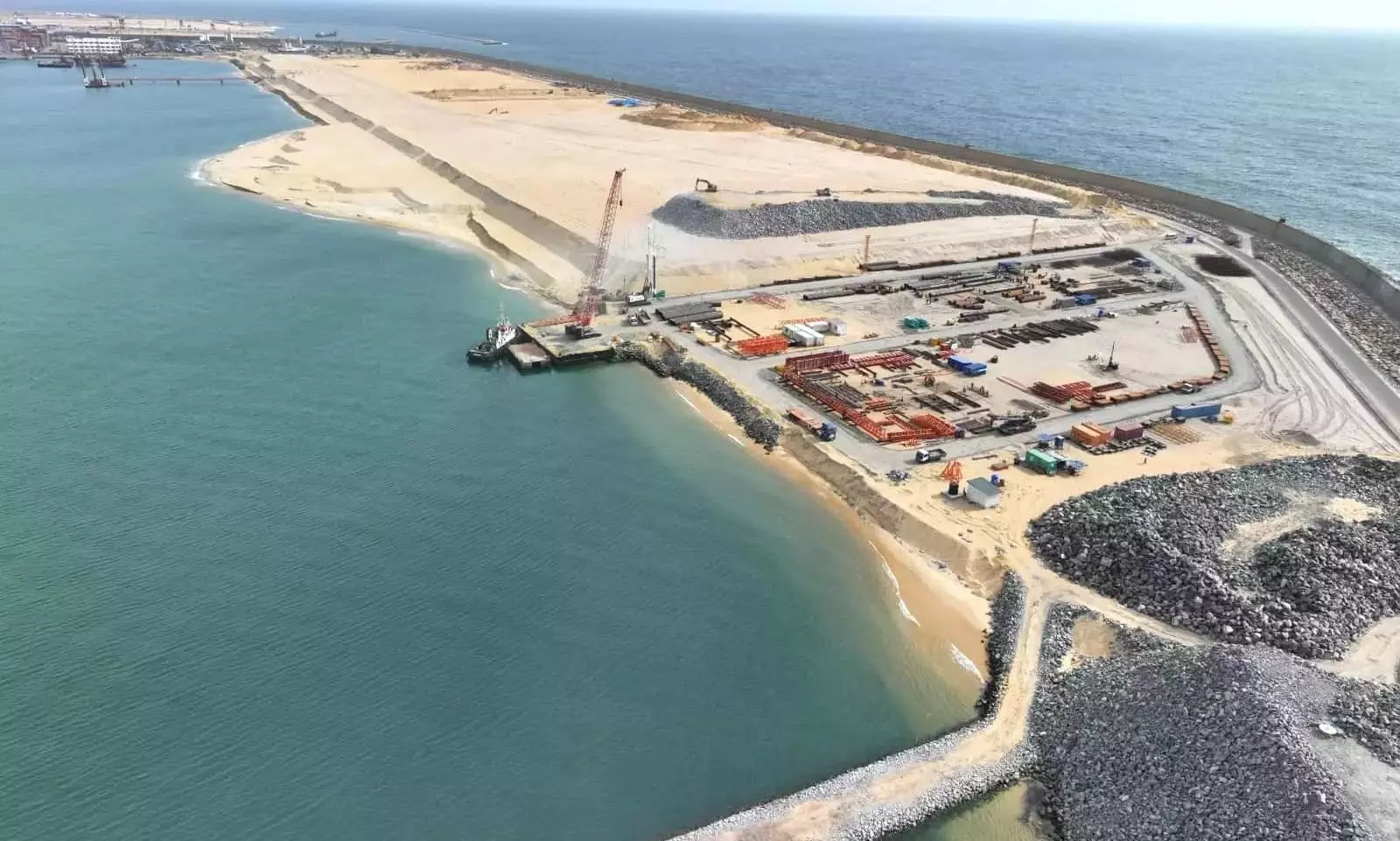
Report: Sri Lanka Backs Adani Port, Opposes Wind Farm
Colombo, December 14, 2024: The Sri Lankan government has approved the controversial Adani Group’s Colombo Port Terminal project, while simultaneously rejecting a proposed wind farm project by the Indian conglomerate. This decision has sparked mixed reactions, with supporters hailing it as a boost to the country’s economy and critics expressing concerns over environmental and economic implications.
Adani Colombo Port Terminal Project
The Adani Group’s Colombo Port Terminal project has been a subject of debate for several years. The project involves the development of a new terminal at the Colombo Port, which is expected to significantly enhance the port’s capacity and efficiency. While the project is expected to create jobs and boost the Sri Lankan economy, environmental activists have raised concerns over potential damage to marine ecosystems and coastal erosion.
Rejection of Wind Farm Project
In a surprising move, the Sri Lankan government has rejected the Adani Group’s proposed wind farm project. The project, which was aimed at generating renewable energy, faced opposition from local communities and environmental groups who argued that it would disrupt the ecological balance and displace local residents.
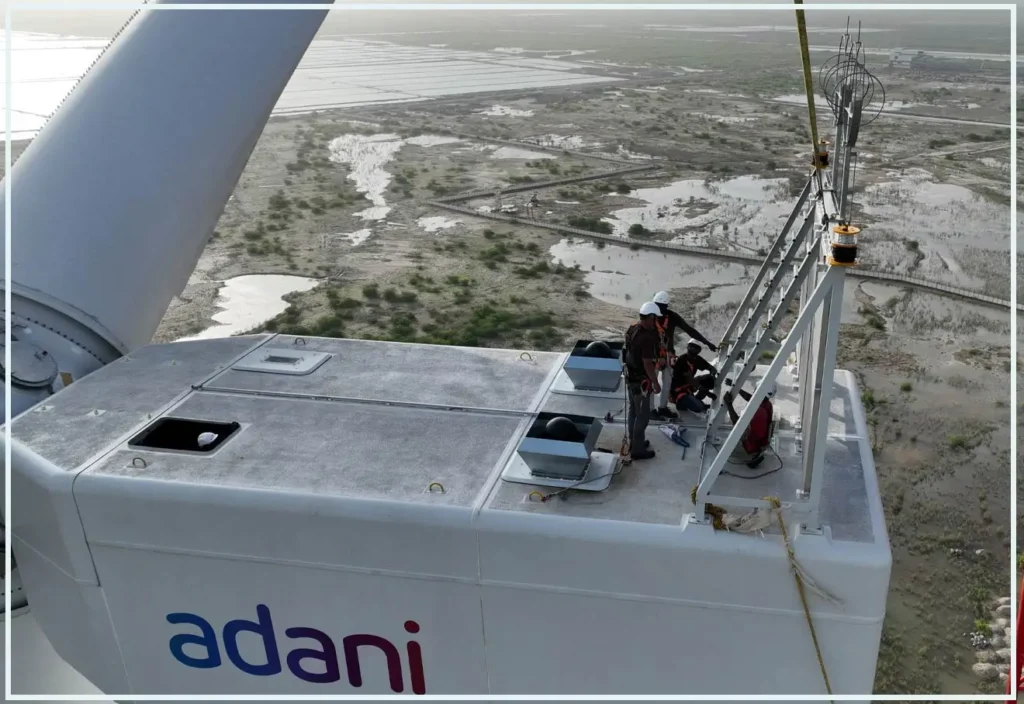
Government’s Rationale
The Sri Lankan government has justified its decision to approve the port project and reject the wind farm by citing economic benefits and environmental concerns. The government has argued that the port project will contribute to the country’s economic growth and create employment opportunities. On the other hand, the government has expressed concerns over the potential environmental impact of the wind farm project.
Also Read: Decarbonizing Transport: A Global Imperative
Public Opinion and International Reactions
The Sri Lankan public is divided over the government’s decision. While some support the port project, others are critical of the government’s decision to prioritize economic interests over environmental concerns. International organizations and environmental groups have also expressed mixed reactions. Some have welcomed the port project as a potential economic boon, while others have raised concerns over the environmental and social impacts.
Conclusion
The Sri Lankan government’s decision to approve the Adani Colombo Port Terminal project and reject the wind farm project highlights the complex interplay of economic and environmental considerations in development projects. While the port project is expected to bring economic benefits, it is crucial to ensure that environmental concerns are adequately addressed. The government must strike a balance between economic growth and environmental sustainability to ensure the long-term well-being of the country.