Report: Tripura to Be Linked with Kolkata, Vizag & Paradip via Waterways
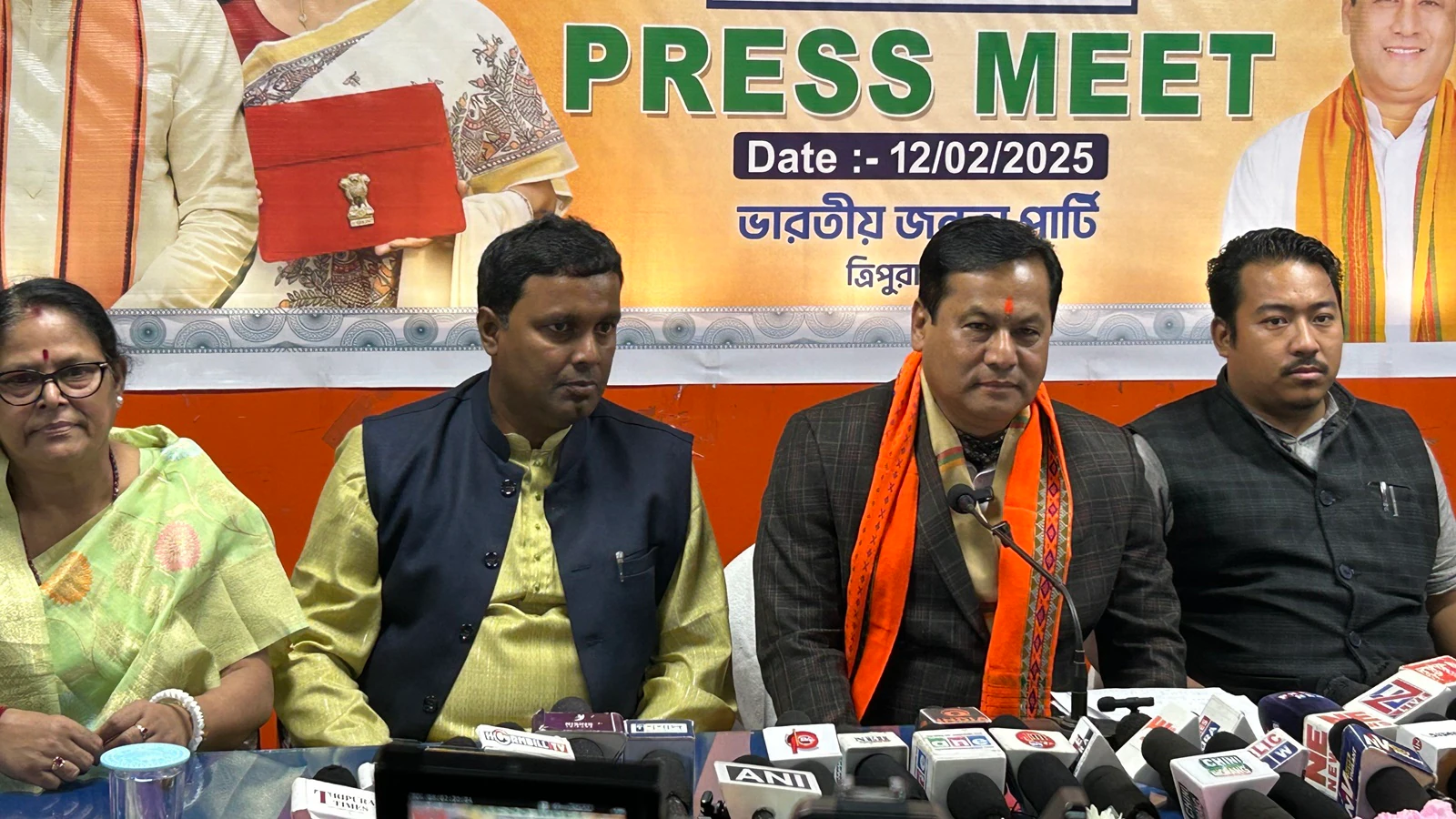
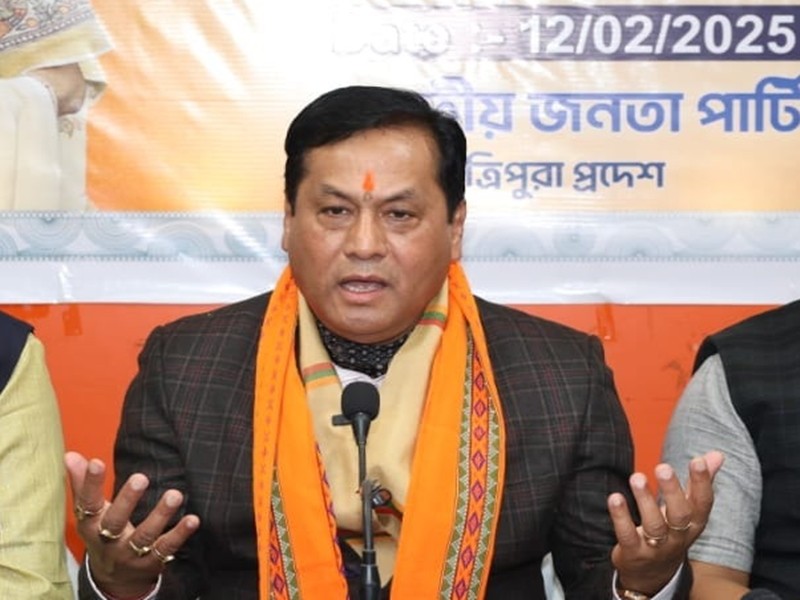
In a landmark initiative aimed at bolstering regional connectivity and economic growth, Union Minister for Shipping, Ports, and Waterways, Sarbananda Sonowal, announced plans to link Tripura with major Indian ports—Kolkata, Visakhapatnam, and Paradip—via waterways through Bangladesh. This strategic move is poised to transform Tripura’s trade dynamics, offering a more efficient and cost-effective route for the transportation of goods.
Enhancing Tripura’s Connectivity
Traditionally, Tripura, a landlocked state in India’s Northeast, has relied heavily on road and rail networks that traverse through Assam and West Bengal to access other parts of the country. This overland route spans approximately 1,650 kilometers from Agartala to Kolkata via Guwahati. In contrast, the distance between Agartala and Kolkata through Bangladesh is just about 620 kilometers, highlighting the potential for significant reductions in travel distance and time.
The proposed project involves the development of jetties along the Gomati River in Tripura. These jetties will facilitate direct access to the Bay of Bengal through Bangladesh’s waterways, effectively connecting Tripura to the ports of Kolkata in West Bengal, Paradip in Odisha, and Visakhapatnam in Andhra Pradesh. This initiative is expected to provide a seamless maritime route, enhancing trade efficiency and opening new markets for Tripura’s products.
Strategic Importance of the Ports
Each of the ports identified in this project holds strategic significance:
- Kolkata Port: As one of India’s oldest operating ports, Kolkata serves as a critical hub for trade in the eastern region. Its connectivity to Tripura via waterways will streamline the movement of goods, reducing dependency on overland routes.
- Paradip Port: Located in Odisha, Paradip is a deep-water port that handles a substantial volume of cargo, including coal, iron ore, and other bulk commodities. Linking Tripura to Paradip can facilitate the export of the state’s agricultural and industrial products to larger markets.
- Visakhapatnam Port: Situated on the east coast of Andhra Pradesh, Visakhapatnam is one of India’s leading ports in terms of cargo throughput. Its inclusion in the connectivity project offers Tripura an additional gateway to southern and central Indian markets, as well as international destinations.
Economic Implications for Tripura
Tripura boasts a diverse range of agricultural and horticultural products, including pineapples, jackfruits, rubber, and bamboo. The enhanced connectivity is anticipated to provide local producers with more accessible and lucrative markets, both domestically and internationally. By reducing transportation costs and transit times, the waterways linkage will make Tripura’s exports more competitive, potentially leading to increased income for farmers and entrepreneurs.
Moreover, the improved infrastructure is expected to attract investment in the state’s industrial and manufacturing sectors. With more efficient access to major ports, industries in Tripura can benefit from the import of raw materials and the export of finished goods, fostering economic diversification and job creation.
Leveraging International Agreements
The success of this initiative hinges on effective collaboration between India and Bangladesh. Utilizing the Protocol on Inland Water Transit and Trade (PIWTT) between the two countries, the project aims to ensure smooth navigation and transit of vessels through Bangladeshi waterways. This bilateral agreement facilitates not only regional trade but also strengthens diplomatic ties between the neighboring nations.
Environmental and Social Considerations
While the project promises economic benefits, it also necessitates careful environmental and social assessments. The Gomati River, being a rain-fed river, experiences fluctuations in water levels, especially during the dry season. Ensuring year-round navigability may require dredging and other interventions, which must be managed sustainably to protect the river’s ecosystem.
Also Read: Strengthening Maritime Ties: PM Modi and President Macron Visit CMA CGM Headquarters in Marseille
Additionally, the development of port infrastructure and increased traffic may impact local communities. Engaging with these communities to address concerns and ensure that they benefit from the project is crucial for its long-term success.
Government’s Vision for the Northeast
This waterways connectivity project aligns with the Indian government’s broader vision for the development of the Northeastern region. Under the “Act East Policy,” there is a concerted effort to enhance infrastructure, improve connectivity, and foster economic growth in the Northeast, positioning it as a gateway to Southeast Asia.
Union Minister Sarbananda Sonowal highlighted the transformative changes in Tripura over the past decade, noting the substantial improvements in air and rail connectivity. The introduction of waterways as an additional mode of transport is expected to complement these developments, creating a multi-modal transport network that boosts trade and tourism.
Conclusion
The initiative to connect Tripura with major Indian ports via waterways through Bangladesh marks a significant milestone in the region’s development trajectory. By providing an alternative and efficient route for trade, this project is poised to unlock Tripura’s economic potential, benefiting local communities and contributing to the broader goal of regional integration. As the project progresses, careful attention to environmental sustainability and community engagement will be essential to ensure that the benefits are both inclusive and enduring.
Also Read: Deendayal Port Authority Takes a Major Leap Towards Women’s Empowerment