Report: Trump Ally Calls for Tariffs on Goods from China’s Peru Port
November 18, 2024
In a move that signals heightened economic tension between the United States and China, a close ally of former President Donald Trump has called for imposing tariffs on goods entering the U.S. through Peru’s Chancay Port. The port, which is largely financed and operated by Chinese firms, has become a focal point for discussions on global trade, supply chains, and geopolitical influence in Latin America.
The proposal comes from Senator Marco Rubio, a Republican from Florida and a staunch advocate for tougher policies against China’s growing influence. During a recent speech on Capitol Hill, Rubio emphasized the need for the U.S. to protect its economic interests by targeting Chinese-controlled trade routes. He described the Chancay Port as a “Trojan horse” for Beijing to expand its economic and political foothold in the Americas.
“The Chancay Port isn’t just a trade hub; it’s a strategic outpost for the Chinese Communist Party,” Rubio stated. “By allowing goods from this port to flow freely into the United States, we are unwittingly supporting Beijing’s ambitions and undermining our own industries.”
China’s Influence in Peru
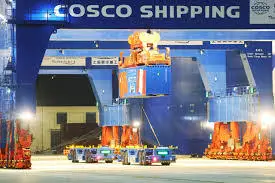
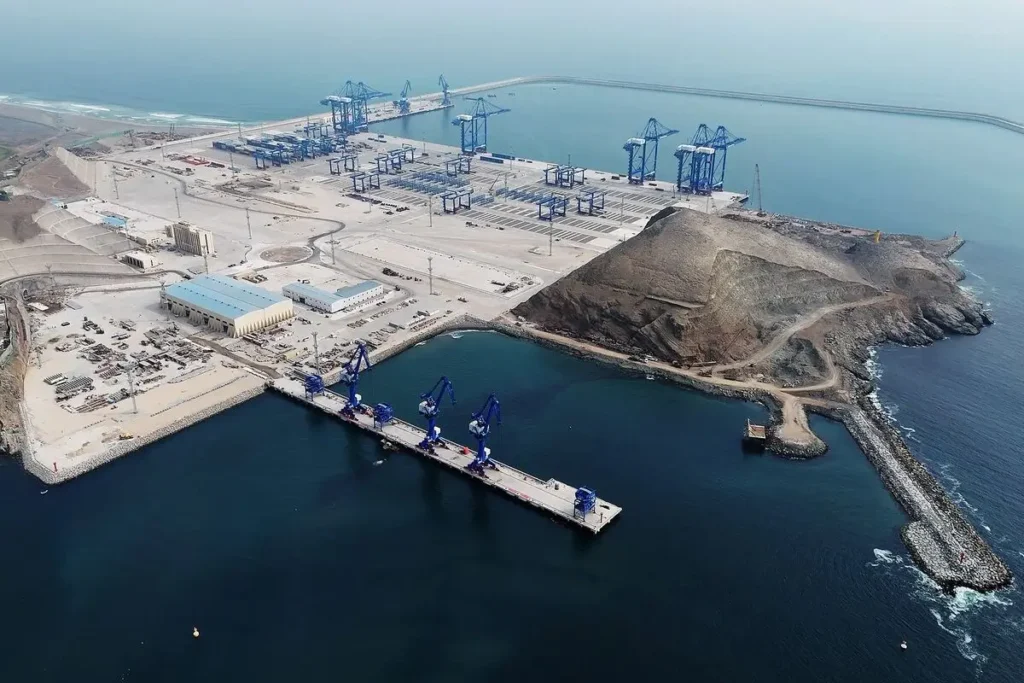
The Chancay Port project, situated about 80 kilometers north of Lima, has been under development since 2019. With over $3 billion in investment from the Chinese state-owned company COSCO Shipping, the port is designed to become a key node in China’s Belt and Road Initiative (BRI). Once completed, it will be one of the largest and most advanced ports on South America’s Pacific coast, capable of accommodating massive cargo ships and handling millions of tons of goods annually.
Also Read: India to Build World’s Biggest Port’: Shipping Minister Sarbananda Sonowal at IES 2024
Peruvian officials have hailed the project as a game-changer for the country’s economy, citing job creation and improved infrastructure. However, critics argue that it increases Peru’s dependence on China and gives Beijing significant leverage over regional trade dynamics.
Rubio’s proposal seeks to levy tariffs on goods originating from or routed through the Chancay Port, regardless of their country of manufacture. This measure, he argues, would not only curb China’s economic reach but also incentivize American businesses to source goods from less geopolitically fraught regions.
Economic Implications
Experts are divided on the potential impact of such tariffs. Proponents believe that targeting Chinese-linked trade routes would weaken Beijing’s ability to project influence through economic means. Additionally, they argue that it could create opportunities for American manufacturers and encourage diversification in supply chains.
“China’s investments in global infrastructure, particularly in Latin America, are designed to challenge U.S. dominance,” said Dr. Laura Hwang, an expert on international trade at Georgetown University. “Imposing tariffs on these trade routes could serve as a strategic countermeasure.”
On the other hand, critics warn that the move could backfire by increasing costs for American consumers and straining relations with Latin American allies like Peru. Many of these countries depend on Chinese investment and trade to sustain their economies, and a U.S. policy targeting Chinese-backed projects could be perceived as an affront.
“This isn’t just about China; it’s also about how the U.S. treats its neighbors,” said Ricardo Gutierrez, a Peruvian economist. “If Washington adopts a punitive approach, it risks alienating countries that are already skeptical of U.S. intentions in the region.”
Political Context
The proposal also reflects broader divisions in U.S. politics regarding trade and foreign policy. While Rubio’s stance aligns with the hawkish approach of Trump-era policies, others in Congress have expressed caution.
Democratic Senator Chris Murphy of Connecticut argued that tariffs might do more harm than good, particularly for industries reliant on affordable imports. “We need a nuanced approach to counter China,” Murphy said. “Blanket tariffs aren’t the solution; they could lead to retaliation and hurt our own economy.”
The Biden administration has not yet taken a position on Rubio’s proposal. However, White House officials have previously expressed concerns about China’s activities in Latin America, emphasizing the need for the U.S. to strengthen its partnerships in the region.
China’s Response
Chinese officials have dismissed the criticisms of the Chancay Port as baseless and politically motivated. In a statement, China’s Ministry of Foreign Affairs called the project a “win-win cooperation” that benefits both China and Peru.
“Attempts to politicize economic and trade activities are irresponsible and counterproductive,” the statement read. “China remains committed to fostering mutually beneficial partnerships around the world.”
Conclusion
As the debate over tariffs on goods linked to China’s Peru port continues, the issue underscores the complex interplay of economics and geopolitics in today’s globalized world. Rubio’s push for tariffs represents a growing trend in U.S. policy circles to view trade through the lens of national security and strategic competition.
However, the proposal’s potential consequences—ranging from increased costs for consumers to strained international relations—highlight the challenges of countering China’s influence without causing collateral damage. Whether the U.S. chooses to adopt such measures will depend on balancing the economic and strategic interests at stake.
The coming months will be crucial in determining whether Washington doubles down on its confrontational stance or opts for a more collaborative approach to address China’s expanding footprint in the Americas.
Also Read: Vizhinjam Port Achieves Milestone of Handling 100,000 Containers in Four Months