Report: India Plans National Shipping Line, Global Port Consortium
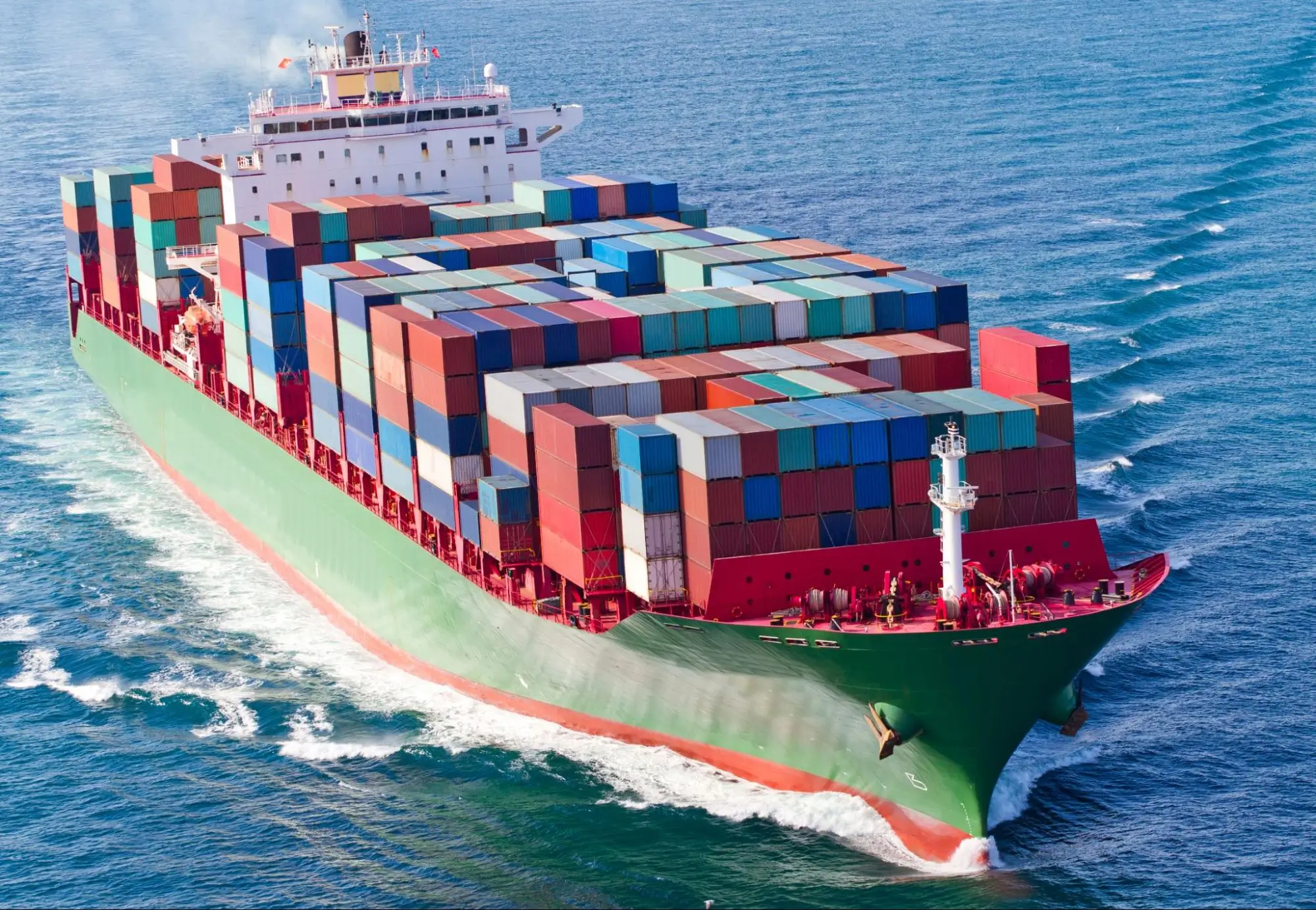
New Delhi: In a move aimed at bolstering its maritime presence and enhancing global trade competitiveness, India is reportedly planning to launch a national container shipping line and establish a consortium to operate overseas ports. This ambitious initiative seeks to address the challenges faced by Indian exporters due to global supply chain disruptions and rising freight costs.
The proposed national shipping line, tentatively named “Bharat Container Shipping Line,” will be operationalized as a vertical within the Shipping Corporation of India (SCI). This move aims to ensure a reliable and efficient transport mechanism for Indian exports, particularly in crucial sectors like textiles, pharmaceuticals, and engineering goods. By establishing a dedicated national carrier, India seeks to reduce its dependence on foreign shipping lines and gain greater control over its international trade flows.
Furthermore, the government plans to form a consortium with equity participation from public sector enterprises to bid for and operate overseas port assets. This consortium, likely to be named “Bharat Global Ltd.,” will replicate the successful model of the Chabahar Port project in Iran, where Indian companies have played a significant role in port development and operations.
The proposed consortium will comprise key players such as the Indian Port Rail & Ropeway Corporation, Sagarmala Development Company, and SCI. This collaboration will leverage the expertise and resources of these entities to identify and pursue strategic port development opportunities in key regions across the globe.
Key Objectives of the Initiative:
- Enhance Global Trade Competitiveness: By establishing a national shipping line and expanding its global port operations, India aims to reduce logistics costs for exporters, making Indian goods more competitive in international markets.
- Reduce Dependence on Foreign Shipping Lines: The initiative seeks to minimize reliance on foreign carriers, thereby mitigating risks associated with global supply chain disruptions and ensuring a stable and reliable transportation network for Indian exports.
- Strengthen Maritime Security: A stronger presence in global shipping and port operations will enhance India’s maritime security and safeguard its national interests in crucial maritime trade routes.
- Promote Economic Growth: The development of a robust and efficient maritime sector will create new jobs, attract foreign investment, and contribute significantly to India’s economic growth.
Also Read: India’s Maritime Expansion: A Six-Fold Leap Towards Global Shipping Dominance
Challenges and Considerations:
The successful implementation of these initiatives will require careful planning and execution. Key challenges include:
- Competition: The global shipping industry is highly competitive. The proposed national shipping line will face stiff competition from established global carriers.
- Investment: Significant investments will be required for fleet expansion, port development, and infrastructure upgrades.
- Skill Development: The initiative will necessitate a skilled workforce with expertise in maritime operations, logistics, and port management.
- Geopolitical Factors: The evolving geopolitical landscape and potential risks associated with operating in foreign countries must be carefully assessed and mitigated.
Conclusion:
The Indian government’s decision to launch a national shipping line and form a global port consortium marks a significant step towards strengthening the country’s maritime capabilities and enhancing its global trade competitiveness. While challenges remain, this initiative has the potential to transform India into a major player in the global shipping and logistics sector, driving economic growth and ensuring a secure and reliable supply chain for Indian exports. The success of this endeavor will hinge on effective planning, strategic partnerships, and continuous innovation in the maritime sector.