Report: PM Modi & Trump Strengthen Trade and Defense Ties
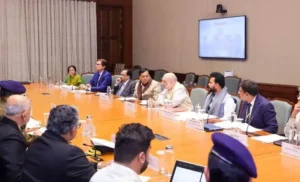
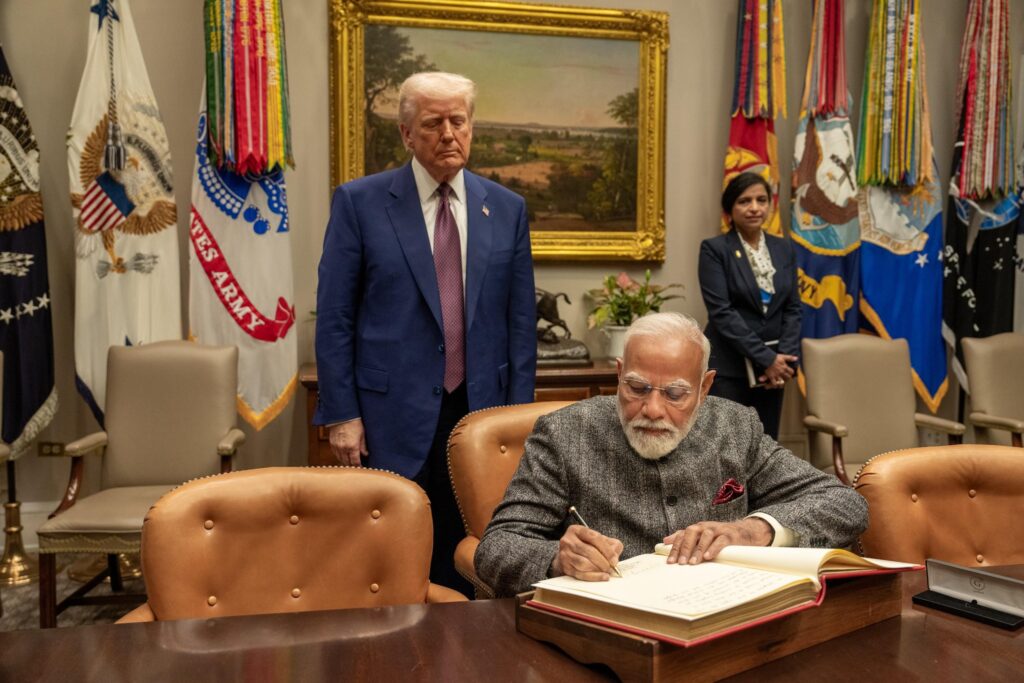
In a significant move to strengthen bilateral relations, Indian Prime Minister Narendra Modi and U.S. President Donald Trump convened at the White House on February 13, 2025. The discussions primarily centered on resolving trade disputes, enhancing defense cooperation, and addressing immigration issues, reflecting a mutual commitment to fortify the strategic partnership between the two nations.
Resolving Trade Disputes
Trade tensions have been a persistent issue between India and the United States, with disagreements over tariffs and market access. During the meeting, President Trump described India’s tariffs as “unfair” and emphasized the need for equitable trade practices. In response, Prime Minister Modi acknowledged these concerns and highlighted recent steps India has taken to reduce tariffs on select U.S. products, aiming to facilitate smoother trade relations. Both leaders agreed to initiate negotiations to finalize the initial segments of a trade deal by the fall of 2025, signaling a proactive approach to resolving these longstanding issues.
A notable development from the talks was India’s commitment to increase its energy imports from the United States. Prime Minister Modi announced plans to raise U.S. energy purchases to $25 billion, up from the previous $15 billion. This move is expected to help balance the trade deficit and provide India with a reliable energy source, while simultaneously benefiting the U.S. energy sector.
Enhancing Defense Cooperation
Defense collaboration emerged as a pivotal theme during the discussions. President Trump announced intentions to bolster military sales to India, including advanced aircraft and other defense equipment. While specific details were not disclosed, this initiative aligns with the broader goal of strengthening India’s defense capabilities and promoting regional security. Both leaders underscored the importance of deepening security cooperation in the Indo-Pacific region, aiming to counterbalance emerging threats and ensure stability.
Addressing Immigration and Extradition
Immigration issues also featured prominently in the dialogue. President Trump expressed concerns about illegal immigration and emphasized the need for stringent measures. Prime Minister Modi responded by assuring cooperation, noting that India had recently accepted 104 migrants repatriated on a U.S. military plane. This gesture reflects India’s commitment to addressing illegal immigration and maintaining robust bilateral relations.
In a significant move to combat terrorism, President Trump backed the extradition of Tahawwur Hussain Rana to India. Rana is implicated in the 2008 Mumbai attacks, and his extradition is expected to serve as a deterrent against terrorism and bolster India’s efforts to bring perpetrators to justice. This decision is likely to enhance President Trump’s standing in India and reinforce the collaborative efforts of both nations in combating global terrorism.
Also Read: Tripura to Be Linked with Kolkata, Visakhapatnam, and Paradip via Waterways: Union Minister Sonowal
Economic and Strategic Implications
The commitment to resolve trade disputes and enhance defense cooperation carries significant economic and strategic implications. For India, increased access to U.S. defense technology is poised to modernize its military infrastructure, thereby strengthening its position in regional security dynamics. From an economic standpoint, the reduction of tariffs and increased energy imports are expected to stimulate trade, create jobs, and foster economic growth in both countries.
For the United States, these agreements open avenues to a burgeoning market for energy exports and defense equipment. The collaboration also aligns with the U.S. strategy to maintain a balance of power in the Indo-Pacific region, countering the influence of other regional actors. Moreover, addressing immigration concerns and ensuring the extradition of individuals involved in terrorism reflect a shared commitment to upholding security and legal frameworks.
Conclusion
The meeting between Prime Minister Narendra Modi and President Donald Trump marks a pivotal moment in Indo-U.S. relations. By addressing critical issues such as trade disputes, defense cooperation, and immigration, both leaders have demonstrated a mutual resolve to strengthen their strategic partnership. The agreements and commitments arising from this dialogue are poised to have lasting impacts on economic growth, regional security, and global stability, reflecting the deepening ties between the world’s largest democracies.
Also Read: Strengthening Maritime Ties: PM Modi and President Macron Visit CMA CGM Headquarters in Marseille