Report: Russian Tanker Sinks, Spills Oil, Claims Life in Kerch Strait
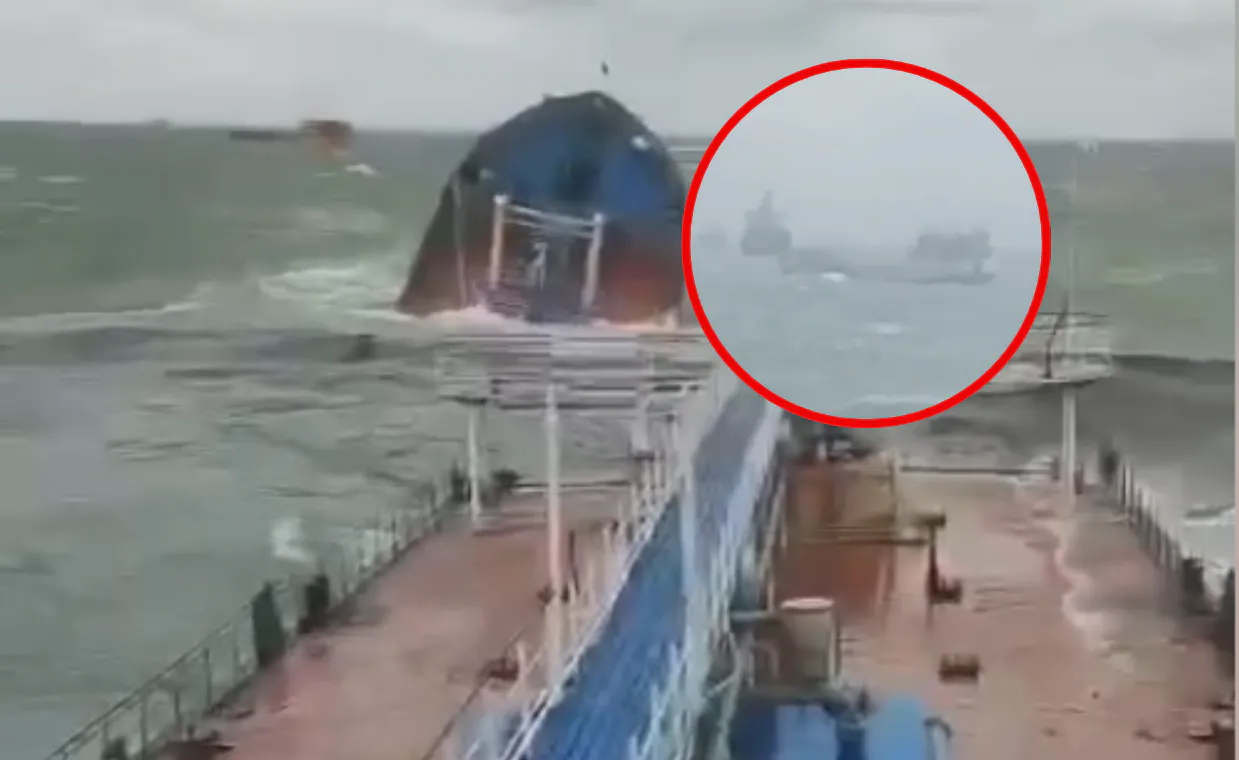
Kerch Strait, December 16, 2024 — A Russian coastal tanker, identified as the Viktor Chernov, sank early Monday morning in the Kerch Strait, resulting in the tragic death of one crew member and an oil spill that has sparked environmental concerns in the region. The incident occurred during rough weather conditions, exacerbating rescue efforts and raising questions about maritime safety protocols in the area.
The Incident
The tanker, which was transporting approximately 800 tons of diesel fuel, reportedly began taking on water late Sunday night. According to initial reports from Russia’s Ministry of Emergency Situations, the vessel issued a distress signal around 3:00 AM local time. The crew attempted to stabilize the tanker but were ultimately unsuccessful as it began to list heavily and sink within hours.
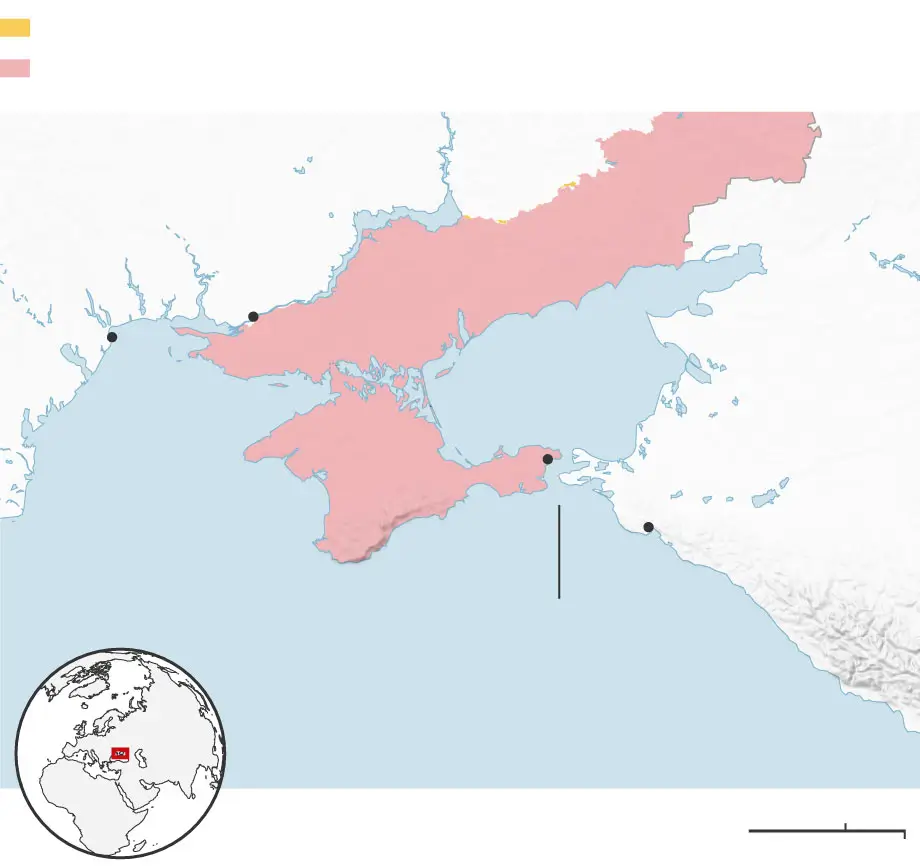
The Kerch Strait, a strategic waterway connecting the Black Sea and the Sea of Azov, has long been a bustling route for maritime traffic. However, the narrow strait is prone to unpredictable weather and strong currents, which can pose significant risks to vessels. High winds and rough seas were reported at the time of the incident, complicating the situation for the crew of the Viktor Chernov and the responding emergency teams.
Casualties and Rescue Efforts
Of the 12 crew members onboard, 11 were rescued by nearby vessels and emergency response teams. Tragically, one seafarer—whose identity has not yet been disclosed—was pronounced dead at the scene. The body was recovered during the rescue operation, which involved multiple Russian naval and civilian ships, as well as aerial support from helicopters.
“Our hearts go out to the family of the deceased crew member,” said a spokesperson for the Ministry of Emergency Situations. “This incident underscores the inherent dangers of maritime work, particularly in adverse weather conditions.”
Environmental Impact
The sinking of the Viktor Chernov has resulted in a significant oil spill, with diesel fuel leaking into the Kerch Strait. Early estimates suggest that approximately 400 tons of fuel have already entered the water, forming a slick that spans several kilometers. Environmental organizations have raised alarms about the potential ecological damage, particularly to marine life and coastal ecosystems.
“Diesel fuel is highly toxic and can have devastating effects on aquatic life,” said Olga Ivanova, a marine biologist with the Russian Academy of Sciences. “The Kerch Strait is home to several endangered species, and this spill could disrupt their habitats for years to come.”
Authorities have deployed containment booms and skimmers in an attempt to limit the spread of the oil. However, the effectiveness of these measures is being hindered by the rough sea conditions. Local fishermen have been urged to avoid the affected areas, and a temporary ban on maritime traffic through the strait has been imposed to facilitate cleanup operations.
Also Read: Sri Lanka Approves Adani Colombo Port Project, Rejects Wind Farm
Investigation Underway
Russian authorities have launched an investigation into the cause of the sinking. Preliminary findings suggest that structural issues with the tanker may have played a role. Built in the early 1990s, the Viktor Chernov was reportedly overdue for maintenance, raising concerns about the enforcement of maritime safety standards in the region.
“This tragedy highlights the need for stricter regulations and regular inspections of older vessels,” said Alexander Petrov, a maritime safety expert. “The Kerch Strait is a vital shipping route, and incidents like this can have far-reaching consequences.”
The investigation will also examine whether the weather conditions were adequately factored into the tanker’s voyage plan. With storm warnings issued in the area prior to the incident, questions are being raised about why the vessel proceeded with its journey.
Economic and Political Implications
The Kerch Strait has long been a point of geopolitical tension, particularly since the construction of the Crimean Bridge linking Russia to the annexed Crimean Peninsula. The sinking of the Viktor Chernov is likely to add another layer of complexity to the already contentious maritime dynamics in the region.
In addition to the environmental damage, the oil spill could disrupt local economies that rely on fishing and tourism. Several coastal communities have already reported sightings of oil-soaked debris washing ashore, prompting concerns about long-term economic fallout.
Calls for Reform
Environmental groups and maritime organizations are calling for urgent reforms to prevent similar incidents in the future. Recommendations include stricter oversight of aging vessels, improved weather forecasting systems, and enhanced training for crews operating in hazardous conditions.
“This is not just a Russian problem but a global one,” said Ivanova. “As shipping traffic increases worldwide, we need to ensure that safety and environmental protection keep pace.”
Conclusion
The sinking of the Viktor Chernov in the Kerch Strait is a stark reminder of the perils of maritime transportation and the environmental risks it entails. While rescue efforts have saved the majority of the crew, the loss of life and the significant oil spill underscore the urgent need for stricter maritime regulations and improved safety measures. As cleanup operations continue, the focus must also shift to preventing such tragedies in the future, ensuring the safety of seafarers and the protection of vulnerable marine ecosystems.
Also Read: India to Launch ‘Made in India’ Cruise Ships: Nitin Gadkari Commends Cochin Shipyard