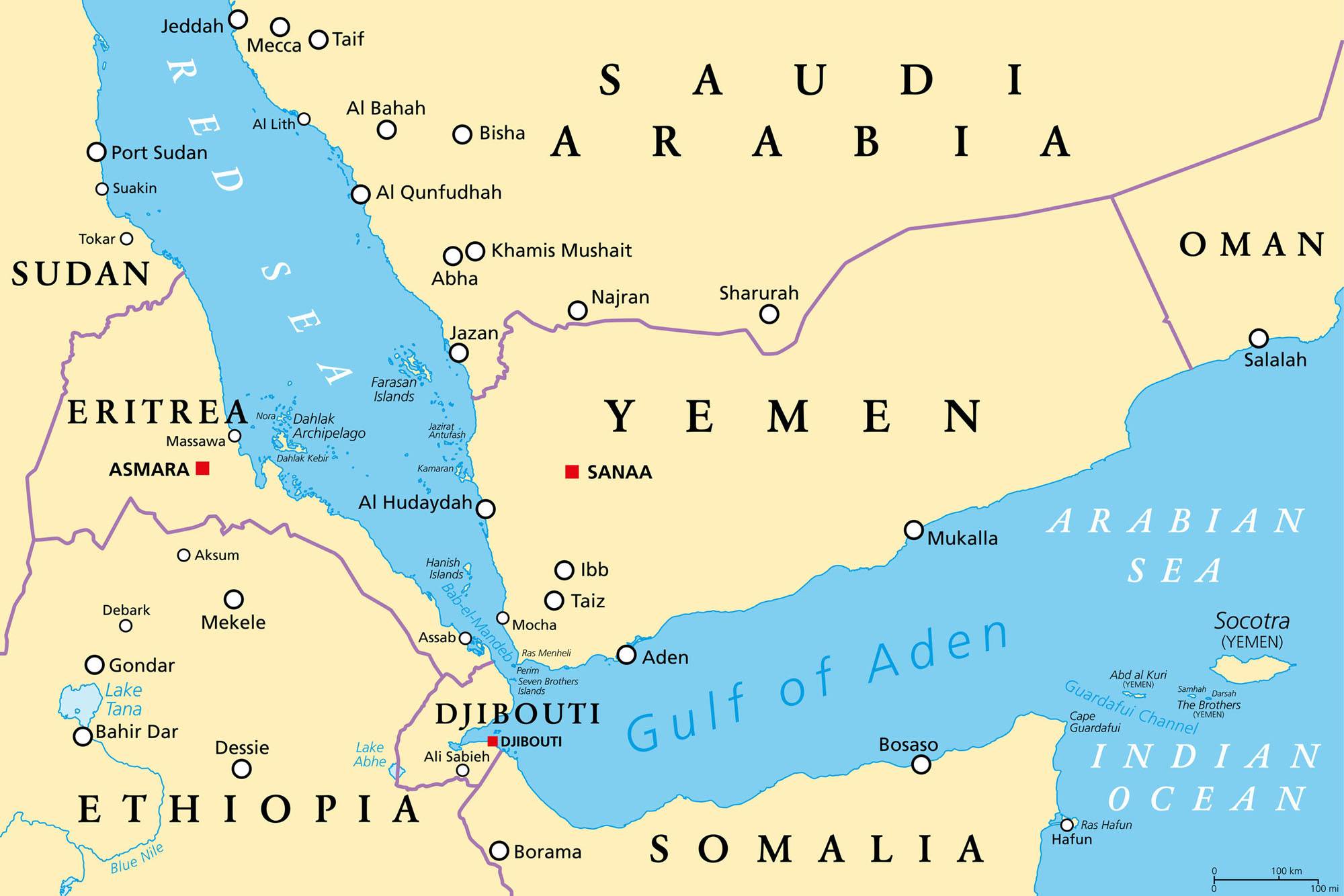
Ras Isa, Yemen – More than 200 seafarers Stranded over 15 commercial vessels have been stranded off Yemen’s Red Sea coast for weeks, caught in the crossfire of escalating regional tensions and Houthi-led attacks on international shipping. The situation, cantered near the Ras Isa oil terminal, marks one of the most significant maritime security crises in recent years.
A temporary ceasefire deal between the United States and Yemen’s Houthi rebels, announced in early May 2025, offers some hope. The Houthis have agreed to halt attacks on U.S.-flagged vessels, allowing ships currently stuck near Ras Isa to offload cargo and depart. However, the fragile truce explicitly excludes Israeli-linked ships, which remain at risk of further assaults.
Mounting Tensions and Houthi Threats
Since November 2023, the Iran-backed Houthi militia has launched over 100 attacks on commercial vessels in the Red Sea and Gulf of Aden. Framing their campaign as an act of solidarity with Palestinians in Gaza, the Houthis have indiscriminately targeted ships, regardless of direct Israeli connections. The result – two ships sunk, one vessel seized with its crew taken hostage, and at least four seafarers killed.
The targeted maritime assault has not only endangered lives but also significantly disrupted global trade passing through the Red Sea a vital route that handles around 12% of global commerce. Shipowners and international organizations have sounded repeated alarms over the deteriorating safety conditions.
Seafarers Caught in the Crossfire
The latest victims of this standoff are the seafarers stranded near Ras Isa. The International Transport Workers’ Federation (ITF), representing global maritime labor interests, reports that some crew members were injured by nearby airstrikes during a U.S.-led bombing campaign against Houthi installations earlier this year. Two vessels were also reportedly prevented from sailing by Houthi forces.
“These are innocent workers just trying to do their jobs,” said Stephen Cotton, ITF General Secretary. “Seafarers are not bargaining chips in any conflict. They urgently need safe passage home.”
The stranded ships, including at least one tanker carrying liquefied petroleum gas (LPG) and other fuel, have been forced to wait offshore for weeks. As of May 8, one vessel began offloading cargo at the Ras Isa terminal under the temporary ceasefire arrangement. Others are preparing to follow, pending confirmation of safety from both local authorities and international watchdogs.
Also read : Singapore Strait Ship Robberies Surge – 50 Maritime Theft Incidents Reported in 2025
A Fragile Ceasefire
The breakthrough came after months of escalating violence and a nearly two-month bombing campaign by the United States against Houthi-controlled areas in Yemen. U.S. officials say the airstrikes dealt heavy damage to the militia’s drone and missile capabilities, pushing them to the negotiating table.
The resulting deal promises a halt in attacks on U.S.-flagged vessels in exchange for a cessation of American airstrikes. However, the Houthis made it clear that Israeli-linked vessels remain “legitimate targets,” raising concerns that the ceasefire is only partial and could collapse under renewed provocations.
Indeed, tensions flared just days after the deal when Israeli warplanes launched strikes on Yemen’s Hodeidah port in retaliation for fresh Houthi drone activity. While no casualties were reported, the incident underscores the volatility of the region and the limits of current diplomatic efforts.
Industry Response and Ongoing Risks
Shipping companies remain cautious despite the ceasefire. Wallenius Wilhelmsen, a major maritime carrier, has suspended Red Sea transits, citing crew safety as a top concern.
“We need full assurance that our crews will not be harmed before we resume operations in the area,” a company spokesperson stated. “Until then, rerouting and delays will continue.”
Many companies have already diverted vessels around the Cape of Good Hope—a longer and costlier route adding weeks to delivery schedules and increasing global shipping costs. Insurance premiums for vessels transiting the Red Sea have also skyrocketed, further straining the maritime industry.
Humanitarian and Legal Concerns
The detainment of civilian mariners without due cause raises serious legal and humanitarian issues. Maritime law experts argue that such actions violate the United Nations Convention on the Law of the Sea and may constitute acts of piracy or hostage-taking under international law.
Moreover, the psychological toll on seafarers cannot be overstated. Weeks of isolation, danger, and uncertainty have impacted the physical and mental well-being of those stranded. Unions and welfare organizations have called for urgent humanitarian interventions, including mental health support and medical aid.
“This is not just a trade disruption it’s a human crisis,” said an official from a leading maritime welfare NGO. “Every hour these seafarers remain in limbo increases the risk to their lives and dignity.”
Looking Ahead
While the recent ceasefire provides a glimmer of hope for stranded crews, the broader crisis in the Red Sea remains unresolved. With the Houthis continuing to threaten Israeli-linked vessels and regional conflicts showing no signs of abating, the maritime community is bracing for prolonged instability.
Global stakeholders from the United Nations to regional powers are now under pressure to enforce safe passage for all civilian ships in the region and to ensure that maritime workers are not used as pawns in geopolitical power plays. As the stranded seafarers begin to return home, their ordeal serves as a stark reminder of the human cost behind headlines about oil, geopolitics, and war.