India Maritime Week 2025 Secures ₹12 Lakh Crore to Power Blue Economy

India Maritime Week 2025: A Historic Milestone for India’s Maritime Growth

India Maritime Week 2025 has marked one of the most remarkable chapters in the country’s maritime journey. With an investment commitment of more than ₹12 Lakh Crore and the signing of over 600 Memoranda of Understanding (MoUs), the event stands as a huge boost to India Maritime Week 2025, setting strong foundations for port development, green shipping innovations, and the strengthening of India’s blue economy.

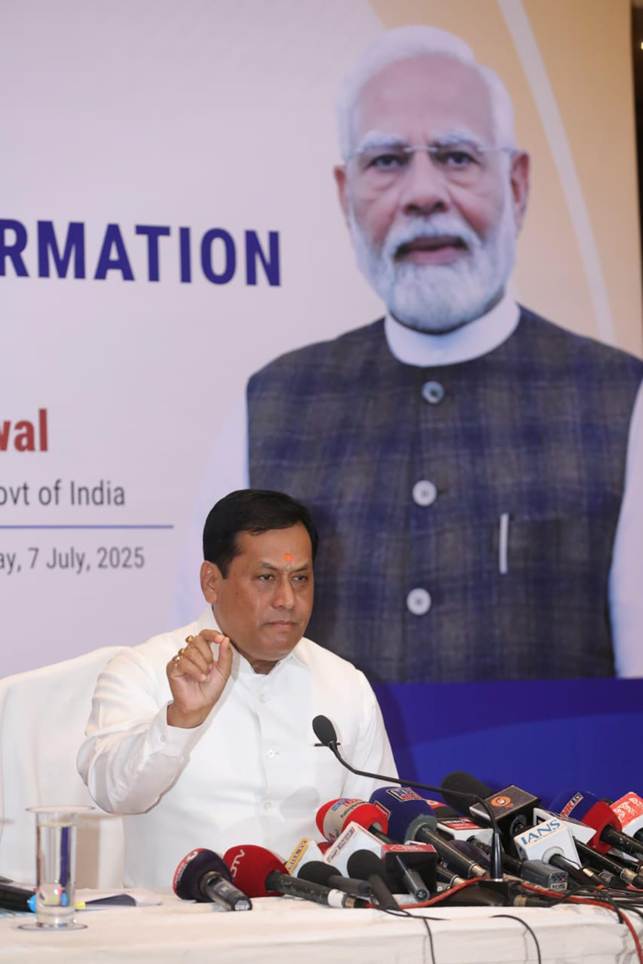
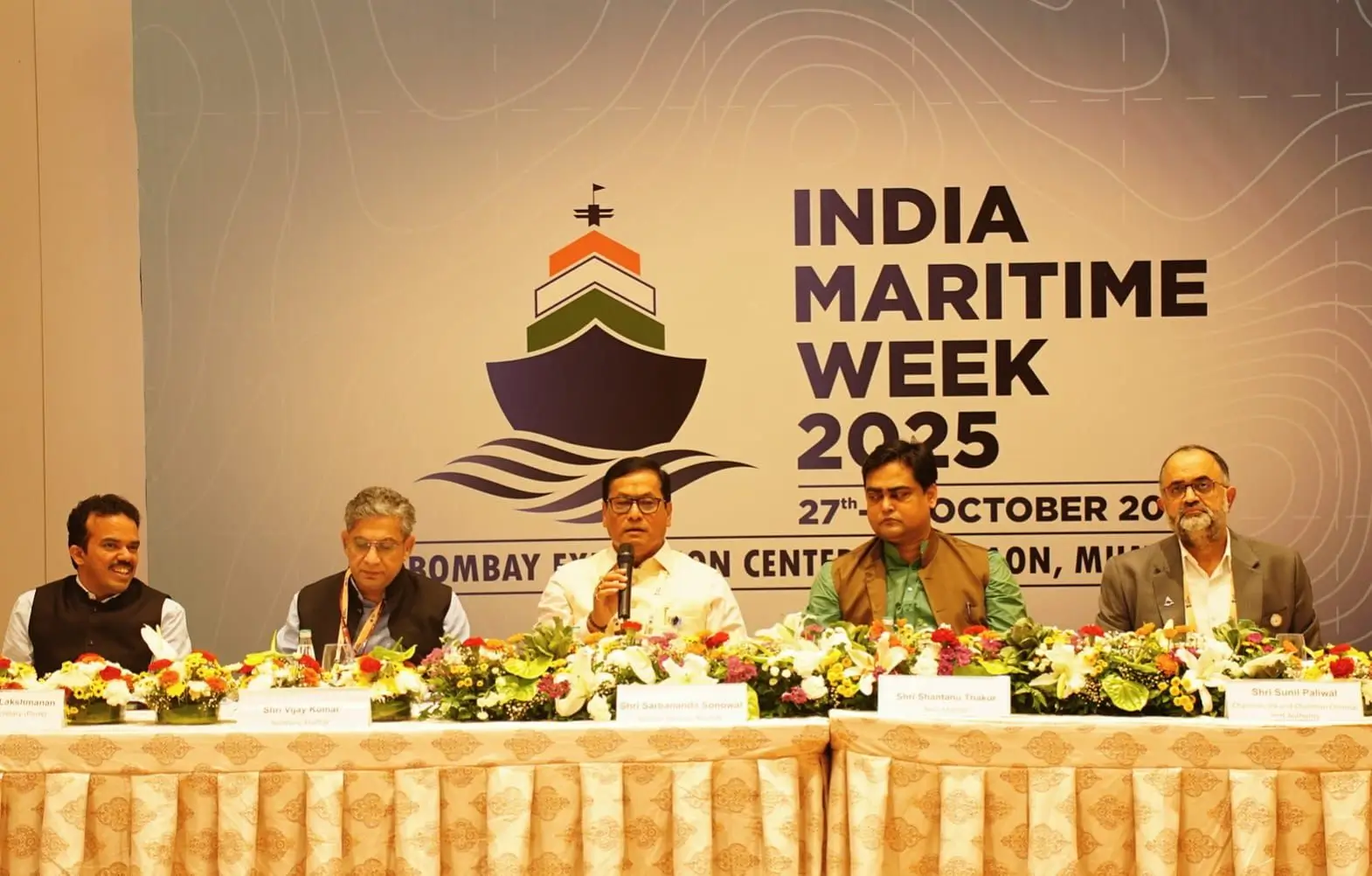
Addressing the media, the Union Minister for Ports, Shipping and Waterways, Sarbananda Sonowal, described the success of India Maritime Week 2025 as a reflection of growing maritime investment confidence in India. He also highlighted the 41% rise in investments compared to previous editions, showcasing India’s increasing global maritime relevance.

The Minister credited Prime Minister Narendra Modi’s strategic and visionary leadership for driving growth in port development, coastal infrastructure, and the sustainable transformation of the maritime sector.

Prime Minister Modi’s Landmark Maritime Initiatives

On the third day of India Maritime Week 2025 (29 October 2025), Prime Minister Narendra Modi unveiled several transformative initiatives under the Maritime Amrit Kaal Vision (MAKV) 2047. These initiatives aim to make India a global maritime leader, expand coastal trade capacity, boost local manufacturing, and build sustainable green shipping networks.

Fleet Expansion and Shipbuilding Growth

  • The Shipping Corporation of India (SCI) announced a major expansion plan to increase its fleet to 216 vessels by 2047.
  • This initiative involves ₹1 Lakh Crore investment and will add 10 million Gross Tonnage (GT).
  • The move strengthens India’s competitiveness in global trade and enhances self-reliance.

Boost to Indigenous Shipbuilding

  • Oil and Gas Public Sector Units (PSUs) placed 59 shipbuilding orders worth ₹47,800 Crore.
  • This supports Make in India, encourages local shipyards, and creates employment in coastal states.
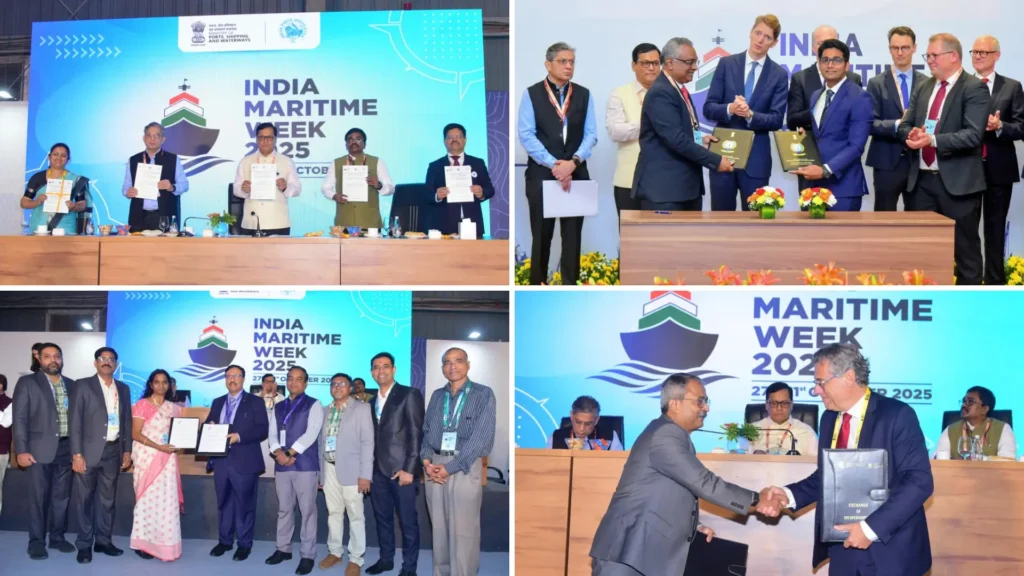
India Maritime Week 2025
Source : ( PIB )

Green Tug Programme for Sustainable Shipping

  • The Green Tug Programme was launched to introduce 100 environment-friendly tugs by 2040.
  • This step advances green shipping, reduces carbon emissions, and modernizes port operations.

Improving Coastal Infrastructure

  • The Dredging Corporation of India (DCI) will modernize its fleet with 11 new dredgers, supporting smoother waterways and trade route efficiency.

Together, these announcements reflect India’s commitment to building a sustainable and advanced blue economy ecosystem.

Global Maritime CEO Forum: A Platform for Collaboration

The Global Maritime CEO Forum during India Maritime Week 2025 brought together:

  • Maritime industry leaders
  • Global corporations
  • Policymakers
  • Innovation experts

Prime Minister Modi emphasized cooperation, innovation, and sustainability. Global CEOs praised India’s forward-looking maritime policies and expressed strong intent to increase maritime investment in India, especially in green shipping, smart port automation, and digital trade logistics.

₹12 Lakh Crore Investment Through 600+ MoUs

The signing of over 600 MoUs worth more than ₹12 Lakh Crore marks a powerful step toward building a future-ready blue economy. The investments are strategically allocated across key areas:

SectorInvestment % Share
Port Development & Modernisation30%
Sustainability & Green Shipping20%
Shipping & Shipbuilding20%
Port-led Industrialisation20%
Trade and Knowledge Partnerships10%

Notable High-Value MoUs

  • VoCPA & Jindal India Power Ltd. – ₹47,000 Crore Green Ammonia Plant in Tuticorin.
  • Paradip Port Authority (PPA) & ACME Clean Tech – ₹45,000 Crore Green Hydrogen Project.
  • PPA & HIF Global – ₹35,500 Crore E-Methanol Clean Fuel Project.
  • JNPA & Adani Ports – Development of Vadhvan Port worth ₹26,500 Crore.
  • Mumbai Port Authority & Lai Investment – ₹23,000 Crore Industrial and Logistics Park.

These projects drive port development, modern maritime logistics, and cleaner shipping practices across India.
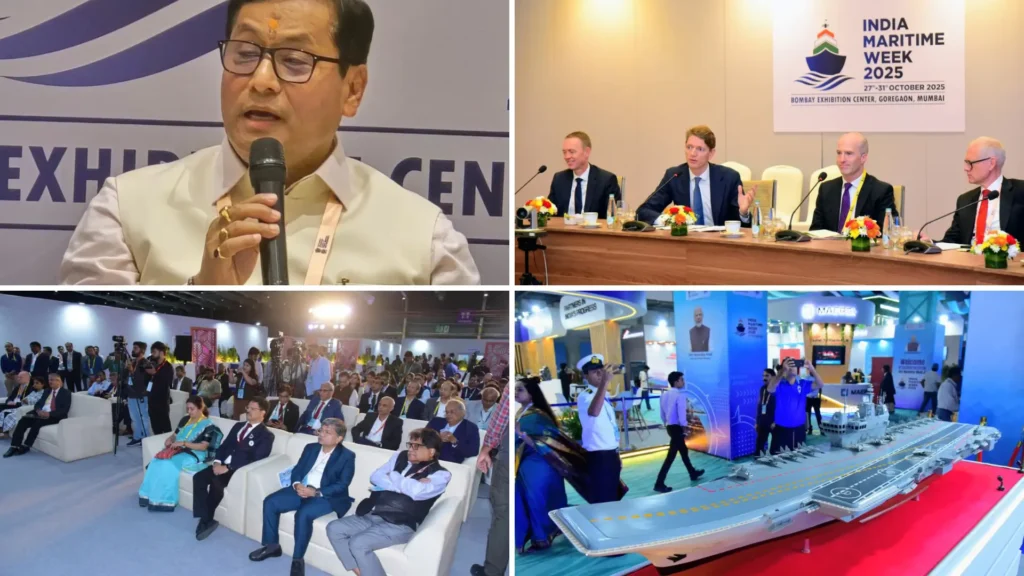
India Maritime Week 2025
Source : ( PIB )

International Participation Strengthens Global Maritime Ties

India Maritime Week 2025 witnessed participation from:

  • 85+ Countries
  • 400+ Exhibitors
  • More than 1,00,000 Delegates
  • 11 Foreign Ministers and multiple global policymakers

Nations like Norway, Denmark, Singapore, the Netherlands, and UAE contributed significantly through technology showcases and policy dialogues, enhancing global cooperation in blue economy development.

Key industry giants such as Maersk, DP World, CMA CGM, MSC, Wartsila, and Royal IHC participated, presenting futuristic solutions in green shipping, AI-driven automation, and digital port transformation.

Conferences, Dialogues, and Innovation Showcases

More than 19 thematic conferences and 50+ sub-sessions highlighted:

  • Green Maritime & Decarbonization
  • Digital Transformation of Ports
  • Shipbuilding for Global Markets
  • Maritime Corridors and Global Trade Growth
  • Women Leadership in Maritime (SheEO Conference)

A key highlight was the launch of Digi Bandar, a national digital port framework to make Indian ports:

  • AI-driven
  • Data-integrated
  • Predictive and automated

This supports modern logistics, reduces delays, and enhances global trade competitiveness.

Also read: PM Modi Addresses Maritime Leaders Conclave, Launches ₹70,000 Crore Shipbuilding Expansion at India Maritime Week 2025

Strengthening Maritime Talent and Coastal Employment

A dedicated session on Maritime Human Capital focused on:

  • Skill development programs
  • Training in smart port operations
  • Increasing women’s participation in maritime professions

This ensures a future-ready workforce to support India’s long-term maritime investment and blue economy growth.

A Major Step Toward Viksit Bharat 2047

India Maritime Week 2025 stands as a milestone shaping India’s maritime future. The strong push toward green shipping, modern port development, and sustainable blue economy practices confirms India’s rise as a global maritime power.

With massive investments, international alliances, digital transformation, and focus on indigenous innovation, India is steadily moving toward the vision of Viksit Bharat 2047 — a future where India leads the world in maritime excellence.

Source : Ministry of Ports, Shipping & Waterways ( PIB )

Indian Coast Guard Rescues 31 Fishermen in Arabian Sea

On October 25–26, 2025, the Indian Coast Guard completed a coordinated sea rescue operation that saved 31 fishermen who had been adrift for 11 days in the Arabian Sea. The disabled fishing boat, Sant Anton-1, suffered a steering failure and drifted a long distance before being sighted by an aircraft and reached by the Coast Guard ship ICGS Kasturba Gandhi. The rescued crew were evacuated, given medical checks, and the disabled boat was secured and towed to Honnavar harbour.

How the situation unfolded

The fishing boat Sant Anton-1, which fishes out of Goa, was last reported about 100 nautical miles off New Mangalore and was officially reported missing on October 24, 2025. Adverse weather in the region, strong winds and rough seas hampered early location efforts and caused the vessel to drift for days. The Indian Coast Guard launched a search operation that combined aerial surveillance, surface craft, and real-time weather drift modelling.

A Dornier aircraft from the Coast Guard’s Kochi base sighted Sant Anton-1 on October 25, and the on-patrol offshore patrol vessel ICGS Kasturba Gandhi was diverted to the boat’s updated position. Using live meteorological inputs, the Coast Guard plotted the probable drift path and directed search assets to the most likely area a key example of modern sea rescue planning.

Indian Coast Guard
Source – x.com/IndiaCoastGuard

The rescue operation and response

When ICGS Kasturba Gandhi reached the scene, the crew found the fishing boat with steering gear failure and the fishermen on board fatigued but alive. The Indian Coast Guard evacuated the fishermen adrift, performed damage assessment of the vessel, assisted with watertight checks, and provided immediate on-site repairs where possible. The Coast Guard’s support included medical screening and basic supplies for the rescued men. The disabled boat was later taken in tow by another fishing vessel to Honnavar fishing harbour.

This chain of actions, aerial spotting, diversion of a patrol ship, evacuation of crew, on-site repairs, and towing of the disabled boat shows the layered capabilities the Indian Coast Guard brings to a complex fishermen rescue scenario.

Conditions that made the mission hard

Weather conditions played a major role in both creating the emergency and complicating the search. Rough seas and heavy winds spread drift trajectories and reduced visibility, making the initial search challenging. The Coast Guard’s use of drift modelling and real-time weather data was essential to narrowing the search corridor and finding the Sant Anton-1 after more than a week at sea. That coordination was decisive in turning a long-running distress case into a successful sea rescue outcome.

Human impact: the fishermen and their ordeal

Being adrift for 11 days is a severe physical and psychological experience. The 31 rescued fishermen faced dehydration risk, exposure to sun and sea, and uncertainty about rescue. The Indian Coast Guard crews who conducted the fishermen rescue provided emergency medical checks and assistance that likely prevented a far worse outcome. Stories like these remind us that maritime professions remain risky, and that timely, capable rescue services are a lifeline for coastal communities.

Indian Coast Guard
Source: Source – x.com/IndiaCoastGuard

Technical and procedural lessons

Several practical lessons come from this incident for operators, regulators, and coastal communities:

  • Maintenance and checks: Steering gear failure was the initiating technical fault. Regular maintenance and pre-departure checks can reduce such catastrophic failures that leave fishermen adrift.
  • Communications and emergency beacons: Reliable communications and the use of emergency position-indicating radio beacons (EPIRBs) or satellite messaging could shorten search times and reduce drift exposure.
  • Drift modelling in search planning: The Coast Guard’s real-time drift predictions show how science and operations must pair in modern sea rescue planning.
  • Community readiness: Nearby fisheries and small craft provide key support (in this case towing to Honnavar) once immediate risk is resolved, underscoring the value of local coordination for any fishermen rescue.

What authorities did right

The Indian Coast Guard demonstrated core search-and-rescue strengths: rapid deployment of airborne reconnaissance, diversion of an on-patrol ship, use of weather and drift analytics, and coordinated handover to local fishing authorities. The sequence — sighting by aircraft, surface confirmation by ICGS Kasturba Gandhi, evacuation, and towing — is textbook sea rescue response executed under difficult weather conditions. The rescue will likely be used as a case study in regional SAR (Search and Rescue) training.

Also read: Union Minister Launches Eight New Projects as New Mangalore Port Authority Marks Golden Jubilee

Coastal safety and maritime policy

India’s long coastline and busy fishing sectors make regular fishermen rescue and sea rescue operations inevitable. Incidents like the Sant Anton-1 case highlight the continuing need for investment in coastal safety infrastructure: more effective weather alerting for small boats, wider distribution of EPIRBs, training in emergency seamanship, and stronger links between local fishing communities and rescue agencies. The Indian Coast Guard remains the primary responder, but reducing incidents requires a whole-of-sector approach.

Advice for fishers and coastal communities

For fishers and small-boat operators, common-sense precautions save lives: check steering and propulsion systems before leaving port, carry a working GPS and an EPIRB or satellite communicator, file a float plan with local harbour authorities, and maintain weather awareness. When an engine or steering failure happens far offshore, early distress alerts sharply increase the chances of a timely sea rescue. The recent fishermen rescue is a clear reminder of that reality.

Source (Maritime Executive)

Red Sea Shipping Crisis Intensifies: Houthi‑Claimed Bulker Sinking, Israeli Strikes & Calls for Warlike Status

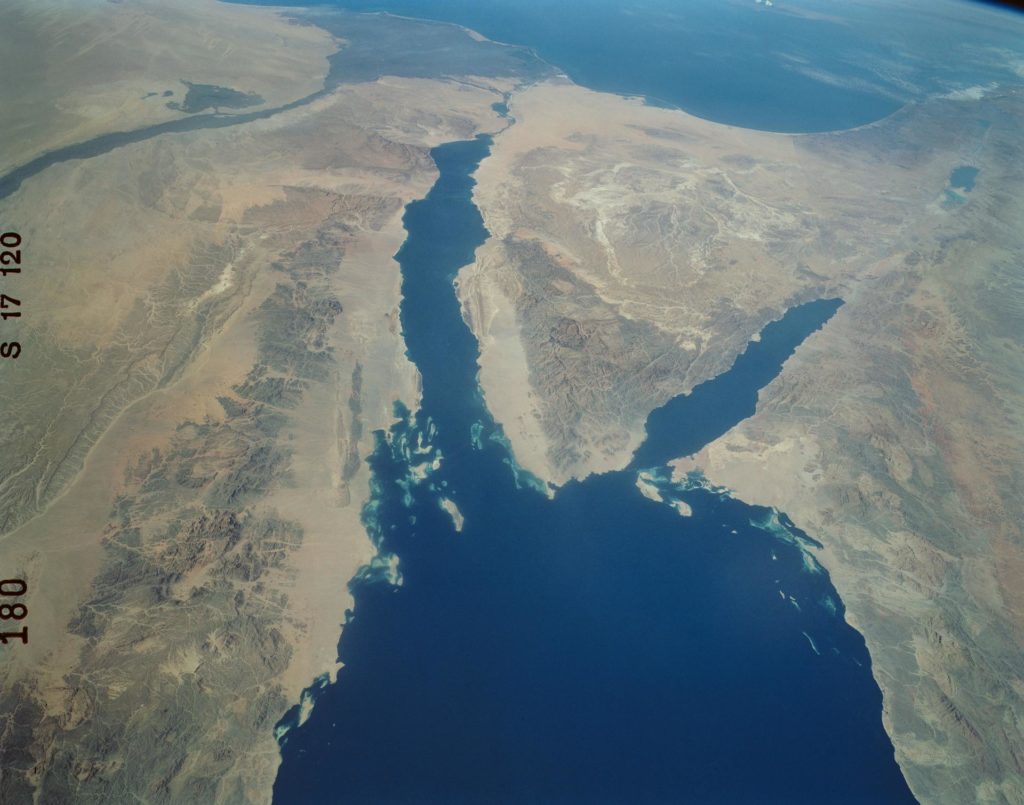
Over the past week, the Red Sea has emerged as one of the world’s most dangerous shipping lanes. A spate of high‑profile attacks by Yemen’s Iran‑aligned Houthi rebels on merchant vessels has reignited fears of a broader maritime conflict, drawing in international naval operations and triggering demands from seafarer unions for enhanced protections. At the same time, Israeli airstrikes against Houthi‑held ports have compounded the crisis by damaging critical infrastructure. These developments come against the backdrop of a fragile ceasefire in the wider Middle East and illustrate the increasingly blurred lines between commercial shipping and frontline hostilities.

Houthi Rebels Claim Sinking of the Magic Seas

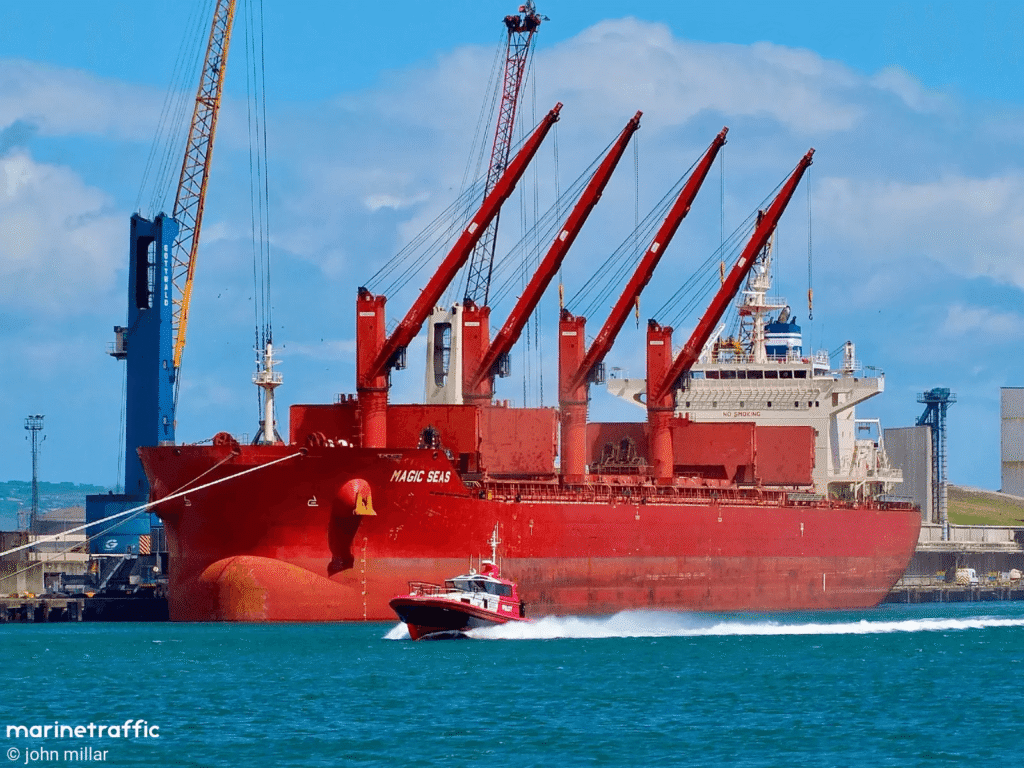
On July 6, 2025, the Liberian‑flagged bulk carrier Magic Seas, operated by Greek firm Stem Shipping, was struck by a coordinated Houthi attack approximately 51 nautical miles southwest of Hodeidah, Yemen. According to Houthi military spokesman Yahya Saree, the assault involved two unmanned surface vessels (USVs), five ballistic missiles and three drones, after an initial volley of gunfire and rocket‑propelled grenades from small skiffs. The vessel, laden with iron ore and fertilizer bound from China to Turkey, began taking on water, forcing its 19‑member crew to abandon ship into life rafts. They were rescued by the Djibouti‑based containership Safeen Prism and disembarked safely in Djibouti later that day.

The Houthis went on to claim the Magic Seas had ultimately sunk beneath the waves, although this has yet to be independently verified by shipping insurers or naval monitors. If confirmed, the sinking would mark the third merchant vessel lost to Houthi action since November 2023, when the group began its maritime campaign in solidarity with Palestinians in Gaza. The attack also shattered half a year of relative calm in the southern Red Sea, where merchant traffic had cautiously resumed after a lull in incidents since December 2024.

magic seas red sea
Source : marinetraffic Magic Seas

Follow‑on Assault on the Eternity C

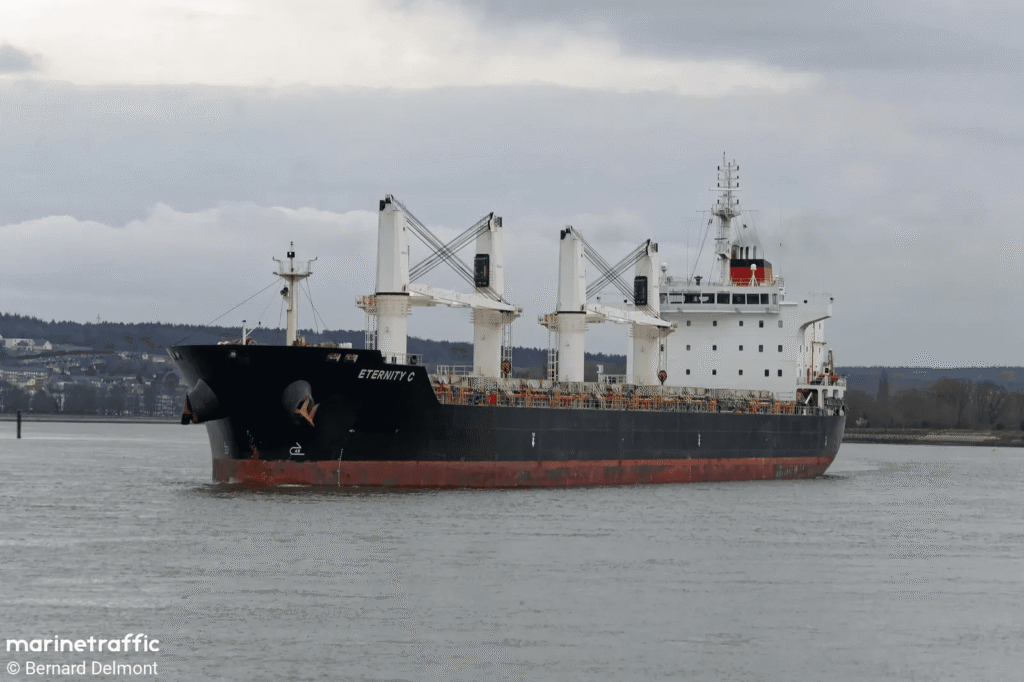
Just 24 hours later, on July 7, the Greek‑managed bulker Eternity C came under a similar assault some 50 nautical miles from Hodeidah. Ambrey, a London‑based maritime security firm, reported that the attack combined small‑boat gunfire, sea drones, and precision strikes on the vessel’s bridge, disabling its engines and communications systems. Two crew members—among a complement of 22 (21 Filipinos and one Russian)—were seriously wounded, while two others remain missing.

The attackers, identified as Houthi militants, reportedly drifted in the area even after the initial strike, delaying rescue operations and heightening concerns that they might return to hasten the ship’s sinking—an warning tactic they have employed in past engagements. The European Union’s Operation Atalanta and the United Kingdom Maritime Trade Operations (UKMTO) have issued advisories urging vessels to maintain minimum deck activity, designate safe muster points above the waterline, and avoid proximity to craft without AIS signals to mitigate risk.

Israeli Retaliation and Port Infrastructure Damage

In response to the Houthi attacks, the Israeli Defense Forces (IDF) launched “Operation Black Flag”—a series of airstrikes targeting Houthi‑controlled port facilities at Hodeidah, Ras Isa, and Saleef. Satellite imagery and on‑ground reports confirm significant damage to critical infrastructure, including the Saleef power station, which supplies electricity to grain silos and flour mills essential for humanitarian aid and commercial cargo handling. Two Barbados‑flagged bulk carriers berthed at Ras Isa also suffered collateral blast damage; fortunately, no crew injuries were reported.

The Israeli strikes further risk deepening the shipping paralysis. Port closures and damaged berths have forced shipping lines to reroute vessels around the Cape of Good Hope, adding up to two weeks and hundreds of extra nautical miles to voyages between Europe and Asia. Insurers have responded by hiking war‑risk premiums for all vessels transiting the Red Sea and adjacent Gulf of Aden, escalating freight rates and potentially raising global trade costs.

Eternity C red sea
Source : marinetraffic Eternity C

Seafarer Unions Demand “Warlike Operations” Status

As the conflict intensifies, the International Transport Workers’ Federation (ITF) has urged shipowners and flag states to designate the Strait of Hormuz, Gulf of Oman and Israeli coastal waters as Warlike Operations Areas (WOAs). This classification would entitle seafarers to refuse to enter these zones without penalty and secure risk‑pay allowances commensurate with the dangers they face.

The ITF’s proposal follows the March 2024 designation of the Southern Red Sea and Gulf of Aden as WOAs—an industry first—prompted by a surge of Houthi drone and missile attacks. ITF Seafarers’ Section Chair David Heindel emphasized that commercial crews are “being asked to operate in one of the most unstable and militarized regions” and deserve the right to protect themselves from harm. Major maritime insurers have already listed these waters as war‑risk zones, underscoring the severity of the threat and lending weight to unions’ calls for formal recognition.

International Naval Coordination and Humanitarian Concerns

In the wake of the Magic Seas incident, EUNAVFOR’s Operation Atalanta coordinated the rescue of all 22 crew members, handing them over to the Djibouti Coast Guard and port authorities. The rapid multinational response combining EU naval assets and private security alerts highlights the vital role of international cooperation in safeguarding seafarers and maintaining maritime corridors.

Nevertheless, the conflict’s human toll extends beyond immediate casualties. Humanitarian organizations warn that disruptions to Red Sea ports threaten the delivery of critical food, oil and medical supplies to Yemen and East Africa—regions already grappling with conflict and famine. The bombing of port power stations, in particular, risks crippling grain import and distribution networks, exacerbating hunger and displacement crises.

Also read : Maritime India Accelerates – ₹2 Lakh Cr in Shipbuilding Clusters, ₹740 Cr Kolkata Berth Upgrade & ₹500 Cr Chennai–Hyundai Gains

Economic Impact and Future Outlook

The recent surge in hostilities has sent shockwaves through global supply chains. Container shipping lines including CMA CGM and MSC have partially rerouted vessels around Africa, resulting in higher fuel consumption, longer transit times, and freight rate volatility. Analysts estimate that each diverted vessel incurs an additional US$200,000–300,000 per voyage in operational costs, costs that are likely to be passed on to consumers worldwide.

Looking ahead, the Red Sea shipping crisis shows no immediate sign of abating. Houthi leaders have vowed to maintain their maritime blockade until the Gaza conflict ends, while Israeli officials pledge to continue strikes against Houthi positions in Yemen. Diplomatic efforts by the United Nations, the United States, and regional powers aim to broker a renewed ceasefire, but naval experts caution that without a political resolution, the waterway will remain perilous for years to come.

In this fraught environment, the following measures will be critical:

  1. Enhanced Naval Escort Operations: Expanded multinational task forces to provide close‑in protection for merchantmen.
  2. Formal Warlike Area Designations: Adoption of WOAs by flag states and charterers to ensure seafarer rights and compensation.
  3. Infrastructure Rehabilitation: Swift repair and fortification of port facilities at Hodeidah, Ras Isa and Saleef to avert humanitarian shortages.
  4. De‑escalation Diplomacy: Urgent dialogue between regional stakeholders to separate maritime security issues from broader geopolitical disputes.

The Red Sea crisis underscores a stark reality, in today’s interconnected world, even localized conflicts can trigger cascading impacts on global trade, food security and human safety. Until a sustainable diplomatic solution is achieved, commercial shipping through the Red Sea will require heightened vigilance, robust international cooperation, and unwavering support for the seafarers on the frontline.

Source: (reuters.com) (splash247.com) (seatrade-maritime.com)

Maritime India Accelerates – ₹2 Lakh Cr in Shipbuilding Clusters, ₹740 Cr Kolkata Berth Upgrade & ₹500 Cr Chennai–Hyundai Gains

India’s maritime sector is witnessing a strategic convergence of large‑scale public investment, private sector participation, and sustained revenue growth at its major ports—hallmarks of a concerted effort to bolster India’s shipbuilding capabilities, port infrastructure, and export competitiveness. Over the past week, three distinct developments illustrate this momentum: a ₹2‑lakh crore plan to establish eight shipbuilding clusters, JSW Infrastructure’s ₹740 crore investment in container berths at Kolkata Port, and Chennai Port Authority’s generation of over ₹500 crore in revenue from Hyundai Motor India over 15 years.

Forging India’s Shipbuilding Future with Eight Clusters

Under its Maritime India Vision 2030 and Vision 2047, the Ministry of Ports, Shipping & Waterways has green‑lit a ₹2 lakh crore (₹200,000 crore) roadmap to develop eight integrated shipbuilding clusters along India’s coastline—five greenfield sites and three brownfield upgrades. Union Shipping Secretary T.K. Ramachandran confirmed that state governments have formed special purpose vehicles (SPVs) and secured land parcels, with supporting infrastructure—roads, rail links, and port‑side facilities—already under development.

  1. Greenfield Clusters: To be established in Andhra Pradesh, Odisha, Tamil Nadu, Gujarat, and Maharashtra, these clusters will integrate end‑to‑end ship manufacturing capabilities, spanning hull construction, component production, insurance, leasing, and bunkering services.
  2. Brownfield Upgrades: Existing shipyards at Vadinar and Kandla in Gujarat, and near Cochin Port in Kerala, will receive modernizations to scale up capacity and adopt advanced ship‑assembly technologies.
  3. Global Partnerships: The plan envisages collaborations with leading shipbuilders from South Korea, Japan, and Scandinavia, aimed at technology transfer, joint ventures, and workforce training.
  4. Financial Incentives: The FY26 Union Budget introduced a ₹25,000 crore Maritime Development Fund, enhanced tax breaks, easier credit facilities, and a revised Shipbuilding Financial Assistance Scheme to catalyze private investments.

By targeting a top‑10 global ranking in shipbuilding capacity by 2030 and top‑5 by 2047, India aims to close the current gap where it accounts for less than 1% of global shipbuilding output against giants like China, South Korea, and Japan.

•	shipbuilding
Source : wikipedia

Private Sector Momentum at Kolkata: JSW Infra’s ₹740 Crore Bet

Complementing government‑led initiatives, private players are deepening their stake in port infrastructure. JSW Infrastructure has secured a Letter of Award (LoA) from the Syama Prasad Mookerjee Port Authority (Kolkata Port) to reconstruct and mechanize key container berths under a 30‑year DBFOT (Design, Build, Finance, Operate, Transfer) concession, with a capex of ₹740 crore.

  1. Scope of Work:
    • Reconstruction of Berth 8 and mechanization of Berths 7 and 8 at Netaji Subhas Dock, including installation of rail‑mounted quay cranes (RMQCs) to accelerate container handling.
    • Development of a 25‑acre backup yard for container storage and yard management.
  2. Timeline & Concession: A two‑year construction period, with phased commencement of operations, and a 30‑year operating lease ensuring JSW Infra’s long‑term participation in Kolkata’s container throughput.
  3. Strategic Fit: The project aligns with JSW’s ambition to expand its terminal portfolio currently spanning 14 ports and terminals in India and the UAE with a combined capacity of 170 Mtpa amidst stiff competition from Adani Ports and SEZ.

Post‑completion, the upgraded berths are expected to enhance operational efficiency, reduce vessel turnaround times, and increase Kolkata Port’s container handling capacity, thereby strengthening trade linkages for eastern India and neighbouring land‑locked regions.

Chennai Port’s Long‑Term Revenue from Hyundai Exports

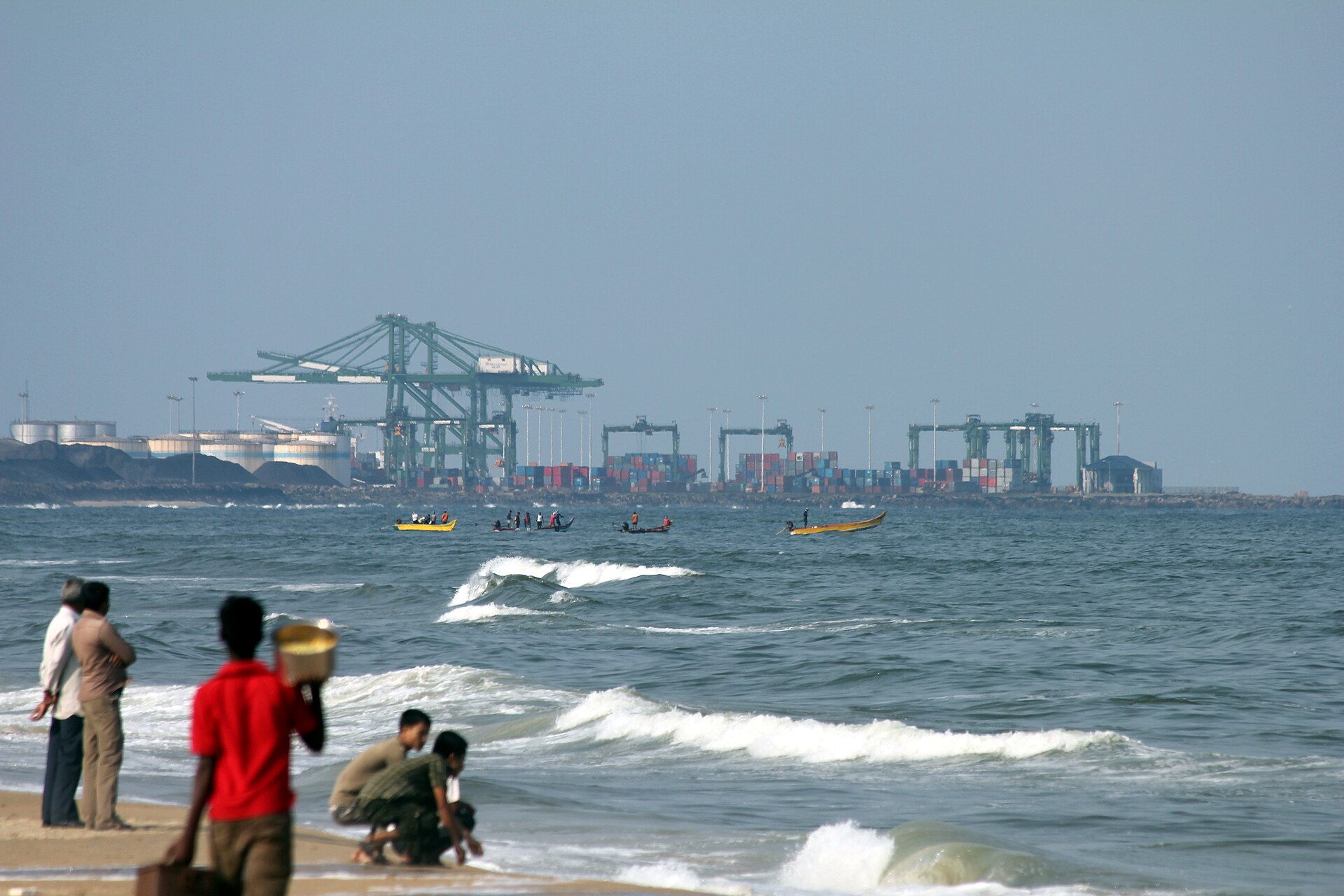
Meanwhile, Chennai Port Authority (ChPA) has underscored the value of durable port–industry partnerships. In the past 15 years, ChPA has grown over ₹500 crore in revenue from Hyundai Motor India Ltd (HMIL), Chennai Port’s anchor exporter of passenger vehicles.

  1. Revenue Composition: Includes vessel‑related fees and cargo handling charges such as wharfage and demurrage.
  2. Dedicated Facilities: HMIL benefits from a bespoke holding area with inspection facilities for over 4,000 vehicles, streamlining pre‑shipment procedures.
  3. Export Footprint: Since 1999, HMIL has exported more than 3.7 million “Made‑in‑India” vehicles to over 150 countries, currently servicing 60 markets with models like the Hyundai CRETA, CRETA Electric, ALCAZAR, EXTER, VENUE, AURA, VERNA, Grand i10 NIOS and i20. In FY 2024–25 alone, it shipped 163,386 units to major destinations including Saudi Arabia, South Africa, Mexico, Chile, and Peru.
  4. Growth Outlook: Hyundai projects 7–8% export volume growth in FY 2025–26, driven by rising demand in emerging markets.

Chennai Port’s success story highlights how tailored port services and reliable infrastructure can catalyze manufacturer competitiveness on global stages, while generating significant revenue streams for port trusts.

Also read : Government Invests ₹5,000 Crore to Transform Northeast Inland Waterways by 2035

Synergies and Strategic Implications

The interplay between these three developments reveals several overarching themes:

  1. Public–Private Collaboration: Large government‑backed infrastructure plans dovetail with private investments under PPP models, ensuring both scale and efficiency.
  2. Holistic Value Chain Development: From shipbuilding clusters supplying vessels to port operators, to modern container berths facilitating faster cargo flows, India is addressing bottlenecks across the maritime value chain.
  3. Export‑Led Growth: Enhanced port infrastructure and port–industry partnerships underpin India’s export ambitions whether in automobiles or broader containerized trade contributing to national economic growth and export diversification.
  4. Employment and Skill Development: Shipbuilding clusters and mechanized ports will generate skilled jobs, complementing broader initiatives like the Maritime India Vision’s focus on workforce readiness.
  5. Global Competitiveness: By upgrading domestic shipyards, mechanizing ports, and nurturing anchor clients, India is gradually shifting from a marginal player to a competitive force in global shipping and trade.
shipbuilding
Source : wikipedia

Charting the Course Ahead

As these projects unfold over the next few years, stakeholders anticipate tangible benefits:

  1. Capacity Expansion: A significant rise in domestic shipbuilding output and container throughput at ports like Kolkata and Chennai.
  2. Operational Efficiencies: Reduced vessel waiting times, faster cargo turnaround, and lower logistics costs.
  3. Economic Uplift: Direct employment in shipyards and ports, allied services growth, and enhanced regional trade corridors.
  4. Environmental Gains: Modern shipyards and mechanized handling can adopt green technologies, contributing to cleaner, more sustainable maritime operations.

India’s ₹2 lakh crore investment in shipbuilding clusters lays the foundation for an indigenous maritime manufacturing ecosystem. JSW Infrastructure’s ₹740 crore commitment at Kolkata Port exemplifies private sector dynamism in port modernization. Chennai Port’s ₹500 crore revenue haul from Hyundai underlines the dividends of long‑term, collaborative infrastructure partnerships. Together, these milestones signal India’s readiness to become a pivotal maritime hub crafting ships, handling global cargo, and exporting Indian‑made goods with world‑class efficiency. As implementation progresses, the synergy of public vision and private capability will be crucial to navigating the waves of 21st‑century maritime commerce.

Source : (shippingtribune.com)

Government Invests ₹5,000 Crore to Transform Northeast Inland Waterways by 2035

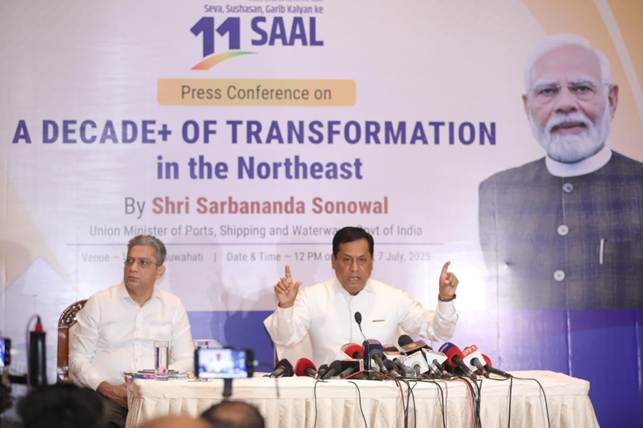
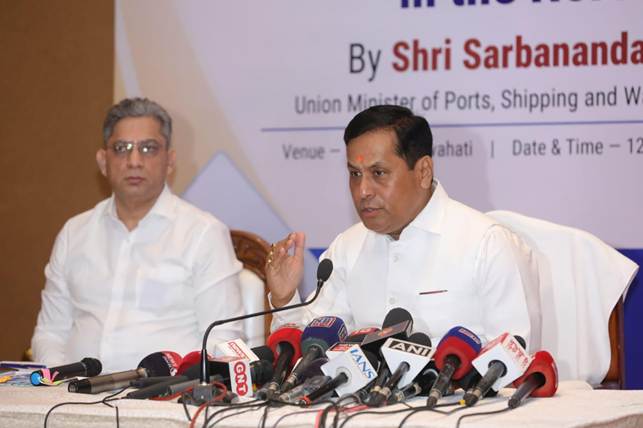
India’s Ministry of Ports, Shipping and Waterways (MoPSW) has unveiled an ambitious ₹5,000‑crore investment package aimed at transforming the inland waterways and maritime landscape of India’s Northeast over the next decade. Announced by Union Minister Sarbananda Sonowal in New Delhi on July 7, 2025, these initiatives are designed to enhance cargo connectivity, boost regional trade, develop tourism infrastructure, and equip 50,000 local youth with maritime skills and guaranteed employment opportunities by 2035.

A Decade of Maritime Skill Development

Central to the plan is a comprehensive skill‑development drive that will train 50,000 young people from Assam, Tripura, Arunachal Pradesh, Nagaland, Manipur, Meghalaya, and Mizoram in maritime trades. Sonowal detailed that the existing Maritime Skill Development Centre (MSDC) in Guwahati, alongside a new ₹200‑crore Centre of Excellence (CoE) in Dibrugarh, will serve as training hubs capable of producing up to 500 skilled professionals annually. Graduates will find assured placements across government and private maritime operations, reflecting the government’s commitment to converting “Yuva Shakti” into economic growth.

northeast
Source : pib.gov.in

Strengthening Inland Waterways Infrastructure

Over the past two years, MoPSW has mobilized ₹1,000 crore for inland waterways projects in the region, completing ₹300 crore worth of work and scheduling the remaining ₹700 crore for completion by 2025. Key achievements include:

  1. Permanent Cargo Terminals at Pandu, Jogighopa, Dhubri, Bogibeel, Karimganj, and Badarpur.
  2. Year‑Round Fairway Dredging, supported by 10 amphibian and cutter section dredgers to be deployed with a ₹610‑crore outlay, ensuring navigability of the Brahmaputra and Barak rivers through all seasons.
  3. Approach Road to Pandu Port, enhancing last‑mile connectivity.
  4. Heritage Restoration projects in Dibrugarh to preserve colonial‑era port infrastructure.
  5. Tourist Jetties worth ₹299 crore to bolster river‑based tourism.
  6. 85 Community Jetties, aimed at strengthening local linkages and small‑scale river transport.
  7. Plans for Lighthouses at Pandu, Tezpur, Biswanath Ghat, and Bogibeel, each to house an India Meteorological Department (IMD) unit for localized weather forecasting.

Kaladan Multi‑Modal Transit Transport Project (KMTTP)

A marquee project highlighted at the press conference was the Kaladan Multi‑Modal Transit Transport Project, forged under the India–Myanmar Friendship Treaty. Scheduled for full operation by 2027, KMTTP will connect Sittwe Port in Myanmar to Paletwa via inland waterway, followed by a road link to Zorinpui in Mizoram, and onward to Sabroom in Tripura through Teknaf Port in Bangladesh. Once operational, the corridor is expected to:

  • Slash transportation time and logistics costs by roughly 30–40%.
  • Open shorter maritime access for Northeast India to Southeast Asian markets.
  • Offer new export channels for Bangladesh, Bhutan, Nepal, and Myanmar.

Also read : Tanker Explosion Off Kandla Port Sparks 21 Crew Evacuation and Pollution Alert

This strategic initiative underpins Prime Minister Modi’s “Act East” policy and underscores the government’s broader vision of “Sabka Saath, Sabka Vikas” by fostering regional connectivity across international borders.

Barges, Dredgers, and Water Metro

To further enhance cargo movement, MoPSW has partnered with global logistics major Rhenus to operate 100 barges on National Waterways (NW) 2 and 16 by the end of 2025. Complementing the dredgers, this barge fleet is anticipated to boost commercial traffic on Assam’s River network by 50% within two years. In parallel, feasibility studies for Water Metro projects in Guwahati, Tezpur, and Dibrugarh have been completed, setting the stage for modern urban water‑based public transport akin to Kolkata’s successful model.

inland waterways
Source : pib.gov.in

Tourism and Trade Hub Development

Recognizing the rivers’ potential for tourism, the government has earmarked ₹300 crore to develop combined tourism and cargo jetties at Silghat, Neamati, Biswanath Ghat, and Guijan. These multipurpose terminals will feature:

  • Passenger lounges and floating markets to attract domestic and international tourists.
  • Dedicated cargo handling zones to promote local agricultural and handicraft exports.
  • Integrated customs clearance facilities at border terminals to streamline Indo‑Bangladesh trade.

With these, the Northeast is poised to emerge as a vibrant hub for river cruises, water sports, and cross‑border commerce, complementing land and air connectivity.

National and Global Competitiveness

Reflecting on the 11‑year trajectory since 2014, Sonowal noted that India’s major ports have nearly doubled capacity, nine ports now feature in the World Bank’s top 100 global rankings, and Visakhapatnam Port has broken into the top 20. Legislative digitization, green shipping policies, and a burgeoning cruise tourism sector have collectively boosted India toward its goal of becoming a “global maritime powerhouse.” The Northeast investment program is the next frontier in this maritime resurgence, aligning local development with national strategic imperatives.

Looking Ahead

As the ministry accelerates project execution, local stakeholders from port authorities to community organizations are optimistic about the socio‑economic wave effects. Enhanced waterways are expected to reduce road congestion, lower carbon emissions, and create thousands of jobs in construction, logistics, tourism, and allied services. With the government’s “Sabka Prayas” approach, the Northeast’s rivers are set to become lifelines of growth, linking remote communities to national and international markets through clean, cost‑effective, and reliable waterborne transport.

The ₹5,000‑crore commitment thus represents more than just infrastructure spending; it is a strategic investment in the region’s future, offering a blueprint for balanced growth, sustainable connectivity, and inclusive prosperity.

Source : (pib.gov.in)

Tanker Explosion Off Kandla Port Sparks 21 Crew Evacuation and Pollution Alert

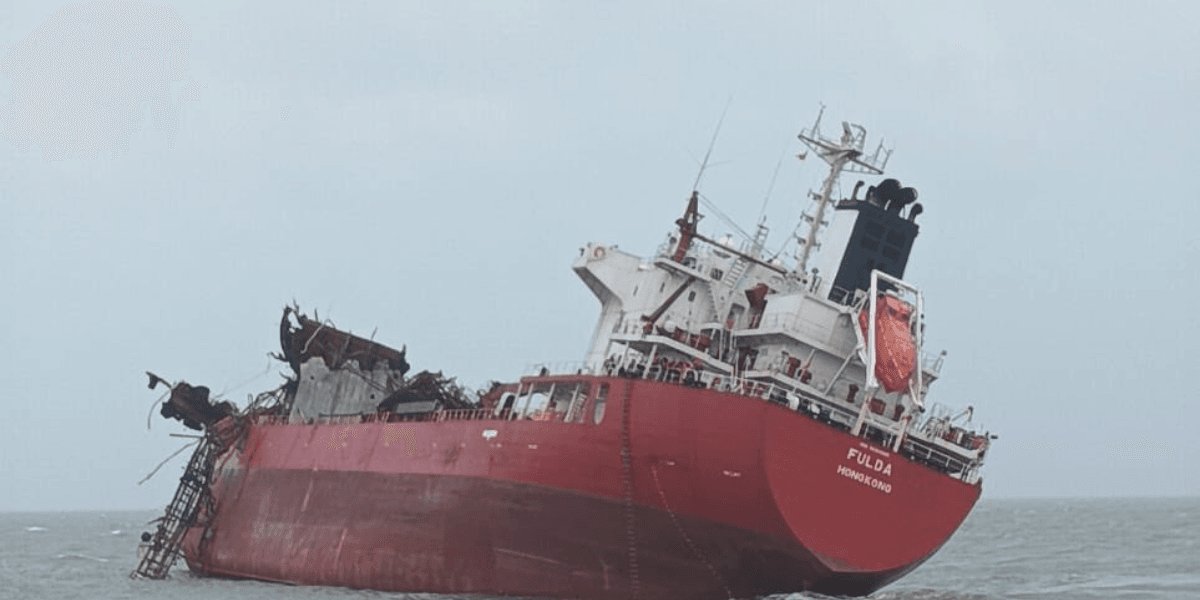
On Sunday, July 6, 2025, at approximately 13:05 IST, an explosion ripped through the Hong Kong-flagged product tanker Fulda as she conducted routine gas-freeing operations off the port of Kandla on India’s west coast. Gas-freeing the process of ventilating tanks of residual volatile vapours before maintenance or the loading of new cargo is an everyday procedure in tanker operations, but one that carries significant risks if not executed with reliable care.

Built in 1999 and boasting a deadweight tonnage of 19,477 DWT, the 26-year-old Fulda had departed Kandla at 11:00 IST that morning, bound for Port Sohar in Oman with a cargo of methanol and residual fuel amounting to some 384.17 metric tons. Within two hours, responding to reports from the nearby anchor-handler Team Focus, the vessel’s crew discovered a sudden 22° list to starboard, swiftly corrected to port as emergency measures were taken onboard.

By 19:00 IST, with the situation worsening due to structural damage and the ongoing risk of fire or secondary blasts, the master of the Fulda formally requested an immediate evacuation. In a well-coordinated operation overseen by India’s Directorate General of Shipping, all 21 crewmembers comprising 11 Chinese, 2 Bangladeshi, 1 Indonesian, and 7 Myanmar’s nationals were safely transferred to the tug Orchid Star, which had been dispatched from Kandla to effect rescue. No injuries were reported.

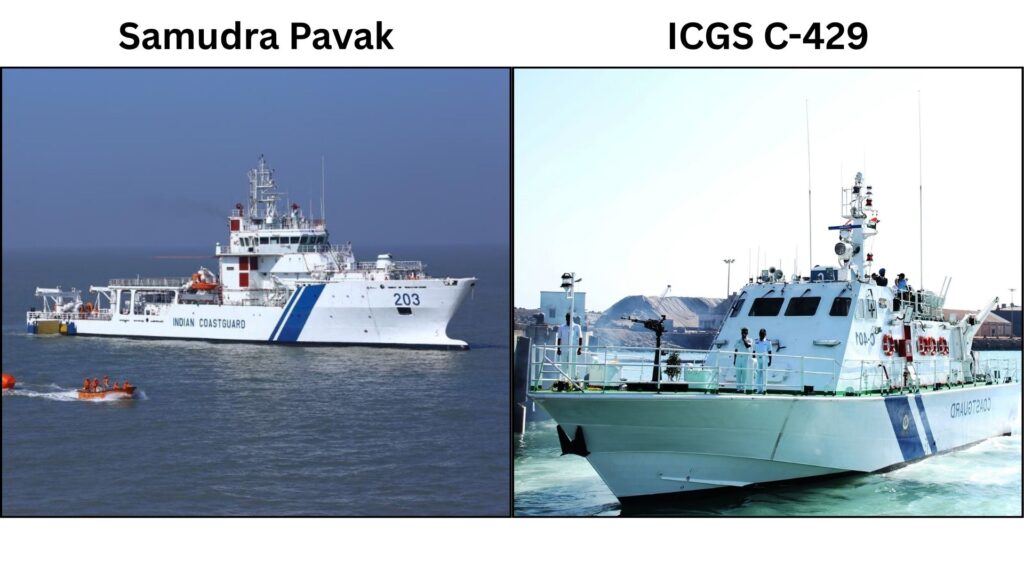
Indian authorities rapidly mobilized a multi-pronged response. Two additional harbour tugs joined Orchid Star, while the Indian Coast Guard deployed the inlet patrol vessel ICGS C-429 and the Pollution Control Vessel Samudra Pavak to the scene. As a precaution against potential oil slicks, interceptor boats C-401 and C-402 were kept on station to monitor sea conditions and water sampling, though to date no evidence of hydrocarbon pollution has been confirmed.

ICGS
SOURCE: INDIAN COASTGUARD

Early technical assessments suggest that the blast originated from an build-up of flammable vapour within Fulda’s cargo tanks. Investigators point to inadequate flushing and purging during the gas-freeing sequence, allowing a vapour–air mixture to form. In the absence of proper grounding and bonding of equipment, static electrical discharge may have ignited the cloud, triggering the significant explosion. Similar incidents in tanker operations have historically underscored the critical importance of rigorous inerting and strict observance to safety checklists before tank entry or maintenance.

The owner, Hong Kong-based Fulda Industrial, has pledged full cooperation with the Indian Directorate General of Shipping’s formal inquiry. Preliminary investigation teams have already begun inspecting the vessel’s tank-cleaning logs, equipment maintenance records, and crew training certifications to establish a timeline of events prior to the detonation.

Despite the severity of the blast, the Fulda remains afloat with no detectable ingress of seawater into her lower hull compartments. The structural integrity of cargo tanks and adjacent decks, however, is compromised, and rescue specialists are on standby should further reinforcement or a tow to protected waters become necessary. All nearby merchant and fishing vessels have been issued safety advisories to maintain a minimum five-nautical-mile exclusion zone until the danger of secondary ruptures has passed.

Environmental agencies have noted that even in the absence of a visible slick, trace hydrocarbon residues can pose long-term risks to marine life and coastal habitats. The Coast Guard’s Pollution Control Vessel is equipped with booms, skimmers, and dispersant kits, ready to deploy at a moment’s notice. Continuous aerial and underwater surveillance is being conducted to detect minute oil sheen or subsurface droplets.

Also read : Cochin Shipyard & HD Korea Shipbuilding Sign Strategic MoU for Maritime Collaboration

Maritime safety experts describe the Fulda incident as a stark reminder that gas-freeing, though routine, remains one of the most hazardous activities aboard tankers. “Even marginal lapses in equipment inspection or procedural compliance can allow vapour pockets to accumulate,” noted Captain Suresh Nair, a veteran tanker master and safety auditor. “Strict atmospheric testing, inert-gas blanketing, and regular maintenance of electrical bonding circuits are non-negotiable to prevent such catastrophic failures”.

Looking ahead, the Directorate General of Shipping is expected to issue fresh circulars reinforcing mandatory safety protocols for gas-freeing and tank-entry procedures, potentially raising requirements for independent third-party monitoring on older vessels. The incident may also prompt insurers and classification societies to revisit survey standards and upgrade conditions for vessels trading hazardous cargoes in regional waters.

For now, the immediate priority remains ensuring the Fulda’s seaworthiness, preventing any pollution, and safeguarding rescue crews. Port authorities at Kandla have confirmed that normal operations at adjacent jetties continue uninterrupted, albeit under heightened scrutiny and with traffic management protocols in place to avoid congestion near the incident site.

As the investigation unfolds, stakeholders across the maritime sector will be watching closely. The Fulda explosion shows that even well-regulated ports require strict vigilance and strong safety practices to avoid accidents, environmental harm, and costly disruptions.

Source : (splash247.com)

Synergy Marine Group is utilizing AI-powered technology to cultivate fresh vegetables onboard its vessels.

Report: Synergy Marine Group is using AI to grow fresh food on its ships.

Synergy Marine Group, a leading global ship management company, has embarked on a groundbreaking initiative to cultivate fresh vegetables onboard its vessels using advanced artificial intelligence (AI) technology. This innovative approach aims to enhance the nutritional well-being of seafarers, reduce food waste, and promote a more sustainable maritime industry.

The pilot project, launched in September 2024, involves the deployment of AI-directed cultivation devices developed by Agwa, an Israeli agritech company. These compact, self-contained units, similar in size to standard refrigerators, utilize AI algorithms to precisely control environmental factors such as light, temperature, humidity, and nutrient levels, ensuring optimal plant growth.

By harnessing the power of AI, these devices enable the cultivation of a variety of fresh vegetables, including lettuce, herbs, and microgreens, even in the challenging conditions of a maritime environment. The AI system continuously monitors plant growth and adjusts parameters in real-time to maximize yield and quality.

www.business-standard.com

The benefits of this initiative are far-reaching. For seafarers, it provides access to fresh, nutritious produce, improving their overall health and well-being. The availability of fresh vegetables can also help alleviate the monotony of shipboard meals, boosting morale and reducing the reliance on processed and preserved foods.

Also Read: Gujarat Leads India in Cargo Handling: A Maritime Milestone

From a sustainability perspective, this technology offers several advantages. By reducing the need to transport fresh produce long distances, it minimizes the associated carbon footprint. Additionally, it helps reduce food waste, as vegetables can be harvested as needed, eliminating the risk of spoilage.

The successful implementation of this pilot project has the potential to revolutionize the way food is sourced and consumed onboard ships. Synergy Marine Group plans to expand the use of AI-powered cultivation devices across its fleet, further enhancing the quality of life for seafarers and contributing to a more sustainable maritime industry.

In conclusion, Synergy Marine Group’s pioneering initiative demonstrates the power of AI to transform traditional practices and address pressing challenges in the maritime sector. By embracing innovative technologies like AI-powered agriculture, the shipping industry can become more sustainable, efficient, and crew-friendly.

Also Read: India Urges Seafarers and Owners to Avoid Syria

ICG Rescues 12 Indian Crew Members from Sunken Ship in a Joint Operation with Pakistan

Report: ICG and PMSA Jointly Rescue 12 Indian Seafarers

In a remarkable display of international cooperation, the Indian Coast Guard (ICG) successfully rescued 12 Indian crew members from the sunken vessel MSV Al Piranpir in the North Arabian Sea on December1 4, 2024. The operation was carried out in coordination with the Pakistan Maritime Security Agency (PMSA), highlighting the importance of cross-border collaboration in maritime emergencies.

The Incident

The mechanized sailing vessel (dhow) Al Piranpir, which had departed from Porbandar, Gujarat, India, and was en route to Bandar Abbas, Iran, encountered severe distress in the rough seas of the North Arabian Sea. The vessel, carrying a crew of 12 Indian nationals, eventually sank, leaving the crew stranded in the turbulent waters.

The Rescue Operation

The Indian Coast Guard, alerted to the distress situation, immediately initiated a search and rescue operation. The ICG’s Maritime Rescue Coordination Centre (MRCC) in Mumbai closely monitored the situation and coordinated with the Pakistan Maritime Security Agency’s MRCC to ensure a swift and effective response.

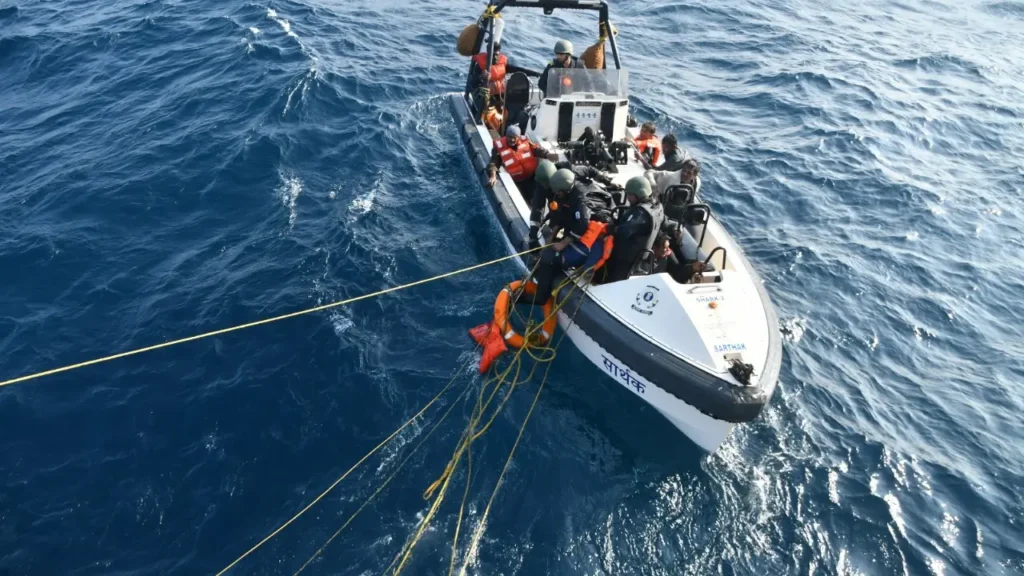
The joint operation involved the deployment of various assets, including aircraft and ships, from both the Indian and Pakistani sides. The Indian Coast Guard ship, ICGS Sarthak, played a crucial role in the rescue effort. The ship’s crew, equipped with advanced search and rescue equipment, scanned the vast expanse of the Arabian Sea to locate the distressed crew members.

timesofindia.indiatimes.com

The Pakistani Maritime Security Agency also contributed significantly to the operation by providing valuable assistance in the form of aerial surveillance and communication support. The joint effort between the two countries underscored the importance of regional cooperation in maritime security and humanitarian assistance.

The Rescue

After hours of intense search and rescue efforts, the Indian Coast Guard ship ICGS Sarthak successfully located the 12 crew members of the sunken vessel. The crew members, who had abandoned ship due to the severe weather conditions, were found clinging to life rafts and debris.

Also Read: Indian Navy Day: Guardians of the Seas

The ICG ship’s crew swiftly deployed rescue boats to bring the survivors aboard. Once on board, the rescued crew members were provided with medical attention and essential supplies. They were also offered psychological counseling to help them cope with the traumatic experience.

A Testament to International Cooperation

The successful rescue operation is a testament to the strong cooperation between the Indian and Pakistani maritime agencies. The joint effort not only saved the lives of 12 Indian sailors but also demonstrated the importance of international collaboration in addressing maritime challenges.

The incident also highlights the risks faced by seafarers, particularly those operating in challenging weather conditions. It underscores the need for robust safety measures and emergency response protocols to minimize the impact of maritime accidents.

Conclusion

The Indian Coast Guard’s successful rescue of 12 Indian crew members from the sunken vessel Al Piranpir is a remarkable achievement. The operation, carried out in coordination with the Pakistan Maritime Security Agency, showcased the power of international cooperation in saving lives at sea. This incident serves as a reminder of the importance of maritime safety and the need for preparedness to respond to emergencies effectively.

Also Read: GAIL (India) inks long-term charter with K Line on LNG newbuilding

Indian Coast Guard Makes Record Drug Bust in Andaman Waters

Report: Coast Guard Intercepts Record Drug Cargo in Andaman Sea

In a major breakthrough in the fight against drug trafficking, the Indian Coast Guard (ICG) seized a staggering 6,000 kilograms of methamphetamine in the Andaman and Nicobar Islands. This unprecedented haul is believed to be one of the largest drug seizures in India’s history, highlighting the growing menace of drug smuggling in the region.

The operation was initiated on November 23, 2024, when a Coast Guard Dornier aircraft spotted a suspicious fishing trawler near Barren Island, approximately 150 kilometers from Port Blair. The aircraft immediately alerted the Coast Guard ships to intercept the vessel.

After a tense chase, the Coast Guard successfully apprehended the trawler and its crew, comprising six Myanmar nationals. Upon inspection, the authorities discovered the massive cache of methamphetamine concealed within the vessel. The drugs were meticulously packed in 3,000 packets, each weighing two kilograms.

The seized drugs, valued at several crores of rupees in the international market, were intended for distribution in India and neighboring countries. The successful interception of this consignment has dealt a significant blow to transnational drug syndicates operating in the region.

This operation underscores the crucial role played by the Indian Coast Guard in safeguarding India’s maritime borders and combating drug trafficking. The ICG has been actively involved in anti-narcotics operations in recent years, seizing substantial quantities of drugs and arresting numerous smugglers.

Also Read: Maersk Tankers Suffers $40 Million Loss in Legal Battle Tied to OK Lim’s Collapsed Empire

The seizure of such a large quantity of methamphetamine highlights the increasing sophistication of drug trafficking networks. These syndicates often employ advanced techniques to evade detection, including using remote and inaccessible areas as transit points. The Coast Guard’s vigilance and expertise in maritime operations have been instrumental in thwarting these attempts.

The arrest of the Myanmar nationals also raises concerns about the involvement of foreign nationals in drug trafficking activities in the region. This underscores the need for enhanced international cooperation to address the transnational nature of drug trafficking.

The successful operation by the Indian Coast Guard has been widely praised by security experts and law enforcement agencies. It has demonstrated the capabilities of the Indian Coast Guard in effectively combating drug trafficking and safeguarding the nation’s maritime security.

The seizure of 6,000 kilograms of methamphetamine is a significant achievement and a major setback for drug traffickers. It sends a strong message that India will not tolerate drug smuggling and will take all necessary measures to prevent it.

Conclusion

The Indian Coast Guard’s seizure of 6,000 kilograms of methamphetamine in the Andaman and Nicobar Islands is a remarkable achievement that underscores the agency’s commitment to combating drug trafficking. This operation highlights the growing threat posed by drug syndicates and the need for continued vigilance and cooperation between law enforcement agencies to address this issue. The successful interception of this massive drug haul sends a strong message to drug traffickers and reaffirms India’s resolve to protect its citizens from the harmful effects of drug abuse.

Also Read: India to Build World’s Biggest Port’: Shipping Minister Sarbananda Sonowal at IES 2024

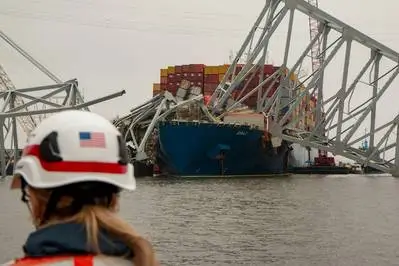
Dali Owner to Pay $102 Million Over Baltimore Bridge Collapse

Report: Dali Owner Faces $102 Million Fine for Bridge Collapse.

Baltimore, Maryland – A federal jury has ordered the owner of the bridge that collapsed in Baltimore in 2015 to pay $102 million in damages. The collapse killed two people and injured five others.

The jury found that the owner of the bridge, the Maryland Transportation Authority (MTA), was negligent in maintaining the structure. The bridge, known as the Fragert Street Overpass, had been showing signs of deterioration for years before it collapsed.

The plaintiffs in the case were the families of the two victims who died in the collapse, as well as the five people who were injured. They argued that the MTA had failed to take adequate steps to repair the bridge, despite knowing that it was in a state of disrepair.

The jury deliberated for several days before reaching a verdict. In their decision, they found that the MTA had been aware of the bridge’s problems and had failed to take appropriate action to address them. They also found that the MTA’s negligence had directly caused the collapse of the bridge.

Baltimore Bridge

Image Source: www.marinelink.com

The $102 million verdict is the largest settlement ever awarded in a case involving a bridge collapse in the United States. It is also one of the largest verdicts ever awarded in a personal injury case in Maryland.

The MTA has said that it will appeal the verdict. In a statement, the agency said that it believes the jury’s decision was based on a misunderstanding of the facts of the case.

Also Read: US Imposes Sanctions on Entities Involved in Iranian Oil Smuggling to Fund Houthi Activities

The collapse of the Fragert Street Overpass was a major tragedy for the city of Baltimore. The bridge was a vital link between the city’s downtown and its eastern neighborhoods. The collapse caused significant disruptions to traffic and forced many people to change their commute.

The $102 million verdict is a significant victory for the plaintiffs in the case. It is also a reminder of the importance of maintaining bridges and other infrastructure in a state of good repair.

Conclusion:

The collapse of the Fragert Street Overpass in Baltimore was a tragedy that had a lasting impact on the city and the families of those who were affected. The $102 million verdict against the Maryland Transportation Authority is a significant step towards justice for the victims and their families. It is also a reminder of the importance of ensuring that bridges and other infrastructure are properly maintained.

Also Read: PIL Names its Two Newest LNG-Powered Vessels at a Ceremony in China

Bharat Gains Strategic Advantage in Indian Ocean Power Play with Sittwe Port Operations

18th April 2024

Report : India strengthens its position of Sittwe Port in Myanmar.

The Indian Ocean is fast becoming an arena for economic influence, with China and Bharat (India) locked in a strategic struggle. Ports have emerged as a key battleground in this rivalry, offering crucial access to trade routes and resources. In this race for maritime dominance, Bharat’s recent acquisition of operational rights for the entire Sittwe port in Myanmar has given it a significant upper hand.

China has been particularly aggressive in its port strategy, known as the “Belt and Road Initiative” (BRI). Through BRI, China has secured control or invested heavily in ports across the Indian Ocean region, including Hambantota in Sri Lanka and Djibouti in Africa. This strategy allows China to establish vital trade links, project military power, and counter Bharat’s influence in its backyard.

For Bharat, the Sittwe port deal is a strategic game-changer. Located on the Kaladan River in Myanmar’s Rakhine state, Sittwe offers a direct route to connect India’s northeastern states with the Bay of Bengal, bypassing Bangladesh altogether. This not only reduces dependence on Bangladeshi infrastructure but also shortens travel times and transportation costs for crucial supplies to the region.

The significance of Sittwe goes beyond simple connectivity. By taking over full operations, Bharat can ensure the port functions efficiently and caters to its strategic interests. This includes promoting trade in Indian rupees, further strengthening Bharat’s economic footprint in the region. Additionally, Sittwe’s proximity to China’s sphere of influence allows Bharat to project a counterbalancing presence in the strategically important Bay of Bengal.

Also Read : Global Supply Chains Strain Under Pressure from Red Sea Crisis

However, challenges remain. The political situation in Myanmar is volatile, and the success of the Sittwe project hinges on continued stability. Additionally, China’s vast economic resources and established BRI network mean Bharat will need to continuously innovate and expand its own maritime infrastructure development projects to maintain its edge.

Conclusion

The race for dominance in the Indian Ocean is far from over. While the Sittwe port deal gives Bharat a strategic advantage, it’s only one piece of the puzzle. Continued investment in port infrastructure, forging strong regional partnerships, and navigating the complex geopolitical landscape will be crucial for Bharat to secure its position as a leading economic power in the Indian Ocean.

Also Read : Missile Attack on India-Bound Tanker Raises Red Sea Tensions

Missile Attack on India-Bound Tanker Raises Red Sea Tensions

17th February 2024

Report: Missile Attack on India-Bound Tanker in Red Sea.

The tranquility of the Red Sea was shattered on February 17th, 2024, when a missile launched from Yemen struck the M/T Pollux, a Panamanian-flagged tanker en route to India. The attack, attributed to the Houthi rebels, ignited regional tensions and underscored the growing vulnerability of global trade routes.

According to the United Kingdom Maritime Trade Operations (UKMTO) agency and British maritime security firm Ambrey, the missile hit the M/T Pollux on its port side approximately 72 nautical miles northwest of the Yemeni port of Mokha. While the attack caused minor damage and the crew remained unharmed, its symbolic significance sent shockwaves through the shipping industry.

Missile Attack on tanker in Red sea
Source: Vesselfinder

The M/T Pollux, which was operated by Sea Trade Marine SA and owned by Oceanfront Maritime Co SA, sailed on January 24 from Novorossiysk in the Black Sea. On February 28, it was scheduled to unload its cargo in Paradip, India. The Indian Oil Company’s 300,000 barrels per day (bpd) oil refinery is located in the city where it is intended to land, which is noteworthy and raises questions about possible disruptions to India’s energy security.

The attack on the M/T Pollux comes amidst a series of similar incidents targeting vessels in the Red Sea, a crucial artery for global trade. These attacks have disrupted maritime traffic, causing delays and increased insurance premiums for shipping companies. The resulting disruptions have the potential to stoke fears of inflation, particularly for essential commodities transported through the region.

Moreover, the attack coincides with heightened tensions between Israel and Hamas, raising concerns about a potential escalation in the region. The Red Sea borders both Saudi Arabia and Iran, major players in the ongoing proxy conflict in Yemen, further amplifying the geopolitical implications of the incident.

Also Read: Global Oil Buyers are Buying Local amid the Red Sea Crisis

Even though there were no casualties from the attack on the M/T Pollux, it is a clear reminder of how precarious the security situation is in the Red Sea. It draws attention to how vulnerable maritime trade routes are becoming and how more disruptions to the stability of the world economy could occur. Ensuring the safety of navigation and reducing the wider geopolitical and economic risks posed by such attacks require addressing the underlying causes of Yemen’s instability and promoting regional cooperation.

conclusion

The missile attack on the M/T Pollux not only jeopardizes the lives of innocent seafarers but also threatens the smooth flow of global trade. It underscores the need for urgent action to address regional tensions and implement robust security measures to ensure the safety of maritime traffic in the Red Sea. Failure to do so will put global trade at risk and potentially exacerbate existing geopolitical instabilities with far-reaching consequences.

Click here to follow our Social Media Account to get updates like this

New Study Examines how the Weather Affects the Stability of Container Stacks

16th February 2024

Report: Study on how Container Stacks stability affected by Weather

The global shipping industry hums with the movement of millions of containers, each stacked precariously atop vessels traversing stormy seas. While securing these metal boxes seems straightforward, a new study by Norwegian marine insurance group Gard reveals a hidden threat weather’s significant impact on container stack stability. This research could have major implications for safety, cargo security, and environmental protection.

A New Study Examines How the Weather Affects the Stability of Container Stacks delves into the real and present danger weather poses to container stacks. Every year, thousands of containers are lost at sea, with rough weather being a major culprit. These incidents not only result in financial losses but also endanger crew lives and pose environmental risks. Understanding how weather affects stack stability is crucial for mitigating these risks and improving overall safety.

Container Stacks stability
Source: Seatrade

Data Dive for Stability

Employing a combination of real-world data analysis and sophisticated computer simulations, the Gard team assessed the stability of container stacks under various weather conditions. Their findings paint a concerning picture:

  • Weather’s Wrath: Wind speed and wave height play a significant role. Stacks become increasingly susceptible to toppling as these factors intensify. The study identified critical thresholds beyond which the risk becomes alarming.
  • Stacking Strategy Matters: The arrangement of containers within a stack significantly impacts its stability. The research highlighted specific configurations more prone to collapse under specific weather conditions.
  • Regulations May Fall Short: Existing guidelines for securing container stacks might not adequately address the complex interplay of factors affecting stability, especially in severe weather.

A Growing Fleet, Growing Risks

The study’s urgency is amplified by the industry’s rapid growth. According to UNCTAD, the world’s container shipping fleet grew by 4% last year. Notably, the Panamax 1 segment (8,000 – 12,000 teu), experiencing a staggering 16% expansion over the past five years, now makes up 18% of Gard’s insured vessels. This segment also exhibits a higher exposure to wave heights of 7 meters and above compared to other size categories, further highlighting the specific vulnerability it faces.

The study, while focusing on Gard’s P&I portfolio, extends its relevance to the entire industry. Container stack collapses occur across different vessel sizes, indicating multiple causative factors. Understanding these factors and implementing the recommended measures is not just about mitigating risks; it’s about building a more resilient and sustainable maritime industry for the future. As the global fleet continues to expand, prioritizing container stack stability is no longer an option; it’s an imperative.

Also Read: Van Oord Secures Offshore Wind Contract in Poland

A Call to Action

The study’s findings urge the industry to adopt a multi-pronged approach to mitigate weather-induced risks

  • Strengthening Regulations: International regulations may need to be updated to incorporate the study’s findings and establish stricter, weather-dependent securing requirements for container stacks.
  • Smarter Stack Design: Optimizing stack configurations based on the research data can enhance inherent stability even under challenging weather conditions.
  • Weather on Watch: Implementing onboard systems that monitor weather conditions in real-time and automatically adjust securing measures accordingly could offer a significant advantage.
  • Crew Preparedness: Equipping crew with advanced training on securing container stacks in diverse weather scenarios can help ensure proper procedures are followed.

Conclusion

The shipping industry should take note of the container stack stability study. The weather, a seemingly insignificant factor, turns into a serious and frequently disregarded threat. Ignoring this hidden threat could endanger people’s lives, property, and the environment. These risks can be greatly reduced by enacting stronger laws, improving stack designs, using real-time weather monitoring, and funding crew training. The industry will be able to navigate the waters with greater assurance and a safer and more sustainable future for everybody if it embraces these changes.

Click here to follow our Social Media Account to get updates like this

Maersk alerts Overstock Could Impact Profits

9th February 2024

Report: Maersk alert overstock could hits profits

In a stark contrast to recent optimism, Danish shipping giant Maersk sent shockwaves through the industry on Thursday by warning that overcapacity in container shipping will significantly impact profits this year. This unexpected announcement, coupled with the suspension of its share buyback program, sent Maersk’s shares plummeting 17%, wiping out gains from the Red Sea disruptions.

The container shipping industry, a key indicator of global trade, witnessed a boom during the pandemic. This led to a surge in new ship orders, anticipating continued high demand. However, Maersk CEO Vincent Clerc painted a different picture, highlighting that “twice as many new vessels are coming to market compared to the extra capacity required.” This oversupply, he added, will fully materialize in 2024 and be felt well into 2026, squeezing profit margins.

Despite the Red Sea disruptions causing a jump in freight rates due to rerouted vessels, Clerc downplayed its long-term impact. He stated that the crisis “did not match the scale of disruption caused by the pandemic” and its effect on freight rates will be temporary. This contradicts analysts at JP Morgan who predicted a first-quarter boost from the Red Sea events, followed by a return to the overcapacity scenario.

Also Read: World’s Largest Cruise Ship a Climate Concern

Maersk’s revised profit forecast further dampened investor sentiment. The company now expects underlying earnings before interest, tax, depreciation and amortisation (EBITDA) to fall between $1 billion and $6 billion this year, significantly lower than the $9.6 billion achieved in 2023. This unexpected dip, coupled with the suspension of the share buyback program, contributed to the sharp fall in Maersk’s share price.

The news also impacted other European container shipping companies, albeit less severely. Hapag-Lloyd, a major competitor, saw its shares drop by around 11%. This highlights the broader concern within the industry about the looming oversupply issue.

Conclusion

Maersk’s alert is a clear reminder of the challenging problems that the shipping industry around the world is facing. The Red Sea disruptions provided a brief respite, but the impending glut threatens the industry’s long-term viability. In the upcoming months and years, stakeholders and investors will be closely observing how businesses like Maersk handle this difficult environment.

Click here to follow our Social Media Account to get updates like this

Indian Refiners Return to Iraq as Russia Loses Grip on Top Supplier Spot

31st January 2024

Report: Indian Refiners Return to Iraq from Russia

After a whirlwind year of Russian domination, Indian refiners are turning back to Iraqi crude, pushing it back to the top of their import list in January 2024. This shift comes as US sanctions and Houthi rebel attacks in the Red Sea complicate Russian oil shipments, driving up costs and anxieties.

Iraq has emerged as the clear winner stated by Crude Analyst at Kpler, citing record-breaking Iraqi exports to India. Kpler estimates Iraqi cargoes reaching India at a staggering 1.30 million barrels per day (mb/d) this month, while Vortexa puts the figure at 1.11 mb/d, still the highest since April 2022.

Also Read : Kerala Sets Sail for Statewide Shipping with Vizhinjam Port Launch

The reasons for this switch are manifold. Western sanctions and tightening regulations on Russian oil have limited the pool of available vessels willing to transport it. This, coupled with the ongoing standoff between Western nations and Houthi rebels in the Red Sea, a crucial shipping route for Russian oil, has triggered panic buying and inflated insurance costs. Ships ferrying Russian crude are increasingly opting for the longer Cape of Good Hope route, adding 10-14 days and significant expense to their journeys.

Source: ndtvrofit.com

Meanwhile, Iraqi Basrah crude has become a more attractive option. Prices fell to an average of $76.96 per barrel in December 2023, a welcome decline from the $82.82 and $87.58 recorded in November and October, respectively.

These competitive prices, combined with readily available tankers and a reliable supply chain, have made Iraqi oil the safer and more economical choice for Indian refiners.

This shift has significant implications for both India and the global oil market. India, the world’s third-largest oil consumer, relies heavily on imports to meet its energy needs. Diversifying its import sources away from Russia not only bolsters its energy security but also sends a message of increased geopolitical flexibility. For the wider oil market, the return of Iraqi crude could help ease supply concerns and bring some stability to volatile prices.

However, some analysts remain cautious. “While the current trend may suggest a permanent shift back to Iraq, it’s vital to remember that the geopolitical landscape is fluid,” said by Senior Energy Analyst at Vortexa. “If Russia manages to overcome its logistical hurdles and offer compelling discounts, the situation could rapidly reverse.”