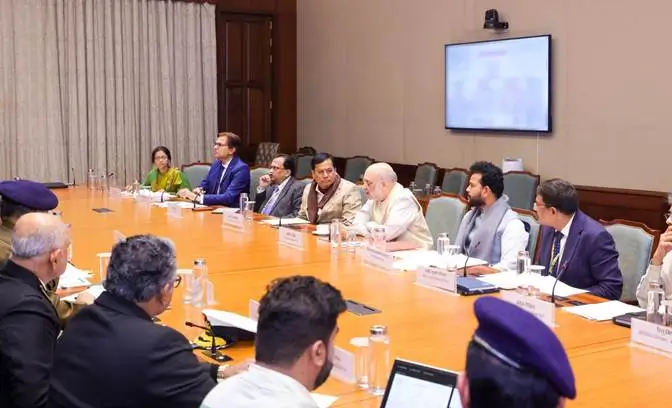
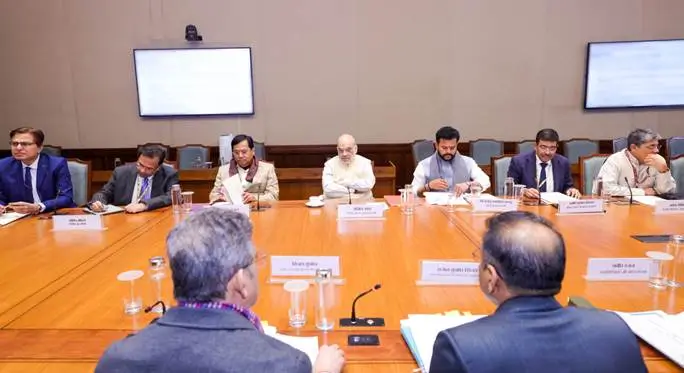
The Union Budget 2026–27 is expected to significantly accelerate the growth of the Gujarat maritime sector, with senior officials of the Gujarat Maritime Board (GMB) highlighting a strong alignment between national maritime priorities and the state’s existing capabilities. Announced by Union Finance Minister Nirmala Sitharaman, the Budget places renewed emphasis on ports, shipbuilding, coastal shipping, inland waterways, and maritime logistics areas where Gujarat already holds a strong competitive advantage.
Officials believe that this policy alignment positions Gujarat as one of the primary beneficiaries of the Union Budget 2026, reinforcing its role as India’s leading maritime and logistics hub.
Gujarat’s Maritime Foundation and Readiness
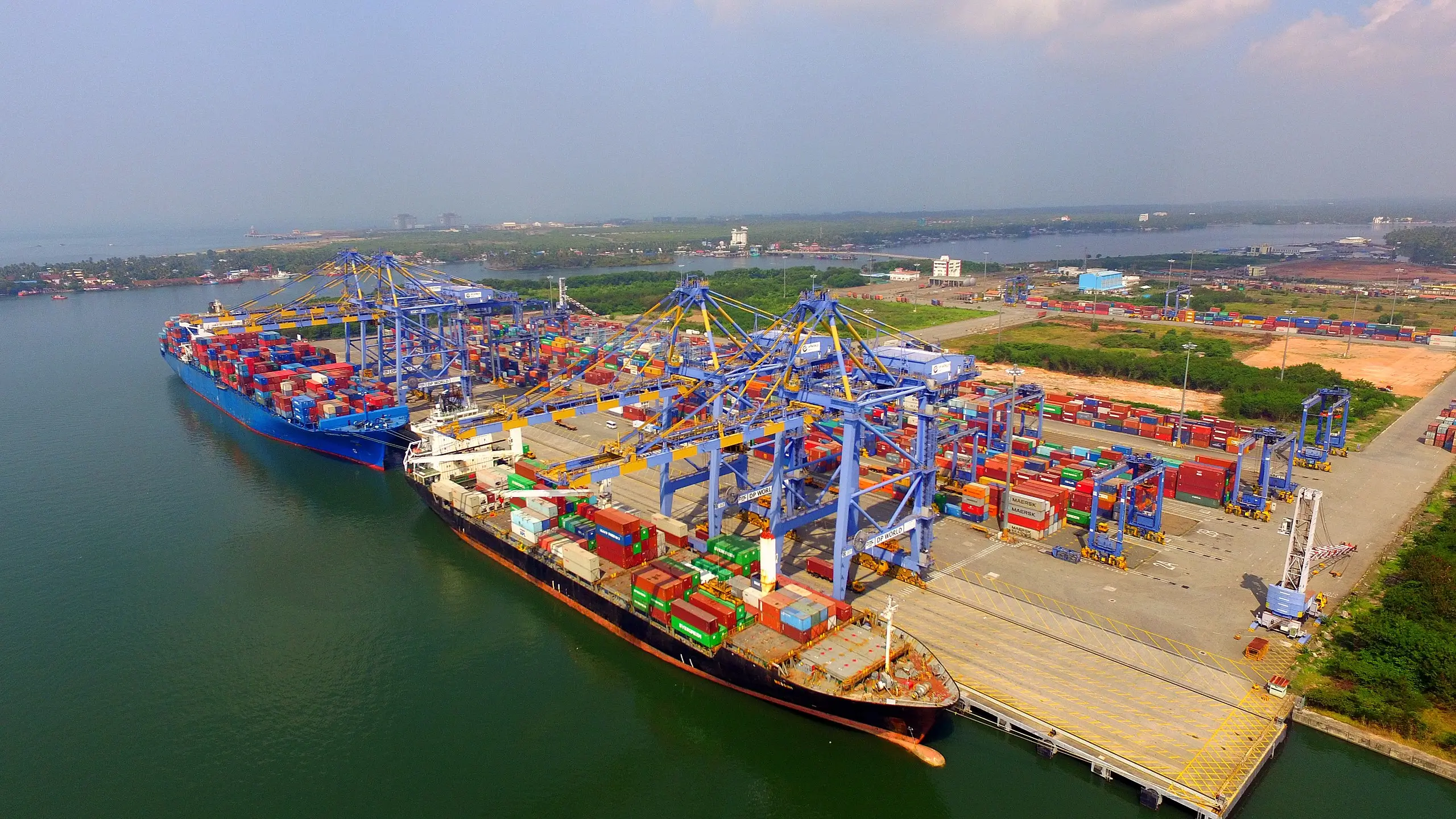
Gujarat has long been recognised for its robust maritime foundation. With India’s longest coastline, a large number of operational non-major ports, and strong industrial hinterland connectivity, the state has developed a deep-rooted maritime ecosystem over several decades.
According to senior GMB officials, Gujarat’s strength lies not only in port infrastructure but also in its integrated maritime ecosystem, which includes shipyards, engineering units, logistics providers, and marine service companies. This existing capacity allows the state to quickly absorb and implement the new initiatives announced under the Union Budget 2026.
Budget 2026’s Maritime Focus Areas
The Union Budget 2026 places focused emphasis on multiple segments of the maritime economy. These include:
- Coastal shipping
- Shipbuilding and ship repair
- Defence-related maritime infrastructure
- Container manufacturing
- Inland waterways
- Multimodal connectivity
- Maritime financing
These focus areas directly support port-led states like Gujarat, where maritime trade and logistics play a central role in economic activity. The government’s approach aims to strengthen the entire maritime value chain rather than focusing on ports alone.

Coastal Shipping and Inland Waterways
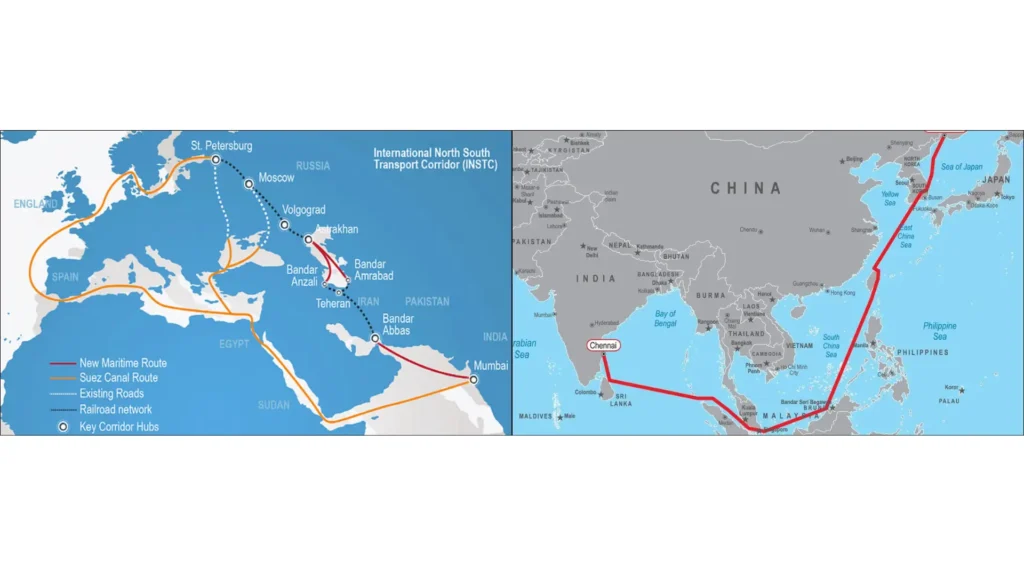
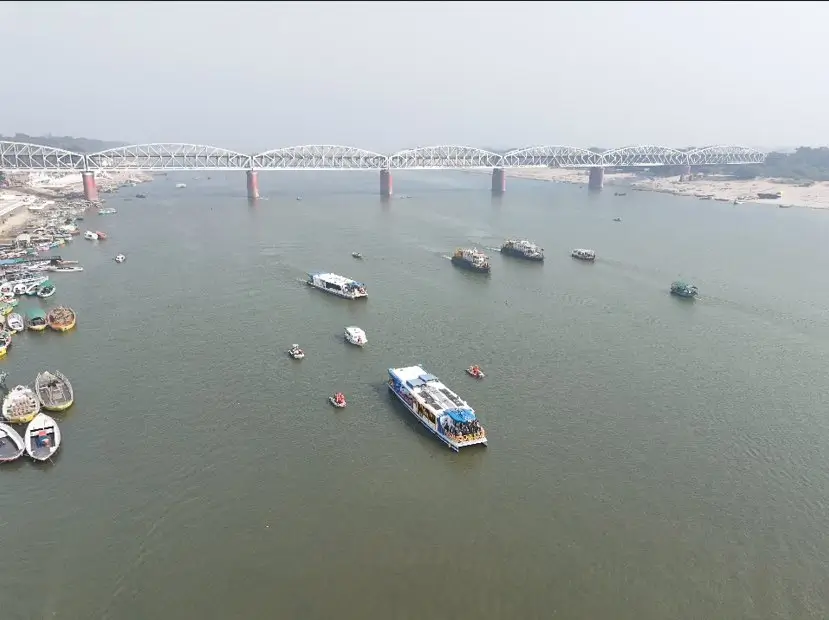
One of the most significant announcements in the Union Budget 2026 is the national target to increase the combined share of coastal shipping and inland waterways in total freight movement from the current 6% to 12% by 2047. This target has major implications for Gujarat.
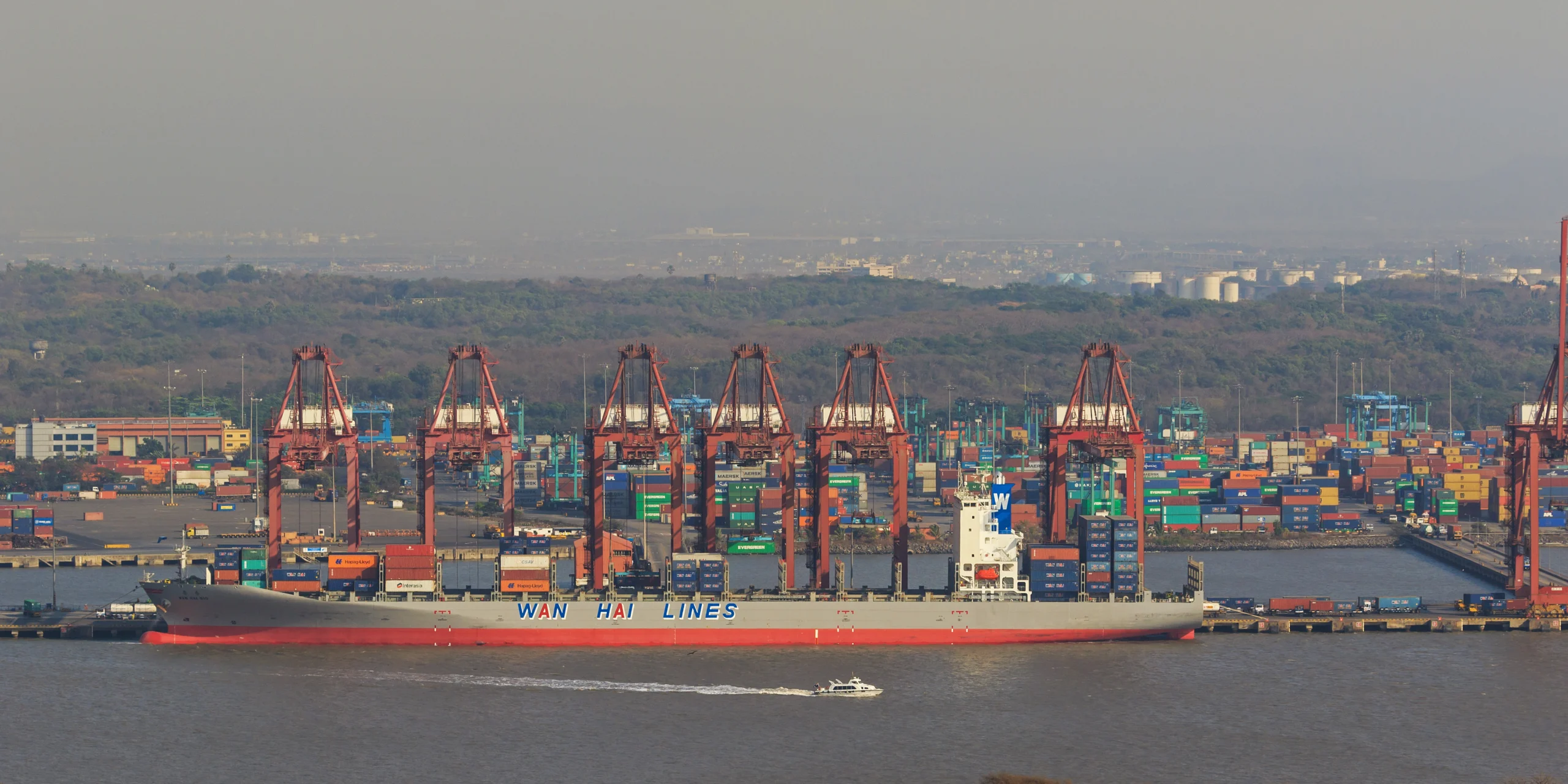
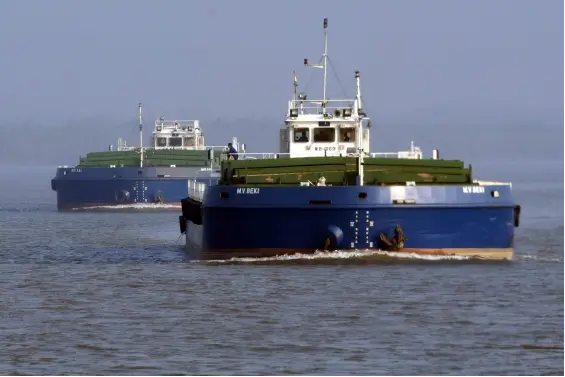
GMB officials pointed out that nearly 10% of cargo handled at Gujarat ports, mainly bulk and liquid cargo, already moves through coastal routes. This existing operational experience positions Gujarat well to scale up coastal shipping and inland waterway movements in line with national objectives.
The renewed policy focus is expected to reduce logistics costs, ease pressure on road and rail networks, and promote more sustainable freight movement.
Strengthening Shipbuilding and Maritime Infrastructure
The Union Budget 2026 also provides a strong push to shipbuilding and maritime infrastructure development, including defence-related maritime facilities. Gujarat is expected to benefit significantly from these allocations.
The state is home to one of India’s largest shipbuilding facilities by capacity at Pipavav, along with a well-established ecosystem of shipyards, marine engineering companies, and service providers. Budgetary support for shipbuilding and ship repair is expected to strengthen this ecosystem further.
Officials believe this will enhance Gujarat’s ability to support both commercial and defence shipbuilding, contributing to national maritime self-reliance goals.
National Shipbuilding Mission and Financial Support
Dr Ajay Kumar, IAS, Vice-Chairman and CEO of the Gujarat Maritime Board, highlighted the importance of the Shipbuilding Financial Assistance Scheme and the National Shipbuilding Mission, both reinforced through Budget 2026–27 provisions.
According to him, the Budget places clear emphasis on:
- Coastal shipping
- Port-led infrastructure development
- Shipbuilding and ship repair
- Sustainable logistics
These initiatives closely align with Gujarat’s long-term maritime vision and further strengthen the state’s position as India’s leading maritime and logistics hub.

Port-Led Industrialisation and Logistics Efficiency
Senior GMB officials noted that the Budget provisions complement Gujarat Maritime Board’s ongoing initiatives aimed at expanding port-led industrialisation. These include plans to develop multiple shipbuilding clusters for both defence and commercial vessels across the state.
The focus is also on improving logistics efficiency through better multimodal connectivity, linking ports with road, rail, and inland waterways. Such integration is expected to lower transportation costs, improve turnaround times, and attract further private investment into Gujarat’s maritime sector.
Defence Maritime Infrastructure
Another key element of Union Budget 2026 is its focus on defence-related maritime infrastructure. Gujarat’s coastline, shipbuilding capacity, and industrial ecosystem make it a strategic location for supporting India’s naval and defence manufacturing requirements.
Investments in defence maritime infrastructure are expected to boost local shipyards, engineering firms, and marine service providers, while also contributing to national security objectives.
Also Read: BCSL MoU Marks Major Step in Atmanirbhar Maritime Push
Gujarat as a Key Beneficiary of Union Budget 2026
With its extensive coastline, operational port network, strong hinterland connectivity, and mature maritime ecosystem, Gujarat is uniquely positioned to benefit from the Union Budget 2026’s maritime thrust. Officials emphasised that the Budget’s priorities are not new directions for Gujarat, but accelerators for initiatives already underway.
The alignment between national policy and state-level execution capacity gives Gujarat a first-mover advantage in implementing maritime reforms and scaling infrastructure.
A Stronger Maritime Future
The Union Budget 2026–27 marks a decisive moment for India’s maritime sector, with Gujarat at the centre of this transformation. By strengthening coastal shipping, inland waterways, shipbuilding, and port-led logistics, the Budget aims to create a more efficient, sustainable, and competitive maritime economy.
For Gujarat, the focus now shifts from readiness to execution. With policy support, financial assistance, and long-term national targets in place, the state is well positioned to consolidate its leadership role and expand its maritime footprint in the decades ahead.
Source : TOI