Maersk alerts Overstock Could Impact Profits

9th February 2024

Report: Maersk alert overstock could hits profits

In a stark contrast to recent optimism, Danish shipping giant Maersk sent shockwaves through the industry on Thursday by warning that overcapacity in container shipping will significantly impact profits this year. This unexpected announcement, coupled with the suspension of its share buyback program, sent Maersk’s shares plummeting 17%, wiping out gains from the Red Sea disruptions.

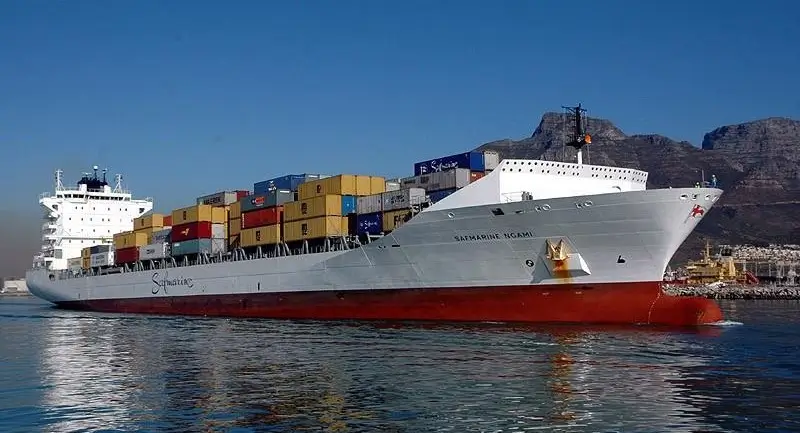
The container shipping industry, a key indicator of global trade, witnessed a boom during the pandemic. This led to a surge in new ship orders, anticipating continued high demand. However, Maersk CEO Vincent Clerc painted a different picture, highlighting that “twice as many new vessels are coming to market compared to the extra capacity required.” This oversupply, he added, will fully materialize in 2024 and be felt well into 2026, squeezing profit margins.

Despite the Red Sea disruptions causing a jump in freight rates due to rerouted vessels, Clerc downplayed its long-term impact. He stated that the crisis “did not match the scale of disruption caused by the pandemic” and its effect on freight rates will be temporary. This contradicts analysts at JP Morgan who predicted a first-quarter boost from the Red Sea events, followed by a return to the overcapacity scenario.

Also Read: World’s Largest Cruise Ship a Climate Concern

Maersk’s revised profit forecast further dampened investor sentiment. The company now expects underlying earnings before interest, tax, depreciation and amortisation (EBITDA) to fall between $1 billion and $6 billion this year, significantly lower than the $9.6 billion achieved in 2023. This unexpected dip, coupled with the suspension of the share buyback program, contributed to the sharp fall in Maersk’s share price.

The news also impacted other European container shipping companies, albeit less severely. Hapag-Lloyd, a major competitor, saw its shares drop by around 11%. This highlights the broader concern within the industry about the looming oversupply issue.

Conclusion

Maersk’s alert is a clear reminder of the challenging problems that the shipping industry around the world is facing. The Red Sea disruptions provided a brief respite, but the impending glut threatens the industry’s long-term viability. In the upcoming months and years, stakeholders and investors will be closely observing how businesses like Maersk handle this difficult environment.

Click here to follow our Social Media Account to get updates like this

Global Oil Buyers are Buying Local amid the Red Sea Crisis

6th February 2024

Red Sea crisis shift global oil buyer to buying Local

Regionalization is taking place in the once-bustling global oil market, owing to a combination of factors including growing Red Sea instability, rising freight costs, and strategic concerns. This movement is changing trade patterns and modifying the landscape of oil business, driven by recent militant attacks and economic concerns.

Chaos at the Crossroads

The Red Sea, a critical artery for maritime oil transport, has become a hotbed of piracy and militant activity. These incidents, coupled with geopolitical tensions, have escalated shipping risks and pushed insurance premiums upwards. Consequently, the allure of geographically closer sources of oil is becoming increasingly irresistible for buyers seeking to mitigate these uncertainties and manage costs.

Emerging Regional Blocs

This dynamic is leading to the emergence of distinct, localized trading regions. One region centers around the Atlantic Basin, encompassing the North Sea and the Mediterranean. The other encompasses the Persian Gulf, the Indian Ocean, and East Asia. While some oil trade still persists between these regions via the longer and pricier route around the tip of Africa, recent buying patterns indicate a growing disconnect.

Also Read: Indian Refiners Return to Iraq as Russia Loses Grip on Top Supplier Spot

Europe Seeks New Shores

The impact is evident in Europe, where refineries are diversifying their crude sources to minimize exposure to Red Sea risks and high freight costs. Refineries skipped purchases of Iraqi Basrah crude last month, opting instead for North Sea and Guyana crudes. This shift reflects a broader trend of European buyers turning inwards, focusing on regional supplies.

Transatlantic Leap

The trend extends beyond Europe. Kpler data reveals a surge in crude loadings from the US to Asia. This transatlantic journey, once considered economically unviable, is gaining traction as the price differential between US and Brent crude narrows, making long-distance shipments more attractive.

Canal Traffic Dries Up

The Suez Canal, once a symbol of interconnectedness, is witnessing a decline in transit volumes. Kpler reports a 23% decrease in oil tanker transits last month, further evidence of the shift towards regionalized trade. Similar drops are observed in liquefied petroleum gas and liquefied natural gas transits, highlighting the broader impact on energy flows.

Disrupted Flows, Rippling Effects

The reshaping of trade routes is disrupting traditional trade flows. Diesel and jet fuel shipments from India and the Middle East to Europe, along with European fuel oil and naphtha exports to Asia, have been significantly impacted. This disruption is reflected in regional price fluctuations, with Asian naphtha prices hitting a two-year high due to concerns about sourcing the product from Europe.

Costly Consequences

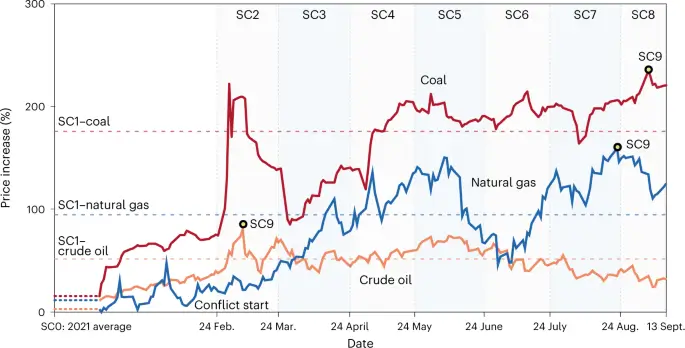
The Red Sea’s volatility is pushing up global oil transport costs. Kpler estimates that Suezmax crude tanker rates from the Middle East to Northwest Europe have jumped by nearly 50% since mid-December. This translates to an additional $2 per barrel for transporting oil from Asia to Europe, further incentivizing regional sourcing.

Source: nature.com

Geopolitical Headaches

Adi Imsirovic, director of consultancy Surrey Clean Energy, said “Geopolitics are not good for trade.” The uncertainties and risks associated with Red Sea instability are forcing a recalibration of the global oil market, with regionalization emerging as a key coping mechanism.

Conclusion

The Red Sea’s turmoil is acting as a catalyst, accelerating a pre-existing trend towards regionalization in the oil market. This shift, driven by economic and security concerns, will likely have long-term implications for trade patterns, energy security, and geopolitical dynamics. As the world adapts to this evolving landscape, one thing is certain is the days of a truly globalized oil market may be numbered.

Indian Refiners Return to Iraq as Russia Loses Grip on Top Supplier Spot

31st January 2024

Report: Indian Refiners Return to Iraq from Russia

After a whirlwind year of Russian domination, Indian refiners are turning back to Iraqi crude, pushing it back to the top of their import list in January 2024. This shift comes as US sanctions and Houthi rebel attacks in the Red Sea complicate Russian oil shipments, driving up costs and anxieties.

Iraq has emerged as the clear winner stated by Crude Analyst at Kpler, citing record-breaking Iraqi exports to India. Kpler estimates Iraqi cargoes reaching India at a staggering 1.30 million barrels per day (mb/d) this month, while Vortexa puts the figure at 1.11 mb/d, still the highest since April 2022.

Also Read : Kerala Sets Sail for Statewide Shipping with Vizhinjam Port Launch

The reasons for this switch are manifold. Western sanctions and tightening regulations on Russian oil have limited the pool of available vessels willing to transport it. This, coupled with the ongoing standoff between Western nations and Houthi rebels in the Red Sea, a crucial shipping route for Russian oil, has triggered panic buying and inflated insurance costs. Ships ferrying Russian crude are increasingly opting for the longer Cape of Good Hope route, adding 10-14 days and significant expense to their journeys.

Source: ndtvrofit.com

Meanwhile, Iraqi Basrah crude has become a more attractive option. Prices fell to an average of $76.96 per barrel in December 2023, a welcome decline from the $82.82 and $87.58 recorded in November and October, respectively.

These competitive prices, combined with readily available tankers and a reliable supply chain, have made Iraqi oil the safer and more economical choice for Indian refiners.

This shift has significant implications for both India and the global oil market. India, the world’s third-largest oil consumer, relies heavily on imports to meet its energy needs. Diversifying its import sources away from Russia not only bolsters its energy security but also sends a message of increased geopolitical flexibility. For the wider oil market, the return of Iraqi crude could help ease supply concerns and bring some stability to volatile prices.

However, some analysts remain cautious. “While the current trend may suggest a permanent shift back to Iraq, it’s vital to remember that the geopolitical landscape is fluid,” said by Senior Energy Analyst at Vortexa. “If Russia manages to overcome its logistical hurdles and offer compelling discounts, the situation could rapidly reverse.”

Rescue of a Sri Lankan Trawler from Somali Pirates

19th January 2024

Report: Sri Lankan Trawler where rescued from Somali Pirates

In a chilling echo of a bygone era, a Sri Lankan fishing trawler hijacked by suspected Somali pirates has been rescued, raising alarming concerns about a potential resurgence of piracy in the volatile waters off the Horn of Africa. The Sunday incident, involving six crew members aboard the vessel, marks the latest in a series of attacks that have fueled anxieties about a return to the rampant piracy that plagued the region from 2008 to 2018.

For years, international efforts and heightened security measures had significantly curbed pirate activity. However, the recent spate of attacks, including the hijacking of a Maltese-flagged merchant ship – the first such incident since 2017 – and a firefight between pirates and British security personnel aboard a bulk carrier, has cast a shadow over these achievements.

Somali Pirates
attack
Source: GOV.UK

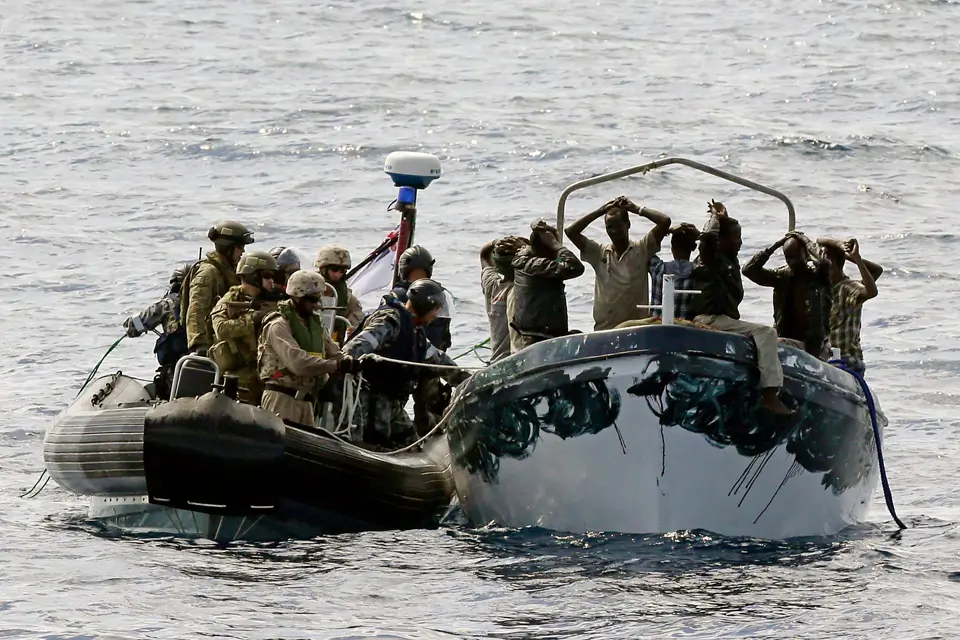
The Sri Lankan trawler’s ordeal began on Sunday, drawing immediate attention from authorities. A nearby boat accompanying the trawler alerted authorities, prompting the Seychelles Coast Guard to launch a swift response. According to Gayan Wickramasuriya, a spokesperson for the Sri Lankan Navy, “After a special operation, the trawler and all its crew were rescued, and three suspected Somali pirates were also detained.” The rescue unfolded approximately 230 nautical miles from Seychelles’ Mahe Island, highlighting the pirates’ expanding range of operation.

Also Read : Hapag-Lloyd Strengthens Trade Ties Between Türkiye and the Red Sea with New Service

While the successful rescue offers a sigh of relief, it underscores the underlying causes fueling the resurgence of piracy. Experts point to the ongoing instability in Somalia and the chaos in the region due to attacks by Yemen’s Houthi group as exacerbating factors. These challenges are compounded by economic desperation in Somalia, with many turning to piracy as a desperate means of survival.

The attack on the Sri Lankan trawler comes on the heels of the hijacking of the MV Ruen, the first merchant ship targeted by Somali pirates in seven years. While the vessel was later released unharmed, the incident served as a stark reminder of the vulnerability of commercial shipping in the region.

As the rescue of the Sri Lankan trawler fades from headlines, the echoes of this incident must serve as a call to action. The international community, regional authorities, and Somali stakeholders must work together to prevent a full-blown resurgence of piracy and ensure the safety and security of everyone navigating these troubled waters. Only then can the promise of a piracy-free future truly become a reality.

Demand for Logistics Parks & Warehousing Explodes in India

29th January 2024

Logistics Parks and Warehousing demand increases in India

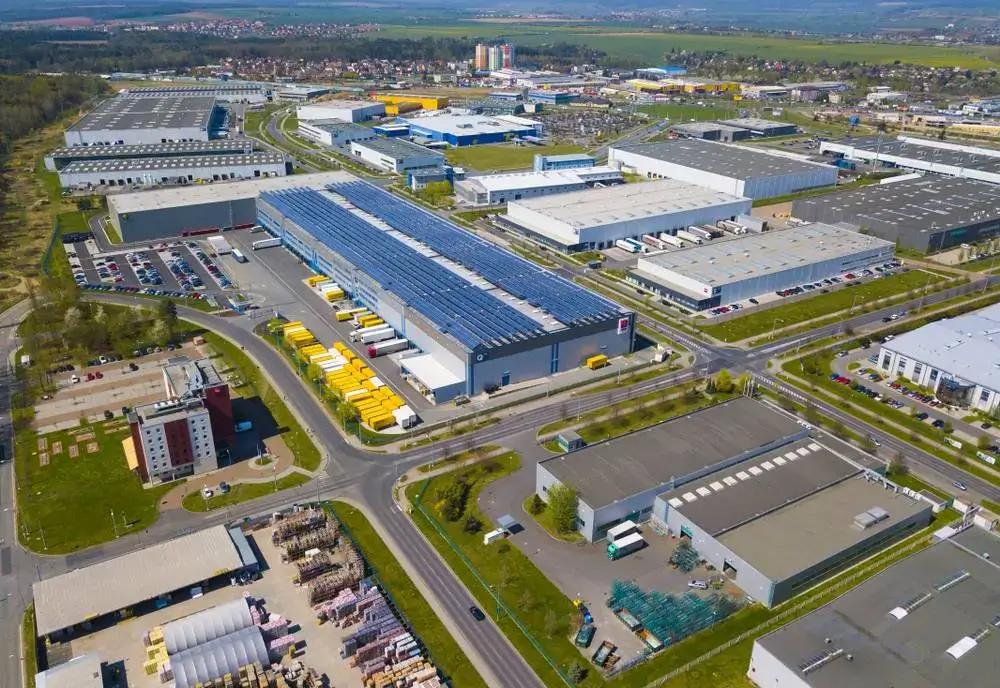
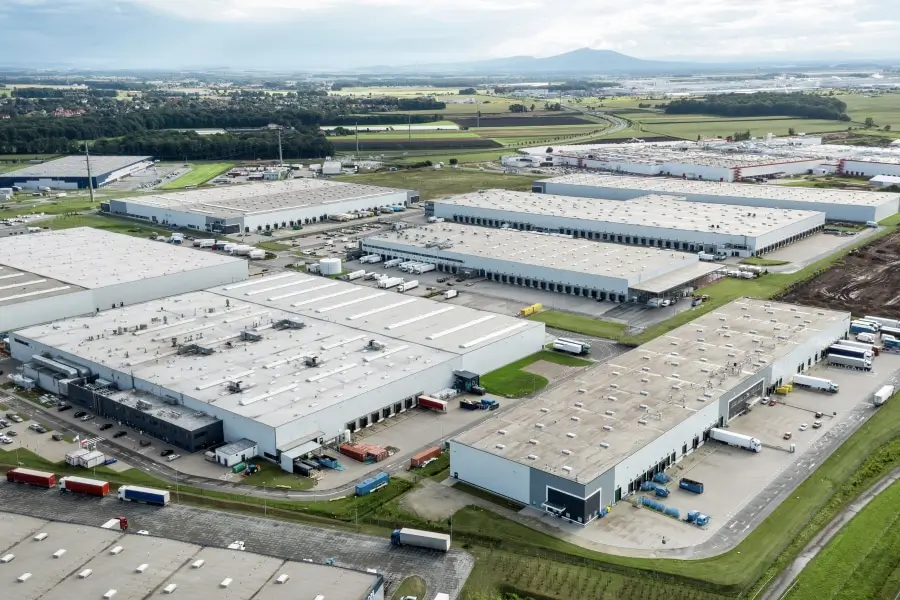
India’s logistics sector is witnessing a seismic shift, driven by a booming demand for modern logistics parks and warehousing facilities. According to a recent report by CBRE South Asia, warehousing lease transactions across eight major Indian cities reached a record 39 million square feet in 2023, marking an impressive 8% increase from the previous year. This surge underscores the nation’s accelerating e-commerce growth, burgeoning manufacturing prowess, and ambitious government initiatives that are fueling an unprecedented demand for efficient supply chain solutions.

Leading the charge are global logistics giants like US-based private equity behemoth Blackstone, which plans to expand its warehousing portfolio in India by 2.5 times, reaching a staggering 100 million square feet within the next 3-5 years. Blackstone has already partnered with realty major Hiranandani Group to establish GreenBase Industrial & Logistics Parks across key Indian cities, demonstrating the immense faith global investors have in the sector’s potential.

Logistics Parks & Warehousing in India

ESR Group, Asia Pacific’s largest real estate asset manager, is another major player making significant inroads into the Indian market. ESR recently acquired a substantial stake in LOGOS India, a leading developer of Grade A industrial and logistics facilities, signaling its commitment to capitalizing on the nation’s booming logistics landscape. Similarly, Singapore-based CapitaLand has announced plans to invest $400 million in developing industrial parks and logistics facilities in India, further intensifying the competitive landscape.

Also Read : PIL Academy Sets Sail: Upskilling the Workforce in Maritime Transport and Logistics

Beyond private players, the Indian government is playing a crucial role in propelling the logistics sector forward. Initiatives like the development of Multimodal Logistics Parks (MLPs) aim to create integrated facilities with seamless connectivity between various modes of transportation, from rail and road to air and waterways. These MLPs promise significant efficiency gains and cost reductions for logistics players, further spurring investment and activity.

Furthermore, the government’s focus on electric mobility and giga factories projects is creating additional tailwinds for the warehousing sector. With a booming electric vehicle ecosystem on the horizon, the need for modern warehousing facilities to store and distribute EV components and finished products is expected to skyrocket. Similarly, the government’s ambitious plan to establish giga factories for lithium-ion battery production will necessitate specialized warehouse infrastructure, presenting lucrative opportunities for developers and investors.

Unquestionably, the logistics industry in India has a promising future. The industry is expected to grow at an exponential rate in the upcoming years due to strong demand, strategic investments from international players, and supportive government policies. Good logistics parks and warehousing facilities will remain in high demand as businesses in all sectors struggle with intricate supply chains and want quicker delivery times. And with a market that is both competitive and dynamic, driven by both public and private initiatives, India is well-positioned to become a global logistics powerhouse, drawing in more capital and presenting exciting opportunities for all parties involved.

Tanker Engulfed in Flames after Houthi Missile Strikes in Gulf of Aden

27th January 2024

Report: Tanker in Flames after Houthi Missile Strikes

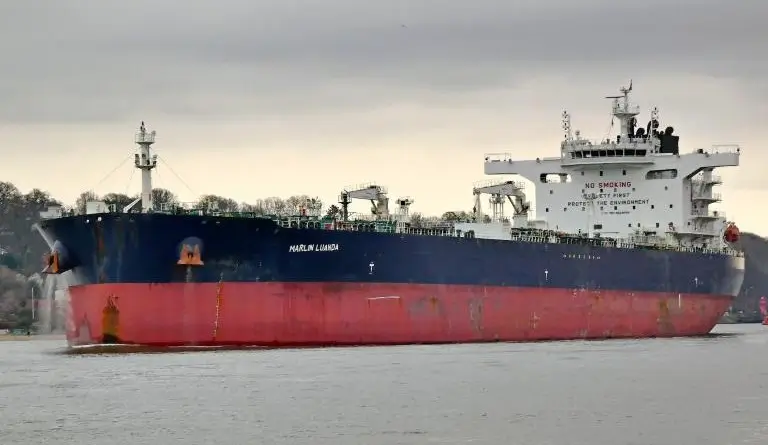
Chaos erupted in the vital Gulf of Aden shipping lane when a British-owned oil tanker was struck by a Houthi missile, igniting a fire that cast a menacing shadow over international maritime trade. The targeted vessel, the Marshall Islands-flagged MT Marlin Luanda, owned by UK-based Oceanix Services and chartered to Trafigura, was transiting the Red Sea when the attack occurred on Friday evening.

The United Kingdom Maritime Trade Operations (UKMTO) swiftly confirmed the incident, reporting it 60 nautical miles southeast of Aden. According to a statement received by Trafigura, the missile strike impacted one of the Marlin Luanda’s cargo tanks, sparking a blaze that the crew battled heroically using onboard firefighting equipment. Thankfully, all 25 crew members were reported safe and transferred to lifeboats as a precautionary measure.

The MT Marlin Luanda, a large tanker with a capacity of 109,991 deadweight tonnes , was carrying a cargo of Russian oil, further adding to the tense geopolitical backdrop of the attack. While the specific destination of the oil remains unclear, its disruption on this crucial artery for global energy transportation is undeniable.

Source: Vessel finder

The incident gained further intrigue when the U.S. Central Command (CENTCOM) verified that they had received a distress call from the Marlin Luanda and reported damage that seemed to be caused by a missile strike. Just hours before the tanker attack, the U.S. Navy destroyer USS Carney, which was cruising in the area, successfully intercepted and shot down an incoming anti-ship ballistic missile launched from Yemen, sparking fears of a more extensive Houthi operation.

Also Read : Container Shipping Back in the Black: Red Sea Crisis Creates Profit Boom

Yemen’s civil war, now in its eighth year, has seen the Houthis, backed by Iran, increasingly target shipping in the Red Sea and Gulf of Aden. This brazen attack on a prominent commercial vessel, regardless of its cargo’s origin, marks a dangerous escalation of the conflict, threatening the free flow of vital goods through the region.

The implications of this incident extend beyond immediate safety concerns. The disruption of tanker traffic, particularly for Russian oil, could contribute to further disruptions in the global energy market. Additionally, the increased risk of piracy and attacks on shipping in the Gulf of Aden could drive up insurance costs and deter vital commercial activity, impacting economies reliant on international trade.

The burning tanker on the horizon of the Gulf of Aden serves as a stark reminder of the fragilities of the global economy and the human cost of prolonged conflict. The international community must work together to navigate these turbulent waters and ensure the peaceful passage of commerce and life within this vital international artery.

Two Maersk Ships Escape Houthi Missile Attack in Red Sea

25th January 2024

Report: Two U.S. flagged Maersk ships Attack by Houthi Missile

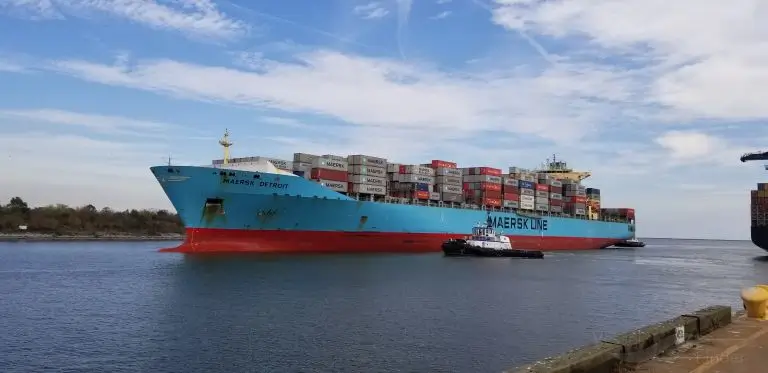
As two U.S. flagged Maersk ships, the Maersk Detroit and Maersk Chesapeake, barely avoided a Houthi missile attack close to the Bab el-Mandeb Strait on Wednesday, tension in unreliable Red Sea increased. Although it is fortunate that neither of the ships nor its crews suffered injuries, the incident highlights the growing danger to international shipping in the area and shadows the important trade route.

According to the UK Maritime Trade Operations (UKMTO), which monitors piracy and armed robbery in the area, the attack unfolded around 2:00 PM (Sanaa time). Three anti-ship ballistic missiles were launched from Houthi-controlled territory in Yemen, targeting the Maersk Detroit. While one missile landed harmlessly in the sea, the remaining two were intercepted and destroyed by the accompanying U.S. Navy destroyer USS Gravely.

Both Maersk Detroit and Maersk Chesapeake ,vessels is operated by Maersk Line Limited (MLL), a U.S. subsidiary, were carrying cargo for the U.S Department of Defense, Department of State, USAID, and other government agencies. Both ships were enrolled in the Maritime Security Program (MSP) and Voluntary Intermodal Sealift Agreement (VISA), programs that allow them access to U.S. military protection during transits through high-risk zones.

Maersk ships Attack
Source: Marine traffic

The spokesperson for the Houthi military, Yahya Saree said in a statement that on Wednesday, during a “clash” that lasted over two hours, Houthi forces used ballistic missiles to target several U.S. warships. As a result, one U.S. warship was directly hit, and the two commercial vessels were forced to “to withdraw and return.”

This event comes after a string of Houthi 30th attack in the Red Sea on commercial ships including warship since November 2023, frequently utilizing coastal artillery and explosive drones. The attacks have caused anxiety among crews navigating the vital waterway, disrupted shipping, and increased insurance costs.

Also Read : Shipping Companies Fine $2 Million for Deliberate Oil Dumping and Record Falsification

The potential ramifications for global shipping are stark. The Bab el-Mandeb Strait, connecting the Red Sea to the Gulf of Aden, is a critical chokepoint for international trade, with around 25% of all global oil shipments passing through its narrow confines. Disruptions here can have cascading effects, raising energy prices and impacting economies worldwide.

Source: Vessel Finder

Shipping giants like Maersk are bearing the brunt of this heightened risk. Wednesday’s attack prompted MLL to temporarily suspend all US-flag operations in the Red Sea, highlighting the significant operational and financial challenges posed by the volatile security situation.

The incident’s larger implications persist even though the Maersk vessels are no longer in immediate danger. A coordinated worldwide response is required in light of the growing danger in the Red Sea to prevent additional attacks and guarantee the security of vital maritime traffic. If this isn’t done, the region may experience more unrest and the delicate global supply chain may be compromised.

ITF declares rise in Seafarer Abandonment in 2023 is “Unacceptable”

24th January 2024

Report: ITF declares rise in Seafarer Abandonment is “Unacceptable”

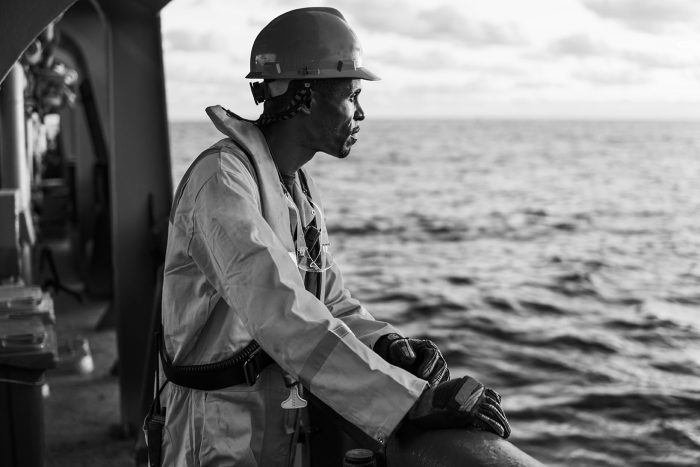
The International Transport Workers’ Federation (ITF) has released alarming data regarding the exploitation of seafarers, showing an 11% rise in cases of crew abandonment in 2023 over 2022. This alarming number reflects the 132 ships that have been reported abandoned, leaving seafarers stranded and in helpless circumstances.

According to the Maritime Labour Convention (MLC) 2006 , a ship is deemed abandoned if the shipowner loses away contact with the crew, does not pay wages for a minimum of two months, or does not cover the cost of repatriation or necessary support. Often leaving seafarers penniless and without basic necessities, these ruthless acts trap them in a state of limbo.

Seafarer Abandonment
Image Credits: IMO

The ITF report reveals an alarming pattern of rising unpaid wages. The remarkable $12.1 million in unpaid wages from the 129 cases that were reported in 2023 demonstrated a blatant pattern of exploitation. Regrettably, since 2019, this number has been rising steadily, indicating a systematic disregard for the fundamental rights of seafarers.

However, the ITF refuses to stand idly by. Their relentless efforts have borne fruit, with over $10.9 million recovered in owed wages from 60 abandoned vessels. This demonstrates their invaluable role in holding exploitative shipowners accountable and providing much-needed relief to affected seafarers.

Also Read: After a drone attack Russia suspends operations at the fuel export terminal

Steve Trowsdale, the ITF Inspectorate Coordinator, called the increase in abandonments “unacceptable” and said it was “a consequence of an industry where the seafarer can be a throw-away commodity.” Criticizing the “greed and non-compliance of ship owners,” he went on to highlight the human cost of their deeds.

According to the ITF report, with 23 cases in 2023, Panama, the largest flag state in the world, had the highest number of abandonments. Liberia and the Marshall Islands are the second and third largest flag states in the world, respectively, but they did not rank among the eight flag states with the highest number of abandonments in 2023.

Conclusion

The ITF’s report presents a disconcerting image of disregard and abuse in the marine sector. A sobering reminder of these vital workers’ vulnerability is the growing number of unclaimed wages and abandoned seafarers. To end this cruel practice, governments, flag states, and industry stakeholders must work together with the ITF. We can only guarantee that seafarers—the backbone of international trade—get the respect and safety they are due by working together.

World’s Largest Cruise Ship a Climate Concern

23 January 2024

Icon of the Seas a climate concern

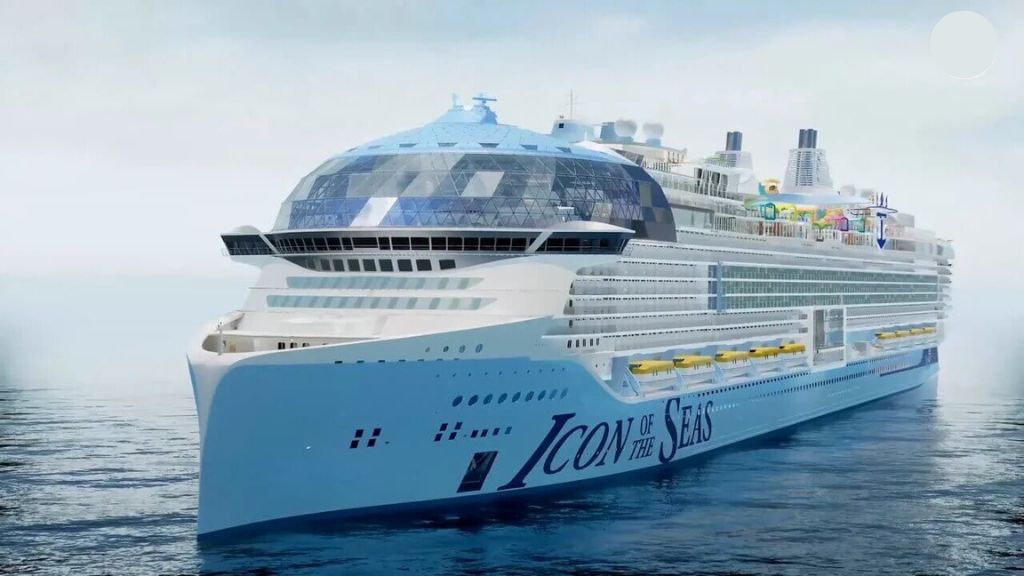
Royal Caribbean’s “Icon of the Seas,” an engineering marvel that is billed as the largest cruise ship ever built sets out on its first official voyage on January 27. The luxurious amenities and eye-catching entertainment offer vacations that will never be forgotten, but environmentalists cry foul, labeling it a “climate liability.”

Largest Cruise Ship

The Icon, the largest cruise ship in the world, is 360 meters (more than 1,000 feet) long and weighs about 250,000 gross registered tons. 20 distinct decks, 40 eateries, lounges, and bars, seven pools, 6 waterslides, and a 55-foot waterfall are among its many features, concept offer unparalleled leisure experiences. But this opulence comes at a cost, measured in tons of carbon dioxide (CO2).

Largest Cruise Ship

Bryan Comer, Director of the Marine Program at the International Council on Clean Transportation (ICCT), has done the math. In a 2022 report, he estimates that a typical passenger on the Icon, even on the most efficient cruise line, will generate about 1,100 pounds of CO2 per 1,200-mile cruise. That’s nearly double the footprint of a plane trip and hotel stay for the same distance.

The issue lies not just in the sheer size and energy consumption of the ship, but also in its fuel. While the International Maritime Organization (IMO) has set regulations for cleaner fuels for new ships, these standards fall short of what’s needed to curb the industry’s rapidly growing emissions. As a result, cruise lines like Royal Caribbean, while adopting some cleaner technologies, still rely heavily on heavy fuel oil, a notorious polluter.

The consequences are serious a recent report states that between 2019 and 2023, emissions from international shipping—which includes cruise ships—grew by 2.9%. The international attempts to tackle climate change could be jeopardized by this upward trend. The majority of this impact is felt by ocean ecosystems, which are especially susceptible to warming and acidification brought on by CO2. Coral bleaching is already occurring at an alarming rate, which is detrimental to marine biodiversity.

Also Read: US hits the Houthis and the Indian Navy recovers the crew after an attack

The Icon’s arrival serves as a stark reminder of the cruise industry’s crossroads. While it represents economic prosperity and technological advancement, its disregard for environmental consequences cannot be ignored.

The key is innovation Cruise lines need to advocate for tougher IMO regulations and make investments in greener fuels like hydrogen or renewable biofuels. In addition to choosing more environmentally friendly options, passengers can also contribute by holding the industry accountable. In the end, the “Icon of the Seas” might represent both human creativity and our duty to protect the environment. The decision is to steer toward a future in which technological wonders coexist with the health of our planet.

After a drone attack Russia suspends operations at the fuel export terminal

22 January 2024

Report: Drone Attack at Ust-Luga Russia

A major fire at Ust-Luga, Russia a crucial Russian fuel export terminal has temporarily halted operations, raising concerns about potential disruptions to global energy markets and escalating tensions between Russia and Ukraine. The incident occurred on January 21st, 2024, at the Ust-Luga complex, a massive facility located on the Baltic Sea roughly 170 kilometers west of St. Petersburg.

Novatek NVTK.MM, Russia’s largest liquefied natural gas producer and operator of the Ust-Luga terminal, confirmed the fire and subsequent suspension of some operations. While the company attributed the incident to “external influence,” Ukrainian media outlets and officials claim responsibility for a drone attack, marking a potential turning point in the ongoing conflict.

Source: INQUIRER.net

The Ust-Luga terminal plays a vital role in Russia’s energy exports, processing gas condensate into various petroleum products like naphtha, kerosene, and diesel for shipment to international markets. The facility’s closure, even if temporary, could have significant repercussions for global energy prices and supply chains.

The full extent of the damage and the duration of the disruption remain unclear. Novatek stated that an operational headquarters has been established to address the situation and assess the damage. The regional administration in Leningrad Oblast has placed critical infrastructure facilities in the area on high alert and authorized security forces to destroy any detected drones.

Also Read : EU Naval Forces Thwart Pirate Attack, Capture Suspects in Gulf of Aden

Ukrainian officials view it as a successful operation against a critical Russian asset, potentially impacting fuel supply for the military and causing economic damage. On the other hand, the incident raises concerns about a potential escalation of the conflict, with Russia facing the possibility of deeper strikes within its own territory.

drone attack Russia

Beyond the immediate impact on energy markets and military logistics, the attack at Ust-Luga carries broader geopolitical implications. It signifies a potential shift in Ukrainian tactics, demonstrating their ability to strike targets deep inside Russia despite facing defensive challenges on the battlefield. This development could further strain relations between Moscow and the West, particularly regarding energy security and potential military responses.

The scenario is being closely observed by the international community, which is advising both parties to use caution and avoid escalation. Although the full effects of the Ust-Luga attack are still being felt, it is clear that it has had an impact on the world’s energy markets, the ongoing conflict in Ukraine, and the larger geopolitical environment.

US hits the Houthis and the Indian Navy recovers the crew after an attack

19th January 2024

Report: US hits the Houthis and Indian Navy recovers the crew

This week saw a new wave of tension emerge in the Red Sea, a crucial route for international trade, as the US launched airstrikes on Houthi missile launchers and the Indian Navy rescued crew members from a US-owned ship that was attacked off the coast of Yemen. The growing conflict poses grave questions regarding both the region’s precarious geopolitical situation and the security of maritime trade.

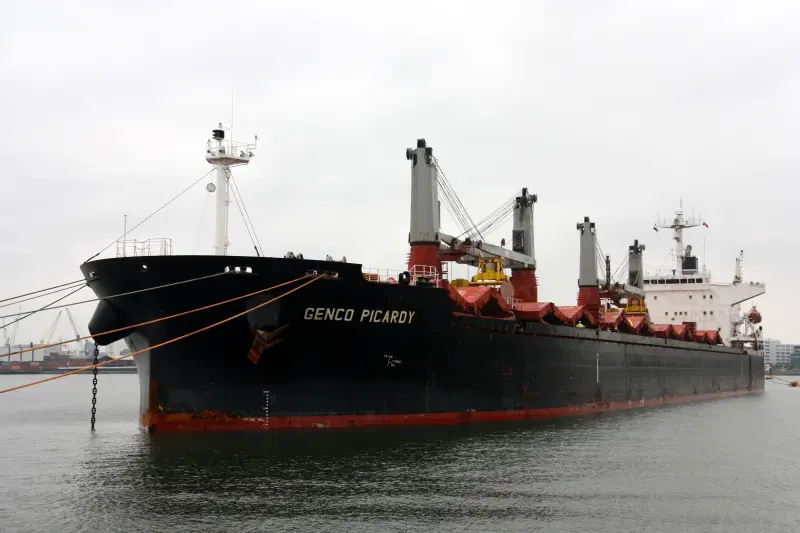
On Wednesday, US Central Command confirmed drone strikes targeting two Houthi anti-ship missiles aimed at the southern Red Sea. This preemptive action followed days of Houthi attacks on international shipping, including two US-owned vessels, the assault drone caused a small fire on board the Genco Picardy, which is registered by the Marshall Islands Genco Shipping, based in the US the attack did not result in any substantial damage or casualties, but it did inspire the Indian Navy to launch a daring rescue effort. In response to the distress call, the Indian frigate INS Kochi sent helicopters to safely extract the 22-member crew, which included Indian nationals. An additional “direct hit” on the US ship Chem Ranger, tanker registered under the Marshall Islands flag and run by Greek enterprises, classified in Japan, covered by insurance in the UK and Norway.

Chem Ranger Us owned Tanker houthi

In a statement, the US military justified the strikes as “self-defense” and “necessary to protect freedom of navigation and prevent attacks on maritime vessels.”

President Biden’s statement later that day acknowledged the ongoing challenges. “These air strikes are not deterring the Houthis,” he admitted, underscoring the complex regional dynamics at play. The Houthis, backed by Iran, are locked in a bloody civil war with the Yemeni government, supported by a Saudi-led coalition that includes the US. This proxy conflict spills over into the Red Sea, threatening the lifeline of global trade passing through one of the world’s busiest shipping lanes.

Shipping is experiencing the effects of the increase. The cost and duration of international trade have increased due to the surge in insurance premiums for crossing the Red Sea and the rerouting of some shipping companies’ vessels along the Cape of Good Hope, also referred to as the sea route to India or the European-Asian sea route. Global supply networks are seriously threatened by the disruption, which could result in higher costs for necessities.

The Red Sea’s volatile security situation carries wider geopolitical implications. The potential for escalation could draw in regional powers further, exacerbating existing tensions between Iran and Saudi Arabia. An unchecked conflict could destabilize the Horn of Africa, with cascading humanitarian consequences.

Also Read: US and UK forces attack Houthi targets in Yemen in retaliation for Red Sea attacks

Navigating the complex web of regional grievances and interests while ensuring the safety of maritime trade requires both diplomatic finesse and a determined effort to address the root causes of the conflict in Yemen.

conclusion

Regional conflicts have turned the Red Sea into a hot spot that endangers international trade and undermines geopolitical stability. Although the Indian Navy’s rescue mission and the US military action both show quick reactions, the absence of a more comprehensive diplomatic solution allows for further escalation.

Coordinated international action is needed to address Yemen’s underlying political and humanitarian dilemma in order to protect international maritime lanes and prevent a larger conflict. The Red Sea won’t be able to play the crucial role of a bridge between continents or a theater of proxy conflicts until then.

ONE places first-ever methanol fueled vessels order

17th January 2024

ONE first-ever methanol fueled vessels

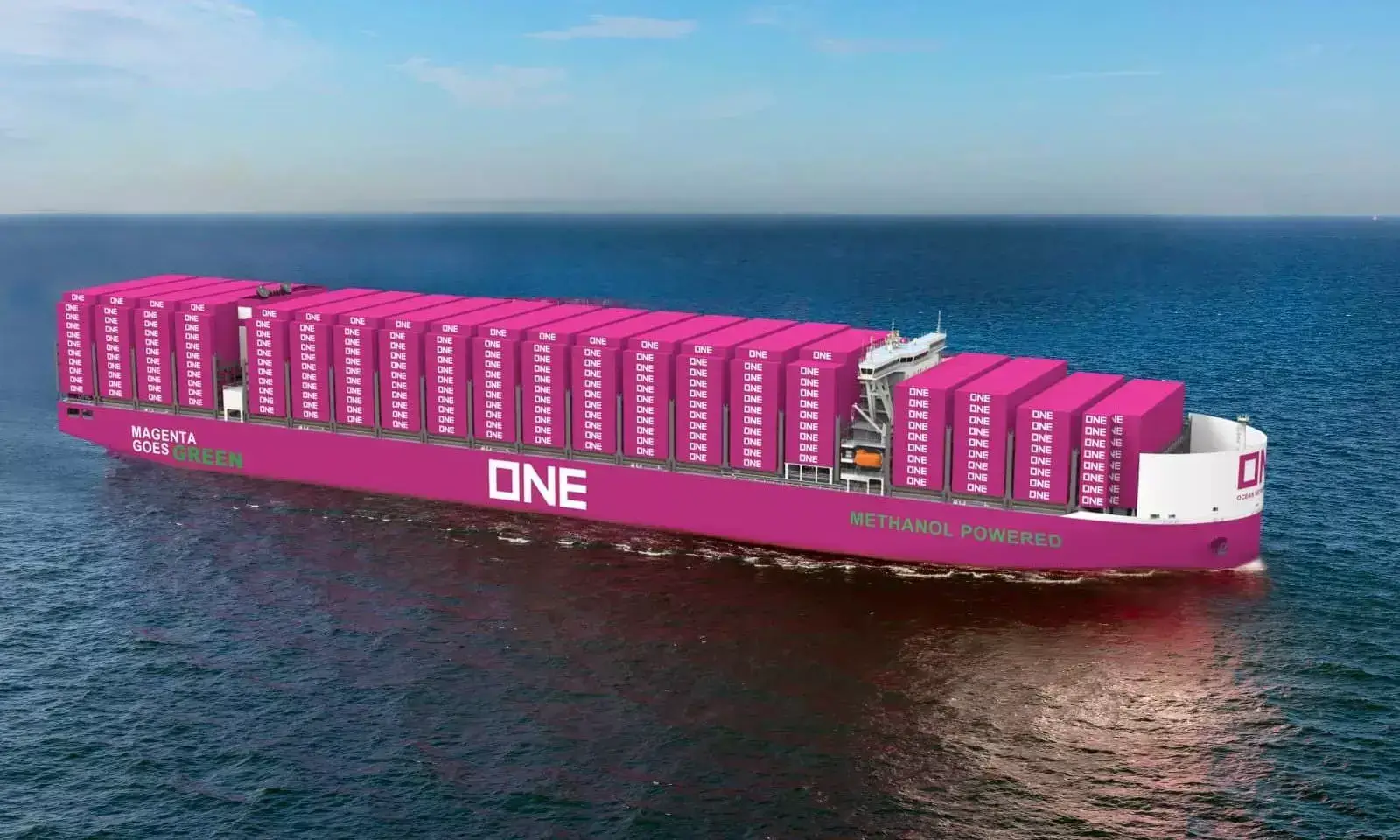
Ocean Network Express (ONE), the world’s sixth largest container line formed in 2017 by the merger of three Japanese shipping giants, combining Mitsui OSK Lines, Nippon Yusen Kaisha, and Kawasaki Kisen Kaisha, the top three shipping lines in Japan, into one liner unit. This bold move positions ONE as a frontrunner in the quest for sustainable shipping, potentially influencing both competitor strategies and the broader environmental landscape.

The Jeremy Nixon-led container line has signed a significant deal for twelve 13,000 twenty-foot equivalent unit (TEU) methanol dual-fueled vessels. These behemoths, split evenly between Jiangnan Shipyard and Yangzijiang Shipbuilding, are slated to grace the oceans starting in 2027. This groundbreaking commitment underscores ONE’s ambitious Green Strategy, aimed at building a sustainable supply chain for the future and achieving ambitious decarbonization goals.

Why the switch to methanol? This alternative fuel presents a compelling proposition compared to traditional heavy fuel oil (HFO). Methanol boasts significantly lower sulfur and nitrogen oxide emissions, contributing to cleaner air and reduce the carbon foot print. The fuel has been widely embraced by more than just liner shipping. Last year saw a dramatic change in the swift adoption of alternative fuels in shipping, with methanol-powered engines emerging as the most preferred option.

Also Read : US, Philippines Flex Military Muscle in South China Sea with Decommissioned Tanker Sinking

According to the most recent data from DNV’s Alternative Fuels Insight platform, orders for ships powered by methanol saw a significant spike in 2023, reaching 138, overtaking LNG for the first time. With 130 orders, chilled fuel arrived in second.

The shipping industry as a whole will probably be affected by ONE’s bold decision. Rivals are keeping a careful eye on this development, and if these methanol-powered giants prove successful, others might be motivated to follow suit. As a result, there may be an increase in demand for green methanol production infrastructure, which would hasten the industry’s switch to sustainable fuels.

Despite these challenges, ONE’s commitment to methanol serves as a beacon of hope. By investing in this promising technology, the company is not only shaping its own future but also influencing the trajectory of the entire shipping industry.

Houthis Strike US-Owned Ship in Gulf of Aden

16th January 2024

Report: Houthis Strike US-Owned dry bulk ship

In a tense escalation, Houthi forces in Yemen launched an attack on the US-owned and operated dry bulk ship Gibraltar Eagle on Monday, striking it with an anti-ship ballistic missile. While no injuries or significant damage were reported, the incident has sent shockwaves through the global shipping industry, raising concerns about the safety of critical maritime arteries and potentially disrupting vital trade flows.

The Gibraltar Eagle, operated by US-based Eagle Bulk Shipping, was sailing approximately 100 miles off the coast of Yemen in the Gulf of Aden when it was hit. US Central Command confirmed the attack but refrained from specifying the type of projectile used. Eagle Bulk Shipping acknowledged the incident, initially describing it as an attack by an “unidentified projectile” and reporting limited damage to the cargo hold.

This attack comes just one week after US and British forces conducted a series of airstrikes against Houthi targets in retaliation for previous attacks on commercial vessels in the region. Since the U.S. and British strikes, the Houthis, who control most of Yemen’s west and north as well as the capital city of Sanaa, have vowed to keep up their attacks in the Red Sea. Since November, the Houthis, who are supported by Iran, have launched 29 missile attacks on shipping in an effort to aid the Palestinians in Gaza.

The arrival of the Iranian spy ship M/V Behshad in the Gulf of Aden on January 12 increased the risk of attacks in the region, according to security firm EOS Risk Group, based in the UK.The Houthis on Yemen’s shores are probably receiving targeting information from MV BEHSHAD.

The ongoing conflict in Yemen has already thrown a wrench into global shipping patterns. The Houthi control of key ports and the threat of missile attacks have forced commercial vessels to navigate alternative routes, adding time and cost to maritime operations. This latest incident risks further disrupting crucial shipping lanes in the Red Sea, a vital artery for the movement of oil, goods, and people between Asia, Africa, and Europe.

Source: Hindustan Times

Potential Impact on Global Shipping

  • Route Diversions: Increased risk of attacks may lead to shipping companies rerouting vessels away from the Yemeni coast, adding days and potentially weeks to voyages, impacting delivery times and increasing logistical costs.
  • Insurance Costs: The heightened risk of attacks in the Red Sea will likely lead to higher insurance premiums for ships traversing the region, further adding to the financial burden on shipping companies.
  • Disruptions to Trade Flows: The potential slowdown or rerouting of shipping could disrupt the flow of vital goods, including oil, food, and other essential commodities, potentially impacting global supply chains and consumer prices.
  • Geopolitical Tensions: The Houthi attack on a US-owned ship raises the specter of a wider regional conflict drawing in major powers. Increased military presence in the Red Sea could further destabilize the region and add to shipping risks.

Also Read : IAPH Joins Forces with Indian Ports at International Ports Conclave

International Response and Measures

The international community has condemned the Houthi attack and called for restraint. The UN Security Council is expected to discuss the incident in coming days.

Possible measures to address the situation include:

  • Diplomatic efforts: Increased international pressure on the Houthis to cease attacks on commercial vessels and engage in a peaceful resolution to the conflict in Yemen.
  • Enhanced maritime security: Increased naval patrols and surveillance in the Red Sea to deter further attacks and protect shipping lanes.
  • Escort services: Providing military escorts for high-value or vulnerable vessels passing through the Yemeni coast.

The assault by the Houthis on the Gibraltar Eagle serves as a clear reminder of how susceptible international shipping is to local conflicts. Even though the Red Sea may be the only area affected right now, the maritime sector and international trade could be significantly impacted in the long run. De-escalating the Yemeni conflict, improved maritime security, and diplomatic efforts are all necessary components of a multipronged strategy to tackle this problem. The future of secure and effective international shipping is in jeopardy, and navigating this tight and dangerous situation will require international cooperation.

APM Terminals and JNPA collaborate to build a terminal at the forthcoming Vadhavan port

15th January 2024

Agreement sign between APM Terminals and JNPA collaborate for Vadhavan Port

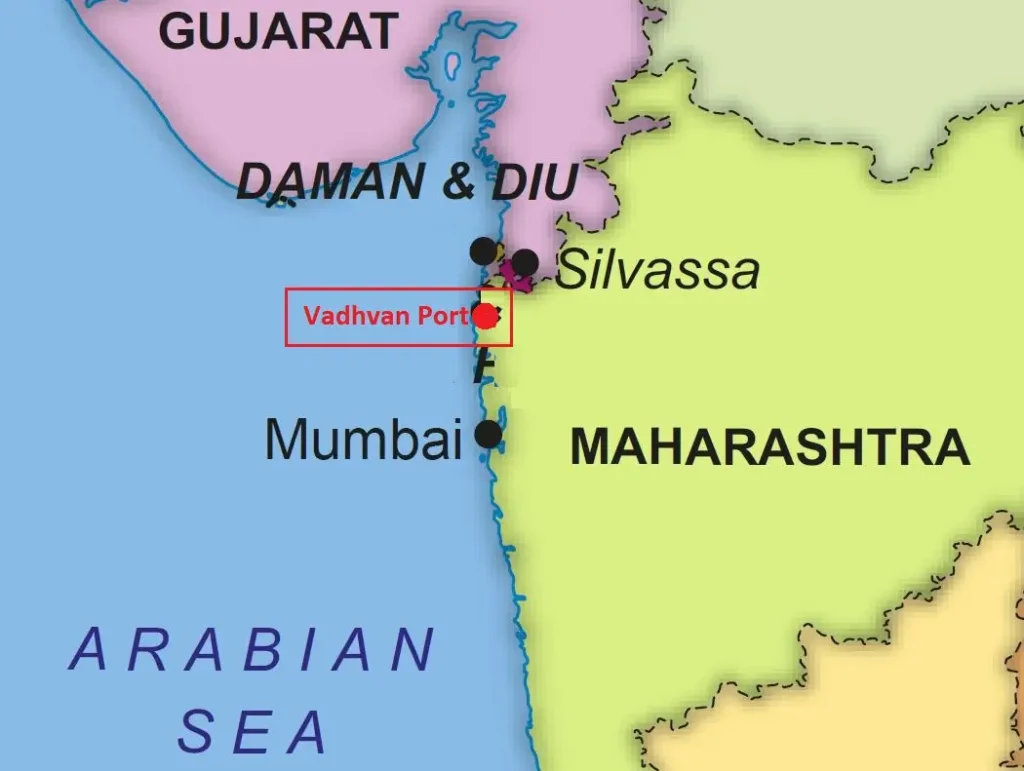
In a significant move poised to bolster India’s maritime infrastructure, global port operator APM Terminals has joined hands with the Jawaharlal Nehru Port Authority (JNPA) to develop a container terminal at the upcoming mega-port project at Vadhavan, Maharashtra. This collaboration, announced during the Vibrant Gujarat Global Summit 2024, marks a crucial step towards realizing the vision of transforming Vadhavan port into a world-class gateway for international trade.

The Vadhavan Port development has enormous potential and is projected to cost Rs. 76,220 crore. Due to its 20-meter natural draft, direct access to national highways, and designated freight corridors, it is ideally situated to serve the growing cargo traffic on the west coast of India. By building a cutting-edge container terminal inside the port, the APM Terminals-JNPA collaboration seeks to take advantage of this potential.

Vadhavan-Port Maharashtra
Vadhvan-Port Maharashtra

This facility will boast an annual capacity of handling 23 million twenty-foot equivalent units (TEUs) or 254 million tonnes of cargo. This translates to significantly enhancing India’s container handling capacity and streamlining international trade flows. The project is expected to create numerous jobs, providing a much-needed boost to the local economy of Maharashtra.

Sarbananda Sonowal, Union Minister of Ports, Shipping and Waterways, emphasized the significance of the project. “The Vadhavan Port is a game-changer for India’s maritime sector. It will not only decongest existing ports but also establish India as a key maritime hub in the region. We are delighted to partner with APM Terminals, a global leader in port operations, to bring this ambitious project to fruition.”

APM Terminals’ Global Chief Executive Officer, Keith Svendsen, concurred. It gives us great pride to collaborate with JNPA to build a top-notch container terminal at Vadhavan. This project is a perfect fit with our mission to support the expansion of international trade and invest in emerging markets. We think Vadhavan has enormous potential due to its excellent infrastructure and strategic location, and we are sure that our experience will play a big role in making it successful.

Also Read: US and UK forces attack Houthi targets in Yemen in retaliation for Red Sea attacks

Leading international port operator APM Terminals and India’s top port authority JNPA collaborate. APM Terminals will contribute its operational excellence and technological prowess to the project. The company has extensive experience developing and operating ports throughout the world. Conversely, JNPA will offer vital local knowledge and insights into the Indian marine environment.

The Vadhavan container terminal will be constructed and run in accordance with the strictest international standards thanks to the combined strengths of these two organizations. Leading shipping lines will be drawn to this, making it easier to move cargo efficiently and ultimately promoting economic growth in the area and beyond.

The development of the Vadhavan Port is not just about building a physical infrastructure; it represents a strategic move towards strengthening India’s position in the global maritime sector. With APM Terminals as a partner, this project carries the promise of transforming Vadhavan into a thriving trade hub, connecting India to the world and propelling the nation towards a brighter maritime future.

The building of the Vadhavan Port is more than just a physical infrastructure project; it is a calculated move to improve India’s standing in the world’s maritime arena. This project, which has APM Terminals as a partner, has the potential to turn Vadhavan into a thriving trade hub, linking India to the rest of the world and advancing the country’s maritime future.

FMC to hold Hearing on Shipping conditions in Red Sea

13 January 2024

Report: FMC hold hearing on Shipping in Red sea

The Federal Maritime Commission (FMC) has recently declared an upcoming informal public hearing, signaling a deep dive into the impacts of current conditions in the Red Sea and Gulf of Aden. The focus of this hearing will be on the escalating tensions stemming from the Iranian-backed Houthi group’s attacks on commercial shipping vessels in Yemen, a situation that has already prompted ships to reroute away from their traditional path around the Cape of Good Hope.

A major maritime route that links Europe, Asia, and the Middle East, the Red Sea has turned into a flashpoint for geopolitical unrest. Iran-backed Houthi rebels in Yemen have been aggressively pursuing commercial ships that travel through these waters. Many ships have been forced by recent incidents to divert from their usual course and take the longer and more expensive route around the southern tip of Africa.

These disruptions have a global knock-on effect that affects the complex network of international trade routes. Given the shipping industry’s critical role in facilitating the global movement of goods, the FMC has determined that it is imperative to evaluate the implications of such disruptions on the industry.

Also Read : US Sanctions Over a Dozen Firms, Including 3 Indian, for Alleged Iran Trade Ties

The situation escalated further when the United States and the United Kingdom launched military strikes on Yemen in response to the attacks on commercial shipping. While the military actions were aimed at curbing Houthi aggression, they inadvertently added another layer of complexity to the shipping dynamics in the region. The aftermath of these strikes has raised concerns about the safety of vessels navigating through the Red Sea and Gulf of Aden.

FMC regulations define that common carriers must give 30 days’ notice before a tariff change that raises shippers’ costs takes effect. The commission plays a pivotal role in overseeing the U.S. international ocean transportation system, ensuring fair and competitive practices. With the current geopolitical climate impacting global trade, the FMC aims to assess the effectiveness of existing regulations in navigating through these turbulent waters, both figuratively and literally.

Commissioner Rebecca Dye emphasized the importance of understanding the broader implications on maritime commerce. “The disruptions in the Red Sea have immediate consequences on shipping routes, freight costs, and delivery timelines. It’s our responsibility to ensure that the regulatory framework is robust enough to address these challenges and uphold the integrity of the maritime industry.”

During the hearing, the FMC will welcome input from industry stakeholders, shipping companies, and experts in international relations. The goal is to gather diverse perspectives and insights that can inform future policy decisions.

The FMC’s hearing will surely be an important forum for evaluating the current situation, understanding the consequences for the shipping industry, and investigating opportunities for regulatory changes that can strengthen the resilience of international maritime trade as Red Sea tensions continue to escalate.