US and UK forces attack Houthi targets in Yemen in retaliation for Red Sea attacks

12th January 2024

Report: US and UK forces strike on Houthi

President Joe Biden announced late Thursday that the United States and the United Kingdom had “successfully conducted strikes” against Houthi targets in Yemen. In response to a series of attacks that have hampered commercial shipping in the Red Sea, the US and its allies increased a conflict with an Iranian proxy by launching airstrikes on over a dozen Houthi rebel targets in Yemen.

James Heappey, the minister for the British Armed Forces, stated that the strikes were a proportionate response and that the government understood the need to prevent escalation in the area.

These targeted strikes are a clear message that United States and our partners will not tolerate attacks our personal or allow hostile actors to imperil freedom of navigation in of the world’s most critical commercial area a “statement by President Joe Biden”.

https://www.youtube.com/watch?v=FSpCQXXARB0
Source:10 News First

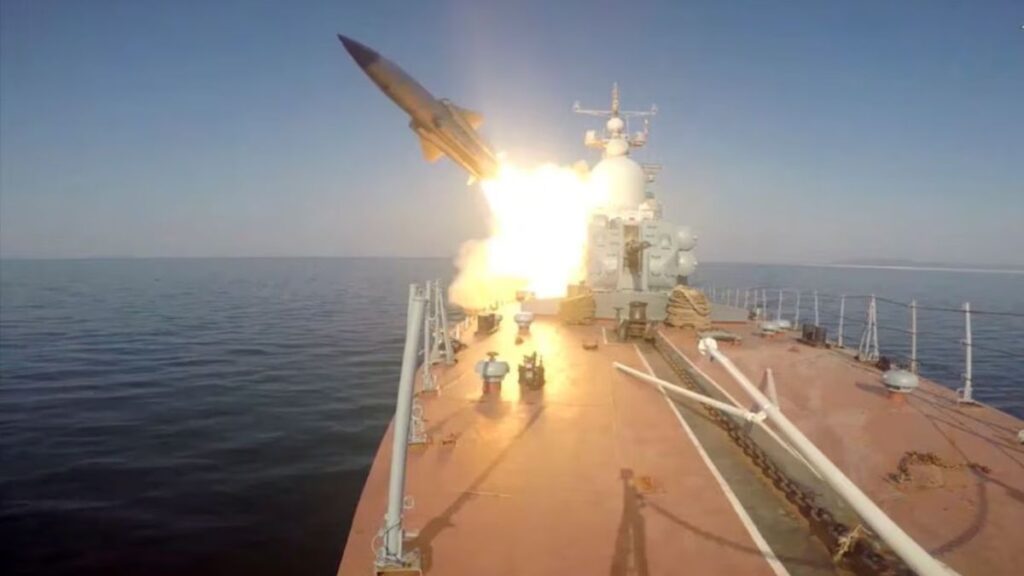
According to US officials commenting regarding operational details who asked not to be identified, American and British forces hit radar installations as well as drone, cruise missile, and ballistic missile storage and launch sites. The USS Eisenhower aircraft carrier was the base of operations for Air Force fighters and jets, and surface ships and submarines launched Tomahawk missiles that carried out the attacks. The strikes targeted key Houthi infrastructure and military installations known to be used for launching attacks on both Yemeni civilians and international shipping.

Also Read : The Biden Administration’s Strategy for Reviewing Gas-Export Permits

Geopolitical tensions have long been high in Yemen, which is situated at the southern tip of the Arabian Peninsula. Due to the Houthi rebels’ alleged Iranian support, the region has become unstable, necessitating international intervention to maintain peace and protect important trade routes.

A senior administration official reported that on January 9, the Houthis fired several missiles and about 20 drones straight into American ships in the Red Sea. It was the biggest assault on Red Sea merchant vessels to date. The US and UK naval forces defeated this attack,” the senior administration official declared on Thursday.

Following the strikes in Yemen, the global crude oil benchmark Brent increased by nearly 2% to track the movement in West Texas Intermediate. In order to determine the situation’s long-term impact on crude oil prices, market analysts have emphasized how crucial it is to keep a close eye on it in the days ahead. Oil market volatility has increased as a result of traders and investors closely monitoring events in the Middle East due to concerns about supply disruptions.


In reaction to the military action, the international community has expressed a mixture of support and concern. In a statement, the Arab League backed the United States and the United Kingdom in their attempts to preserve important waterways and maintain regional stability. In the meantime, some countries have demanded that the conflict be resolved diplomatically and urged all sides to hold talks in order to come up with a long-term solution.

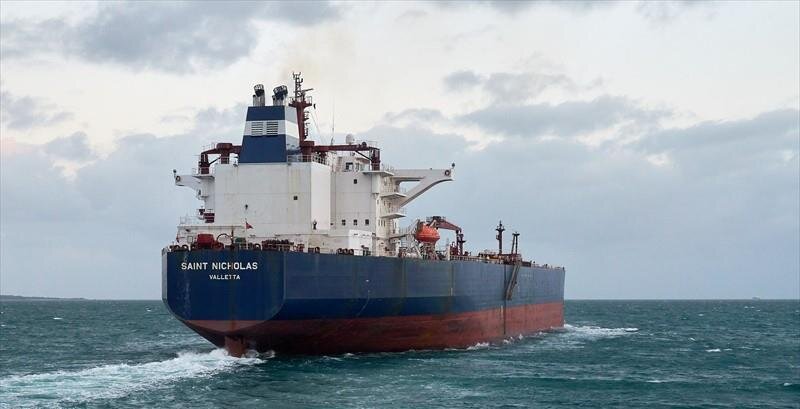
Middle East shipping Chaos a tanker was attacked near the Strait of Hormuz

11th January 2024

Report: Attack near Strait of Hormuz

In the latest episode of maritime unrest in the Middle East, the St Nikolas tanker also know as Suez Rajan was reportedly boarded near the Strait of Hormuz, raising concerns over the safety of international shipping routes. The incident comes as tensions continue to escalate in the region, prompting the United Kingdom Maritime Trade Operations (UKMTO) to issue a report detailing the situation.

This morning the United Kingdom Maritime Trade Operations (UKMTO) announced that several “unauthorized” individuals, wearing black military uniforms and masks, got on a ship in the Gulf of Oman. According to a client update from TankerTrackers.com, this vessel that was seized by the US government last year with its 1 million barrel cargo of Iranian oil, which was then delivered to Houston, Texas.

Attack near Strait of Hormuz

Incident took place near Strait of Hormuz a crucial waterway connecting the Persian Gulf to the Gulf of Oman and the Arabian Sea, is a vital passage for global oil shipments.

The UN Security Council (UNSC) met on Wednesday to discuss the escalating circumstances, with a special emphasis on the requirement that the Houthi rebels in Yemen immediately stop their attacks in the Red Sea. The UNSC’s demand is a reflection of growing international concern about how regional conflicts affect maritime security and global shipping.

Also Read: In the midst of the Red Sea shipping crisis, the Houthi rebels unleash an unprecedented attack

Geopolitical tensions and maritime incidents have been commonplace around the Strait of Hormuz. A number of attacks on ships in recent months, including sabotage and hijackings, have sparked concerns about possible disruptions to the global oil supply chain.

The international community must strike a balance between geopolitical concerns and the necessity of safeguarding the safety and security of crucial shipping lanes as maritime tensions in the Middle East continue to rise. The St Nikolas tanker incident, which occurred close to the Strait of Hormuz, serves as an alarming instance of how fragile maritime stability is in the area and how urgently regional conflicts must be resolved diplomatically.

In the midst of the Red Sea shipping crisis, the Houthi rebels unleash an unprecedented attack

10th January 2024

Houthis Complex Attack

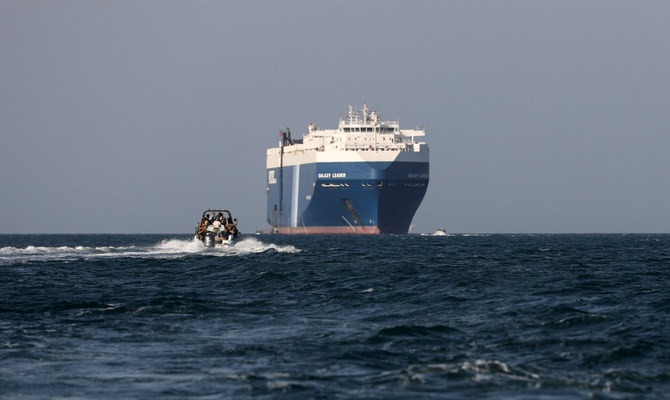
The Houthi rebels have launched their most massive weapons barrage to date, causing alarm about the safety of maritime traffic in the area and a startling escalation of the ongoing Red Sea shipping crisis. The United Kingdom Maritime Trade Operations (UKMTO) organization received a detailed report on the situation, revealing the gravity of the attack and its potential ramifications.

The attack occurred on the evening of January 9, when Houthi rebels targeted multiple vessels transiting the strategically vital Red Sea. According to the UKMTO, Several missiles and drones were fired, marking a significant increase in the scale and intensity of Houthi hostilities in the region.

With Iranian-designed one-way attack unmanned aerial vehicles (OWA UAVs), anti-ship cruise missiles, and anti-ship ballistic missile, the Iranian-backed Houthis launched a advanced assault attack on January 9 from Houthi-controlled areas of Yemen into the Southern Red Sea, towards international shipping lanes where dozens of merchant vessels were transiting.

The UKMTO report specifies that the targets included both commercial and military vessels. Among the affected ships were oil tankers, cargo vessels, and naval assets from various nations navigating the crucial waterway. The attack raises concerns not only for the safety of international shipping but also for the potential environmental impact should any of the targeted vessels be carrying hazardous cargo.

A combination of F/A-18s from USS Dwight D. Eisenhower (CVN 69), USS Gravely (DDG 107), USS Laboon (DDG 58), USS Mason (DDG 87), and the United Kingdom’s HMS Diamond (D34) shot down eighteen OWA UAVs, two anti-ship cruise missiles, and one anti-ship ballistic missile.

Source: Hindustan Times

The Red Sea shipping crisis has been a persistent concern for the international community, with Houthi rebels frequently targeting vessels passing through the Bab el-Mandeb strait—a narrow chokepoint connecting the Red Sea to the Gulf of Aden. The strategic importance of this waterway cannot be overstated, as it is a key route for global trade, with millions of barrels of oil passing through daily.

According to an investigation conducted by UK consultancy Maritime Strategies International (MSI), rerouting vessels via the Cape of Good Hope clearly takes longer and uses more fuel per unit of commodity transported than via the Suez Canal, but the costs associated with environmental regulations illustrate the perverse incentives in moves.

The incident comes at a time of heightened tensions in the Middle East, with various conflicts and geopolitical rivalries adding complexity to an already volatile situation. The international community now faces the urgent task of addressing this latest development in the Red Sea shipping crisis and preventing further escalation that could have far-reaching consequences for global trade and security.

Stakeholders are hoping for a prompt and efficient resolution to the current crisis and are anxiously awaiting updates from the UKMTO and other relevant authorities as the situation develops. Earlier a point of flawless maritime navigation, the Red Sea is currently the center of geopolitical tensions.

MOL & Yara Sign a Charter Agreement for an Ammonia Carrier

6th January 2024

MOL & Yara Charter Agreement

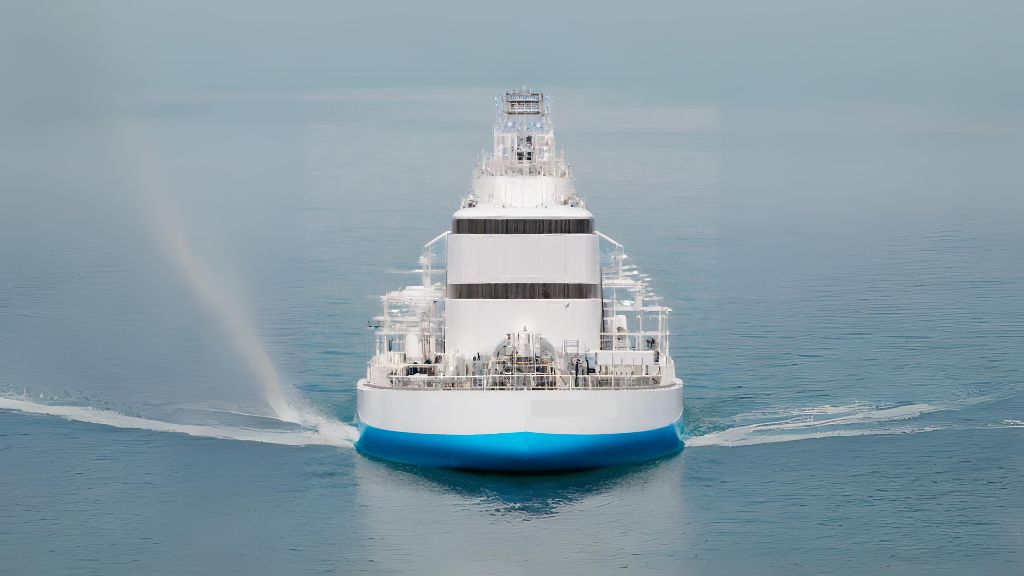
In a groundbreaking development in the maritime industry, Mitsui OSK Lines (MOL), one of Japan’s leading shipping companies, has signed a time charter contract with Yara Clean Ammonia Switzerland, a subsidiary of the renowned Norwegian fertilizer manufacturer Yara, for the transportation of ammonia. This strategic partnership marks a significant step towards promoting sustainable and environmentally friendly shipping practices.

The time charter contract solidifies the commitment of Mitsui OSK Lines to embrace green technologies and contribute to the global efforts aimed at reducing carbon emissions. Ammonia has emerged as a promising green fuel in the shipping industry, and Yara, being a key player in the fertilizer sector, has been actively involved in promoting the use of clean ammonia for sustainable transportation.

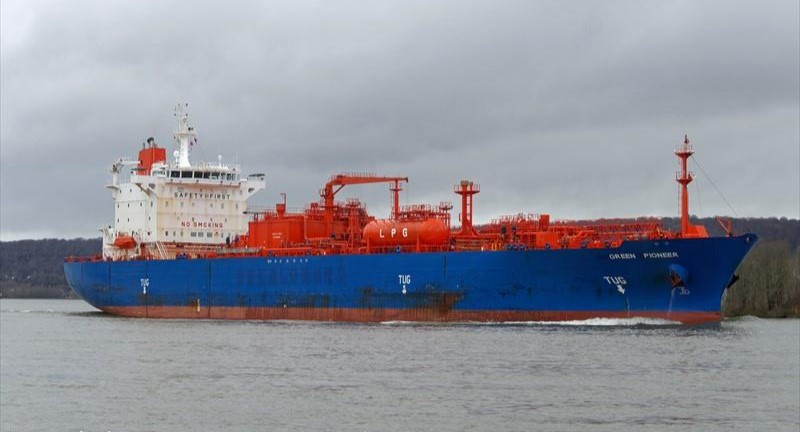
Up until 2016, MOL participated actively in the ammonia trade. In 2021, it reentered the industry with the acquisition of Green Pioneer, formerly known as Gaschem Hamburg. Since then, it has focused on the development of ships that run on ammonia, large-scale ammonia transporters, and floating storage and regasification units. The ship was delivered on December 25, 2023, and its primary purpose is to transport ammonia throughout the Pacific.

Also Read: Navy Quickly Responds to Distress Call in Arabian Sea Following MV Lila Norfolk Hijacking

The move towards clean ammonia aligns with the broader industry trend of exploring alternative fuels to meet ambitious environmental targets. Ammonia is particularly appealing due to its potential to generate power without emitting carbon dioxide when burned.

As the shipping industry faces increased pressure to reduce its carbon footprint, partnerships like the one between MOL and Yara Clean Ammonia Switzerland demonstrate a commitment to exploring innovative and sustainable solutions.

MOL & Yara

Mr. Takeshi Hashimoto, President and CEO of Mitsui OSK Lines, expressed his enthusiasm about the collaboration, stating, “This partnership with Yara Clean Ammonia Switzerland marks a milestone in our journey towards sustainable shipping.

The time charter contract is a pivotal step in the direction of fostering a more sustainable and eco-friendly maritime industry. It reflects the shared vision of Mitsui OSK Lines and Yara Clean Ammonia Switzerland to lead the way in the adoption of clean energy solutions and sets a precedent for other shipping companies to follow suit in embracing environmentally conscious practices.

Navy Quickly Responds to Distress Call in Arabian Sea Following MV Lila Norfolk Hijacking

5th January 2024

Report: MV Lila Norfolk Hijacking near Arabian Sea

In a dramatic turn of events in the Arabian Sea, the MV Lila Norfolk, a cargo ship enroute to its destination, found itself at the centre of a hijacking incident that on the high sea. The vessel, carrying a valuable cargo, sent out distress signals as armed pirates took control of the ship, posing a serious threat to its crew and cargo.

The incident occurred as ship has been hijacked late last evening near the coast of Somalia and the distress call reached naval authorities within minutes. The Indian Navy, responsible for patrolling and securing the vast maritime borders of the country, swiftly initiated a coordinated response to neutralize the threat and ensure the safety of the crew on board the MV Lila Norfolk.

Video Courtesy: India Today

Naval vessels from the Western Naval Command were immediately deployed to the location of the hijacking. The ships, equipped with advanced surveillance and interception capabilities. Meanwhile, naval aircraft were scrambled to provide aerial support, maintaining constant vigilance over the unfolding situation.

As the naval vessels approached the MV Lila Norfolk, the pirates, realizing the formidable force closing in on them, began to display erratic behavior. According to an Indian naval statement, the ship reported on the United Kingdom Maritime Trade Operations portal that five to six unidentified armed persons had boarded on the evening of January 4.

Recognizing the imminent danger and prioritizing the safety of the crew, the Indian Navy made the decision to conduct a swift and decisive operation to rescue the hostages. Special forces personnel, trained in maritime counter-terrorism operations, were deployed via helicopters onto the deck of the MV Lila Norfolk.

Also Read: Fire strikes a nuclear-powered Russian Cargo ship

The successful resolution of the MV Lila Norfolk hijacking highlighted the Indian Navy’s preparedness and effectiveness in dealing with maritime security threats. The incident also underscored the importance of constant vigilance in the strategically vital Arabian Sea, where piracy and maritime crime continue to pose significant challenges.

Fire strikes a nuclear-powered Russian Cargo ship

27th December 2023

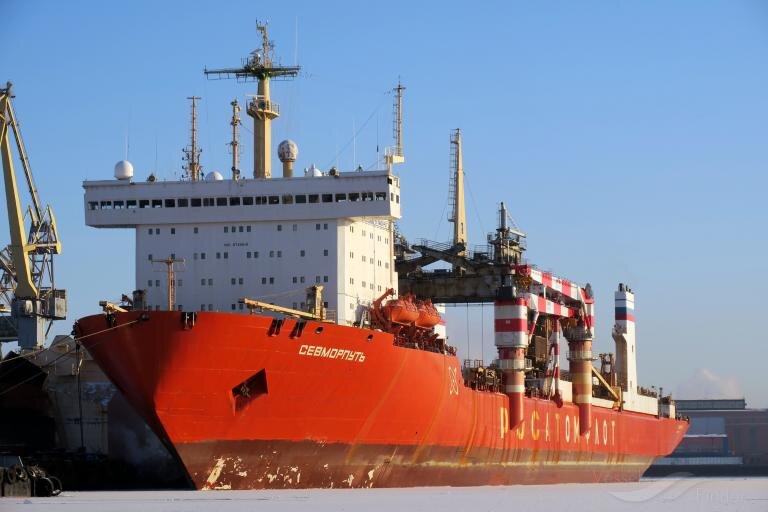
A fire broke out on the nuclear-powered ship Nuclear-Sevmorput at the northern Russian port of Murmansk. Sparking concerns about potential nuclear hazards. However, swift action by Russian firefighters successfully extinguished the flames, and authorities assure the public that there is no threat of a nuclear incident.

The Soviet-built Sevmorput ship, which is presently docked in the northern Russian city of Murmansk, had a fire on Sunday in one of its staterooms. The Nuclear-Sevmorput, a crucial part of Russia’s nuclear-powered icebreaker fleet, was undergoing routine maintenance at the time of the incident.

Around 30 sqm area was impacted by the vessel, according to regional branch of Russia’s emergency ministry said in a statement.

Russian state officials, including the Ministry of Emergency Situations and the State Atomic Energy Corporation Rosatom, moved swiftly to address the situation. Emergency response teams, including specialized nuclear incident units, were deployed to the scene within minutes.

The fire on the Nuclear-Sevmorput was promptly brought under control and fully extinguished by highly trained firefighting teams. There is no indication of a breach in the nuclear compartment, and radiation levels in the vicinity are within normal limits.

Atomflot, issued a statement saying that the fire was promptly put out. There were no injuries. There was no threat to crucial support systems or to the reactor plant, Atomflot stated.

Sevmorput Icebreaker

The prompt response of the emergency teams helped prevent the escalation of the incident, and authorities are now focused on investigating the cause of the fire. Preliminary findings suggest that the fire may have originated from an electrical malfunction in one of the ship’s auxiliary systems.

The Nuclear-Sevmorput is a nuclear-powered icebreaker and cargo ship that plays a crucial role in maintaining year-round navigation in the Arctic region. It is equipped with two reactors but has a strong safety record, having operated without major incidents for several years.

Rosatom, the agency responsible for Russia’s nuclear program, released a statement emphasizing that the incident posed no threat to the environment or public health. All necessary safety measures were promptly implemented, and there is no release of radioactive materials.

Also Read: Maersk continue to operate in Red Sea and Gulf of Aden

However, concerns about the safety of nuclear-powered vessels have been raised in the wake of this incident, particularly in light of the potential environmental consequences in the Arctic region.

Environmental groups are calling for a thorough and transparent investigation into the cause of the fire, highlighting the risks associated with nuclear-powered vessels in ecologically sensitive areas. Greenpeace, in a statement, urged Russian authorities to review safety protocols and enhance measures to prevent similar incidents in the future.

Maersk continue to operate in Red Sea and Gulf of Aden

26th December 2023

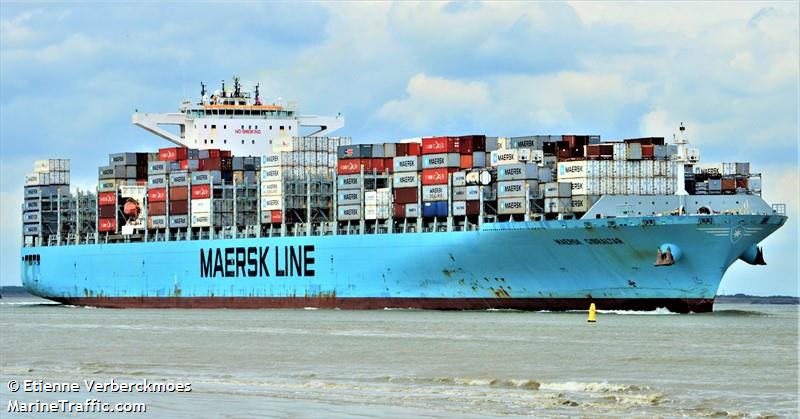
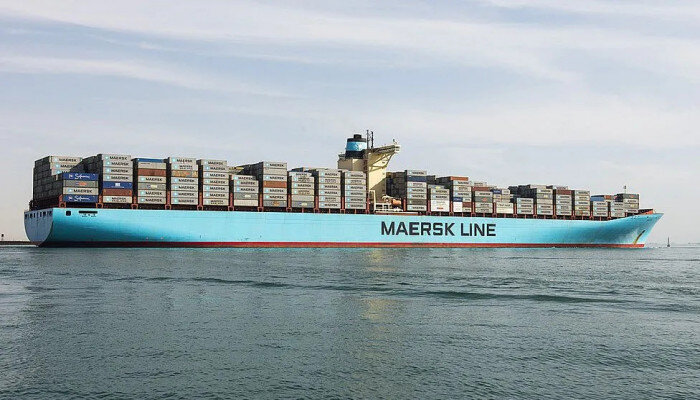
In a significant development for global maritime commerce, Maersk, the world’s largest container shipping company, has announced its intention to resume transits through the Red Sea and Gulf of Aden. The company revealed that it has received confirmation of the establishment and deployment of Operation Prosperity Guardian (OPG), a US-led initiative aimed at ensuring the safe passage of maritime vessels in the strategic waterways.

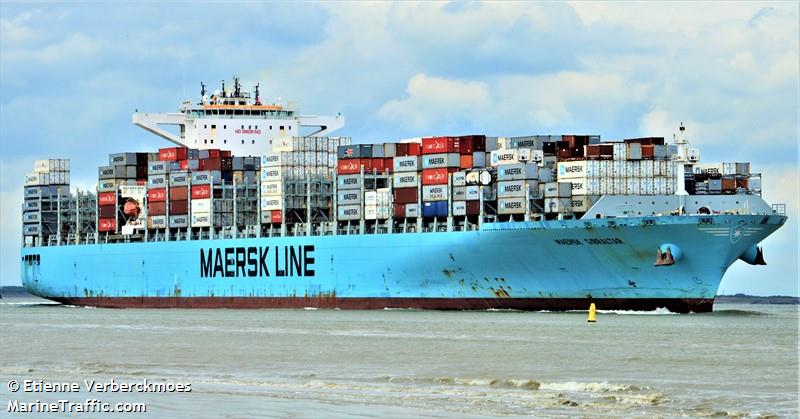
The decision comes after a period of heightened tensions and security concerns in the region, which had prompted Maersk to temporarily halt its transits through the Red Sea and Gulf of Aden. On 15th December Maersk halted its Red Sea transits, following many threats to shipping from the Houthis, who are located in Yemen, including a near-miss missile attack on the Maersk Gibraltar close to the Bab-el-Mandeb Strait.

Also Read: Houthis claim to be launching a missile at a merchant ship in Read Sea

Maersk’s announcement reflects a positive outlook on the security situation in the region, with the implementation of Operation Prosperity Guardian seen as a crucial step toward restoring confidence in maritime trade routes. The operation, led by the United States, involves a multinational coalition committed to safeguarding the free flow of commerce through key waterways.

Officials from Maersk claim that the company had positive conversations with the appropriate authorities and was given guarantees about OPG’s operational efficacy. It is anticipated that the multinational coalition, which consists of naval forces from the participating countries, will offer a strong security framework to safeguard shipping interests and ward off possible threats in the region.

The Red Sea and Gulf of Aden are critical maritime passages connecting the Mediterranean Sea to the Indian Ocean, facilitating a significant portion of the world’s trade. Any disruptions in this region can have far-reaching consequences for global shipping, impacting industries and economies worldwide.

Maersk’s decision to resume transits through these vital waterways is likely to have positive implications for international trade, contributing to the restoration of normalcy in the maritime sector. The company emphasized its commitment to ensuring the safety and security of its vessels, crews, and cargo while expressing gratitude for the collaborative efforts of the international community in addressing maritime security challenges.

While geopolitical tensions and security challenges persist in various parts of the world, the establishment of multinational initiatives such as OPG underscores the importance of collaborative efforts in maintaining the integrity of global trade routes. The success of Operation Prosperity Guardian in ensuring safe maritime transits through the Red Sea and Gulf of Aden will likely set a precedent for future security measures in other strategic waterways.

As Maersk prepares to resume its operations in the region, the international shipping community will closely monitor the developments in the Red Sea and Gulf of Aden. The successful implementation of Operation Prosperity Guardian is expected to contribute significantly to the stability and security of these critical maritime passages, benefiting global trade and commerce in the long run.

To get around Red Sea bottleneck, exporters are turning to cargo flights

21st December 2023

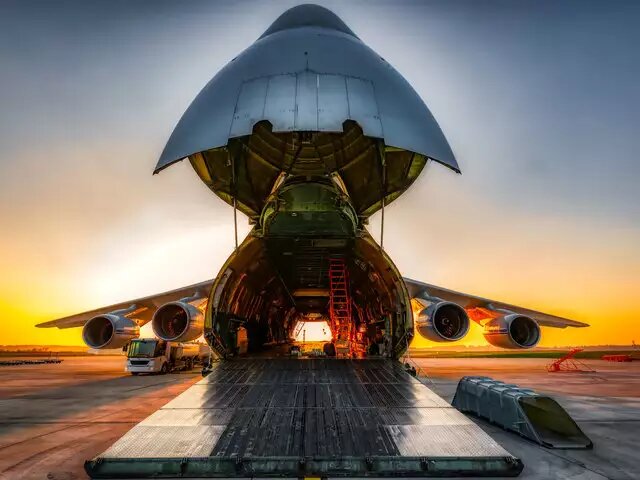
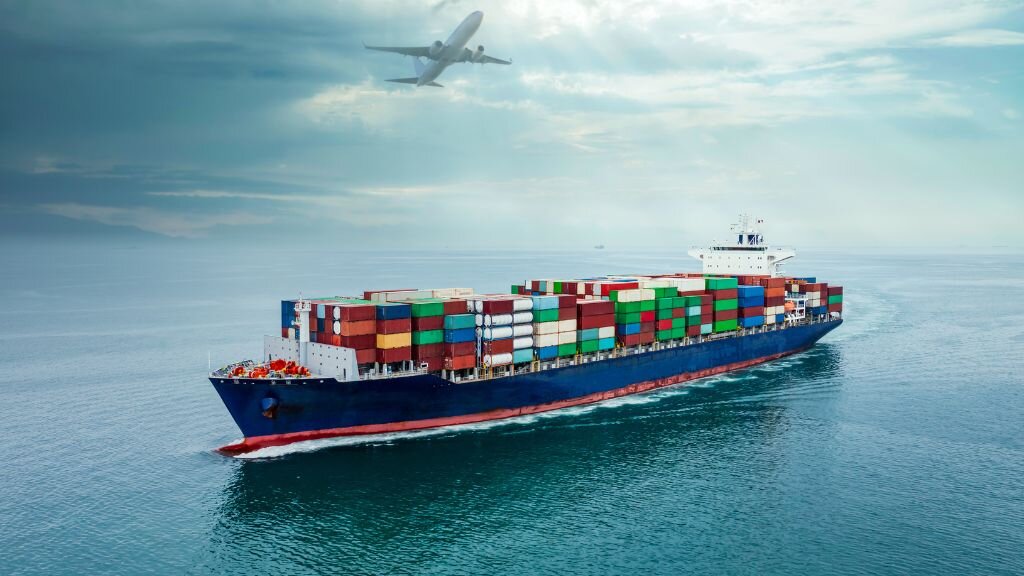
In response to the deepening bottleneck crisis in the Red Sea, exporters are increasingly exploring cargo flights as an alternative route to bypass the danger zone and avoid the lengthy voyage around the southern tip of Africa. The Red Sea, a vital maritime passage connecting the Mediterranean Sea to the Indian Ocean, has recently become a challenging route for shipping due to heightened geopolitical tensions and security concerns.

The Red Sea bottleneck, exacerbated by regional conflicts and war between Countries, Vessel attack threats, has prompted exporters to seek alternative transportation methods to ensure the timely and secure delivery of goods. Cargo flights have emerged as a viable solution, allowing businesses to circumvent the perilous waters of the Red Sea and the extended journey around the Cape of Good Hope.

Cargo flights provide exporters with several advantages, including faster transit times and enhanced security. By opting for air transportation, businesses can avoid the potential dangers of navigating through the Red Sea, where incidents of Vessel attack and geopolitical tensions have escalated in recent years. Through the Suez Canal, a vital trade route connecting Europe, North America, and Asia has been hampered by the attacks. The cost of shipping containers has increased, sometimes more than tripling, as businesses look for alternative, frequently longer ocean routes to transport their products.

Cargo flights over Shipping vessel

One of the primary concerns driving exporters to consider cargo flights is the unpredictable nature of the Red Sea bottleneck. The alternative route around the southern tip of Africa, although traditionally safer, is plagued by a lengthy voyage that increases transportation costs and time. Cargo flights offer a more time-efficient solution, allowing businesses to maintain supply chain continuity and meet customer expectations.

The shift towards cargo flights is not only a response to the current challenges in the Red Sea but also a strategic move to diversify transportation methods. By embracing air transportation, exporters reduce their reliance on maritime routes and create a more resilient supply chain. This diversification strategy not only safeguards against current geopolitical challenges but also prepares businesses for potential disruptions in the future.

Also Read: Houthis claim to be launching a missile at a merchant ship in Read Sea

As exporters explore cargo flights as a way out of the deepening Red Sea bottleneck, the air freight industry is experiencing increased demand. Airlines and logistics companies are adapting to accommodate this shift, expanding their cargo capacities and optimizing routes to meet the growing needs of exporters seeking alternative transportation solutions.

Red Sea disruptions could last for at least ninety days, according to teams led by the CEO of OL USA, who advises shipping and logistics companies.. From now until 2nd January, everything will be calm. After that, everyone will be frantic.

Red Sea bottleneck
Red Sea bottleneck

conclusion

The exploration of cargo flights as an alternative route reflects the adaptive nature of the global trade industry in the face of challenges in the Red Sea. Exporters are strategically diversifying their transportation methods to navigate the complexities of the current geopolitical landscape, ensuring the continued flow of goods and maintaining the integrity of supply chains. The increasing popularity of cargo flights underscores the importance of flexibility and innovation in addressing evolving challenges in the realm of international trade.

Houthis claim to be launching a missile at a merchant ship in Red Sea

16th December 2023

Houthis claim: attack on M/V Maersk Gibraltar report

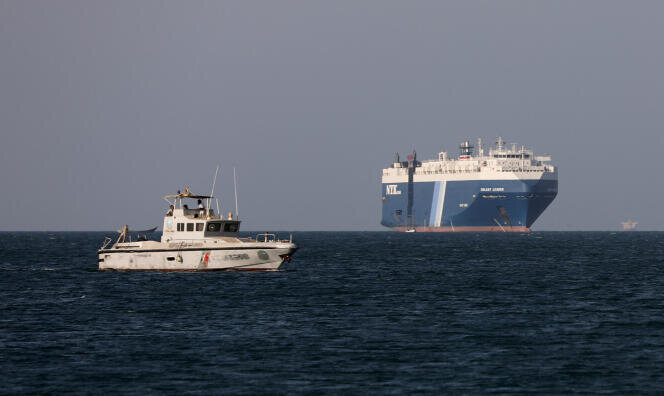
In a disturbing escalation of maritime tensions in the Red Sea, Houthis claim the responsibility for launching a missile at the M/V Maersk Gibraltar, a Danish-owned merchant ship. The incident comes amid a series of attacks on vessels in the region, raising concerns about the safety of international shipping lanes and the potential for further destabilization.

The missile launch occurred on the evening of December as the M/V Maersk Gibraltar was navigating through the strategic Bab el Mandeb strait. The Houthis claim, who control significant portions of Yemen, a country situated on the southern end of the Red Sea, announced their involvement through a statement released on their official media channels.

According to the Houthi statement, the missile was fired in retaliation for what they claim to be an ongoing blockade imposed by a coalition led by Saudi Arabia and the United Arab Emirates. The rebels argue that the blockade is causing immense suffering for the Yemeni population and, in response, they are targeting commercial vessels passing through the Red Sea.

Houthis claim

Following the missile launch, the Houthi forces hailed the M/V Maersk Gibraltar, communicating their motives and demanding an end to what they perceive as hostile actions against Yemen. The ship’s crew reportedly received a radio transmission from Houthi representatives, who reiterated their grievances and warned of further attacks if the alleged blockade persisted.

The Danish shipping company, Maersk, has yet to release an official statement regarding the incident. However, maritime authorities in the region have expressed deep concern over the growing frequency of attacks on commercial vessels, emphasizing the need for international cooperation to ensure the safety of maritime traffic.

Also Read: Antwerp Launches World’s First Hydrogen-Powered Tug, step Towards Green Maritime Solutions

The Red Sea has become a hotspot for geopolitical tensions in recent years, with rivalries between regional powers exacerbating existing conflicts. The ongoing war in Yemen has further intensified these tensions, with Houthi rebels frequently targeting ships passing through the Red Sea, accusing them of collaborating with the Saudi-led coalition.

The international community has condemned the Houthis claim missile attack on the M/V Maersk Gibraltar, urging all parties involved to exercise restraint and seek diplomatic solutions to the underlying issues. The United Nations Security Council has called for an emergency meeting to address the situation and explore avenues for de-escalation.

Attack in Read Sea MV Gibraltar

This incident raises questions about the vulnerability of vital shipping routes and the potential economic consequences of continued unrest in the Red Sea. Governments and international organizations are under increased pressure to find a resolution to the conflicts in the region, as the safety of commercial vessels and the stability of global trade are at stake.

As tensions escalate, the maritime industry is closely monitoring developments in the Red Sea, with concerns growing over the potential impact on shipping operations and the safety of crews navigating through these troubled waters. The coming days will likely see intensified diplomatic efforts to ease tensions and prevent further disruptions to international maritime commerce.

Antwerp Launches World’s First Hydrogen-Powered Tug, step Towards Green Maritime Solutions

13th December 2023

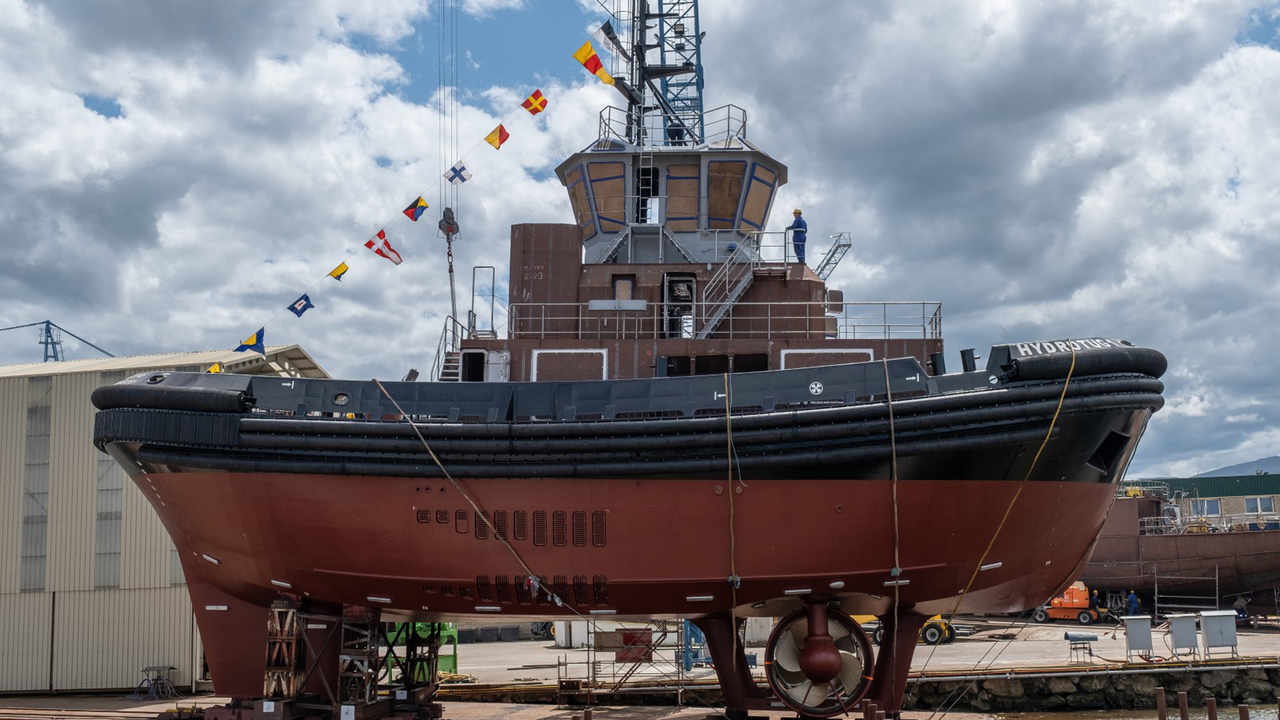
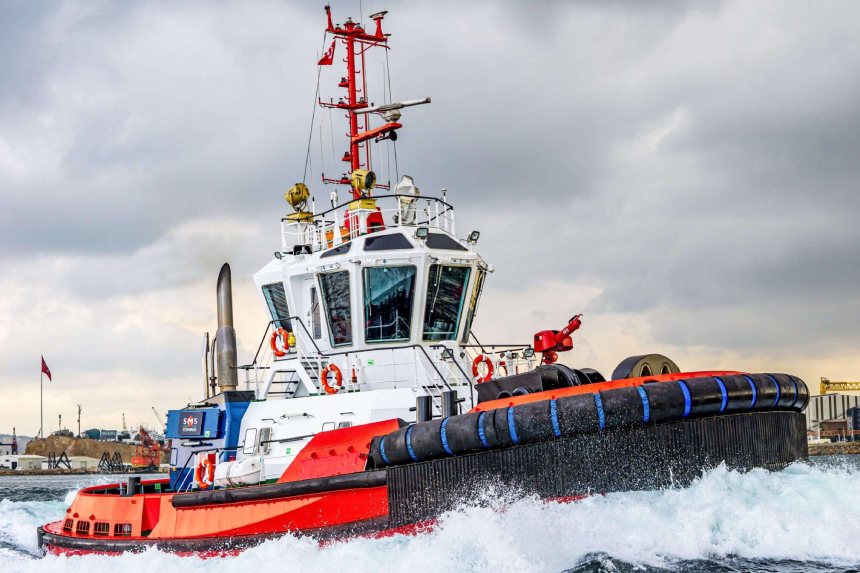
Hydrotug1: First Hydrogen-Powered Tug

In a momentous occasion for the global maritime industry, the world’s first hydrogen-powered tugboat has been unveiled in the port of Antwerp, Belgium, heralding a new era of sustainable shipping practices.

A Quantum Leap in Maritime Innovation

“Hydrotug1” represents a collaboration between cleantech organization CMB.TECH, the Port of Antwerp-Bruges and Belgian shipping, a visionary in maritime technology, and several partners specializing in renewable energy solutions. Hydrotug1 is set to redefine the standards of eco-friendly propulsion systems, offering a glimpse into a future where hydrogen takes center stage in the maritime industry.

Hydrotug1

Clean Propulsion Technology

Hydrotug1 propulsion system relies on cutting-edge hydrogen fuel cell technology. These fuel cells generate electricity through a chemical reaction between hydrogen and oxygen, emitting only water vapor as a byproduct.

This revolutionary technology not only provides an environmentally friendly alternative to traditional fossil fuels but also positions as a beacon of hope in the industry’s quest for carbon-neutral operations.

Antwerp’s Commitment to Sustainability

The launch of Hydrotug1 in Antwerp, one of Europe’s largest and busiest ports, underscores the city’s commitment to sustainable practices. Antwerp has long been a frontrunner in embracing environmentally conscious initiatives, and the introduction of the world’s first hydrogen-powered tug is a testament to the city’s dedication to reducing its carbon footprint.

Key Features of Hydrotug1

The world’s first tugboat to be propelled by combustion engines that consume hydrogen in addition to conventional gasoline is the Hydrotug1. It is the first ship equipped with the most recent EU Stage V emissions aftertreatment system and the BeHydro V12 dual fuel medium speed engines, each of which can produce 2 MW. The vessel’s hydrogen fuel cells provide robust power output, allowing it to navigate the intricate waterways and undertake the demanding tasks typical of tugboats.

First Hydrogen Powered Tug

Impact on the Global Maritime Landscape

The launch Hydrotug1 of is poised to reverberate across the international maritime sector. Shipping companies and port authorities worldwide are expected to take note of Antwerp’s pioneering efforts, potentially inspiring a paradigm shift towards hydrogen-powered vessels. This move aligns with the industry’s broader goals of reducing greenhouse gas emissions and adhering to stringent environmental regulations.

Also Read: $316 million Mega-Claim filed against MSC 

conclusion

The unveiling of the world’s first hydrogen-powered tug, Hydrotug1 , in the port of Antwerp is a momentous occasion that transcends regional significance. It is a testament to the collaborative efforts of forward-thinking entities, showcasing the potential of hydrogen as a key player in the future of maritime propulsion. As other ports and shipping companies take note, Hydrotug1 launch may very well be the catalyst for a global transformation towards greener seas.

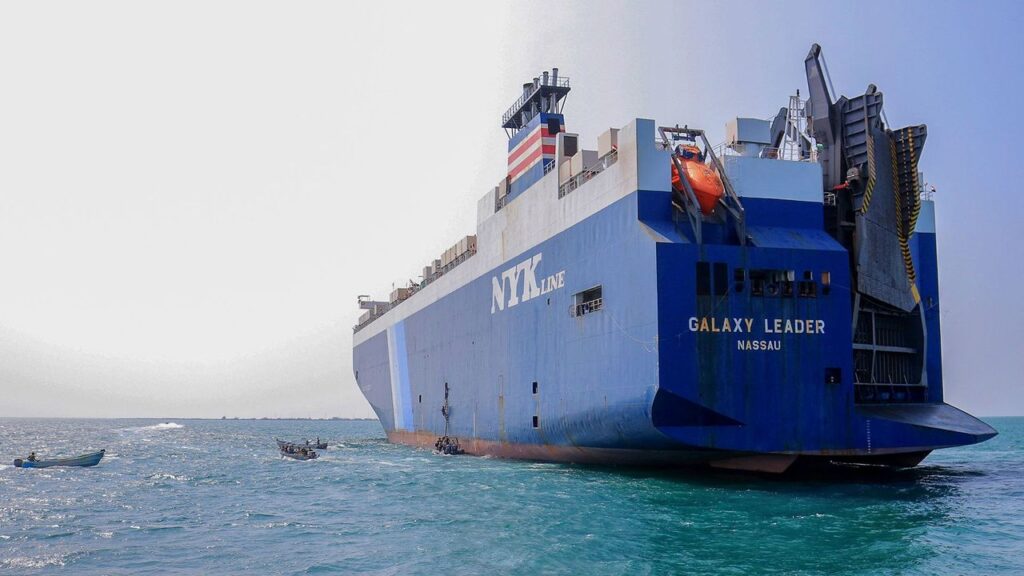
Houthis of Yemen Aiming at Every Ship Going to Israel

12th December 2023

In a recent development in the ongoing conflict in Yemen, Houthi rebels have issued a stark warning, threatening to target all ships headed to Israel. This alarming announcement comes as tensions escalate in the region, with the Red Sea becoming a focal point for maritime security concerns.

The Houthi rebels, who control large portions of Yemen, have long been engaged in a bitter conflict with the Yemeni government and its international allies. The group, officially known as Ansar Allah, has gained attention for its aggressive stance against perceived adversaries in the region.

The threat to target ships bound for Israel adds a new layer of complexity to an already volatile situation. The Houthi leadership, in a statement released on Monday, claimed that they would not hesitate to strike any vessel headed to Israeli ports, accusing Israel of supporting their enemies in the Yemeni conflict.

As tensions rise, the international community is closely monitoring the situation, particularly given the strategic importance of the Red Sea for global trade. Several vessels have already fallen victim to Houthi attacks in this vital maritime corridor.

Among the targeted ships, the most recent incident involved the MV Dolphin, a cargo vessel sailing in the Red Sea. The attack occurred on Tuesday, when Houthi rebels reportedly launched a missile, hitting the ship and causing significant damage. The MV Dolphin, owned by an international shipping company, was en route to Israel with a cargo of essential goods.

Fortunately, there were no casualties reported among the crew, who managed to abandon ship before the missile struck. The vessel sustained severe damage, leading to concerns about the safety of maritime traffic in the region. This incident follows a pattern of Houthi attacks on shipping in the Red Sea, with previous incidents involving both military and civilian vessels.

The international community, including the United Nations and maritime security organizations, has condemned these attacks, emphasizing the need for a peaceful resolution to the conflict in Yemen. Efforts are underway to ensure the safety of shipping in the Red Sea, with naval patrols and increased security measures being considered.

Israel, a key player in the region, has responded cautiously to the Houthi threat. The Israeli government has expressed concern over the safety of its maritime trade routes and is working with international partners to address the escalating situation. The threat also comes at a time when Israel is navigating its own diplomatic challenges in the Middle East.

The United Nations Security Council is set to convene an emergency session to discuss the escalating tensions and the threat posed by the Houthi rebels. The international community is urging all parties involved to exercise restraint and engage in diplomatic dialogue to prevent further escalation.

As the situation unfolds, the safety of maritime traffic in the Red Sea remains a top priority for global stakeholders. The Houthi threat to target ships headed to Israel adds a new dimension to the ongoing conflict, requiring a concerted international effort to find a peaceful resolution and ensure the safety of vital shipping routes.

Indian Navy Unveils a Naval Operations at Sindhudurg’s “Naval Show”

Naval Show | At Sindhudurg

2nd December 2023

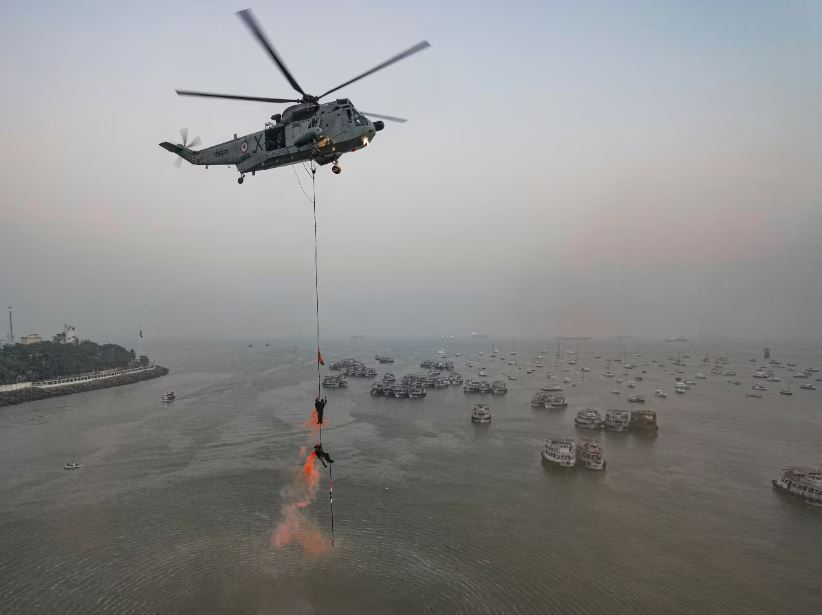
In a stunning showcase of Maritime prowess, the Indian Navy orchestrated the Naval Show at Sindhudurg on the southern Maharashtra coast, captivating audiences with a breathtaking Operational Demonstration.

This grand event, held against the iconic backdrop of the Sindhudurg Fort on the Western seaboard, witnessed a comprehensive display of Naval operations, featuring a harmonious collaboration between ships and aircraft. This grand event will held on December 4th 2023.

Senior officials from the Centre and Maharashtra governments, military dignitaries, and the local population will be observing the event, which is being hosted by Admiral R Hari Kumar, Chief of the Naval Staff, from the Tarkarli beach.

Setting the Stage

Sindhudurg, with its rich maritime history and the majestic Sindhudurg Fort, became the epicenter of a unique display of Naval capabilities. The historic fort, built in the 17th century by Chhatrapati Shivaji Maharaj, provided a dramatic backdrop for the Naval Show, blending historical grandeur with cutting-edge Naval operations.

Naval operations show at Sindhudurg

Operational Demonstration Highlights

The Operational Demonstration unfolded in a meticulously planned sequence, offering spectators a rare glimpse into the multifaceted capabilities of the Indian Navy.

  1. Anti-Submarine Warfare (ASW) Operations: The demonstration kicked off with a focus on Anti-Submarine Warfare, showcasing the Navy’s state-of-the-art sonar systems and anti-submarine helicopters. The coordinated efforts demonstrated the Navy’s ability to detect and neutralize potential submarine threats, underscoring the importance of maritime security.
  2. Amphibious Assault: A visually striking segment of the show featured marine commandos executing precision beach landings from naval vessels. This emphasized the Navy’s proficiency in conducting swift and strategic amphibious operations, a crucial aspect of maritime defense.
  3. Surface-to-Air Missile Engagements: The Naval Show turned its attention to the skies, displaying the Navy’s air defense capabilities. Surface-to-Air Missiles (SAMs) were launched from Naval ships, intercepting simulated aerial threats and showcasing the Navy’s preparedness in securing the airspace above the seas.

Also Read: Unrest in the Red Sea as ships connected to Israel are attacked

  1. Search and Rescue Operations: Demonstrating the humanitarian side of Naval operations, the showcase included Search and Rescue (SAR) operations. Naval helicopters and ships seamlessly coordinated in simulated rescue missions, emphasizing the Navy’s commitment to safeguarding lives at sea during emergencies.
  2. Naval Aviation: Aerial displays by Naval aircraft added an element of awe to the event. Fighter jets, reconnaissance planes, and maritime patrol aircraft demonstrated their agility and strategic capabilities, showcasing the Navy’s dominance not only on the waters but also in the skies.
  3. Electronic Warfare and Intelligence Gathering: The electronic warfare, displaying the Navy’s prowess in countering electronic threats and gathering crucial intelligence. Cutting-edge technologies were on display, highlighting the importance of staying ahead in the cyber and electronic domains.
  4. Formation Sailing and Precision Maneuvers: The Operational Demonstration concluded with impressive formation sailing by Naval ships, demonstrating precision and coordination in Naval maneuvers. These displays not only highlighted the Navy’s operational efficiency but also served as a visual spectacle for the audience.

Conclusion

The Naval Show at Sindhudurg was a testament to the Indian Navy’s commitment to excellence, showcasing not only its Military might but also its dedication to safeguarding the nation’s maritime interests. As the sun set on this extraordinary event, spectators were left in awe of the synchronized and strategic capabilities of the Indian Navy. The Naval Show at Sindhudurg will undoubtedly be remembered as a milestone event, reinforcing the Navy’s position as a formidable force ready to face the challenges of the Maritime domain.

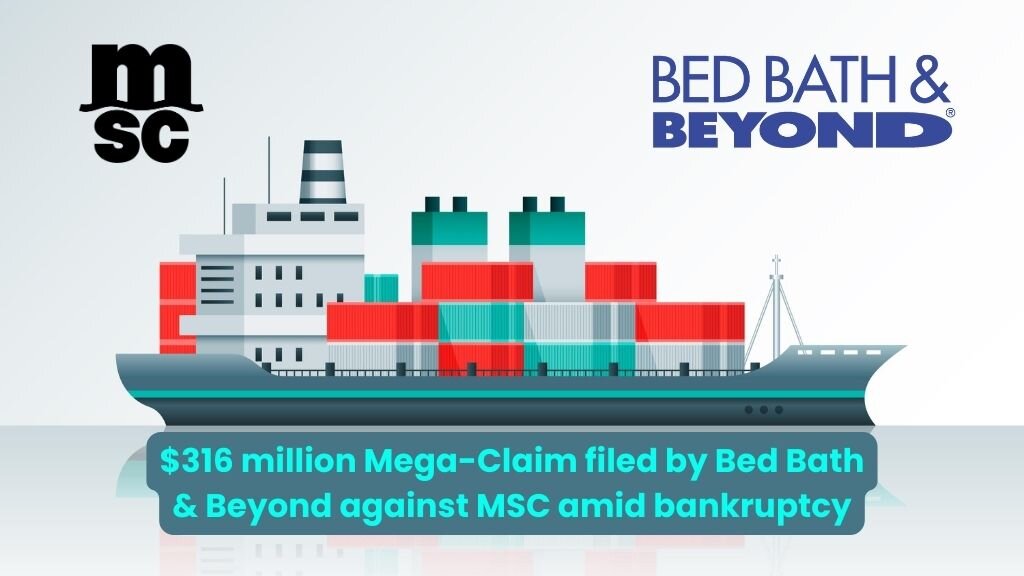
$316 million Mega-Claim filed by Bed Bath & Beyond against MSC amid bankruptcy

30th November 2023

MSC Claim | Report

In a surprising turn of events, Bed Bath & Beyond, the renowned home goods retailer currently navigating bankruptcy proceedings, has filed a substantial $316 million mega-claim against Mediterranean Shipping Company (MSC), a major player in the global shipping industry. The claim alleges significant losses and damages suffered by Bed Bath & Beyond, further complicating the retail giant’s already challenging financial situation.

The bankruptcy of Bed Bath & Beyond has been closely monitored by industry analysts and consumers alike, with the company grappling with shifting consumer preferences, increased online competition, and the broader economic impacts of the COVID-19 pandemic. The mega-claim against MSC adds a new layer of complexity to Bed Bath & Beyond’s financial woes.

The $316 million claim contends that MSC’s actions directly contributed to substantial disruptions in Bed Bath & Beyond’s supply chain, leading to inventory shortages, delivery delays, and ultimately, severe financial setbacks. Bed Bath & Beyond asserts that the damages stem from alleged breaches of contract, negligence, and failure to meet industry standards on the part of MSC.

MSC claim Bed Bath & Beyond

MSC, headquartered in Geneva, Switzerland, is one of the world’s largest container shipping companies, connecting global trade routes through its expansive fleet. The company has yet to release an official statement regarding the mega-claim, and legal experts anticipate a thorough and protracted legal battle as both sides present their cases.

Also Read: Rocket Shadows Cause Havoc at Israel’s Ashdod Port

The timing of this mega-claim raises eyebrows, occurring amidst Bed Bath & Beyond’s efforts to restructure and emerge from bankruptcy. The company, known for its wide range of home products, has been actively implementing strategic initiatives to regain financial stability. The claim against MSC adds a layer of uncertainty to Bed Bath & Beyond’s future as it seeks to navigate a path toward recovery.

Industry insiders suggest that this mega-claim could be a strategic move by Bed Bath & Beyond to recoup losses and bolster its position during bankruptcy negotiations. If successful, the $316 million claim would significantly impact MSC, potentially influencing the outcome of Bed Bath & Beyond’s bankruptcy proceedings.

Legal scholars point out that mega-claims of this magnitude are relatively rare, especially in the context of bankruptcy cases. The intricacies of international shipping contracts and the complexities of proving direct causation between MSC’s actions and Bed Bath & Beyond’s financial hardships will likely be central issues in the legal dispute.

The fallout from this mega-claim extends beyond the two companies involved. It highlights the interconnected nature of global supply chains and the potential ripple effects on other retailers and industries that rely on efficient and reliable shipping services. The case could prompt companies across sectors to reevaluate their contractual agreements and risk mitigation strategies in an effort to safeguard against similar disputes.

As the legal drama unfolds, industry observers and stakeholders will be closely monitoring the proceedings, recognizing the potential precedent this case may set for future mega-claims in bankruptcy scenarios. The outcome will not only impact the financial fate of Bed Bath & Beyond but could also reshape the dynamics of how companies assess liability and seek compensation in an increasingly complex and interconnected global business environment.

Using Hydrogen to Power Newbuilds: CMB and Boeckmans Team Up

29th November 2023

In a strategic move poised to reshape the maritime industry, CMB, a global shipping and logistics company, has announced a groundbreaking collaboration with Boeckmans, a leading Belgian maritime service provider, to develop and deploy a fleet of hydrogen-powered newbuild vessels. This innovative venture marks a significant milestone in the maritime sector’s quest for sustainable and eco-friendly solutions.

The partnership between CMB and Boeckmans underscores a shared commitment to environmental responsibility and the pursuit of cutting-edge technologies to drive the maritime industry towards a greener future. Hydrogen, recognized for its zero-emission characteristics when produced using renewable energy, has emerged as a frontrunner in the race to decarbonize the shipping sector.

CMB, known for its forward-thinking approach and commitment to sustainability, brings its extensive industry experience to the table. The company has been at the forefront of adopting new technologies to reduce carbon emissions and has consistently sought innovative solutions to address the environmental impact of shipping.

Boeckmans, with its expertise in maritime services, complements this partnership by contributing valuable insights into operational efficiency and logistics. The collaboration aims to not only develop hydrogen-powered vessels but also to create a comprehensive ecosystem that supports the adoption of this cutting-edge technology in the maritime supply chain.

The decision to focus on hydrogen as the primary fuel for newbuild vessels is a testament to the growing prominence of this clean energy source. Hydrogen offers a versatile and sustainable alternative to conventional fuels, with the potential to significantly reduce greenhouse gas emissions from the shipping industry.

The joint venture plans to leverage the latest advancements in hydrogen fuel cell technology to power the newbuilds. Hydrogen fuel cells, which generate electricity through a chemical reaction between hydrogen and oxygen, produce zero emissions, making them an ideal choice for eco-conscious shipping operations.

The collaboration also aims to address key challenges associated with hydrogen-powered vessels, including infrastructure for hydrogen production, storage, and distribution. By developing a holistic approach that encompasses the entire value chain, CMB and Boeckmans intend to pave the way for a seamless transition to hydrogen as a mainstream fuel in the maritime sector.

The global push for sustainable shipping solutions, coupled with increasingly stringent environmental regulations, has created a sense of urgency within the industry to embrace cleaner alternatives. CMB and Boeckmans, through their joint venture, position themselves as pioneers in meeting this demand by developing and implementing cutting-edge technologies that align with the broader goals of reducing carbon emissions and mitigating climate change.

The partnership is not only a testament to the companies’ dedication to sustainability but also a strategic response to the evolving expectations of customers, investors, and regulatory bodies. As the maritime industry faces growing pressure to transition towards greener practices, initiatives like the CMB and Boeckmans collaboration set a noteworthy precedent for the integration of hydrogen-powered vessels into the global shipping landscape.

Conclusion

The partnership between CMB and Boeckmans to develop hydrogen-powered newbuilds signals a transformative moment for the maritime industry. By combining their expertise and resources, the two companies are poised to drive innovation and contribute to a more sustainable future for shipping. As hydrogen continues to gain traction as a leading alternative fuel, initiatives like this collaboration serve as beacons of progress, illuminating the path toward a cleaner and more environmentally friendly maritime sector.

Cargo ship Capsizes in the coast of a Greek Island, leaving 12 missing & 1 dead

28th November 2023

Greece: Sunken Ship Report

In a harrowing maritime incident off the coast of Greece, the search for 12 missing individuals aboard the sunken ship Raptor, linked to the Lebanese firm Cedar Marine Services, continues as new details about the tragic event come to light.

The Raptor, a cargo vessel with ties to Cedar Marine Services, encountered trouble in the Mediterranean Sea on November 25, prompting an urgent and widespread rescue operation. The Raptor was registered in Comoros, was on it’s way to Istanbul from Alexandria, Egypt carrying 6,000 tons of Salt. The crew members including 8 Egyptians, 4 Indians, 2 Syrians as per the coast guard information.

The international maritime community has rallied to aid in the search and rescue efforts, with vessels and aircraft from multiple nations contributing to the mission. The Hellenic Coast Guard, supported by neighboring countries and international organizations, is leading the operation to locate the missing crew members and determine the circumstances surrounding the ship’s sinking.

As the search enters its fourth day, hopes of finding survivors are diminishing, but rescuers remain determined to explore every possibility. Drones, sonar equipment, and underwater cameras have been deployed to scan the seabed for any signs of the sunken vessel and potential survivors.

New details emerging from the ongoing investigation suggest that the Raptor may have faced mechanical issues before succumbing to the rough seas. Preliminary reports from maritime authorities indicate that distress signals were received from the ship shortly before it disappeared from radar.

The exact nature of the mechanical problems and whether they were exacerbated by the adverse weather conditions remain key questions for investigators.

Also Read: Unrest in the Red Sea as ships connected to Israel are attacked

Cedar Marine Services, the Lebanese firm associated with the ill-fated Raptor, has expressed deep concern for the missing crew members and is cooperating fully with authorities. In a statement, the company emphasized its commitment to safety and pledged to collaborate transparently in the investigation.

The incident has prompted discussions on maritime safety standards and the need for enhanced protocols during adverse weather conditions. Industry experts and authorities are calling for a comprehensive review of safety measures to prevent similar tragedies in the future.

The families of the missing crew members are enduring an agonizing wait for news about their loved ones. Authorities are providing support and regular updates to the families, but the uncertainty surrounding the fate of the missing individuals adds to the emotional strain they are facing.

The international community has offered condolences to the affected families and expressed solidarity with the ongoing search and rescue efforts. Diplomatic channels are actively engaged to facilitate smooth coordination between the countries involved in the operation.

As the search continues, the focus is on locating the missing individuals and retrieving any possible wreckage. Salvage operations are being planned to recover the sunken ship’s remains, which could provide crucial evidence for the ongoing investigation.

The incident involving the Raptor serves as a stark reminder of the inherent risks associated with maritime activities and the critical importance of robust safety measures.

As the search and investigation unfold, the global maritime community awaits answers, hoping for a resolution that brings closure to the families and valuable insights to prevent similar tragedies in the future.