Russia Kamchatka 8.8 Earthquake Triggers Massive Pacific Tsunami Alerts

On July 29, 2025, at 23:24 UTC (11:24 AM Petropavlovsk‑Petropavlovsk Time, July 30), a powerful magnitude 8.8 (Mw) earthquake struck off the eastern coast of Russia’s Kamchatka Peninsula, marking one of the strongest seismic events in decades and the sixth-largest ever recorded globally.

Epicenter & Depth
Located approximately 120–136 km east or east-southeast of Petropavlovsk‑Kamchatsky, at a shallow focal depth of about 19–21 km, the quake occurred in the seismically active subduction zone where the Pacific Plate descends beneath the Okhotsk Plate, part of the broader North American Plate system.

Geophysical Context & Scale

Seismologists refer to this as a megathrust earthquake, involving vertical slip along the subduction trench, which is associated with a high potential for generating tsunamis. According to the Spanish IGEO and other experts, the mechanism involved over 10 meters of displacement across a rupture zone perhaps 150× 400 km, releasing energy 30 times greater than the 2016 Kaikoura quake, yet still roughly three times less powerful than the 2011 Tohoku event.

A magnitude 7.4 foreshock occurred earlier on July 20, now interpreted as a precursor to the main event. Following the Mw 8.8 quake, a sequence of aftershocks some as large as magnitude 6.9 began immediately, with further seismic activity anticipated.

Tsunami Effects & Coastal Impacts

Russia (Severo‑Kurilsk & Kamchatka)

In the Kuril Islands, especially the town of Severo‑Kurilsk (population ~2,000), tsunami waves reached 3–5 metres, with four distinct surges observed, flooding port infrastructure and damaging a local kindergarten. Although buildings were shaken violently, no confirmed deaths were reported; residents were urged to inspect homes for structural safety and avoid using gas heating until inspections were completed to prevent carbon monoxide risks.

Japan

Authorities ordered the evacuation of approximately 1.9 to 2 million people across dozens of coastal prefectures, particularly in Hokkaido, Honshu, Kyushu, and Mie. Three recorded waves reached up to 1.3 metres, and in Mie prefecture, a tragic evacuation accident claimed the life of a 58-year-old woman whose car veered off a cliff. Factories including Nissan’s domestic plants were temporarily shut down, and transportation infrastructure (rail, ferry, air) was disrupted. Nuclear plants, including Fukushima Daiichi, were monitored closely and reported no irregularities.

United States (Hawaii, Alaska, West Coast)

U.S. authorities issued tsunami warnings and advisories for Hawaii, Alaska, California, Oregon, Washington, and Canada’s west coast. In Hawaii, waves up to 1.74–1.8 metres were observed; Honolulu saw major traffic jams during evacuation, but officials confirmed no wave of consequence or infrastructure damage. Along California’s coast, small surges of approximately 0.5 metres appeared in some locations like Arena Cove; most areas experienced minor tidal amplification only.

Other Pacific Regions

Alerts and advisories extended broadly across the Pacific Rim, including Mexico, Peru, Ecuador, Chile, Taiwan, the Philippines, Indonesia, New Zealand, and other island nations. In Chile, a “tsunami from a distant quake” alert was issued for multiple coastal regions (Atacama, Coquimbo, Valparaíso), and classes were suspended in many seaside communities. Most impacts were minimal, focusing on precautionary evacuations.

Watch : Major earthquake off Russia triggers widespread tsunami warnings

Human & Infrastructure Toll

  1. Russia: Minor injuries, infrastructure damage mainly limited to flooding and structural cracks. No fatalities confirmed. Hundreds evacuated across regions declared under local states of emergency.
  2. Japan: One fatality due to evacuation circumstances. Some injuries reported; transportation and industrial operations disrupted temporarily. No nuclear anomalies.
  3. USA & Pacific islands: No major injuries or reported fatalities. Evacuations and precautionary closures contributed to safer outcomes.

Historical Significance & Geological Insights

This quake is the most intense in the Kamchatka–Kuril region since the 1952 Severo‑Kurilsk earthquake (Mw ~9.0), which resulted in catastrophic tsunami waves up to 18 metres, killing over 2,300 people. It also ranks among the top ten in world history, with few modern events surpassing its scale. Historical analogues include a 1737 quake (Mw 9.0–9.3) and an 1841 mega‑quake with tsunamis up to 15 metres.

Modern experts emphasize that despite modern early‑warning systems, the region remains vulnerable to large seismic shocks with tsunami risk, underscoring the importance of vigilance, preparation, and international coordination.

Also Read : Parliament Passes Bills of Lading Bill 2025 to Replace Colonial Maritime Law and Modernize Indian Shipping

Outlook & Response Efforts

  1. Seismic activity remains elevated: Aftershocks (some potentially above magnitude 7) may continue, posing ongoing risks.
  2. Alert systems remain active across multiple coastal nations; authorities urge continued public compliance with evacuation orders and monitoring advisories at least through the coming days.
  3. Damage assessment and infrastructure inspection efforts are underway in affected Russian regions, with international aid teams on standby for humanitarian assistance if needed.
  4. Regional bodies, including the Pacific Tsunami Warning Center, continue tracking wave propagation across ocean basins; countries like Japan, the U.S., and Chile continue coordinated response planning.

As emergency efforts continue and aftershock risks persist, global coastal communities are urged to stay alert. This event serves as a sobering case study for disaster preparedness, crisis coordination, and the critical importance of multinational warning systems.

Source : (Reuters)

Parliament Passes Bills of Lading Bill 2025 to Replace Colonial Maritime Law and Modernize Indian Shipping

New Delhi, July 21, 2025 — In a landmark legislative move, the Indian Parliament has passed the Bills of Lading Bill 2025, marking a historic reform in the country’s maritime legal framework. This legislation repeals the Indian Bills of Lading Act, 1856, a colonial-era law that had governed shipping documentation in India for 169 years.

The bill was cleared by the Rajya Sabha on July 21, 2025, during the first day of the Monsoon Session, after earlier being passed by the Lok Sabha in March 2025. This transformative law is a major step in modernizing Indian shipping law and enhancing the nation’s position in global maritime trade.

A Colonial Law Repealed After 169 Years

The Bills of Lading Bill 2025 replaces the outdated 1856 Act, which had long become incompatible with modern shipping practices, especially in a global trade environment increasingly dependent on digital documentation, international conventions, and standardization.

A bill of lading is a crucial shipping document that functions as:

  1. A receipt for goods shipped,
  2. A contract of carriage,
  3. A document of title that allows for the transfer or claim of goods.

Under the colonial legislation, legal ambiguities and outdated terminologies created delays, litigation, and compliance issues. The new law aims to bring clarity, efficiency, and international compatibility to Indian shipping operations.

Lading Bill 2025
Source : visakhapatnam port

Key Features of the Bills of Lading Bill 2025

  1. Modern Legal Language:
    The bill replaces archaic phrases with modern legal terminology, making the law more accessible and business-friendly.
  2. Alignment with Global Standards:
    It brings Indian shipping law in line with international shipping practices, including provisions that accommodate digital bills of lading.
  3. Government Empowerment:
    An enabling clause allows the Central Government to frame rules and issue directives, ensuring adaptability to future advancements.
  4. Repeal & Saving Clause:
    The bill ensures legal continuity by safeguarding past actions taken under the old law, reducing transition disruptions.
  5. Ease of Doing Business:
    The reform enhances transparency, reduces legal hurdles, and supports exporters and importers by simplifying shipping procedures.

Government Vision Behind the Reform

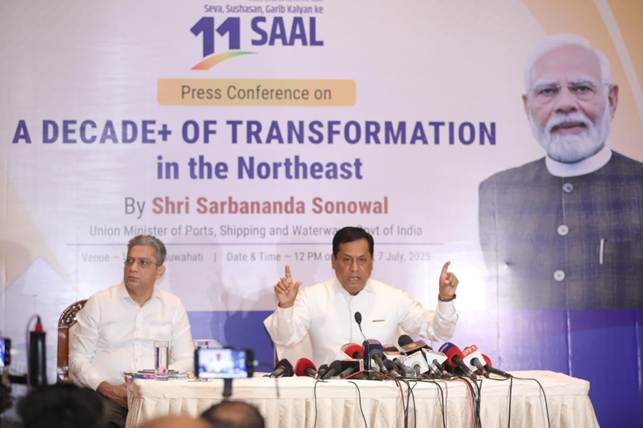
Union Minister Sarbananda Sonowal, while introducing the bill in the Rajya Sabha, emphasized that the legislation aligns with the “Viksit Bharat by 2047” vision. It supports India’s ambition to become a top five shipbuilding nation and a global maritime hub under the Sagarmala initiative.

“This bill is a significant step in decolonizing Indian shipping law, and creating a framework that serves the interests of a modern, self-reliant India,” said Sonowal.

He urged Parliament to discard outdated British statutes and support reforms that reflect India’s economic and strategic ambitions.

Strategic and Economic Impact

The Bills of Lading Bill 2025 is more than a procedural update. It plays a pivotal role in India’s larger maritime transformation:

  1. Boosts Global Trade Participation:
    India can now comply more easily with global ports and shipping standards.
  2. Enhances Investor Confidence:
    The simplification of documentation will improve India’s Ease of Doing Business (EoDB) ranking.
  3. Reduces Legal Conflicts:
    Clearer provisions and internationally accepted norms reduce litigation between shippers, carriers, and consignees.
  4. Supports Digital Maritime Infrastructure:
    The bill enables the use of electronic bills of lading, reducing paperwork and increasing supply chain efficiency.

Also read : Passenger Ferry Fire in Indonesia’s Celebes Sea Leaves Five Dead and Hundreds Rescued

A Broader Legal Reform Movement

The Bills of Lading Bill is part of a broader maritime reform agenda. The government is working to update other outdated laws like:

  1. The Carriage of Goods by Sea Act
  2. The Merchant Shipping Act
  3. The Ports Act
  4. The Coastal Shipping Bill

These steps aim to reshape India’s maritime legal landscape and support its emergence as a leading blue economy and trading powerhouse.

What’s Next?

With approval from both Houses of Parliament, the Bills of Lading Bill 2025 now awaits Presidential assent before it becomes law.

The Ministry of Ports, Shipping, and Waterways is expected to release implementing rules shortly, including provisions for digital integration and rule-making under the bill’s enabling clause.

Conclusion

The passage of the Bills of Lading Bill 2025 represents a historic modernization of India’s shipping framework. It empowers trade, reduces bureaucratic friction, and aligns India with international maritime practices. More importantly, it ends the legacy of a colonial law and heralds a future-ready, efficient, and legally robust shipping sector.

As India sails toward becoming a $10 trillion economy, reforms like this ensure that the legal infrastructure keeps pace with ambition, innovation, and global relevance.

Source : (indiashippingnews)

Passenger Ferry Fire in Indonesia’s Celebes Sea Leaves Five Dead and Hundreds Rescued

On July 20, 2025, a sudden fire erupted aboard the KM Barcelona VA passenger ferry as it traversed the Celebes Sea off Sulawesi Island, Indonesia, en route from the Talaud Islands to Manado. The blaze, which began in the vessel’s upper‑deck superstructure, quickly engulfed the ferry in thick black smoke, forcing panicked passengers and crew to abandon ship by leaping into the choppy waters below.

The KM Barcelona VA departed with an estimated 300 passengers and crew on board, though manifest discrepancies are common in the region and may have left the exact number uncertain. Witnesses described a scene of chaos as orange flames flickered against the darkened hull and survivors clung to life vests while calling for help amid drifting debris.

Within minutes of the fire’s outbreak, Indonesia’s National Search and Rescue Agency (BASARNAS), the Indonesian Navy and Coast Guard, local fishing vessels, and inflatable rescue boats converged on the site. Divers and medics worked in tandem to pull survivors from the water, with many taken to nearby islands for triage and treatment. By late afternoon, authorities reported 284 people rescued, including some suffering from smoke inhalation and minor burns.

Tragically, five bodies have been recovered so far, and officials continue to search for any additional missing persons. The ferry remained afloat after the flames were extinguished reportedly within an hour of the fire starting and was subsequently taken under tow to Manado for a detailed inspection of its damage and safety equipment.

Passenger Ferry Fire
Source : livemint.com

First Admiral Franky Pasuna Sihombing, chief of the Manado navy base, told reporters that the fire likely ignited in the stern section but the exact cause remains under investigation. He praised the rapid mobilization of rescue assets but lamented the loss of life, emphasizing the need for stricter adherence to safety protocols and manifest accuracy on Indonesian passenger vessels.

Maritime safety experts note that Indonesia an archipelago of more than 17,000 islands relies heavily on ferries for inter‑island travel, yet weak enforcement of regulations and outdated vessels continue to contribute to frequent accidents and casualties. Just weeks earlier, on July 3, the ro‑ro ferry KMP Tunu Pratama Jaya sank en route from Banyuwangi to Bali, killing at least six people and leaving dozens missing.

In response to the KM Barcelona VA disaster, BASARNAS and the Ministry of Transportation have announced a joint audit of all inter‑island passenger ferries operating in North Sulawesi. Proposed measures include mandatory real‑time fire detection systems, crew drills for rapid evacuation, and improved coordination between local fishing communities and official rescue agencies.

Also read: Ha Long Bay Boat Capsizes in Sudden Storm, Killing 37 and Leaving Five Missing

Local NGOs and volunteers in Manado and surrounding ports have mobilized to provide counseling, temporary shelter, and medical aid to survivors and the families of the deceased. A makeshift family‑reunion center at the Manado harbor has been established to assist with identification efforts and to streamline communication for those awaiting news.

As search teams continue scouring remote islets and the sea floor for any remaining victims, investigators are also examining the vessel’s maintenance records, crew training logs, and life‑jacket inventory. While the initial rescue has concluded, the broader quest for accountability and enhanced maritime safety in Indonesia’s waters is only beginning.

Source : (www.marinetraffic.com)

Ha Long Bay Boat Capsizes in Sudden Storm, Killing 37 and Leaving Five Missing

On Saturday, July 19, 2025, the tourist vessel Wonder Sea capsized in Vietnam’s UNESCO‑listed Ha Long Bay during a sudden, localized thunderstorm. The boat was carrying 48 passengers mostly families from Hanoi, including around 20 children and five crew members when violent winds and torrential rain struck without warning, overturning the hull approximately three miles from shore near Dau Go Cave.

Rescue teams from the Vietnam People’s Navy, local border guards, and nearby fishing vessels converged on the scene despite the deteriorating weather, deploying divers, speedboats, and two crane barges to right the vessel and pump water from its hull. By early Sunday morning, the overturned boat had been lifted above the waterline and towed ashore, where officials began a systematic examination of its structure and safety equipment.

As of July 21, state media report 37 fatalities and five individuals still missing, with 11 survivors recovered among them a 14‑year‑old boy who was pulled from an air pocket in the capsized hull after four hours underwater. Two critically injured passengers later succumbed to their injuries in hospital, and search operations continue in hopes of locating the missing.

Ha Long Bay
Source : ( BBC.COM )

Vietnamese Prime Minister Phạm Minh Chính issued an official statement extending condolences to the victims’ families and ordered a comprehensive investigation into the causes of the disaster, stressing that adherence to safety protocols and weather‑monitoring procedures must be rigorously enforced in Ha Long Bay’s burgeoning tourism industry. Deputy Prime Minister Trần Hồng Hà has also mobilized military resources to support divers and border-guard units in an around‑the‑clock search effort.

Ha Long Bay is renowned for its emerald‑green waters and towering limestone karsts, drawing millions of visitors annually. However, its geography can amplify sudden weather changes, turning calm seas into treacherous waters within minutes. Last year, Typhoon Yagi forced the evacuation of 30 vessels in nearby Quang Ninh Province after gale‑force winds and high waves.

Tour operators in Ha Long Bay have been urged to review safety measures, including life‑vest protocols, real‑time weather alerts, and crew training for rapid evacuation. Industry experts warn that climate change–driven weather volatility may increase the frequency of such incidents, underscoring the need for enhanced maritime safety infrastructure.

Also read : DG Shipping Bans Honduras Certificate Holders Amid Crew Certificate Fraud Crackdown

International reactions have poured in, with neighboring ASEAN tourism boards offering assistance and the United Nations World Tourism Organization expressing solidarity with Vietnam’s authorities in bolstering crisis response capabilities. Vietnam’s Ministry of Culture, Sports and Tourism announced an audit of all sightseeing vessels operating in Ha Long Bay, with potential temporary suspensions for non‑compliant operators.

Families of the victims and survivors have begun arriving in Quang Ninh Province to identify loved ones, with local NGOs providing counseling and shelter. A memorial service is planned at Bai Chay port, where the Wonder Sea was docked before departure. As rescue teams persist in their efforts, the Ha Long Bay community is rallying support for those affected, even as investigators work to piece together the timeline of this tragic Ha Long Bay boat capsizes event.

Source : (cnn.com)

DG Shipping Bans Honduras Certificate Holders Amid Crew Certificate Fraud Crackdown

Mumbai, July 21, 2025 — In a decisive move to preserve the integrity of India’s maritime workforce, the Directorate General of Shipping (DG Shipping) has imposed a sweeping ban on the employment of Indian seafarers holding certificates issued by the Honduras maritime authority. This comes in response to the unearthing of a large-scale crew certificate fraud, where fake competency documents were being sold by unauthorized agents, threatening the safety and credibility of India’s maritime ecosystem.

The ban includes certificates from other questionable flag states such as Belize, Panama, Togo, and Gabon, many of which are commonly referred to as “flags of convenience.” This bold step is part of DG Shipping’s broader campaign to tackle fraudulent maritime recruitment practices and enhance Indian shipping safety standards.

 What Triggered the Crew Certificate Fraud Investigation?

According to official sources, DG Shipping initiated an inquiry after receiving multiple reports of seafarers securing fake certificates of competency (CoCs) and certificates of proficiency (CoPs) from non-recognized foreign maritime administrations. These documents allowed individuals to gain employment in higher-ranking positions such as chief officer or master without undergoing legitimate training or assessment.

Investigations revealed that numerous fraudulent agents in India were selling “packages” that included forged documents, training from fictitious institutions, and even overseas endorsements from compliant registries in Honduras and Panama. This deliberate manipulation of the certification system posed significant risks to both onboard safety and international compliance obligations.

DG Shipping’s Actions: Ban, Enforcement & Accountability

The Honduras certificate ban is not just symbolic—it is backed by robust enforcement mechanisms. The DG Shipping has issued a directive that:

  1. Bars all shipping companies and RPSL agents (Recruitment and Placement Service License holders) from hiring Indian seafarers with certificates from flagged countries like Honduras.
  2. Mandates certificate verification via the DG Shipping’s official portal before any seafarer is deployed onboard.
  3. Initiates legal action: FIRs have been filed, fake certificates confiscated, and fraudulent agents booked under the Indian Penal Code for forgery and criminal conspiracy.
  4. Notifies foreign registries: The DG has sent formal requests to maritime administrations like Honduras to revoke or investigate suspicious certifications linked to Indian nationals.

This firm approach reinforces the government’s commitment to cleaning up the Indian maritime recruitment system and building trust with international regulators.

Also read: Vadhavan Port Set to Rewrite India’s Maritime Story – CM Devendra Fadnavis

Why This Crackdown Matters

The implications of crew certificate fraud are severe. A ship operated by an underqualified officer or engineer poses enormous operational, environmental, and legal risks. It also threatens India’s reputation as a reliable maritime workforce provider.

India currently supplies over 10% of the global seafarer workforce, with more than 250,000 registered Indian seafarers. Any erosion in certification credibility could result in blacklisting by international port authorities, endangering the global employability of Indian crew.

Furthermore, this scandal undermines genuine seafarers who undergo rigorous training and examinations to qualify under the Standards of Training, Certification and Watchkeeping (STCW) Convention.

Industry Reaction and Future Outlook

The maritime industry has largely welcomed the move as a “surgical strike” on certificate corruption, though some experts caution about its short-term impact on employment. Many seafarers may have unknowingly obtained certificates through intermediaries without realizing their documents’ invalidity.

To address such concerns, DG Shipping is also considering:

  1. Creating a whitelist of recognized international maritime administrations
  2. Enhancing awareness campaigns among cadets and junior officers
  3. Digitizing certificate issuance with blockchain-based verification systems

Industry stakeholders, including ship management companies and training institutes, have urged DG Shipping to expand mutual recognition agreements (MRAs) with transparent maritime authorities. This would ensure that valid, internationally accepted certificates are not caught in the crossfire.

A Crucial Step for Indian Shipping Safety

This latest move by DG Shipping is a clear warning to fraudsters, recruitment agents, and fake training institutes. The Honduras certificate ban is not just about punishing a few—it’s about protecting the integrity of the Indian shipping industry, ensuring compliance with global maritime laws, and safeguarding the lives of crew members and cargo.

The crackdown sets a new precedent for maritime governance in India and is expected to trigger similar action in other countries facing issues with maritime recruitment fraud.

Source : (indiashippingnews)

Vadhavan Port Set to Rewrite India’s Maritime Story – CM Devendra Fadnavis

On July 17, 2025, Mumbai played host to the Maharashtra Maritime Summit 2025, a high‑profile gathering of policymakers, industry leaders, global experts, and diplomatic representatives aimed at charting Maharashtra’s course toward becoming a premier global shipping hub. Inaugurated by Chief Minister Devendra Fadnavis and chaired by Ports & Fisheries Minister Nitesh Rane, the summit provided a platform for in‑depth discussions on the state’s maritime infrastructure, human capital development, and policy framework, underscoring Maharashtra’s ambition to elevate its maritime sector to international prominence.

Chief Minister Fadnavis opened the Summit by characterizing the upcoming Vadhavan Port project as more than a cargo terminal—it is “an economic revolution focal point” poised to rank among the world’s top ten ports upon full operation. He linked this development directly to India’s broader goal of becoming the world’s third‑largest economy, with Maharashtra ready to lead that charge. “Vadhavan Port will be among the top 10 ports in the world once it is fully operational, aligning the project with India’s trajectory to become the world’s third‑largest economy and Maharashtra’s readiness to lead this growth,” Fadnavis declared.

A centrepiece of the Vadhavan Port vision is the creation of India’s first offshore airport situated adjacent to the port, establishing seamless multimodal connectivity. Under the central government’s Sagarmala initiative, the project will integrate waterways, railways, highways, including dedicated access‑controlled roads to the Samruddhi Mahamarg and air routes to streamline cargo movement and passenger transfers. Fadnavis highlighted that the Sagarmala project’s funding and planning support have already expedited the laying of a robust railway network linking Vadhavan Port, enabling efficient multi‑modal cargo handling and enhancing the capabilities of non‑major ports across the region.

maharashtra maritime summit
Source : x.com

Beyond freight logistics, the Chief Minister emphasized Maharashtra’s broader maritime ecosystem ambitions expanding shipbuilding yards, formalizing ship‑recycling facilities, and enhancing water‑transport services, particularly along the Mumbai–Navi Mumbai corridor. He noted that improved intra‑city ferry and water‑taxi services could significantly uplift urban mobility and quality of life, providing an eco‑friendly alternative to congested road networks. Complementing these initiatives, the recently inaugurated Samruddhi Highway has already slashed travel times between 15–16 districts and the JNPT port from several days to under ten hours, demonstrating the transformative power of integrated infrastructure projects.

Minister Nitesh Rane set the tone for human capital development by announcing the formation of a “Maritime Acceleration Task Force” tasked with driving modernization efforts and upskilling the workforce to meet the demands of a rapidly evolving maritime sector. He underscored the importance of equipping young professionals with cutting‑edge expertise in port operations, logistics management, and maritime technology to ensure that Maharashtra’s ports operate at global best‑practice standards. Rane also chaired expert panels that delved into thematic areas such as state maritime policy, inland and coastal water transport, shipbuilding innovation, and sustainable ship‑recycling techniques.

maharashtra maritime summit
Source : x.com

The summit attracted top-tier participation from key industry stakeholders, signaling robust private‑sector confidence. Representatives from Adani Ports, Damen Shipyards, Thyssenkrupp Marine Systems, DP World, JSW Infrastructure, Haskoning, Rural Enhancers Group, Indigo Seaways, and Candela engaged in roundtable discussions, while diplomats from countries across Asia, Europe, and the Middle East explored avenues for bilateral collaboration and investment. Their involvement underscored the growing global interest in Maharashtra’s maritime potential and opened doors for technology transfers, joint ventures, and financing partnerships.

Anchoring these initiatives within a long‑term strategic framework, both Fadnavis and Rane reaffirmed their commitment to aligning state projects with the Central government’s “India Maritime Vision 2030” and the ambitious “Amritkal Maritime Vision 2047. Fadnavis assured attendees that all summit recommendations would be meticulously compiled and integrated into Maharashtra’s maritime policy, ensuring that legislative, financial, and institutional reforms keep pace with infrastructural growth. “Mumbai Port and JNPT Port are the ports that make Mumbai the economic engine of India. Now we are determined to become a power in the global supply chain, so we have to increase the capacity, efficiency, and connectivity of the ports,” he affirmed.

Also read: Visakhapatnam Port to Get ₹276 Crore Infrastructure Boost

Maharashtra has plans to develop Vadhavan Port as a major facility and utilize its coastal resources. The outcomes of the Summit represent a step toward enhancing both the state’s and India’s position within the maritime sector. Through policy support, infrastructure development, and attention to human capital, Maharashtra aims to strengthen its role in global shipping in the coming years.

Source: (India Shipping News, shippingtribune.com)

Visakhapatnam Port to Get ₹276 Crore Infrastructure Boost

In a major step forward for India’s maritime infrastructure, Union Minister of Ports, Shipping & Waterways, Sarbananda Sonowal, led the launch of a ₹276 crore capacity‑building programme at Visakhapatnam Port. The initiative includes laying foundations for six new infrastructure projects worth over ₹116 crore and the inauguration of completed works totalling ₹159.96 crore.

Foundation‑stone Projects Worth ₹116 Crore

As part of the expansion drive, six key projects to enhance operational capacity and support local fisheries were announced:

  1. B‑Ramp construction within the port – ₹ 33.49 crore
  2. Finger jetty and wharf at the fishing harbour – ₹ 32.61 crore
  3. Two breasting dolphins at OSTT – ₹ 20.87 crore
  4. Ramp connecting Ambedkar Centenary Flyover to L‑17 corridor – ₹ 8.31 crore
  5. Public promenade near the cruise terminal – ₹ 15.90 crore
  6. Toilet blocks at 15 locations throughout the port – ₹ 5.50 crore

Together, these projects aim to streamline cargo operations, bolster local fishermen’s infrastructure, improve passenger experiences, and enhance port accessibility.

Visakhapatnam Port
Source: PIB

Inauguration of Nearly ₹160 Crore Worth of Completed Projects

Minister Sonowal also commissioned several ready-to-use assets designed to boost safety, capacity, and technological sophistication:

  1. Oil Refinery Berth‑2 – ₹ 42 crore
  2. Advanced firefighting facilities at OSTT Berth – ₹ 27 crore
  3. RFID‑based gate management system
  4. Vessel Traffic Management System (VTMS)

These newly launched systems aim to modernize the port’s operations and elevate safety standards, especially around liquid cargo handling.

VTMS Goes Live

Officially operational from July 10, 2025, the new VTMS integrates Automatic Identification System (AIS), radar, and CCTV surveillance within port premises. Backed by a 15‑year radar feed from the Indian Coast Guard, it also transmits vessel data to the National Maritime Domain Awareness Centre (NMDAC) in Noida. This situational awareness capability strengthens traffic management, safety, and navigational oversight.

Source: PIB

A Vision for Modern Maritime Growth

Sonowal underscored that the scale and breadth of these capacity‑building and modernization projects align with Prime Minister Narendra Modi’s vision of maritime transformation. He stated:

“These efforts are set to modernise port infrastructure, improve cargo handling efficiency, and elevate the port’s status as a leading global maritime hub…
We are taking another step towards realising our vision of a globally competitive and sustainable port sector that will benefit generations to come.”

Echoing this sentiment, Union Minister of State Shantanu Thakur highlighted that the completed projects mark “a significant step towards building world‑class maritime infrastructure,” particularly citing the VTMS and other smart systems.

Economic Growth & Maritime Power

The combined ₹276 crore investment is poised to deliver several strategic benefits:

  1. Enhanced Cargo Handling – Ramps, dolphins, and jetties will reduce vessel turnaround, speeding up port logistics.
  2. Safety & Fire Preparedness – Advanced firefighting equipment will reduce risks, particularly in high-hazard zones like fuel berths.
  3. Tourism & Public Engagement – The promenade and facilities support cruise operations and local community engagement.
  4. Fisheries Support – New infrastructure at the fishing harbour underscores the port’s role in local livelihoods.
  5. Tech‑driven Port Governance – VTMS and RFID systems signify India’s push towards ‘smart port’ infrastructure.

Also read: MSC Rejects India’s $1.1 Billion Damage Claim, Refuses to Post Bond

Visakhapatnam Port, already a major maritime gateway, is being positioned as a globally competitive hub an important node in the government’s “Sagarmala” initiative, which prioritizes port-led development through modernization and technology integration.

The event was attended by notable dignitaries including: Union Minister of State, Shantanu Thakur, Secretary, MoPSW, T.K. Ramachandran, M. Sribharat, MP for Visakhapatnam, Indra Mani Pandey, Secretary-General of BIMSTEC, Dr. M. Angamuthu, Chairman, Visakhapatnam Port Authority. Their presence highlights the coordinated effort between central and regional administrations, multilateral institutions, and port authority officials to drive this vision.

This ₹276 crore injection at Visakhapatnam is part of a broader national strategy to modernize major Indian ports. Compared to global maritime standards, this scale of investment signals India’s intent to emerge as a key player in Indo-Pacific shipping lanes, while reinforcing local community integration through inclusive infrastructure.

Source: (Press Information Bureau)

Hapag‑Lloyd Kandla Shuttle Boosts India–Middle East Connectivity

In a strategic push to deepen its presence in India’s fast‑growing maritime market, German shipping major Hapag‑Lloyd has announced the inauguration of a weekly “Kandla Shuttle” service linking Kandla Port in Gujarat with key Middle East hubs. The service, scheduled to commence in late July 2025, comes on the back of Hapag‑Lloyd’s 40 percent stake in J M Baxi Ports & Logistics—a joint‑venture partnership that underpins terminal operations at Kandla and signals a long‑term commitment to India’s northwest port gateway.

Cementing a Strategic Partnership

In early 2023, Hapag‑Lloyd AG one of the world’s top five container‑shipping lines with a fleet of 299 vessels and a 2024 transport volume of 12.5 million TEU completed its acquisition of a 40 percent stake in J M Baxi Ports & Logistics Limited, a unit of Mumbai‑based J M Baxi Group. This equity investment not only gives Hapag‑Lloyd a governance role in terminal expansions at Kandla, but also aligns the global carrier’s “Strategy 2023” growth ambitions with India’s infrastructure build‑out. According to Hapag‑Lloyd CEO Rolf Habben Jansen, “Terminal and infrastructure investments are a crucial element of our strategic agenda, and India is one of our key growth markets.”

The New Kandla Shuttle Loop

Under the forthcoming service, a dedicated vessel will rotate weekly on the following port rotation:

Jebel Ali → Kandla → Jebel Ali → Shuaiba → Shuwaikh → Jebel Ali

Each sailing will offer approximately 550 TEU of lift capacity from Kandla, catering to outbound cargoes such as textiles, chemicals, and machinery, and inbound commodities including petrochemicals and consumer goods. By providing a predictable fixed day of departure, the loop is expected to reduce transshipment delays and bolster just‑in‑time supply chains for shippers between western India and the Gulf.

kandla
Source: wikipedia

Why Kandla Matters

Kandla Port—officially renamed Deendayal Port in 2017—is India’s largest all‑weather tidal port on the west coast, handling over 132 million tonnes of cargo in FY 2023–24. Situated on the Gulf of Kutch some 90 km from open sea, Kandla serves as the primary gateway for bulk and container traffic destined for the hinterland of North, West, and Central India.

Historically eclipsed by deeper‑draft ports such as Nhava Sheva (Jawaharlal Nehru Port) and Mundra, Kandla has in recent years invested heavily in channel dredging, yard expansions, and digital terminal systems to reclaim market share. The arrival of a direct Gulf shuttle underscores both terminal operators’ confidence in sustained volume growth and Hapag‑Lloyd’s intent to diversify its Indian routing options beyond traditional hubs.

Benefits for Shippers and the Region

  1. Reduced Lead Times
    Fixed‑day weekly departures cut out uncertainty associated with periodic feeder connections, trimming average transit times by 1–2 days for many cargoes.
  2. Lower Transshipment Costs
    By bypassing intermediate relay ports, the shuttle slashes handling charges and demurrage risks, particularly for small‑volume exporters in Gujarat’s industrial belt.
  3. Infrastructure Leverage
    Guaranteed vessel calls underwrite terminal capacity investments at Kandla, such as the ongoing expansion of refrigerated container racks and automated gate systems.
  4. Trade Diversification
    The service opens new direct access for India’s burgeoning exports of technical textiles, pharmaceuticals, and automotive parts to Gulf markets—segments that have seen double‑digit growth over the past two years.

Also read: MSC Rejects India’s $1.1 Billion Damage Claim, Refuses to Post Bond

Industry and Government Perspectives

  1. Hapag‑Lloyd: “Our joint‑venture with J M Baxi Ports & Logistics has always been about building local infrastructure in partnership with Indian stakeholders. The Kandla Shuttle is the natural next step,” said a spokesperson for the carrier.
  2. J M Baxi Group: Managing Director Sunil Baxi noted that “securing guaranteed vessel calls from a top‑tier liner like Hapag‑Lloyd will accelerate our plans for a third roro berth and hinterland rail connectivity.”
  3. Deendayal Port Authority: Chairman Sushil Kumar Singh remarked that the new service will “significantly ease vessel congestion and support steady import flows of critical commodities such as edible oils and fertilizers”.

 The central government’s “PM Gati Shakti” framework, aimed at multimodal connectivity, has prioritized Kandla as a strategic node. Enhanced rail links to Gujarat’s industrial clusters and planned highway corridors to Rajasthan further sweeten the port’s proposition for global lines and cargo owners.

Competitive Landscape and Future Outlook

Hapag‑Lloyd is not alone in eyeing Kandla. Other international carriers, including CMA CGM and MSC, have increased calls at Kandla under ad‑hoc service schemes. However, none have committed to a dedicated shuttle with a fixed weekly rotation, giving Hapag‑Lloyd first‑mover advantage in the slot‑constrained container market.

Looking ahead, market watchers expect:

  1. Frequency Uplift: If cargo uptake exceeds projections, the weekly loop could ramp to bi‑weekly by mid‑2026.
  2. Network Extensions: Direct calls at emerging Gulf ports such as Sohar (Oman) or Khalifa Port (Abu Dhabi) could be added, broadening end‑market reach.
  3. Digital Integration: Collaboration with Indian rail and inland waterways operators for seamless door‑deliveries into India’s landlocked regions.

For Indian exporters grappling with global supply‑chain uncertainties—from Suez Canal congestion to spiral­ing freight rates—the Kandla Shuttle represents both a diversification opportunity and a bet on western India’s export resilience. As Hapag‑Lloyd leverages its global fleet and infrastructure stakes to carve out a niche at Kandla, India’s west coast stands poised to reclaim its role as the subcontinent’s gateway to the Gulf.

Source: (Hapag-Lloyd, The Economic Times, India Shipping News).

MSC Rejects India’s $1.1 Billion Damage Claim, Refuses to Post Bond

Kochi, Kerala — In the first substantive hearing of India’s landmark admiralty suit, the Mediterranean Shipping Company (MSC) firmly rejected Kerala’s ₹9,531 crore ($1.1 billion) compensation claim arising from the May 25 capsizing of the Liberia‑flagged container vessel MSC Elsa 3. MSC’s legal team characterized the state’s demands as “highly exaggerated,” and formally declined to post the bond the court said was necessary to secure the arrest of the sister ship MSC Akiteta II at Vizhinjam Port.

Sinking of MSC Elsa 3: Disaster off Kerala’s Coast

  1. Date & Location: On May 25, 2025, MSC Elsa 3 capsized approximately 25 km southwest of Alappuzha, en route from Vizhinjam to Kochi.
  2. Cargo & Pollution: Of the 643 containers aboard, at least 60—including plastic nurdles and bulk chemicals—washed ashore. An intermittent oil sheen persisted within a one‑nautical‑mile radius until divers capped leaking bunker‑fuel ports in June.
nurdles
Source: The Hindu

Kerala’s ₹9,531 Crore Claim

On July 7, 2025, Kerala’s Advocate General filed an admiralty suit in the Kerala High Court seeking:

  1. ₹8,626 crore for environmental damage and cleanup
  2. ₹378 crore for economic loss to the fishing community
  3. ₹527 crore for mitigation, salvage, and administrative costs.

The state government pointed to ongoing beach strandings of plastic nurdles—totalling an estimated 450 tonnes recovered to date—and the collapse of local fish markets, asserting that 78,500 fishing families have already been compensated for loss of livelihood. Emergency relief, including financial grants and rice distributions, was extended to over 105,000 households.

MSC’s Counter: “Highly Exaggerated” and Jurisdictional Challenge

MSC’s counsel argued that:

  1. Lack of Evidence: No substantive proof was offered linking the company to ongoing environmental harm beyond the immediate wreck site.
  2. Minimal Oil Pollution: The capped tanks have prevented any “significant” new fuel leakage, and the brief sheen observed was confined within one nautical mile.
  3. Territorial Jurisdiction: At the time of the suit, MSC Akiteta II lay outside India’s contiguous zone, rendering its detention “legally untenable.”

Firmly rejecting Kerala’s ₹9,531 crore valuation, MSC maintained that international maritime law under the 1976 Limitation Convention caps its liability for all claims at ₹125 crore (≈ $15 million), based on the vessel’s tonnage.

Also read: Indian Coast Guard rescue Stranded US Yacht in Rough Weather

Bond Dispute and Vessel Detention

To secure potential future damages, the High Court ordered MSC to post a bond before releasing MSC Akiteta II, valued at the state’s claimed quantum. MSC formally declined to provide such security, citing the liability cap and disputing the admissibility of Kerala’s quantification method.

The court responded by:

  1. Upholding Detention: The conditional arrest of MSC Akiteta II remains in force at Vizhinjam Port, though the vessel continues to handle cargo operations under supervision.
  2. Timetable for Pleadings: Both Kerala and MSC were given two weeks from July 10 to file supporting affidavits; the next hearing is set for August 6, 2025.

Broader Implications and Next Steps

  1. Evidence Phase: Kerala must substantiate its damage estimates with scientific surveys, salvage reports, and economic‑loss assessments. MSC will present counter‑expert testimony to challenge the scale and causation of alleged harm.
  2. Salvage Operations: Parallel to the litigation, a saturation‑diving program planned for August to pump remaining oil could influence the court’s view of ongoing risk and liability.
  3. Corporate Structure Scrutiny: The state alleges MSC’s use of separate subsidiary entities (“flags of convenience”) is designed to limit claim recovery, a point likely to surface in forthcoming jurisdictional arguments.
msc
Source: The Hindu

Environmental and Community Impact

  1. Plastic Pollution: Volunteers continue daily beach cleanups; local authorities debate optimal nurdle‑separation techniques, some panchayats ban seawater washing.
  2. Fisheries Rebound: Confidence will hinge on both visible cleanup progress and transparent monitoring of water‑quality parameters.
  3. Tourism & Public Health: Coastal tourism in Alappuzha, Kollam, and neighbouring districts has seen a downturn, with anecdotal reports of health complaints potentially linked to microplastics.

Outlook

The MSC Elsa 3 case is testing India’s maritime liability laws. If Kerala raises MSC’s liability above the international cap, it could change how Indian courts handle admiralty and environmental claims; if not, state action against global shipping may remain limited. As legal and environmental issues come to a head in August at Vizhinjam Port, the focus will be on balancing corporate responsibility, international law, and coastal livelihoods.

Source : (Reuters, Maritime Executive, The Times of India, The Economic Times)

Indian Coast Guard rescue Stranded US Yacht in Rough Weather

In a daring and swift operation under extreme sea conditions, the Indian Coast Guard (ICG) executed a heroic maritime rescue mission on 10–11 July 2025, saving two foreign nationals aboard the US-flagged yacht Sea Angel, which had suffered complete propulsion failure near Indira Point, the southernmost tip of India.

The two-member crew—an American and a Turkish national—were left stranded in turbulent waters, 52 nautical miles southeast of Indira Point in the Andaman Sea, after their yacht suffered severe mechanical damage, including a blown sail and entangled propeller. Responding to an international distress alert, the Indian Coast Guard dispatched its patrol vessel ICGS Rajveer, which fought through rough seas to safely tow the vessel to Campbell Bay, bringing the ordeal to a safe conclusion on the morning of 11 July.

Distress Call and Immediate Response

The rescue mission was set into motion at 11:57 AM on 10 July 2025, when the Maritime Rescue Coordination Centre (MRCC) in Port Blair received an emergency alert from the United States Consulate in Chennai. The alert stated that a yacht carrying two individuals had lost propulsion and was adrift southeast of Indira Point. Recognizing the seriousness of the situation and the worsening sea conditions, the MRCC promptly activated the International Safety Net (ISN) and alerted nearby ships.

Within hours, the Indian Coast Guard vessel Rajveer, stationed in the region for surveillance and patrol duties, was tasked with the emergency response. The crew aboard Rajveer was briefed on the coordinates, condition of the yacht, and the urgency of the mission.

indian coast guard
Source: x.com

Tense Hours at Sea

Setting sail into worsening weather and high sea states, Rajveer reached the yacht around 5:30 PM. Upon visual contact, it was confirmed that the vessel, Sea Angel, had lost its primary sailing capability. The yacht’s sail was torn off by high winds, and ropes had become tightly wound around the propeller, rendering the engine inoperable. The vessel was left completely adrift with no means of self-propulsion, exposing the crew to danger as darkness fell.

The crew of Rajveer assessed the health and safety of the two foreign nationals and determined that both were physically unharmed but visibly exhausted and anxious due to the prolonged drift in unstable waters. At approximately 6:50 PM, Sea Angel was successfully taken under tow. Despite resistance from the strong currents and unpredictable winds, Rajveer initiated a slow and controlled return toward the nearest safe harbour.

Safe Arrival at Campbell Bay

After an overnight operation that required navigating through rough sea conditions with an additional tow load, Rajveer arrived safely at Campbell Bay harbour by 8:00 AM on 11 July. Local authorities were kept on standby, and arrangements were made for the medical check-up and necessary assistance for the rescued crew. Reports confirm that the two individuals were in stable condition and did not require hospitalization. Both the U.S. and Turkish embassies were informed, and formal statements expressing gratitude were issued, recognizing the timely and professional intervention by Indian maritime authorities.

Also read: India Maritime Vision 2047 – Investment Incentives & Green Shipping Initiatives Unveiled at London Meet

International Coordination and Maritime Vigilance

This operation highlights the Indian Coast Guard’s commitment to international maritime safety and cooperation. The MRCC in Port Blair’s rapid coordination with the U.S. Consulate and subsequent activation of global safety protocols demonstrate the effectiveness of cross-border maritime communication and emergency response.

Rear Admiral A.K. Sinha (Retd), a maritime security expert, lauded the mission: “This  was a textbook example of international maritime cooperation and India’s capability to project humanitarian assistance across high seas. The Coast Guard’s response time and operational execution were exemplary.”

ICGS Rajveer: The Guardian of the Southern Seas

The vessel at the heart of the operation, ICGS Rajveer, is a part of the Indian Coast Guard’s advanced offshore patrol fleet. Equipped with state-of-the-art navigation, communication, and towing systems, Rajveer has been instrumental in numerous coastal and offshore rescue operations. Its role in this mission once again underscores its strategic importance in securing the busy shipping lanes around the Andaman and Nicobar Islands.

The Andaman Sea is a critical maritime zone, with dense traffic of commercial, scientific, and private vessels. The region, while scenic and resource-rich, often faces unpredictable weather, especially during the monsoon season, making timely response capability vital.

A Broader Message of Maritime Responsibility

This successful rescue not only reinforces India’s capacity for maritime response but also underlines the nation’s standing as a responsible actor in international waters. In a world where maritime emergencies can involve citizens of multiple countries, India’s willingness and ability to swiftly come to the aid of distressed foreign nationals enhances trust and cooperative ties with global maritime partners.

The Indian Coast Guard, which operates under the Ministry of Defence, continues to build its profile as a humanitarian force in addition to its primary roles of coastal defence, anti-smuggling operations, and environmental protection.

As images and videos of the Rajveer cutting through stormy waters emerged online, social media users across India and abroad expressed admiration for the courage and dedication shown by the rescuers.

Source: (x.com/IndiaCoastGuard)

India Maritime Vision 2047 – Investment Incentives & Green Shipping Initiatives Unveiled at London Meet

India’s maritime vision have taken centre stage once again with the successful convening of the India Maritime Investment Meet at India House, London, on 9 July 2025. Hosted by the Ministry of Ports, Shipping and Waterways (MoPSW) under the banner of Maritime India Vision 2047, this high‑profile gathering underscored New Delhi’s drive to position India as a leading global maritime power. Over a day of rich dialogue, industry leaders, financial institutions, technology providers and policy‑makers came together to explore collaboration opportunities, unveil fresh incentives, and chart a sustainable, digitally enabled future for India’s ports and shipping sector.

A Strategic Outreach in London

Inaugurated by India’s High Commissioner to the UK, H.E. Vikram K. Doraiswami, the meet signalled the government’s intent to forge deeper blue‑economy corridors between India and the international maritime community. “India’s coastline and its strategic location make it a natural maritime hub,” remarked the High Commissioner, “but it is our policy stability, digital transformation agenda and green commitments that will light the way to 2047.

Delivering the keynote address, Shri T.K. Ramachandran, Secretary of MoPSW, detailed the Maritime India Vision 2047, a comprehensive roadmap to elevate India’s port capacity from 2,760 million tonnes per annum (MTPA) today to 10,000 MTPA by mid‑century. He highlighted three core pillars, sustainability, digitalisation, and global connectivity as the foundation for transforming India’s maritime landscape.

Opening India’s Doors – Investment Incentives

A key element in drawing overseas investors is the government’s updated Foreign Direct Investment (FDI) policy. Under the new framework:

  1. 100% FDI is allowed under the automatic route for both shipping and shipbuilding sectors.
  2. A 10‑year tax holiday is on offer for eligible projects, supplemented by zero Goods and Services Tax on ship imports.
  3. All dividends remitted to non‑resident investors carry no withholding tax.

These measures, Ramachandran explained, are standardized to de‑risk long‑term capital, lower cost of finance, and accelerate the expansion of India’s port and shipyard infrastructure. On the table were proposals for new single‑window approvals, further assistance regulatory processes and slashing project timelines.

maritime vision
source : PIB

Anchoring Green Growth

A green agenda permeated every session of the meet. As part of its decarbonisation roadmap, India has earmarked three Hydrogen Hub Ports—Deendayal in Kutch, Chidambarnar in Tamil Nadu and Paradip in Odisha—to pioneer clean‑fuel bunkering and hydrogen‑powered shipping. These hubs will serve both domestic and bunkering demands for ammonia, methanol and green hydrogen, giving early‑mover advantage to investors in hydrogen energy supply chains.

Complementing this, the Green Tug Transition Programme aims to replace ageing diesel tugs with electric or hybrid vessels, reducing emissions and port‑side air pollution. At the same time, scrapping yards are increasing green ship recycling to dismantle end-of-life vessels responsibly.

Navigating the Digital Seas

Digital modernisation was another cornerstone theme. Delegates learnt about three flagship projects underway:

  1. Maritime Single Window – a unified digital portal to streamline all port clearances and paperwork for vessels, cargo and crew.
  2. One Nation – One Port (ONOP) – a common digital operating platform to integrate port operations, terminal handling and hinterland connectivity across all major ports.
  3. MAITRI (Maritime Trade and Regulatory Interface) – a virtual corridor linking India with IMEEC (India–Middle East–Europe Economic Corridor) partners to facilitate seamless maritime trade and real‑time tracking of consignments.

Together, these platforms are set to reduce dwell times, boost transparency, and enable data‑driven decision‑making across the maritime supply chain. Several technology providers showcased AI‑driven Port Community Systems, blockchain‑based cargo tracking, and IoT‑enabled asset management solutions, demonstrating how the “port of the future” can be smarter, faster and more efficient.

Building Ships, Building Capacity

India’s shipbuilding sector has witnessed a remarkable climb in global rankings from 23rd to 16th position in the past two years. This leap is largely attributed to the creation of dedicated Maritime Development Funds that co‑finance greenfield shipyards, and the establishment of cluster‑based shipbuilding parks offering plug‑and‑play infrastructure.

Government speakers outlined targeted schemes for naval vessel construction, repair and refurbishment contracts, inviting foreign shipowners to tie up with Indian yards for retrofitting and maintenance services. With the global fleet ageing and orders for eco‑friendly tonnage rising, India’s young, cost‑competitive shipyards stand to capture a sizable share of new builds and mid‑life upgrades.

Strategic Corridors and Cruise Tourism

Beyond ports and vessels, the meet delved into broader trade connectivity. India’s proactive role in the India–Middle East–Europe Economic Corridor (IMEEC), the Eastern Maritime Corridor, and the International North‑South Transport Corridor (INSTC) were highlighted as avenues for multidimensional growth. By linking seaports to rail, road and inland waterways, these corridors promise shorter transit times, diversified markets, and resilient supply chains.

Adding a leisure dimension, the Cruise Bharat Mission was showcased, with plans to develop world‑class cruise terminals at major ports and curate coastal tourism circuits. The aim is to tap into the booming global cruise tourism market, hosting both international liners and domestic luxury yachts, thus spreading maritime benefits to coastal communities. “India’s maritime revolution is not a solo voyage, it is a shared mission guided by the timeless ethos of Vasudhaiva Kutumbakam, One Earth, One Family, One Future. We invite the global community to join hands with us in shaping a resilient, inclusive, and forward-looking maritime ecosystem,” The Secretary concluded.

Also read : India Detains MSC Akiteta II in Kerala Admiralty Suit Seeking $1.1 B for MSC Elsa 3 Compensation

Towards India Maritime Week 2025

As the London meeting concluded, attention turned to India Maritime Week 2025, which is scheduled to take place from 27–31 October in Mumbai. Billed as Asia’s premier maritime congregation, the Week will feature investment summits, innovation expos, technical workshops and B2B meetings, bringing together thousands of delegates from 100+ countries.

Shri Shyam Jagannathan, Director General of Shipping, closed the London sessions by reiterating India’s commitment to a transparent, sustainable, and investor‑friendly maritime ecosystem. “Our vision is clear,” he said. “By 2047, India will not only be home to some of the world’s busiest, most efficient ports, but also a pioneer in green shipping and maritime digitalisation.”

Conclusion

The event featured discussions on port infrastructure, shipbuilding, maritime finance, and coastal logistics, with participation from major organizations like Lloyd’s Register, DNV, Arctic Asia, DP World, APM Terminals, Port of Antwerp-Bruges, Drewry Maritime Advisors, ArcelorMittal, Arrow Shipbrokers, Climate Fund Managers, and Standard Chartered Bank. Global attendees showed strong interest in India’s new ship flagging regime, tonnage tax, and blended financing models aimed at encouraging private investment. The India Maritime Investment Meet in London underscored India’s focus on its Maritime India Vision 2047, highlighting policies for FDI, green energy, digital innovation, and strategic trade. With Mumbai set to host the next meeting in October, significant growth is anticipated for India’s maritime sector.

Source : (pib.gov.in)

India Detains MSC Akiteta II in Kerala Admiralty Suit Seeking $1.1 B for MSC Elsa 3 Compensation

In a decisive legal plot, the Kerala State Government has secured a court order detaining the 30,592‑dwt containership MSC Akiteta II at Vizhinjam port as collateral in its admiralty suit against Mediterranean Shipping Company (MSC). The suit, filed in the High Court of Kerala on July 8, 2025, seeks USD 1.1 billion in compensation for the sinking of the MSC Elsa 3 off India’s southwestern coast in late May 2025. Until MSC posts the required bond, MSC Akiteta II will be barred from departure, though it remains permitted to load and unload containers under court direction.

Background & Legal Claim

On May 28, 2025, MSC Elsa 3, a 1,730 TEU containership, heeled over and sank near the Kerala shoreline, triggering immediate concerns over pollution, environmental damage, and economic loss for local fishing communities. The Kerala government’s admiralty petition cites extensive harm including loss of marine life, shoreline contamination, and disruption to coastal trade and alleges MSC’s negligence in container handling and securing. The total claim comprises USD 1 billion for pollution damages, USD 44 million for environmental restoration, and USD 61.3 million for economic losses suffered by fishers plus additional sums for loss of confidence in the region’s maritime operations.

Source : maritime-executive.com

Court Order & Vessel Detention

Responding to the government’s petition, the High Court ordered the arrest of MSC Akiteta II slightly larger than Elsa 3 with a capacity of 2,226 TEU, on July 8, 2025. Built in 2001, MSC Akiteta II is being held as “acceptable collateral” until MSC furnishes a bond to guarantee any future judgment. While docked, the vessel may continue commercial operations under supervision but may not sail away. The court has scheduled the next hearing for July 10, 2025, at which MSC must demonstrate progress toward posting the bond, failing which further restrictions could follow.

Environmental Impact & Cleanup Efforts

Following the sinking, divers from India’s Directorate General of Shipping (DGS) swiftly capped Elsa 3’s fuel tanks, limiting oil release to a “minimal” amount. However, the disaster scattered 643 containers into the Arabian Sea, of which 61 have been recovered to date. Shoreline cleanup has become a community-driven effort: volunteers have removed an estimated 450–500 tonnes of plastic nurdles washed ashore by early July 2025. Marine biologists also report six large mammal carcasses, including a dolphin and a whale, likely victims of microplastic digestion or exposure to ship‑borne toxins. The environmental toll underscores the wide-ranging impacts of modern containership casualties on fragile coastal ecosystems.

Ongoing Investigation into Negligence

Parallel to the legal proceedings, Indian authorities continue probing potential safety lapses aboard Elsa 3. The preliminary investigation, supported by an interim report submitted to the DGS, focuses on allegations that containers were improperly loaded and inadequately secured, a critical factor in the vessel’s capsize. The ship’s voyage data recorder (VDR) was retrieved by divers in June and is currently under forensic analysis ashore. Meanwhile, the vessel’s captain and crew remain in Kochi, facing charges of negligence and endangering lives and property at sea.

Also read: Red Sea Shipping Crisis Intensifies: Houthi‑Claimed Bulker Sinking, Israeli Strikes & Calls for Warlike Status

Rescue Plans & Future Operations

MSC initially engaged one rescue contractor to cap oil leaks and stabilize the wreck, but subsequently switched firms after the first phase. Dutch salvage company SMIT has filed a comprehensive plan with Indian authorities and will deploy specialized equipment and divers later in July 2025. Subject to favourable monsoon weather, SMIT aims to initiate wreck penetration dives in August 2025, drain off remaining fuel, and commence container recovery operations. These efforts are expected to span several months, dependent on underwater visibility and sea conditions, and carry significant cost implications for MSC under the court’s cost‑recovery provisions.

Regional Precedents & Industry Implications

India’s detention of MSC Akiteta II follows a precedent of port state control measures used in similar admiralty actions. In recent years, a handful of MSC vessels faced temporary arrests in Indian ports, prompting shipping lines to reassess liability coverage and bond‑posting strategies in high‑risk jurisdictions. The case highlights that coastal states are increasingly using admiralty suits to enforce environmental and livelihood protections, indicating that shipping companies may face increased legal and financial oversight in future incidents.

Economic and Trade Consequences

The arrest of MSC Akiteta II, a vessel integral to Asia–Europe container loops, has ripple effects on regional trade. Shipping insiders warn that prolonged detention could strain MSC’s slot availability, disrupt cargo schedules, and inflate freight rates pressuring exporters and importers alike. Regional transshipment hubs at Cochin and nearby ports may see temporary congestion as other carriers navigate capacity adjustments. Furthermore, insurers are closely monitoring bond postings and salvage timelines, which could influence premium calculations for bulk container operations in the Indian Ocean.

Looking Ahead

As the MSC bond deadline approaches on July 10, 2025, all eyes are on the Kerala High Court’s next hearing. A swift bond posting could release MSC Akiteta II and allow MSC to focus on salvage coordination, while delays may trigger escalation in court‑ordered security measures. Regardless of the immediate outcome, the episode has underscored the intersecting priorities of maritime commerce, environmental stewardship, and community livelihoods—highlighting the complex challenges of modern global shipping in an era of stringent port state controls.

Source : (Maritime Executive)

Red Sea Shipping Crisis Intensifies: Houthi‑Claimed Bulker Sinking, Israeli Strikes & Calls for Warlike Status

Over the past week, the Red Sea has emerged as one of the world’s most dangerous shipping lanes. A spate of high‑profile attacks by Yemen’s Iran‑aligned Houthi rebels on merchant vessels has reignited fears of a broader maritime conflict, drawing in international naval operations and triggering demands from seafarer unions for enhanced protections. At the same time, Israeli airstrikes against Houthi‑held ports have compounded the crisis by damaging critical infrastructure. These developments come against the backdrop of a fragile ceasefire in the wider Middle East and illustrate the increasingly blurred lines between commercial shipping and frontline hostilities.

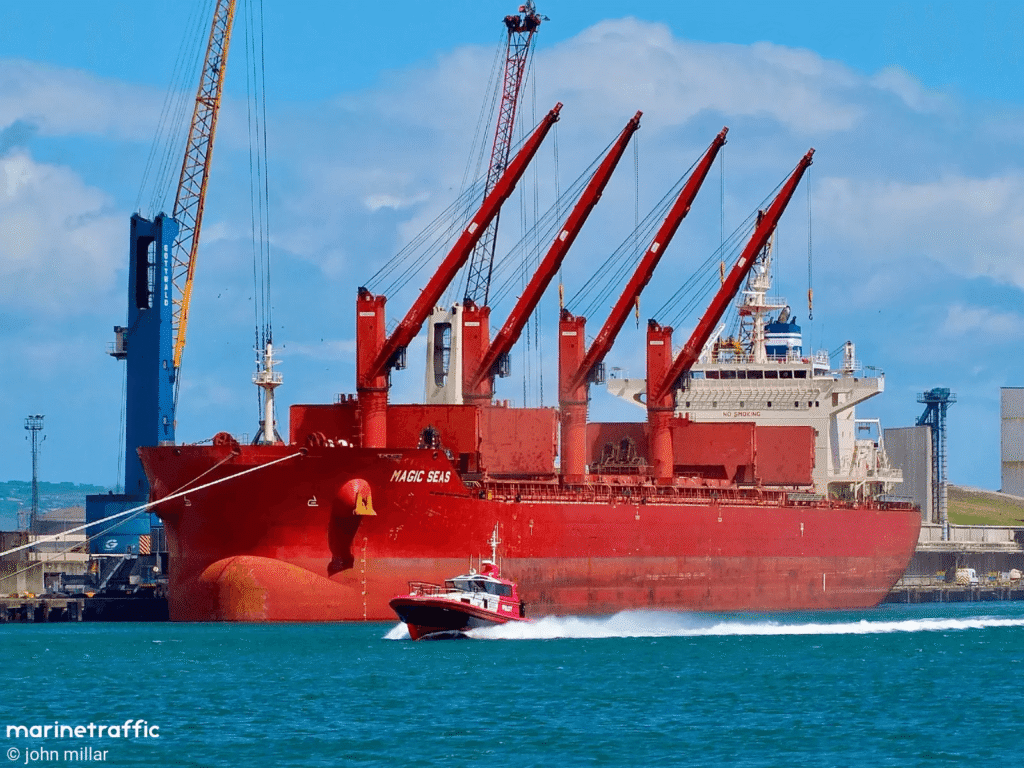
Houthi Rebels Claim Sinking of the Magic Seas

On July 6, 2025, the Liberian‑flagged bulk carrier Magic Seas, operated by Greek firm Stem Shipping, was struck by a coordinated Houthi attack approximately 51 nautical miles southwest of Hodeidah, Yemen. According to Houthi military spokesman Yahya Saree, the assault involved two unmanned surface vessels (USVs), five ballistic missiles and three drones, after an initial volley of gunfire and rocket‑propelled grenades from small skiffs. The vessel, laden with iron ore and fertilizer bound from China to Turkey, began taking on water, forcing its 19‑member crew to abandon ship into life rafts. They were rescued by the Djibouti‑based containership Safeen Prism and disembarked safely in Djibouti later that day.

The Houthis went on to claim the Magic Seas had ultimately sunk beneath the waves, although this has yet to be independently verified by shipping insurers or naval monitors. If confirmed, the sinking would mark the third merchant vessel lost to Houthi action since November 2023, when the group began its maritime campaign in solidarity with Palestinians in Gaza. The attack also shattered half a year of relative calm in the southern Red Sea, where merchant traffic had cautiously resumed after a lull in incidents since December 2024.

magic seas red sea
Source : marinetraffic Magic Seas

Follow‑on Assault on the Eternity C

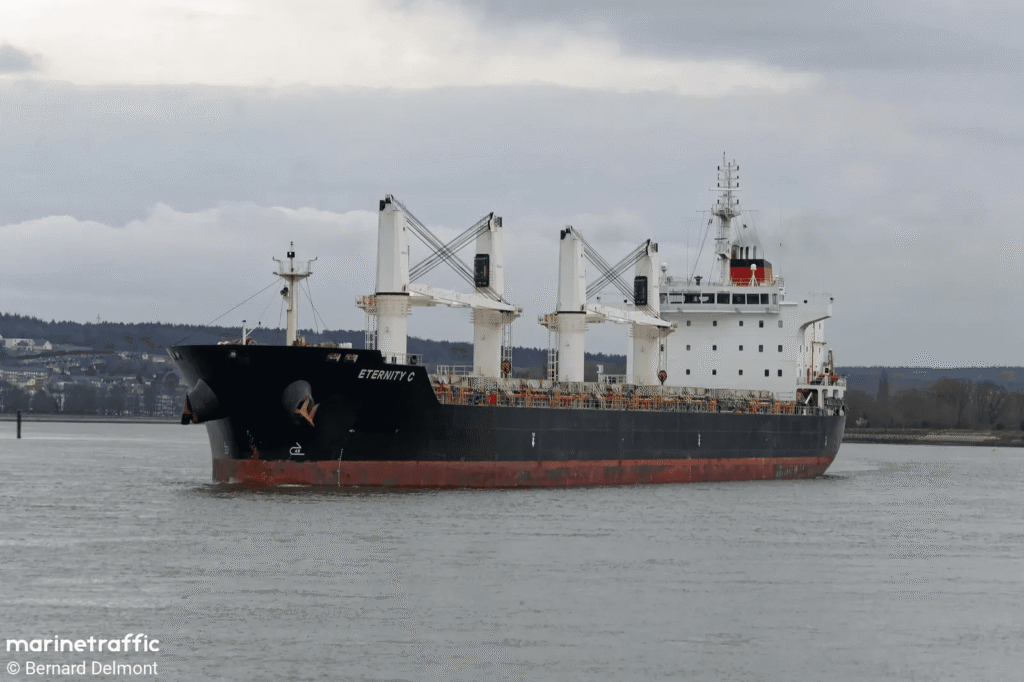
Just 24 hours later, on July 7, the Greek‑managed bulker Eternity C came under a similar assault some 50 nautical miles from Hodeidah. Ambrey, a London‑based maritime security firm, reported that the attack combined small‑boat gunfire, sea drones, and precision strikes on the vessel’s bridge, disabling its engines and communications systems. Two crew members—among a complement of 22 (21 Filipinos and one Russian)—were seriously wounded, while two others remain missing.

The attackers, identified as Houthi militants, reportedly drifted in the area even after the initial strike, delaying rescue operations and heightening concerns that they might return to hasten the ship’s sinking—an warning tactic they have employed in past engagements. The European Union’s Operation Atalanta and the United Kingdom Maritime Trade Operations (UKMTO) have issued advisories urging vessels to maintain minimum deck activity, designate safe muster points above the waterline, and avoid proximity to craft without AIS signals to mitigate risk.

Israeli Retaliation and Port Infrastructure Damage

In response to the Houthi attacks, the Israeli Defense Forces (IDF) launched “Operation Black Flag”—a series of airstrikes targeting Houthi‑controlled port facilities at Hodeidah, Ras Isa, and Saleef. Satellite imagery and on‑ground reports confirm significant damage to critical infrastructure, including the Saleef power station, which supplies electricity to grain silos and flour mills essential for humanitarian aid and commercial cargo handling. Two Barbados‑flagged bulk carriers berthed at Ras Isa also suffered collateral blast damage; fortunately, no crew injuries were reported.

The Israeli strikes further risk deepening the shipping paralysis. Port closures and damaged berths have forced shipping lines to reroute vessels around the Cape of Good Hope, adding up to two weeks and hundreds of extra nautical miles to voyages between Europe and Asia. Insurers have responded by hiking war‑risk premiums for all vessels transiting the Red Sea and adjacent Gulf of Aden, escalating freight rates and potentially raising global trade costs.

Eternity C red sea
Source : marinetraffic Eternity C

Seafarer Unions Demand “Warlike Operations” Status

As the conflict intensifies, the International Transport Workers’ Federation (ITF) has urged shipowners and flag states to designate the Strait of Hormuz, Gulf of Oman and Israeli coastal waters as Warlike Operations Areas (WOAs). This classification would entitle seafarers to refuse to enter these zones without penalty and secure risk‑pay allowances commensurate with the dangers they face.

The ITF’s proposal follows the March 2024 designation of the Southern Red Sea and Gulf of Aden as WOAs—an industry first—prompted by a surge of Houthi drone and missile attacks. ITF Seafarers’ Section Chair David Heindel emphasized that commercial crews are “being asked to operate in one of the most unstable and militarized regions” and deserve the right to protect themselves from harm. Major maritime insurers have already listed these waters as war‑risk zones, underscoring the severity of the threat and lending weight to unions’ calls for formal recognition.

International Naval Coordination and Humanitarian Concerns

In the wake of the Magic Seas incident, EUNAVFOR’s Operation Atalanta coordinated the rescue of all 22 crew members, handing them over to the Djibouti Coast Guard and port authorities. The rapid multinational response combining EU naval assets and private security alerts highlights the vital role of international cooperation in safeguarding seafarers and maintaining maritime corridors.

Nevertheless, the conflict’s human toll extends beyond immediate casualties. Humanitarian organizations warn that disruptions to Red Sea ports threaten the delivery of critical food, oil and medical supplies to Yemen and East Africa—regions already grappling with conflict and famine. The bombing of port power stations, in particular, risks crippling grain import and distribution networks, exacerbating hunger and displacement crises.

Also read : Maritime India Accelerates – ₹2 Lakh Cr in Shipbuilding Clusters, ₹740 Cr Kolkata Berth Upgrade & ₹500 Cr Chennai–Hyundai Gains

Economic Impact and Future Outlook

The recent surge in hostilities has sent shockwaves through global supply chains. Container shipping lines including CMA CGM and MSC have partially rerouted vessels around Africa, resulting in higher fuel consumption, longer transit times, and freight rate volatility. Analysts estimate that each diverted vessel incurs an additional US$200,000–300,000 per voyage in operational costs, costs that are likely to be passed on to consumers worldwide.

Looking ahead, the Red Sea shipping crisis shows no immediate sign of abating. Houthi leaders have vowed to maintain their maritime blockade until the Gaza conflict ends, while Israeli officials pledge to continue strikes against Houthi positions in Yemen. Diplomatic efforts by the United Nations, the United States, and regional powers aim to broker a renewed ceasefire, but naval experts caution that without a political resolution, the waterway will remain perilous for years to come.

In this fraught environment, the following measures will be critical:

  1. Enhanced Naval Escort Operations: Expanded multinational task forces to provide close‑in protection for merchantmen.
  2. Formal Warlike Area Designations: Adoption of WOAs by flag states and charterers to ensure seafarer rights and compensation.
  3. Infrastructure Rehabilitation: Swift repair and fortification of port facilities at Hodeidah, Ras Isa and Saleef to avert humanitarian shortages.
  4. De‑escalation Diplomacy: Urgent dialogue between regional stakeholders to separate maritime security issues from broader geopolitical disputes.

The Red Sea crisis underscores a stark reality, in today’s interconnected world, even localized conflicts can trigger cascading impacts on global trade, food security and human safety. Until a sustainable diplomatic solution is achieved, commercial shipping through the Red Sea will require heightened vigilance, robust international cooperation, and unwavering support for the seafarers on the frontline.

Source: (reuters.com) (splash247.com) (seatrade-maritime.com)

Maritime India Accelerates – ₹2 Lakh Cr in Shipbuilding Clusters, ₹740 Cr Kolkata Berth Upgrade & ₹500 Cr Chennai–Hyundai Gains

India’s maritime sector is witnessing a strategic convergence of large‑scale public investment, private sector participation, and sustained revenue growth at its major ports—hallmarks of a concerted effort to bolster India’s shipbuilding capabilities, port infrastructure, and export competitiveness. Over the past week, three distinct developments illustrate this momentum: a ₹2‑lakh crore plan to establish eight shipbuilding clusters, JSW Infrastructure’s ₹740 crore investment in container berths at Kolkata Port, and Chennai Port Authority’s generation of over ₹500 crore in revenue from Hyundai Motor India over 15 years.

Forging India’s Shipbuilding Future with Eight Clusters

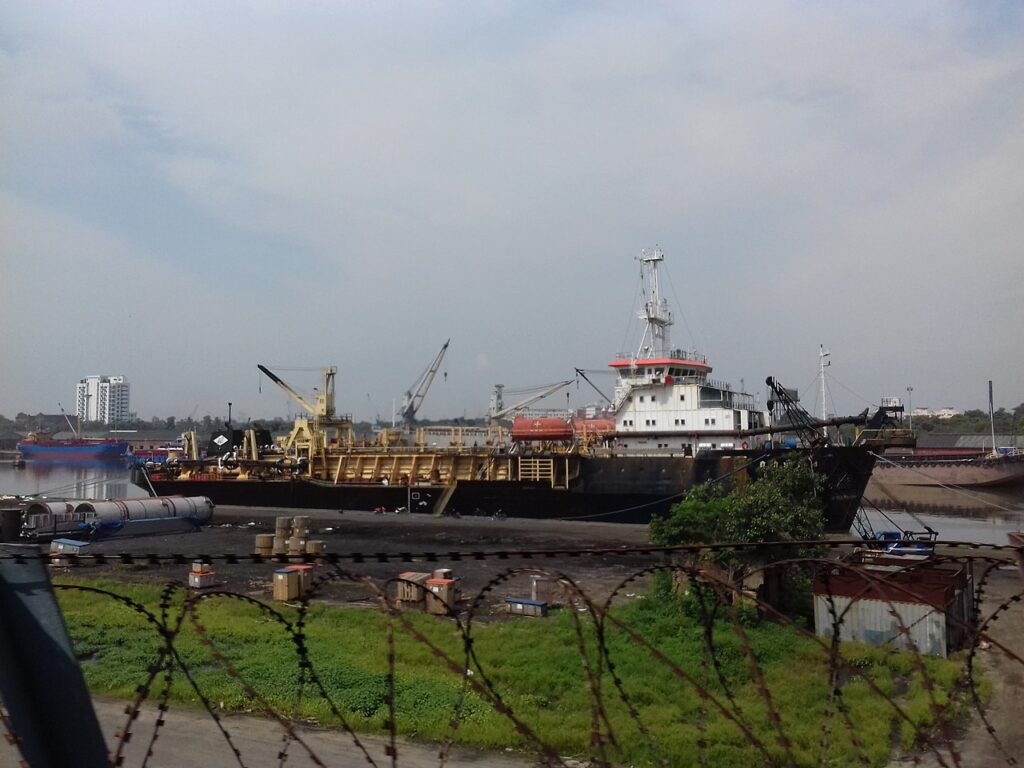
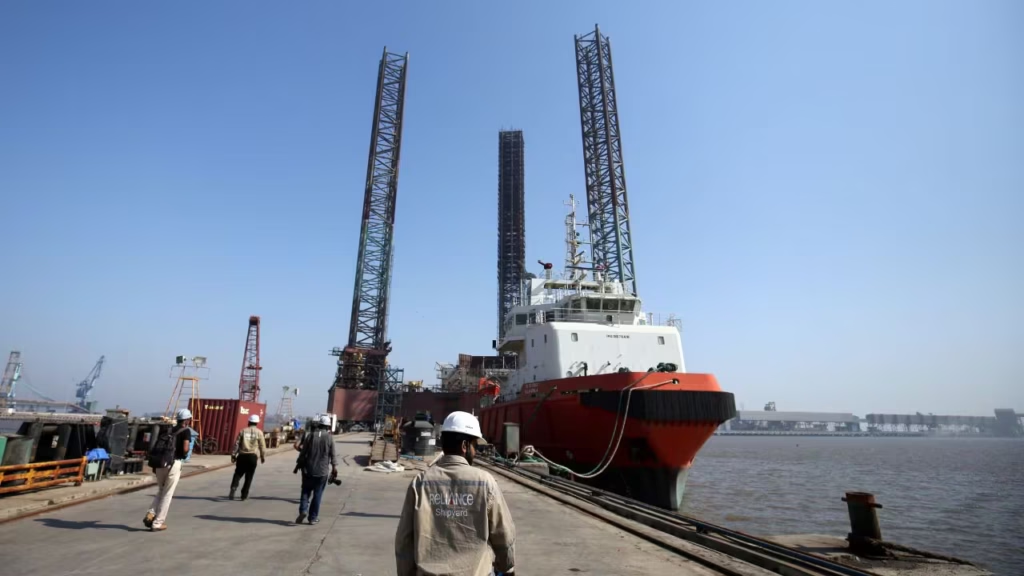
Under its Maritime India Vision 2030 and Vision 2047, the Ministry of Ports, Shipping & Waterways has green‑lit a ₹2 lakh crore (₹200,000 crore) roadmap to develop eight integrated shipbuilding clusters along India’s coastline—five greenfield sites and three brownfield upgrades. Union Shipping Secretary T.K. Ramachandran confirmed that state governments have formed special purpose vehicles (SPVs) and secured land parcels, with supporting infrastructure—roads, rail links, and port‑side facilities—already under development.

  1. Greenfield Clusters: To be established in Andhra Pradesh, Odisha, Tamil Nadu, Gujarat, and Maharashtra, these clusters will integrate end‑to‑end ship manufacturing capabilities, spanning hull construction, component production, insurance, leasing, and bunkering services.
  2. Brownfield Upgrades: Existing shipyards at Vadinar and Kandla in Gujarat, and near Cochin Port in Kerala, will receive modernizations to scale up capacity and adopt advanced ship‑assembly technologies.
  3. Global Partnerships: The plan envisages collaborations with leading shipbuilders from South Korea, Japan, and Scandinavia, aimed at technology transfer, joint ventures, and workforce training.
  4. Financial Incentives: The FY26 Union Budget introduced a ₹25,000 crore Maritime Development Fund, enhanced tax breaks, easier credit facilities, and a revised Shipbuilding Financial Assistance Scheme to catalyze private investments.

By targeting a top‑10 global ranking in shipbuilding capacity by 2030 and top‑5 by 2047, India aims to close the current gap where it accounts for less than 1% of global shipbuilding output against giants like China, South Korea, and Japan.

•	shipbuilding
Source : wikipedia

Private Sector Momentum at Kolkata: JSW Infra’s ₹740 Crore Bet

Complementing government‑led initiatives, private players are deepening their stake in port infrastructure. JSW Infrastructure has secured a Letter of Award (LoA) from the Syama Prasad Mookerjee Port Authority (Kolkata Port) to reconstruct and mechanize key container berths under a 30‑year DBFOT (Design, Build, Finance, Operate, Transfer) concession, with a capex of ₹740 crore.

  1. Scope of Work:
    • Reconstruction of Berth 8 and mechanization of Berths 7 and 8 at Netaji Subhas Dock, including installation of rail‑mounted quay cranes (RMQCs) to accelerate container handling.
    • Development of a 25‑acre backup yard for container storage and yard management.
  2. Timeline & Concession: A two‑year construction period, with phased commencement of operations, and a 30‑year operating lease ensuring JSW Infra’s long‑term participation in Kolkata’s container throughput.
  3. Strategic Fit: The project aligns with JSW’s ambition to expand its terminal portfolio currently spanning 14 ports and terminals in India and the UAE with a combined capacity of 170 Mtpa amidst stiff competition from Adani Ports and SEZ.

Post‑completion, the upgraded berths are expected to enhance operational efficiency, reduce vessel turnaround times, and increase Kolkata Port’s container handling capacity, thereby strengthening trade linkages for eastern India and neighbouring land‑locked regions.

Chennai Port’s Long‑Term Revenue from Hyundai Exports

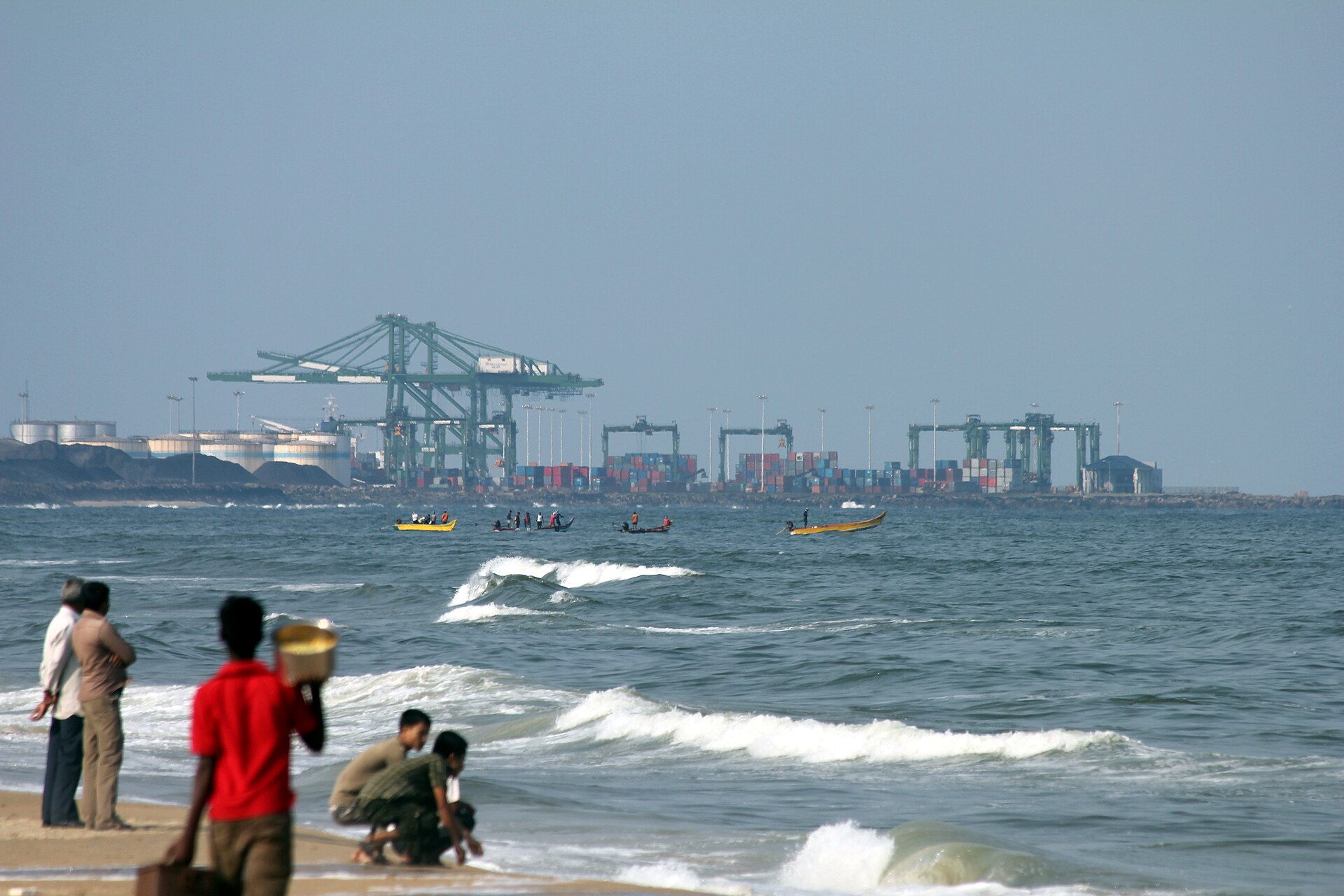
Meanwhile, Chennai Port Authority (ChPA) has underscored the value of durable port–industry partnerships. In the past 15 years, ChPA has grown over ₹500 crore in revenue from Hyundai Motor India Ltd (HMIL), Chennai Port’s anchor exporter of passenger vehicles.

  1. Revenue Composition: Includes vessel‑related fees and cargo handling charges such as wharfage and demurrage.
  2. Dedicated Facilities: HMIL benefits from a bespoke holding area with inspection facilities for over 4,000 vehicles, streamlining pre‑shipment procedures.
  3. Export Footprint: Since 1999, HMIL has exported more than 3.7 million “Made‑in‑India” vehicles to over 150 countries, currently servicing 60 markets with models like the Hyundai CRETA, CRETA Electric, ALCAZAR, EXTER, VENUE, AURA, VERNA, Grand i10 NIOS and i20. In FY 2024–25 alone, it shipped 163,386 units to major destinations including Saudi Arabia, South Africa, Mexico, Chile, and Peru.
  4. Growth Outlook: Hyundai projects 7–8% export volume growth in FY 2025–26, driven by rising demand in emerging markets.

Chennai Port’s success story highlights how tailored port services and reliable infrastructure can catalyze manufacturer competitiveness on global stages, while generating significant revenue streams for port trusts.

Also read : Government Invests ₹5,000 Crore to Transform Northeast Inland Waterways by 2035

Synergies and Strategic Implications

The interplay between these three developments reveals several overarching themes:

  1. Public–Private Collaboration: Large government‑backed infrastructure plans dovetail with private investments under PPP models, ensuring both scale and efficiency.
  2. Holistic Value Chain Development: From shipbuilding clusters supplying vessels to port operators, to modern container berths facilitating faster cargo flows, India is addressing bottlenecks across the maritime value chain.
  3. Export‑Led Growth: Enhanced port infrastructure and port–industry partnerships underpin India’s export ambitions whether in automobiles or broader containerized trade contributing to national economic growth and export diversification.
  4. Employment and Skill Development: Shipbuilding clusters and mechanized ports will generate skilled jobs, complementing broader initiatives like the Maritime India Vision’s focus on workforce readiness.
  5. Global Competitiveness: By upgrading domestic shipyards, mechanizing ports, and nurturing anchor clients, India is gradually shifting from a marginal player to a competitive force in global shipping and trade.
shipbuilding
Source : wikipedia

Charting the Course Ahead

As these projects unfold over the next few years, stakeholders anticipate tangible benefits:

  1. Capacity Expansion: A significant rise in domestic shipbuilding output and container throughput at ports like Kolkata and Chennai.
  2. Operational Efficiencies: Reduced vessel waiting times, faster cargo turnaround, and lower logistics costs.
  3. Economic Uplift: Direct employment in shipyards and ports, allied services growth, and enhanced regional trade corridors.
  4. Environmental Gains: Modern shipyards and mechanized handling can adopt green technologies, contributing to cleaner, more sustainable maritime operations.

India’s ₹2 lakh crore investment in shipbuilding clusters lays the foundation for an indigenous maritime manufacturing ecosystem. JSW Infrastructure’s ₹740 crore commitment at Kolkata Port exemplifies private sector dynamism in port modernization. Chennai Port’s ₹500 crore revenue haul from Hyundai underlines the dividends of long‑term, collaborative infrastructure partnerships. Together, these milestones signal India’s readiness to become a pivotal maritime hub crafting ships, handling global cargo, and exporting Indian‑made goods with world‑class efficiency. As implementation progresses, the synergy of public vision and private capability will be crucial to navigating the waves of 21st‑century maritime commerce.

Source : (shippingtribune.com)

Government Invests ₹5,000 Crore to Transform Northeast Inland Waterways by 2035

India’s Ministry of Ports, Shipping and Waterways (MoPSW) has unveiled an ambitious ₹5,000‑crore investment package aimed at transforming the inland waterways and maritime landscape of India’s Northeast over the next decade. Announced by Union Minister Sarbananda Sonowal in New Delhi on July 7, 2025, these initiatives are designed to enhance cargo connectivity, boost regional trade, develop tourism infrastructure, and equip 50,000 local youth with maritime skills and guaranteed employment opportunities by 2035.

A Decade of Maritime Skill Development

Central to the plan is a comprehensive skill‑development drive that will train 50,000 young people from Assam, Tripura, Arunachal Pradesh, Nagaland, Manipur, Meghalaya, and Mizoram in maritime trades. Sonowal detailed that the existing Maritime Skill Development Centre (MSDC) in Guwahati, alongside a new ₹200‑crore Centre of Excellence (CoE) in Dibrugarh, will serve as training hubs capable of producing up to 500 skilled professionals annually. Graduates will find assured placements across government and private maritime operations, reflecting the government’s commitment to converting “Yuva Shakti” into economic growth.

northeast
Source : pib.gov.in

Strengthening Inland Waterways Infrastructure

Over the past two years, MoPSW has mobilized ₹1,000 crore for inland waterways projects in the region, completing ₹300 crore worth of work and scheduling the remaining ₹700 crore for completion by 2025. Key achievements include:

  1. Permanent Cargo Terminals at Pandu, Jogighopa, Dhubri, Bogibeel, Karimganj, and Badarpur.
  2. Year‑Round Fairway Dredging, supported by 10 amphibian and cutter section dredgers to be deployed with a ₹610‑crore outlay, ensuring navigability of the Brahmaputra and Barak rivers through all seasons.
  3. Approach Road to Pandu Port, enhancing last‑mile connectivity.
  4. Heritage Restoration projects in Dibrugarh to preserve colonial‑era port infrastructure.
  5. Tourist Jetties worth ₹299 crore to bolster river‑based tourism.
  6. 85 Community Jetties, aimed at strengthening local linkages and small‑scale river transport.
  7. Plans for Lighthouses at Pandu, Tezpur, Biswanath Ghat, and Bogibeel, each to house an India Meteorological Department (IMD) unit for localized weather forecasting.

Kaladan Multi‑Modal Transit Transport Project (KMTTP)

A marquee project highlighted at the press conference was the Kaladan Multi‑Modal Transit Transport Project, forged under the India–Myanmar Friendship Treaty. Scheduled for full operation by 2027, KMTTP will connect Sittwe Port in Myanmar to Paletwa via inland waterway, followed by a road link to Zorinpui in Mizoram, and onward to Sabroom in Tripura through Teknaf Port in Bangladesh. Once operational, the corridor is expected to:

  • Slash transportation time and logistics costs by roughly 30–40%.
  • Open shorter maritime access for Northeast India to Southeast Asian markets.
  • Offer new export channels for Bangladesh, Bhutan, Nepal, and Myanmar.

Also read : Tanker Explosion Off Kandla Port Sparks 21 Crew Evacuation and Pollution Alert

This strategic initiative underpins Prime Minister Modi’s “Act East” policy and underscores the government’s broader vision of “Sabka Saath, Sabka Vikas” by fostering regional connectivity across international borders.

Barges, Dredgers, and Water Metro

To further enhance cargo movement, MoPSW has partnered with global logistics major Rhenus to operate 100 barges on National Waterways (NW) 2 and 16 by the end of 2025. Complementing the dredgers, this barge fleet is anticipated to boost commercial traffic on Assam’s River network by 50% within two years. In parallel, feasibility studies for Water Metro projects in Guwahati, Tezpur, and Dibrugarh have been completed, setting the stage for modern urban water‑based public transport akin to Kolkata’s successful model.

inland waterways
Source : pib.gov.in

Tourism and Trade Hub Development

Recognizing the rivers’ potential for tourism, the government has earmarked ₹300 crore to develop combined tourism and cargo jetties at Silghat, Neamati, Biswanath Ghat, and Guijan. These multipurpose terminals will feature:

  • Passenger lounges and floating markets to attract domestic and international tourists.
  • Dedicated cargo handling zones to promote local agricultural and handicraft exports.
  • Integrated customs clearance facilities at border terminals to streamline Indo‑Bangladesh trade.

With these, the Northeast is poised to emerge as a vibrant hub for river cruises, water sports, and cross‑border commerce, complementing land and air connectivity.

National and Global Competitiveness

Reflecting on the 11‑year trajectory since 2014, Sonowal noted that India’s major ports have nearly doubled capacity, nine ports now feature in the World Bank’s top 100 global rankings, and Visakhapatnam Port has broken into the top 20. Legislative digitization, green shipping policies, and a burgeoning cruise tourism sector have collectively boosted India toward its goal of becoming a “global maritime powerhouse.” The Northeast investment program is the next frontier in this maritime resurgence, aligning local development with national strategic imperatives.

Looking Ahead

As the ministry accelerates project execution, local stakeholders from port authorities to community organizations are optimistic about the socio‑economic wave effects. Enhanced waterways are expected to reduce road congestion, lower carbon emissions, and create thousands of jobs in construction, logistics, tourism, and allied services. With the government’s “Sabka Prayas” approach, the Northeast’s rivers are set to become lifelines of growth, linking remote communities to national and international markets through clean, cost‑effective, and reliable waterborne transport.

The ₹5,000‑crore commitment thus represents more than just infrastructure spending; it is a strategic investment in the region’s future, offering a blueprint for balanced growth, sustainable connectivity, and inclusive prosperity.

Source : (pib.gov.in)