Vizhinjam International Seaport cargo trial run will commence in May

24th April 2024

Report : The trial run for handling cargo at Vizhinjam International Seaport will begin in May.

Trial with Cranes Brought from China**

The trial run will involve loading and unloading cargo from two container ships on a trial basis. To facilitate this process, the port has deployed yard cranes and ship-to-shore cranes, which were brought in from China last August. These cranes are crucial for efficiently moving containers between ships and storage yards within the port. In total, the port requires 32 cranes – 24 yard cranes and 8 ship-to-shore cranes – to function at its full capacity.

Technical Expertise on Board for Smooth Operations

Port company officials have assured that all necessary arrangements are in place for a smooth trial run. This includes the appointment of technical experts who will oversee the cargo handling procedures and ensure optimal utilization of the equipment. Their experience will be vital in identifying any potential bottlenecks and fine-tuning operations before the port opens its doors to full-fledged commercial activities.

cargo trial run  commence in May

Vizhinjam: A Gateway to Boost Kerala’s Economy

The Vizhinjam International Seaport is envisioned as a game-changer for Kerala’s economy. Strategically located on the Arabian Sea coast, the port will serve as a gateway for international trade, attracting investments and creating new job opportunities. It is expected to handle large container ships, catering to the growing demand for efficient cargo movement across the globe.

Also Read : Indian Shipyard Sets Course for Green Seas: Cochin Shipyard Targets European Market with Eco-Friendly Vessels

Benefits Beyond Cargo Handling

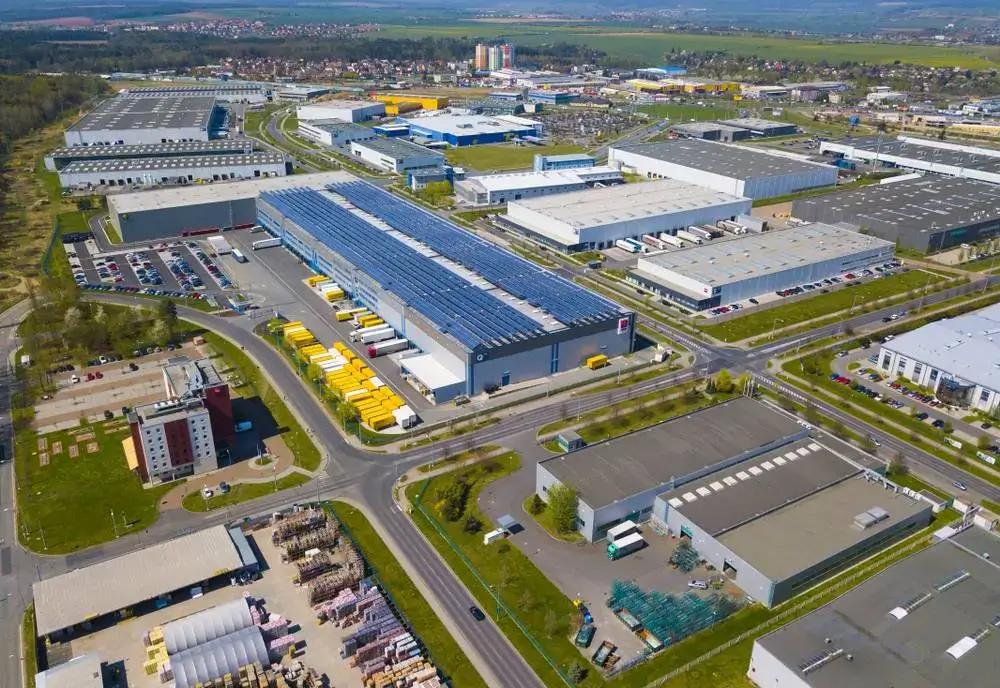
The impact of Vizhinjam International Seaport extends beyond cargo handling. The project is expected to trigger the development of ancillary industries and services in the surrounding region. This could include logistics parks, warehousing facilities, and even the development of a special economic zone. Additionally, the port’s presence could boost tourism in the region, attracting visitors interested in witnessing the maritime activity and exploring Kerala’s rich culture and heritage.

Challenges and the Road Ahead

While the commencement of trial operations is a positive step, there are challenges that need to be addressed. Ensuring smooth access to and from the port through proper road and rail connectivity is crucial. Additionally, streamlining customs clearance procedures and developing skilled manpower to handle the sophisticated port operations will be essential for long-term success.

Conclusion

The trial run of cargo operations at Vizhinjam International Seaport signifies a significant step forward for Kerala’s maritime ambitions. While challenges remain, the project holds immense potential to transform the state’s economic landscape. The success of Vizhinjam International Seaport hinges on its ability to attract major shipping lines, develop efficient logistics networks, and foster a skilled workforce. If these aspects are addressed effectively, Vizhinjam International Seaport has the potential to become a major maritime hub in South India.

Also Read : Bharat Gains Strategic Advantage in Indian Ocean Power Play with Sittwe Port Operations

Ships Advised to Increase Vigilance in Gulf, Western Indian Ocean After Possible Military Strike

22nd April 2024

Report : Ships urged to be more vigilant in Gulf, Western Indian Ocean due to potential military strike.

Merchant vessels transiting the Gulf and Western Indian Ocean have been urged to heighten their vigilance following reports of increased uncrewed aerial vehicle (UAV) activity in the region. The advisory comes amidst unconfirmed reports of a recent Israeli military strike on Isfahan, Iran.

British maritime security firm Ambrey issued the warning on Friday, citing intelligence suggesting a potential connection between the UAV activity and the reported strike. While the United Kingdom Maritime Trade Operations (UKMTO) agency acknowledged similar reports, they emphasized the lack of evidence suggesting commercial vessels are potential targets.

This development underscores the ongoing tensions in the region, particularly concerning Iran’s nuclear program and its relationship with Israel. The potential for further military action and the resulting risks for civilian shipping necessitate heightened awareness.

Western Indian Ocean

Increased UAV Activity Raises Concerns

While the specific nature of the UAV activity remains unclear, the presence of drones in a volatile region like the Gulf presents a significant concern. Merchant vessels lack the defensive capabilities often found on military warships, making them vulnerable to potential attacks.

“The rise of UAVs has significantly altered the threat landscape at sea,” says Captain Michael Jones, a maritime security expert. “These drones can be difficult to detect and even harder to defend against. It’s crucial for commercial ships to be extra vigilant and follow the latest security advisories.”

Also Read : Houthi rebels Escalate Conflict: Leader Claims Operations in Indian Ocean

Heightened Vigilance for Merchant Vessels

The following recommendations have been issued to merchant vessels operating in the Gulf and Western Indian Ocean:

  • Maintain a heightened state of awareness and actively monitor the surrounding area using radar and other surveillance systems.
  • Report any suspicious activity, including UAV sightings, to regional maritime authorities immediately.
  • Implement additional security measures onboard, such as increased watch rotations and stricter access control procedures.
  • Regularly review and update emergency response plans in case of an incident.

International Community Urged to De-escalate

The recent developments highlight the need for a diplomatic resolution to regional tensions. International organizations and regional powers must work together to de-escalate the situation and ensure the safety of civilian vessels traversing these vital shipping lanes.

Conclusion

The potential for further military action and the presence of UAVs pose a significant threat to commercial shipping in the Gulf and Western Indian Ocean. Increased vigilance from both maritime authorities and ship crews is crucial to ensure the safety of civilian vessels in the region. International cooperation remains essential to de-escalate tensions and maintain the free flow of goods through these critical waterways.

Also Read : U.S. Sanctions on Russia’s Tanker Group Sovcomflot

Russia Seeks New Trade Road: Building Asian Trade Routes to Bypass Sanctions

20th April 2024

Report : Russia exploring new trade routes across Asia

Russia is making new trade routes through Asia, aiming to lessen the economic blow of sanctions imposed over its war in Ukraine. These routes, including a revamped rail network via Iran and an Arctic sea passage, hold the potential to reshape global trade flows and solidify Russia’s economic ties with Asian powerhouses like China and India.

The traditional trade route between Europe and Asia, the Suez Canal, is facing increasing security concerns. Houthi rebel attacks on international shipping in the Red Sea, fueled by the ongoing Israeli-Palestinian conflict, are prompting businesses to seek alternative paths.

Russia’s proposed routes offer a potential solution. The revamped rail network, partially funded by a 1.3 billion euro loan Russia extended to Iran last year, will create a vital missing link. This 162-kilometer stretch will connect the Iranian city of Rasht on the Caspian Sea coast to Astara on the border with Azerbaijan. Upon completion, this railway will allow cargo to flow seamlessly from St. Petersburg in Russia all the way to Bandar Abbas, Iran’s main export port on the Persian Gulf.

journey of rail and Shipping investment

This route, combined with the development of an Arctic sea passage, dubbed the Northern Sea Route (NSR), could significantly impact global trade. The NSR offers a shorter transit time between Europe and Asia compared to the Suez Canal, potentially slashing travel times by 30-50%. Additionally, the NSR bypasses the security vulnerabilities of the Red Sea.

This pivot towards Asia isn’t entirely new. Russia has long sought to diversify its trade partnerships, and China has emerged as a crucial economically. The current geopolitical climate has only accelerated this shift. With Western sanctions impacting its traditional European markets, Russia is looking East for new opportunities.

Also Read : Indian Refiners Return to Iraq as Russia Loses Grip on Top Supplier Spot

The success of these new routes, however, hinges on several factors. The NSR remains a challenging route, with harsh weather conditions and limited infrastructure. Developing the necessary ports and navigation technology will be a costly and time-consuming endeavor. Additionally, political instability in the region surrounding the Iranian rail network could pose security concerns.

Despite these challenges, the potential benefits for Russia are significant. A successful pivot towards Asia could help mitigate the impact of sanctions and create new economic partnerships. For China and India, these new routes offer faster and more secure transportation options, potentially boosting trade with Europe.

The long-term impact of Russia’s Asian trade push remains to be seen. However, one thing is clear: the global trade landscape is undergoing a significant shift, with Russia at the center of this evolving dynamic. The success of its Asian ambitions could reshape the flow of goods and redraw the map of global economic influence.

Conclusion

Russia’s pursuit of a new Asian trade route is a strategic response to Western sanctions. While the potential benefits are undeniable, the path forward is fraught with challenges. The success of this strategy will depend on Russia’s ability to overcome infrastructure hurdles, navigate complex geopolitical landscapes, and manage its evolving relationship with China. Only time will tell if Russia’s New Silk Road ambitions can deliver the economic resilience it desperately seeks.

Also Read : Houthi rebels Escalate Conflict: Leader Claims Operations in Indian Ocean

Houthi rebels Escalate Conflict: Leader Claims Operations in Indian Ocean

19th April 2024

Report : Yemeni Houthi rebels signal wider conflict zone with Indian Ocean activity claim

Dubai, UAE – April 18, 2024 – The leader of Yemen’s Houthi rebels, Abdul Malik al-Houthi, has raised tensions in the region by claiming his group conducted “operations” in the Indian Ocean and towards southern Israel. This announcement follows a string of attacks on shipping in the Red Sea, targeting vessels allegedly linked to Israel.

Al-Houthi’s televised speech on Thursday marked a significant escalation in the ongoing conflict. He detailed 14 operations carried out in just two weeks across the Red Sea, Gulf of Aden, Arabian Sea, Bab al-Mandeb Strait, and now, the Indian Ocean. The exact nature of these operations remains unclear, but previous attacks have involved missiles and drones targeting commercial and naval ships.

The Houthis, who receive backing from Iran, have repeatedly justified these attacks as a response to Israeli actions against Palestinians in Gaza. Al-Houthi claimed they aimed to disrupt the passage of ships “linked to the Israeli enemy” through the Red Sea and beyond. However, he attempted to reassure non-Israeli maritime traffic, stating, “There is no danger to maritime traffic related to (ships linked to) European countries that are not heading to Israel.”

Houthi rebels Indian Ocean

Independent verification of the Houthi claims is difficult. Security analysts have cast doubt on the extent of their attacks in the past, with some suggesting they exaggerate their success. However, the mere threat of disruption to vital shipping lanes in the Indian Ocean is a cause for concern. The Indian Ocean is a critical artery for global trade, carrying vast quantities of oil and other goods.

Also Read : Missile Attack on India-Bound Tanker Raises Red Sea Tensions

The international community has condemned the Houthi attacks on shipping and urged all sides to de-escalate the conflict. The United Nations has called for a ceasefire in Yemen’s devastating civil war, which has entered its ninth year. The war has caused a humanitarian crisis, with millions facing hunger and disease.

The Houthis’ expansion of their operations into the Indian Ocean raises the stakes in the Yemeni conflict. It could lead to a wider confrontation, potentially drawing in other regional players. The potential for disruptions to critical shipping routes further complicates the situation.

Conclusion

The Houthis’ claim of operations in the Indian Ocean marks a worrying development in the Yemeni conflict. It underscores the group’s growing boldness and raises the risk of a regional escalation. The international community must redouble its efforts to secure a ceasefire in Yemen and prevent further destabilization in the strategically important Indian Ocean.

Also Read : Panama Canal Sails Smoother Waters: Booking Slots Increase on Anticipated Rainfall

The Red Sea problem requires operators to utilize more cargo ships, which raises emissions worries.

14th April 2024

Report: Emission worries because of Red Sea problem

The shipping industry’s pledge to curb its environmental impact faces a significant hurdle due to the ongoing crisis in the Red Sea.

Attacks by Iranian-backed Houthi militants have forced shipping companies to reroute vessels, leading to longer journeys and a surge in the number of container ships needed to maintain vital trade links between Asia and Europe. This, in turn, is causing a worrisome rise in carbon dioxide (CO2) emissions.

“The extended travel times necessitate adding at least two more ships to maintain weekly Asia-Europe services per operator,” explains Yiannis Parganas, head of shipbroker Intermodal’s research department. This increased reliance on multiple vessels translates to a significant rise in total emissions from the shipping fleet, even for the same amount of cargo being transported.

The impact is stark. The longer routes require more fuel, with estimates suggesting a 42% increase in emissions per ship for a standard Asia-North Europe service. This comes at a time when the industry was striving to meet the International Maritime Organization’s (IMO) target of a 20% reduction in emissions by 2030.

The situation is further compounded by the pre-pandemic levels of CO2 emissions witnessed in 2023, which reached 231 million tons. This follows a dip in 2020 due to pandemic-related slowdowns. A graph depicting this trend would clearly show the concerning rebound and the potential for further escalation due to the Red Sea crisis.

Red Sea emission worries

However, there’s another layer to this issue. Soaring freight rates, a consequence of the disrupted trade routes, have created a financial windfall for shipping companies. This has led some operators to postpone plans for replacing their aging fleets with newer, more fuel-efficient vessels.

Also Read : Major Fire Erupts on Brand New Maersk-Container Ship Off India

“The numbers (freight rates) are very healthy and those who intend to scrap their ship have deferred their decision,” says Symeon Pariaros, chief administrative officer of ship-owner Euroseas. While this might be positive for companies in the short term, it poses a long-term threat to the environment.

In conclusion, the Red Sea crisis presents a complex challenge for the shipping industry. Balancing the need for smooth trade with environmental responsibility is proving difficult.

The increased use of container ships and the delay in adopting cleaner technologies threaten to derail progress towards emission reduction targets. Unless a solution is found to ensure safe passage through the Red Sea, the industry’s commitment to a greener future might be left adrift.

Indian Shipyard Sets Course for Green Seas: Cochin Shipyard Targets European Market with Eco-Friendly Vessels

Report: Green Initiative by Cochin Shipyard Limited

Cochin Shipyard Limited (CSL), India’s leading shipbuilder, is charting a new course towards becoming a major player in the European green shipping market. The company is leveraging its expertise to build eco-friendly vessels, capitalizing on the growing demand for sustainable solutions in the maritime industry.

This strategic shift comes as the global shipping industry faces increasing pressure to reduce its carbon footprint. Stricter regulations and a growing environmental consciousness are pushing companies to adopt cleaner technologies. Recognizing this trend, CSL has positioned itself as a builder of choice for eco-friendly vessels, particularly in Europe, a region at the forefront of green shipping initiatives.

CSL’s green credentials have been bolstered by several recent projects. In February 2024, they marked a significant milestone with the steel cutting ceremony for the world’s first zero-emission feeder container vessel. This game-changing ship, built for Dutch logistics giant Samskip, will utilize green hydrogen as its primary fuel source, eliminating harmful emissions entirely.

The company isn’t stopping there. CSL has also delivered two autonomous electric barges for ASKO Maritime in Norway, further solidifying their reputation for innovation in clean technologies. Additionally, they have secured a contract from a European client to design and construct a Hybrid Service Operation Vessel, showcasing their ability to cater to diverse green shipping needs.

This European focus isn’t a coincidence. The European Union has set ambitious targets for reducing greenhouse gas emissions from the maritime sector. The EU’s “Fit for 55” package proposes a 55% reduction in emissions by 2030 compared to 1990 levels, with a long-term goal of achieving net-zero emissions by 2050. These regulations create a significant market opportunity for shipbuilders specializing in green technologies, and CSL is well-positioned to capitalize on this demand.

CSL’s foray into the European green shipping market holds several advantages for the company. Firstly, it allows them to diversify their client base and reduce dependence on the domestic market. Secondly, it positions them as a frontrunner in sustainable shipbuilding, attracting environmentally conscious shipping companies worldwide. Furthermore, building for European clients provides access to cutting-edge technologies and fosters collaboration on future green shipbuilding projects.

Cochin Shipyard

However, there are challenges to consider. Competition in the European green shipbuilding market is fierce, with established European shipyards vying for the same market share. Additionally, the technology for some green propulsion systems is still evolving, requiring continuous adaptation and investment in research and development.

Also Read : New Study Examines how the Weather Affects the Stability of Container Stacks

Despite these challenges, Cochin Shipyard’s strategic shift towards green shipping holds immense promise. Their recent projects showcase their capabilities and commitment to environmental sustainability. By capitalizing on the growing European green market, CSL has the potential to become a global leader in eco-friendly shipbuilding, ensuring a cleaner future for the maritime industry.

Conclusion

Cochin Shipyard’s focus on green shipping signifies a positive shift towards sustainable practices within the Indian shipbuilding industry. Their focus on the European market demonstrates strategic foresight and positions them to be a key player in the global transition towards a greener maritime sector. As technology advancements continue and environmental regulations tighten, CSL’s commitment to eco-friendly vessels paves the way for a more sustainable future for shipping across the globe.

Panama Canal Sails Smoother Waters: Booking Slots Increase on Anticipated Rainfall

17th march 2024

Report: More Ships Booking Panama Canal on Rainfall Hopes

The Panama Canal Authority (ACP) has announced a significant increase in booking slots for both Panamax and Neopanamax locks, signaling a positive outlook for the crucial waterway. This decision comes after a period of restricted capacity due to lower water levels in Gatun Lake, the canal’s primary water source.

The past year saw a severe drought impacting the canal’s operations. The ACP was forced to limit the number of daily ship transits and the maximum draft allowed for vessels passing through. This reduction caused delays and headaches for shipping companies navigating the vital trade route connecting the Atlantic and Pacific Oceans.

However, there’s optimism on the horizon. The ACP is anticipating a shift in weather patterns, with a weakening El Nino and a transition to La Nina expected to bring much-needed rainfall to the region by late April and continue for several months. Based on this forecast, the ACP is implementing a multi-phased plan to increase canal capacity.

Starting mid-May, the number of daily booking slots for Panamax locks, which accommodate older and smaller vessels, will rise from the current 27 to 31. This represents a substantial increase of 14.8% compared to current limitations. For the larger Neopanamax locks, handling the newest and biggest ships, an additional slot will be added on June 1st, bringing the daily total to 32. This signifies a return to pre-drought capacity for these newer locks.

Furthermore, the ACP plans to ease draft restrictions for Neopanamax vessels. The maximum authorized draft, which dictates how deeply a ship can safely travel through the canal, will be raised from the current 44 feet to 45 feet starting June 15th. This allows for deeper loading of cargo, potentially increasing the overall tonnage that can be transported through the canal each day.

Panama Canal Booking

“These adjustments reflect the ACP’s commitment to optimizing canal operations while maintaining water conservation practices,” said an ACP spokesperson in a press release. “The anticipated rainfall patterns provide us with the confidence to gradually increase capacity and meet the growing demand for canal transits.”

Also Read : Red Sea Strikes: Houthis Claim Mediterranean Attack on Tanker

The news has been met with enthusiasm by the shipping industry. The higher booking slots and relaxed draft restrictions will translate to shorter waiting times for ships, reduced operational costs for shipping companies, and ultimately, a smoother flow of goods across the globe. The Panama Canal remains a vital artery of international trade, and this increase in capacity ensures its continued efficiency in connecting markets worldwide.

Conclusion

The Panama Canal’s decision to expand booking slots and raise draft limitations is a welcome sign for the global maritime industry. With anticipated rainfall expected to replenish water levels, the canal is poised to operate at a higher capacity, reducing delays and boosting trade. This development highlights the delicate balance between environmental sustainability and economic activity, showcasing how strategic planning can ensure both for the benefit of the canal and the global economy it serves.

Global Supply Chains Strain Under Pressure from Red Sea Crisis

1st March 2024

The red sea crisis

The red sea crisis has brought about significant challenges and uncertainties for global shipping. With ongoing conflicts and security threats in the region, the safety and efficiency of maritime trade have been compromised.

The impact of this crisis extends far beyond the immediate vicinity, affecting international trade routes and supply chains across the globe. In this article, we will explore the implications of the red sea crisis on global shipping and the measures being taken to address the challenges it presents.

What exactly is the red sea crisis?

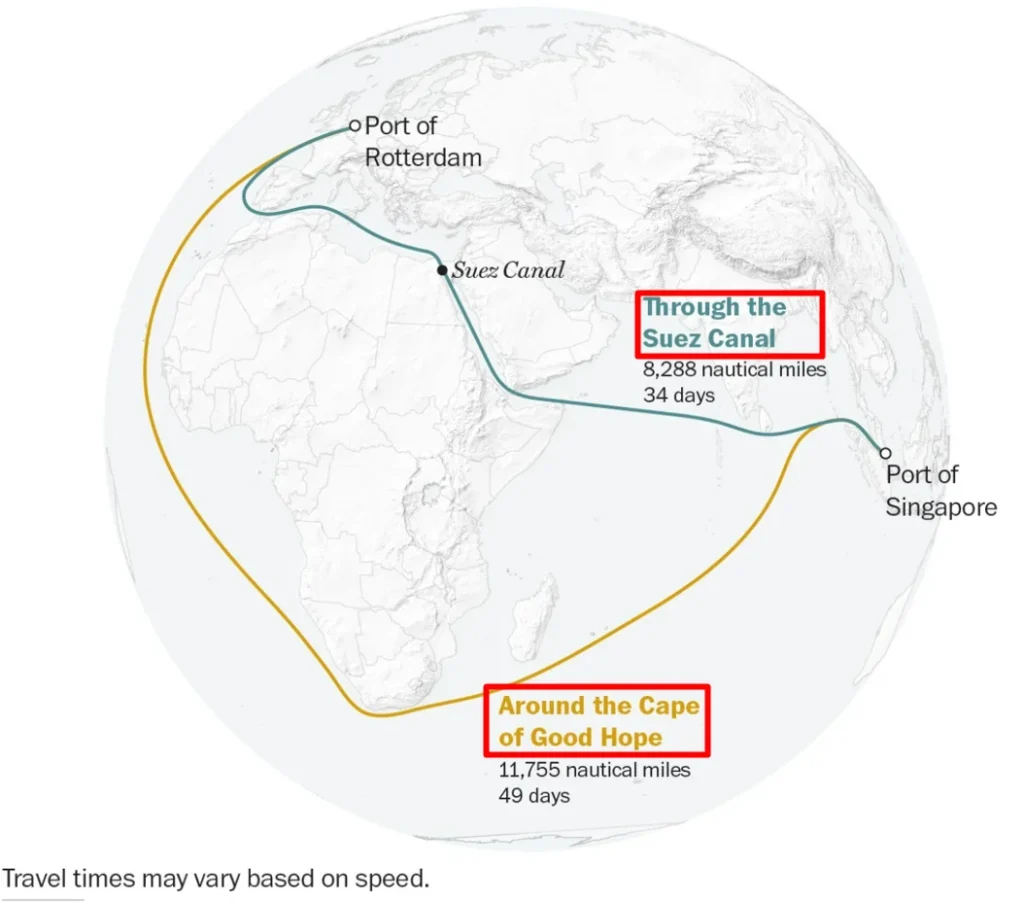
The red sea crisis is a series of attacks on commercial shipping vessels in the red sea by the Houthi rebels of Yemen, who are backed by Iran. The attacks have disrupted the trade and security of the region, these security threats have resulted in heightened insurance costs for shipping companies, as well as increased costs associated with protective measures to ensure the safety of cargo and crew members.

Furthermore, the rerouting of shipping lanes due to the red sea crisis has imposed additional costs and delays on the global shipping industry.

Source: PMF IAS

These re-routings have disrupted established supply chains and increased transportation distances and have forced many cargo ships to take a longer and more expensive route around the cape of good hope in Africa, leading to higher fuel costs and longer transit times. As a result, the overall cost of shipping has significantly increased.

Piracy tax

If you are looking for an analysis of the impact of such crises on shipping rates, something similar was done in the context of Somali piracy where it was found that piracy caused an increase in the transport cost of around 8% this ‘piracy tax’ was passed on to the consumers of traded goods.

The red sea crisis is likely to have a similar impact on shipping rates, resulting in higher costs for goods transported through the region. 

Why is the red sea crisis happening?

The red sea crisis is a result of the ongoing conflict in Yemen, which has been raging since 2014. The conflict pits the internationally recognized government of Yemen, backed by a Saudi-led coalition, against the Houthi rebels, who control the west of the country, including its red sea coast.

The Houthis have been using their control of the red sea coast to launch attacks on commercial shipping vessels, especially those heading to or from Israel.  During such crises, motives can also include a desire to disrupt the flow of resources to adversaries, assert control over maritime territories, or influence political outcomes by leveraging the economic impact.

It should be noted that the specific motives can change with the evolving political and military landscape, and involvement in such crises can differ based on the current situation in a region.

Who is involved in the red sea crisis?

The red sea crisis has exposed the geopolitical rivalry and competition among the countries bordering the red sea, as well as the international powers such as the US, China, and Russia.  The red sea region is strategically important for several reasons, such as:

Red Sea Crisis
Source: CIVILSDAILY
  • The red sea is a crucial waterway connecting the Mediterranean sea to the Indian ocean via the Suez Canal. This route is one of the world’s most heavily used shipping lanes, carrying a significant portion of maritime trade.
  • Bab al-Mandab this narrow strait at the southern end of the red sea is a strategic chokepoint through which all ships must pass to enter or leave the red sea. Its control is critical given that any blockade or security threat in the area could disrupt the passage of ships and affect global trade.
  • It is a transit point for oil and gas from the Persian Gulf to Europe and North America. To the global markets, and a potential site for alternative energy sources such as wind and solar.
  • It is a hotspot for migration and refugee flows, environmental degradation, piracy, terrorism ,drug trafficking, human trafficking, and illegal fishery activities, and human rights violations, which require more cooperation and coordination among the countries on both sides of the red sea as well as the international community.

Implications for USA, China, and Russia

The red sea crisis has taken a concerning turn with the recent escalation of attacks on shipping lanes, prompting various implications for key global players like the United States, China, and Russia. Each country faces distinct challenges and opportunities in navigating through this tumultuous situation.

United States
The us is deeply vested in the security of the red sea region, particularly regarding navigation freedom and countering extremism. The crisis raises alarms about regional stability and potential threats to us military assets.

Economically, disruptions in red sea shipping could translate into higher costs for American consumers and businesses, particularly affecting oil and goods imports from Asia and Africa.

Diplomatically, the US is expected to engage in efforts to de-escalate tensions and seek peaceful resolutions, possibly in collaboration with international partners.

China
China’s heavy reliance on seaborne trade renders it vulnerable to disruptions in the red sea, affecting crucial supply chains and energy imports, notably oil from the middle east.

The crisis introduces uncertainties and risks for China’s significant investments in regional infrastructure projects. Security-wise, China’s interest in bolstering its military presence in the red sea may intensify, necessitating enhanced security measures to safeguard its interests.

Russia
Although Russia primarily relies on pipelines for oil exports, the red sea crisis could potentially impact global oil prices, affecting Russia’s revenue streams. Geopolitically, Russia might perceive the crisis as an opportunity to assert influence in the region and enhance its negotiating leverage.

Diplomatically, Russia’s stance on the red sea crisis will likely be shaped by its complex relationships with other involved actors, such as the US and China. As the situation continues to evolve, the full extent of its impact on these countries remains uncertain.

Responses and strategies will be contingent on factors like the crisis’s severity, international cooperation efforts, and regional dynamics. Vigilance and cooperation will be pivotal in navigating through this challenging period.

How does the red sea crisis affect India?

India is one of the countries that has been affected by the red sea crisis, as it relies heavily on the Suez Canal for its trade with Europe, the US, and Africa according to some estimates, about 70% of India’s western hemisphere cargo has been re-routed through the cape of good hope, resulting in higher freight costs and longer transit times.

This has impacted India’s exports and imports, especially of low-value, high-volume goods and perishables. India has also expressed its concern over the security situation in the red sea, as it affects the freedom of navigation and commerce in the vital waterway.

How is India responding to the red sea crisis?

India has initiated a diplomatic outreach to the countries involved in the red sea crisis, such as Saudi Arabia, Iran, Yemen, Egypt, and Sudan, to protect its trade and strategic interests.

India has also participated in the us-led maritime coalition to protect the shipping lanes in the red sea. India has deployed its naval ships, such as INS Visakhapatnam, to escort and assist the Indian and foreign vessels in the region.

India has also rescued some of its crew members who were held hostage by the Houthi rebels in a hijacked ship.

India’s External Affairs Minister, S Jaishankar, visited Iran on January 10, 2024, and expressed India’s concern over the situation in the red sea, and said that India is closely monitoring the developments. He also said that India is in touch with its partners and stakeholders in the region, and is ready to contribute to the peace and stability of the red sea.

Also read : U.S. Sanctions on Russia’s Tanker Group Sovcomflot

What are the challenges and opportunities for india in the red sea crisis?

Challenge
It affects India’s economic and energy security, as well as its relations with the regional and global players. Impacting industries reliant on timely imports and exports. A persistent threat could necessitate continuous naval deployments and the potential risk of conflict escalation affecting Indian interests in the region.

Opportunity
It showcases India’s role and responsibility as a net security provider and a maritime power in the Indian ocean region. It also opens up new avenues for cooperation and dialogue with the countries on both sides of the red sea.

Recommendations for india and the international community to address the red sea crisis

India should also explore alternative routes and modes of trade and transportation, such as the International North-South transport corridor (INSTC), which connects India with Europe and central Asia via Iran and Russia and the Chabahar port, which is being developed by India in Iran as a gateway to Europe, Afghanistan and central Asia, thus avoiding Pakistan.

The crisis may also reinforce India’s investment in Chabahar port, as it serves strategic interests by providing an alternative route to the volatile strait of Hormuz and the red sea.

India should also diversify its sources and supplies of energy and commodities and invest in renewable and clean energy options.

The red sea crisis highlights the need for a coordinated international response to address these security challenges. Such a response would involve collaboration between governments, international organizations, and private stakeholders to enhance maritime security measures, share intelligence and information, and establish effective legal and judicial frameworks to combat maritime crime.

The international community should support the un-led peace process in Yemen, provide humanitarian aid and relief, impose sanctions and pressure on the violators, and promote cooperation and coordination among the red sea countries, respecting their sovereignty and ensuring their security and stability.

Conclusion

The Red Sea crisis is a complex and multifaceted issue, which has implications for the trade and security of the region, as well as for the global economy and stability.

The crisis is a result of the ongoing conflict in Yemen, which has been exacerbated by the geopolitical rivalry and competition among the countries bordering the red sea, as well as the international powers such as the US, China, and Russia.

The crisis has affected many countries, especially India, which relies heavily on the Suez Canal for its trade with Europe, the US, and Africa. India has taken some diplomatic and military steps to deal with the red sea crisis, and has also expressed its concern over the situation.

The red sea crisis is a challenge and an opportunity for India and the international community, which requires more cooperation and coordination to address the crisis and prevent further escalation.

Click here to follow us on Social Media to Get more updates like this

U.S. Sanctions on Russia’s Tanker Group Sovcomflot

27th February 2024

Report: U.S. Sanctions on Russia’s Tanker Group

The United States has taken a further step to restrict Russia’s ability to finance its war in Ukraine by imposing sanctions on Sovcomflot, the country’s leading tanker group, the Treasury Department announced on Friday. This move targets a critical element of Russia’s oil export infrastructure, aiming to diminish the revenue it generates for the Kremlin’s war effort.

The sanctions, implemented by the Treasury Department’s Office of Foreign Assets Control (OFAC), specifically target Sovcomflot, also known as PAO Sovcomflot (FLOT.MM), and 14 crude oil tankers it owns or operates. These designations effectively freeze any assets Sovcomflot holds under US jurisdiction and prohibit U.S. entities from doing business with the company.

While the Treasury Department declined to disclose specific violations by Sovcomflot, a senior official stated in a call with reporters that the company, as a whole, as a parent company, has been implicated in price cap violations in addition to deceptive activity.

U.S. Sanctions on Russia Tanker Group
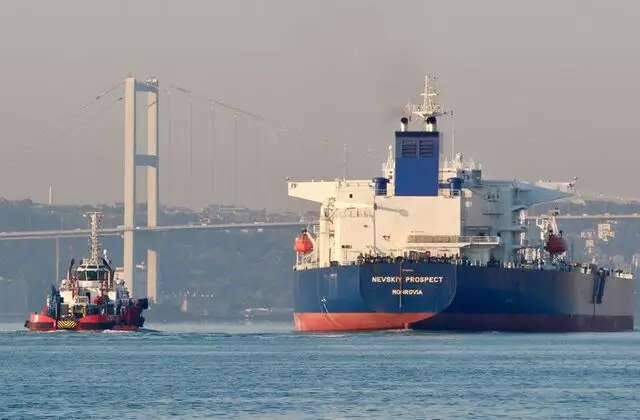
Source: U.S. News

This move fits in with the larger plan of the G7, Australia, and the EU, which set a price cap of $60 per barrel on Russian oil in late 2022. The cap’s objective is to restrict Russia’s oil income without upsetting the world’s energy markets.

The designations today are basically intended to take some of their vehicles for doing that off the table, which is going to force them to invest more in spending, in creating new avenues for getting that oil out, the senior official remarked.

The sanctions are expected to further complicate Russia’s oil exports, which have already been significantly impacted by Western sanctions and the price cap. Many traditional European customers have reduced or eliminated their reliance on Russian oil, forcing Moscow to seek alternative buyers in Asia, primarily India and China. This shift has necessitated relying on a “shadow fleet” of older, less reliable tankers, resulting in longer shipping routes and increased transportation costs.

Also Read: U.S. Rice Exports to Haiti Raise Concerns Over High Arsenic Levels

The recent sanctions against Sovcomflot come on the heels of wider-ranging measures imposed by the U.S. on Friday, marking the second anniversary of the Ukrainian invasion.

conclusion

The U.S. sanctions on Sovcomflot demonstrate a continued commitment to applying economic pressure on Russia to curtail its war efforts. By targeting a key player in the country’s oil export infrastructure, the U.S. aims to further restrict Russia’s ability to generate revenue from its oil sales, potentially impacting its capacity to finance its ongoing military operations in Ukraine.

Click here to follow our Social Media Account to get updates like this
U.S. Rice Exports to Haiti Raise Concerns Over High Arsenic Levels

26th February 2024

Report: High Arsenic Level in U.S. Rice Exports

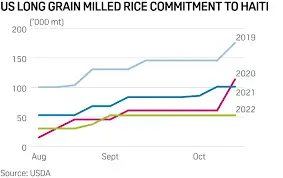
U.S. Rice Exports : A recent study by the University of Michigan has raised concerns about the safety of U.S. rice exports to Haiti, a country where imported rice forms the bulk of its staple food. The study found that U.S. rice contains unhealthy levels of arsenic and cadmium, heavy metals linked to increased risks of cancer and heart disease.

Haiti is one of the top buyers of U.S. rice, alongside Mexico and Japan. The affordability of imported rice makes it a more viable option compared to locally grown produce in this impoverished Caribbean nation. However, the University of Michigan study revealed a disturbing truth average concentrations of arsenic and cadmium were nearly double in imported rice compared to Haitian-grown rice. Worryingly, some imported samples even exceeded international safety limits.

While the U.S. Food and Drug Administration (FDA) and the State Department haven’t yet commented on the study findings, the long-term implications for Haitian health are concerning. This is especially true considering a statement made by former U.S. President Bill Clinton, who later admitted subsidizing U.S. rice exports to Haiti was a “mistake” as it undermined local rice production.

U.S. Rice Exports to Haiti

The study also highlighted the disproportionate risk faced by young Haitians due to their high rice consumption. The average Haitian consumes 85 kg of rice annually, compared to only 12 kg in the U.S. This increased consumption exposes young Haitians to much higher levels of harmful metals, potentially leading to serious health complications.

Beyond the health concerns, experts argue that the flooding of U.S. rice into Haiti constitutes economic violence against Haitian farmers, or “peyizans.” Due to the cheap imports, it becomes challenging for “peyizans” to sell their locally grown rice, impacting their livelihoods and contributing to food insecurity.

Also Read: Missile Attack on India-Bound Tanker Raises Red Sea Tensions

The University of Michigan study underscores the need for a multi-pronged approach. Ensuring the safety of food exports is paramount, and the U.S. authorities must address the concerns raised in the study. Additionally, exploring ways to support and revitalize Haitian rice production is crucial to achieve long-term food security and economic empowerment for Haitian farmers. Only through a combination of these efforts can we ensure the well-being of the Haitian people.

Click here to follow our Social Media Account to get updates like this

Van Oord Secures Offshore Wind Contract in Poland

15th February 2024

Van Oord Granted Offshore Wind Contract in Poland

Dutch marine contractor Van Oord has secured a significant contract for the construction of the Baltica 2 offshore wind farm in Poland. This landmark deal marks a major development in the country’s clean energy transition and showcases Van Oord’s leadership in the rapidly growing offshore wind sector.

Powering Poland’s Green Future

The Baltica 2 project, developed by Ørsted and PGE, boasts a 1.5GW capacity, enough to power approximately 750,000 Polish households. Located 40km offshore in the Baltic Sea, the wind farm represents a crucial step towards Poland’s ambitious target of reaching 9GW of offshore wind capacity by 2040. This shift towards renewable energy is expected to enhance energy security, independence, and contribute to climate change mitigation efforts.

Van Oord’s Expertise on Display

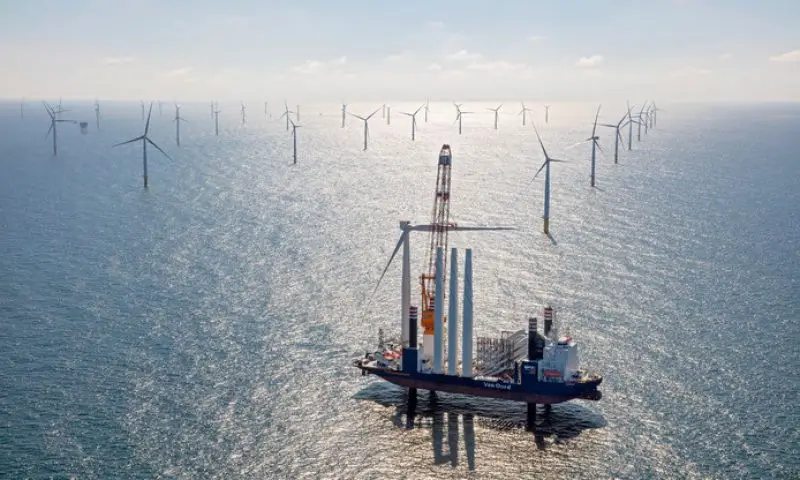
Under the contract, Van Oord will be responsible for transporting and installing 111 extended monopile foundations. This critical task will be executed using a diverse fleet, including the state-of-the-art offshore installation vessel Aeolus and the heavy-lift installation unit Svanen, which is currently undergoing an upgrade to become one of the largest of its kind worldwide.

Van Oord’s proven track record and extensive experience in complex offshore projects ensure efficient and safe construction. The company’s expertise encompasses foundation design, transport, and installation, offering clients a comprehensive and reliable solution.

Van Oord Offshore Wind
Source: energyfacts

Boost for the Polish Economy

Beyond environmental benefits, the Baltica 2 project is expected to create hundreds of jobs during construction and operation, providing a significant boost to the local economy. This not only strengthens Poland’s industrial sector but also reinforces its commitment to creating sustainable employment opportunities.

Sustainable Construction Practices

Van Oord understands the importance of minimizing environmental impact during construction. The company adheres to strict regulations and implements responsible practices throughout the project lifecycle. This ensures the protection of marine ecosystems and minimizes disturbances to local wildlife.

Piotr Zagożdżel, President of the Management Board of PGE “This agreement is a key milestone in the development of offshore wind energy in Poland, contributing significantly to our country’s energy security and climate goals. We are confident that Van Oord’s expertise will ensure the successful completion of this important project.”

Also Read: ITF declares rise in Seafarer Abandonment in 2023 is “Unacceptable”

Pieter van Oord, CEO of Van Oord We are proud to be involved in the Baltica 2 project and contribute to Poland’s clean energy ambitions. This contract further strengthens our position as a leading player in the offshore wind industry and reaffirms our commitment to delivering sustainable solutions for the future.

Conclusion

The Baltica 2 project marks a win-win for Poland and Van Oord. Poland takes a massive step towards clean energy independence, while Van Oord solidifies its leadership in offshore wind construction. This sustainable collaboration sets an example for future projects, highlighting the growing importance of offshore wind in Europe’s energy future.

Click here to follow our Social Media Account to get updates like this
According to UN Agency “Aid Shipment Blocked in Israeli Port”

12th February 2024

Report: Shipment Blocked in Israeli Port says UN Agency

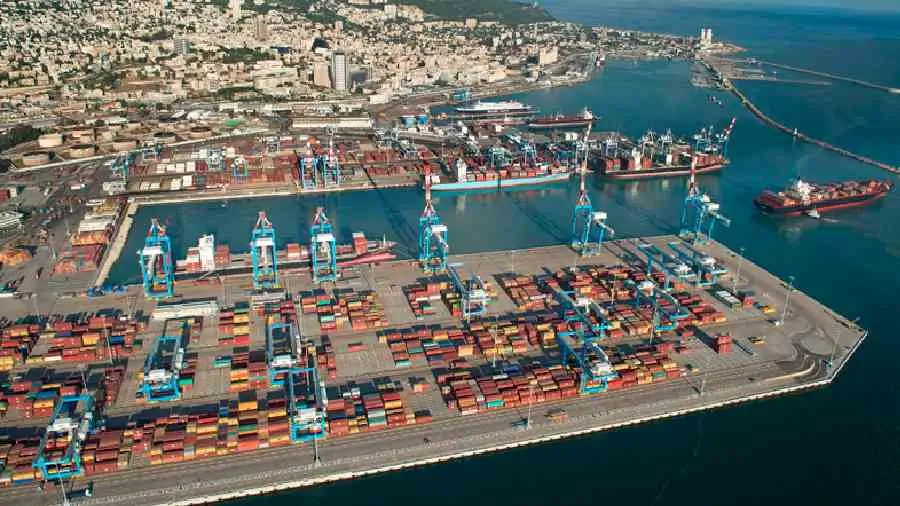
The main United Nations agency providing aid to Palestinians in Gaza, the United Nations Relief and Works Agency for Palestinian Refugees in the Near East (UNRWA), is facing a critical situation. A shipment containing one month’s worth of food for 1.1 million people is currently blocked in the Israeli port of Ashdod, raising concerns about a growing humanitarian crisis in Gaza.

The hold-up comes amidst rising tensions between Israel and UNRWA. Israel has accused 12 UNRWA staff members of involvement in a Hamas-led attack in October 2023, leading several donor countries to temporarily suspend funding. UNRWA vehemently denies these accusations and has launched an internal investigation.

“We have an environment here which is for the time being quite hostile to the agency,” said UNRWA head Philippe Lazzarini. He further stated that they were informed by a contractor handling services in the port that they could no longer work with UNRWA due to Israeli authorities’ instructions. This resulted in the blockage of the crucial shipment from Turkey, containing essential supplies like flour, chickpeas, sugar, and cooking oil.

Gaza already faces a dire humanitarian situation, with hundreds of thousands struggling with acute deprivation and hunger. The Israeli blockade restricts the movement of goods and people, severely impacting the economy and basic necessities. This latest development with the blocked aid shipment threatens to exacerbate the crisis further.

UNRWA was established in 1949 following the 1948 war that led to the creation of Israel. Its mandate is to provide assistance and protection to Palestinian refugees who were forced from their homes or fled during the conflict. Over the years, the agency has provided essential services like education, healthcare, and social support to millions of Palestinians across the region.

Also Read: Global Oil Buyers are Buying Local amid the Red Sea Crisis

The current situation raises critical questions about the politicization of humanitarian aid and the impact on vulnerable populations. The Israeli accusations against UNRWA staff remain unproven, and blocking essential supplies based on such allegations raises concerns about collective punishment and the violation of international humanitarian law.

The international community needs to step up and urge Israel to immediately allow the passage of the blocked aid shipment. Additionally, addressing the root causes of the conflict and finding a lasting solution to the Israeli-Palestinian issue is crucial to avoid future humanitarian crises in Gaza and the region.

conclusion

The UN food aid blockade in the Israeli port highlights the precarious situation in Gaza and the complex challenges faced by UNRWA. Addressing the immediate humanitarian needs while finding a diplomatic solution to the underlying conflict remains paramount to ensure the well-being and dignity of millions of Palestinians.

Click here to follow our Social Media Account to get updates like this

Global Oil Buyers are Buying Local amid the Red Sea Crisis

6th February 2024

Red Sea crisis shift global oil buyer to buying Local

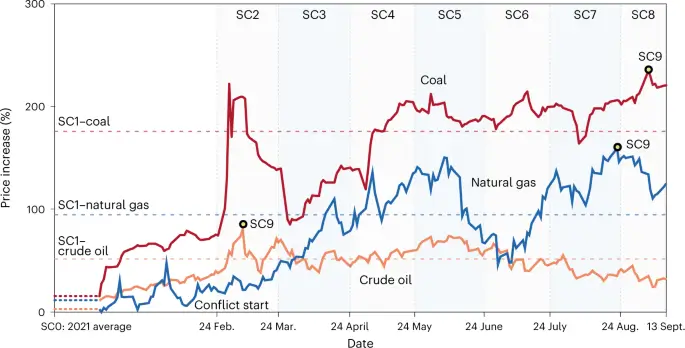
Regionalization is taking place in the once-bustling global oil market, owing to a combination of factors including growing Red Sea instability, rising freight costs, and strategic concerns. This movement is changing trade patterns and modifying the landscape of oil business, driven by recent militant attacks and economic concerns.

Chaos at the Crossroads

The Red Sea, a critical artery for maritime oil transport, has become a hotbed of piracy and militant activity. These incidents, coupled with geopolitical tensions, have escalated shipping risks and pushed insurance premiums upwards. Consequently, the allure of geographically closer sources of oil is becoming increasingly irresistible for buyers seeking to mitigate these uncertainties and manage costs.

Emerging Regional Blocs

This dynamic is leading to the emergence of distinct, localized trading regions. One region centers around the Atlantic Basin, encompassing the North Sea and the Mediterranean. The other encompasses the Persian Gulf, the Indian Ocean, and East Asia. While some oil trade still persists between these regions via the longer and pricier route around the tip of Africa, recent buying patterns indicate a growing disconnect.

Also Read: Indian Refiners Return to Iraq as Russia Loses Grip on Top Supplier Spot

Europe Seeks New Shores

The impact is evident in Europe, where refineries are diversifying their crude sources to minimize exposure to Red Sea risks and high freight costs. Refineries skipped purchases of Iraqi Basrah crude last month, opting instead for North Sea and Guyana crudes. This shift reflects a broader trend of European buyers turning inwards, focusing on regional supplies.

Transatlantic Leap

The trend extends beyond Europe. Kpler data reveals a surge in crude loadings from the US to Asia. This transatlantic journey, once considered economically unviable, is gaining traction as the price differential between US and Brent crude narrows, making long-distance shipments more attractive.

Canal Traffic Dries Up

The Suez Canal, once a symbol of interconnectedness, is witnessing a decline in transit volumes. Kpler reports a 23% decrease in oil tanker transits last month, further evidence of the shift towards regionalized trade. Similar drops are observed in liquefied petroleum gas and liquefied natural gas transits, highlighting the broader impact on energy flows.

Disrupted Flows, Rippling Effects

The reshaping of trade routes is disrupting traditional trade flows. Diesel and jet fuel shipments from India and the Middle East to Europe, along with European fuel oil and naphtha exports to Asia, have been significantly impacted. This disruption is reflected in regional price fluctuations, with Asian naphtha prices hitting a two-year high due to concerns about sourcing the product from Europe.

Costly Consequences

The Red Sea’s volatility is pushing up global oil transport costs. Kpler estimates that Suezmax crude tanker rates from the Middle East to Northwest Europe have jumped by nearly 50% since mid-December. This translates to an additional $2 per barrel for transporting oil from Asia to Europe, further incentivizing regional sourcing.

Source: nature.com

Geopolitical Headaches

Adi Imsirovic, director of consultancy Surrey Clean Energy, said “Geopolitics are not good for trade.” The uncertainties and risks associated with Red Sea instability are forcing a recalibration of the global oil market, with regionalization emerging as a key coping mechanism.

Conclusion

The Red Sea’s turmoil is acting as a catalyst, accelerating a pre-existing trend towards regionalization in the oil market. This shift, driven by economic and security concerns, will likely have long-term implications for trade patterns, energy security, and geopolitical dynamics. As the world adapts to this evolving landscape, one thing is certain is the days of a truly globalized oil market may be numbered.

Demand for Logistics Parks & Warehousing Explodes in India

29th January 2024

Logistics Parks and Warehousing demand increases in India

India’s logistics sector is witnessing a seismic shift, driven by a booming demand for modern logistics parks and warehousing facilities. According to a recent report by CBRE South Asia, warehousing lease transactions across eight major Indian cities reached a record 39 million square feet in 2023, marking an impressive 8% increase from the previous year. This surge underscores the nation’s accelerating e-commerce growth, burgeoning manufacturing prowess, and ambitious government initiatives that are fueling an unprecedented demand for efficient supply chain solutions.

Leading the charge are global logistics giants like US-based private equity behemoth Blackstone, which plans to expand its warehousing portfolio in India by 2.5 times, reaching a staggering 100 million square feet within the next 3-5 years. Blackstone has already partnered with realty major Hiranandani Group to establish GreenBase Industrial & Logistics Parks across key Indian cities, demonstrating the immense faith global investors have in the sector’s potential.

Logistics Parks & Warehousing in India

ESR Group, Asia Pacific’s largest real estate asset manager, is another major player making significant inroads into the Indian market. ESR recently acquired a substantial stake in LOGOS India, a leading developer of Grade A industrial and logistics facilities, signaling its commitment to capitalizing on the nation’s booming logistics landscape. Similarly, Singapore-based CapitaLand has announced plans to invest $400 million in developing industrial parks and logistics facilities in India, further intensifying the competitive landscape.

Also Read : PIL Academy Sets Sail: Upskilling the Workforce in Maritime Transport and Logistics

Beyond private players, the Indian government is playing a crucial role in propelling the logistics sector forward. Initiatives like the development of Multimodal Logistics Parks (MLPs) aim to create integrated facilities with seamless connectivity between various modes of transportation, from rail and road to air and waterways. These MLPs promise significant efficiency gains and cost reductions for logistics players, further spurring investment and activity.

Furthermore, the government’s focus on electric mobility and giga factories projects is creating additional tailwinds for the warehousing sector. With a booming electric vehicle ecosystem on the horizon, the need for modern warehousing facilities to store and distribute EV components and finished products is expected to skyrocket. Similarly, the government’s ambitious plan to establish giga factories for lithium-ion battery production will necessitate specialized warehouse infrastructure, presenting lucrative opportunities for developers and investors.

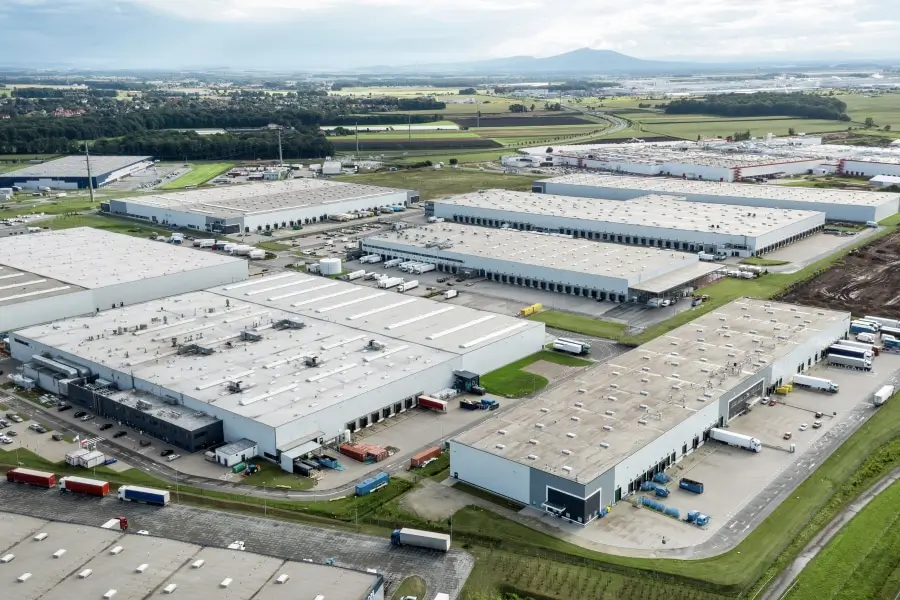
Unquestionably, the logistics industry in India has a promising future. The industry is expected to grow at an exponential rate in the upcoming years due to strong demand, strategic investments from international players, and supportive government policies. Good logistics parks and warehousing facilities will remain in high demand as businesses in all sectors struggle with intricate supply chains and want quicker delivery times. And with a market that is both competitive and dynamic, driven by both public and private initiatives, India is well-positioned to become a global logistics powerhouse, drawing in more capital and presenting exciting opportunities for all parties involved.

ITF declares rise in Seafarer Abandonment in 2023 is “Unacceptable”

24th January 2024

Report: ITF declares rise in Seafarer Abandonment is “Unacceptable”

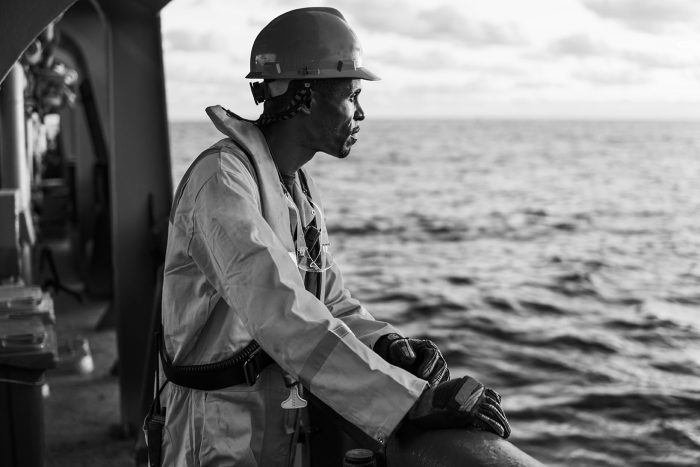
The International Transport Workers’ Federation (ITF) has released alarming data regarding the exploitation of seafarers, showing an 11% rise in cases of crew abandonment in 2023 over 2022. This alarming number reflects the 132 ships that have been reported abandoned, leaving seafarers stranded and in helpless circumstances.

According to the Maritime Labour Convention (MLC) 2006 , a ship is deemed abandoned if the shipowner loses away contact with the crew, does not pay wages for a minimum of two months, or does not cover the cost of repatriation or necessary support. Often leaving seafarers penniless and without basic necessities, these ruthless acts trap them in a state of limbo.

Seafarer Abandonment
Image Credits: IMO

The ITF report reveals an alarming pattern of rising unpaid wages. The remarkable $12.1 million in unpaid wages from the 129 cases that were reported in 2023 demonstrated a blatant pattern of exploitation. Regrettably, since 2019, this number has been rising steadily, indicating a systematic disregard for the fundamental rights of seafarers.

However, the ITF refuses to stand idly by. Their relentless efforts have borne fruit, with over $10.9 million recovered in owed wages from 60 abandoned vessels. This demonstrates their invaluable role in holding exploitative shipowners accountable and providing much-needed relief to affected seafarers.

Also Read: After a drone attack Russia suspends operations at the fuel export terminal

Steve Trowsdale, the ITF Inspectorate Coordinator, called the increase in abandonments “unacceptable” and said it was “a consequence of an industry where the seafarer can be a throw-away commodity.” Criticizing the “greed and non-compliance of ship owners,” he went on to highlight the human cost of their deeds.

According to the ITF report, with 23 cases in 2023, Panama, the largest flag state in the world, had the highest number of abandonments. Liberia and the Marshall Islands are the second and third largest flag states in the world, respectively, but they did not rank among the eight flag states with the highest number of abandonments in 2023.

Conclusion

The ITF’s report presents a disconcerting image of disregard and abuse in the marine sector. A sobering reminder of these vital workers’ vulnerability is the growing number of unclaimed wages and abandoned seafarers. To end this cruel practice, governments, flag states, and industry stakeholders must work together with the ITF. We can only guarantee that seafarers—the backbone of international trade—get the respect and safety they are due by working together.