US, Philippines Flex Military Muscle in South China Sea with Decommissioned Tanker Sinking

9th May 2024

Report : US, Philippines sink ship in S. China Sea drills

Laoag, Philippines – In a display of combined military power, the United States and the Philippines conducted a joint military exercise in the South China Sea, culminating in the sinking of a decommissioned tanker vessel. The exercise, Balikatan (meaning “shoulder-to-shoulder” in Tagalog), is an annual event designed to strengthen ties and improve interoperability between the two nations’ militaries. This year’s iteration, Balikatan 39-2024, drew particular attention due to the chosen target – a decommissioned, China-made tanker named BRP Lake Caliraya.

The sinking exercise involved a complex choreography of air and naval assets from both countries. Philippine Navy vessels, including the frigate BRP Jose Rizal, launched anti-ship missiles alongside Philippine Air Force fighter jets and helicopters. US participation included F-16 fighter jets, an AC-130 gunship, and a P-8 Poseidon maritime patrol aircraft. Notably, Australia also contributed to the exercise with participation from their Air Force. The BRP Lake Caliraya, a small tanker retired from service in 2020, was purposefully positioned and ultimately sunk after a barrage of attacks.

Source: News9 Live

Military officials from both sides emphasized the focus on honing skills and practicing coordinated responses. Lieutenant Colonel Omar Al Assaf, the lead Philippine planner for the exercise, highlighted the scenario: “This mission simulates preventing an aggressor from landing on Philippine soil. The ability of both the US and the Filipino army and air force to work together to achieve this is extremely lethal.” Lieutenant Colonel Matt Cahill, a US Army unit commander participating in Balikatan, echoed the sentiment, comparing the drills to team sports where practice is crucial for success.

Also Read : Red Sea Reroute: Houthi Attacks Drive Up Carbon Emissions by Millions

The selection of the BRP Lake Caliraya, a Chinese-made vessel, did raise eyebrows. Philippine Navy Chief Vice Admiral Toribio Adaci downplayed any symbolism, stating that “the vessel has been used in the Philippines for a long time. So any attachment, if ever there is, doesn’t matter at all.” However, analysts suggest the choice might hold a subtle message. The South China Sea is a contested region, with China claiming vast swathes of the waterway despite objections from several Southeast Asian nations, including the Philippines. Tensions have flared in recent years due to Chinese actions, including the deployment of coast guard vessels and maritime militia to intimidate and harass Filipino fishermen and officials. The sinking exercise, with its focus on smaller, less expensive munitions, could be seen as a way to showcase the capability to counter China’s growing coast guard fleet and militia presence.

The US involvement in Balikatan also carries geopolitical weight. The US maintains a long-standing alliance with the Philippines, and these exercises are seen as a way to reassure regional allies of American commitment to maintaining freedom of navigation in the South China Sea. The participation of Australia, another US ally with growing concerns about China’s assertiveness, further underscores the strategic message being sent.

Conclusion

The sinking of the BRP Lake Caliraya during Balikatan 39-2024 is more than just a military exercise. It serves as a potent symbol of the growing tensions in the South China Sea. While the focus is on interoperability and preparedness, the choice of target and participation of regional allies like Australia hint at a broader strategic message aimed at deterring Chinese adventurism. The coming years are likely to see continued focus on the South China Sea, with military exercises and diplomatic maneuvers playing a key role in shaping the future of this strategically vital region.

Also Read : Houthis Target India-Bound Oil Tanker in Red Sea Attack
Indian Coast Guard Detains Iranian Vessel with Indian Crew off Kerala Coast

8th May 2024

Report : Indian Coast Guard intercepts Iranian boat with Indian crew off Kerala.

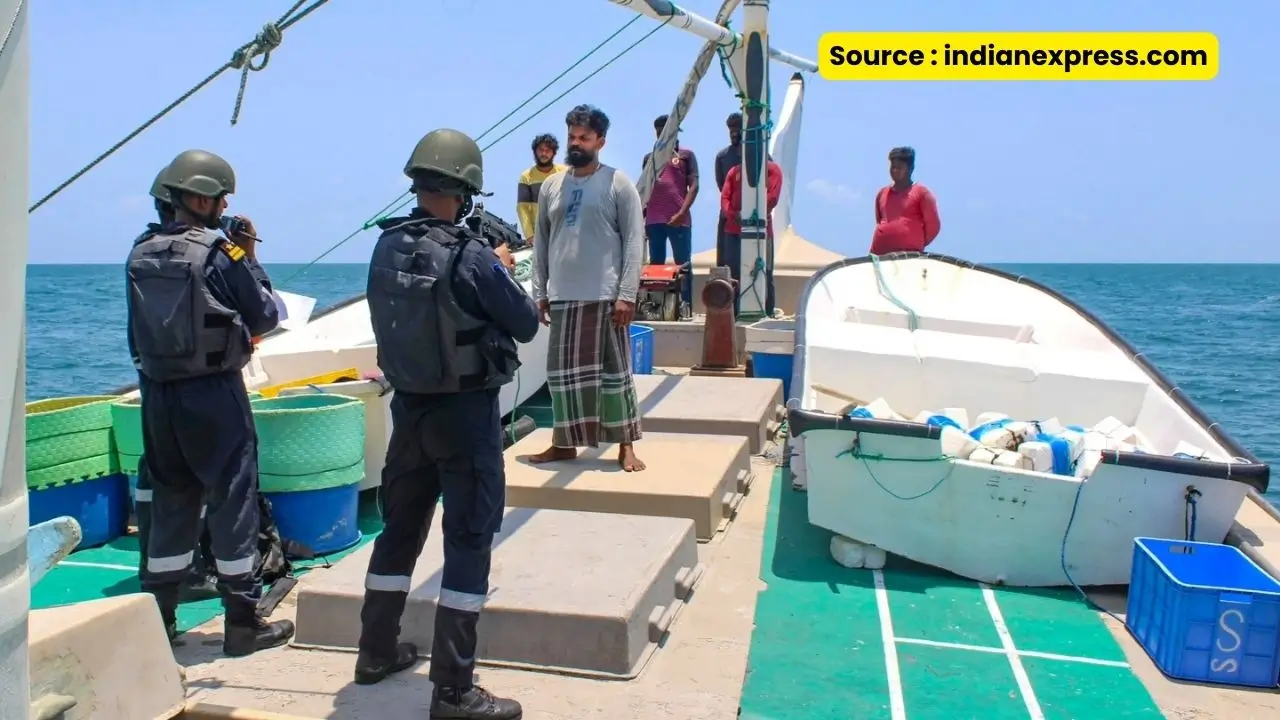
On May 5, 2024, in a swift operation involving both ships and aircraft, the Indian Coast Guard (ICG) detained an Iranian fishing vessel off the coast of Kerala, near Beypore. The vessel, which was intercepted west of Beypore, carried six Indian crew members.

The ICG launched a coordinated sea-air operation after detecting the Iranian vessel in Indian waters. Upon intercepting the boat, a team boarded it to conduct a thorough investigation for any potential involvement in illegal activities. The initial investigation revealed a complex story behind the vessel’s presence in Indian waters.

According to the Indian Ministry of Defence, the boat was owned by an Iranian sponsor who had hired the six Indian fishermen, all hailing from Tamil Nadu. The fishermen were issued Iranian visas specifically for fishing off the Iranian coast. However, the situation took an unexpected turn when the crew members alleged mistreatment by the Iranian sponsor. They claimed the sponsor subjected them to poor living conditions, withheld their passports, and deprived them of basic necessities. Faced with these hardships, the Indian fishermen decided to take a daring escape and used the same Iranian boat to return to India.

The ICG’s swift action ensured the safe detention of the vessel and its crew. Following the initial investigation, the detained vessel was escorted to Kochi for further inquiries. This included verifying the claims of the Indian fishermen and determining if any laws were broken by either party.

The incident highlights the challenges faced by Indian fishermen working abroad. While details regarding the specific contract between the fishermen and the Iranian sponsor are yet to be revealed, the case raises concerns about potential exploitation and the importance of ensuring proper working conditions for Indian nationals employed overseas. The Indian government, through its embassies and consulates, is likely to play a crucial role in ensuring the well-being of the fishermen and facilitating their safe return home.

Also Read : Houthis Revive Red Sea Attacks, Target Container Ship in Gulf of Aden

The Iranian government may also be contacted to understand the sponsor’s perspective and determine if any violations of Iranian labor laws occurred. Depending on the findings of the investigation, diplomatic channels might be used to address any issues and potentially prevent similar situations in the future.

The ICG’s operation demonstrates its vigilance in protecting India’s maritime borders. The swift detention of the Iranian vessel ensured that no security threats materialized. The incident also serves as a reminder of the importance of international cooperation in addressing issues related to labor practices and ensuring the safety of fishermen working across borders.

Conclusion

The ICG’s apprehension of the Iranian vessel with Indian crew off the Kerala coast highlights a complex situation. While the fishermen’s claims of mistreatment require further investigation, the incident underscores the need for better protection of Indian nationals working abroad. Further developments in this case will likely involve inquiries by Indian authorities, potential contact with the Iranian government, and efforts to ensure the safe return of the fishermen.

Also Read : 5th Body Recovered from Wreckage of Baltimore Bridge

NMPA Equips Stakeholders for Smoother Sailing: Workshop Addresses Maritime Adversities

7th May 2024

Report : NMPA Workshop Helps Stakeholders Prepare for Maritime Challenges

The New Mangalore Port Authority (NMPA) took a proactive step towards ensuring maritime safety and efficiency by organizing a workshop on “Maritime Adversities” in Mangaluru. This initiative, held on [date of workshop], aimed to enhance awareness and preparedness among all stakeholders involved in the maritime industry.

The workshop brought together a diverse group of participants, including port users, shipping companies, regulatory bodies, and environmental experts. This assemblage fostered a collaborative environment for discussing the challenges faced at sea and formulating strategies to mitigate potential risks.

Highlighting Monsoon Woes and Beyond

In his presidential address, Dr. A. V. Ramana, Chairman of NMPA, emphasized the importance of addressing maritime adversities, particularly in the context of the region’s volatile monsoon conditions. The Arabian Sea, he pointed out, poses a significant threat to maritime operations from June to November due to its unpredictable weather patterns.

Dr. Ramana went beyond the immediate concern of monsoons and stressed the need for stakeholder awareness regarding various maritime challenges. These included:

  • Vessel Fitness Regulations: Ensuring vessels comply with safety and operational standards is crucial for preventing accidents and pollution. The workshop likely delved into the importance of regular inspections, adherence to maintenance schedules, and crew training on safety protocols.
  • Rogue Vessels: The presence of rogue vessels, those operating illegally or without proper authorization, poses a serious threat to maritime security and safety. The workshop might have addressed strategies for identifying and reporting such vessels to the authorities.
  • Collaboration Among Stakeholders: Effective communication and collaboration between various stakeholders, including port authorities, shipping companies, and regulatory bodies, are essential for ensuring smooth and safe maritime operations. The workshop likely emphasized the importance of establishing clear lines of communication and protocols for responding to emergencies.

Also Read : IAPH Joins Forces with Indian Ports at International Ports Conclave

Proactive Measures and Future Developments

The NMPA, demonstrating its commitment to maritime safety, outlined its proactive measures to prevent incidents and pollution. These measures might have included the development of Standard Operating Procedures (SOPs) for emergency situations and regular training exercises for port personnel.

The workshop also served as a platform for the NMPA to announce upcoming infrastructure projects as part of the port’s Golden Jubilee year celebration in 2025. These advancements are likely to further enhance the port’s capacity and efficiency, contributing to the overall growth of the maritime industry in the region.

Conclusion: Building Resilience for a Thriving Maritime Industry

The NMPA’s workshop on “Maritime Adversities” serves as a commendable effort to address the challenges faced by the maritime industry. By bringing together stakeholders, raising awareness, and promoting collaborative action, the NMPA is paving the way for a more resilient and sustainable maritime sector. This, in turn, will benefit coastal communities, promote trade, and ensure the safe passage of goods and people across the seas.

Also Read : Vizhinjam Gears Up: Breakwater Complete, Trial Cargo Run in June

IAPH Joins Forces with Indian Ports at International Ports Conclave

6th May 2024

Report : IAPH teams up with Indian ports at 1st International Conclave.

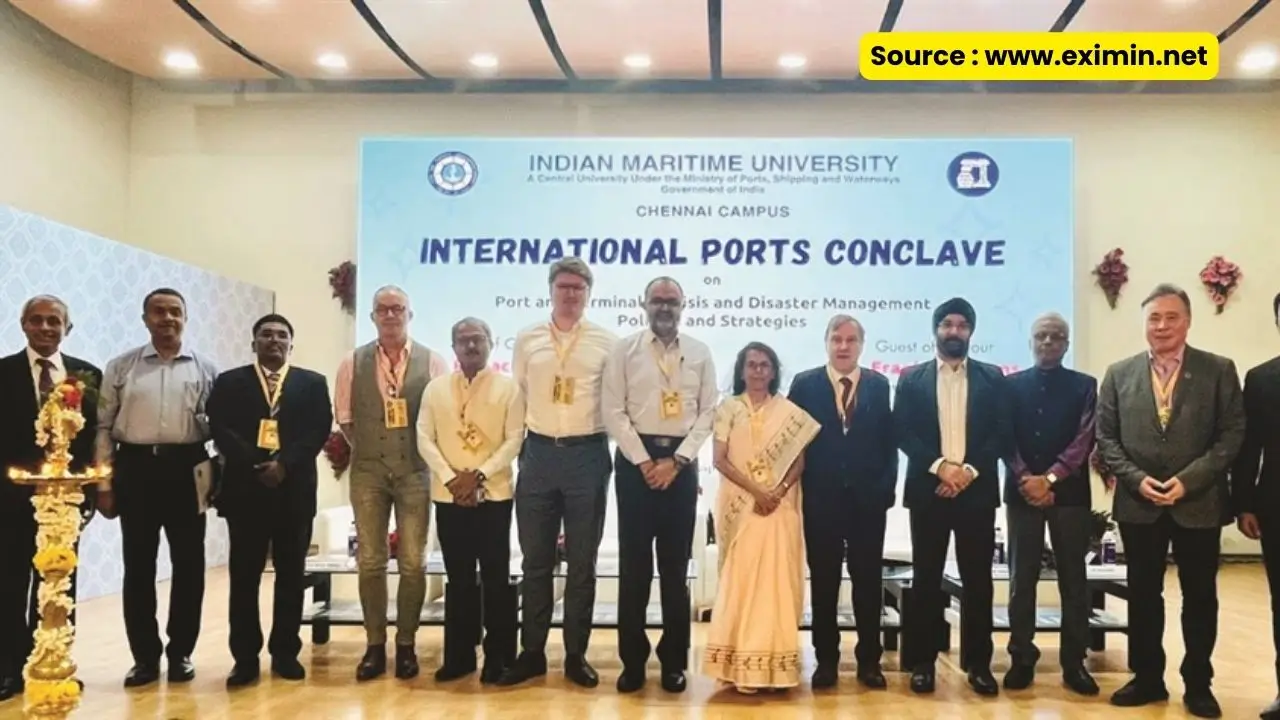
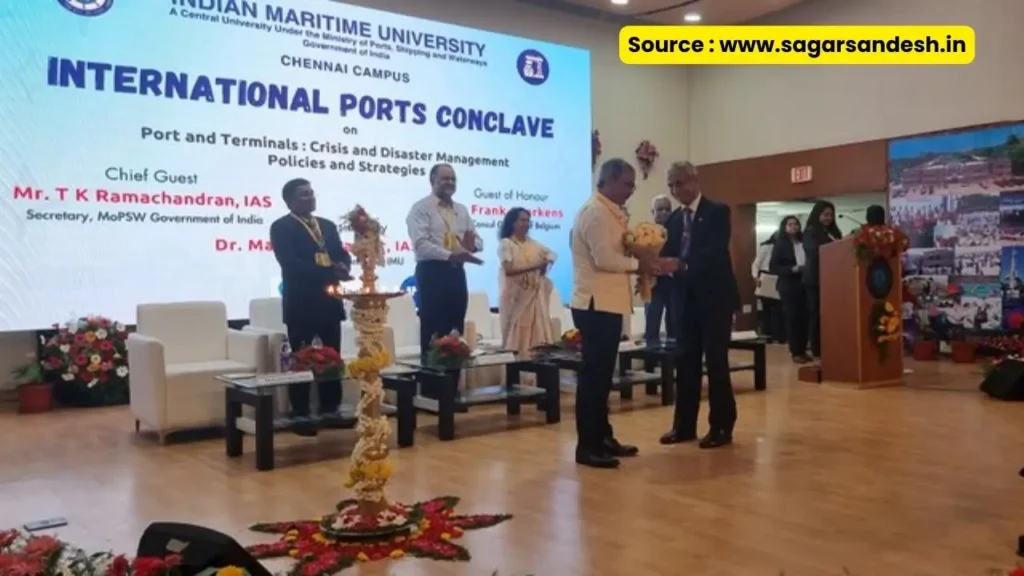
The Indian Maritime University (IMU) hosted its first-ever International Ports Conclave on May 3rd, 2024, marking a significant step towards fostering collaboration and knowledge exchange within the maritime sector. The event, held at the IMU’s main campus near Chennai, brought together a distinguished gathering of stakeholders, including representatives from the International Association of Ports and Harbors (IAPH), the Indian Ministry of Ports, Shipping and Waterways, leading Indian port authorities, academics, logistics innovators, and students.

The conclave’s theme, “Ports and Terminals: Crisis and Disaster Management – Policies and Strategies,” resonated deeply in the current global climate. With an increasing frequency of extreme weather events and disruptions to international trade, effective crisis management strategies have become paramount for port operations. The event provided a platform for in-depth discussions on best practices, risk mitigation techniques, and fostering resilience within port infrastructure.

A key highlight of the conclave was the participation of the IAPH, the world’s leading association for port authorities and related businesses. IAPH actively engaged with Indian ports, playing a crucial role in facilitating knowledge exchange and collaboration. This included co-hosting the “Port Endeavor” business simulation game, a unique learning experience for port management executives and IMU students.

The game, designed by IAPH, presented participants with a realistic scenario where they had to manage a port amidst various challenges, including natural disasters, economic disruptions, and logistical bottlenecks. Working together in teams, participants had to make critical decisions regarding resource allocation, infrastructure upgrades, and emergency response protocols. This interactive exercise provided valuable insights into crisis management strategies and fostered a sense of teamwork between industry professionals and future maritime leaders.

Also Read : US Sanctions Over a Dozen Firms, Including 3 Indian, for Alleged Iran Trade Ties

The conclave’s success was further bolstered by the presence of high-level dignitaries. The event was inaugurated by the Shipping Secretary of the Ministry of Ports, Shipping and Waterways, alongside the Vice-Chancellor of IMU and the Consul General of Belgium to India. This participation from government officials underscored the importance of collaboration between academic institutions, industry leaders, and policymakers in shaping the future of India’s maritime sector.

Conclusion

The inaugural International Ports Conclave at IMU signifies a positive step towards strengthening India’s position in the global maritime landscape. The participation of IAPH and the focus on crisis management highlight the industry’s commitment to building resilience and adapting to a dynamic global environment. The event’s success paves the way for future collaborations and fosters a culture of knowledge exchange between experienced professionals and the next generation of maritime leaders. This collaborative approach will be instrumental in ensuring the smooth functioning of Indian ports and their continued contribution to the nation’s economic growth.

Also Read : Red Sea Reroute: Houthi Attacks Drive Up Carbon Emissions by Millions

Visakhapatnam Port Makes History by Berthing Massive Container Ship MSC Teresa

6th May 2024

Report : Visakhapatnam Port welcomes largest ever container ship to call on India’s East Coast.

The Visakhapatnam Port Authority (VPA) etched its name in maritime history on May 3rd, 2024, by successfully handling the largest container vessel ever to call at an Indian port on the east coast. The behemoth, christened MSC Teresa, dwarfed previous contenders with its impressive dimensions and cargo capacity.

The MSC Teresa boasts a staggering length of 365.5 meters (almost four football fields!) and a beam (width) of 51.2 meters. This translates to a massive carrying capacity of 14,604 Twenty-foot Equivalent Units (TEUs). A TEU is a standardized container size used to measure a ship’s cargo capacity. For perspective, the MSC Teresa can carry enough containers to stretch for over 68 kilometers if placed end-to-end.

The arrival of the MSC Teresa marks a significant milestone for the VPA’s ongoing efforts to modernize and expand its infrastructure. Efficient berthing of such a colossal vessel wouldn’t have been possible without meticulous planning and cutting-edge port facilities. According to a VPA press release, Captains T. Ravi Kiran and R.C. Sarma, ably assisted by Dy. Conservator Sri T. Srinivas, played a pivotal role in berthing the MSC Teresa at the VCTPL (Visakhapatnam Container Terminal Private Limited) facility.

Visakhapatnam Port MSc Teresa

The successful handling of the MSC Teresa signifies the growing importance of Visakhapatnam Port as a major commercial hub in India. The ability to accommodate such large vessels opens doors to increased trade volumes and strengthens India’s position in the global maritime trade network. This achievement is particularly noteworthy considering the ever-growing size of container ships. As international trade flourishes, larger vessels are being built to meet the demand for efficient and economical cargo transportation. Ports that can efficiently handle these giants stand to gain a significant competitive advantage.

Also Read : Vizhinjam Gears Up: Breakwater Complete, Trial Cargo Run in June

The VPA’s accomplishment is a testament to India’s commitment to developing world-class port infrastructure. Upgrading existing facilities and building new ones equipped to handle mega-ships is crucial for the country’s economic growth. Efficient port operations translate to faster cargo movement, reduced logistics costs, and ultimately, a boost to exports and imports.

This landmark event is likely to have a ripple effect across various sectors. It could potentially attract new shipping lines and businesses to Visakhapatnam, leading to increased investment and job creation in the region. Additionally, the successful handling of the MSC Teresa serves as a benchmark for other Indian ports, encouraging them to invest in infrastructure upgrades to keep pace with the evolving maritime landscape.

Conclusion

The arrival of the MSC Teresa at Visakhapatnam is a watershed moment for India’s maritime industry. It showcases the country’s growing prowess in handling mega-ships and reinforces its commitment to becoming a global leader in maritime trade. This achievement paves the way for a brighter future for Visakhapatnam Port and the Indian economy as a whole.

Also Read : Bharat Gains Strategic Advantage in Indian Ocean Power Play with Sittwe Port Operations

Vizhinjam Gears Up: Breakwater Complete, Trial Cargo Run in June

4th May 2024

Report : Vizhinjam port nears completion: Breakwater done, trial cargo run in June.

Marking a significant milestone, the construction of the crucial 3-kilometer-long breakwater at the Vizhinjam International Seaport in Thiruvananthapuram is finally complete. This paves the way for the commencement of trial cargo operations in June, bringing Kerala a step closer to realizing its dream of a world-class port facility.

The Ports Minister, V N Vasavan, recently visited the port to inspect the newly built breakwater and other ongoing works. He announced the exciting news of trial runs starting in the second week of June. This initial phase will involve the loading and unloading of cargo containers using barges, simulating the actual port operations.

The successful completion of the breakwater is a major achievement, considering its importance in safeguarding the port from strong waves and currents. This vital structure will ensure smooth berthing of ships and minimize the risk of damage during rough weather conditions.

Following the successful trial runs, the official commissioning of the port is targeted for the upcoming Onam festival, a much-anticipated harvest festival celebrated in Kerala. This would be a significant gift to the state, boosting its economic prospects.

Trial Cargo Run in June

Trial Runs and Preparations

The trial cargo movement will involve transporting containers on barges to the port for loading and unloading. This will allow authorities to test the port’s operational efficiency and identify any potential challenges before full-fledged operations commence.

The Vizhinjam International Seaport Company Limited (VISPCL), the entity responsible for developing and operating the port, has assured its readiness for the trial runs. They have made all necessary technical arrangements and secured the services of qualified experts to oversee the process.

Also Read : Vizhinjam International Seaport cargo trial run will commence in May

A crucial aspect of port operations is the availability of adequate cargo handling equipment. VISPCL has prioritized this and reports that 27 out of the required 32 cranes have already been imported from China. These cranes include 21 yard cranes for handling containers within the port and 6 ship-to-shore cranes for transferring cargo between ships and the harbor. The remaining five cranes are expected to arrive before May 25th.

Economic Boon for Kerala

The Vizhinjam International Seaport is envisioned to be a game-changer for Kerala’s economy. It is expected to attract significant investments, boost international trade, and create numerous job opportunities across various sectors like logistics, shipping, and related industries.

The port’s strategic location on the Indian Ocean coast positions it well to serve as a major transshipment hub, connecting South Asia to other parts of the world. This will not only benefit Kerala but also contribute to the overall growth of India’s maritime trade.

Conclusion

The completion of the breakwater at Vizhinjam International Seaport marks a significant turning point in the project’s development. The upcoming trial cargo runs in June will provide valuable insights and pave the way for the port’s official commissioning, offering a significant boost to Kerala’s economic future. With its state-of-the-art infrastructure and strategic location, Vizhinjam has the potential to become a major maritime gateway for India, fostering international trade and propelling the state towards a brighter economic future.

Also Read : Global Supply Chains Strain Under Pressure from Red Sea Crisis

5th Body Recovered from Wreckage of Baltimore Bridge

3rd May 2024

Report : Baltimore bridge collapse: Divers find 5th victim.

Baltimore Bridge, MD (May 2nd, 2024) – Divers have recovered the remains of Miguel Angel Luna Gonzalez, 49, from the wreckage of the Francis Scott Key Bridge, marking the fifth confirmed fatality from the tragic collapse on March 26th. Luna Gonzalez, a Glen Burnie resident, was one of six construction workers who were reported missing after the bridge was struck by a cargo ship and plunged into the Patapsco River.

The discovery brings the confirmed death toll to five, with one worker, critically injured, the sole survivor. Luna Gonzalez’s body was found inside a submerged construction vehicle located by salvage teams during ongoing debris clearance efforts.

“Our hearts ache for the Luna Gonzalez’s family and all those impacted by this tragedy,” stated Colonel Roland L. Butler, Jr., Superintendent of the Maryland State Police, in a press release. “We extend our deepest sympathies and unwavering support during this incredibly difficult time.”

The Unified Command, a multi-agency task force overseeing the search and recovery operation, had previously acknowledged the possibility of finding remains trapped in hard-to-reach areas of the collapsed bridge.

Luna Gonzalez’s identification follows the recovery of four other construction workers: Dorlian Castillo Cabrera, 26, from Guatemala; Maynor Suazo Sandoval, 38, from Honduras; Alejandro Hernandez Fuentes, 35, from Mexico; and an unnamed worker from Mexico who was in his twenties.

Baltimore Bridge
Luna Gonzalez's

The cause of the bridge collapse remains under investigation by the National Transportation Safety Board (NTSB) alongside local and federal authorities. The initial focus centers on the actions of the cargo ship, the “Dali,” and potential communication breakdowns during the early morning hours of the incident.

The bridge collapse has had a devastating impact on Baltimore’s infrastructure and community. The 1.6-mile long bridge served as a vital transportation artery, connecting the city’s downtown core with points south. The economic ramifications are significant, with ongoing repairs and a temporary bridge replacement project expected to cost hundreds of millions of dollars.

Also Read : Hapag-Lloyd Revolutionizes Tracking with “Live Position,” the First Fleet-Wide Dry Container Tracking Product

Beyond the economic toll, Baltimore grapples with the human cost. The six construction workers were part of a Brawner Builders crew performing routine maintenance when the disaster struck. Tributes and memorials have poured in for the victims, highlighting their contributions to the city’s infrastructure and the tragic loss of life.

The search for the remaining missing worker continues, with the Unified Command emphasizing their commitment to a thorough and respectful recovery effort. Meanwhile, the investigation into the cause of the collapse is ongoing, aiming to prevent similar tragedies in the future.

The Baltimore Key Bridge collapse serves as a stark reminder of the risks associated with aging infrastructure and the importance of safety protocols in construction zones. As the search for the final victim continues, the city mourns the loss of its fallen workers and embarks on a long road to recovery.

Conclusion

The recovery of Miguel Angel Luna Gonzalez’s body brings a somber conclusion to a search that captivated Baltimore. While the search for the remaining worker continues, the focus shifts towards rebuilding – both the physical infrastructure and the spirit of a city forever marked by this tragedy. The investigation into the cause of the collapse carries the weight of ensuring such an event never happens again.

Also Read : Vizhinjam International Seaport cargo trial run will commence in May

Houthis Launch Drone and Missile Attacks on Four Ships in Red Sea and Indian Ocean

2nd May 2024

Report : The Houthi movement carried out drone and missile strikes against four vessels in the Red Sea and Indian Ocean

In a significant escalation of tensions, Iran-backed Houthi rebels launched attacks on four vessels in the Red Sea and Indian Ocean on Tuesday. The targeted ships included a container ship, a commercial vessel, and two US destroyers. The Houthis claimed the attacks were part of their ongoing campaign against international shipping in solidarity with Palestinians and against Israeli actions in Gaza.

The first attack targeted the MV Cyclades, a Greek-owned commercial vessel sailing under the Maltese flag, in the Red Sea. The Houthis claimed to have used drones and missiles in the attack, though the extent of damage remains unclear. The second target was the US destroyer USS Mason, also in the Red Sea. US Central Command (CENTCOM) confirmed the attack but stated there were no casualties or damage to the ship.

The third attack involved the US destroyer USS Winston S. Churchill in the Indian Ocean. Similar to the USS Mason incident, CENTCOM acknowledged the attack but reported no injuries or damage. The final target was the MSC Orion, a container ship sailing in the Indian Ocean. While details are limited, reports suggest the Houthis used a drone in this attack as well.

The Houthi attacks come amidst a period of heightened tensions in the region. The ongoing war in Yemen, which pits the Houthi rebels against a Saudi-led coalition, has created a humanitarian crisis. The Houthis have previously launched attacks on shipping in the Red Sea and Bab al-Mandab Strait, a crucial trade route for global commerce.

Indian Ocean Red Sea

Analysts warn that these latest attacks represent a significant escalation. Targeting US warships directly could lead to a military response. Additionally, the attacks disrupt vital shipping lanes, potentially impacting global trade and raising insurance costs.

“This is a dangerous development,” said Dr. Fatima Ali, a Yemeni political analyst based in Cairo. “The Houthis are trying to internationalize the Yemen conflict and pressure the international community to intervene in their favor. However, these attacks risk sparking a wider conflict with unpredictable consequences.”

Also Read : Red Sea Reroute: Houthi Attacks Drive Up Carbon Emissions by Millions

The international community has condemned the Houthi attacks. The UN Security Council called for an immediate halt to all attacks on civilian vessels. The United States has also expressed its concern and reiterated its commitment to freedom of navigation in the region.

The Houthis have yet to respond to the international condemnation. Their leader, Abdul Malik al-Houthi, has previously threatened further attacks on international shipping if Israel continues its military actions in Gaza.

Conclusion

The Houthi attacks on four vessels in the Red Sea and Indian Ocean represent a worrying escalation in regional tensions. These attacks disrupt vital trade routes, raise security concerns, and risk a wider military confrontation. The international community must work together to de-escalate the situation and find a peaceful resolution to the conflict in Yemen.

Also Read : Houthis Revive Red Sea Attacks, Target Container Ship in Gulf of Aden

Red Sea Reroute: Houthi Attacks Drive Up Carbon Emissions by Millions

1st May 2024

Report : Houthi attacks in Red Sea force ships on longer routes, high carbon emission.

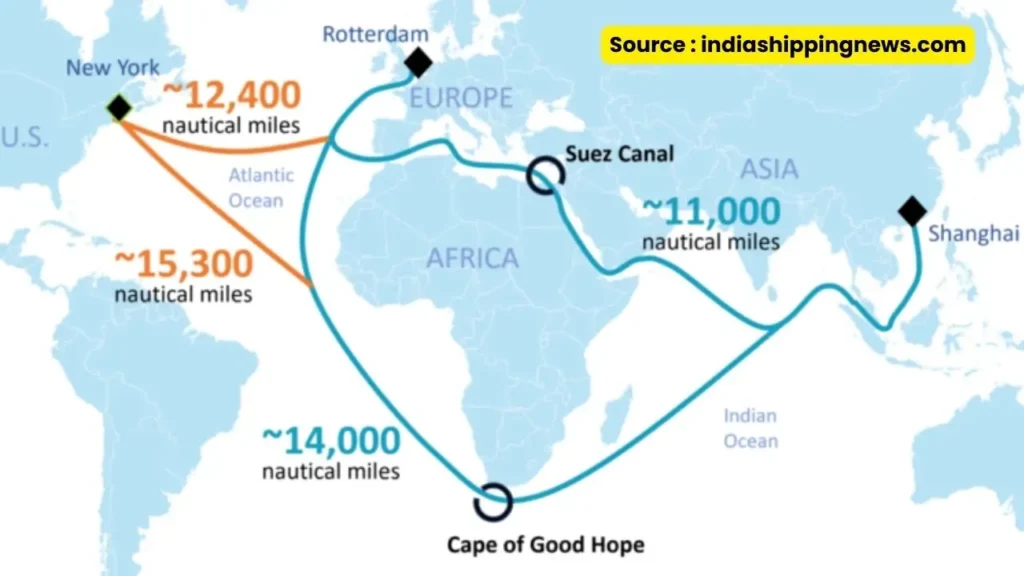
DUBAI, United Arab Emirates (AP) – A dangerous game of cat-and-mouse in the Red Sea is taking a toll on the environment. Houthi rebels in Yemen have launched a series of attacks on commercial shipping, prompting hundreds of vessels to take a much longer route around Africa’s Cape of Good Hope instead of the quicker Suez Canal. This detour, while ensuring safety, comes at a steep price – an estimated 13.6 million tons of additional carbon dioxide (CO2) emissions, equivalent to the pollution of roughly 9 million cars on the road for a year.

The Houthi rebels, a Zaidi Shia group locked in a brutal civil war with Yemen’s Saudi-backed government, have blamed the attacks on Saudi airstrikes targeting their positions. While no major damage or casualties have been reported, the threat has been enough to disrupt vital shipping lanes. Major shipping companies are unwilling to risk their vessels and crews, opting for the longer but safer route around the Cape.

The impact is being felt across the global supply chain. The Suez Canal, a crucial artery for trade between Asia and Europe, has seen a significant drop in traffic. This translates to delays in deliveries and potentially higher costs for consumers. Businesses are grappling with the additional fuel expenses incurred due to the longer journeys.

Carbon Emissions by Millions

The environmental consequences are a growing concern. Consultancy firm INVERTO, a subsidiary of Boston Consulting Group, estimates the extra CO2 emissions from the detours in the past four months alone to be equivalent to the annual pollution of nearly 9 million gasoline-powered passenger vehicles. This comes at a time when reducing greenhouse gases is a top priority for combating climate change.

Efforts to de-escalate the situation have yielded little progress. International calls for a ceasefire in Yemen have largely been ignored, and the Houthis continue to target shipping in the Red Sea. The United States and other Western nations have responded with airstrikes against Houthi positions, further inflaming tensions.

Also Read : Houthis Revive Red Sea Attacks, Target Container Ship in Gulf of Aden

Experts warn that the prolonged standoff could have long-term repercussions. The disruption to shipping routes could incentivize companies to invest in alternative routes, potentially bypassing the Suez Canal altogether. This would have a significant economic impact on Egypt, which relies heavily on canal revenues.

The environmental damage is another pressing issue. The additional carbon emissions from the detours are a setback in global efforts to curb climate change. The longer journeys also pose a risk of increased pollution from accidental spills or engine malfunctions.

Finding a resolution to the conflict in Yemen is crucial for restoring stability in the Red Sea and mitigating the environmental impact. International pressure on all sides is essential to de-escalate the situation and pave the way for a peaceful resolution. Until then, the standoff threatens not only global trade but also the delicate balance of our planet’s climate.

Conclusion

The Houthi attacks in the Red Sea highlight the complex interplay between regional conflicts, global trade, and environmental concerns. While the immediate focus is on ensuring the safety of shipping and crew, a long-term solution lies in resolving the underlying conflict in Yemen. Only through diplomacy and de-escalation can the Red Sea return to being a vital trade route and a sustainable waterway.

Also Read : Over 4,000 Ship Engines Implicated in Japanese Fuel Efficiency Scandal

Hapag-Lloyd Revolutionizes Tracking with “Live Position,” the First Fleet-Wide Dry Container Tracking Product

30th April 2024

Report : Hapag-Lloyd launches “Live Position,” the world’s first full dry container tracking solution.

Hapag-Lloyd, a major player in the global container shipping industry, has taken a significant leap forward in supply chain transparency with the launch of “Live Position,” the first dry container tracking product offered on a fleet-wide scale. This innovative solution leverages Internet of Things (IoT) technology to provide customers with real-time visibility into the location of their shipments throughout the entire transportation journey, from origin to destination.

Prior to “Live Position,” tracking dry containers often relied on limited data points, creating information gaps and hindering real-time decision-making for businesses. Hapag-Lloyd’s pioneering approach equips over two-thirds of its dry container fleet with tracking devices, closing these visibility gaps and offering unprecedented transparency.

“Customers can now enjoy full transparency on the location of their shipments,” said Dr. Maximilian Rothkopf, COO of Hapag-Lloyd. “This eliminates blind spots in global logistics, enabling real-time decision-making and risk mitigation for our customers.”

Hapag-Lloyd  Tracking with "Live Position

Benefits for Businesses and the Industry

Live Position offers a multitude of benefits for businesses that rely on containerized shipping. Here are some key advantages:

  • Enhanced Visibility: Businesses can track the exact location of their cargo at any given time, providing peace of mind and facilitating better planning.
  • Proactive Decision-Making: Real-time location data empowers businesses to make informed decisions regarding their shipments, such as adjusting inventory levels or rerouting deliveries in case of delays.
  • Risk Mitigation: Early identification of potential disruptions allows businesses to take proactive measures to mitigate risks and minimize potential losses.
  • Improved Efficiency: Increased visibility can lead to more efficient supply chain management, potentially reducing storage costs and optimizing delivery schedules.

Also Read : Bharat Gains Strategic Advantage in Indian Ocean Power Play with Sittwe Port Operations

A Pioneering Approach with Future Enhancements

Hapag-Lloyd’s commitment to innovation extends beyond the initial launch of Live Position. The company is actively working on integrating the tracking data with customer operational systems through an API (Application Programming Interface). This will allow for seamless data transfer and further streamline supply chain management processes. Additionally, Hapag-Lloyd is developing features like Estimated Time of Arrival (ETA) prediction, further enhancing the value proposition for its customers.

Industry Impact and the Road Ahead

The launch of Live Position marks a significant milestone in the container shipping industry. Hapag-Lloyd’s commitment to fleet-wide dry container tracking sets a new standard for transparency and paves the way for increased efficiency and risk mitigation across the entire supply chain. As other shipping lines are likely to follow suit and implement similar tracking solutions, the industry can expect a significant improvement in overall visibility and efficiency.

Conclusion

Hapag-Lloyd’s “Live Position” represents a groundbreaking advancement in container tracking. By leveraging IoT technology on a large scale, the company offers unparalleled transparency to its customers, empowering them with real-time data and the ability to make informed decisions. This innovative approach is not only beneficial for individual businesses but is also likely to trigger a positive ripple effect, leading to a more efficient and transparent global supply chain.

Also Read : US Sanctions Over a Dozen Firms, Including 3 Indian, for Alleged Iran Trade Ties

US Sanctions Over a Dozen Firms, Including 3 Indian, for Alleged Iran Trade Ties

27th April 2024

Report : The US imposes sanctions on over a dozen companies, including three from India, accused of facilitating trade with Iran.

On April 26, 2024, the United States Department of Treasury announced sanctions on over a dozen companies, individuals, and vessels for allegedly facilitating illicit trade and transfers of unmanned aerial vehicles (UAVs) on behalf of the Iranian military. The sanctions targeted entities accused of playing a central role in financing and facilitating the “clandestine sale of Iranian unmanned aerial vehicles to Russia’s war in Ukraine,” according to a statement from the Treasury Department.

Three of the sanctioned entities were Indian firms: Zen Shipping, Port India Private Limited, and Sea Art Ship Management (OPC) Private Limited. While the details of their specific involvement remain unclear, the Treasury Department identified a company called Sahara Thunder as the primary “front company” overseeing Iran’s commercial activities related to these efforts. The Indian firms are believed to have provided logistical or shipping support to Sahara Thunder.

The sanctions come amidst heightened tensions between the US and Iran, with the ongoing nuclear deal negotiations remaining stalled. The US has long maintained a complex web of sanctions on Iran, targeting its nuclear program, ballistic missile development, and alleged support for terror groups. The latest sanctions raise concerns about potential strain in US-India relations, as India has historically maintained close economic ties with Iran.

Trade

India’s Response

The Indian government has yet to issue an official statement regarding the sanctions. However, Indian media outlets have reported that diplomatic channels are being utilized to clarify the specific charges against the Indian firms and explore potential avenues for resolving the issue. India is likely to emphasize its independent foreign policy and its longstanding strategic partnership with Iran, particularly in the energy sector.

Also Read : U.S. Sanctions on Russia’s Tanker Group Sovcomflot

Potential Impacts

The US sanctions could have significant economic consequences for the targeted entities. These may include:

  • Blocked access to US financial markets and institutions.
  • Difficulty in conducting international business transactions involving US dollars.
  • Reputational damage hindering future business opportunities.

The broader impact on US-India relations remains to be seen. India may seek assurances from the US that these sanctions are not intended to disrupt its legitimate trade ties with Iran. The two countries might engage in discussions to ensure that Indian businesses do not unwittingly facilitate activities that violate US sanctions.

Conclusion

The US sanctions on companies allegedly involved in Iran’s UAV trade highlight the complexities of navigating geopolitical tensions. While the US seeks to disrupt Iran’s military capabilities and curb its support for Russia’s war in Ukraine, these actions risk creating friction with allies like India. The coming days will be crucial in determining how the US and India navigate this situation and whether they can find a solution that addresses US security concerns without jeopardizing their bilateral relationship.

Also Read : Russia Seeks New Trade Road: Building Asian Trade Routes to Bypass Sanctions

Houthis Revive Red Sea Attacks, Target Container Ship in Gulf of Aden

29th April 2024

Report : Yemeni Houthi rebels launch new attack on a container ship in the Gulf of Aden

Yemen’s Houthi rebels claimed responsibility for an attack on the Liberian-flagged container ship MSC Darwin in the Gulf of Aden on April 25th, raising fresh concerns about the security of vital shipping lanes. The attack, which coincided with renewed missile strikes against targets in Israel, marks a worrying escalation in regional tensions.

According to Houthi military spokesman Yahya Saree, the group targeted the MSC Darwin with missiles and drones. While the extent of damage remains unclear, reports from the UK Maritime Trade Operations center (UKMTO) detail a loud bang and a plume of smoke observed by a nearby vessel, suggesting a potential near-miss. The incident comes amidst a recent resurgence of Houthi attacks on commercial shipping in the Red Sea and Gulf of Aden.

This renewed aggression appears linked to the ongoing Israeli-Palestinian conflict. The Houthis, who receive backing from Iran, have expressed solidarity with the Palestinians in Gaza and vowed to retaliate against Israel. This has manifested in a series of attacks targeting Israeli-linked ships and critical infrastructure in southern Israel.

Yemeni Houthi rebels attack

The MSC Darwin incident, however, targeted a non-Israeli vessel. This broader targeting of commercial shipping raises the specter of a wider disruption to global trade. The Red Sea and Gulf of Aden are crucial waterways, carrying a significant portion of the world’s oil and container traffic. Disruptions in these areas can have a cascading effect on global supply chains and energy prices.

The international community has condemned the Houthi attacks. The United States, a key supporter of the Saudi-led coalition fighting the Houthis in Yemen, has called for an immediate cessation of hostilities. The UN Security Council has also urged de-escalation and a return to peace talks.

Also Read : Britain Says Its Navy Shot Down Houthi Missile Targeting Merchant Ship

However, the situation remains precarious. The Houthis have shown little willingness to back down, emboldened by their recent military gains and their alliance with Iran. The ongoing Israeli-Palestinian conflict further complicates the issue, raising the risk of a wider regional conflagration.

The international community faces a delicate balancing act. While pressuring the Houthis to end their attacks on shipping, they must also address the root causes of the conflict in Yemen, which has created a humanitarian crisis of staggering proportions. Finding a peaceful resolution to the Yemeni civil war remains critical to ensuring long-term stability in the region and the safety of vital shipping lanes.

Conclusion

The Houthi attack on the MSC Darwin serves as a stark reminder of the fragile security situation in the Red Sea and Gulf of Aden. The targeting of commercial shipping threatens global trade and underscores the urgent need for a diplomatic solution to the Yemeni conflict. Without a peaceful resolution, the specter of further escalation and regional instability looms large.

Also Read : Houthi rebels Escalate Conflict: Leader Claims Operations in Indian Ocean

Houthis Target India-Bound Oil Tanker in Red Sea Attack
27th April 2024

Report : Yemen’s Houthi rebels attack India-bound oil tanker in Red Sea.

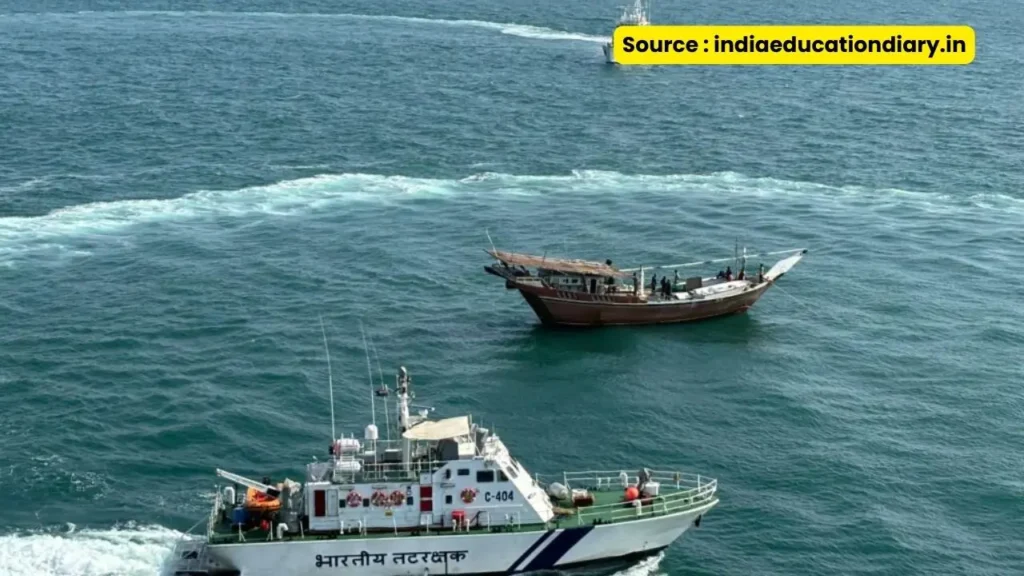
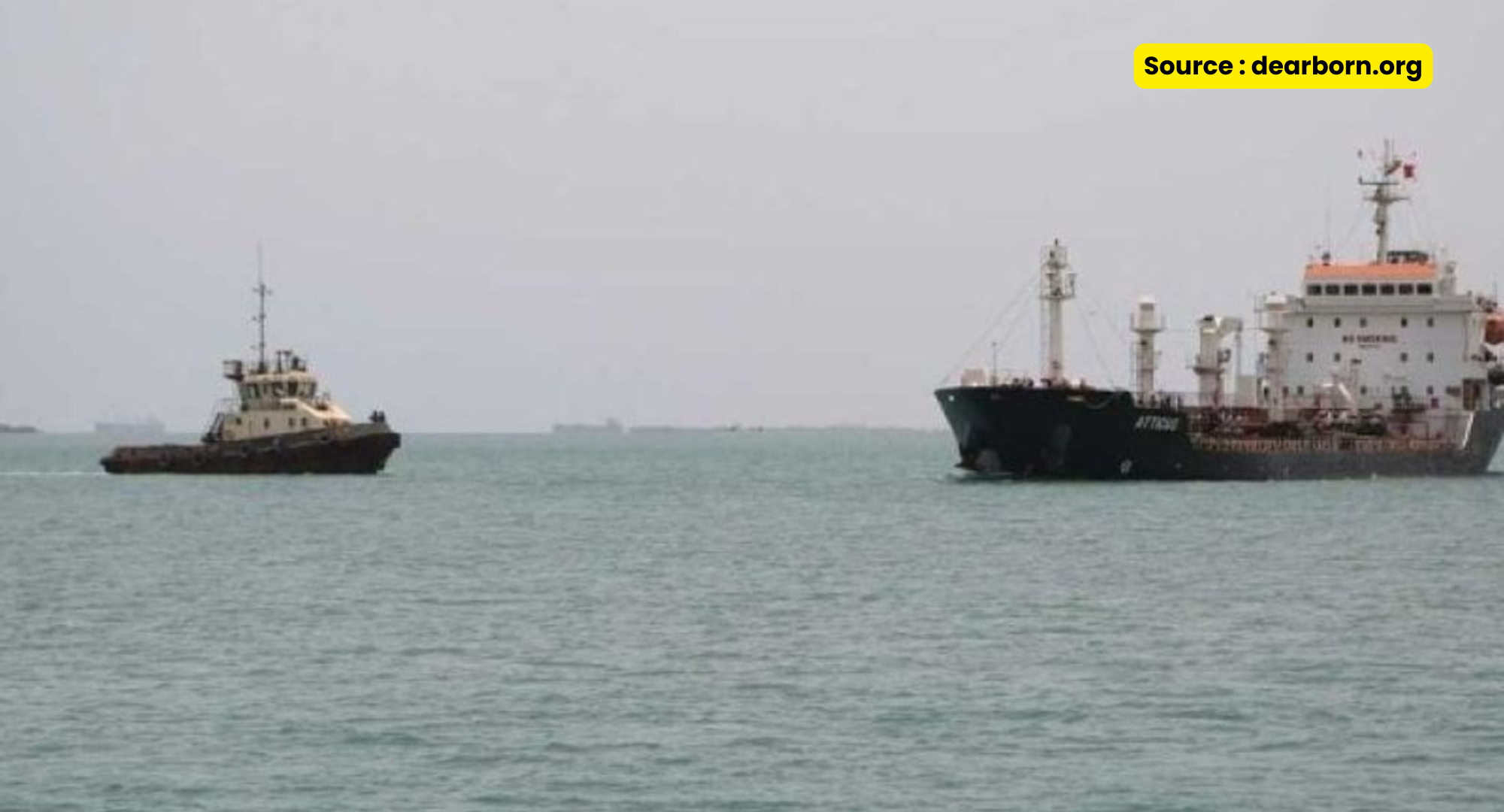
Yemen’s Houthi rebels launched a missile attack on April 26, 2024, targeting the Andromeda Star, a Seychelles-registered oil tanker en route to India from Russia. The US Central Command confirmed that three anti-ship ballistic missiles were fired by the Houthis, with one causing minor damage to the vessel. This incident marks a concerning escalation in Houthi activity in the Red Sea, a critical waterway for global oil transportation.

The motive behind the attack remains unclear. The Houthis have claimed it was a retaliation for ongoing Israeli airstrikes in Gaza. However, analysts suggest it could also be linked to broader regional tensions or an attempt to disrupt vital shipping lanes. The tanker itself was carrying Russian oil destined for India, a nation increasingly reliant on energy imports.

Heightened Tensions in the Red Sea

This attack comes amidst a worrying trend of Houthi attacks on commercial shipping in the Red Sea. Since November 2023, the Houthis have launched over 50 attacks, raising concerns about the safety of maritime traffic and the potential for a wider conflict. The Red Sea is a crucial passage for oil tankers transporting millions of barrels of oil daily, and disruptions can have a significant impact on global energy prices.

Oil Tanker Red Sea Attack
The international community has repeatedly condemned the Houthi attacks, urging them to cease targeting civilian vessels. The United Nations Security Council has also called for a peaceful resolution to the ongoing conflict in Yemen. However, the Houthis continue to defy these calls, highlighting the complex challenges in achieving stability in the region.

India’s Response and Potential Impacts

The attack on the Andromeda Star is particularly concerning for India, a major importer of crude oil. India relies heavily on the Red Sea for transporting oil from the Middle East and Russia. Any disruptions in this route could have significant economic repercussions for the country. The Indian government has not yet issued an official statement, but it is likely to raise diplomatic concerns with Yemen’s warring parties and urge them to ensure the safety of maritime navigation.

Also Read : Over 4,000 Ship Engines Implicated in Japanese Fuel Efficiency Scandal

The Houthis’ actions could also lead to increased insurance premiums for shipping companies operating in the Red Sea. This, in turn, could further disrupt trade flows and potentially raise energy prices for consumers worldwide.

Conclusion

The Houthi attack on the Andromeda Star is a stark reminder of the ongoing instability in Yemen and its potential to disrupt vital global trade routes. While the immediate damage was minimal, the incident underscores the need for a peaceful resolution to the Yemeni conflict. The international community, including regional powers, must intensify diplomatic efforts to de-escalate tensions and ensure safe passage for commercial shipping in the Red Sea. The economic consequences of continued attacks can be far-reaching, impacting not just the warring parties but also countries like India that rely heavily on the Red Sea for their energy security.

Also Read : Ships Advised to Increase Vigilance in Gulf, Western Indian Ocean After Possible Military Strike

Britain Says Its Navy Shot Down Houthi Missile Targeting Merchant Ship

26th April 2024

Report : UK warship destroys Houthi missile aimed at merchant ship.

In a dramatic turn of events in the ongoing conflict in the Gulf of Aden, Britain’s Royal Navy reported the interception and destruction of a Houthi missile launched by rebels in Yemen. The missile was allegedly aimed at a merchant vessel sailing through the strategic waterway, raising concerns about the safety of international shipping lanes and escalating tensions in the region.

The incident occurred in the early hours of Monday morning, as the merchant ship was navigating through the Bab el-Mandeb strait, a crucial chokepoint connecting the Red Sea to the Gulf of Aden. According to British military officials, a Houthi-controlled coastal defense missile battery launched a surface-to-surface missile targeting the vessel. In response, the Royal Navy deployed a Type 45 destroyer equipped with advanced air defense systems, which successfully intercepted and destroyed the incoming missile before it could reach its intended target.

“This attempted attack on a merchant ship in the Bab el-Mandeb strait is a reckless and unlawful act of aggression,” stated Admiral Jane Dalton, Chief of Naval Staff of the Royal Navy. “The Royal Navy takes the safety and security of international shipping very seriously, and we will not hesitate to take action to protect civilian vessels from such threats.”

Britain Targeting Merchant Ship

The interception comes amidst escalating tensions in the region, with Houthi rebels increasingly targeting commercial shipping in the vital waterway. The Bab el-Mandeb strait is a crucial maritime route for global trade, with millions of barrels of oil passing through it every day en route to Europe, the United States, and Asia. Any disruption to shipping in this strategic corridor could have significant repercussions for global energy markets and international trade.

The Houthi rebels, who control large parts of Yemen, including its capital Sanaa, have been engaged in a bitter conflict with a Saudi-led coalition since 2015. The coalition, which includes several Gulf states, has been supporting the internationally recognized government of President Abd-Rabbu Mansour Hadi against the Houthis. The conflict has resulted in a humanitarian crisis, with millions of Yemenis facing food insecurity and the collapse of essential services.

Also Read : Ships Advised to Increase Vigilance in Gulf, Western Indian Ocean After Possible Military Strike

In recent months, the Houthi rebels have intensified their attacks on Saudi Arabia and its allies, targeting civilian infrastructure and oil facilities with drones and missiles. The Saudi-led coalition has responded with airstrikes on Houthi-held territory, exacerbating the humanitarian situation and drawing condemnation from international human rights organizations.

The interception of the Houthi missile by the Royal Navy underscores the growing internationalization of the conflict in Yemen and the increasing risk posed to maritime security in the region. It also highlights the challenges faced by naval forces in protecting civilian shipping from asymmetric threats such as missile attacks and piracy.

In response to the incident, British Foreign Secretary Sarah Johnson issued a statement condemning the Houthi missile attack and reaffirming the UK’s commitment to ensuring freedom of navigation in the Gulf of Aden. “This brazen act of aggression by the Houthi rebels is unacceptable and must be met with a firm response,” said Johnson. “The UK stands ready to work with our international partners to ensure the safety and security of maritime traffic in this critical waterway.”

As tensions continue to simmer in the Gulf of Aden, the interception of the Houthi missile serves as a stark reminder of the volatile situation in Yemen and the risks posed to international shipping in one of the world’s most important maritime chokepoints.

Conclusion:
The interception of a Houthi missile by the Royal Navy underscores the escalating tensions in the Gulf of Aden and the risks posed to international shipping in the region. As the conflict in Yemen shows no signs of abating, the safety and security of maritime traffic in the Bab el-Mandeb strait remain a top priority for the international community. Efforts to find a peaceful resolution to the crisis must be intensified to prevent further escalation and ensure the safety of civilian vessels navigating through this critical waterway.

Also Read : Vizhinjam International Seaport cargo trial run will commence in May

Over 4,000 Ship Engines Implicated in Japanese Fuel Efficiency Scandal

25th April 2024

Report : Japanese Fuel Efficiency Scandal: Over 4,000 Ship Engines Implicated

A major scandal has rocked the maritime industry, with Japanese manufacturing giant IHI Corp. admitting to falsifying fuel efficiency data for over 4,000 ship engines. This revelation, reminiscent of the Volkswagen emissions scandal, has sent shockwaves through the global shipping sector and raised concerns about environmental regulations.

The scandal unfolded after a whistleblower brought allegations to light, prompting an investigation by Japan’s Transport Ministry. Subsequent inspections at IHI Power Systems’ plants in Niigata and Ota revealed that test data for a staggering 4,361 engines, manufactured over the past two decades, had been manipulated.

The vast majority, at 4,215, were for ship engines sold to both domestic and international customers. This raises serious questions for shipping companies who unknowingly purchased engines with potentially inflated fuel efficiency ratings. Not only does this translate to higher operating costs due to increased fuel consumption, but it also casts doubt on compliance with International Maritime Organization (IMO) regulations on nitrogen oxide (NOx) emissions.

Japanese Fuel Efficiency Scandal

Falsified fuel data likely means that the affected engines produce higher NOx emissions than originally reported. NOx is a major contributor to air pollution, linked to respiratory problems, acid rain, and other environmental damage. The potential non-compliance with IMO regulations could necessitate costly retrofits on a significant portion of the global commercial fleet. This would come at a time when shipyards are already struggling to meet existing repair and maintenance demands.

The scandal has damaged IHI’s reputation and triggered investigations by the company’s management. While the full extent of the issue and the motivations behind the data manipulation are still under investigation, the potential consequences are significant.

Also Read : The Red Sea problem requires operators to utilize more cargo ships, which raises emissions worries.

Impact on Shipping Companies

Shipping companies face a double whammy – unexpected fuel cost increases and the possibility of expensive engine upgrades. The inflated fuel efficiency ratings likely led companies to make purchasing decisions based on inaccurate data. This could have significant financial implications, especially for those operating on tight margins.

Furthermore, the potential violation of NOx emission regulations poses a regulatory hurdle. To ensure compliance with IMO regulations, shipping companies might be forced to undertake retrofits on affected engines. These retrofits, which could involve installing exhaust gas cleaning systems or replacing engines altogether, can be extremely expensive and time-consuming.

Environmental Concerns

The scandal raises concerns about the environmental impact of the shipping industry. If the affected engines indeed produce higher NOx emissions than reported, it translates to increased air pollution. NOx emissions contribute to acid rain, smog formation, and respiratory health problems, particularly in coastal communities. This incident highlights the need for stricter regulations and enforcement mechanisms to ensure the shipping industry operates in an environmentally responsible manner.

Looking Ahead

The full impact of the IHI scandal is still unfolding. Investigations are ongoing to determine the extent of the manipulation and identify those responsible. Shipping companies are assessing the situation and the potential financial implications. The industry is also bracing for potential regulatory actions and stricter enforcement of emissions standards.

This scandal serves as a stark reminder of the importance of transparency and accountability in the maritime industry. It underscores the need for robust testing procedures and independent verification of fuel efficiency and emissions data. As the investigation progresses, the industry will be watching closely to see how IHI addresses this issue and what steps are taken to ensure such a scandal doesn’t occur again.

Also Read : Global Supply Chains Strain Under Pressure from Red Sea Crisis