Houthis Targeted MSC and Zodiac Ships in Escalating Maritime Attacks

25th May 2024

Report : Houthis target MSC, Zodiac ships in sea attacks.

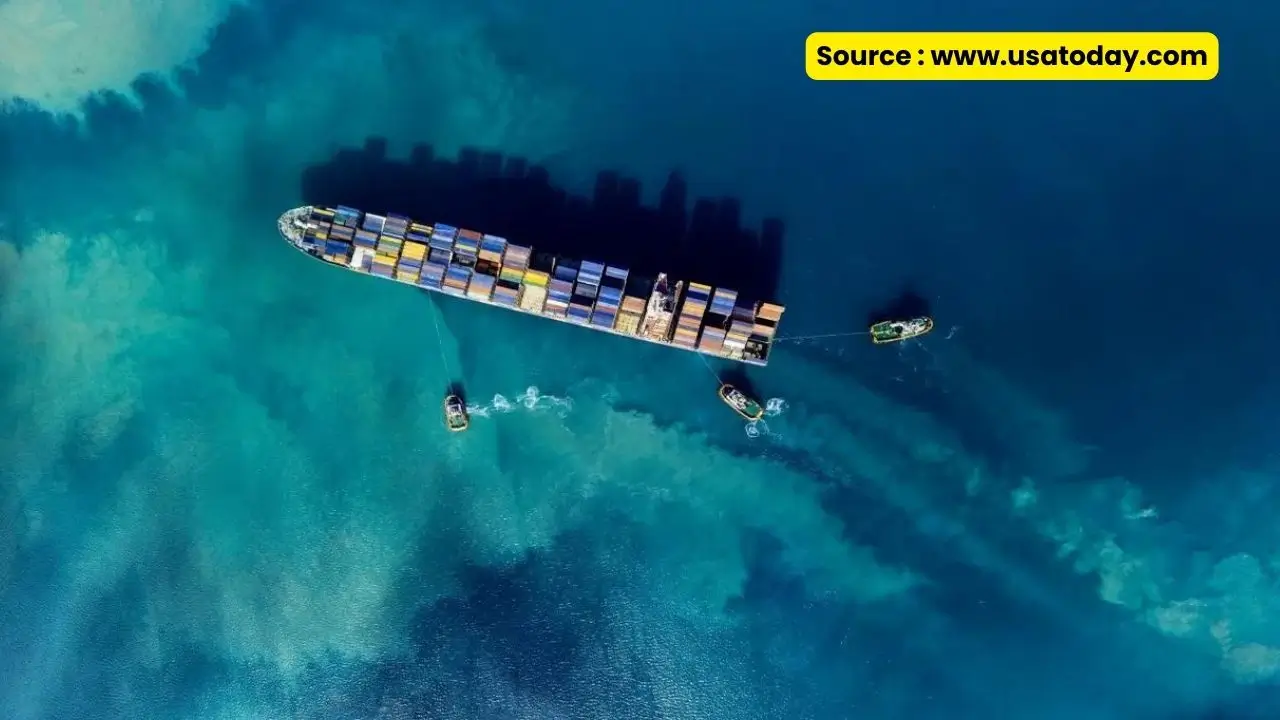
Yemen’s Houthi rebels have claimed responsibility for attacks on vessels operated by shipping giants MSC and Zodiac Maritime, raising concerns about heightened tensions in the Red Sea and Mediterranean regions. The announcement, made by Houthi military spokesperson Yahya Saree, comes amidst a recent trend of the group targeting ships they believe are linked to Israel.

Saree’s statement claimed that Houthi forces launched missiles at an MSC vessel in the Arabian Sea and a Zodiac Maritime-managed Liquefied Petroleum Gas (LPG) carrier in the Mediterranean. However, independent verification of these attacks or any resulting damage is currently unavailable. Security analysts suggest the Houthi language implies the missiles may not have struck their targets.

This incident follows the Houthis’ declaration on May 3rd, marking the commencement of a “fourth phase” of intensified attacks against shipping bound for Israeli ports. This raises serious concerns for the safety of commercial vessels operating in these strategic waterways.

The Houthis, a Zaidi Shia group controlling large parts of Yemen, have been engaged in a brutal civil war against the internationally recognized Yemeni government since 2015. A Saudi-led coalition intervened in the conflict on the government’s side, leading to a humanitarian crisis with millions facing starvation and disease.

The targeting of commercial vessels is a worrying escalation in the Yemen conflict. The Red Sea and Arabian Sea are crucial shipping lanes for global trade, particularly for oil and gas exports from the Middle East. Disruptions caused by Houthi attacks could have a significant impact on the global economy.

Also Read : Van Oord Secures Offshore Wind Contract in Poland

Furthermore, the targeting of vessels in the Mediterranean, far from the Yemeni conflict zone, indicates a broader strategic intent by the Houthis. They might be attempting to pressure the international community or signal their ability to strike beyond the Arabian Peninsula.

Independent security firm Ambrey Intelligence advises merchant shipping companies to meticulously verify vessel affiliations and consult security providers when transiting the Red Sea, Arabian Sea, and Eastern Mediterranean. This heightened vigilance is crucial to ensure crew safety and minimize disruptions to global trade.

MSC and Zodiac Respond

Both MSC and Zodiac Maritime have yet to comment publicly on the Houthi claims. However, it’s likely they are working with relevant authorities to investigate the situation and ensure the safety of their crews and vessels.

International Community’s Response

The international community has a vital role to play in de-escalating the situation. The United Nations should call for an immediate cessation of attacks on commercial vessels by all parties involved in the Yemeni conflict. Additionally, renewed diplomatic efforts are necessary to find a peaceful resolution to the Yemeni civil war, which has been the root cause of regional instability.

Conclusion

The Houthi targeting of MSC and Zodiac ships raises serious concerns about the safety of commercial shipping in the Red Sea, Arabian Sea, and Mediterranean. This escalation has the potential to disrupt global trade and further complicate the already dire humanitarian situation in Yemen. Concerted international efforts are needed to de-escalate tensions and find a lasting solution to the Yemeni conflict.

Also Read : According to UN Agency “Aid Shipment Blocked in Israeli Port”

Container Shipping Back in the Black: Red Sea Crisis Creates Profit Boom

25th May 2024

Report : Red Sea Chaos Floats Container Shipping to Profit

After 18 months of dwindling profits, the container shipping industry has seen a dramatic turnaround, recording a combined net income of $5.4 billion in the first quarter of 2024. This sharp rise can be attributed to two key factors: disruptions caused by the ongoing crisis in the Red Sea and a corresponding increase in global trade volumes.

The Red Sea crisis, which involves heightened tensions and potential security threats, forced shipping companies to reroute their vessels around the southern tip of Africa. This longer journey created a bottleneck effect, with a shortage of available container ships driving up freight rates. John McCown, a US industry expert, estimates that 11 major liner operators reported a combined profit, a significant improvement from the net loss of $0.7 billion they experienced in the final quarter of 2023.

“The reversal in fortunes is a direct consequence of the disruptions in the Red Sea,” explains McCown. “While the situation isn’t ideal, it has created a temporary seller’s market for container shipping, pushing profits back into positive territory.”

The positive trend is further bolstered by a rise in global trade volumes. As economies around the world begin to recover from the pandemic, demand for imported goods has surged. This increased demand, coupled with the limited shipping capacity due to Red Sea rerouting, has resulted in a significant rise in freight rates. Alphaliner, a maritime research firm, reports that average operating margins for the container industry have returned to positive territory, with the nine largest companies experiencing an aggregate margin of 11.4%. This is a welcome change from the negative figure of -3.8% recorded in the previous quarter, which marked the industry’s first negative result in five years.

Individual carriers are also seeing a significant boost in their bottom lines. Average rates rose between 14% and 48% in the first quarter compared to the previous three months, with large gains reported for shipments originating from China. Notably, South Korean shipping giant HMM emerged as the leader, boasting an impressive operating margin of 18.1%.

Also Read : U.S. Sanctions on Russia’s Tanker Group Sovcomflot

However, industry analysts caution that the current boom might be short-lived. The Red Sea crisis remains unresolved, and a potential resolution could lead to a normalization of shipping routes and a subsequent drop in freight rates. Additionally, concerns remain about the long-term sustainability of rising trade volumes, particularly if global economic growth falters.

“While the current situation is favorable for container shipping companies, it’s crucial to remember that it’s driven by unforeseen circumstances,” says Sarah Thompson, a maritime economist. “The industry needs to be prepared for a potential correction in freight rates once the Red Sea situation is stabilized.”

Conclusion

The container shipping industry’s return to profitability highlights the complex interplay between global events and economic forces. While the Red Sea crisis has presented a temporary windfall, the industry’s long-term health will depend on a combination of factors, including the resolution of the conflict, continued global trade growth, and strategic planning by shipping companies to navigate a potentially volatile market.

Also Read : U.S. Rice Exports to Haiti Raise Concerns Over High Arsenic Levels

Lack of Training Berths Creates Rough Seas for Maritime Industry’s Future

24th May 2024

Report : Shortage of Training Sinks Maritime Future

The maritime industry, a critical sector for global trade, is facing a potential storm due to a shortage of on-board training berths for aspiring seafarers. This scarcity creates a Catch-22 situation: shipping companies seek experienced personnel, while fresh graduates struggle to gain that very experience due to limited opportunities at sea.

India, a major source of manpower for the merchant navy, exemplifies this challenge. Here, mandatory on-board training for novice (beginner) seafarers after graduating from maritime institutes is a requirement. However, the number of available training berths falls far short of the annual pass-out rate. Industry estimates suggest a demand nearly double the current capacity, leaving thousands of graduates in limbo.

This shortage stems from several factors. Shipping companies, often operating on tight margins, are hesitant to invest in raw talent. Training rookies requires additional resources and supervision, which can be seen as a burden compared to readily available experienced crew. Furthermore, some companies prioritize profit over long-term sustainability, overlooking the future of the workforce.

The consequences of this trend are far-reaching. A dearth of qualified personnel can lead to understaffing on vessels, compromising safety and operational efficiency. Studies have shown a direct correlation between crew fatigue and maritime accidents. Additionally, an aging workforce, with fewer young people entering the field, creates a looming gap in expertise.

Also Read : Indian Shipyard Sets Course for Green Seas: Cochin Shipyard Targets European Market with Eco-Friendly Vessels

The impact extends beyond immediate operational concerns. A stifled maritime industry can hinder a nation’s economic growth. India, for instance, aspires to become a maritime hub, but this ambition hinges on having a robust workforce to navigate the seas of global trade.

So, how can we navigate out of these rough waters? A collaborative effort is needed. Governments can incentivize shipping companies to take on trainees through subsidies or tax breaks. Educational institutions can develop training programs that better prepare graduates for the realities of shipboard life, making them more attractive to potential employers.

The industry itself needs a paradigm shift. Companies must recognize the long-term benefits of investing in young talent. In-house training programs and mentorship initiatives can foster a skilled and loyal workforce. Industry bodies can also play a role by creating a central database to match aspiring seafarers with available training berths.

The future of the maritime industry rests on the shoulders of its crew. By ensuring adequate training opportunities, we can steer this vital sector towards a smooth and prosperous voyage.

Conclusion

The lack of on-board training berths is a critical issue for the maritime industry. It has the potential to create a shortage of qualified personnel, impacting safety, efficiency, and economic growth. Collaborative efforts from governments, educational institutions, and the industry itself are needed to bridge this gap and ensure a smooth sailing future for the maritime world.

Also Read : Panama Canal Sails Smoother Waters: Booking Slots Increase on Anticipated Rainfall

Shipping Companies Fine $2 Million for Deliberate Oil Dumping and Record Falsification

23th May 2024

Report : Shipping companies fined $2M for dumping oil, faking records.

Two shipping companies, Prive Overseas Marine LLC and Prive Shipping Denizcilik Ticaret, pleaded guilty in a New Orleans federal court to charges of conspiracy, violating the Act to Prevent Pollution from Ships (APPS), and obstruction of justice. The charges stemmed from their falsification of the oil record book aboard their motor tanker, the PS Dream.

The case began with a crew member’s bravery. On January 11th, 2023, this crew member witnessed the illegal dumping of oil overboard and captured the act on video. They then reported the incident to the Coast Guard New Orleans Sector. When the PS Dream arrived in New Orleans two weeks later, the whistleblower and another crew member came forward with their evidence.

The investigation revealed that the companies had ordered the crew to pump oily waste directly into the ocean, bypassing pollution prevention equipment and violating MARPOL Annex I, an international treaty that regulates oil pollution from ships. To conceal their crime, the companies then falsified the ship’s oil record book, a critical log documenting the handling of oil waste.

“Deliberate pollution from ships, intentional falsification of records, and obstruction of justice are serious environmental crimes that will be prosecuted to the full extent of the law,” said Assistant Attorney General Todd Kim of the Justice Department’s Environment and Natural Resources Division. “[This case] highlights the importance of whistleblowers who come forward with evidence of environmental crimes.”

Also Read : Houthi rebels Escalate Conflict: Leader Claims Operations in Indian Ocean

The guilty pleas were entered before Chief U.S. District Court Judge Nannette Jolivette Brown. If the court approves the plea agreement, the companies will be fined a total of $2 million and placed on four years of probation. Notably, $500,000 of the fine will be directed towards environmental protection projects in the area affected by the crime. The whistleblowers who played a crucial role in bringing the companies to justice may also be awarded up to $500,000 from the penalty.

Separate charges have been filed against the PS Dream’s Turkish captain, Abdurrahman Korkmaz. Captain Korkmaz faces accusations of violating APPS and obstructing the Coast Guard’s inspection.

“Today’s outcome sends a powerful message,” said Captain Greg Callaghan, Deputy Commander of U.S. Coast Guard Sector New Orleans. “The Coast Guard and our partners are steadfast in our commitment to safeguarding our waters and holding accountable those who threaten our marine ecosystems. We encourage individuals to continue reporting any suspicious activity.”

Conclusion

This case serves as a stark reminder of the environmental damage caused by deliberate pollution from ships. It also highlights the critical role whistleblowers play in exposing such crimes. The significant fines imposed and the potential reward for the whistleblowers send a strong message that environmental violations will not be tolerated and that those who come forward with information will be protected. The ongoing prosecution of the ship’s captain further emphasizes the commitment to hold all parties accountable, from crew members following orders to those issuing them. The directed use of a portion of the fine towards environmental projects demonstrates a positive step towards repairing the damage caused.

Also Read : The Red Sea problem requires operators to utilize more cargo ships, which raises emissions worries.

Sri Lanka Eyes BRICS Membership, Wanted Backing from India

22th May 2024

Report : Sri Lanka seeks BRICS entry with India’s support.

Sri Lanka has expressed its strong desire to join the BRICS grouping, a move that could significantly impact the island nation’s economic and diplomatic landscape. Foreign Minister Ali Sabry highlighted the growing influence of BRICS, stating it has become a “good body” particularly since India’s participation.

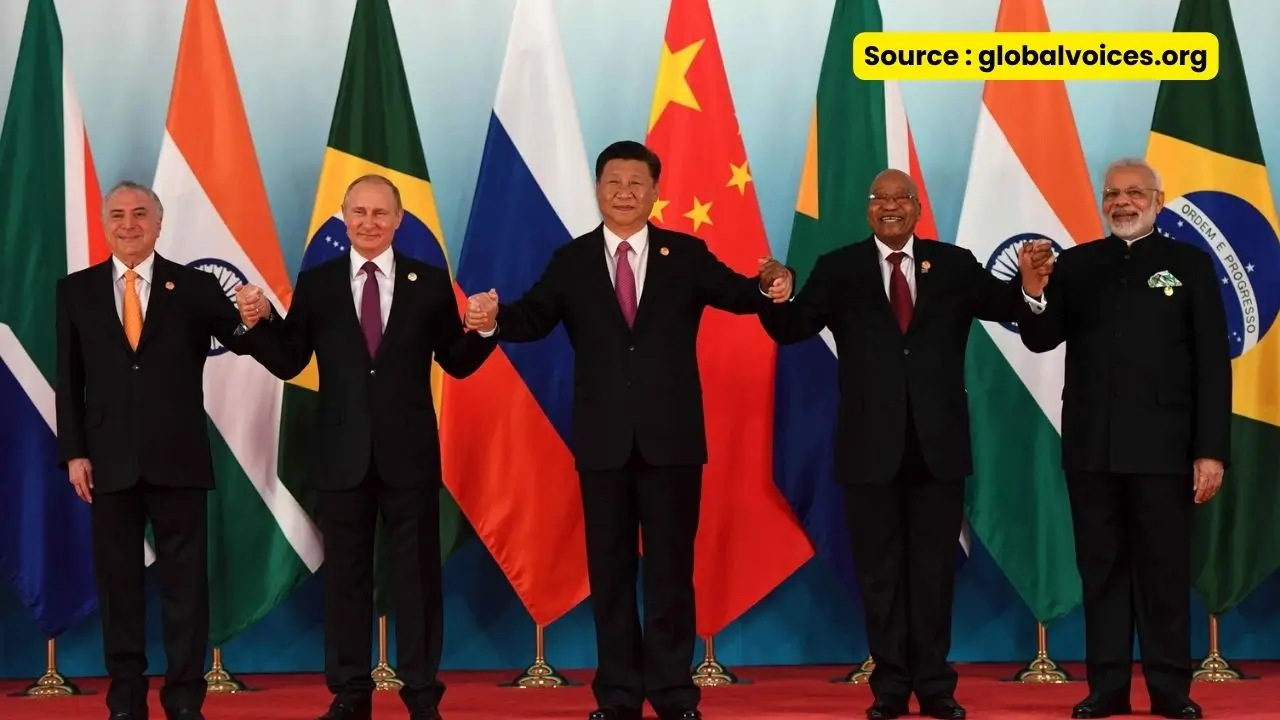
BRICS, which stands for Brazil, Russia, India, China, and South Africa, has expanded in 2024 to include Egypt, Ethiopia, Iran, and the United Arab Emirates. This expansion reflects the growing importance of emerging economies on the world stage. Sri Lanka believes membership would provide access to a powerful economic bloc and potential for increased trade and investment.

Foreign Minister Sabry emphasized that Sri Lanka would prioritize India’s support in its BRICS application. Sri Lanka is a key partner in India’s “Neighbourhood First Policy” and the “Security and Growth for All in the Region (SAGAR)” maritime security initiative. Cultivating strong ties with India is crucial for Sri Lanka’s economic and strategic interests.

There are several factors motivating Sri Lanka’s BRICS ambition. The country is facing a challenging economic situation, with rising debt and a depreciating currency. Joining a powerful economic bloc like BRICS could offer access to preferential trade agreements, financial assistance, and potential investment opportunities. Additionally, BRICS nations are increasingly collaborating on infrastructure development projects, a sector where Sri Lanka seeks significant investment.

Seeks Backing from India

Sri Lanka’s interest in BRICS also reflects a strategic shift. The global order is undergoing a transformation, with emerging economies playing a more prominent role. BRICS represents a counterweight to traditional Western-dominated institutions and offers a platform for developing nations to advocate for their interests. Sri Lanka’s membership could allow it to have a greater voice on issues like global trade, climate change, and international development.

Also Read : Ships Advised to Increase Vigilance in Gulf, Western Indian Ocean After Possible Military Strike

However, Sri Lanka’s bid for BRICS membership faces potential hurdles. The process of admitting new members is not clearly defined, and consensus among existing members is required. Some analysts believe that Sri Lanka’s economic size and regional influence might not be on par with other BRICS members. Additionally, the inclusion of several new members in 2024 has already diluted the bloc’s focus and purpose. Sri Lanka will need to demonstrate how its membership would add value to the organization.

India’s stance on Sri Lanka’s application will be crucial. As a founding member and a key player within BRICS, India’s support could significantly improve Sri Lanka’s chances. However, India might have its own strategic considerations and might weigh Sri Lanka’s application against other potential candidates.

Conclusion

Sri Lanka’s desire to join BRICS reflects the growing importance of emerging economies and the evolving global order. While the path to membership is not guaranteed, it signifies Sri Lanka’s aspirations for deeper economic and strategic ties with other developing nations. The ultimate decision by BRICS will depend on its vision for the future and the value proposition Sri Lanka brings to the table.

Also Read : Russia Seeks New Trade Road: Building Asian Trade Routes to Bypass Sanctions

India and UAE Forge Path for Efficient Trade with IMEEC Meeting

21th May 2024

Report : India, UAE streamline trade via IMEEC Meeting.

New Delhi, India : In a significant step towards boosting trade connectivity, India and the United Arab Emirates (UAE) recently concluded a successful meeting focused on the India-Middle East-Europe Economic Corridor (IMEEC). Held under the framework of an Intergovernmental Agreement signed in February 2024, the meeting aimed to solidify cooperation for developing and operationalizing this ambitious corridor.

The IMEEC initiative proposes an alternative trade route linking India with Europe via the Middle East. This strategic corridor will encompass countries like Jordan, Saudi Arabia, and Israel, with ports in Europe serving as the final destination for goods. The project holds immense potential to transform trade dynamics by offering a faster and more cost-effective alternative to existing routes.

The swift progress on IMEEC reflects the commitment both India and UAE place on this initiative. The meeting, held just three months after the signing of the framework agreement, underscores the urgency and importance attached to the project. Discussions focused on establishing protocols for the initial stage of the corridor, paving the way for its early implementation.

The February agreement, signed in the presence of Indian Prime Minister Narendra Modi and UAE President Sheikh Mohamed bin Zayed Al Nahyan, signified a new chapter in trade relations between the two nations. It envisioned joint investments and technical collaboration to propel the development of IMEEC. This recent meeting served as a concrete step towards realizing the vision outlined in the agreement.

The success of IMEEC hinges on several key factors. Firstly, streamlining customs procedures and ensuring efficient clearance of goods across borders will be crucial. Both India and UAE will need to collaborate on developing standardized protocols to expedite cargo movement. Additionally, robust infrastructure development along the corridor is essential. This includes upgrades to existing ports, roads, and logistics facilities to handle the anticipated increase in trade volume.

Also Read : Over 4,000 Ship Engines Implicated in Japanese Fuel Efficiency Scandal

Another critical aspect is fostering closer maritime cooperation. Establishing dedicated shipping routes and deploying modern vessels will be instrumental in ensuring seamless movement of goods. Furthermore, fostering digital connectivity through initiatives like paperless trade will significantly enhance efficiency and transparency.

The potential benefits of IMEEC extend beyond just facilitating trade. The project can act as a catalyst for regional economic integration and cooperation. Increased trade flows can lead to the creation of new jobs and investment opportunities across participating nations. Furthermore, the corridor can foster knowledge sharing and collaboration in sectors like logistics and infrastructure development.

Conclusion

The successful conclusion of the India-UAE meeting on IMEEC marks a significant milestone in the development of this transformative project. The initiative holds immense promise for revolutionizing trade between India, Europe, and the Middle East. By working together to overcome challenges and leverage their strategic partnership, India and the UAE can turn IMEEC into a reality, ushering in a new era of economic prosperity and regional integration.

Also Read : Vizhinjam International Seaport cargo trial run will commence in May

Stranded Cargo Ship to Finally Leave Baltimore Harbor, Indian Crew Remains on Board

20th May 2024

Report : Baltimore Frees Cargo Ship, But Indian Crew Still Stranded.

Baltimore, MD (May 20, 2024):** In a significant development for the Port of Baltimore, the cargo ship responsible for the tragic bridge collapse in March is set to be moved today, May 20th. The “Dali,” a Singapore-flagged nearly 1,000-foot vessel, will be towed to a nearby marine terminal after being stuck for almost two months. The incident, which occurred on March 26th, claimed the lives of six construction workers and severely disrupted operations at one of America’s busiest ports.

The cause of the accident remains under investigation. The National Transportation Safety Board (NTSB) reported that the Dali experienced multiple power outages before colliding with a support column of the Francis Scott Key Bridge. The impact caused a section of the bridge to crumble, sending workers plummeting into the Patapsco River below.

The complex salvage operation to free the Dali involved divers inspecting the hull for obstructions and demolition experts using controlled explosives to remove parts of the collapsed bridge that were lodged in the ship. The delicate process has paved the way for the vessel’s departure today at high tide, estimated to be around 5:24 am. Tugboats will then transport the Dali at a slow pace of about one mile per hour to its designated terminal, with the journey expected to take roughly three hours.

Maryland Governor Wes Moore expressed optimism about the development. “We’re proud that we’re on track,” he told NBC News on Sunday. “By the end of May, we’ll have that federal channel reopened.” The reopening of the waterway is crucial for the economic well-being of Baltimore. The port is a major hub for the auto industry, handling nearly 850,000 vehicles last year, more than any other U.S. port. The disruption caused by the bridge collapse has had a significant impact on car imports and exports.

Also Read : Houthis Target India-Bound Oil Tanker in Red Sea Attack

However, the move of the Dali only marks the beginning of a longer process. The NTSB investigation into the accident continues, with the 21-member crew, including 20 Indian nationals and one Sri Lankan, still on board. While authorities have interviewed the crew and collected relevant data, visa restrictions and the ongoing probe prevent them from leaving the ship. This has caused hardship for the crew, who have been confined to the vessel for weeks with limited communication with their families back home.

The Baltimore Bridge collapse serves as a stark reminder of the importance of safety regulations in the maritime industry. The NTSB’s investigation is expected to shed light on the cause of the accident and recommend measures to prevent similar tragedies in the future. The economic impact of the bridge closure is also significant, highlighting the need for swift and efficient response mechanisms in such situations. The fate of the Indian crew, caught in the middle of this ordeal, remains a point of concern, with their ability to return home hinging on the completion of the investigation.

Conclusion

The removal of the Dali from the crash site signifies a step forward for the Port of Baltimore. However, the road to normalcy is long. The investigation into the bridge collapse continues, with the cause of the accident yet to be determined. The economic impact is substantial, and the crew’s situation aboard the Dali raises questions about communication and support for those caught in such unforeseen circumstances. As the investigation progresses and the port works towards full functionality, lessons learned from this incident will be crucial in ensuring the safety and efficiency of the maritime industry.

Also Read : Britain Says Its Navy Shot Down Houthi Missile Targeting Merchant Ship

Women Navigate a Safer Course: International Day for Women in Maritime 2024

18th May 2024

Report : International Maritime Day 2024: Women Charting Safer Seas.

Today, on the 18th of May 2024, the world celebrates the International Day for Women in Maritime. Established by the International Maritime Organization (IMO) in 2021, this day recognizes the crucial role women play in ensuring safe and secure seas. This year’s theme, “Safe Horizons: Women Shaping the Future of Maritime Safety,” highlights the contributions women can make to a more diverse and inclusive maritime industry, ultimately leading to a safer future for all.

Despite the growing recognition of their importance, women remain significantly underrepresented in the maritime sector. According to the IMO, only 29% of the overall maritime workforce and a mere 20% of national maritime authorities are women. At sea, the disparity is even starker, with women making up less than 2% of seafarers worldwide.

This year’s International Day for Women in Maritime aims to bridge this gap. The IMO is leading the charge with a dedicated symposium held on May 17th, titled “Safe Horizons: Women Shaping the Future of Maritime Safety.” The symposium featured distinguished seafarers, maritime professionals, and leaders who discussed how to create a more inclusive environment and leverage the unique perspectives women bring to the table.

One of the key takeaways from the symposium is the importance of reframing maritime safety through a gendered lens. Women often bring a more collaborative and communication-oriented approach to problem-solving, which can be invaluable in preventing accidents at sea. Additionally, fostering a diverse workforce allows for a wider range of experiences and viewpoints to be considered, leading to more robust safety protocols.

Also Read : US Sanctions Over a Dozen Firms, Including 3 Indian, for Alleged Iran Trade Ties

The symposium also highlighted the need to address the specific challenges faced by women in the maritime industry. These include a lack of access to training and education opportunities, inadequate childcare facilities onboard ships, and a workplace culture that can sometimes be unwelcoming.

Several initiatives are underway to address these issues. The IMO’s Women in Maritime program works to promote the recruitment, retention, and empowerment of women in the sector. Additionally, organizations like the Women in Shipping & Trading Association (WISTA) provide support networks and mentorship opportunities for women in maritime careers.

As the industry moves forward, there is a growing recognition that creating a more gender-balanced workforce is not just a social justice issue, but also a safety imperative. Studies have shown that companies with a diverse workforce tend to outperform their less diverse counterparts. In the maritime sector, where safety is paramount, a more inclusive environment can lead to better decision-making and ultimately fewer accidents.

Conclusion

The 2024 International Day for Women in Maritime marks a significant step forward in recognizing the vital role women play in ensuring a safe and secure maritime future. By promoting gender equality and fostering a more inclusive environment, the industry can harness the full potential of its workforce and create a safer horizon for all those who navigate the world’s oceans.

Also Read : Houthis Revive Red Sea Attacks, Target Container Ship in Gulf of Aden

India Seeks Release of Nearly 40 Sailors Detained by Iran

16th May 2024

Report : India demands release of 40 sailors held by Iran.

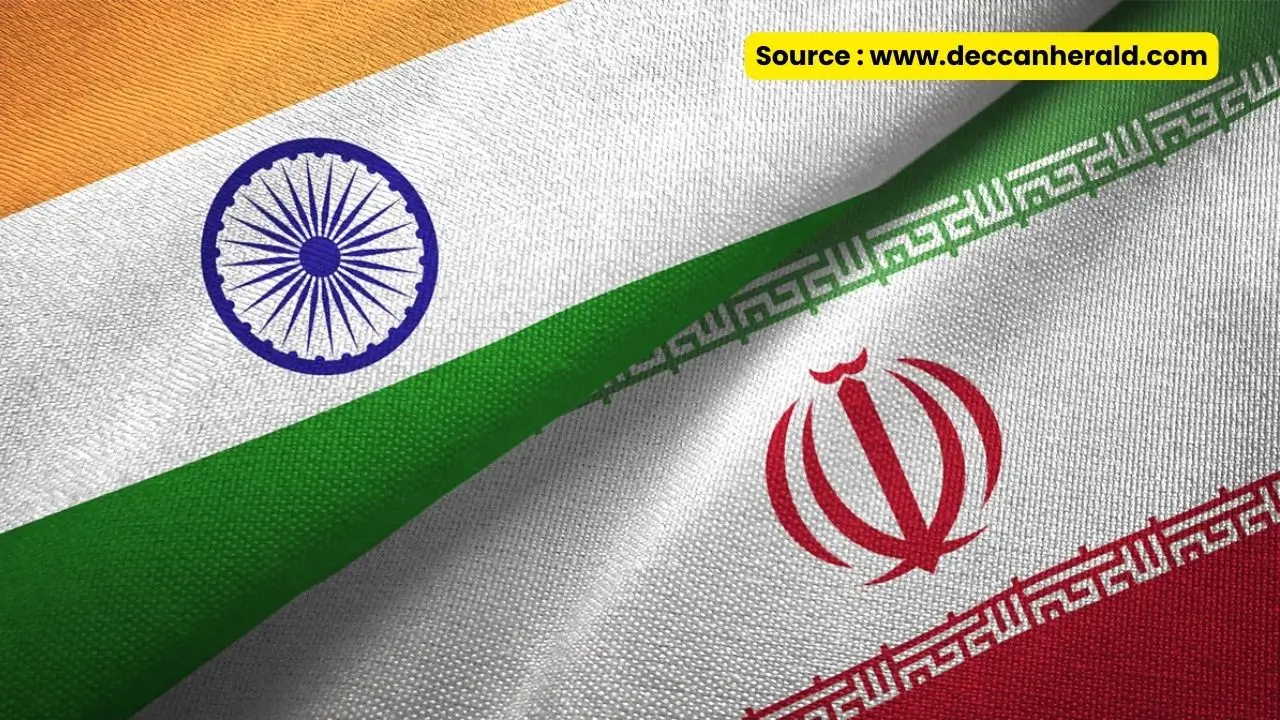
Tensions simmered between India and Iran this week after New Delhi called for the release of nearly 40 Indian seafarers currently detained by Iranian authorities. The sailors were apprehended from four separate merchant ships seized by Iran over the past eight months on various charges.

The issue came to light following a meeting in Tehran between India’s Ports, Shipping and Waterways Minister Sarbananda Sonowal and Iranian Foreign Minister Hossein Amir-Abdollahian. During the meeting, which coincided with India signing a crucial 10-year deal to operate the Iranian port of Chabahar, Sonowal reportedly urged Abdollahian to secure the release of all Indian sailors in Iranian custody.

While Abdollahian reportedly expressed a positive stance on the release, he cited ongoing legal procedures as the reason for the delay. Details regarding the specific charges against the sailors and the seized vessels remain unclear. However, sources close to the development claim that the ships include the Steven, Global Cherylyn, Margol, and MSC Aries. The Steven was reportedly apprehended by the Iranian Coast Guard in September 2023 on accusations of smuggling, with its crew subsequently detained.

The detention of Indian sailors has become a recurring point of friction between the two nations. In 2022, Iran detained 12 Indian crew members from two separate ships for allegedly entering Iranian territorial waters without permission. The sailors were eventually released after several weeks of diplomatic pressure from New Delhi.

The current situation presents a delicate challenge for India. Maintaining a strong relationship with Iran is crucial for India’s energy security, with Iran being a significant supplier of crude oil. Additionally, the newly signed Chabahar port deal holds immense strategic value for India, facilitating trade with Central Asia and bypassing Pakistan.

Also Read : Red Sea Reroute: Houthi Attacks Drive Up Carbon Emissions by Millions

However, India cannot remain silent on the continued detention of its citizens, particularly without clear justifications from Iran. The Indian government is likely to continue diplomatic efforts to secure the sailors’ release while simultaneously trying to avoid jeopardizing the broader relationship with Iran.

Uncertainties and Potential Outcomes

The fate of the detained sailors hinges on the progress of the aforementioned legal procedures in Iran. The exact nature of the charges and the transparency of the legal process will significantly influence the timeline of their release.

Diplomatic negotiations between India and Iran will play a critical role. India’s ability to leverage its economic and strategic ties with Iran, while simultaneously expressing its concern for the sailors’ well-being, could prove decisive.

The international community might also play a part. Depending on the severity of the charges and the perceived fairness of the legal proceedings, international pressure on Iran could potentially expedite the sailors’ release.

Conclusion

The detention of Indian sailors by Iran is a complex issue with ramifications for both nations. While India seeks a swift resolution through diplomatic channels, ensuring the well-being of its citizens remains a top priority. The coming weeks will be crucial in determining the outcome of this situation, with both nations needing to navigate the delicate balance between safeguarding their interests and fostering a productive relationship.

Also Read : Hapag-Lloyd Revolutionizes Tracking with “Live Position,” the First Fleet-Wide Dry Container Tracking Product

India and Iran Cement Long-Term Partnership for Chabahar Port Development

14th May 2024

Report : India and Iran ink long-term deal for Chabahar port.

In a significant development for regional trade connectivity, India and Iran signed a long-term main contract for the development of the Shahid Beheshti Port Terminal at Chabahar, Iran. The signing ceremony, held on May 13, 2024, in Chabahar, was witnessed by India’s Union Minister of Ports, Shipping and Waterways, Sarbananda Sonowal, and his Iranian counterpart, Minister of Roads and Urban Development, Mehrdad Bazrpash. This agreement marks a major step forward for the strategic Chabahar port project, envisioned as a crucial gateway for trade between India, Iran, and Central Asian countries.

The contract was signed between India Ports Global Limited (IPGL), a subsidiary of India’s Ministry of Ports, Shipping and Waterways, and the Ports and Maritime Organization (PMO) of Iran. This long-term agreement replaces the previous system of one-year contracts, which had created uncertainty for businesses and hampered the port’s full potential. The new contract signifies a ten-year commitment from both parties, providing the stability necessary to attract investment and develop the port infrastructure.

The importance of the Chabahar port project cannot be overstated. Located on the southeastern coast of Iran, Chabahar offers a critical alternative route for Afghan and Central Asian goods to reach international markets, bypassing the traditional routes through Pakistan. This not only reduces transportation costs but also fosters greater economic integration between the region’s countries.

Also Read : IAPH Joins Forces with Indian Ports at International Ports Conclave

India has been a key player in developing the Chabahar port since 2015. It has already invested nearly $85 million in the project and has committed to further investment under the new agreement. This investment will be used to upgrade port facilities, improve cargo handling capacity, and develop associated logistics infrastructure.

The signing of the long-term contract is expected to bring several benefits. Firstly, it will boost trade between India, Iran, and Central Asia. Businesses will now have the confidence to invest in using the Chabahar route, leading to increased cargo volumes and economic activity. Secondly, the project will create significant job opportunities in both India and Iran. The development and operation of the port will require skilled workers, generating employment and boosting local economies. Thirdly, the improved connectivity offered by Chabahar will contribute to regional stability and cooperation. As trade ties strengthen, so too will the political and diplomatic relationships between the involved nations.

However, there are some challenges that need to be addressed. The ongoing US sanctions on Iran pose a potential hurdle. Businesses may be hesitant to engage in activities in Iran for fear of violating US sanctions. Addressing these concerns through diplomatic channels and ensuring transparent business practices will be crucial. Additionally, developing the necessary infrastructure in Chabahar and the surrounding region will require further investment and collaboration between India, Iran, and other stakeholders.

Conclusion

The signing of the long-term contract for the development of the Shahid Beheshti Port Terminal marks a significant milestone for India-Iran cooperation and regional connectivity. By providing a reliable and efficient trade route, the Chabahar port project has the potential to unlock immense economic opportunities for India, Iran, Afghanistan, and Central Asia. Overcoming the remaining challenges and fostering continued cooperation will be key to realizing the full potential of this strategic project.

Also Read : 5th Body Recovered from Wreckage of Baltimore Bridge

Jaishankar Responds Firmly to US Warning on Chabahar Port Deal

15th May 2024

Report : India’s Jaishankar pushes back on US warning over Chabahar port.

In a recent development, the United States has issued a stern warning to India regarding its involvement in the Chabahar Port deal with Iran. The warning suggests that India could face potential sanctions if it proceeds with the project. This move has prompted a swift and firm response from India’s External Affairs Minister, S. Jaishankar.

The Chabahar Port, located in southeastern Iran, holds significant strategic importance for India as it provides a crucial gateway for trade with Afghanistan and other Central Asian countries. India has been investing in the development of the port as part of its efforts to bypass Pakistan and establish a secure trade route to Afghanistan and beyond.

However, the US has expressed concerns over India’s collaboration with Iran, particularly in the context of the reimposed sanctions on Iran by the Trump administration in 2018. The Chabahar Port deal has been caught in the crossfire of geopolitical tensions between the US and Iran, with Washington pressuring its allies to cut ties with Tehran.

In response to the US warning, S. Jaishankar has reiterated India’s commitment to the Chabahar Port project, emphasizing its importance for regional connectivity and economic development. Jaishankar stated that India’s engagement with Iran, including the Chabahar Port project, is driven by its national interests and is in compliance with international law.

Furthermore, Jaishankar highlighted the positive impact of the Chabahar Port on Afghanistan’s economy and stability, underscoring India’s role as a responsible partner in the region. He emphasized that India’s participation in the project is aimed at promoting peace and prosperity in Afghanistan and the wider region.

Also Read : Houthis Launch Drone and Missile Attacks on Four Ships in Red Sea and Indian Ocean

Jaishankar’s response reflects India’s determination to pursue its strategic interests independently, notwithstanding external pressure. India has maintained a pragmatic approach in its foreign policy, balancing its relations with various stakeholders while safeguarding its national interests.

The Chabahar Port project is not merely a commercial venture for India; it is a symbol of its aspirations for regional connectivity and economic integration. By investing in the development of the port, India seeks to bolster its ties with Afghanistan and Central Asia while reducing its dependence on Pakistan for trade access to the region.

While the US warning raises concerns about the potential implications for India’s relations with Washington, Jaishankar’s resolute stance reaffirms India’s sovereignty and autonomy in its decision-making processes. India has consistently advocated for a multipolar world order where nations have the freedom to pursue their interests without undue external interference.

In conclusion, S. Jaishankar’s response to the US warning on the Chabahar Port deal underscores India’s commitment to its strategic priorities and its determination to navigate complex geopolitical dynamics with pragmatism and diplomacy. The Chabahar Port project represents a cornerstone of India’s foreign policy objectives, and India remains steadfast in its pursuit of regional connectivity and economic development through constructive engagement with its neighbors and partners.

Also Read : Red Sea Reroute: Houthi Attacks Drive Up Carbon Emissions by Millions

Assam Sets Sail for a Transportation Revolution: India’s First Ever River Terminal Arrives in Guwahati

13th May 2024

Report : Guwahati christens India’s first river terminal, aiming to revolutionize transportation in Assam.

Assam is poised for a historic transformation in its transportation sector with the upcoming inauguration of India’s first river terminal in Guwahati. The Guwahati Gateway Ghat (GGG), a state-of-the-art facility, promises to revolutionize waterways in the region, boosting connectivity and economic activity.

This ambitious project, spearheaded by Assam’s Chief Minister, Dr. Himanta Biswa Sarma, was initiated in May 2022. Funded by the World Bank, the GGG marks a significant milestone not just for Assam but for India’s overall logistics and infrastructure landscape.

Guwahati, the largest city in northeastern India, sits on the banks of the mighty Brahmaputra River. The Brahmaputra, along with other major rivers like the Barak, has long served as a vital waterway for Assam. However, the lack of proper infrastructure has limited the river’s potential as a reliable and efficient mode of transport.

The GGG is designed to bridge this gap. Strategically located on the south bank of the Brahmaputra, the terminal will act as a central hub for passenger and cargo movement. This will not only ease traffic congestion on roads but also provide a scenic and potentially faster alternative for travel within the city and to neighboring areas accessible by river.

Transportation

The GGG boasts more than just functionality. Designed with passenger comfort in mind, the terminal will offer a range of amenities. Passengers can look forward to facilities like cafes, a canteen, and accessibility ramps, ensuring a pleasant and inclusive travel experience.

Also Read : Vizhinjam Gears Up: Breakwater Complete, Trial Cargo Run in June

The economic benefits of the GGG are far-reaching. By facilitating the smooth movement of goods, the terminal is expected to streamline logistics and reduce transportation costs. This will incentivize businesses and industries, potentially leading to increased investment and job creation in the region. Additionally, the GGG’s focus on passenger ferry services can boost tourism, allowing visitors to explore Assam’s rich cultural heritage and natural beauty through a unique riverine perspective.

The construction of the GGG is not just about building infrastructure; it’s about reviving a traditional mode of transport. For centuries, rivers have been the lifeblood of Assam, serving as pathways for trade, commerce, and cultural exchange. The GGG represents a renewed commitment to harnessing the potential of these waterways and integrating them seamlessly with modern transportation systems.

This initiative holds immense significance for the entire northeast region of India. The GGG can serve as a model for developing similar infrastructure projects across other states, fostering regional connectivity and economic integration. As Assam prepares to set sail on this transformative journey, the GGG stands as a testament to India’s commitment to innovation and sustainable development.

Conclusion

The inauguration of the Guwahati Gateway Ghat marks a new dawn for Assam and India’s riverine transportation landscape. This first-of-its-kind terminal is poised to revolutionize the way people and goods move within the region, unlocking economic opportunities and fostering a renewed appreciation for Assam’s waterways. The GGG serves as a beacon of progress, paving the way for a more connected, sustainable, and vibrant future for the northeast.

Also Read : US, Philippines Flex Military Muscle in South China Sea with Decommissioned Tanker Sinking

Devastating Floods in Brazil Disrupt Key Grain Exports

11th May 2024

Report : Brazil Floods Cripple Grain Exports

Heavy rains and subsequent floods that ripped through southern Brazil in early May have inflicted a heavy blow on the country’s crucial grain exports. The state of Rio Grande do Sul, a major producer of soybeans, rice, wheat, and meats, bore the brunt of the disaster. While the human cost remains the primary concern, with lives lost and thousands displaced, the economic impact on Brazil’s agricultural sector is significant.

Prior to the floods, Brazil’s soybean crop prospects were already facing challenges. Now, these concerns have been compounded by the severe weather. According to estimates from Conab, the Brazilian national supply company, as much as 30% of unharvested soybeans, translating to roughly 7 million tonnes, could be impacted by the floods. This raises serious anxieties about potential losses and the overall quality of the harvest.

While some agricultural areas managed to escape the deluge, others were directly affected. The extent of the damage remains uncertain, with reports of submerged fields and damage to grain storage silos. This uncertainty creates a ripple effect throughout the export chain.

Disrupt Key Grain Exports

Adding to the woes, the critical port of Rio Grande, a major export hub, faced temporary disruption. Although the port itself is now operational, the route leading to it has been significantly affected. Local rail lines have been rendered unusable, forcing grain trucks to take longer, more expensive detours. The National Grain Exporters Association (Anec) reported that these road blockages add an additional 400 kilometers to journeys, driving up freight costs.

The disruption to Brazil’s grain exports comes at a time of heightened global food insecurity. The ongoing war in Ukraine, a major grain producer, has already caused significant market volatility. Brazil is a leading exporter of soybeans, a key ingredient in animal feed, and any disruption to its supply chain could further strain a fragile global food system.

Also Read : US Sanctions Over a Dozen Firms, Including 3 Indian, for Alleged Iran Trade Ties

The impact of the floods is expected to be felt beyond just soybeans. Rice, another critical crop cultivated in Rio Grande do Sul, has also been affected. Reports of damaged storage facilities raise concerns about the quality and potential loss of rice stocks. This could exacerbate existing food shortages, particularly in countries heavily reliant on Brazilian rice imports.

The Brazilian government is working to assess the full extent of the damage and implement measures to mitigate the economic impact. Financial assistance programs are being rolled out to support affected farmers, and efforts are underway to repair damaged infrastructure and restore transportation routes. However, a complete recovery will likely be a long and arduous process.

The deadly floods in southern Brazil highlight the vulnerability of global food supply chains to extreme weather events. The disruption to Brazilian exports serves as a stark reminder of the interconnectedness of the global food system. As the world grapples with the ongoing challenges of climate change and geopolitical instability, the need for resilient food production systems and international cooperation has never been greater.

Conclusion

The floods in Brazil serve as a wake-up call, exposing the fragility of global food chains in the face of climate disasters. With millions of tonnes of grain potentially lost and key export routes disrupted, the impact will be felt worldwide, particularly by countries reliant on Brazilian exports. Building resilient food production systems and fostering international collaboration are crucial steps towards ensuring food security in a world increasingly susceptible to disruptions.

Also Read : U.S. Rice Exports to Haiti Raise Concerns Over High Arsenic Levels

EU Naval Forces Thwart Pirate Attack, Capture Suspects in Gulf of Aden

11th May 2024

Report : EU Forces Halt Pirate Attack, Detain Suspects in Gulf of Aden.

European Union Naval Forces (EU NAVFOR) successfully prevented a potential hijacking and apprehended six suspected pirates in the Gulf of Aden on Friday. The incident, which highlights the lingering threat of piracy in the region, involved a product tanker, the Marshall Islands-flagged “Chrystal Arctic,” and a group of armed individuals.

According to the UK Maritime Trade Operations (UKMTO), a small craft carrying an estimated 5-6 armed individuals approached the “Chrystal Arctic” roughly 100 nautical miles north of Bosaso, Somalia. The vessel’s Master reported implementing established self-protection measures, a likely deterrent tactic that may have included maneuvers and water cannons. The situation escalated when the individuals on the small craft opened fire. The ship’s private security team returned fire, forcing the pirates to abandon their attempt.

EU

Fortunately, the crew of the “Chrystal Arctic” emerged unharmed from the encounter. However, the incident underscores the continued need for vigilance against piracy in the Gulf of Aden. Thankfully, EU NAVFOR’s Operation Atlanta, a longstanding anti-piracy mission, was present in the region. A nearby EU warship, later identified as the Italian frigate ITS Federico Martino, swiftly responded to the distress call.

The EU force apprehended the six suspected pirates after assessing the situation and deeming their small craft unsafe. Notably, some of the detained individuals reportedly sustained injuries of varying severity. EUNAVFOR is currently conducting a thorough investigation, gathering evidence to determine the full details of the incident and the pirates’ origin.

Also Read : Indian Coast Guard Detains Iranian Vessel with Indian Crew off Kerala Coast

This event serves as a crucial reminder that piracy in the Gulf of Aden, while significantly reduced in recent years, remains a potential threat. At its peak in 2011, Somali pirates hijacked hundreds of vessels, disrupting global trade routes and costing billions of dollars. International efforts, including Operation Atalanta, have significantly curbed piracy activity. However, this recent incident demonstrates that continued vigilance is essential.

The success of EU NAVFOR’s intervention highlights the importance of international cooperation in combating piracy. The presence of a well-equipped and coordinated naval force serves as a deterrent to potential pirates and provides a swift response when incidents occur. Additionally, collaboration between commercial shipping companies and private security teams plays a vital role in protecting vessels and crews.

Conclusion

The capture of suspected pirates in the Gulf of Aden is a positive development in the fight against maritime crime. While piracy has declined significantly, this recent incident serves as a reminder that continued vigilance is crucial. International cooperation through forces like EU NAVFOR, coupled with proactive measures by commercial shipping companies, is essential to maintaining a safe and secure maritime environment in the Gulf of Aden and beyond.

Also Read : Houthis Launch Drone and Missile Attacks on Four Ships in Red Sea and Indian Ocean

122 Containers Detained Over Suspected Chinese Contraband JN Port

10th May 2024

Report : Mumbai’s JN Port seizes 122 containers in record haul of suspected Chinese contraband.

In a major crackdown, the Jawaharlal Nehru Custom House (JNCH) in Mumbai has seized a record-breaking 122 shipping containers suspected of carrying contraband originating from China. The operation, spearheaded by the Custom Central Intelligence Unit (CIU), raises questions about potential duty evasion and illegal trade practices.

According to sources, the containers arrived at the JNPT port, also known as Jawaharlal Nehru Port Trust, aboard a single vessel. Authorities suspect the containers hold a mix of illegal goods, including banned Chinese firecrackers, various electronic items, and potentially microchips. The CIU reportedly received confidential intelligence that led them to target these specific containers, which allegedly entered the port through false declarations.

The exact nature of the intelligence and the intended purpose of the smuggled goods remain unclear. The CIU has maintained confidentiality on these details, limiting information to a select group of investigators. The customs department has also refrained from issuing any official statements regarding the operation.

JN Port Mumbai Sees Record Haul

The sheer volume of detained containers signifies a significant development. Examining and searching each container is a meticulous process, and sources suggest it could be a lengthy undertaking. The JNCH has reportedly placed the containers under 24/7 CCTV surveillance and heightened security measures to prevent tampering.

This incident highlights potential vulnerabilities within India’s import system. The ability of such a large shipment to allegedly bypass initial checks raises concerns about potential collusion between importers and customs officials. The investigation will likely delve into these possibilities to identify any wrongdoing within the system.

Also Read : Vizhinjam Gears Up: Breakwater Complete, Trial Cargo Run in June

The crackdown also comes amidst ongoing tensions between India and China. Trade relations between the two countries have been strained in recent years, with India imposing restrictions on certain Chinese imports. This seizure could further escalate tensions, particularly if the investigation reveals deliberate attempts to circumvent Indian regulations.

The outcome of this operation has the potential to set a precedent for future import inspections. If the suspicions of duty evasion and banned goods are confirmed, the JNCH could impose heavy penalties on the involved parties. Additionally, the investigation might lead to a reevaluation of existing import protocols to strengthen border security and prevent similar attempts in the future.

The success of this operation demonstrates the CIU’s effectiveness in acting on intelligence and seizing potentially illegal goods. However, it also underscores the need for continued vigilance and robust import screening procedures to safeguard India’s economic interests and national security.

Conclusion

The JNCH’s seizure of 122 shipping containers suspected of carrying contraband from China marks a significant development in Indian customs enforcement. The investigation surrounding this case has the potential to expose weaknesses in import protocols, deter future smuggling attempts, and potentially impact India-China trade relations. As the investigation unfolds, it will be crucial to ensure transparency and address any identified vulnerabilities within the import system.

Also Read : According to UN Agency “Aid Shipment Blocked in Israeli Port”