India’s Power Surge with big Coal Expansion in 33 years

20th June 2024

Report : India Sees Largest Coal Expansion in a Decade Amid Power Surge

India is poised for a significant increase in its coal-fired power capacity, with projections indicating the largest annual addition in nearly a decade. This comes amidst the country’s grapple with surging electricity demand fueled by robust economic growth and intensified by extreme heat waves.

According to industry sources, India is expected to add a staggering 15.4 gigawatts (GW) of coal power capacity by March 2025. This marks a substantial rise compared to recent years and signifies the greatest annual jump since 2016.

The reliance on coal as a primary source of electricity generation remains prevalent in India. Coal currently dominates the power sector, accounting for roughly 75% of the total output. This dependence is anticipated to continue for at least the next ten years.

While India has ambitious clean energy targets, progress in this area has been slow. Large-scale renewable energy projects face challenges, and the development of low-carbon alternatives like large dams and nuclear plants has also been sluggish.

This has led to a course correction in India’s energy strategy. Last year, the country announced revised plans to bolster its coal-fired capacity by nearly 90 GW by 2032, a significant upward revision from earlier projections. This signifies a potential shift in focus towards ensuring near-term energy security.
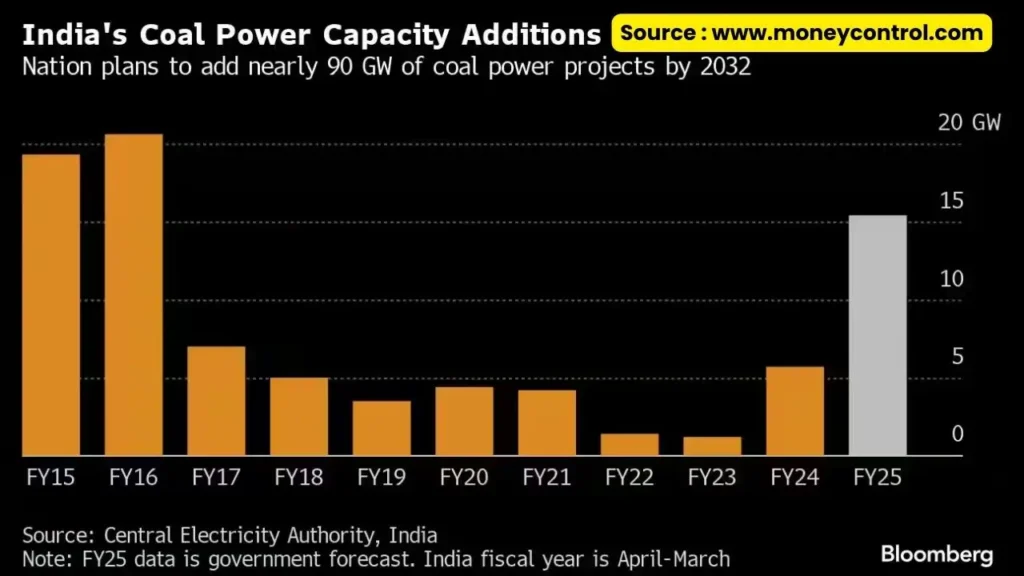
The urgency to ramp up power generation is further underscored by the ongoing infrastructure development. As per industry sources, approximately 28.5 GW of coal power projects are currently under construction in India. Additionally, plans are in place to award contracts for a staggering 50 GW of new coal-fired plants over the next three years.

Also Read : By adding three medium-range oil tankers to its fleet, Seven Islands Shipping

The decision to prioritize coal expansion has drawn mixed reactions. While some acknowledge the short-term necessity to meet the growing power demand, others express concerns about the long-term environmental consequences.

Coal combustion is a major contributor to greenhouse gas emissions, and continued reliance on this fossil fuel could potentially hinder India’s efforts to combat climate change.

Those advocating for renewable energy sources point towards advancements in battery storage technology. However, these solutions are yet to become commercially viable within India’s competitive power market. Additionally, pumped hydroelectric storage, another alternative storage technology, is still in its early stages of development in the country.

The Indian government faces a complex challenge in balancing its immediate need for energy security with its long-term commitment to clean energy transition. While the current focus seems to be on coal-fired capacity expansion, India will likely need to navigate a delicate path towards a more sustainable energy mix in the coming years.

Conclusion

India’s decision to significantly increase its coal-fired power capacity reflects the immediate challenges of meeting the country’s growing electricity demand. However, this approach comes at a potential environmental cost. As India moves forward, it will be crucial to find ways to bridge the gap between short-term energy security and long-term climate goals. This might involve accelerating the development of renewable energy sources and storage solutions to ensure a sustainable energy future.

Also Read : Combatting Mississippi River Salinity: USACE’s Freshwater Barging Initiative
Bulker Tutor Sinks in Red Sea, 2nd Vessel Lost to Houthi Attacks

19th June 2024

Report : Bulker Tutor Sinks in Red Sea, Second Vessel Lost to Houthi Attacks

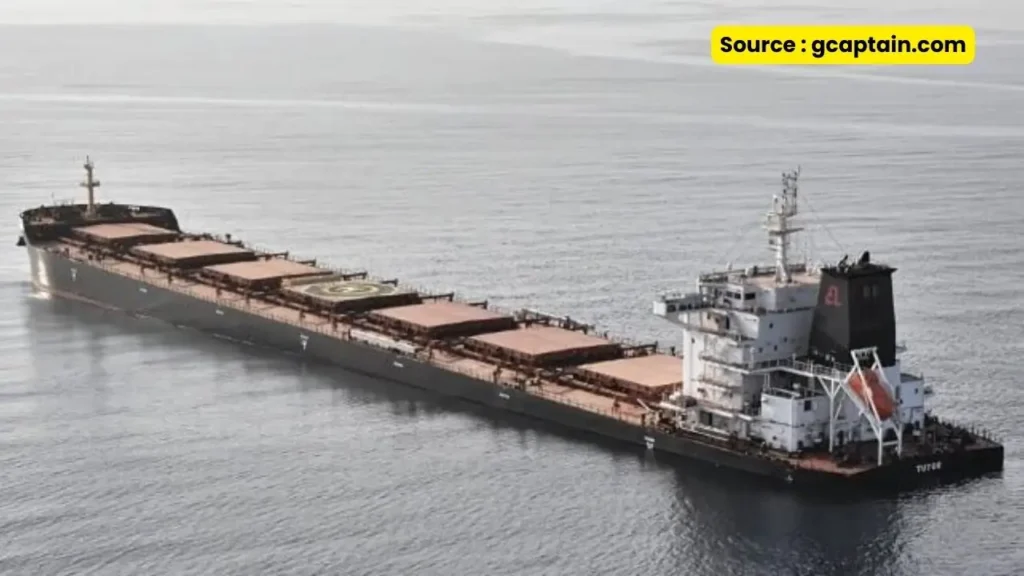
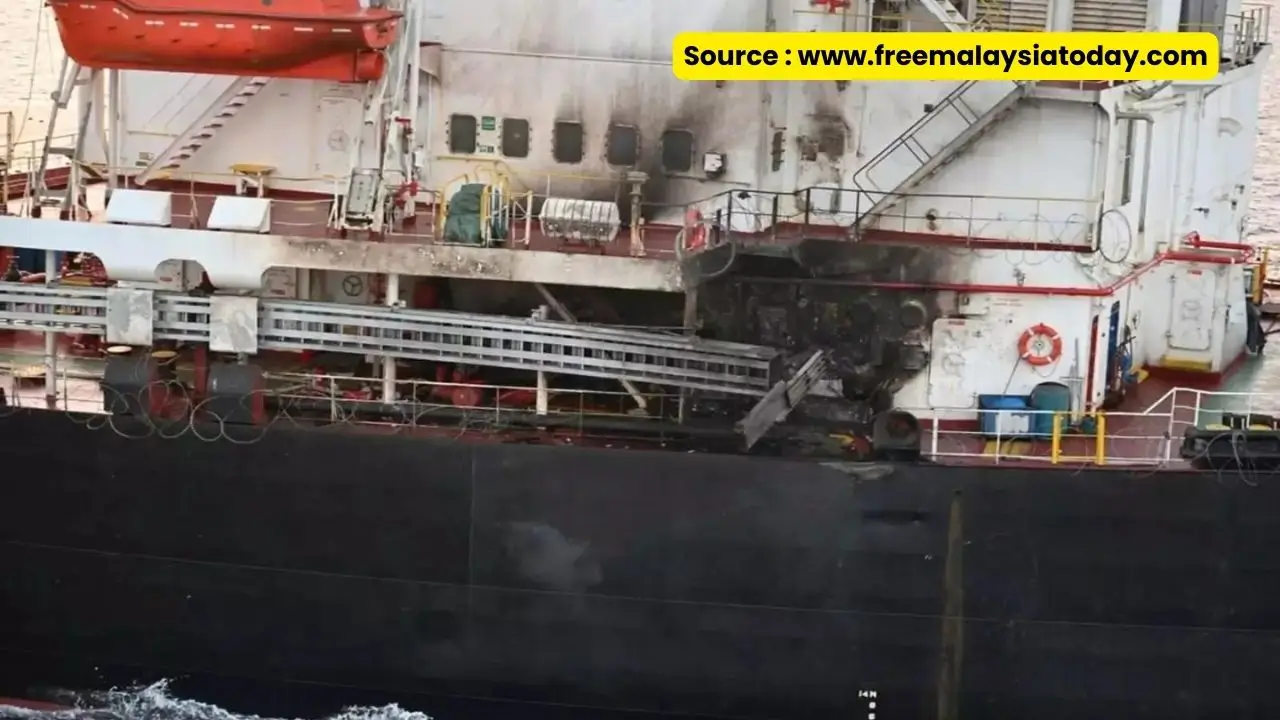
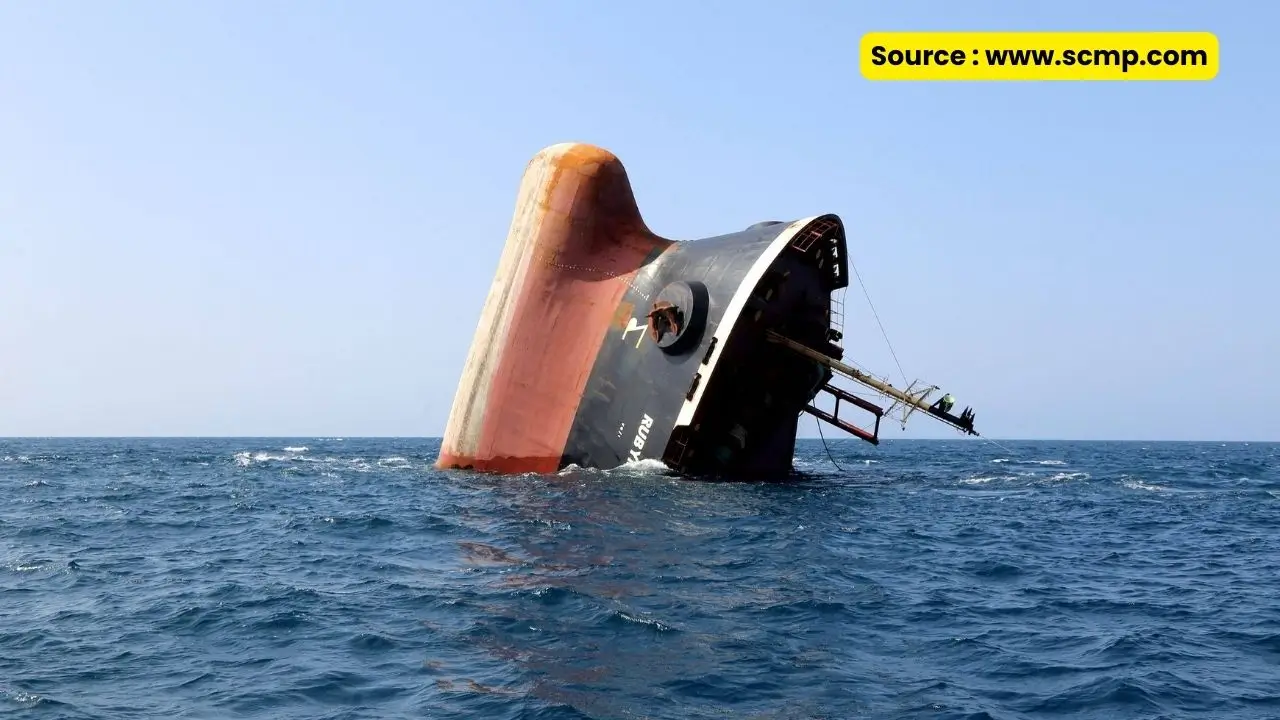
The Greek bulker vessel Tutor, believed to be carrying 80,000 tonnes of coal, is confirmed to have sunk in the Red Sea off the coast of Eritrea. This marks the second commercial ship lost to attacks by the Houthi rebels in recent months, raising concerns about the safety of maritime traffic in the crucial waterway.

The Tutor, a relatively new vessel built in 2022 with a deadweight tonnage of 82,357, was first struck by a suspected Houthi drone boat on June 12th. The attack caused a significant explosion and flooded the engine room, disabling the ship. U.S. and French forces evacuated the crew last Friday, but warnings were issued about the ongoing flooding and the potential for the vessel to sink.

Debris and oil slicks have now been reported in the area where the Tutor was last located, leading maritime trade organizations in the UK to confirm the ship’s demise. The sinking follows a similar incident in March, where the bulker Rubymar was struck by a Houthi missile and eventually sank after drifting for nearly two weeks.

The Houthis, a rebel group controlling large parts of Yemen, have been engaged in a long-running civil war against the Saudi-backed Yemeni government. The group has recently intensified attacks on shipping in the Red Sea, a critical route for global trade, particularly for oil tankers transporting crude oil from the Middle East.

Also Read : India’s Mega Vizhinjam Port: A Game-Changer For Global Shipping And Trade

The Houthi rebels have justified their attacks by accusing targeted vessels of carrying military supplies for the Saudi-led coalition or making port calls in Israel. These accusations have not been independently verified. The recent attacks have heightened tensions in the region and raised concerns about the security of vital shipping lanes.

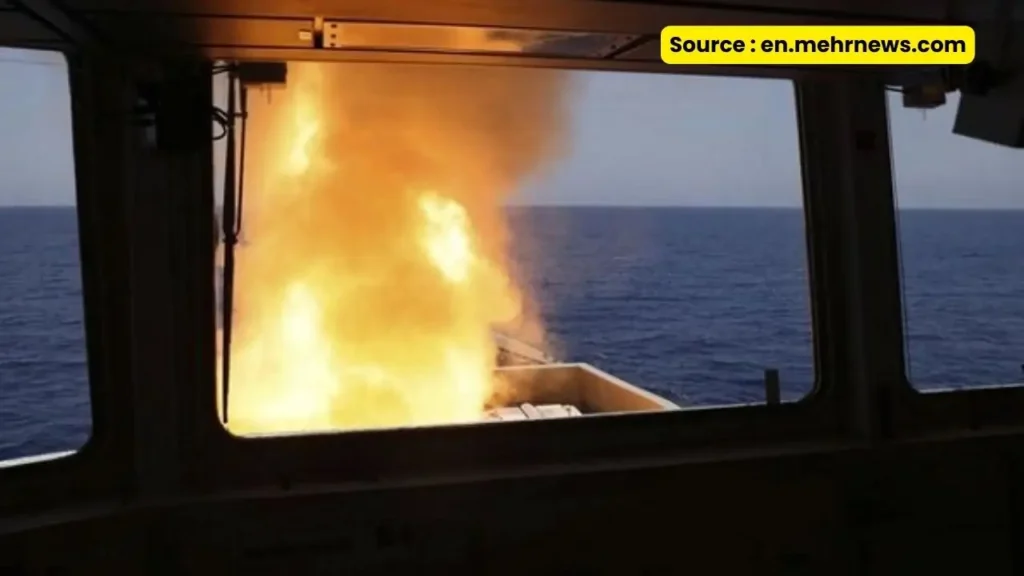
The sinking of the Tutor also raises questions about the effectiveness of current measures to protect maritime traffic in the Red Sea. While international naval forces, including those from the US and France, patrol the area, the recent incidents demonstrate the Houthis’ capability to disrupt commercial shipping.

The international community is likely to call for a stronger response to these attacks. This could involve increased naval patrols, diplomatic efforts to de-escalate the conflict in Yemen, and potential sanctions against the Houthi rebels.

The Tutor incident also brings to light the human cost of the ongoing conflict in Yemen. One Filipino seafarer is reported missing and presumed dead after being trapped in the engine room during the attack. This tragedy highlights the dangers faced by merchant mariners caught in the crossfire of a complex geopolitical situation.

Conclusion

The sinking of the bulker Tutor marks a significant escalation in Houthi attacks on commercial shipping in the Red Sea. This incident underscores the need for a robust international response to ensure the safety and security of maritime traffic in this crucial waterway. Furthermore, the human cost of the conflict in Yemen demands immediate action to find a peaceful resolution to the ongoing civil war.

Also Read : Israel’s Ports Disrupted: Impacts, Security, And The Global Economy

Suez Canal Traffic Dwindles: Revenue Drops Sharply Amid Red Sea Attacks

18th June 2024

Report : Suez Canal Traffic Falls: Revenue Plummets Amid Red Sea Attacks

Egypt’s Suez Canal, a vital artery of global trade, has seen its revenue plummet by nearly half in recent months due to a crisis in the Red Sea. The culprit? A series of attacks on shipping vessels launched by Yemen’s Houthi rebels. The attacks, which began in solidarity with Palestinians in Gaza, have spooked major shipping companies, causing them to divert their vessels away from the Red Sea and opt for the longer, but safer, route around Africa’s Cape of Good Hope.

The impact on the Suez Canal Authority (SCA) has been substantial. According to SCA chief Osama Rabie, January 2024 saw a staggering 64.3% drop in revenue compared to the same period in 2023. This translates to a decline from $804 million to just $337.8 million. The number of ships navigating the canal has also fallen significantly, with May 2024 witnessing a 53% decrease compared to May 2023 (1,111 ships vs. 2,396 ships). This decline in traffic has further crippled the canal’s cargo volume, with a staggering 68.5% drop in cargo passing through the waterway in May 2024 compared to the previous year.

The crisis comes at a particularly inopportune time for Egypt. The record-breaking $9.4 billion earned by the canal in the 2022/2023 fiscal year was a significant source of national income and foreign currency. The current drop in revenue threatens to exacerbate Egypt’s existing economic woes, which include a plummeting currency and a growing economic crisis.

Also Read : In an agreement to develop the Arctic Sea Route, Russia and DP World

The Houthi attacks are believed to be a response to the Israeli-Palestinian conflict. The rebels have targeted commercial vessels in the Red Sea, raising concerns about the safety of maritime passage in the region. This has forced shipping companies to prioritize crew and cargo safety by rerouting their journeys. While the longer Cape of Good Hope route adds significant time and cost to voyages, it is currently seen as the safer option.

The international community has responded to the crisis with concern. A 10-nation coalition, spearheaded by the US and including countries like Canada, France, Italy, and the UK, was formed in December 2023 to counter the Houthi threat. However, the attacks have yet to cease, leaving the situation in the Red Sea unresolved.

The SCA is actively seeking solutions. Rabie has emphasized the importance of international cooperation to ensure the security of Red Sea shipping lanes. The Authority is also reportedly considering offering discounts and incentives to shipping companies to entice them back to the canal route. However, the success of these measures hinges on a de-escalation of the conflict in the Red Sea.

Conclusion

The Red Sea crisis has thrown a wrench into the smooth operations of the Suez Canal, a linchpin of global trade. With revenue down by nearly half and shipping traffic dwindling, the economic impact on Egypt is significant. The international community’s role in resolving the underlying conflict in the Red Sea is crucial to restoring stability and ensuring the continued smooth flow of maritime traffic through this vital waterway.

Also Read : Unlocking the Waves of Opportunity – Maritime India Summit 2023

MSC Vessel Faces Arrest After Causing Damage, Raising Safety Concerns on Cooper River

14th June 2024

Report : MSC Vessel Arrested After Causing Damage and Safety Concerns on Cooper River

A US court has issued an arrest warrant for the MSC Michigan, a container ship owned by Mediterranean Shipping Company (MSC), following a dramatic incident on the Cooper River in Charleston, South Carolina. The incident, which occurred on June 5th, involved the vessel allegedly losing control and causing damage to a pier while traveling at excessive speed.

Carver Maritime LLC, the operator of the damaged pier (Pier J), filed a lawsuit against MSC alleging the MSC Michigan acted negligently. According to the lawsuit, the 6,700 TEU capacity vessel was traveling at over 15 knots, exceeding the safe speed limit for the channel, when it passed the pier. This high speed is claimed to have created a powerful wake that dislodged a nearby moored vessel, the Norway Pearl, causing “substantial damage.”

The lawsuit further alleges that the MSC Michigan was not under proper control. Carver Maritime details 14 separate breaches of duty by the ship’s operators, including failing to maintain a safe speed and failing to operate the vessel safely. These allegations raise serious questions about what caused the loss of control and the steps taken by the crew to rectify the situation.

The incident caused a significant amount of disruption. Fearing a potential collision similar to the recent bridge allision in Baltimore, authorities cleared the Ravenel Bridge, a major artery crossing the Cooper River, of all traffic. This closure lasted for an unspecified duration until the ship was brought under control and steered away from the bridge.

While the cause of the speeding incident remains under investigation, the court’s issuance of an arrest warrant suggests the judge found merit in Carver Maritime’s claims. An arrest warrant in maritime law authorizes authorities to seize a vessel as security for a potential claim. In this case, the arrest warrant serves as a legal tool to ensure the MSC Michigan remains available while the lawsuit proceeds. This could potentially force MSC to either post a significant bond or face having the ship detained until the legal case is resolved.

Also Read : A step toward reconciliation, Israel will compensate ships damaged in the Gaza War

MSC has yet to publicly comment on the lawsuit or the arrest warrant. However, in a separate incident involving the MSC Michigan earlier this year, the company blamed a “throttle getting stuck” for causing damage to a different pier. This raises the possibility of a mechanical issue being a contributing factor in the Cooper River incident as well.

The situation highlights the potential dangers posed by large vessels operating in busy waterways. Incidents like this can cause significant economic damage to port facilities and disrupt vital transportation routes. Additionally, the close call with the Ravenel Bridge underscores the potential for catastrophic consequences if such a loss of control were to occur near a populated area.

The legal battle between Carver Maritime and MSC is likely to shed light on the cause of the incident and the culpability of the ship’s operators. The outcome of this case could also have wider implications for maritime safety regulations and procedures, particularly regarding speed limits and emergency response protocols in confined waterways.

Conclusion

The arrest warrant issued for the MSC Michigan serves as a stark reminder of the potential dangers associated with large vessels operating in busy waterways. The incident raises critical questions about maritime safety protocols and the need for stricter regulations to prevent similar occurrences in the future. As the legal case unfolds, the focus will be on determining the cause of the speeding and ensuring that appropriate measures are taken to prevent such incidents from happening again.

Also Read : Rocket Shadows Cause Havoc at Israel’s Ashdod Port

Hapag-Lloyd Strengthens Trade Ties Between Türkiye and the Red Sea with New Service

12th June 2024

Report : Hapag-Lloyd Boosts Türkiye-Red Sea Trade with New Service

Hapag-Lloyd, one of the world’s leading shipping liners, has announced the launch of a new service directly connecting ports in Western Türkiye with the Red Sea. This development, expected to begin operations in mid-June 2024, aims to bolster trade ties between the regions and provide a reliable route for businesses.

The new service, dubbed the “Türkiye Red Sea Express” (TRE), signifies Hapag-Lloyd’s commitment to expanding its network and catering to the growing demand for efficient maritime transportation between these key commercial hubs. Specific details about the port rotation and vessel capacity haven’t been officially revealed yet, but industry analysts anticipate it will cater to containerized cargo, a critical segment for both Turkish and Red Sea economies.

Strategic Timing and Addressing Challenges

This launch comes at a time when container shipping in the Red Sea faces disruptions due to ongoing geopolitical tensions. The activities of Houthi rebels in Yemen have posed a security threat to vessels traversing the traditional route through the Gulf of Aden. Hapag-Lloyd’s TRE service is likely designed to address these concerns by offering an alternative route that bypasses the Gulf of Aden.

Experts believe the TRE service will provide several benefits:

  • Enhanced Security: By avoiding the Gulf of Aden, the TRE service offers a potentially safer passage for cargo ships, mitigating the risk of pirate attacks or disruptions caused by Houthi activity.
  • Improved Efficiency: The new route could potentially lead to faster transit times between Türkiye and Red Sea ports, depending on the specific port rotation. This efficiency gain can translate into cost savings and improved supply chain management for businesses.
  • Boosted Trade: The TRE service is expected to stimulate trade between Türkiye and Red Sea countries like Saudi Arabia, Egypt, and Jordan. It will offer Turkish exporters a more secure and potentially faster route to reach these lucrative markets, while also facilitating imports from the region.

Also Read : Ukraine Claims Russia detonated explosives in shipping lanes in the Black Sea

Positive Impact on Regional Trade

Industry stakeholders have welcomed Hapag-Lloyd’s initiative. Turkish exporters, facing challenges due to disruptions in traditional Red Sea routes, are likely to view the TRE service as a positive development. Similarly, businesses in Red Sea countries seeking reliable connections to the Turkish market will benefit from this new shipping option.

Conclusion

Hapag-Lloyd’s launch of the Türkiye Red Sea Express signifies a strategic move to capitalize on the growing trade potential between Türkiye and the Red Sea region. The service is expected to provide a much-needed secure and efficient route for businesses, ultimately contributing to the economic well-being of both regions. With more details about the service becoming available in the coming weeks, businesses can start planning their logistics strategies to leverage this new shipping link.

Also Read : The Biden Administration’s Strategy for Reviewing Gas-Export Permits

Sarbananda Sonowal Takes Charge of Ministry of Ports, Shipping & Waterways for 3rd Term

11th June 2024

Report : Sarbananda Sonowal Assumes Third Term as Minister of Ports, Shipping & Waterways

New Delhi: In a momentous event on Monday, Shri Sarbananda Sonowal officially took charge as the Union Minister for Ports, Shipping & Waterways for an unprecedented third term. This move comes as part of the recent Cabinet reshuffle, reflecting the government’s confidence in Sonowal’s leadership and his ability to steer the maritime sector towards greater efficiency and growth.

A Proven Leader Returns

Sarbananda Sonowal’s reappointment to this crucial ministry underscores his vast experience and successful track record in maritime governance. Known for his strategic vision and administrative acumen, Sonowal’s previous tenures were marked by significant advancements in port infrastructure, inland waterways development, and policy reforms that have strengthened India’s maritime capabilities.

Upon assuming office, Sonowal expressed his gratitude to the Prime Minister and reiterated his commitment to furthering the ministry’s objectives. “I am honored to serve again as the Minister for Ports, Shipping & Waterways. Our maritime sector is a cornerstone of India’s economic framework, and we will continue to work tirelessly to enhance its potential and global standing,” he stated.

Key Focus Areas

In his third term, Sonowal has outlined several key areas of focus to drive the ministry’s agenda forward. High on the list is the modernization and expansion of major ports across the country. This includes upgrading existing infrastructure, implementing advanced technologies, and improving connectivity to ensure seamless operations. The Sagarmala project, a flagship initiative aimed at port-led development, will remain a pivotal element of his strategy, promising significant contributions to coastal and port infrastructure.

Additionally, Sonowal aims to accelerate the development of inland waterways, recognizing their role in providing an efficient and eco-friendly alternative for transportation. The Jal Marg Vikas Project, which focuses on developing the National Waterway-1 from Allahabad to Haldia, will receive renewed attention to expedite its completion. This initiative is expected to reduce logistics costs and alleviate pressure on road and rail networks, thereby enhancing the overall efficiency of the country’s transportation system.

Commitment to Sustainability

Environmental sustainability is another crucial aspect of Sonowal’s vision for the maritime sector. He emphasized the need for adopting green technologies and practices to minimize the environmental impact of shipping activities. The ministry will promote the use of alternative fuels, enhance energy efficiency, and ensure compliance with international environmental standards to create a sustainable maritime ecosystem.

Also Read : South Fork Wind Off New York is home to the first turbine installation

Enhancing Global Collaborations

Sonowal’s tenure will also focus on strengthening international collaborations to boost trade and maritime security. By fostering partnerships with global maritime organizations and entering into bilateral agreements, the ministry aims to enhance India’s strategic position in the global maritime landscape. “Our goal is to establish India as a leading maritime nation, contributing significantly to global trade and ensuring maritime security through international cooperation,” Sonowal remarked.

Industry and Stakeholder Engagement

Engagement with industry stakeholders remains a cornerstone of Sonowal’s approach. He emphasized the importance of collaboration with port authorities, shipping companies, and logistics providers to address challenges and seize new opportunities for growth. By fostering a participative and inclusive approach, the ministry seeks to create a robust and resilient maritime sector.

Conclusion

Shri Sarbananda Sonowal’s third term as the Union Minister for Ports, Shipping & Waterways heralds a period of continuity and renewed vigor for the ministry. With his proven leadership and clear vision, the maritime sector is poised for transformative growth and development. As Sonowal takes the helm once more, industry stakeholders and the nation at large anticipate substantial advancements in infrastructure, sustainability, and global collaboration, all contributing to India’s economic prosperity and maritime strength.

Also Read : U.S. Imposes Sanctions on Maritime Entities Shipping Oil Above Russian Price Cap

Sarbananda Sonowal Takes Oath of Office as Union Cabinet Minister Today for Record-Breaking Third Term

10th June 2024

Report : Sarbananda Sonowal Sworn in for Third Term as Union Cabinet Minister

New Delhi, June 10, 2024 — In a momentous event, Sarbananda Sonowal was sworn in as a Union cabinet minister for a historic third term today. The ceremony, held at the Rashtrapati Bhavan, was attended by several dignitaries, including President Droupadi Murmu, Prime Minister Narendra Modi, and various senior leaders of the Bharatiya Janata Party (BJP). Sonowal’s reappointment underscores his significant contributions to the government and his enduring influence in Indian politics.

A Political Stalwart

Sarbananda Sonowal, a seasoned politician from Assam, has been a prominent figure in Indian politics for over two decades. His political journey began with the Asom Gana Parishad (AGP) before he joined the BJP in 2011. Known for his grassroots approach and strong leadership qualities, Sonowal quickly rose through the ranks. He served as the Chief Minister of Assam from 2016 to 2021, a tenure marked by significant developmental initiatives and efforts to curb illegal immigration in the state.

In his previous stints as a Union minister, Sonowal held key portfolios, including the Ministry of Youth Affairs and Sports and the Ministry of Ports, Shipping and Waterways. His tenure in these roles was characterized by dynamic policy-making and effective implementation of various schemes aimed at bolstering infrastructure and enhancing youth engagement in sports.

A Ceremonious Swearing-In

The swearing-in ceremony was a grand affair, reflecting the importance of Sonowal’s reappointment. President Murmu administered the oath of office, while Prime Minister Modi and other cabinet members looked on. In his address, Prime Minister Modi lauded Sonowal’s dedication and highlighted his pivotal role in driving various national initiatives.

“Sonowal ji has been an exemplary leader, showcasing unwavering commitment and vision. His contributions to the development of Assam and the nation have been commendable. We are confident that his experience and leadership will continue to be invaluable assets to our government,” Modi stated.

Priorities for the New Term

As Sonowal embarks on his third term, his portfolio is yet to be officially announced. However, political analysts predict that he will continue to play a crucial role in infrastructure development and regional connectivity, areas where he has previously made significant strides.

One of the key challenges and opportunities for Sonowal will be the continued development of the Northeastern region of India. Given his deep understanding of the region’s unique socio-economic dynamics, Sonowal is expected to focus on enhancing connectivity, promoting sustainable development, and addressing long-standing issues such as ethnic conflicts and economic disparities.

Sonowal’s previous work in the Ministry of Ports, Shipping and Waterways saw major projects like the Sagarmala initiative, which aimed at modernizing India’s ports and coastal infrastructure. If assigned a similar portfolio, he is likely to push for further advancements in maritime infrastructure, boosting India’s trade capabilities and regional development.

Also Read : Cargo ship Capsizes in the coast of a Greek Island, leaving 12 missing & 1 dead

Reactions from Across the Political Spectrum

The reappointment of Sonowal has elicited positive responses from various quarters. BJP leaders and supporters have expressed their satisfaction, citing his proven track record and leadership qualities. In Assam, his home state, there is a palpable sense of pride and anticipation for the developmental prospects his new term might bring.

Opposition leaders, while congratulating Sonowal, have also urged him to address pressing issues such as unemployment, environmental concerns, and ethnic tensions in the Northeastern region. The coming months will be crucial in determining how effectively Sonowal can leverage his experience to address these multifaceted challenges.

Conclusion

Sarbananda Sonowal’s swearing-in for a historic third term as a Union cabinet minister marks a significant milestone in his illustrious political career. His extensive experience, coupled with his proven leadership capabilities, positions him as a key player in the Modi administration. As India continues to navigate complex socio-economic challenges, Sonowal’s role will be instrumental in shaping the country’s developmental trajectory, particularly in the Northeastern region. The nation watches with keen interest as Sonowal embarks on this new chapter, hopeful for continued progress and prosperity.

Also Read : Unrest in the Red Sea as ships connected to Israel are attacked

PIL Academy Sets Sail: Upskilling the Workforce in Maritime Transport and Logistics

8th June 2024

Report : PIL Academy charts course for upskilled maritime workforce

Singaporean shipping giant Pacific International Lines (PIL) has charted a new course for its employees with the launch of the PIL Academy. This dedicated learning and development center aims to equip its global workforce of 8,000 – including 4,000 seafarers – with the knowledge and skills needed to navigate the evolving landscape of maritime transport and logistics.

The academy’s mission goes beyond basic training. It aspires to be a “centre of excellence” offering structured and customized programs for employees at all levels. The curriculum will be a holistic blend of in-person, online, and hybrid learning modules, catering to diverse learning styles and geographical locations. Partnering with industry experts and educational institutions, PIL Academy will offer accredited courses encompassing critical areas like:

  • Fleet and Vessel Operations: This will ensure a highly skilled workforce capable of managing and operating vessels efficiently and safely.
  • Maritime Finance and Commerce: Equipping employees with a strong understanding of financial aspects in the maritime sector will be crucial for informed decision-making.
  • Sustainability and Decarbonization: As the industry grapples with environmental concerns, the academy will focus on sustainable practices and emission reduction strategies.
  • Soft Skills Development: Leadership, innovation, and effective communication are essential for a successful career at sea and ashore. The academy recognizes this need and will offer dedicated training programs.

The PIL Academy launch, held on June 7th, 2023, was graced by Singapore’s Minister for Transport and Second Minister for Finance, Mr. Chee Hong Tat. He acknowledged the significance of the academy, stating, “The maritime industry is key to international trade, with more than 80 percent of the world’s cargo transported by sea.” He further emphasized Singapore’s goal of becoming a global hub for maritime talent development through a strong tripartite partnership between the government, industry, and unions.

PIL’s vision for the academy aligns perfectly with this national objective. Lars Kastrup, CEO of PIL, highlighted its multi-pronged approach: “PIL is focused on the upskilling, career development, and international mobility of our employees, as well as supporting sea-to-shore career progression.” The academy’s Management Associate Programme exemplifies this commitment by nurturing new talent and preparing them for leadership roles.

Also Read : $316 million Mega-Claim filed by Bed Bath & Beyond against MSC amid bankruptcy

The PIL Academy is a strategic investment in the company’s future. By empowering its workforce with ## PIL Academy Sets Sail: Upskilling the Workforce in Maritime Transport and Logistics

Singaporean shipping giant Pacific International Lines (PIL) has charted a new course for its employees with the launch of the PIL Academy. This dedicated learning and development center aims to equip its global workforce of 8,000 – including 4,000 seafarers – with the knowledge and skills needed to navigate the evolving landscape of maritime transport and logistics.

The academy’s mission goes beyond basic training. It aspires to be a “centre of excellence” offering structured and customized programs for employees at all levels. The curriculum will be a holistic blend of in-person, online, and hybrid learning modules, catering to diverse learning styles and geographical locations. Partnering with industry experts and educational institutions, PIL Academy will offer accredited courses encompassing critical areas like:

  • Fleet and Vessel Operations: This will ensure a highly skilled workforce capable of managing and operating vessels efficiently and safely.
  • Maritime Finance and Commerce: Equipping employees with a strong understanding of financial aspects in the maritime sector will be crucial for informed decision-making.
  • Sustainability and Decarbonization: As the industry grapples with environmental concerns, the academy will focus on sustainable practices and emission reduction strategies.
  • Soft Skills Development: Leadership, innovation, and effective communication are essential for a successful career at sea and ashore. The academy recognizes this need and will offer dedicated training programs.

The PIL Academy launch, held on June 7th, 2023, was graced by Singapore’s Minister for Transport and Second Minister for Finance, Mr. Chee Hong Tat. He acknowledged the significance of the academy, stating, “The maritime industry is key to international trade, with more than 80 percent of the world’s cargo transported by sea.” He further emphasized Singapore’s goal of becoming a global hub for maritime talent development through a strong tripartite partnership between the government, industry, and unions.

PIL’s vision for the academy aligns perfectly with this national objective. Lars Kastrup, CEO of PIL, highlighted its multi-pronged approach: “PIL is focused on the upskilling, career development, and international mobility of our employees, as well as supporting sea-to-shore career progression.” The academy’s Management Associate Programme exemplifies this commitment by nurturing new talent and preparing them for leadership roles.

The PIL Academy is a strategic investment in the company’s future. By empowering its workforce with the latest knowledge and skills, PIL can enhance operational efficiency, navigate digitalization trends, and embrace sustainable practices. This, in turn, will contribute to the company’s overall growth and competitiveness in the global maritime landscape.

Conclusion

The launch of the PIL Academy marks a significant step forward for the maritime industry. It underscores the growing importance of continuous learning and development for a future-proof workforce. By investing in its people, PIL is not only ensuring its own success but also propelling the broader maritime sector towards a more skilled, sustainable, and innovative future. latest knowledge and skills, PIL can enhance operational efficiency, navigate digitalization trends, and embrace sustainable practices. This, in turn, will contribute to the company’s overall growth and competitiveness in the global maritime landscape.

Conclusion

The launch of the PIL Academy marks a significant step forward for the maritime industry. It underscores the growing importance of continuous learning and development for a future-proof workforce. By investing in its people, PIL is not only ensuring its own success but also propelling the broader maritime sector towards a more skilled, sustainable, and innovative future.

Also Read : Using Hydrogen to Power Newbuilds: CMB and Boeckmans Team Up

Visakhapatnam Port Sails into Top 20 of World Bank’s Container Port Performance Index

7th June 2024

Report : Visakhapatnam Port cracks World Bank’s top 20.

Visakhapatnam Port Trust (VPT), a major port on India’s eastern coast, has achieved a significant milestone by securing a spot in the top 20 of the World Bank‘s Container Port Performance Index (CPPI) 2023. This prestigious ranking recognizes the port’s operational efficiency in handling containerized cargo, a crucial factor in today’s globalized trade.

The CPPI, developed by the World Bank and S&P Global Market Intelligence, is a benchmark study that assesses the performance of container ports worldwide. It primarily focuses on “quayside performance,” which measures the average time a container ship spends in port for loading and unloading activities. Faster turnaround times translate to lower costs for shipping lines and ultimately benefit international trade.

Visakhapatnam Port’s impressive performance can be attributed to several factors. The Visakhapatnam Container Terminal Private Limited (VCTPL), a wholly-owned subsidiary of J. M. Baxi Ports & Logistics, plays a critical role. VCTPL operates a modern terminal with a capacity of 1.35 million twenty-foot equivalent units (TEUs) annually. The terminal utilizes advanced equipment and technology to ensure smooth and efficient cargo handling.

Furthermore, the Visakhapatnam Port Authority (VPA) has implemented various initiatives to streamline operations. These include investments in infrastructure upgrades, automation of processes, and improved coordination between various stakeholders involved in the port ecosystem. This collaborative approach ensures seamless cargo movement through the port.

Also Read : Houthis of Yemen Aiming at Every Ship Going to Israel

Visakhapatnam Port’s achievement is particularly noteworthy considering the dominance of Asian ports in the CPPI rankings. The 2023 edition revealed that 13 out of the top 20 spots were occupied by ports in East and Southeast Asia. Visakhapatnam’s rise within this competitive landscape signifies its growing importance as a key trade gateway in the region.

The port’s strategic location on the Bay of Bengal positions it well to serve not only India’s domestic needs but also cater to international trade routes connecting South Asia with Southeast Asia and beyond. This prime location, coupled with its recent performance improvements, positions Visakhapatnam Port to attract a larger share of containerized cargo traffic.

The positive impact of Visakhapatnam Port’s accomplishment extends beyond the immediate benefits to the port itself. This recognition serves as a testament to India’s growing prowess in the maritime sector. It underscores the country’s commitment to developing world-class port infrastructure and enhancing operational efficiency. This, in turn, will contribute to India’s ambitions of becoming a global trade leader.

Looking ahead, Visakhapatnam Port has the potential to further improve its ranking in the CPPI. Continued investments in infrastructure, technology, and skill development for its workforce will be key factors in sustaining its competitive edge. By maintaining its focus on operational excellence, Visakhapatnam Port is well-positioned to become a leading container port facility not just in India but on the global stage.

Conclusion

Visakhapatnam Port’s entry into the top 20 of the World Bank’s CPPI is a significant achievement that reflects the port’s commitment to operational excellence. This accomplishment not only benefits the port itself but also serves as a positive indicator for India’s maritime sector as a whole. With continued focus on efficiency and infrastructure development, Visakhapatnam Port is poised to play an even more prominent role in facilitating global trade in the years to come.

Also Read : Indian Navy Unveils a Naval Operations at Sindhudurg’s “Naval Show”

ADNOC L&S Bolsters Maritime Presence with $1 Billion Acquisition of Navig8

3th June 2024

Report : ADNOC L&S buys Navig8 for $1 billion, expands reach.

ADNOC Logistics & Services (ADNOC L&S), the maritime arm of the Abu Dhabi National Oil Company (ADNOC), announced a significant move today with the acquisition of a majority stake in UK-based tanker owner and operator Navig8. The deal, valued at over $1 billion, marks a strategic expansion for ADNOC L&S as it seeks to solidify its position as a leading player in global energy maritime logistics.

Under the terms of the agreement, ADNOC L&S will acquire 80% of Navig8 for AED 3.8 billion (approximately $1.03 billion). The remaining 20% stake will be purchased in 2027 for an additional consideration ranging from $335 million to $450 million. This phased acquisition strategy allows ADNOC L&S to gain immediate control over a significant portion of Navig8’s operations while providing flexibility for future adjustments.

The acquisition is expected to be immediately accretive to ADNOC L&S, boosting its earnings per share by at least 20% in the first full year. This significant growth is attributed to Navig8’s strong financial performance, with the company recording earnings before interest, taxes, depreciation, and amortization (EBITDA) exceeding $400 million in 2023. Notably, this figure represents nearly half of ADNOC L&S’s core earnings for the same period, highlighting the substantial value addition brought by Navig8.

“We are progressing towards achieving our strategic growth investment target with major expansions of our fleet and global footprint,” said Captain Abdulkareem Al Masabi, CEO of ADNOC L&S. “The acquisition of Navig8, combined with our recent shipbuilding activities, demonstrates that ADNOC L&S is delivering on our strategy to maximize shareholder value.”

ADNOC L&S currently operates a diversified fleet exceeding 240 owned and chartered vessels. The company also holds a 25-year exclusive agreement to service all petroleum ports in Abu Dhabi. The acquisition of Navig8 brings significant advantages to this existing infrastructure.

Also Read : Houthis claim to be launching a missile at a merchant ship in Red Sea

Navig8 boasts a fleet of 32 modern tankers, significantly expanding ADNOC L&S’s operational capacity. Additionally, Navig8’s presence in 15 international cities strengthens ADNOC L&S’s global reach, offering a wider network for logistics and service delivery. This expanded footprint aligns with ADNOC L&S’s vision of becoming a preeminent player in the global energy maritime sector.

Analysts view the acquisition as a strategic win for ADNOC L&S. “This deal allows ADNOC L&S to not only enhance its fleet capacity but also gain access to valuable expertise in tanker pool management,” commented Omar Khalid, a maritime logistics expert based in Dubai. “Navig8’s established network will further streamline ADNOC L&S’s operations and position them for continued growth.”

The successful completion of this acquisition demonstrates ADNOC L&S’s commitment to its ambitious growth strategy. By integrating Navig8’s resources and expertise, ADNOC L&S is poised to significantly strengthen its position in the global energy maritime logistics landscape.

Conclusion

The acquisition of Navig8 by ADNOC L&S signifies a major development in the global energy maritime sector. This strategic move positions ADNOC L&S for significant growth, bolstering its fleet capacity, expanding its global reach, and enhancing its service offerings. The combined expertise and resources of both companies hold the potential to create a dominant force in the energy maritime logistics industry.

Also Read : Antwerp Launches World’s First Hydrogen-Powered Tug, step Towards Green Maritime Solutions

Gulf Swelters in Unseasonably Warm Waters as Hurricane Season Looms

1th June 2024

Report : Gulf heats up as hurricane season nears

The Atlantic hurricane season officially began on June 1st, but for the Gulf of Mexico, the storm season may have already kicked off in a worrying way. According to the National Centers for Environmental Information (NCEI), water temperatures across the Gulf have reached or even surpassed levels typically seen in August, the peak of the hurricane season.

Readings near Butternut Key, Florida, for instance, have hit a scorching 88 degrees Fahrenheit (31 degrees Celsius), a temperature normally associated with late summer. This is significantly above average for May and June. Similar measurements have been recorded across the Florida coast and offshore, while buoy data from Brownsville and Corpus Christi, Texas, and Veracruz, Mexico, all show the western Gulf exceeding normal June temperatures.

Warm ocean temperatures are a critical fuel source for tropical storms and hurricanes. As hurricanes churn the ocean surface, they draw energy from the warm water, allowing them to strengthen and grow. Unseasonably hot Gulf waters raise concerns about the potential for a more active and destructive hurricane season.

Also Read : Maersk continue to operate in Red Sea and Gulf of Aden

“These high temperatures are definitely a cause for concern,” says Dr. Sarah Jones, a hurricane researcher at the University of Miami. “Warmer water provides more fuel for storms, which can lead to rapid intensification – a situation where a hurricane strengthens very quickly, often catching coastal communities off guard.”

The early warmth isn’t the only troubling sign. In May 2022, experts predicted high heat content waters in the Gulf due to a potential breakaway eddy from the Loop Current, a powerful current in the Gulf. This eddy carries exceptionally warm water, and if it separates, it could create a hotspot for rapid hurricane intensification.

While the presence of the eddy hasn’t been confirmed yet, the current high temperatures suggest the Gulf is primed for storm development. “The combination of these factors – early warmth and the potential for an eddy – could create a recipe for a very active season,” warns Dr. Jones.

However, there’s still some room for cautious optimism. Other atmospheric factors, such as wind shear (strong changes in wind speed or direction with height), can play a significant role in hurricane development. Strong wind shear can disrupt a storm’s structure and prevent it from intensifying.

“While warm water is a key ingredient, it’s not the only factor,” explains Dr. Michael Chen, a hurricane meteorologist with the National Oceanic and Atmospheric Administration (NOAA). “We’ll be closely monitoring wind shear patterns throughout the season. Strong shear can weaken storms, so its presence could mitigate some of the risks associated with the warm water.”

Coastal residents along the Gulf of Mexico and the Atlantic seaboard should remain vigilant and prepared for the hurricane season, regardless of predictions. Having a hurricane plan in place, including an evacuation route, emergency supplies kit, and knowledge of local shelters, is crucial. Staying informed by following reputable weather sources and National Hurricane Center advisories is also essential.

Conclusion

The unseasonably hot waters in the Gulf of Mexico paint a concerning picture for the upcoming hurricane season. While the presence of warm water fuels storms, it’s just one piece of the puzzle. Monitoring wind shear patterns and staying prepared throughout the season are vital steps to ensure safety in the face of potential hurricanes.

Also Read : To get around Red Sea bottleneck, exporters are turning to cargo flights

Panama Canal Cruises Ahead as Early Rains Ease Drought Concerns

31th May 2024

Report : Panama Canal clear sailing as rains end drought.

PANAMA CITY, Panama – In a welcome sign for global trade, the Panama Canal Authority (ACP) announced on May 29, 2024, that water restrictions on the crucial waterway would be eased earlier than anticipated. This decision was made when the main freshwater storage for the canal, Gatun Lake, saw an increase in water levels due to a successful water conservation program and a wetter-than-expected start to the rainy season.

The canal faced a significant challenge in 2023 due to a historic drought exacerbated by El Niño, a weather phenomenon linked to reduced rainfall. To navigate these low water levels, the ACP implemented a series of restrictions, including limiting the number and size of ships allowed to pass through the canal each day. These measures disrupted global shipping schedules and caused headaches for international trade.

However, the ACP’s proactive approach, which included water recycling initiatives and increased efficiency in lock operations, proved successful. “The management and administration of water has been very efficient,” said canal administrator Ricaurte Vasquez in an interview with AFP.

Panama Canal clear sailing as rains end drought

Early signs of recovery emerged in April 2024, with the ACP announcing a gradual increase in the number of daily transits. This initial rise, from 27 to 32 ships per day, was followed by the latest announcement, which removes limitations sooner than expected.

Also Read : MOL & Yara Sign a Charter Agreement for an Ammonia Carrier

The easing of restrictions is a positive development for the Panamanian economy, which relies heavily on the canal’s revenue. The canal contributes significantly to the country’s GDP and employs thousands of Panamanians. A smooth-functioning canal also benefits global trade, as it offers a vital shortcut for shipping between the Atlantic and Pacific Oceans.

“This is great news for global supply chains,” said Carlos Muñoz, a maritime analyst based in Miami. “The Panama Canal is a linchpin in global trade, and any disruption there has a ripple effect. The earlier easing of restrictions shows the canal’s resilience and its commitment to keeping global commerce moving.”

While the situation is improving, challenges remain. Climate change is expected to lead to more frequent and intense droughts in the region. The ACP is committed to long-term water management solutions, including exploring water reuse projects and expanding its rainwater harvesting capabilities.

Conclusion

The current drought was successfully navigated by the Panama Canal, highlighting the value of anticipation and water conservation. The earlier-than-expected easing of restrictions is a testament to the ACP’s effective management and a positive sign for global trade. However, the long-term impact of climate change necessitates continued investment in water security to ensure the canal’s smooth operation for future generations.

Also Read : Fire strikes a nuclear-powered Russian Cargo ship

Merchant Vessel in Distress After Missile Attack off Yemen’s Coast

30th May 2024

Report : Missile attack cripples merchant ship off Yemen

A commercial ship sustained significant damage and began taking on water after a suspected missile attack in the Red Sea, according to British security firm Ambrey. The incident, which occurred on Tuesday, has raised concerns about the safety of maritime traffic in the war-torn region.

Details surrounding the attack remain unclear. Ambrey reported that the vessel was struck by three missiles approximately 54 nautical miles southwest of the Yemeni port city of Hodeidah. A subsequent distress call indicated damage to the cargo hold and a dangerous list, suggesting the ship was leaning precariously on one side.

The identity of the merchant vessel and the number of crew members on board haven’t been disclosed. The lack of information regarding the vessel’s flag adds another layer of uncertainty to the situation.

The attack comes amidst a heightened state of tension in the Red Sea, a vital waterway for global trade. Yemen’s ongoing civil war, pitting the Saudi-backed government against Iran-aligned Houthi rebels, has spilled over into the maritime domain. The Houthis have claimed responsibility for a series of drone and missile attacks targeting vessels they believe to be linked to Israel.

These attacks have disrupted shipping operations and forced some companies to reroute around southern Africa, significantly extending travel times and adding to operational costs. The United States and Britain have responded to the Houthi attacks with retaliatory strikes, further escalating tensions.

Also Read : APM Terminals and JNPA collaborate to build a terminal at the forthcoming Vadhava port

While the perpetrator of the latest attack remains unknown, the timing and location point towards a possible Houthi connection. However, no group has claimed responsibility so far.

“The ongoing conflict in Yemen has created a dangerous environment for commercial shipping in the Red Sea,” said a spokesperson for Ambrey. “This latest attack highlights the need for all parties involved to respect international maritime law and ensure the safety of innocent crews.”

The international community has repeatedly called for a ceasefire in Yemen and a return to peace talks. The United Nations has warned of a looming humanitarian catastrophe in the war-torn nation, where millions face starvation and disease.

The damaged merchant vessel’s fate remains uncertain. Rescue and salvage operations are likely underway, but the extent of the damage and the vessel’s stability will determine the course of action.

The incident underscores the precarious situation in the Red Sea. The vital trade route is increasingly becoming a battleground, potentially impacting global supply chains and jeopardizing the safety of seafarers. Continued international pressure is crucial to de-escalate tensions, hold perpetrators accountable, and ensure the free flow of goods through this critical waterway.

Conclusion

The missile attack on the merchant vessel off the coast of Yemen serves as a stark reminder of the dangers posed by the ongoing conflict. It is essential for all parties involved to prioritize the safety of commercial shipping and uphold international maritime law. Only a peaceful resolution to the Yemeni civil war can ensure long-term stability in the Red Sea and safeguard the free movement of goods upon which the global economy relies.

Also Read : FMC to hold Hearing on Shipping conditions in Red Sea

Chabahar Port: A Gateway of Opportunities Fraught with Challenges

29th May 2024

Report : Chabahar Port: Promise and Peril

Nestled on the southeastern coast of Iran, Chabahar Port stands as a beacon of potential, offering a strategic foothold for India’s aspirations in Central Asia and a crucial link in the International North-South Transport Corridor (INSTC). However, the path to realizing its full potential is riddled with challenges, both internal and external.

Opportunities Abound: A Catalyst for Trade and Growth

Chabahar’s geographical location presents a unique advantage. Unlike Iran’s other major ports situated in the Persian Gulf, Chabahar enjoys open access to the Indian Ocean, bypassing the Strait of Hormuz, a chokepoint prone to geopolitical tensions. This translates to smoother trade routes for India, Afghanistan, and Central Asian nations, fostering economic integration across the region.

The port’s development has already yielded significant results. India’s recent extension of its operational rights at Shahid Beheshti terminal for another decade signifies its commitment to the project. This ensures a reliable passage for Indian goods to Afghanistan and Central Asia, bypassing Pakistan. Additionally, Chabahar serves as a vital artery for humanitarian assistance, as evidenced by the successful delivery of wheat and pulses to Afghanistan during the COVID-19 crisis.

Beyond trade, Chabahar holds immense potential for India’s energy security. Iran boasts vast oil and gas reserves, and Chabahar can serve as a strategic entry point for these resources. Diversifying India’s energy basket by importing Iranian oil and gas can lessen dependence on traditional suppliers and ensure a more stable and resilient energy supply.

Challenges to Overcome: A Navigational Maze of Geopolitical Tensions

Despite the promising prospects, Chabahar faces a number of hurdles. The biggest challenge stems from the complex geopolitical landscape of the region. The ongoing tensions between the United States and Iran cast a shadow over the project. US sanctions, although exempting Chabahar development, create a climate of uncertainty for businesses hesitant to invest due to potential repercussions. A more accommodating stance from the US on sanctions specifically related to Chabahar would be crucial in attracting further investment.

Also Read : ITF declares rise in Seafarer Abandonment in 2023 is “Unacceptable”

Furthermore, India-Iran relations, while bolstered by the Chabahar project, lack diversification. The project stands almost alone as a major bilateral initiative. Reviving stalled projects like the Farzad-B gas field and fostering cooperation in sectors like agriculture, pharmaceuticals, and technology can strengthen the overall economic ties between the two nations.

Internal Hurdles: Infrastructure Development and Operational Efficiency

Challenges also lie within Iran itself. Chabahar’s infrastructure requires further development to handle larger volumes of cargo. Upgrading road and rail connectivity to link the port with neighboring countries is essential for maximizing its efficiency. Additionally, streamlining bureaucratic processes and improving customs procedures can expedite cargo movement and attract more businesses.

Conclusion: A Strategic Gateway with Unfulfilled Potential

Chabahar Port presents a unique opportunity for India to expand its economic and strategic footprint in the region. However, navigating the complex geopolitical landscape and addressing internal shortcomings are crucial to unlocking its full potential. By fostering closer cooperation with Iran, attracting further investment, and streamlining operations, Chabahar can truly become the gateway of opportunity it aspires to be.

Also Read : ONE places first-ever methanol fueled vessels order

Gujarat’s Non-Major Ports Steer Towards Remarkable Cargo Volumes in 2023-24

27th May 2024

Report : Gujarat’s non-major ports hit cargo record in 2023-24.

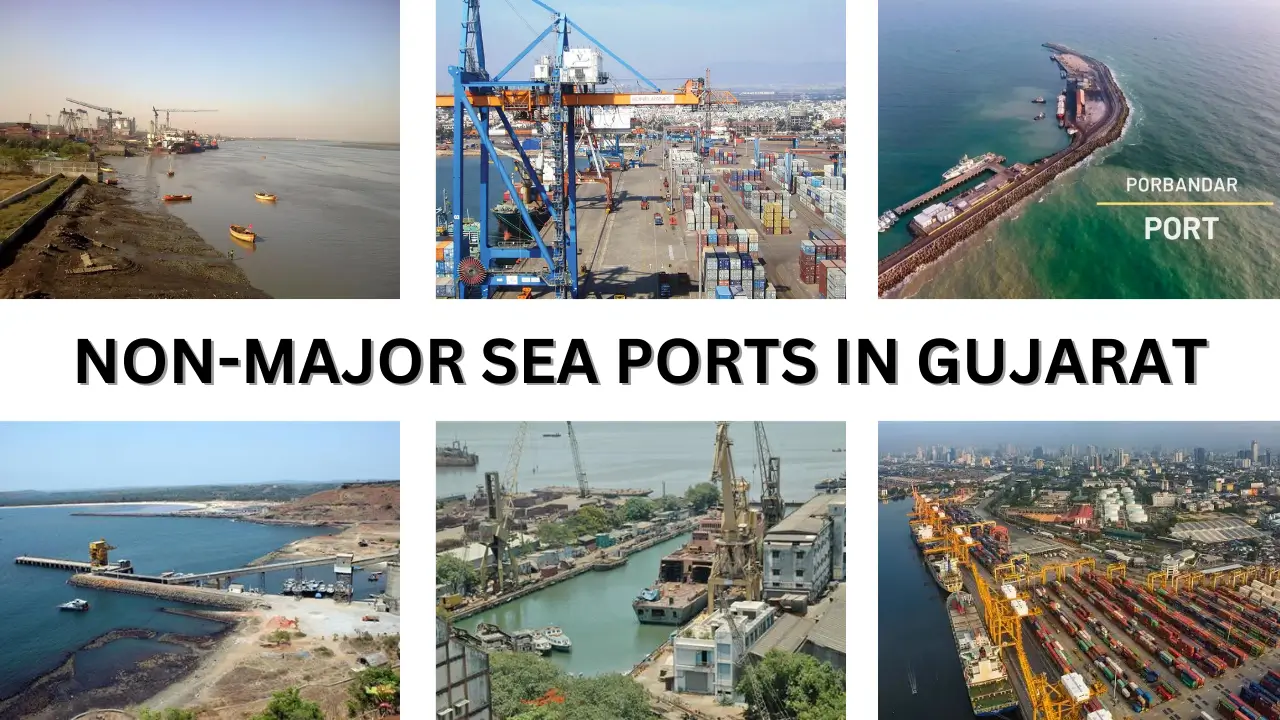
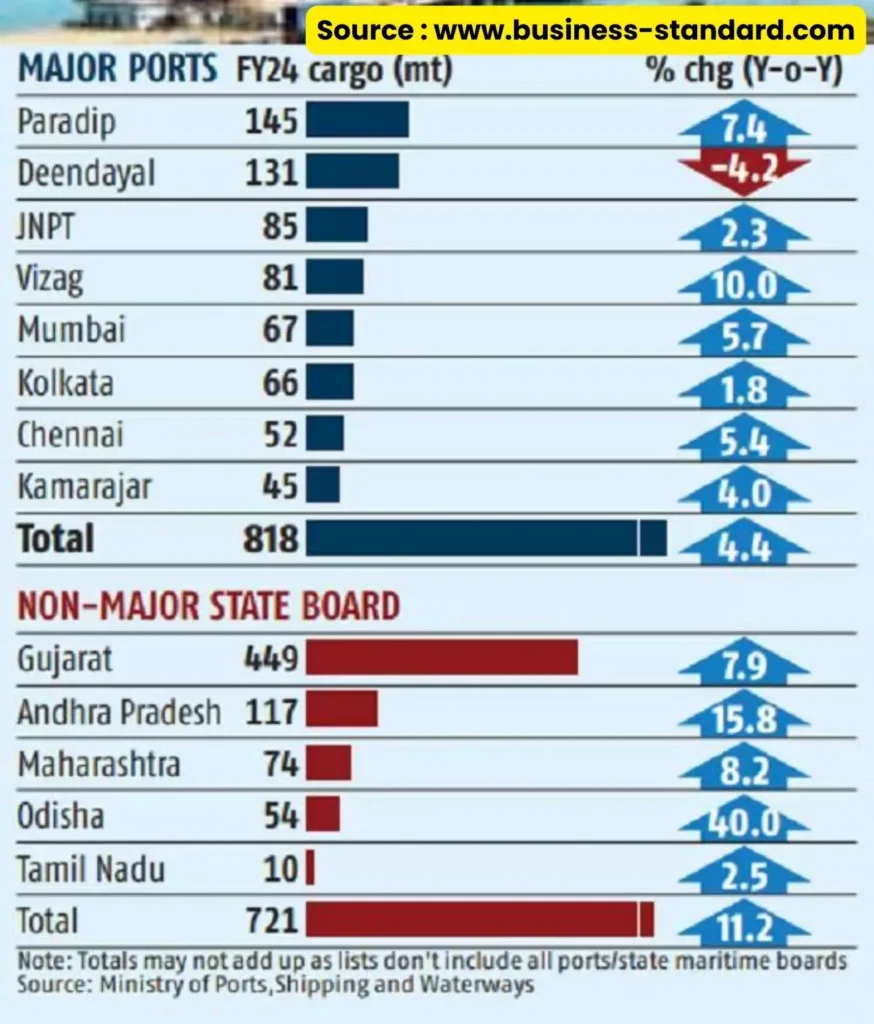
Gujarat’s non-major ports have emerged as a bright spot in the state’s maritime sector, recording a stellar performance in cargo movement during the 2023-24 financial year. According to data from the Gujarat Maritime Board (GMB), the state’s nodal agency for ports, these ports handled a record-breaking 4,483 lakh tonnes of cargo, marking an impressive 8% increase compared to the previous year.

This achievement signifies a significant milestone, surpassing the previous high set during the pre-pandemic era of 2019-20, when non-major ports in Gujarat registered cargo volumes exceeding 4,120 lakh tonnes. The growth trajectory is particularly noteworthy considering the disruptions caused by the global pandemic.

Interestingly, a significant portion of this growth can be attributed to the dynamism of private ports within the state. These ports, including those located in prominent locations like Mundra, Pipavav, Dahej, and Hazira, witnessed a remarkable 14.4% surge in cargo volumes during 2023-24. This translates to a staggering 2,475 lakh tonnes of cargo handled by private ports, compared to 2,163 lakh tonnes in the previous year.

Further analysis reveals a healthy balance between exports and imports handled by these private ports. Exports witnessed a growth of 19%, reaching 685 lakh tonnes in 2023-24 from 575 lakh tonnes the year before. Imports also displayed positive growth, rising by 13% to touch 1,790 lakh tonnes from 1,588 lakh tonnes in the previous financial year.

Experts attribute this growth to several factors. Firstly, strategic investments in infrastructure development at these ports have enhanced their capacity and efficiency. Upgraded berths, improved cargo handling facilities, and deeper drafts have allowed larger vessels to dock, facilitating faster turnaround times and increased cargo movement.

Also Read : Global Oil Buyers are Buying Local amid the Red Sea Crisis

Secondly, Gujarat’s strategic location on the western coast of India positions it advantageously for international trade. Its proximity to key markets in the Middle East, Africa, and Southeast Asia makes it a preferred gateway for cargo movement.

Thirdly, the state government’s focus on promoting ease of doing business has played a crucial role. Streamlined procedures, reduced regulatory hurdles, and initiatives like setting up Special Economic Zones (SEZs) have attracted a wider range of industries and businesses to set up base in Gujarat, further propelling cargo movement through these ports.

Looking ahead, the outlook for Gujarat’s non-major ports remains positive. Continued investments in infrastructure, coupled with the state’s focus on fostering a business-friendly environment, are expected to attract further investments and trade activities. Additionally, the potential development of dedicated coastal shipping corridors along the Indian coastline could further enhance the efficiency and competitiveness of these ports.

Conclusion

The record-breaking cargo volumes achieved by Gujarat’s non-major ports in 2023-24 illustrate the state’s growing significance as a maritime hub. Not only does this performance contribute to the state’s economic growth, but it also positions Gujarat as a key player in India’s overall maritime strategy. As the sector continues to evolve, Gujarat’s non-major ports are well-positioned to capitalize on future opportunities and further solidify their position as vital gateways for international trade.

Also Read : Demand for Logistics Parks & Warehousing Explodes in India