U.S. Sues DALI Shipowner and Manager for $100 Million Over Baltimore Bridge Collapse

Report: U.S. sues DALI for $100 million over Baltimore bridge

Baltimore, MD – The United States government has filed a lawsuit against the shipowner and manager of a vessel that collided with a bridge in Baltimore, causing significant damage and disruptions to the city’s transportation infrastructure. The lawsuit seeks $100 million in damages to cover the costs of repairs and lost revenue.

The incident occurred on 26 March 2024 when the DALI, a container ship, struck the Baltimore bridge, resulting in a portion of the bridge collapsing into the water below. The collision caused extensive damage to the bridge, forcing its closure for several months and disrupting traffic flow in the city.

The U.S. Attorney’s Office for the District of Maryland alleges that the shipowner and manager of the vessel were negligent in their operations, leading to the collision. According to the lawsuit, the vessel was navigating the harbor at an unsafe speed and failed to take appropriate measures to avoid the bridge, despite ample warning signs and navigational aids.

The lawsuit also accuses the shipowner and manager of violating maritime law and regulations, including those related to safe navigation, vessel inspections, and crew training. The government argues that the defendants’ negligence and violations of maritime law directly contributed to the bridge collapse.

Million

The bridge, a vital transportation link in Baltimore, is a major artery for commuters and businesses. Its closure following the collision caused significant economic losses due to traffic congestion, detours, and disruptions to commerce. The city has incurred substantial costs for emergency repairs, temporary traffic management measures, and lost revenue from tolls.

Also Read: Hapag-Lloyd Delivers Mobile Lab to India, Unlocking Secrets of Ancient Manuscripts

The lawsuit seeks to hold the shipowner and manager accountable for their actions and to recover the damages caused by the bridge collapse. The government argues that the defendants’ negligence has had a profound impact on the city and its residents, and that they must be held responsible for their actions.

The defendants have not yet responded to the lawsuit, and it remains unclear whether they will contest the allegations. However, the case is expected to be a complex legal battle with significant implications for maritime law and safety standards.

Conclusion

The U.S. government’s lawsuit against the shipowner and manager of the vessel involved in the Baltimore bridge collapse highlights the importance of maritime safety and the consequences of negligence. The incident serves as a reminder of the potential risks associated with large vessels navigating busy waterways and the need for strict adherence to safety regulations. The outcome of the case will likely have a significant impact on maritime law and industry practices, as well as on the ongoing efforts to prevent similar accidents in the future.

Also Read: Hitachi Zosen Adds Fuel to Fire in Growing Japanese Engine Scandal

Sarbananda Sonowal Approves Wage Structure Revision for Workers of Major Ports

Report : Sarbananda Sonowal Authorizes Revision of Wage Structure for Major Port Workers

In a significant move aimed at improving the working conditions and financial well-being of port employees, Union Minister for Ports, Shipping, and Waterways, Sarbananda Sonowal, has approved a comprehensive revision of the wage structure for workers across major ports in India. This decision is set to impact thousands of port workers who have long been advocating for a fair and updated wage system.

A Long-Awaited Decision

The decision, announced on August 28, 2024, marks a pivotal moment in the ongoing efforts to address wage disparities and improve labor conditions within India’s port sector. The revision is expected to address longstanding issues related to wage stagnation and create a more equitable compensation framework for port workers, many of whom have faced financial difficulties due to outdated wage structures.

For years, port workers have been urging for an overhaul of the existing wage system, which many argued was not reflective of the increasing cost of living and the rising complexity of port operations. The new wage structure aims to address these concerns by introducing a more dynamic and responsive compensation system.

Key Features of the Revised Wage Structure

The newly approved wage structure introduces several notable changes:

  1. Incremental Pay Scales: The revised structure includes a more progressive pay scale that will see incremental wage increases based on experience, skill levels, and performance. This change is designed to ensure that workers are compensated more fairly for their experience and contributions.
  2. Cost-of-Living Adjustments: To address the issue of inflation and rising living costs, the new wage structure incorporates annual cost-of-living adjustments. This measure aims to ensure that workers’ wages keep pace with inflation, thereby preserving their purchasing power.
  3. Enhanced Benefits: The revised structure includes improvements in employee benefits, such as enhanced health insurance coverage, increased retirement benefits, and additional allowances for hazardous work conditions. These changes are intended to provide better support for workers’ well-being and financial security.
  4. Performance Bonuses: A performance-based bonus system will be introduced to reward exceptional work and productivity. This system is designed to incentivize higher performance levels and acknowledge the contributions of high-performing employees.
  5. Streamlined Wage Disbursement: The process of wage disbursement will be streamlined to ensure timely and accurate payments. This change aims to reduce administrative delays and ensure that workers receive their wages on time.

Government’s Commitment to Port Sector

Sarbananda Sonowal, in his announcement, emphasized the government’s commitment to improving the working conditions of port workers and enhancing the overall efficiency of the port sector. “This revision of the wage structure is a testament to our dedication to supporting the hard-working individuals who are the backbone of our maritime industry. We recognize the vital role that port workers play in our economy, and we are committed to ensuring that their contributions are recognized and rewarded fairly,” Sonowal stated.

The approval of the wage structure revision comes as part of a broader initiative by the Ministry of Ports, Shipping, and Waterways to modernize and enhance the efficiency of Indian ports. This initiative includes upgrading infrastructure, adopting advanced technologies, and implementing new policies aimed at improving operational standards and worker welfare.

Workers

Industry Reactions

The decision has been met with widespread approval from industry stakeholders and worker unions. Port workers’ unions have expressed their satisfaction with the revised wage structure, highlighting that it addresses many of their long-standing concerns.

“We are extremely pleased with this decision. It reflects a genuine understanding of the challenges faced by port workers and provides a much-needed boost to their financial stability,” said Ramesh Kumar, President of the All-India Port Workers’ Union. “This move not only acknowledges the hard work of port employees but also sets a precedent for fair labor practices in the industry.”

Also Read: Massive Explosion Rocks Yang Ming Boxship at Berth in Ningbo

Industry experts have also lauded the move, noting that a more equitable wage structure could lead to improved worker morale and productivity. “A well-structured wage system is crucial for attracting and retaining skilled workers. This revision will help in fostering a more motivated and efficient workforce, which is essential for the growth and competitiveness of the port sector,” said Dr. Anil Sharma, a maritime industry analyst.

Challenges Ahead

While the wage structure revision is a positive step, experts caution that its successful implementation will require careful monitoring and management. Ensuring that the revised pay scales are correctly applied and that the benefits are effectively communicated to all workers will be crucial.

Additionally, there is a need to address potential challenges related to budgetary constraints and the financial sustainability of the revised wage system. Stakeholders will need to work together to ensure that the new wage structure does not adversely impact the overall financial health of port operations.

Conclusion

Sarbananda Sonowal’s approval of the revised wage structure for major port workers represents a landmark decision that acknowledges the crucial role of these employees in the maritime sector. The new wage system promises to provide fairer compensation, enhanced benefits, and greater financial stability for port workers, reflecting a commitment to improved labor conditions and operational efficiency.

As the industry moves forward with the implementation of these changes, it will be important to address the practical challenges associated with the rollout and ensure that the benefits of the revised wage structure are fully realized. With continued support and effective management, this initiative has the potential to significantly enhance the welfare of port workers and contribute to the growth and success of India’s port sector.

Also Read: India’s Exports to Face Issues in Bangladesh as Crisis Deepens: Exporters

Massive Explosion Rocks Yang Ming Boxship at Berth in Ningbo

Report : Explosion Destroys Yang Ming Ship in Ningbo Port

Ningbo, China (August 9, 2024) – A powerful explosion rocked the Yang Ming-owned boxship, YM Mobility, while it was berthed at a container terminal in the Beilun Port area of Zhoushan Port on Friday afternoon. The incident sent shockwaves through the maritime community and raised concerns about the safety of port operations.

According to initial reports, the explosion originated from a container on board the vessel. Eyewitnesses described a massive fireball engulfing the ship, followed by a thick plume of black smoke that billowed into the sky. The blast caused significant damage to the ship’s superstructure and scattered debris across the terminal.

Emergency services were swiftly deployed to the scene to contain the fire and evacuate personnel. Firefighting vessels and coast guard units worked tirelessly to bring the situation under control. While there have been no confirmed reports of casualties thus far, the full extent of the damage and potential injuries is still being assessed.

The YM Mobility, a Liberia-flagged vessel built in 2011, has a capacity of 6,589 twenty-foot equivalent units (TEUs). It is unclear what type of cargo was involved in the explosion, but authorities are investigating the cause of the incident.

Also Read : Major Fire Erupts on Brand New Maersk-Container Ship Off India

Videos of the explosion circulated widely on social media, capturing the terrifying moment the ship was engulfed in flames. The incident has raised questions about the safety protocols in place at the port and the handling of hazardous materials.

The Ningbo Maritime Search and Rescue Center has initiated an emergency response plan, deploying patrol boats to the scene. Additionally, three fire tugboats and shore-based firefighting teams have been mobilized to combat the blaze.

The explosion comes at a time when the global shipping industry is already facing numerous challenges, including supply chain disruptions, rising freight rates, and port congestion. The incident is likely to further disrupt operations at Ningbo Port, a major trade hub in China, and potentially impact global supply chains.

Port authorities have temporarily suspended operations at the affected terminal to facilitate the investigation and clean-up efforts. The extent of the disruption to shipping schedules and cargo movement remains unclear at this time.

As investigations into the cause of the explosion continue, industry experts are calling for a thorough review of safety procedures and the handling of hazardous materials in ports. The incident serves as a stark reminder of the risks associated with maritime operations and the importance of robust safety measures to prevent such disasters.

Explosion

Conclusion

The massive explosion on the Yang Ming boxship at Ningbo Port is a grave incident with far-reaching implications for the shipping industry. It underscores the critical need for enhanced safety protocols and stringent regulations to mitigate risks and protect human life and property. As investigations unfold, it is imperative to learn from this incident and implement measures to prevent similar tragedies from occurring in the future. The global maritime community must come together to address the challenges posed by the transportation of hazardous materials and ensure the safety of port operations.

Also Read : Fire reported on two tankers after collision near singapore

India’s Exports to Face Issues in Bangladesh as Crisis Deepens: Exporters

Report : Bangladesh Crisis Threatens Indian Exports

India, a major trading partner of Bangladesh, is bracing for significant challenges in its export sector as the economic crisis in its neighboring country continues to worsen. Exporters are increasingly concerned about the escalating situation, which threatens to disrupt trade flows, impact revenues, and strain diplomatic relations between the two nations.

Background of the Crisis

Bangladesh, often lauded for its impressive economic growth over the past decade, is now grappling with a series of economic woes. The country is facing a perfect storm of challenges, including rising inflation, a depreciating currency, and a ballooning trade deficit. The COVID-19 pandemic has exacerbated these issues, disrupting supply chains and dampening consumer demand. Additionally, the recent global geopolitical tensions have contributed to higher commodity prices and supply chain disruptions, further straining the economy.

Impact on Trade Relations

India and Bangladesh have enjoyed robust trade relations, with India being one of the largest exporters to Bangladesh. Key export items include textiles, machinery, vehicles, chemicals, and food products. In recent years, bilateral trade has seen a steady increase, bolstered by strong economic ties and trade agreements. However, the deepening crisis in Bangladesh is casting a shadow over this positive trajectory.

Exporters in India are particularly worried about the devaluation of the Bangladeshi Taka. As the currency loses value against the US dollar, Bangladeshi importers are finding it increasingly expensive to purchase goods from India. This has led to a decrease in demand for Indian products, directly impacting exporters’ revenues. Additionally, the devaluation makes it harder for Bangladeshi businesses to secure affordable credit, further complicating trade financing.

Challenges for Exporters

One of the primary concerns for Indian exporters is the rising cost of doing business. With the Bangladeshi economy under pressure, importers are negotiating for lower prices, putting Indian exporters in a difficult position. Many exporters are already operating on thin margins, and the added pressure to reduce prices is likely to affect their profitability.

Moreover, the uncertainty in the Bangladeshi market is making it challenging for Indian exporters to plan their production and distribution strategies. Fluctuating demand and potential payment delays are significant risks that exporters must now contend with. Some exporters have reported that payments from Bangladeshi buyers are being delayed, further straining their cash flow.

Sector-Specific Impacts

The textile industry, a significant component of India’s exports to Bangladesh, is feeling the pinch. Bangladesh’s textile sector is a key driver of its economy, and any disruption here has a cascading effect on trade relations. Indian textile exporters are witnessing reduced orders and increased competition from other countries willing to offer more favorable terms.

Similarly, the machinery and equipment sector is facing challenges. As Bangladesh scales back on infrastructure and industrial projects due to financial constraints, the demand for machinery from India is expected to decline. This slowdown not only affects large corporations but also small and medium enterprises that supply various components and machinery parts.

The food and agricultural products sector is another area of concern. Bangladesh is a significant importer of Indian agricultural products, including rice, wheat, and spices. The economic crisis is affecting the purchasing power of Bangladeshi consumers, leading to a drop in demand for these essential goods. Indian exporters are also facing logistical challenges, with increased shipping costs and delays at ports due to the economic slowdown.

Exports

Government Response and Measures

The Indian government is closely monitoring the situation and exploring measures to mitigate the impact on exporters. Trade bodies and export associations are in constant dialogue with the government to seek relief and support. Possible measures include extending credit facilities, providing subsidies, and facilitating smoother trade logistics.

Also Read : Master of Collision-Damaged LNG-Fuelled Capesize Bulker Charged

Additionally, diplomatic efforts are underway to support Bangladesh in stabilizing its economy. India has a vested interest in ensuring the economic stability of its neighbor, given the close geographical and economic ties. Joint initiatives to enhance trade cooperation and explore new avenues for collaboration are being discussed.

Long-Term Implications

The current crisis in Bangladesh is a stark reminder of the interconnectedness of regional economies. For India, the situation underscores the need to diversify its export markets and reduce dependence on any single country. While Bangladesh remains an important trading partner, Indian exporters must explore new markets to mitigate risks.

Furthermore, the crisis highlights the importance of robust economic policies and financial resilience. Both countries must work towards strengthening their economic fundamentals to withstand future shocks. Collaborative efforts in areas such as technology, innovation, and infrastructure development can pave the way for more resilient trade relations.

Conclusion

India’s exporters are navigating turbulent waters as the economic crisis in Bangladesh deepens. The challenges are multifaceted, ranging from currency devaluation and reduced demand to logistical hurdles and payment delays. While the Indian government and trade bodies are taking steps to mitigate the impact, the long-term solution lies in diversification and strengthened economic cooperation. As the situation unfolds, the resilience and adaptability of Indian exporters will be critical in sustaining trade relations and ensuring economic stability in the region.

Also Read : Philippines Battles Double Threat: Mounting Oil Spill Crisis and Second Ship Disaster

Master of Collision-Damaged LNG-Fuelled Capesize Bulker Charged

Report : Captain Charged After LNG-Fueled Ship Collision

Mackay, Australia – August 1, 2024 – The master of a capesize bulker involved in a collision that damaged an LNG bunker tank has been charged by Australian authorities. Jin Woo Jun, the South Korean captain of the 179,070-dwt HL Eco, appeared in Mackay Magistrates Court on July 30th to face charges under the Navigation Act 2012.

The incident occurred on July 16th at Hay Point port when the HL Eco collided with the Japanese-owned 181,458-dwt YM Serenity. The collision resulted in significant damage to the HL Eco’s port side rear-mounted LNG bunker tank, with insulation foam from the damaged tank spilling onto the deck of the YM Serenity.

A spokesperson for the Australian Maritime Safety Authority (AMSA) confirmed that the master was charged with contravening Navigation Act regulations related to the prevention of collisions. The court granted Jun bail of AUD 30,000 ($19,600) and adjourned the case until September 3rd.

The collision has sent shockwaves through the LNG fueling industry, highlighting the potential risks associated with this emerging fuel source. While LNG is considered a cleaner alternative to traditional marine fuels, concerns have been raised about the safety of its transportation and storage. The incident has prompted calls for stricter regulations and improved safety measures for LNG-fueled vessels.

A Close Call

A video of the collision, which has been widely circulated online, shows the terrifying moment the two vessels collided. The impact was severe, with the HL Eco’s hull visibly damaged. The rapid deployment of emergency response teams prevented a major environmental disaster, but the incident serves as a stark reminder of the potential consequences of accidents involving large vessels.

Marine experts have raised concerns about the location of the LNG bunker tank on the HL Eco. The tank was positioned on the vessel’s port side, making it vulnerable to collisions. Some argue that placing such critical infrastructure in a more protected area would reduce the risk of damage in the event of an accident.

The collision has also sparked debate about the adequacy of navigation safety measures in place at Hay Point port. While the exact cause of the collision is still under investigation, some have questioned whether sufficient measures were in place to prevent such a large-scale incident.

Collision

Industry Response

The LNG shipping industry has responded to the incident with a mixture of concern and determination. Several major shipping companies have pledged to review their safety procedures for LNG-fueled vessels, while industry associations have called for increased collaboration and information sharing.

Also Read : Nhava Sheva Terminals Grapple with Congestion as Box Volumes Surge

“This incident is a wake-up call for the entire industry,” said a spokesperson for one major shipping company. “We must work together to identify and address the potential risks associated with LNG as a marine fuel. Safety must always be our top priority.”

The International Maritime Organization (IMO) has also expressed concern about the incident and has called for a thorough investigation into the causes. The IMO is currently working on developing new regulations for the safe transportation and handling of LNG at sea.

Conclusion

The collision of the HL Eco and the YM Serenity is a stark reminder of the challenges and risks associated with the adoption of new marine fuels. While LNG offers the potential for significant environmental benefits, it is essential to ensure that safety is not compromised.

As the shipping industry continues to transition to cleaner fuels, it is imperative that lessons are learned from incidents like this. By investing in research, development, and strict safety standards, the industry can mitigate risks and ensure the safe and sustainable operation of LNG-fueled vessels.

The ongoing investigation into the collision will be closely watched by the global maritime community. The outcome of the case against the master of the HL Eco will also have significant implications for the future of LNG as a marine fuel.

Ultimately, the safety of seafarers, the environment, and the shipping industry as a whole depends on a collective commitment to preventing accidents and learning from past mistakes.

Also Read : Vizhinjam Port: A New Era for Indian Maritime Trade

Philippines Battles Double Threat: Mounting Oil Spill Crisis and Second Ship Disaster

Report : Philippines Faces Twin Maritime Disasters

A Race Against Time

The Philippines is grappling with a mounting environmental catastrophe as it races against time to prevent what could be its worst oil spill on record. The 22-year-old tanker, Terra Nova, carrying 1.4 million liters of industrial fuel oil, capsized and sank on Thursday, July 25, just 3.6 nautical miles off Lamao Point, Bataan, due to rough seas brought on by Typhoon Gaemi.

The incident has triggered a massive oil spill, with a slick spreading over more than 70 square kilometers of Manila Bay. The Philippine Coast Guard (PCG) has described the situation as critical, with the potential for widespread environmental damage and economic disruption if the oil reaches the heavily populated Manila Bay area.

“We are racing against time and we will try to do our best to contain it immediately and stop the fuel from leaking,” said a PCG spokesperson. “There is a big danger that Manila will be affected, even the shoreline of Manila if the fuel [leaks] because it is within Manila Bay.”

The sunken tanker lies at a depth of 34 meters, which, while posing challenges, is considered manageable for siphoning operations. Authorities are working tirelessly to extract the remaining oil before it leaks and causes irreparable harm to the marine ecosystem.  

Double Tragedy Strikes

Adding to the nation’s woes, a second ship, the smaller Jason Bradley, carrying diesel fuel, sank just two days after the Terra Nova incident, in the same area of Bataan. While the quantity of oil spilled from the Jason Bradley is significantly less, it exacerbates the already dire situation.

The combined oil slick from both vessels poses a serious threat to coastal communities, fisheries, and tourism, which are vital to the Philippine economy. The government has deployed numerous vessels and personnel to contain the spill, clean up affected areas, and mitigate the damage.

Oil Disaster

Environmental and Economic Fallout

The potential consequences of this double disaster are immense. An oil spill of this magnitude can have devastating effects on marine life, including fish, birds, and mammals. Coastal ecosystems, including mangroves and coral reefs, are highly vulnerable to oil contamination, which can disrupt food chains and destroy habitats.

Also Read : Shipping Companies Fine $2 Million for Deliberate Oil Dumping and Record Falsification

Furthermore, the oil spill threatens the livelihoods of thousands of people who depend on fishing and tourism for their income. The cleanup process will be lengthy and costly, and the economic impact on affected communities is expected to be severe.

A Call for Stronger Regulations

These consecutive maritime disasters highlight the urgent need for stricter safety regulations and improved disaster response capabilities in the Philippines. The country has a history of oil spills, with the Princess Empress disaster in 2023 serving as a stark reminder of the potential consequences of inadequate safeguards.

It is imperative that the government invests in advanced oil spill prevention and response technologies, strengthens maritime safety inspections, and enforces stricter penalties for environmental violations.

Conclusion

The Philippines is facing a formidable challenge in the aftermath of two major shipwrecks and the resulting oil spills. The race to contain the environmental damage is far from over, and the full extent of the ecological and economic consequences remains to be seen. This crisis underscores the critical importance of robust maritime safety measures and disaster preparedness to protect both the environment and the livelihoods of coastal communities.

As the nation works tirelessly to address the immediate crisis, it is equally crucial to invest in long-term solutions to prevent such disasters from happening again.

Also Read : Red Sea Reroute: Houthi Attacks Drive Up Carbon Emissions by Millions

Budget to Significantly Enhance India’s Shipping, Cruise, Shipbuilding, and Ship Repair Industry, Creating New Job Opportunities and Boosting Exports: Sarbananda Sonowal

Report : Budget to Boost India’s Maritime Industry, Creating Jobs and Increasing Exports: Sarbananda Sonowal

New Delhi, July 24, 2024 – In a significant announcement that is poised to revolutionize India’s maritime sector, Union Minister for Ports, Shipping, and Waterways Sarbananda Sonowal stated that the newly allocated budget will markedly enhance the shipping, cruise, shipbuilding, and ship repair industries in India. This transformative move is expected to create numerous job opportunities and substantially boost exports, reinforcing India’s position as a global maritime hub.

A Strategic Boost to Maritime Infrastructure

The Indian government has earmarked substantial funds in the current budget to revamp the maritime infrastructure. This allocation is part of a broader vision to modernize the nation’s ports and shipping facilities, making them more competitive on the global stage.

“The budget has provided a significant thrust to the maritime sector, which is essential for the economic growth and development of our country,” said Sonowal. “This comprehensive plan will not only enhance our shipping and cruise industries but also catalyze the shipbuilding and ship repair sectors, leading to job creation and increased exports.”

Shipping Industry: Navigating New Horizons

India’s shipping industry, which handles over 90% of the country’s trade by volume, stands to benefit immensely from the new budgetary provisions. The government plans to upgrade existing ports, develop new ones, and improve logistics efficiency. These improvements will facilitate smoother and faster movement of goods, thereby reducing costs and increasing competitiveness.

“The enhancement of port infrastructure will lead to significant improvements in turnaround times for ships, reducing operational costs and increasing the efficiency of trade routes,” Sonowal explained. “This will make Indian ports more attractive to global shipping lines.”

Budget

Cruising Towards Growth

The cruise industry, which has seen a steady rise in popularity, is also set to receive a major boost. The government’s plan includes the development of world-class cruise terminals, improved connectivity to tourist destinations, and the promotion of India as a preferred cruise destination.

“We are committed to developing India into a leading cruise tourism destination. With better infrastructure and promotional activities, we expect a substantial increase in cruise traffic, which will contribute to local economies and create employment opportunities,” Sonowal noted.

Also Read : Sarbananda Sonowal Takes Oath of Office as Union Cabinet Minister Today for Record-Breaking Third Term

Shipbuilding and Ship Repair: Anchoring New Opportunities

The shipbuilding and ship repair industries, crucial components of the maritime sector, are poised for significant growth. The budget includes incentives for domestic shipbuilders and repair yards, aimed at enhancing their capabilities and competitiveness.

“India has the potential to become a global hub for shipbuilding and ship repair,” said Sonowal. “The budget provides for incentives that will help our shipyards modernize their facilities, adopt new technologies, and increase their production capacities.”

Job Creation and Skill Development

One of the most promising aspects of this budget is its potential for job creation. The maritime sector is labor-intensive, and the development of ports, cruise terminals, shipyards, and repair facilities is expected to generate a significant number of jobs, both directly and indirectly.

“The investments in the maritime sector will lead to the creation of numerous job opportunities across various segments, from port operations to shipbuilding, and from cruise management to logistics,” Sonowal stated. “Moreover, we are focusing on skill development programs to ensure that our workforce is well-equipped to meet the demands of these growing industries.”

Boosting Exports and Economic Growth

The enhancements in the maritime sector are also expected to have a positive impact on India’s exports. Improved port infrastructure and efficiency will facilitate the faster and more cost-effective movement of goods, giving Indian exporters a competitive edge in the global market.

“With better infrastructure and streamlined processes, we expect a significant boost in our exports,” Sonowal highlighted. “This will not only contribute to our GDP but also help in achieving our goal of a $5 trillion economy.”

A Sustainable Approach

The budget also emphasizes sustainable development within the maritime sector. Initiatives for green ports, the adoption of eco-friendly technologies in shipbuilding, and measures to reduce the carbon footprint of maritime operations are all part of the government’s holistic approach.

“We are committed to ensuring that our growth is sustainable and environmentally responsible,” Sonowal assured. “The budget includes provisions for green initiatives that will help us achieve this balance.”

Conclusion

The significant budgetary allocation for the maritime sector announced by Union Minister Sarbananda Sonowal is set to be a game-changer for India’s shipping, cruise, shipbuilding, and ship repair industries. With substantial investments aimed at infrastructure development, job creation, and boosting exports, India is on a path to becoming a global maritime powerhouse. The focus on sustainability further underscores the government’s commitment to responsible growth. As these plans materialize, they will not only enhance India’s economic landscape but also create a plethora of opportunities for its workforce.

Also Read : Sarbananda Sonowal Takes Charge of Ministry of Ports, Shipping & Waterways for 3rd Term

Major Fire Erupts on Brand New Maersk-Container Ship Off India

Report : Maersk container ship suffers major fire off India.

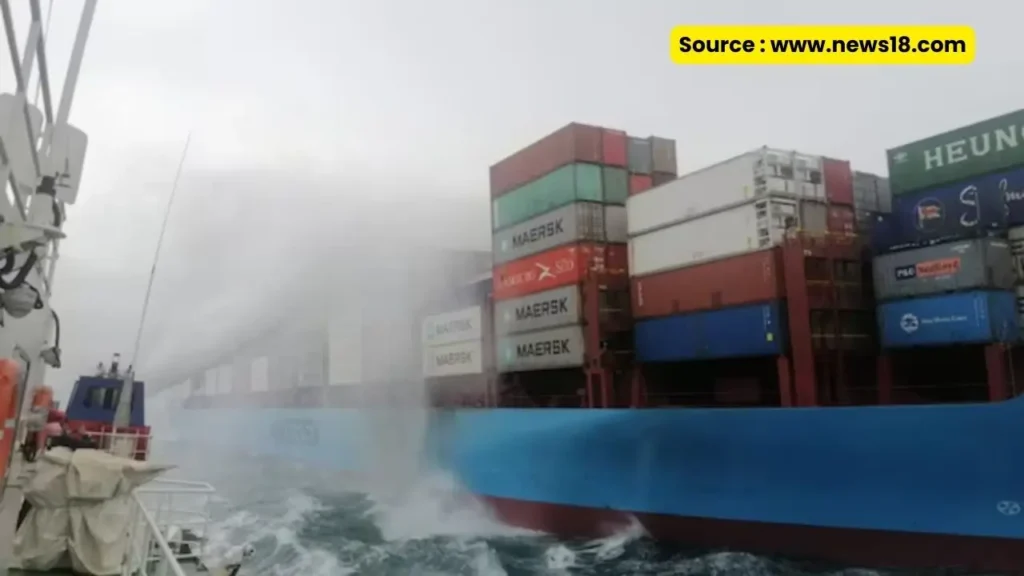
A major fire broke out on Friday aboard the MV Maersk Frankfurt, a brand new containership chartered by Danish shipping giant A.P. Moller-Maersk, while sailing off the coast of India. The incident, which occurred roughly 50 nautical miles (93 kilometers) southwest of Karwar, Karnataka, sent plumes of smoke billowing into the sky and sparked a multi-agency response to contain the blaze and ensure crew safety.

The Indian Coast Guard (ICG) received a distress call from the Maersk Frankfurt around 2:30 pm IST on Friday, reporting a significant fire onboard. The ICG immediately dispatched its Dornier 228 maritime patrol aircraft and three ships – Sachet, Sujeet, and Samrat – to the scene. Dramatic visuals captured by the ICG showed flames engulfing containers stacked on the vessel’s forward deck.

“We can confirm that a fire was reported onboard one of our time chartered vessels, Maersk Frankfurt, around 1430 IST while the vessel was sailing from Mundra to Colombo,” Maersk said in a statement. “Firefighting is underway with support from the Indian Coast Guard. The vessel is in stable condition.”

Maersk - Chartered Container Ship Off India

The Maersk Frankfurt, a 5,920 TEU (Twenty-foot Equivalent Unit) capacity vessel, was delivered just last month from Japanese shipbuilder Imabari Shipbuilding. According to Clarksons data, the ship is owned by Japanese shipping company Tokei Kaiun and managed by Bernhard Schulte Shipmanagement (Hong Kong) Ltd. While the cause of the fire remains under investigation, Maersk emphasized that crew safety was their top priority.

Source: Indian Express

“At the moment, we are unable to confirm the extent of the fire’s impact on the chartered vessel, Maersk Frankfurt,” the company added. “We are in constant touch with the vessel owner and ship managers. The safety of the crew remains the top priority at this moment.”

Also Read : Two tankers on fire off Singapore

The Indian Navy also joined the firefighting efforts, deploying a Boeing P8I long-range maritime patrol aircraft to provide aerial surveillance and support. Fortunately, all 23 crew members were reportedly evacuated safely before the fire escalated. Two crew members received first aid onboard a nearby assisting vessel, the ALS Ceres.

The incident has the potential to disrupt global supply chains, as the Maersk Frankfurt was likely carrying a significant amount of cargo between India and Sri Lanka. The extent of the damage to the vessel and its cargo remains to be ascertained.

Maersk, the world’s second-largest container line, has assured it is working closely with all relevant authorities to extinguish the fire and manage the aftermath. The company is also in the process of informing the families of the crew members.

Conclusion

The fire aboard the Maersk Frankfurt serves as a stark reminder of the inherent risks associated with maritime transportation. While the cause of the fire is yet to be determined, this incident underscores the importance of stringent safety protocols and rapid response mechanisms in place to ensure crew safety and minimize environmental damage during such emergencies. The coming days will be crucial in understanding the full impact of the fire on the vessel, its cargo, and the timeline for its potential salvage.

Also Read : Vizhinjam Port: India’s Gateway to Global Trade

Fire reported on two tankers after collision near singapore

Report : Two Tankers on Fire Near Singapore.

Singapore : A major maritime incident unfolded in the early hours of (Day) when two tankers caught fire approximately 55 kilometers northeast of Pedra Branca, within Singapore’s Maritime Search and Rescue Region. The Maritime and Port Authority of Singapore (MPA) was alerted to the blaze at around 6:15 AM local time.

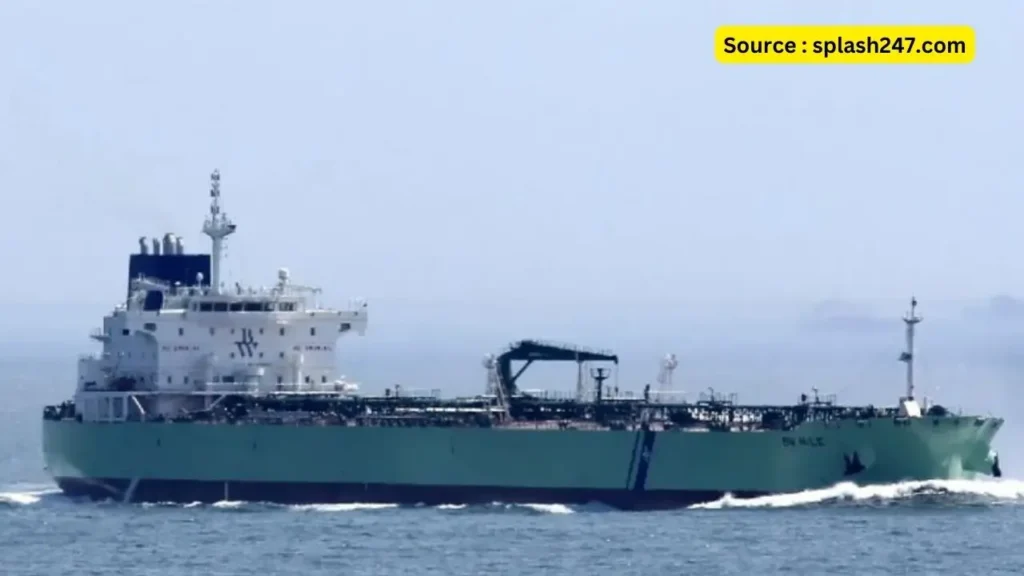
The affected vessels are identified as the Singapore-flagged tanker Hafnia Nile and the São Tomé and Príncipe-flagged tanker Ceres I. The exact cause of the fire remains under investigation.

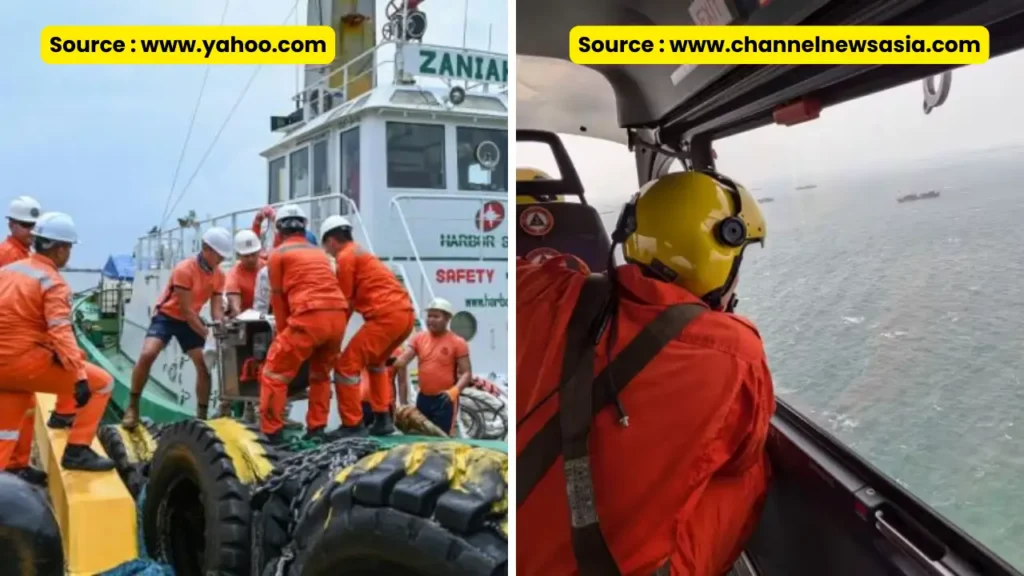
Immediate response efforts were initiated by the MPA, which has requested assistance from passing vessels in the search and rescue operation for the crew members aboard both tankers. A Republic of Singapore Navy ship, RSS Supreme, was promptly deployed to the scene to support the rescue mission. Additionally, a Republic of Singapore Air Force helicopter has been mobilized to aid in the evacuation of the crew.

Two Tankers on Fire Near Singapore.

The Hafnia Nile, a product tanker operated by Singapore-based Hafnia (part of the BW Group) and managed by BW Fleet Management, was carrying naphtha according to shipping data. Details about the cargo on board the Ceres I are currently limited.

Also Read : Missile Attack on India-Bound Tanker Raises Red Sea Tensions

As of now, the number of crew members on both vessels and their status remain unknown. The MPA has emphasized that the situation is dynamic and evolving, with updates to be provided as more information becomes available.

The incident has raised concerns about the safety of maritime operations in the region and the potential environmental impact of the fire. Authorities are working diligently to contain the blaze and prevent further escalation.

Conclusion:

The fire aboard the two tankers off the Singapore coast represents a significant challenge for maritime rescue and environmental protection agencies. With the fate of the crew still uncertain, the incident underscores the inherent risks associated with large-scale maritime operations. As investigations into the cause of the fire commence, the international community will be watching closely for updates on the situation. It is imperative that lessons learned from this incident are applied to enhance maritime safety standards and emergency response protocols worldwide.

Also Read : Red Sea Reroute: Houthi Attacks Drive Up Carbon Emissions by Millions

Nhava Sheva Terminals Grapple with Congestion as Box Volumes Surge

Report : Nhava Sheva ports congested due to surge in shipping containers.

Indian shippers at Nhava Sheva Port (JNPT) are experiencing significant delays due to a surge in container volume and ongoing disruptions in vessel schedules, according to industry reports. The congestion at the port’s key terminals, Nhava Sheva International Container Terminal (NSICT) and Gateway Terminals India (GTI), is causing headaches for exporters, importers, and truck drivers alike.

The Nhava Sheva Container Operators’ Welfare Association (NSCOWA), representing container truck operators, issued a trade notice highlighting the severity of the problem. They report average delays of 6-8 hours for every import, export, and empty container entering or leaving the NSICT and GTI terminals.

This congestion is attributed to a twofold issue: a sudden spike in container volume and persistent inconsistencies in vessel arrival and departure times.

The rise in container volume can be attributed to several factors. The global economic recovery post-pandemic has led to increased trade activity. Additionally, disruptions at other major ports worldwide might be pushing some cargo volumes towards Nhava Sheva.

Also Read : Houthis Claim Mediterranean Attack on Tanker After Red Sea Strikes

The erratic vessel schedules further compound the problem. Unforeseen delays and last-minute changes in arrival and departure times disrupt the smooth flow of operations at the terminals. This throws off pre-planned logistics, leading to bottlenecks and delays in container handling.

The consequences of this congestion are far-reaching. Truck drivers are facing long wait times, impacting their productivity and leading to frustration. Delays in container movement are disrupting the entire export-import cycle, jeopardizing delivery schedules for importers. Ultimately, these issues could potentially translate to higher costs for businesses and consumers.

Efforts are underway to mitigate the situation. NSCOWA and other stakeholders are issuing daily traffic advisories to keep the trade community informed. However, a long-term solution requires a multi-pronged approach.

Firstly, improving coordination between shipping lines and terminal operators is crucial. Predictable vessel schedules would allow for better planning and resource allocation at the terminals, optimizing container handling efficiency.

Secondly, increasing infrastructure capacity at Nhava Sheva Port could help alleviate congestion in the long run. Expanding terminal yard space and investing in additional handling equipment would create more room and resources to manage larger volumes of containers.

Finally, exploring alternative ports or streamlining inland logistics could offer some temporary relief. Diversifying shipping routes and optimizing freight movement by road or rail could help reduce the pressure on Nhava Sheva terminals.

The congestion at Nhava Sheva highlights the challenges faced by India’s vital trade infrastructure. Addressing these issues through improved coordination, infrastructure upgrades, and exploring alternative logistics solutions is critical to ensuring the smooth flow of goods and maintaining India’s position as a global trade hub.

Conclusion:

The unexpected surge in container traffic has exposed limitations in the Nhava Sheva terminals’ capacity. The resulting congestion poses challenges for shipping lines, exporters, importers, and overall supply chain efficiency. Addressing this issue requires immediate measures to streamline operations and expedite cargo movement. Long-term solutions might involve infrastructure upgrades and more flexible management strategies to ensure the port’s continued smooth functioning in the face of fluctuating cargo volumes.

Also Read : Vizhinjam Port: India’s Gateway to Global Trade

Red Sea Strikes: Houthis Claim Mediterranean Attack on Tanker

Report : Houthis claim tanker attack in Mediterranean after Red Sea incidents.

In a significant escalation of tensions, the Houthi rebel group in Yemen claimed responsibility for an attack on a tanker in the Mediterranean Sea on Monday, following separate strikes on two other vessels in the Red Sea. The group’s military spokesperson, Yahya Saree, announced the attacks in a televised address, asserting that they were carried out in retaliation for an Israeli airstrike on the Gaza Strip that resulted in numerous casualties.

The Houthi-aligned armed forces, in collaboration with the Islamic Resistance in Iraq, targeted a ship identified as the Olvia in the Mediterranean. While the tanker sustained minor damage, there were no reported casualties. The group also claimed responsibility for attacking the Bentley I and Chios Lion in the Red Sea, employing a combination of drones, missiles, and booby-trapped boats.

The targeted vessels have drawn scrutiny due to their alleged connections to Israel. The Bentley I, an MR tanker, is reportedly owned by an affiliate of Israel’s Orl Trading. The Houthi statement emphasized that these attacks were a direct response to Israel’s actions in Gaza.

Red Sea Strikes Houthis Claim

The Mediterranean attack marks a notable expansion of the Houthis’ operational range and capabilities. Previously focused on targeting shipping in the Red Sea, a crucial waterway for global oil trade, the group’s ability to strike vessels in the Mediterranean underscores the growing threat posed by the rebel forces.

Also Read : Suez Canal Traffic Dwindles: Revenue Drops Sharply Amid Red Sea Attacks

The incident has raised concerns about the potential disruption of global oil supplies and the escalation of tensions in the region. The Red Sea and the Suez Canal are vital shipping routes, and any disruptions could have far-reaching economic consequences. Additionally, the Houthis’ claim of coordination with Iraqi militant groups highlights the complex dynamics at play and the potential for further regional instability.

Maritime security experts have expressed alarm over the increasing frequency and sophistication of attacks on commercial shipping. The use of drones, missiles, and underwater explosives poses significant challenges for vessel operators and maritime security forces.

The international community has condemned the Houthi attacks and called for restraint from all parties involved. Efforts to de-escalate the situation and find a lasting solution to the conflict in Yemen remain a top priority.

Conclusion

The Houthi group’s claimed attacks on vessels in both the Red Sea and the Mediterranean represent a significant escalation of their maritime operations. The targeting of ships with alleged ties to Israel underscores the complex geopolitical dimensions of the conflict. The incident highlights the growing risks to global shipping and the urgent need for enhanced maritime security measures to protect critical trade routes. As the situation evolves, the world watches with concern, hoping for a diplomatic resolution to prevent further escalation and its potential consequences.

Also Read : Houthis Target MSC and Zodiac Ships in Escalating Maritime Attacks

Vizhinjam Port: A New Era for Indian Maritime Trade

Report : Vizhinjam Port: Poised to Transform India’s Global Trade

Vizhinjam, a coastal town in Kerala, is on the cusp of transforming India’s maritime landscape. The Vizhinjam International Seaport, a mega infrastructure project, is poised to elevate India’s status as a premier container transshipment hub. With its strategic location, state-of-the-art facilities, and strong government backing, the port is set to revolutionize trade and commerce in the country.

The Vizhinjam port is strategically located on the deep-water channel, making it accessible to large container vessels. Unlike other Indian ports, which often face challenges due to siltation and limited draft, Vizhinjam boasts a natural depth of 18-20 meters, allowing it to handle some of the world’s largest ships. This advantage positions it as a crucial link in global supply chains, attracting major shipping lines and boosting trade volumes.

A key aspect of the Vizhinjam port is its potential to become a major transshipment hub. Transshipment involves transferring cargo from one large vessel to another for onward transportation to its final destination. Currently, a significant portion of India’s transshipment cargo is handled by ports in neighboring countries like Singapore and Colombo. The Vizhinjam port aims to capture a substantial share of this market by offering efficient and cost-effective transshipment services. This will not only reduce logistics costs for Indian exporters and importers but also generate substantial revenue for the country.

The port is being developed as a public-private partnership (PPP) model, with the Kerala government and the Adani Group as key stakeholders. This partnership brings together the government’s resources and the private sector’s efficiency and expertise. The project has received significant investments, reflecting its importance in the overall development strategy of India.

Also Read : Kerala Sets Sail for Statewide Shipping with Vizhinjam Port Launch

The Vizhinjam port is not just about handling cargo; it is also expected to create a massive economic ripple effect. The port’s operations will generate employment opportunities directly and indirectly, benefiting the local community and the state’s economy. Additionally, it is anticipated to spur industrial development in the region, attracting manufacturing and logistics companies to set up their base near the port. This will further strengthen India’s manufacturing prowess and export capabilities.

The successful implementation of the Vizhinjam port project is crucial for India to achieve its goal of becoming a global trade and logistics powerhouse. It has the potential to reduce logistics costs, improve supply chain efficiency, and enhance India’s competitiveness in the global market. However, challenges such as port congestion, infrastructure development, and skilled manpower availability need to be addressed to realize the full potential of the port.

In conclusion, the Vizhinjam port is a game-changer for India’s maritime sector. Its strategic location, deep-water capabilities, and the government’s commitment make it a promising candidate to emerge as a leading container transshipment hub. By attracting global shipping lines, boosting trade volumes, and creating economic opportunities, the port can significantly contribute to India’s economic growth and development. As the port continues to take shape, it holds the promise of transforming India into a global maritime trade leader.

Conclusion

The Vizhinjam port project is a bold step towards India’s aspiration to become a global maritime powerhouse. Its successful realization will not only enhance the country’s trade and logistics capabilities but also create a ripple effect across the economy. While challenges lie ahead, the potential benefits of this mega project are immense. As India continues to invest in its infrastructure and maritime sector, the Vizhinjam port stands as a symbol of the country’s ambition to become a global trade and logistics hub.

Also Read : India Faces Power Surge with Biggest Coal Expansion in a Decade

Kerala Sets Sail for Statewide Shipping with Vizhinjam Port Launch

10th July 2024

Report : Kerala Launches Statewide Shipping with Vizhinjam Port

The recent opening of the Vizhinjam International Port in Thiruvananthapuram, Kerala, has spurred a wave of excitement that extends beyond the immediate benefits of international trade. The Kerala government has announced plans to leverage this new infrastructure to establish a robust network of shipping services across the state, aiming to revolutionize the movement of goods within Kerala.

This initiative, spearheaded by the Minister for Ports, V N Vasavan, hinges on the belief that Vizhinjam’s operational efficiency will create a ripple effect, strengthening coastal shipping throughout Kerala. “The start of operations in Vizhinjam will pave the way for enhanced coastal shipping of goods within our state,” Minister Vasavan remarked during a recent state assembly session.

The Kerala Maritime Board (KMB) is at the forefront of realizing this vision. Discussions with private shipping companies are already underway to promote coastal shipping within Kerala. Initial targets include ports like Kollam, Beypore, and Azhikode, which already possess basic infrastructure suitable for such operations. Recognizing the need for further development, Minister Vasavan highlighted that efforts are underway to improve infrastructure facilities at these potential hubs.

The potential benefits of this statewide shipping network are multifaceted. Primarily, it offers a cost-effective and environment-friendly alternative to traditional road transportation. By leveraging Kerala’s extensive network of waterways, shipping promises to reduce dependence on over-burdened roads, leading to decongestion and potentially lower transportation costs. Additionally, it presents an opportunity to minimize Kerala’s carbon footprint. With less reliance on road-based freight movement, emissions can be significantly reduced, contributing to the state’s environmental goals.

Also Read : Maritime Heroes: Firefighters Save Burning Container Ship Off Cape Coast

Furthermore, this initiative holds the potential to unlock economic growth across Kerala. Improved connectivity between coastal towns and cities could streamline the movement of goods produced in various regions. This, in turn, could incentivize local businesses and potentially attract new investments. Additionally, the development of port infrastructure in smaller towns could create new job opportunities and contribute to their overall economic development.

The success of this ambitious plan hinges on several crucial factors. KMB’s ability to forge strong partnerships with private shipping companies will be paramount. Attractive incentives and a streamlined regulatory framework will be essential to entice private participation. Additionally, investments in upgrading infrastructure at existing ports and potentially developing new ones along the Kerala coast will be crucial.

While challenges exist, the potential rewards are significant. A robust statewide shipping network could transform Kerala’s economic landscape, promote environmental sustainability, and create a more interconnected and vibrant coastal economy. As the state sets sail on this exciting new venture, all eyes are on the KMB to navigate the course towards a successful and prosperous future.

Conclusion

The opening of the Vizhinjam International Port marks a significant turning point for Kerala. The state government’s plan to leverage this newfound infrastructure to establish a statewide shipping network is a bold initiative with the potential to usher in a new era of economic prosperity and environmental responsibility. The success of this endeavor hinges on collaboration, strategic investment, and a commitment to sustainable development. As Kerala embarks on this maritime journey, the possibilities for a brighter future seem vast and brimming with potential.

Also Read : Navigating a Sustainable Future: How Shipping, Ports, and Logistics Drive the Energy Transition

Hitachi Zosen Adds Fuel to Fire in Growing Japanese Engine Scandal

9th July 2024

Report : Hitachi Zosen Fuels Growing Japanese Engine Scandal

Hitachi Zosen, a major Japanese heavy machinery manufacturer, has become the latest company embroiled in a widening scandal involving falsified fuel efficiency data for ship engines. This news comes just months after IHI Power Systems, another prominent Japanese firm, admitted to manipulating data for over 4,000 engines over the past two decades.

The scandal unfolded in April 2024, when IHI Power Systems revealed discrepancies in their reported fuel consumption figures. Investigations subsequently uncovered that the company had been intentionally providing inaccurate data, potentially impacting the calculation of nitrogen oxide (NOx) emissions – a significant contributor to air pollution. This revelation sent shockwaves through the maritime industry, raising concerns about the environmental impact of these engines and the reliability of emissions data.

Hitachi Zosen’s involvement further complicates the issue. The company issued a public apology in June 2024 after discovering that two of its subsidiaries had falsified fuel economy data for a staggering 1,364 ship engines built since 1999. This represents nearly all the engines investigated within the company. Similar to the IHI case, these manipulations may have skewed calculations of NOx emissions.

The repercussions of this scandal are far-reaching. Shipowners and charterers are left questioning the genuine fuel efficiency and emission levels of their vessels. This lack of trust could lead to financial losses, as inaccurate data may have impacted decisions on fuel consumption, operating costs, and compliance with environmental regulations. Additionally, the scandal casts a shadow over the reputation of the Japanese shipbuilding industry, renowned for its quality and reliability.

Hitachi Zosen Adds Fuel to Fire in Growing Japanese Engine Scandal

Regulators are now scrambling to contain the situation. The Japanese Ministry of Land, Infrastructure, Transport and Tourism (MLIT) has launched investigations into both Hitachi Zosen and IHI Power Systems. These investigations aim to determine the full extent of the data manipulation, identify those responsible, and implement stricter quality control measures to prevent similar incidents in the future.

Also Read : Green Shipping Milestone: AtoB@C Shipping Launches ‘Stellamar,’ Second Plug-in Hybrid Coaster in 12-Vessel Fleet

The international community is also closely monitoring the developments. Stringent emission regulations are being imposed on the shipping industry to address environmental concerns. The scandal raises concerns about the effectiveness of these regulations if companies are found to be manipulating data. International maritime authorities may push for stricter enforcement mechanisms and harsher penalties for non-compliance.

The outcome of the ongoing investigations remains to be seen. Hitachi Zosen faces significant financial repercussions, including potential fines and lawsuits from affected customers. The company’s reputation will likely suffer, and rebuilding trust with stakeholders will be a long and arduous process. The scandal also serves as a wake-up call for the entire Japanese shipbuilding industry, highlighting the need for robust internal controls and ethical business practices.

Beyond Japan, the scandal underscores the global challenge of ensuring transparency and accountability in the maritime industry. As stricter environmental regulations come into play, robust mechanisms to verify emissions data and prevent manipulation will be crucial. This scandal presents an opportunity for the international community to come together and strengthen regulations to ensure cleaner oceans and a more sustainable future for maritime transportation.

Conclusion

The Hitachi Zosen scandal has significantly widened the scope of a burgeoning issue in the Japanese shipbuilding industry. The ramifications extend beyond national borders, raising concerns about the validity of emissions data and prompting calls for stricter regulations across the globe. As investigations progress, the industry grapples with restoring trust and ensuring a future where environmental considerations are prioritized alongside economic interests.

Also Read : Ukraine’s Revival: First Major Grain Ship Departs Post-Russia Trade Deal Exit

Hapag-Lloyd Delivers Mobile Lab to India, Unlocking Secrets of Ancient Manuscripts

4th July 2024

Report : Hapag-Lloyd Delivers Mobile Lab to India, Unveiling Ancient Manuscript Secrets

Hapag-Lloyd, a global leader in maritime shipping, has played a key role in fostering international scientific collaboration by transporting a one-of-a-kind mobile container lab to India. This innovative facility, a joint effort between Hamburg University and Indian researchers, will spend the next 18 months stationed in Puducherry, South India, to analyze a collection of invaluable palm-leaf manuscripts.

The collection, numbering around 12,000 manuscripts, dates back to the late 18th and 19th centuries. Recognized by UNESCO as part of the World Documentary Heritage, these irreplaceable artifacts offer a glimpse into a rich and ancient written culture spanning two millennia. They hold crucial insights into religion, history, astrology, and medicine, representing some of the oldest surviving records of their kind. However, due to the lack of information on their origins, many of these manuscripts remain shrouded in mystery, posing a significant challenge for historians.

The mobile container lab, a brainchild of Hamburg University’s Center for Manuscripts and Text Cultures (CSMC), is designed to address this very issue. Comprised of seven interconnected containers, the lab provides a fully functional research environment. Five containers house dedicated laboratory spaces for meticulous analysis, while another serves as a storage unit for the precious manuscripts. The remaining container ensures a steady supply of power and water, essential for the delicate work of manuscript examination.

Hapag-Lloyd played a critical role in transporting this vital research facility. The mobile lab embarked on its journey to India aboard the “Prague Express” on April 7th, 2024. Following a safe voyage, the “Prague Express” delivered the lab containers to the Kattupalli port in Chennai on June 3rd, 2024, marking the official arrival of this ambitious project in India.

Also Read : Big Lilly Containership Banned from Australian Waters: Safety and Maintenance Concerns Rock Maritime Industry

This collaborative effort between German and Indian researchers promises to unlock the secrets held within the palm-leaf manuscripts. Advanced scientific techniques available in the mobile lab will allow researchers to analyze the materials used in the manuscripts, determine their age, and even pinpoint the geographical regions from which the palm leaves originated. This information will be crucial in piecing together the fascinating history of these manuscripts and the cultural traditions they represent.

The project holds immense significance for the both India and Germany. For India, it provides a unique opportunity to delve deeper into its rich cultural heritage and gain a more profound understanding of its past. German researchers, on the other hand, will benefit from the expertise of their Indian counterparts and gain access to a treasure trove of historical documents.

Conclusion

The successful delivery of the mobile container lab highlights the growing importance of international collaboration in scientific research. By combining expertise and resources, researchers from different countries can tackle complex challenges and make significant contributions to various fields of study. The project also serves as a prime example of how innovative solutions like mobile labs can be used to overcome logistical hurdles and facilitate research in remote locations.

As the mobile container lab embarks on its mission in Puducherry, researchers from Hamburg University and India stand poised to unlock the secrets of the past. This collaborative effort promises to shed new light on a bygone era and enrich our understanding of the cultural tapestry of the Indian subcontinent. The future discoveries made within this mobile lab have the potential to rewrite our understanding of history and provide fascinating insights into the lives of those who came before us.

Also Read : Ukraine’s Black Sea Ports Reopen: A Boost for Trade and Diplomacy