Indian Coast Guard Makes Record Drug Bust in Andaman Waters

Report: Coast Guard Intercepts Record Drug Cargo in Andaman Sea

In a major breakthrough in the fight against drug trafficking, the Indian Coast Guard (ICG) seized a staggering 6,000 kilograms of methamphetamine in the Andaman and Nicobar Islands. This unprecedented haul is believed to be one of the largest drug seizures in India’s history, highlighting the growing menace of drug smuggling in the region.

The operation was initiated on November 23, 2024, when a Coast Guard Dornier aircraft spotted a suspicious fishing trawler near Barren Island, approximately 150 kilometers from Port Blair. The aircraft immediately alerted the Coast Guard ships to intercept the vessel.

After a tense chase, the Coast Guard successfully apprehended the trawler and its crew, comprising six Myanmar nationals. Upon inspection, the authorities discovered the massive cache of methamphetamine concealed within the vessel. The drugs were meticulously packed in 3,000 packets, each weighing two kilograms.

The seized drugs, valued at several crores of rupees in the international market, were intended for distribution in India and neighboring countries. The successful interception of this consignment has dealt a significant blow to transnational drug syndicates operating in the region.

This operation underscores the crucial role played by the Indian Coast Guard in safeguarding India’s maritime borders and combating drug trafficking. The ICG has been actively involved in anti-narcotics operations in recent years, seizing substantial quantities of drugs and arresting numerous smugglers.

Also Read: Maersk Tankers Suffers $40 Million Loss in Legal Battle Tied to OK Lim’s Collapsed Empire

The seizure of such a large quantity of methamphetamine highlights the increasing sophistication of drug trafficking networks. These syndicates often employ advanced techniques to evade detection, including using remote and inaccessible areas as transit points. The Coast Guard’s vigilance and expertise in maritime operations have been instrumental in thwarting these attempts.

The arrest of the Myanmar nationals also raises concerns about the involvement of foreign nationals in drug trafficking activities in the region. This underscores the need for enhanced international cooperation to address the transnational nature of drug trafficking.

The successful operation by the Indian Coast Guard has been widely praised by security experts and law enforcement agencies. It has demonstrated the capabilities of the Indian Coast Guard in effectively combating drug trafficking and safeguarding the nation’s maritime security.

The seizure of 6,000 kilograms of methamphetamine is a significant achievement and a major setback for drug traffickers. It sends a strong message that India will not tolerate drug smuggling and will take all necessary measures to prevent it.

Conclusion

The Indian Coast Guard’s seizure of 6,000 kilograms of methamphetamine in the Andaman and Nicobar Islands is a remarkable achievement that underscores the agency’s commitment to combating drug trafficking. This operation highlights the growing threat posed by drug syndicates and the need for continued vigilance and cooperation between law enforcement agencies to address this issue. The successful interception of this massive drug haul sends a strong message to drug traffickers and reaffirms India’s resolve to protect its citizens from the harmful effects of drug abuse.

Also Read: India to Build World’s Biggest Port’: Shipping Minister Sarbananda Sonowal at IES 2024

Maersk Tankers Suffers $40 Million Loss in Legal Battle Tied to OK Lim’s Collapsed Empire

Report: Maersk Tankers loses $40M in OK Lim’s business collapse.

COPENHAGEN, Denmark – Maersk Tankers, a subsidiary of the Danish shipping giant A.P. Moller-Maersk, has announced a significant financial setback due to a legal dispute linked to the collapsed business empire of tycoon OK Lim. The company revealed that it has incurred a loss of approximately $40 million as a result of the ongoing legal proceedings.

OK Lim, a prominent Singaporean businessman, once controlled a vast network of companies involved in shipping, oil trading, and property development. However, his empire began to unravel in 2017 when allegations of financial irregularities surfaced, leading to a series of investigations and legal actions.

Maersk Tankers’ involvement in the matter stems from its previous business dealings with companies linked to OK Lim. The specific details of the legal dispute remain undisclosed due to ongoing confidentiality agreements. However, it is understood that the case involves complex financial transactions and contractual obligations.

The $40 million loss represents a substantial blow to Maersk Tankers’ financial performance. The company has stated that it is taking steps to mitigate the impact of this setback, including reviewing its risk management procedures and strengthening its due diligence processes.

Also Read: Tanker Tycoon O.K. Lim Sentenced to 17 Years for Fraud and Forgery

A.P. Moller-Maersk, the parent company, has expressed its disappointment with the outcome of the legal battle. In a statement, the company emphasized its commitment to ethical business practices and its determination to protect its shareholders’ interests.

The collapse of OK Lim’s empire has had far-reaching consequences, affecting numerous companies and individuals around the world. The legal battles stemming from the scandal are expected to continue for some time, with potential implications for other businesses involved in the complex web of transactions.

Conclusion

The $40 million loss incurred by Maersk Tankers highlights the significant risks associated with doing business with companies linked to individuals with questionable financial practices. The case serves as a reminder for businesses to conduct thorough due diligence and implement robust risk management measures to protect their interests. As the legal proceedings surrounding OK Lim’s collapsed empire continue, it remains to be seen what other financial consequences may arise for companies involved in the matter.

Also Read: Trump’s Victory in the US: A Potential Disruption to the Global Container Shipping Industry

Tanker Tycoon O.K. Lim Sentenced to 17 Years for Fraud and Forgery

Report: Tanker Tycoon O.K. Lim Gets 17 Years for Fraud and Forgery

Singapore, November 19, 2024 – The saga of O.K. Lim, the disgraced founder of Singapore’s once-prominent oil trading giant Hin Leong Trading (HLT), reached a dramatic conclusion as he was sentenced to 17 years in prison for fraud and forgery. This landmark case has highlighted deep systemic vulnerabilities in the oil trading sector and sent ripples across the global commodities market.

Lim Oon Kuin, better known as O.K. Lim, was a revered figure in the maritime and oil trading sectors for decades. His company, Hin Leong Trading, founded in 1963, rose to become one of Asia’s largest oil trading firms. Known for its fleet of tankers and extensive market reach, HLT handled millions of barrels of oil annually and played a pivotal role in Singapore’s status as a global energy hub.

However, the empire began to crumble in 2020, when plunging oil prices exposed financial irregularities at the firm. A collapse that was once attributed to market volatility soon unveiled a web of fraudulent activities orchestrated by Lim and his associates.

The Downfall of a Tycoon

Lim was charged with orchestrating one of the largest fraud schemes in Singapore’s history, involving over $3 billion in concealed losses and forged documents. He admitted to falsifying financial statements to secure bank loans and maintain credit lines, misleading financial institutions about the company’s true financial position.

Investigations revealed that Lim had instructed employees to fabricate documents, including fake invoices and account statements, to inflate the company’s earnings and hide losses. These forged documents enabled HLT to access funds from a consortium of banks under false pretenses.

The prosecution presented evidence of Lim’s elaborate cover-up efforts, including manipulating internal systems to support his fraudulent claims. His actions left over 20 banks, including some major international institutions, grappling with massive losses.

Courtroom Battle

During the trial, Lim’s defense team argued that the businessman was under immense pressure to keep his company afloat amid the oil market’s unprecedented downturn. They painted him as a man who had become overwhelmed by the scale of operations and acted out of desperation to save his legacy.

However, the prosecution countered that Lim’s actions were not the result of momentary lapses but a deliberate scheme spanning years. They emphasized the devastating impact of his crimes on employees, creditors, and Singapore’s financial reputation.

Also Read: 4 Crew Members Charged in Singapore’s Worst Oil Spill in a Decade

In sentencing Lim, Justice Andrew Ang described his actions as “premeditated, systemic, and grossly dishonest,” adding that they undermined trust in Singapore’s financial system. The judge emphasized the need for a strong deterrent sentence to safeguard the integrity of the trading sector.

Repercussions on the Industry

Lim’s case has cast a long shadow over Singapore’s oil trading sector, which contributes significantly to the nation’s economy. In the aftermath of HLT’s collapse, banks tightened their credit lines to trading firms, leading to a liquidity crunch across the industry.

Furthermore, the scandal has prompted regulatory authorities to review and enhance compliance measures for trading companies. Industry players have been urged to adopt greater transparency and adhere to stricter risk management practices to rebuild trust.

The case has also highlighted the vulnerabilities in the financing of oil trades, where deals often hinge on trust and minimal documentation. Analysts warn that similar cases could emerge unless structural changes are made to improve oversight.

Impact on Stakeholders

HLT’s collapse and the subsequent legal proceedings left a trail of devastation. The company’s employees, many of whom had dedicated decades of service, faced sudden unemployment. Meanwhile, creditors, including small-scale investors and international banks, suffered significant losses.

For Singapore, which prides itself on its reputation as a financial hub, the scandal raised concerns about the adequacy of corporate governance in its major sectors. The government and financial institutions have since initiated reforms to prevent similar incidents in the future.

Conclusion

The sentencing of O.K. Lim marks the end of a tumultuous chapter for Singapore’s oil trading sector. While the 17-year prison term reflects the gravity of his crimes, it also serves as a stark reminder of the devastating consequences of unchecked ambition and corporate misconduct.

The collapse of Hin Leong Trading underscores the importance of robust governance, transparency, and accountability in the corporate world. As Singapore continues to strengthen its regulatory framework, Lim’s case will likely be remembered as a turning point in the pursuit of financial integrity and the fight against corporate fraud.

In the words of Justice Ang, “The fall of a titan like Hin Leong serves as a cautionary tale for the industry and a wake-up call for stronger vigilance in global markets.”

Also Read: PIL Names its Two Newest LNG-Powered Vessels at a Ceremony in China

Trump Ally Pushes for Tariffs on Goods Shipped Through China’s Peru Port

Report: Trump Ally Calls for Tariffs on Goods from China’s Peru Port

November 18, 2024

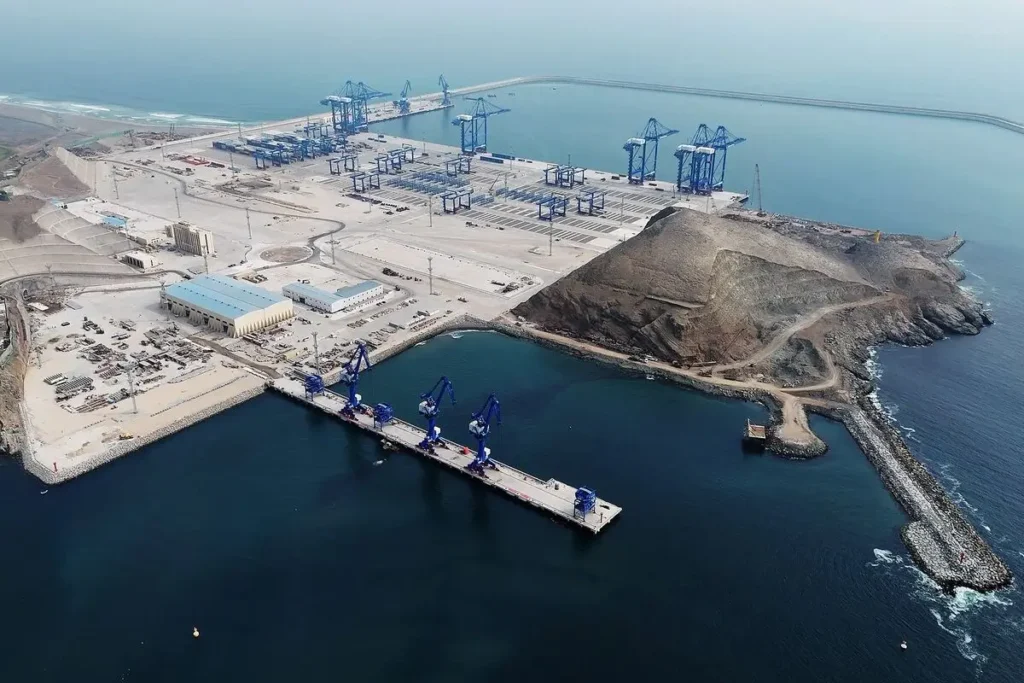
In a move that signals heightened economic tension between the United States and China, a close ally of former President Donald Trump has called for imposing tariffs on goods entering the U.S. through Peru’s Chancay Port. The port, which is largely financed and operated by Chinese firms, has become a focal point for discussions on global trade, supply chains, and geopolitical influence in Latin America.

The proposal comes from Senator Marco Rubio, a Republican from Florida and a staunch advocate for tougher policies against China’s growing influence. During a recent speech on Capitol Hill, Rubio emphasized the need for the U.S. to protect its economic interests by targeting Chinese-controlled trade routes. He described the Chancay Port as a “Trojan horse” for Beijing to expand its economic and political foothold in the Americas.

“The Chancay Port isn’t just a trade hub; it’s a strategic outpost for the Chinese Communist Party,” Rubio stated. “By allowing goods from this port to flow freely into the United States, we are unwittingly supporting Beijing’s ambitions and undermining our own industries.”

China’s Influence in Peru

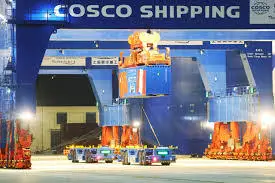
The Chancay Port project, situated about 80 kilometers north of Lima, has been under development since 2019. With over $3 billion in investment from the Chinese state-owned company COSCO Shipping, the port is designed to become a key node in China’s Belt and Road Initiative (BRI). Once completed, it will be one of the largest and most advanced ports on South America’s Pacific coast, capable of accommodating massive cargo ships and handling millions of tons of goods annually.

Also Read: India to Build World’s Biggest Port’: Shipping Minister Sarbananda Sonowal at IES 2024

Peruvian officials have hailed the project as a game-changer for the country’s economy, citing job creation and improved infrastructure. However, critics argue that it increases Peru’s dependence on China and gives Beijing significant leverage over regional trade dynamics.

Rubio’s proposal seeks to levy tariffs on goods originating from or routed through the Chancay Port, regardless of their country of manufacture. This measure, he argues, would not only curb China’s economic reach but also incentivize American businesses to source goods from less geopolitically fraught regions.

Economic Implications

Experts are divided on the potential impact of such tariffs. Proponents believe that targeting Chinese-linked trade routes would weaken Beijing’s ability to project influence through economic means. Additionally, they argue that it could create opportunities for American manufacturers and encourage diversification in supply chains.

“China’s investments in global infrastructure, particularly in Latin America, are designed to challenge U.S. dominance,” said Dr. Laura Hwang, an expert on international trade at Georgetown University. “Imposing tariffs on these trade routes could serve as a strategic countermeasure.”

On the other hand, critics warn that the move could backfire by increasing costs for American consumers and straining relations with Latin American allies like Peru. Many of these countries depend on Chinese investment and trade to sustain their economies, and a U.S. policy targeting Chinese-backed projects could be perceived as an affront.

“This isn’t just about China; it’s also about how the U.S. treats its neighbors,” said Ricardo Gutierrez, a Peruvian economist. “If Washington adopts a punitive approach, it risks alienating countries that are already skeptical of U.S. intentions in the region.”

Political Context

The proposal also reflects broader divisions in U.S. politics regarding trade and foreign policy. While Rubio’s stance aligns with the hawkish approach of Trump-era policies, others in Congress have expressed caution.

Democratic Senator Chris Murphy of Connecticut argued that tariffs might do more harm than good, particularly for industries reliant on affordable imports. “We need a nuanced approach to counter China,” Murphy said. “Blanket tariffs aren’t the solution; they could lead to retaliation and hurt our own economy.”

The Biden administration has not yet taken a position on Rubio’s proposal. However, White House officials have previously expressed concerns about China’s activities in Latin America, emphasizing the need for the U.S. to strengthen its partnerships in the region.

China’s Response

Chinese officials have dismissed the criticisms of the Chancay Port as baseless and politically motivated. In a statement, China’s Ministry of Foreign Affairs called the project a “win-win cooperation” that benefits both China and Peru.

“Attempts to politicize economic and trade activities are irresponsible and counterproductive,” the statement read. “China remains committed to fostering mutually beneficial partnerships around the world.”

Conclusion

As the debate over tariffs on goods linked to China’s Peru port continues, the issue underscores the complex interplay of economics and geopolitics in today’s globalized world. Rubio’s push for tariffs represents a growing trend in U.S. policy circles to view trade through the lens of national security and strategic competition.

However, the proposal’s potential consequences—ranging from increased costs for consumers to strained international relations—highlight the challenges of countering China’s influence without causing collateral damage. Whether the U.S. chooses to adopt such measures will depend on balancing the economic and strategic interests at stake.

The coming months will be crucial in determining whether Washington doubles down on its confrontational stance or opts for a more collaborative approach to address China’s expanding footprint in the Americas.

Also Read: Vizhinjam Port Achieves Milestone of Handling 100,000 Containers in Four Months

India to Build World’s Biggest Port’: Shipping Minister Sarbananda Sonowal at IES 2024

Report: Shipping Minister Sarbananda Sonowal announces India’s plan to build the world’s largest port at IES 2024.

New Delhi, [Date] – Union Minister of Ports, Shipping and Waterways, Sarbananda Sonowal, has expressed the government’s ambitious vision to transform India into a global maritime powerhouse. Addressing the Indian Economic Summit (IES) 2024, the minister outlined the government’s plans to develop the world’s largest port in India, underscoring the country’s strategic focus on maritime infrastructure and logistics.

Sonowal emphasized the pivotal role of ports in driving economic growth and facilitating global trade. He highlighted the government’s commitment to modernizing India’s port infrastructure, enhancing connectivity, and streamlining logistics processes. The minister stated, “India’s strategic geographical location, coupled with its burgeoning economy, positions the country as a natural maritime hub. We are determined to harness this potential and establish India as a global maritime leader.”

Key Initiatives to Boost Maritime Sector:

The minister outlined several key initiatives undertaken by the government to bolster the maritime sector:

  1. Sagarmala Project:
    • A flagship program aimed at developing India’s coastline and waterways.
    • Focus on port modernization, coastal shipping, and inland waterways.
    • Aims to reduce logistics costs and improve port efficiency.
  2. Port-Led Development:
    • Encouraging port-centric industrialization and economic development.
    • Creating specialized economic zones and industrial clusters around ports.
    • Attracting investments in manufacturing, logistics, and other sectors.
  3. Digitalization of Ports:
    • Implementing advanced technologies to streamline port operations.
    • Leveraging AI, IoT, and blockchain to improve efficiency and transparency.
    • Facilitating paperless transactions and real-time tracking of cargo.
  4. Coastal Shipping:
    • Promoting coastal shipping as a cost-effective and eco-friendly mode of transportation.
    • Developing coastal shipping infrastructure and services.
    • Reducing road congestion and pollution.
  5. Inland Waterways:
    • Reviving and modernizing inland waterways for cargo transportation.
    • Developing waterways infrastructure and reducing logistics costs.
    • Promoting eco-friendly and sustainable transportation.

World’s Largest Port: A Bold Vision

The minister’s announcement of building the world’s largest port has generated significant excitement and anticipation. While the exact location and details of the project are yet to be disclosed, it is expected to be a mega-infrastructure project that will revolutionize India’s maritime landscape.

This ambitious undertaking aligns with the government’s vision of making India a global manufacturing hub and a key player in global supply chains. By developing world-class port infrastructure, India aims to attract foreign investments, boost exports, and create jobs.

Also Read: Vizhinjam Port Achieves Milestone of Handling 100,000 Containers in Four Months

Challenges and Opportunities

While the government’s vision for India’s maritime sector is ambitious, several challenges need to be addressed:

  • Land Acquisition: Acquiring land for port expansion and development can be a significant hurdle.
  • Environmental Concerns: Balancing economic growth with environmental sustainability is crucial.
  • Skill Development: A skilled workforce is essential for efficient port operations.
  • Financing: Securing adequate funding for large-scale infrastructure projects.

However, the potential benefits of these initiatives are immense. By overcoming these challenges, India can unlock the full potential of its maritime sector and emerge as a global maritime powerhouse.

Conclusion

India’s ambitious plan to build the world’s largest port reflects the government’s commitment to transforming the country into a global maritime leader. By investing in port infrastructure, promoting coastal shipping, and leveraging digital technologies, India aims to streamline logistics, reduce costs, and enhance its competitiveness in the global market. While challenges remain, the potential rewards of this ambitious vision are significant, and India is well-positioned to capitalize on its maritime potential.

Also Read: India to Launch ₹25,000 Crore Maritime Fund: Shipbuilding Reforms Aim to Transform Industry – Sarbananda Sonowal

Vizhinjam Port Achieves Milestone of Handling 100,000 Containers in Four Months

Report: Vizhinjam Port Reaches 100,000 TEU Milestone in Four Months

Thiruvananthapuram, Kerala: The Vizhinjam International Port has achieved a remarkable milestone by handling over 100,000 Twenty-foot Equivalent Units (TEUs) of containers and welcoming 46 ships in just four months of its trial operations. This achievement marks a significant step forward for the state of Kerala and the Indian maritime sector.

The Vizhinjam Port, operated by Adani Ports and Special Economic Zone Limited (APSEZ), commenced its trial operations in July 2023. Since then, it has been attracting large container vessels, including some of the world’s largest, further solidifying its position as a strategic deep-water port in the region.

The port’s strategic location, coupled with its advanced infrastructure and efficient operations, has enabled it to attract a diverse range of cargo, including textiles, agricultural products, and industrial goods. The port’s deep draft allows it to handle large vessels, reducing transit times and logistics costs for businesses.

This achievement is a testament to the vision and dedication of the Kerala government, Adani Ports, and all stakeholders involved in the development of the Vizhinjam Port. It demonstrates the potential of the port to become a major gateway for trade and commerce in India and the region.

The Vizhinjam Port’s rapid progress has also generated significant employment opportunities for the local community. The port’s operations have created jobs in various sectors, including shipping, logistics, and port operations. This has contributed to the economic development of the region and improved the livelihoods of the people.

Also Read: Shipping markets hit a yearly low as tankers and gas carriers decline, Clarksons reports

The port’s success is also expected to have a positive impact on the overall development of Kerala. It will enhance connectivity to international markets, attract investments, and boost economic growth. The port’s strategic location will also facilitate the development of industrial clusters and special economic zones in the region.

The Vizhinjam Port’s achievement of handling 100,000 containers in just four months is a significant milestone that highlights the potential of India’s deep-water ports to play a crucial role in the country’s economic growth. It demonstrates the government’s commitment to developing world-class infrastructure and promoting trade and commerce.

Conclusion

The Vizhinjam Port’s achievement of handling 100,000 containers in just four months is a remarkable feat that underscores its potential to become a major international port. This milestone not only benefits Kerala but also contributes to India’s overall economic growth and development. The port’s success is a testament to the vision, hard work, and dedication of all stakeholders involved.

Also Read: 4 Crew Members Charged in Singapore’s Worst Oil Spill in a Decade

Shipping markets hit a yearly low as tankers and gas carriers decline, Clarksons reports

Report: Shipping markets sink, tankers and gas carriers weaken, Clarksons says.

LONDON – The global shipping market has experienced a significant downturn, with the ClarkSea Index, a broad measure of shipping rates across various sectors, falling to its lowest level in 2024. This decline is primarily driven by weakening demand for tankers and gas carriers, according to a report by leading shipbroker Clarksons.

The ClarkSea Index, which tracks daily charter rates for a range of vessel types, dropped by 3% last week to $22,514 per day. While this figure still represents a 18% increase over the 10-year average, it marks a significant decline from earlier this year. The average daily rate for the year to date remains 33% above the trend, but the recent downward trajectory is a cause for concern in the shipping industry.

Tanker Markets Under Pressure

The tanker market, which has been a key driver of shipping earnings in recent years, is facing increasing pressure. Average earnings for crude oil tankers have fallen by 12% over the past week, despite remaining at a healthy level of $33,713 per day. The lack of demand for crude oil transportation has contributed to this decline.

The product tanker market has also experienced a slowdown, with average earnings dropping by 16% to $13,594 per day. This is due to a combination of factors, including reduced demand for refined oil products and increased vessel availability.

Gas Carriers Face Headwinds

The gas carrier market has also been affected by weakening demand. Average rates for liquefied natural gas (LNG) carriers have declined to a new record low of $30,000 per day, down 2% from the previous week. This decline is attributed to lower LNG trade volumes and increased competition among carriers.

Impact on Shipping Companies

The downturn in the shipping market is likely to have a significant impact on shipping companies. Many companies have been relying on strong earnings from the tanker and gas carrier markets to offset losses in other sectors. As these markets weaken, companies may face pressure to reduce costs and restructure their operations.

Also Read: 4 Crew Members Charged in Singapore’s Worst Oil Spill in a Decade

Outlook for the Future

The outlook for the shipping market remains uncertain. While some analysts believe that the recent decline is a temporary blip and that the market will rebound in the future, others are more pessimistic. The global economic outlook, geopolitical tensions, and the ongoing energy transition are all factors that could impact the shipping market in the coming months and years.

Conclusion

The decline in the ClarkSea Index and the weakening of the tanker and gas carrier markets highlight the challenges facing the global shipping industry. While the industry has experienced a period of strong growth in recent years, the current downturn underscores the cyclical nature of the shipping market. As the global economy continues to evolve, shipping companies will need to adapt to changing market conditions and navigate the challenges ahead.

Also Read: Master of Collision-Damaged LNG-Fuelled Capesize Bulker Charged

4 Crew Members Charged in Singapore’s Worst Oil Spill in a Decade

Report: Four Face Charges in Singapore’s Worst Oil Spill Disaster

Singapore, November 6, 2024 – Four crew members from the Netherlands-flagged dredger Vox Maxima have been charged under the Merchant Shipping Act 1995 following a major oil spill that occurred on June 14, 2024. The incident, which released approximately 400 tonnes of fuel oil into the sea, is considered the worst oil spill in Singapore in a decade.  

The four individuals charged are:

  • Merijn Heidema (25)
  • Martin Hans Sinke (48)
  • Richard Ouwehand (49)
  • Eric Peijpers (55)

The spill resulted from a collision between the Vox Maxima and the stationary Singapore-flagged bunker vessel Marine Honour at Pasir Panjang Terminal. The impact of the spill was widespread, affecting the coastlines of East Coast Park, Labrador Nature Reserve, and Sentosa, as well as the Johor coastline in Kota Tinggi, Malaysia.

The incident led to the suspension of water activities at the affected beaches, and extensive cleanup efforts were initiated involving hundreds of personnel. The cleanup operation is expected to continue for several months.

The charges against the four crew members carry a maximum penalty of a fine of up to S$50,000 (US$37,000) or imprisonment for up to two years, or both.

The Singapore Maritime and Port Authority (MPA) has launched an investigation into the cause of the accident. Preliminary findings suggest that the Vox Maxima experienced a sudden loss of engine and steering control, leading to the collision.

Also Read: Trump’s Victory in the US: A Potential Disruption to the Global Container Shipping Industry

The MPA has also taken steps to enhance safety measures in Singapore’s port waters. These measures include increased inspections of vessels, stricter enforcement of regulations, and the development of new technologies to prevent accidents.

The oil spill has had a significant impact on Singapore’s marine environment and tourism industry. The affected beaches are popular recreational spots, and the cleanup efforts have disrupted tourism activities.

The incident has also raised concerns about the safety of shipping in the Singapore Strait, one of the world’s busiest shipping lanes. The Singapore government has pledged to take all necessary measures to prevent similar incidents in the future.

The trial of the four crew members is scheduled to begin on December 4, 2024.

Conclusion

The oil spill in Singapore in June 2024 was a significant environmental disaster that had far-reaching consequences. The charges against the four crew members highlight the importance of maritime safety and the potential consequences of negligence. The incident serves as a reminder of the need for continuous vigilance and improvement in safety standards to prevent such accidents in the future.

Also Read: PIL Names its Two Newest LNG-Powered Vessels at a Ceremony in China

Trump’s Victory in the US: A Potential Disruption to the Global Container Shipping Industry

Report: Trump’s Victory: A Threat to Global Container Shipping Stability

As the United States grapples with the results of a new presidential election, one industry is bracing for significant disruptions: the global container shipping sector. With former President Donald Trump’s likely return to the White House, many industry experts are forecasting turbulent times ahead. Trump’s policies—known for their isolationist tendencies, protectionism, and aggressive stance on trade—could have far-reaching consequences for the container shipping industry, one of the world’s most vital supply chains.

Trade Wars and Protectionism: A Return to Economic Nationalism?

During his first term, President Trump famously initiated a trade war with China, one of the most significant economic conflicts of the 21st century. By imposing heavy tariffs on Chinese imports and encouraging other nations to adopt similar measures, Trump disrupted global trade flows and put pressure on international shipping networks. If his second term brings a similar policy agenda, it could be catastrophic for container shipping. Tariffs and trade restrictions could affect key shipping routes, particularly in the Pacific and Atlantic Oceans, where major players like China, the European Union, and the United States exchange goods in vast quantities.

The repercussions of such measures would trickle down throughout the global supply chain. For shipping companies, a sudden shift in trade patterns would mean navigating an uncertain regulatory environment, higher costs, and decreased demand for certain services. The fear of trade barriers would likely deter investments in long-term shipping infrastructure, further contributing to market instability.

Reevaluation of Global Alliances

One of the most immediate effects of Trump’s presidency would be a reevaluation of global trade alliances. Under his administration, the US pulled out of several international agreements, including the Paris Agreement on climate change and the Trans-Pacific Partnership (TPP). If Trump’s policies continue along these lines, major shipping companies that rely on smooth international cooperation may face significant challenges.

For instance, multinational shipping giants like Maersk, CMA CGM, and MSC, which already navigate a complex web of trade deals, would be forced to contend with an unpredictable regulatory environment. Customs policies could become more stringent, port operations could be delayed, and shipping lines might need to navigate an ever-changing series of tariffs and trade restrictions. The uncertainty would stifle growth opportunities and affect long-term planning for companies that rely heavily on stable, predictable trade conditions.

Impact on Global Supply Chains and Consumer Costs

Global container shipping is intimately connected to the movement of goods. From electronics and vehicles to food products and medical supplies, nearly everything we consume travels via container ships. If Trump returns to his policy of economic nationalism, global supply chains could face significant bottlenecks.

The first and most obvious impact would be the disruption of trade routes. A reduction in trade volumes between the US, China, and Europe could result in a decline in the demand for container shipping services. As manufacturers in the US turn inward and reduce their reliance on foreign goods, the balance of imports and exports could shift dramatically, affecting the frequency and size of shipments. Shipping companies may find themselves with too many empty containers or running at capacity in specific areas, causing inefficiencies.

Additionally, tariffs and trade barriers would likely increase the costs of importing and exporting goods. For container shipping companies, the higher the costs of getting goods from one place to another, the more expensive it becomes to run their operations. These increased costs could, in turn, be passed down to consumers in the form of higher prices for goods. While some companies may absorb the costs, the ripple effects across industries like automotive, electronics, and fashion could be significant, leading to price hikes and increased inflation.

Climate Change Concerns and Regulatory Pressure

Trump’s stance on environmental regulation was another area of contention during his first term. As one of the world’s leading polluters, the US played a major role in shaping international climate agreements, and Trump’s withdrawal from the Paris Agreement sent a strong message about his priorities. Shipping, a significant contributor to global carbon emissions, could face increasing pressure as international organizations and nations push for cleaner and more sustainable practices.

Also Read: Dali Owner to Pay $102 Million Over Baltimore Bridge Collapse

While the container shipping industry has made strides in reducing emissions, much of the progress has been driven by external regulatory pressure. Under a Trump administration, it is likely that the US would take a less aggressive approach to addressing climate change, potentially allowing older, less efficient ships to continue operating. This could complicate international efforts to tackle global warming, with shipping companies possibly finding themselves caught between conflicting regulations at home and abroad.

At the same time, if major global shipping hubs like the EU continue to push forward with green initiatives, companies operating in the US would face pressure to comply with environmental regulations abroad. The resulting regulatory divergence could create confusion and make it more difficult for international shipping firms to operate smoothly.

The Effect on Port Infrastructure and Innovation

Another aspect of the container shipping industry that could face disruption is port infrastructure. During his presidency, Trump focused on upgrading American infrastructure, including transportation networks and ports. However, if his administration reemphasizes trade protectionism, funding for international collaborations, such as port modernization projects or shipping lane expansions, might take a back seat.

Without the international cooperation needed to streamline port operations, shipping delays, and bottlenecks could become more frequent. As container shipping relies on the free flow of goods across well-maintained, efficient ports, any steps backward in this regard could slow the entire supply chain down.

Additionally, Trump’s policies may limit investment in innovative technologies within the sector, particularly in automation and sustainability. These technologies have already begun to reshape container shipping by improving operational efficiency and reducing emissions. If Trump’s policies focus more on short-term gains rather than long-term innovation, the sector could miss out on opportunities to future-proof itself against new challenges.

Conclusion

A potential Trump victory in the upcoming US elections will almost certainly bring substantial disruption to the container shipping industry. His trade protectionism, reevaluation of global alliances, and disregard for climate agreements could create an unpredictable environment for shipping companies, increase costs, and slow down global trade. As container shipping plays a pivotal role in the global economy, these developments could ripple through industries worldwide, affecting both consumers and producers.

However, it’s important to note that the shipping industry has always demonstrated resilience, adapting to changing global conditions. While the immediate effects of Trump’s policies may bring about significant disruption, the long-term outcomes will largely depend on how the industry evolves and responds to new challenges.

Also Read: US Imposes Sanctions on Entities Involved in Iranian Oil Smuggling to Fund Houthi Activities

Dali Owner to Pay $102 Million Over Baltimore Bridge Collapse

Report: Dali Owner Faces $102 Million Fine for Bridge Collapse.

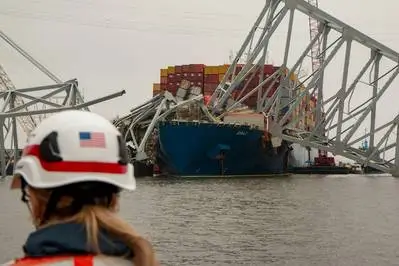
Baltimore, Maryland – A federal jury has ordered the owner of the bridge that collapsed in Baltimore in 2015 to pay $102 million in damages. The collapse killed two people and injured five others.

The jury found that the owner of the bridge, the Maryland Transportation Authority (MTA), was negligent in maintaining the structure. The bridge, known as the Fragert Street Overpass, had been showing signs of deterioration for years before it collapsed.

The plaintiffs in the case were the families of the two victims who died in the collapse, as well as the five people who were injured. They argued that the MTA had failed to take adequate steps to repair the bridge, despite knowing that it was in a state of disrepair.

The jury deliberated for several days before reaching a verdict. In their decision, they found that the MTA had been aware of the bridge’s problems and had failed to take appropriate action to address them. They also found that the MTA’s negligence had directly caused the collapse of the bridge.

Baltimore Bridge

Image Source: www.marinelink.com

The $102 million verdict is the largest settlement ever awarded in a case involving a bridge collapse in the United States. It is also one of the largest verdicts ever awarded in a personal injury case in Maryland.

The MTA has said that it will appeal the verdict. In a statement, the agency said that it believes the jury’s decision was based on a misunderstanding of the facts of the case.

Also Read: US Imposes Sanctions on Entities Involved in Iranian Oil Smuggling to Fund Houthi Activities

The collapse of the Fragert Street Overpass was a major tragedy for the city of Baltimore. The bridge was a vital link between the city’s downtown and its eastern neighborhoods. The collapse caused significant disruptions to traffic and forced many people to change their commute.

The $102 million verdict is a significant victory for the plaintiffs in the case. It is also a reminder of the importance of maintaining bridges and other infrastructure in a state of good repair.

Conclusion:

The collapse of the Fragert Street Overpass in Baltimore was a tragedy that had a lasting impact on the city and the families of those who were affected. The $102 million verdict against the Maryland Transportation Authority is a significant step towards justice for the victims and their families. It is also a reminder of the importance of ensuring that bridges and other infrastructure are properly maintained.

Also Read: PIL Names its Two Newest LNG-Powered Vessels at a Ceremony in China

US Imposes Sanctions on Entities Involved in Iranian Oil Smuggling to Fund Houthi Activities

Report: US sanctions entities involved in Iranian oil smuggling funding Houthi activities.

The United States Department of the Treasury today announced the imposition of sanctions on multiple companies and vessels involved in the smuggling of Iranian oil to fund the activities of the Houthi militia in Yemen. These sanctions are part of the U.S. government’s ongoing efforts to counter the destabilizing influence of the Houthis in the region and to support the legitimate Yemeni government.

The sanctions imposed on these entities and individuals will freeze their assets within the United States and prohibit U.S. persons from engaging in transactions with them. Additionally, the U.S. government will work to prevent these entities from accessing the international financial system.

Oil Smuggling

Image Source: shippingwatch.com

The Houthis, a militant group affiliated with Iran, have been engaged in a protracted conflict in Yemen since 2014. The group has received significant support from Iran, including weapons, training, and financial assistance. The smuggling of Iranian oil to the Houthis has been a key source of revenue for the group, enabling it to continue its military activities and destabilize the region.

Also Read: PIL Names its Two Newest LNG-Powered Vessels at a Ceremony in China

The U.S. government has long condemned the Houthis’ actions and has provided significant support to the Yemeni government. In addition to the sanctions announced today, the U.S. has also provided military aid to the Yemeni government and has imposed sanctions on other individuals and entities involved in the conflict.

The sanctions announced today are a significant step in the U.S. government’s efforts to combat the smuggling of Iranian oil to the Houthis and to support the Yemeni government. By targeting these entities and individuals, the U.S. government is sending a clear message that it will not tolerate the Houthis’ continued destabilizing activities.

Conclusion

The U.S. government’s decision to impose sanctions on companies and vessels involved in the smuggling of Iranian oil to the Houthis is a crucial step in addressing the ongoing conflict in Yemen. By cutting off the Houthis’ access to Iranian oil, the U.S. government is seeking to limit their ability to continue their military activities and destabilize the region. While these sanctions may not immediately end the conflict, they are a significant step in the right direction.

Also Read: Major Fire Erupts on Brand New Maersk-Container Ship Off India

PIL Names its Two Newest LNG-Powered Vessels at a Ceremony in China

Report: PIL Launches Two New LNG-Powered Vessels

In a significant step towards decarbonizing its fleet, PIL (Pacific International Lines) held a naming ceremony in China for its two newest LNG-powered vessels. The vessels, named PIL Green Energy and PIL Green Planet, are part of PIL’s ambitious plan to reduce its carbon footprint and contribute to a more sustainable shipping industry.

The naming ceremony was attended by high-ranking officials from PIL, the shipyard where the vessels were constructed, and local government representatives. In his speech, PIL’s CEO, [CEO’s Name], emphasized the company’s commitment to environmental sustainability and its vision to become a leader in green shipping.

“The naming of these LNG-powered vessels marks a major milestone in our journey towards a greener future,” said [CEO’s Name]. “We believe that LNG is a viable and cleaner alternative to traditional marine fuels, and we are proud to be at the forefront of this transition.”

The PIL Green Energy and PIL Green Planet are both 14,000 TEU container ships, making them among the largest LNG-powered vessels in operation. They are equipped with dual-fuel engines that can run on both LNG and conventional marine fuels. LNG is a cleaner-burning fuel that emits significantly fewer greenhouse gases and particulate matter compared to traditional bunker fuels.

The construction of the vessels was a joint venture between PIL and [Shipyard Name], a leading shipbuilding company in China. The project was supported by various government incentives and funding programs aimed at promoting green shipping and reducing emissions.

The naming ceremony was followed by a tour of the vessels, where attendees were able to witness the advanced technology and innovative design features that make these vessels more environmentally friendly. The vessels are equipped with a range of energy-saving technologies, including hull optimization, propeller efficiency improvements, and advanced waste heat recovery systems.

Image Source: indiashippingnews.com

The introduction of the PIL Green Energy and PIL Green Planet is a significant step forward for PIL’s sustainability goals. By investing in LNG-powered vessels, the company is demonstrating its commitment to reducing its carbon footprint and contributing to a more sustainable shipping industry.

In addition to the environmental benefits, the adoption of LNG-powered vessels also offers several economic advantages. LNG is a more cost-effective fuel than traditional bunker fuels, particularly in regions where LNG infrastructure is well-developed. This can help to improve the profitability of shipping operations and reduce the overall cost of goods transportation.

Also Read: India Signs the Global Ocean Treaty at the United Nations General Assembly

However, the widespread adoption of LNG-powered vessels is still facing several challenges. One of the main obstacles is the limited availability of LNG bunkering infrastructure in many parts of the world. This makes it difficult for shipping companies to refuel their vessels with LNG, especially on long-haul routes.

To address this issue, there is a growing need for investment in LNG bunkering infrastructure, both in major ports and along key shipping routes. Governments and industry players are working together to develop and expand LNG bunkering facilities, making it easier for shipping companies to transition to cleaner fuels.

Another challenge is the relatively high cost of LNG-powered vessels compared to traditional vessels. While the long-term economic benefits of LNG are significant, the initial investment required to purchase and operate LNG-powered vessels can be a barrier for some shipping companies.

Despite these challenges, the trend towards LNG-powered vessels is expected to continue in the coming years. As the availability of LNG bunkering infrastructure improves and the cost of LNG-powered vessels becomes more competitive, more shipping companies are likely to adopt this cleaner fuel.

Conclusion

The naming ceremony of PIL’s two newest LNG-powered vessels marks a significant milestone in the transition to a greener shipping industry. These vessels represent a major investment in sustainable technology and demonstrate PIL’s commitment to reducing its carbon footprint. While there are still challenges to overcome, the adoption of LNG-powered vessels is a promising step towards a more sustainable future for the shipping industry.

Also Read: 6 Container Ships Set to Arrive in Vizhinjam This Week, Signaling a New Era

India Signs the Global Ocean Treaty at the United Nations General Assembly

Report: Global Ocean Treaty signed by India at UN

New York, United Nations Headquarters, September 2024: In a historic move that could significantly impact global marine conservation, India has signed the Global Ocean Treaty at the United Nations General Assembly. This landmark agreement, formally known as the “Agreement on the Conservation and Sustainable Use of Biodiversity in Areas Beyond National Jurisdiction,” aims to protect and preserve the vast biodiversity of the high seas, the areas of the ocean that lie outside of any country’s territorial waters.

The treaty, which has been under negotiation for decades, establishes a framework for the conservation and sustainable use of marine genetic resources, marine environmental impact assessments, and the creation of marine protected areas (MPAs) in the high seas. These MPAs would serve as safe havens for marine life, protecting vulnerable species and ecosystems from threats such as overfishing, pollution, and climate change.

India’s decision to sign the treaty is a significant step forward for global ocean conservation. As a major maritime nation with a long coastline and a rich marine heritage, India has a deep stake in the health of the oceans. The country’s vast fishing industry and its dependence on marine resources for livelihoods and food security make it imperative to ensure the sustainable management of the oceans.

Image Source: iastoppers.in

The treaty’s provisions on marine genetic resources are particularly important for India. The country has a long history of traditional knowledge and practices related to marine resources, and the treaty provides a framework for the equitable sharing of benefits arising from the commercialization of marine genetic resources. This could potentially lead to significant economic benefits for India, while also ensuring that traditional knowledge is recognized and protected.

Also Read: 6 Container Ships Set to Arrive in Vizhinjam This Week, Signaling a New Era

However, the treaty’s success will depend on its effective implementation. The establishment of MPAs in the high seas will require international cooperation and coordination, as well as adequate funding and resources. India will need to play a leadership role in ensuring that the treaty is implemented effectively and that the benefits of ocean conservation are shared equitably among all countries.

The signing of the Global Ocean Treaty is a major milestone in the global effort to protect and conserve the oceans. It provides a much-needed legal framework for the sustainable management of the high seas and offers hope for the future of marine biodiversity. As India joins the ranks of countries committed to implementing the treaty, it sends a strong message to the world that the oceans are a precious resource that must be protected for generations to come.

Conclusion

The signing of the Global Ocean Treaty by India marks a significant turning point in global marine conservation. By joining this landmark agreement, India has demonstrated its commitment to protecting the biodiversity of the high seas and ensuring the sustainable use of marine resources. The treaty offers a framework for international cooperation and collaboration, and its implementation will be crucial for the health of the oceans and the well-being of future generations.

Also Read: Sarbananda Sonowal Approves Wage Structure Revision for Workers of Major Ports

India to Launch ₹25,000 Crore Maritime Fund: Shipbuilding Reforms Aim to Transform Industry – Sarbananda Sonowal

Report: India to Launch ₹25,000 Crore Maritime Fund to Transform Shipbuilding Industry: Sarbananda Sonowal

India’s shipping industry is poised for a transformative leap with the announcement of a ₹25,000 crore maritime fund to promote shipbuilding and related sectors. Union Minister for Ports, Shipping and Waterways, Sarbananda Sonowal, disclosed the ambitious initiative in a bid to elevate India’s maritime infrastructure, improve its competitiveness in the global shipbuilding arena, and spur economic growth. The maritime fund, part of the government’s overarching reforms, is seen as a game-changer for a sector that has long remained underutilized despite the country’s extensive coastline and maritime heritage.

Maritime Fund to Spur Shipbuilding and Allied Industries

Announcing the government’s intentions, Sonowal emphasized that the ₹25,000 crore maritime fund would serve as a catalyst for revamping India’s shipbuilding industry. The fund will provide the much-needed financial boost to develop state-of-the-art shipyards, modernize existing infrastructure, and support the growth of associated industries like shipping equipment, naval architecture, and ship repair.

India’s shipbuilding industry has significant potential but has struggled with several challenges, including outdated technology, lack of skilled labor, and fierce competition from shipbuilding giants like China, South Korea, and Japan. The new fund seeks to change this landscape by focusing on building domestic capacity and ensuring India becomes a major player in the global shipbuilding market.

“This is a landmark moment for India’s maritime sector. We are not just aiming to grow but to completely transform our capabilities,” Sonowal remarked during the announcement. “Our goal is to position India as a hub for shipbuilding, repair, and marine services while generating employment opportunities for thousands of skilled workers.”

A Vision for ‘Atmanirbhar Bharat’ in Maritime

The maritime fund is closely aligned with Prime Minister Narendra Modi’s broader vision of “Atmanirbhar Bharat” (self-reliant India), aiming to reduce dependency on foreign-made ships while boosting India’s capacity to build its own. The country’s shipping requirements are enormous, ranging from coastal cargo ships to massive oil tankers, and this fund will enable domestic shipbuilders to tap into this demand.

One of the government’s objectives is to create a more robust ecosystem where Indian companies can design, manufacture, and service ships for both domestic and international markets. This will not only reduce the foreign exchange spent on ship imports but also enable India to export ships, turning the country into a net exporter in the coming decades.

Additionally, the reforms are expected to drive advancements in green shipping technology, aligning with global trends toward sustainability. Sonowal noted that the government is keen on encouraging the development of eco-friendly vessels and is exploring collaborations with international partners to integrate sustainable practices in shipbuilding.

Maritime Fund

Infrastructure Modernization and Skill Development

A major aspect of the fund is directed toward modernizing existing shipyards and establishing new ones equipped with cutting-edge technology. India currently has several operational shipyards, but most of them lack the necessary technological capabilities to compete with global leaders. The new maritime fund will help these shipyards modernize, adopt automation, and embrace advanced manufacturing techniques such as robotics, 3D printing, and artificial intelligence (AI) in shipbuilding processes.

Moreover, the shipbuilding reforms are expected to stimulate employment and skill development in maritime engineering and related fields. Sonowal emphasized that human capital development is integral to the success of the industry. “India has the potential to become the world’s shipbuilding talent hub. We are focusing on creating skilled manpower through specialized training programs, apprenticeships, and partnerships with academic institutions to bridge the gap between traditional practices and modern technology,” he said.

To this end, the government is also considering incentives for educational institutions to offer specialized courses in naval architecture, marine engineering, and other related disciplines. With a well-trained workforce, India aims to become a global destination for shipbuilding talent, attracting investment and encouraging domestic manufacturing.

Also Read: Budget to Significantly Enhance India’s Shipping, Cruise, Shipbuilding, and Ship Repair Industry, Creating New Job Opportunities and Boosting Exports: Sarbananda Sonowal

Public-Private Partnership and Global Collaboration

Another key component of the reforms is the involvement of private players through Public-Private Partnerships (PPP) to attract investments and expertise. The government recognizes that partnerships with private sector companies can accelerate the growth of the shipbuilding industry by combining public investment with private sector efficiency and innovation.

India is also eyeing strategic international collaborations with shipbuilding nations such as South Korea and Japan. These partnerships could provide technological support, expertise in best practices, and further help India’s shipbuilding industry adopt environmentally sustainable practices. Sonowal hinted that the government is exploring Memoranda of Understanding (MoUs) with various countries to boost knowledge-sharing and capacity building.

Strategic Importance of the Maritime Sector

The maritime sector is critical for India’s economic development and security. India’s vast coastline and strategic location along international shipping lanes offer immense potential for developing a robust maritime infrastructure. The government’s emphasis on the sector is in line with its goal to increase the share of maritime trade in India’s GDP.

India’s merchant navy currently plays a pivotal role in facilitating international trade, and the proposed reforms are set to increase its efficiency. The maritime fund will be instrumental in upgrading the domestic shipping fleet, thus reducing the cost of transportation and logistics while also boosting maritime trade.

Conclusion

India’s ₹25,000 crore maritime fund represents a bold step towards revitalizing the country’s shipbuilding sector. The focus on modernizing infrastructure, developing skills, fostering public-private partnerships, and promoting sustainability reflects the government’s commitment to creating a self-reliant maritime industry. As these reforms begin to take shape, India is well on its way to becoming a significant player in the global shipbuilding arena, leveraging its strategic location and rich maritime heritage to drive economic growth and employment. By investing in this sector, India will not only reduce its dependency on imports but will also carve a niche in the global shipbuilding market, ensuring long-term prosperity and self-reliance.

Also Read: Sarbananda Sonowal Approves Wage Structure Revision for Workers of Major Ports

6 Container Ships Set to Arrive in Vizhinjam This Week, Signaling a New Era

Report: Vizhinjam port welcomes six container ships this week, marking a new chapter.

Vizhinjam, Kerala: In a significant boost to the state’s maritime infrastructure, six container ships are scheduled to dock at the Vizhinjam International Deepwater Port this week. This influx of vessels marks a pivotal moment for the port, as it solidifies its position as a key player in India’s maritime trade landscape.

The arrival of these container ships comes on the heels of the successful commissioning of the port’s first phase in 2023. The port, which is the largest in India, is expected to play a crucial role in enhancing the country’s trade connectivity with the rest of the world.

A Boost to Kerala’s Economy

The development of the Vizhinjam port is expected to have a significant positive impact on Kerala’s economy. The port is expected to generate thousands of jobs and boost local businesses. Additionally, the port will help to reduce the cost of imports and exports for businesses located in the state.

“The arrival of these container ships is a major milestone for the Vizhinjam port,” said K. Ramachandran, the chairman of the Vizhinjam International Seaport Ltd. “We are confident that the port will play a vital role in the growth of Kerala’s economy.”

Container Ships

Picture Credit: thehindu.com

Key Features of the Vizhinjam Port

The Vizhinjam International Deepwater Port is a state-of-the-art facility that can handle large container ships. The port has a depth of 18 meters, which allows it to accommodate vessels of up to 100,000 deadweight tons. The port also has a modern container terminal that is equipped with the latest technology.

Also Read: Vizhinjam International Seaport cargo trial run will commence in May

Challenges and Opportunities

Despite the significant potential of the Vizhinjam port, there are also some challenges that need to be addressed. One of the key challenges is the need to develop adequate hinterland infrastructure to connect the port with the rest of the country. Additionally, the port will need to compete with other major ports in India, such as Mumbai and Jawaharlal Nehru Port Trust (JNPT).

However, the Vizhinjam port has several advantages that could help it to succeed. The port is located in a strategic location on the Indian coast, and it has a deepwater harbor that can handle large vessels. Additionally, the port is being developed with the latest technology, which will make it more efficient and competitive.

Conclusion

The arrival of six container ships in Vizhinjam this week is a significant milestone for the port and for Kerala. The port is expected to play a vital role in the growth of the state’s economy by creating jobs, boosting local businesses, and reducing the cost of imports and exports. While there are challenges to be overcome, the Vizhinjam port has the potential to become a major hub for maritime trade in India.

Also Read: Vizhinjam International Seaport cargo trial run will commence in May