South Fork Wind Off New York is home to the first turbine installation

21th November 2023

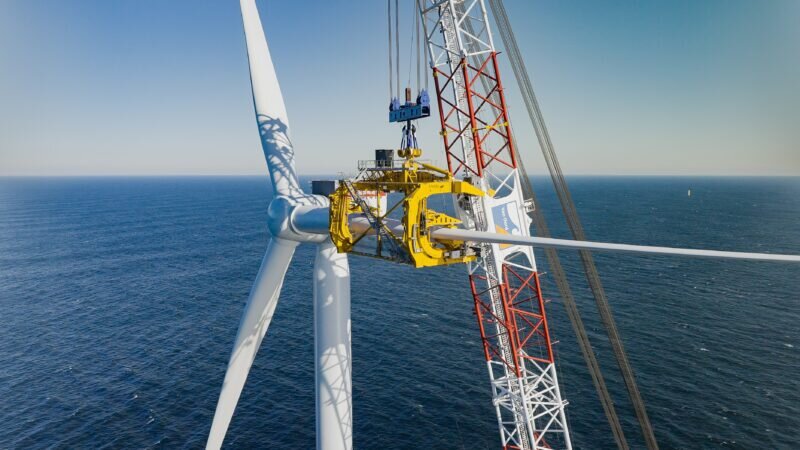
In a historic moment for renewable energy enthusiasts and environmental advocates, the first turbine has been successfully installed at the South Fork Wind project off the coast of New York. Spearheaded by Ørsted, a global leader in offshore wind energy, this installation marks a significant step towards a cleaner, more sustainable future.

The Pinnacle of Clean Energy Technology

The turbine, a state-of-the-art machine standing tall in the waters of the Atlantic Ocean, is a testament to the latest advancements in clean energy technology. Manufactured by Siemens Gamesa, a renowned player in the wind energy industry, the turbine boasts cutting-edge features designed to maximize efficiency and minimize environmental impact.

The Siemens Gamesa SG 8.0-167 DD, the model chosen for the South Fork Wind project, is a direct-drive offshore wind turbine with a rotor diameter of 167 meters. This colossal structure harnesses the power of the wind to generate clean electricity with a capacity of 8 megawatts, making it a formidable force in the transition towards sustainable energy.

New York First wind Turbine

Photo courtesy New York State

Ørsted’s Commitment to a Green Future

Ørsted, the Danish renewable energy company at the forefront of the South Fork Wind project, has long been dedicated to pioneering sustainable solutions for a cleaner planet. With an impressive track record of successful wind farm developments across the globe, Ørsted is now making waves in the United States with the South Fork Wind project.

The installation of the first turbine is a critical milestone for Ørsted and its American partner, Eversource Energy, in their joint venture to provide clean energy to the South Fork region of Long Island. Once fully operational, the wind farm is expected to generate enough electricity to power over 70,000 homes annually, significantly reducing carbon emissions and dependence on fossil fuels in the region.

Job Creation and Economic Impact

Beyond its environmental benefits, the South Fork Wind project is contributing to local economies by creating jobs and fostering economic growth. The construction and ongoing maintenance of the wind farm have generated employment opportunities in the region, providing a boost to communities and businesses.

Local contractors and suppliers have played a crucial role in the project, emphasizing Ørsted’s commitment to collaboration with the surrounding communities. The economic ripple effect is expected to extend beyond the completion of the project, leaving a lasting positive impact on the South Fork area.

Environmental Stewardship and Community Engagement

In addition to the economic benefits, Ørsted has prioritized environmental stewardship and community engagement throughout the development of the South Fork Wind project. Extensive environmental impact assessments were conducted to ensure the protection of marine life and ecosystems, showcasing Ørsted’s commitment to responsible and sustainable development.

Community outreach programs have been established to keep local residents informed and engaged in the project’s progress. Educational initiatives aimed at schools and community groups are helping to raise awareness about the importance of renewable energy and the role that projects like South Fork Wind play in mitigating climate change.

Looking Ahead: Future Phases and Impact on New York’s Energy Landscape

The successful installation of the first turbine at South Fork Wind sets the stage for the project’s future phases, which will see additional turbines added to the wind farm. Once complete, the entire facility will contribute significantly to New York’s ambitious clean energy goals, outlined in the state’s plan to achieve 70% renewable energy by 2030.

As the South Fork Wind project continues to unfold, it serves as a beacon of hope for a future where sustainable energy sources play a central role in meeting the world’s growing power demands. Ørsted’s dedication to innovation, coupled with Siemens Gamesa’s cutting-edge technology, positions this wind farm as a model for future offshore developments, setting the standard for environmentally conscious energy production.

In the wake of this momentous achievement, the South Fork region and the state of New York are on the cusp of a greener, more sustainable energy landscape—one where the power of the wind propels us into a cleaner and brighter future.

U.S. Imposes Sanctions on Maritime Entities Shipping Oil Above Russian Price Cap

17th November 2023

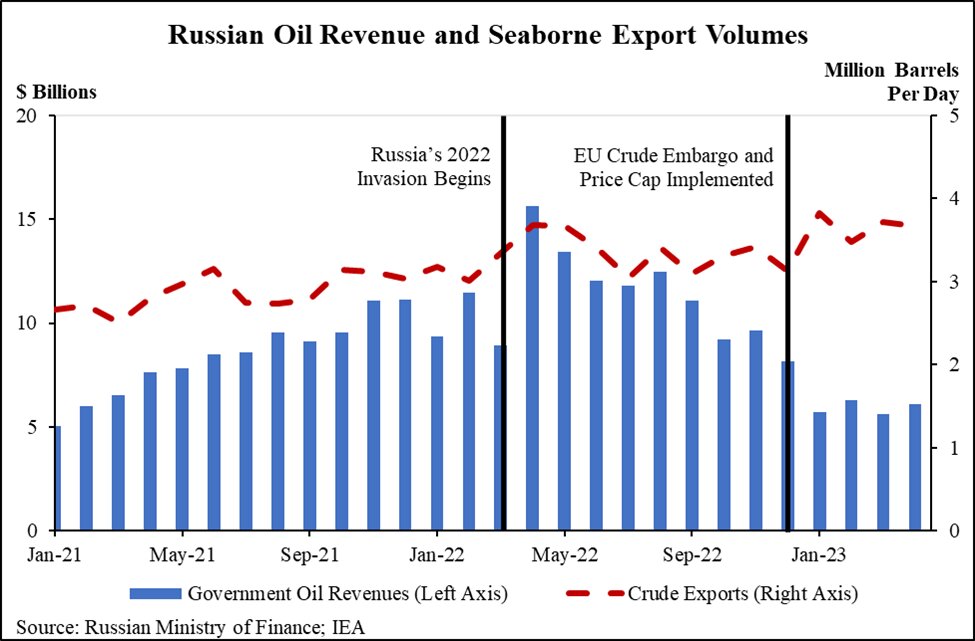
In a significant move, the United States has imposed sanctions on maritime companies and vessels involved in shipping oil above the price cap set by Russia. This development marks an escalation in the ongoing tensions surrounding global energy markets.

Background

Russia implemented a price cap on its oil exports as part of an effort to stabilize its economy and assert control over the energy sector. In response, the U.S. has taken decisive action against entities found violating this pricing regulation.

Details of Sanctions

The U.S. sanctions target specific maritime companies and vessels engaged in shipping oil that exceeds the established Russian price cap. Entities identified in violation face a range of penalties, including asset freezes and restrictions on business dealings with U.S. entities.

Global Impact

The sanctions are already reverberating across the global oil trade, disrupting logistics and transportation networks responsible for shipping oil from Russia. This disruption is expected to have implications for oil prices and trade dynamics, affecting not only the involved parties but also the broader energy market.

Geopolitical Implications

This move by the U.S. underscores the intensifying competition in the international energy sector. It reflects a strategic effort to counterbalance Russia’s influence and maintain stability in the global oil market. The geopolitical ramifications of this development are likely to have broader implications on diplomatic relations between the two nations.

Price Cap on Russian oil

Russian Response

Russia has condemned the U.S. sanctions, characterizing them as interference in its sovereign economic policies. Moscow argues that the price cap is a legitimate measure to safeguard its economic interests and stabilize global oil markets. The diplomatic fallout adds complexity to an already intricate situation.

Conclusion

As the U.S. sanctions on maritime companies and vessels shipping oil above the Russian price cap take effect, the global energy landscape is witnessing a transformative shift. The situation highlights the delicate balance between economic interests, geopolitical maneuvering, and the quest for stability in an ever-evolving world. The coming weeks will be crucial in determining how these sanctions reshape the dynamics of the global oil trade and influence diplomatic relations between key players on the international stage.

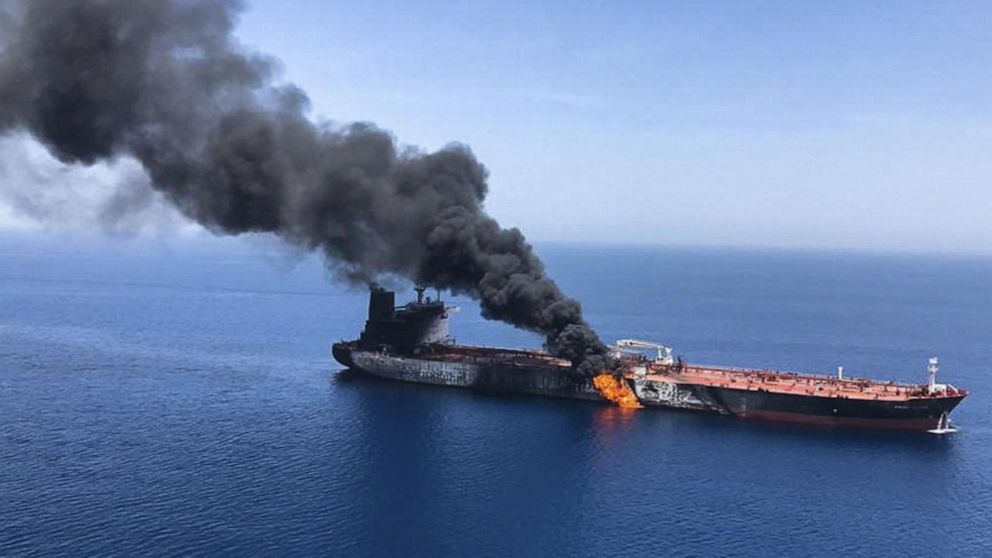
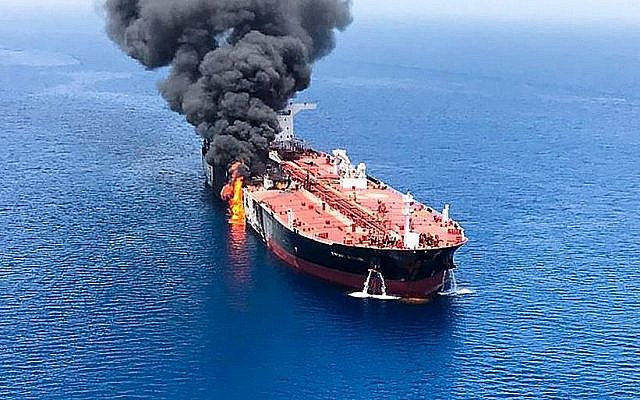
Ukraine Claims Russia detonated explosives in shipping lanes in the Black Sea

2nd November 2023

The ongoing geopolitical tensions between Ukraine and Russia have recently escalated due to a concerning incident reported by Ukraine. According to Ukrainian officials, Russia allegedly dropped explosives in the Black Sea shipping lanes, a move that has heightened maritime safety concerns and raised the specter of conflict in the region.

The Allegation and Details

Ukrainian authorities have accused Russia of deploying explosive devices in the Black Sea, strategically placed to disrupt commercial shipping routes. The incident was reported to have taken place in areas that are crucial for international maritime trade, specifically near the Kerch Strait, a significant waterway that connects the Black Sea to the Sea of Azov.

The allegations include claims that Russia placed these explosives to obstruct commercial vessels, potentially causing severe disruptions to international trade. Ukraine further asserted that these actions directly jeopardize the safety and security of shipping lanes, posing a significant risk to the vessels navigating through the area.

Explosive found in black sea

Geopolitical Implications

The Black Sea has remained a focal point of geopolitical disputes, with both Ukraine and Russia asserting their influence and control over the region.

The recent accusation by Ukraine further complicates the already precarious relationship between the two nations and amplifies concerns about the potential implications for regional stability.

International Concerns and Responses

The reported incident has elicited widespread concern within the international community. Numerous countries and global bodies have called for an immediate investigation into the allegations, emphasizing the critical need for ensuring the safety of vital shipping lanes and maritime trade.

Additionally, this incident has prompted calls for diplomatic intervention to de-escalate tensions between Ukraine and Russia. The need for a peaceful resolution and the safeguarding of maritime safety has been stressed by various nations and international organizations.

Ukraine claims Russia dropped explosive

The Future and Potential Ramifications

The allegation made by Ukraine against Russia and the subsequent response from the international community could have far-reaching consequences. The incident threatens to further strain the already fragile relationship between the two countries and might impact global trade if tensions continue to escalate.

The situation underscores the importance of maintaining open and safe maritime routes for international trade and the necessity for diplomatic efforts to prevent further escalations that could disrupt these vital channels.

conclusion

the allegation of Russia dropping explosives in the Black Sea shipping lanes, made by Ukraine, has significantly heightened tensions in the region. The incident not only affects the immediate safety of maritime traffic but also holds broader implications for geopolitical stability. The international community’s response and diplomatic efforts to address these allegations will be critical in preventing a potential escalation of conflict between Ukraine and Russia.

The Biden Administration’s Strategy for Reviewing Gas-Export Permits

31st October 2023

Introduction

In a marked departure from the previous administration’s approach, the Biden administration has instigated a methodical evaluation process for gas-export permits. This shift signifies a deliberate and comprehensive review strategy that has slowed the approval pace for natural gas export projects, aiming to closely consider environmental impacts and long-term consequences.

Contrasting Approaches: Trump vs. Biden Administration

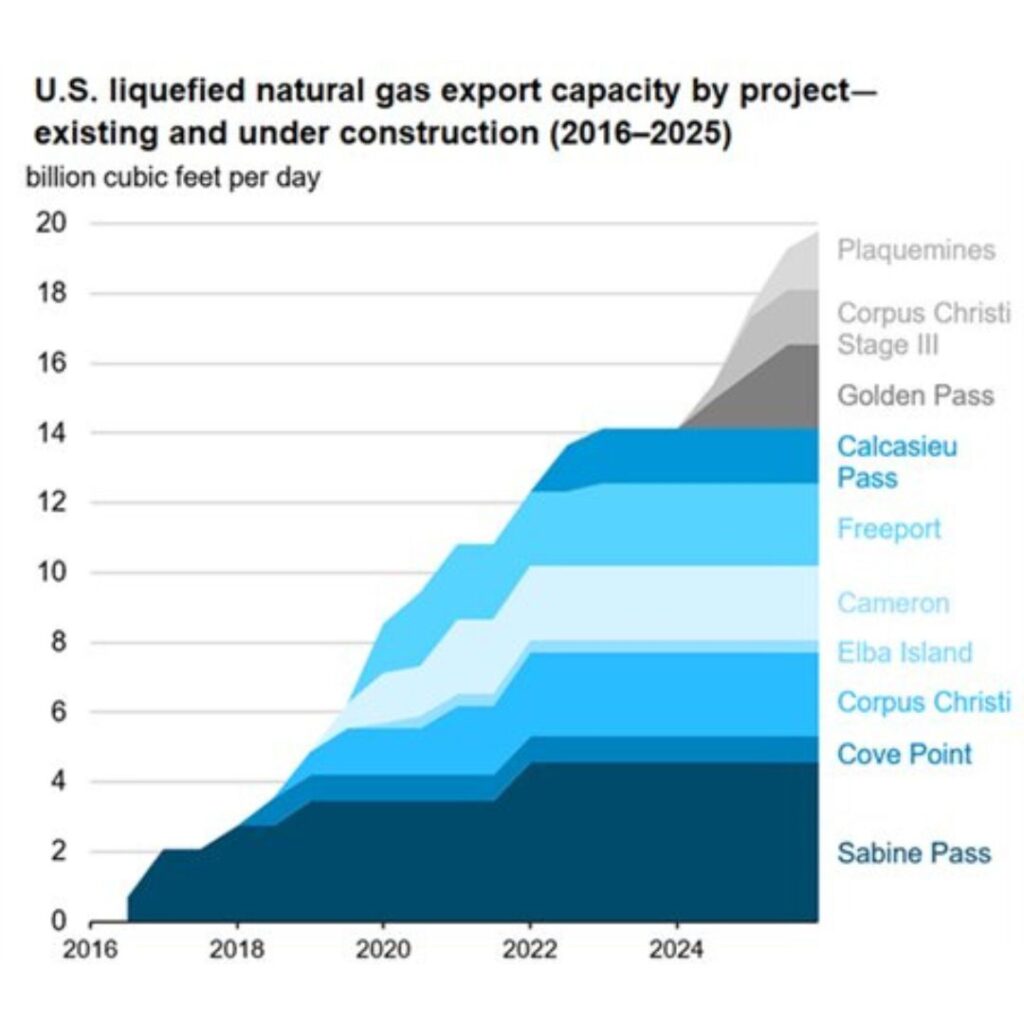
Under the Trump administration, there was a notable push to expedite energy production, including natural gas, to fortify the United States’ energy independence and market competitiveness. This translated to an accelerated review and approval process for gas-export permits, aiming to facilitate increased shipments of liquefied natural gas (LNG) to international markets.

US Liquefied natural gas capacity

Deceleration in Approval Pace Under Biden

In contrast, the Biden administration has introduced a more meticulous and deliberate approach. The Department of Energy and the Federal Energy Regulatory Commission (FERC) are subjecting applications for gas-export permits to a more rigorous scrutiny. As a result, the pace of approval for these projects has considerably slowed.

Increased Scrutiny and Thorough Evaluation Process

The administration’s emphasis on environmental impact assessments, examination of greenhouse gas emissions, and a broader evaluation of the implications of LNG exports has significantly contributed to the slower pace. There’s a notable increase in the number of applications held up or undergoing extended evaluation periods compared to the previous administration.

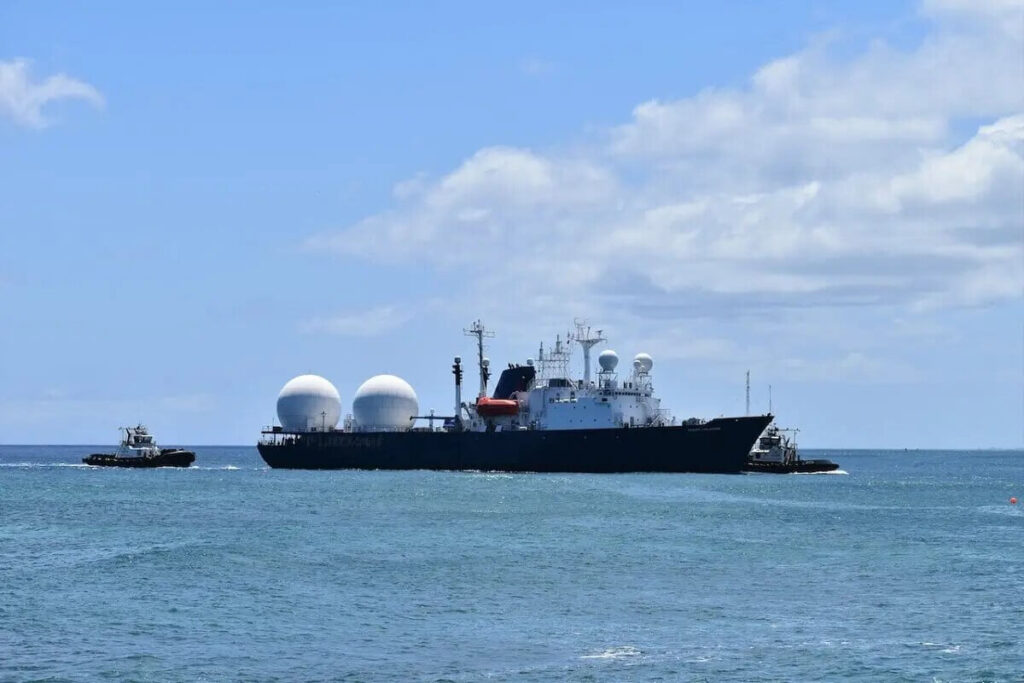
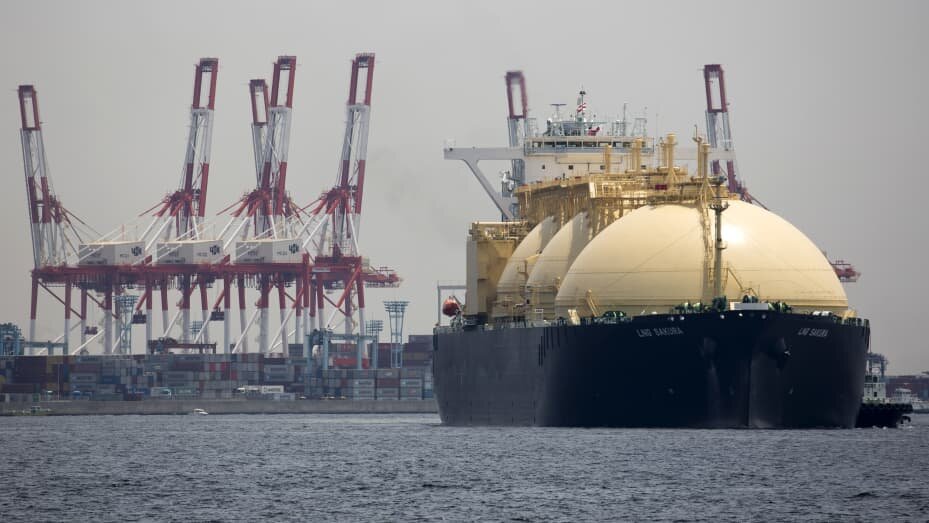
LNG tanker

Diverse Stakeholder Reactions

This shift in strategy has elicited mixed reactions from various stakeholders. Environmental activists and advocacy groups have lauded the administration’s careful approach, focusing on environmental implications. However, the energy industry and some lawmakers express concerns about potential economic implications, arguing that a prolonged review process could hinder the nation’s global energy market competitiveness and impact domestic economic growth.

Balancing Economic Interests and Environmental Concerns

The Biden administration underscores the importance of balancing economic interests with environmental considerations. The review process aligns with the administration’s broader initiatives to tackle climate change, ensuring that the energy policy conforms to climate goals and international commitments to curb carbon emissions.

Impact on Approved Gas-Export Projects

Statistics reveal a significant decrease in the number of approved natural gas export projects under the Biden administration compared to the previous one. The rigorous evaluation process has led to fewer projects receiving the necessary permits to export LNG.

Proponents’ Defense of Meticulous Review

Supporters of the administration’s approach argue that this meticulous review is crucial to understand and mitigate the environmental impact of increased natural gas exports. They emphasize the necessity of a comprehensive assessment to ensure that economic interests are balanced with environmental concerns.

U.S strategy for LNG supply

Conclusion: Future Trajectory and Implications

In conclusion, the Biden administration’s more meticulous review process for gas-export permits represents a significant shift from the previous administration’s expedited approach. This change reflects a deliberate effort to evaluate environmental impacts and broader consequences of increased natural gas exports. As the administration continues to strike a balance between economic interests and environmental concerns, the future trajectory of gas-export permits and their impact on both the domestic and global landscape remains under scrutiny.

A step toward reconciliation, Israel will compensate ships damaged in the Gaza War

27th october 2023

Introduction

In a significant move towards reconciliation and reparation, Israel has announced its decision to pay compensation for ships damaged during the Gaza War. This marks a crucial development in the ongoing efforts to address the repercussions of the conflict and to rebuild trust between Israel and its neighbors. In this article, we will delve into the details of this decision, its significance, and the broader context of the Gaza conflict.

Addressing Taxation in Compensation Process

In the process of compensating for the damages caused to ships during the Gaza War, the Israeli government has not overlooked the taxation aspect. The compensation plan is designed to ensure that the funds allocated for reparations are tax-exempt for the recipients, which includes ship owners and organizations involved in the humanitarian missions. This measure aims to facilitate a smooth and equitable compensation process.

The Israeli Tax Authority has been working closely with relevant stakeholders to establish guidelines for tax exemption on the compensation funds. This ensures that the recipients do not face additional financial burdens when they receive compensation for the damages sustained by their ships during the conflict.

The decision to make the compensation tax-free is seen as a positive step towards streamlining the compensation process and reducing administrative complexities for the affected parties. It reflects the government’s commitment to providing a fair and efficient mechanism for addressing the damages caused during the Gaza War.

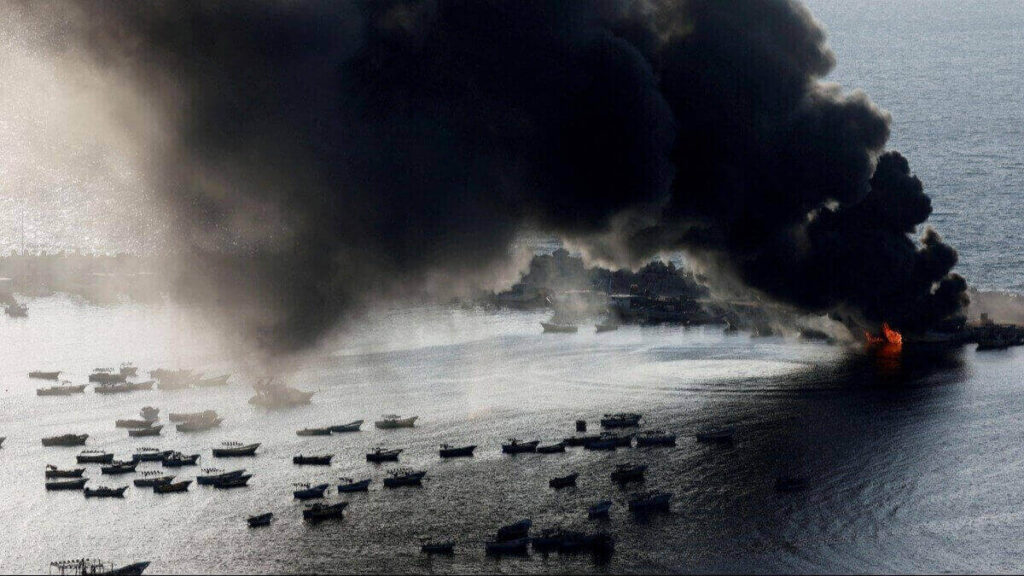
Israel  Gaza war

The Significance of Compensation

The decision to compensate for the damages to ships is significant for several reasons:

  1. Reconciliation: By acknowledging the damages caused and taking responsibility for them, Israel is signaling its willingness to engage in a process of reconciliation. This can help mend diplomatic relations and promote a more peaceful and constructive dialogue with its neighbors.
  2. Humanitarian Aspect: The affected ships were often on humanitarian missions, carrying essential supplies and activists aiming to alleviate the suffering of the people in Gaza. Offering compensation reflects a recognition of the importance of such missions and the need to ensure their safety in the future.
  3. International Relations: Israel’s decision to compensate can help improve its image on the international stage. This move is likely to be positively received by various nations, which can open doors for enhanced diplomatic and economic ties.
  4. Conflict Resolution: Compensation can be a crucial element in the broader context of conflict resolution. It shows a commitment to addressing the past and moving towards a more peaceful future.
Israel compensate

The Broader Context

The Gaza conflict, including Operation Cast Lead, is part of a long-standing and deeply rooted conflict in the Middle East. The Israeli-Palestinian conflict has persisted for decades and has led to suffering and division on both sides. While the decision to compensate for the damages to ships is a commendable step, it is only one part of a much larger and more complex puzzle.

Efforts to achieve a lasting peace in the region have been ongoing for years, with numerous peace plans, negotiations, and international interventions. However, a comprehensive resolution has remained elusive, with key issues such as borders, refugees, Jerusalem, and the status of Palestinian territories remaining contentious.

The decision to compensate for ship damages should be viewed as a positive gesture within this broader context. It is not a panacea but rather a step towards building trust and fostering goodwill, which can be essential in the pursuit of lasting peace and stability.

ships damaged in the Gaza War

Conclusion

Israel’s decision to compensate for the damages to ships during the Gaza War is a significant and commendable move. It reflects a willingness to acknowledge the consequences of the conflict and take steps towards reconciliation. While the compensation is not a solution to the broader Israeli-Palestinian conflict, it is a positive step in the right direction.

The success of this initiative will depend on its implementation and the broader efforts of all parties involved to address the underlying issues of the conflict. Ultimately, achieving a lasting peace in the Middle East requires sustained commitment, dialogue, and compromise from all sides. The compensation for ship damages can be a stepping stone towards a more peaceful future, provided it is part of a comprehensive approach to conflict resolution and reconciliation.

Rocket Shadows Cause Havoc at Israel’s Ashdod Port

26th October 2023

Introduction

As Israel grapples with the ongoing regional security challenges, its strategic Ashdod Port, located on the Mediterranean coast, has become a prominent target for rocket attacks, casting a shadow over its operations and raising significant concerns about the country’s maritime trade and security.

Ashdod Port: A Key Trade Hub

Ashdod Port is one of Israel’s major maritime gateways, serving as a vital link for the country’s imports and exports. As the country’s largest and most central port, it handles a significant portion of Israel’s trade, connecting the nation to global markets. This port plays a crucial role in the country’s economic well-being and is a lifeline for businesses and industries across Israel.

Security Challenges in the Region

Israel has long faced security challenges in the Middle East, including threats from neighboring countries and militant groups. In recent years, the region has witnessed an escalation of tensions, including rocket attacks by various actors. The port city of Ashdod, located just over 20 miles from the Gaza Strip, has been particularly vulnerable to such threats.

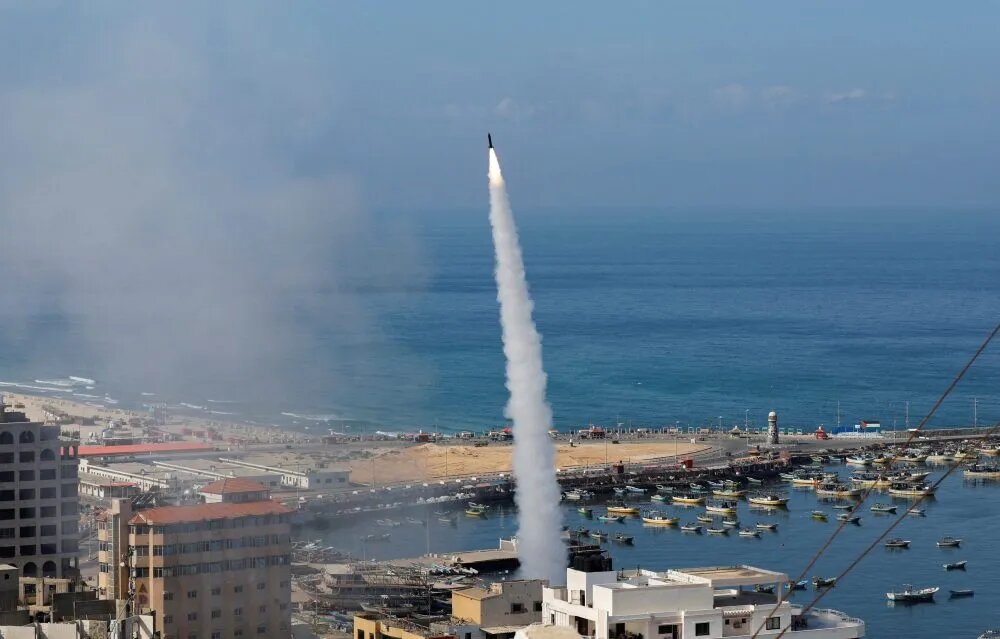
The Gaza Strip is under the control of Hamas, an organization designated as a terrorist group by Israel, the United States, and the European Union. In response to these tensions, Hamas has intermittently launched rocket attacks targeting southern Israel, with Ashdod Port often within their range. These rocket attacks have raised significant security concerns for the port’s operations.

Impact on Ashdod Port Operations

The continued threat of rocket attacks has had a profound impact on Ashdod Port’s day-to-day operations and overall safety. The port authorities have had to implement stringent security measures to protect the port, its staff, and the cargo that passes through its facilities.

  1. Operational Delays: Frequent rocket attacks have led to operational delays as workers and port personnel must seek shelter during attacks, disrupting the flow of goods and impacting the port’s efficiency. These delays have financial implications for businesses and industries reliant on the port’s services.
  2. Increased Costs: The heightened security measures required to safeguard the port have led to increased operational costs. Investments in security infrastructure, emergency response teams, and insurance have put additional financial pressure on Ashdod Port.
  3. Disrupted Supply Chains: Ashdod Port’s importance in Israel’s supply chain cannot be overstated. Disruptions in its operations have a cascading effect, affecting not only businesses in Israel but also international companies relying on the port for their trade with the country.
  4. Cargo Inspection: Security concerns have necessitated thorough inspections of cargo coming into the port. While these inspections are essential for the country’s safety, they also lead to delays in cargo processing and clearance.
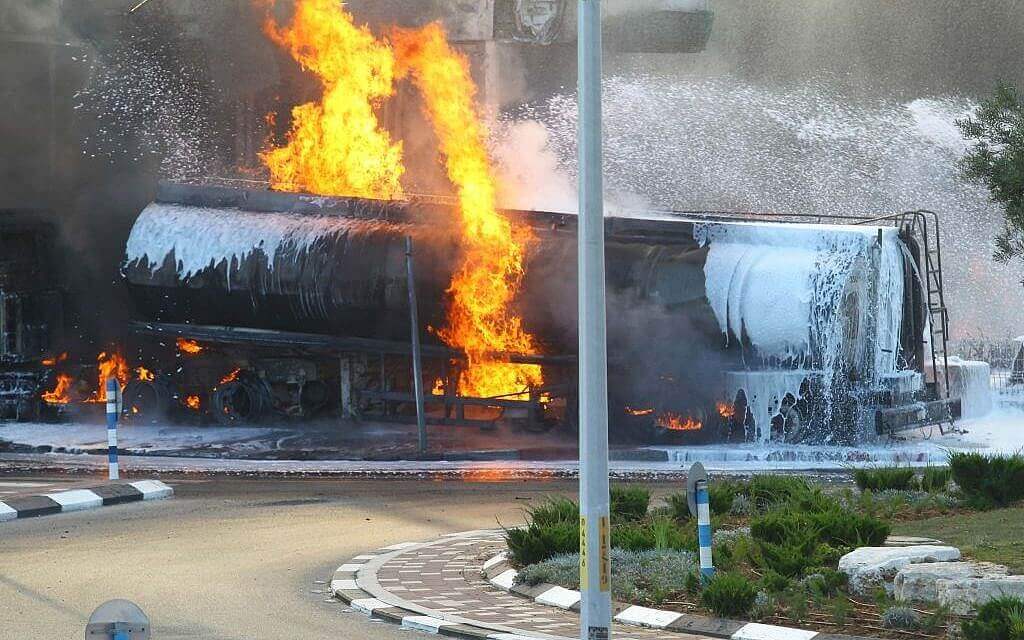
Hamas launches rocket

Security Measures and Resilience

Ashdod Port’s management and Israeli authorities have not taken these security challenges lightly. They have implemented a series of measures to enhance the port’s resilience in the face of rocket threats.

  1. Iron Dome Defense: The Israeli military has deployed its Iron Dome missile defense system in and around Ashdod to intercept and neutralize incoming rocket threats. This advanced system has been successful in intercepting many rockets before they can reach their targets.
  2. Improved Shelter Facilities: The port authorities have constructed and fortified shelters for port workers and staff. These shelters offer protection during rocket attacks and enable operations to resume more quickly after the all-clear is given.
  3. Enhanced Surveillance: Advanced surveillance technologies, such as drones and monitoring systems, are employed to track potential threats and maintain vigilance.
  4. Security Cooperation: Ashdod Port collaborates closely with Israeli security forces to share intelligence and coordinate security efforts. This partnership is essential in maintaining the safety and security of the port and its surroundings.
Israel's Ashdod Port attack

The Global Impact

The security challenges facing Ashdod Port are not only of local concern but also have international implications. Israel’s economy heavily relies on the port’s efficient operations, making the port a linchpin for global trade. Disruptions to Ashdod Port can lead to supply chain disruptions for international companies and have a broader economic impact.

Moreover, the security situation at the port has prompted many international shipping companies to reevaluate their routes and consider alternative ports of call. This change in shipping routes can have economic consequences for the region and affect the global maritime industry.

Calls for Peace and Stability

While Israel has taken measures to secure Ashdod Port and its operations, a lasting solution to the security challenges lies in broader regional stability and peaceful negotiations. The ongoing tensions in the Middle East have ripple effects that reach far beyond the region.

The international community, including diplomatic actors and peacekeeping organizations, must continue their efforts to mediate and broker agreements that can reduce the risk of rocket attacks and promote a more secure environment for Ashdod Port and its surroundings.

conclusion

Ashdod Port’s ongoing struggle with the shadow of rocket attacks is a stark reminder of the complex and interconnected challenges faced by nations in the Middle East. While the port remains operational, the ongoing security situation poses a significant risk to its efficiency, costs, and the broader global trade network. The importance of finding a lasting peaceful solution to regional tensions cannot be overstated, as it is crucial for the security and prosperity of Israel and the global community.

In an agreement to develop the Arctic Sea Route, Russia and DP World

25th October 2023

Introduction

In a significant move to bolster its Arctic shipping infrastructure, Russia has struck a landmark deal with Dubai-based global logistics and port operator, DP World. The agreement aims to develop and expand the Northern Sea Route, a strategic maritime corridor through the Arctic Ocean, offering a shorter and more cost-effective path for global trade between Asia and Europe.

This partnership, forged after extensive negotiations between Russian officials and DP World executives, holds enormous potential for both nations and has far-reaching implications for international commerce, geopolitical relations, and the future of the Arctic region.

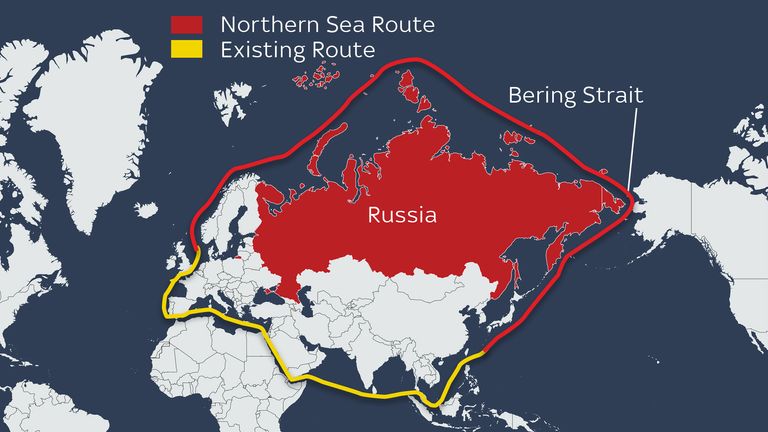
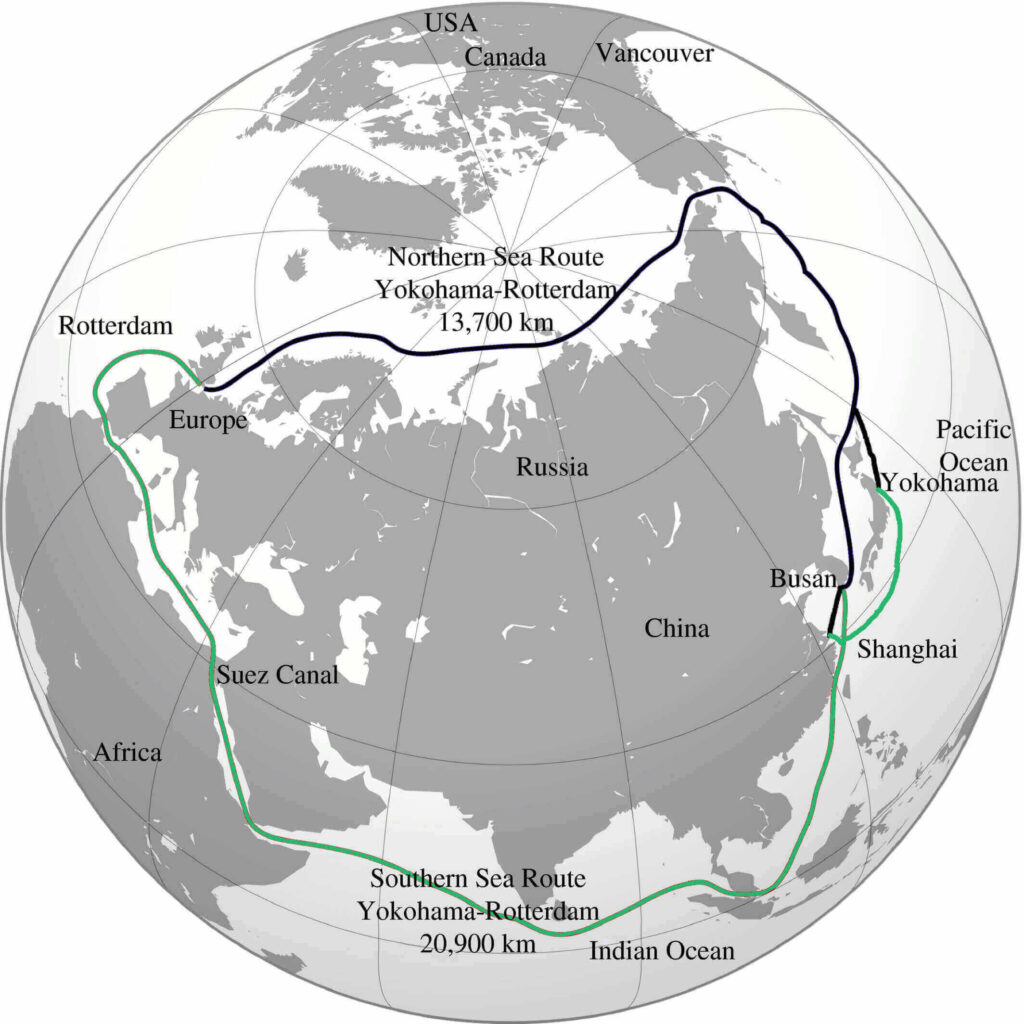
Arctic sea route

A Transformative Agreement

The agreement, signed on October 24, 2023, at the Kremlin in Moscow, outlines a comprehensive plan to modernize and expand the existing infrastructure along the Northern Sea Route. Russia’s President, Vladimir Putin, and DP World’s Chairman and CEO, Sultan Ahmed Bin Sulayem, presided over the signing ceremony, underscoring the strategic importance of this partnership.

Under the terms of the agreement, DP World will invest heavily in developing new ports, upgrading existing ones, and constructing state-of-the-art logistics facilities along the Northern Sea Route. Russia, in return, will provide DP World with exclusive rights to manage and operate these ports and facilities for an extended period.

Strategic Importance

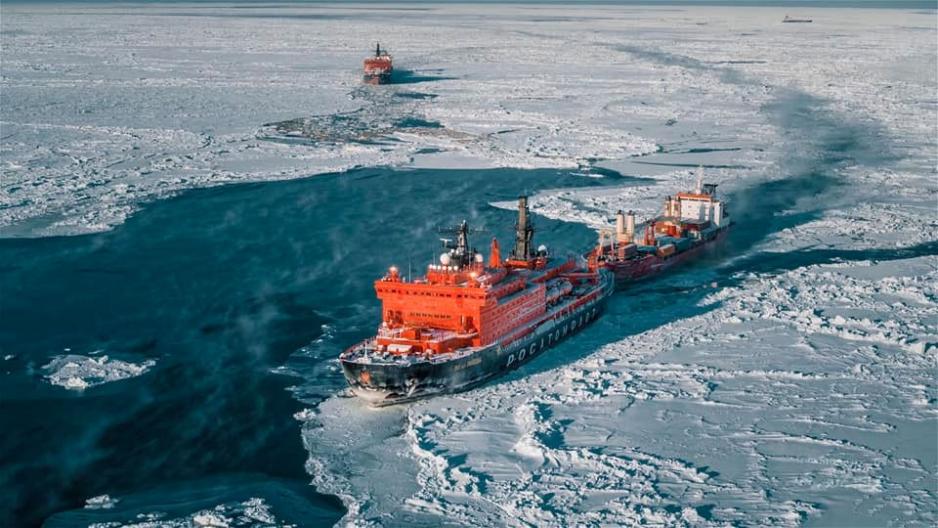
The Northern Sea Route is a crucial Arctic waterway that connects Europe and Asia, significantly shortening the transit time for goods moving between these two continents. Due to the effects of climate change, the Arctic ice has been receding, making this route more accessible and economically viable than ever before.

The partnership between Russia and DP World aims to capitalize on these changes. By investing in the Northern Sea Route, the project aims to become a vital part of global trade routes, offering an attractive alternative to the traditional Suez Canal route. This move could potentially reshape global trade dynamics by providing a faster and more cost-effective option for shipping between Asia and Europe.

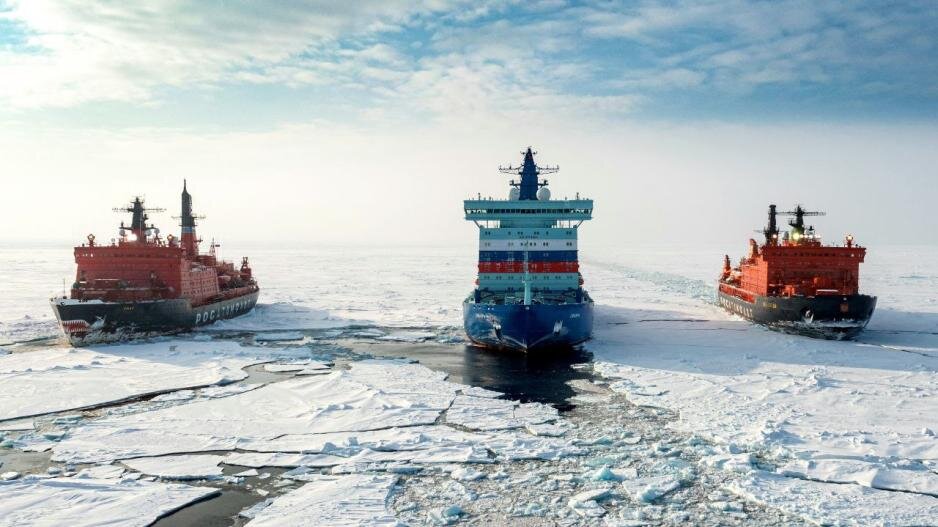
Russia opens Northern Arctic sea route

Economic and Environmental Benefits

The deal holds immense economic potential. Russia expects that the development of the Northern Sea Route will stimulate economic growth in the Arctic region, attract significant foreign investment, and create thousands of jobs. DP World, on the other hand, envisions a significant expansion of its global reach and influence.

Additionally, this initiative aligns with global environmental goals. The shorter distance and reduced transit time offered by the Northern Sea Route can lead to a decrease in greenhouse gas emissions, as ships will consume less fuel when using this route compared to the longer journey via the Suez Canal.

Geopolitical Implications

The agreement also has significant geopolitical implications. As the Arctic region becomes more accessible due to climate change, several nations, including Russia, Canada, the United States, and China, have been vying for influence and control in the area. The Russia-DP World deal gives Russia a head start in enhancing its control over Arctic trade routes.

The move is likely to raise concerns and questions about security and sovereignty in the Arctic region. Russia, as the primary operator of the Northern Sea Route, will have significant control over the transit of goods and resources through the region. This could lead to concerns among nations, particularly in the West, about Russia’s influence and potential restrictions on international shipping.

Russia DP world Northern Arctic sea room

Challenges and Environmental Concerns

While the partnership holds great promise, there are also significant challenges and concerns. The Arctic ecosystem is fragile, and increased shipping in the region poses environmental risks. Oil spills, increased noise pollution, and disruptions to marine life are potential consequences. Both Russia and DP World must demonstrate a commitment to sustainable and environmentally responsible practices to address these concerns.

Another challenge is the region’s harsh climate. The Arctic poses unique challenges for shipping, including extreme cold, ice, and unpredictable weather conditions. Developing and maintaining infrastructure in this environment is expensive and logistically complex.

International Response

The international response to the Russia-DP World agreement has been mixed. Some nations view it as a positive step toward improved global trade efficiency, while others express concerns about Russia’s growing influence in the Arctic. The United States, for instance, has been critical of Russia’s increasing role in the Arctic region, and this partnership is likely to intensify those concerns.

On the other hand, China has expressed support for the agreement, as it could offer substantial benefits to its Belt and Road Initiative. China has been actively exploring Arctic trade routes, and the Northern Sea Route aligns with its global trade ambitions.

Conclusion

The Russia-DP World agreement to develop the Northern Sea Route marks a significant development in the world of global trade and geopolitics. It has the potential to alter trade dynamics between Asia and Europe, creating economic opportunities for Russia and DP World. However, it also raises concerns about environmental impacts, sovereignty in the Arctic, and Russia’s expanding influence in the region.

As this partnership moves forward, international cooperation and environmental responsibility will be crucial to ensure that the development of the Northern Sea Route benefits not only Russia and DP World but the global community as a whole. The eyes of the world will be closely watching this transformative project as it takes shape in the Arctic.

Unlocking the Waves of Opportunity – Maritime India Summit 2023

24th October 2023

Introduction

The marine India Summit 2023, which is set to take place on October 17th and 19th, is set to make ripples in the marine industry. This premium event, presented at the MMRDA Ground in Mumbai, is likely to be an important milestone, bringing together business executives, politicians, and consumers to investigate and harness India’s tremendous marine potential. The summit, which has a long history and an enormous impact in the maritime sector, aims to be a landmark event that maps the way for India’s nautical future.

The Importance of the Maritime India Summit:

The Marine India Summit is a lot more than an event; it is a vital forum for connecting, collaborating, and creating possibilities in the marine sector. In this blog, we will look at the event’s history, significant themes and topics, Gujarat’s important contribution to India’s maritime goals, prizes and honors, and achievements and breakthrough initiatives. We also examine the summit’s effect on India’s marine industry and speculate on what tomorrow holds. You will have a thorough grasp of the Maritime India Summit including how it can cause disruption in the maritime world by the end of this blog.

Global maritime India summit 2023

Themes & Topics to be Covered at the Maritime India Summit 2023

The Maritime India Summit 2023 is organized around a number of significant topics and topics, every one of which is important to India’s maritime growth. These themes highlight the variety of the country’s marine ambitions. Let us go into these issues and see why they are so important in determining India’s marine sector’s future.

Ports: Because of India’s wide coastline and vital location, its ports are critical for international trade and commerce. The conference focuses on India’s ports, highlighting their importance for promoting commodities movement, supporting growth in the economy, and boosting global trade links. Participants will investigate port industry advancements, spending, and optimal methods.

Shipping: The shipping business, and India’s maritime sector in particular, is the lifeline of international trade. Experts examine the development of the maritime sector, from modernisation to long-term viability during the summit. The event encourages discussion about how to strengthen India’s shipping capacity, create multimodal interaction, and boost efficiency in operations.

Waterways: India’s huge system of rivers and canals is being increasingly valued for its ability to improve transportation and trade. The summit will look into the formation and blending of canals in order to turn them into effective commuter networks. This topic is intertwined with India’s “Sagarmala” plan, which is centered on port-led prosperity.

Tourism: The diversified and historically rich shoreline of India provides numerous possibilities for tourism. The event will shine light on how maritime tourism may be used to enhance the economy of India, generate jobs, & encourage environmentally friendly tourism practices. Cruise travel, seaside locations, and building infrastructure may all be discussed.

Shipbuilding: Independence and global leadership in ship manufacture require a vibrant building industry. The conference focuses on India’s construction abilities, including economic potential, innovations in technology, and the country’s role in global manufacturing.

Cruise Terminals: The maritime tourism industry includes cruise terminals as well as equipment. Delegates at the summit discuss how India could grow into a cruise tourism powerhouse by investing in contemporary facilities, increasing itineraries, and advertising the country as a favored cruise destination.

Why These Issues Are Important:

These are the cornerstones of India’s maritime development plan. They illustrate the numerous components of a comprehensive strategy to marine expansion. Efficient ports provide smooth trade, the shipping sector accelerates trade between nations, improved waterways create interconnection, tourism helps economic activity, a robust shipbuilding industry minimizes reliance on foreign vessels, and cruise ports draw international tourists. These topics are significant because they have the potential of converting India’s marine sector into an engine of economic development and global connectedness. Each theme’s particular and cumulative relevance will become clear when we study it in depth in the following sections of this blog.

Gujarat’s Role in the Maritime Industry: A Maritime Excellence Beacon

Gujarat, India’s western jewel, has evolved as a maritime powerhouse, serving a critical role in the country’s shipping sector. Its dominance in this sector is distinguished by an extensive shoreline, creative port construction, and notable accomplishments in a variety of nautical fields.

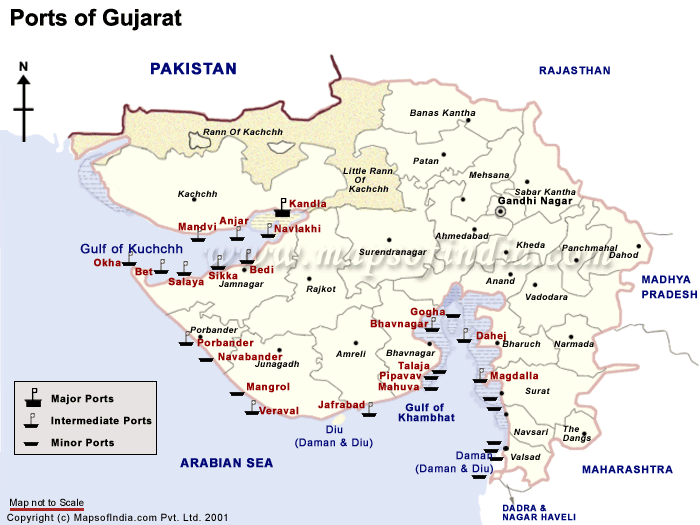
Gujarat's Role in the Maritime Industry

A Coastal Gem:

Gujarat is a coastal gem, with the most extensive coastline in India stretching over 1,600 kilometers. This large stretch of coastline not only provides scenic vistas but also places Gujarat as an important gateway for global commerce routes. In the past, its advantageous position on the Arabian Sea has enabled trade and nautical activities. Today, it remains a major maritime business hub, linking India to the rest of the world.

Contributing to National Maritime Traffic:

Gujarat plays an important part in national shipping. Gujarat’s ports supplied a staggering 553.89 million metric tons per annum (MTPA) to the nation’s maritime trade in fiscal year 2022-23. This enormous contribution emphasizes the state’s critical role in directing and controlling freight flows, boosting India’s trade goals even further.

Port Development and Privatization:

Gujarat is notable for being the initial Indian state to effectively privatise its port industry, bringing in an era of growth and creativity. Gujarat has created some of the greatest all-weather, offshore brownfield ports using a “Build, Own, Operate, and Transfer” (BOOT) approach. These privatised ports are perfectly situated and adequate, with top-of-the-line amenities that enhance the processing of cargo, shorten the length of transit, and increase trade profitability.

Gujarat Ports Development

Operational Waterways:

Gujarat has active canals as well as to its outstanding port improvements, particularly National Waterway 73 (NW 73) and National Waterway 100 (NW 100). These waterways are vital parts of the state’s intermodal transport system, generating about 28 MTPA of freight transit in fiscal year 2022-23. Gujarat’s emphasis on waterways demonstrates the state’s dedication to integrate diverse types of transportation to improve trade operations.

Recycling and shipbuilding:

In recent years, the state’s construction sector has grown significantly. Gujarat is quickly becoming a popular shipbuilding site in South Asia. Particularly, its ship recycling plant in Alang is one of the world’s largest, accounting for around 98% of India’s capacity for recycling and 32.6% of global recycling tonnage.

Honoring Excellence in the Maritime Sector Through Awards and Recognition

The Marine India Summit 2023 did more than just provide a forum for debate and cooperation; it also acknowledged and honored exceptional achievements in the maritime sector through an array of awards. These awards were given in a variety of groups, with a special emphasis on shipping, marine services, naval construction, and worldwide ESG (environmental, social, and governance) performance. The importance of these awards stems from their capacity to encourage and reward success in the marine industry.

Recognition and Categories:

Shipping – Promoting Multimodality: This award recognizes projects and efforts which encourage a multifaceted approach to delivery, emphasizing the use of diverse modes of transit to improve economy and ecology. Acknowledging such initiatives motivates businesses to pursue creative and environmentally friendly methods, decreasing its overall environmental effect.

Marine Service Provider: This award recognizes businesses and organizations that have provided outstanding marine services. Recognizing these suppliers of service stimulates increased quality of service and competitiveness, which may contribute to better services for customers and other stakeholders.

Shipbuilding and Repair: A vital component of any nautical sector is the shipbuilding industry. Recognising achievement in shipbuilding and maintenance encourages shipyards to improve their ability to perform, implement cutting-edge technologies, and maintain the reliability and security of their products.

Maritime Excellence in Global ESG: In the modern maritime environment, an international focus on ESG standards is critical. Recognizing and recognizing marine businesses that succeed in governance, social, and environmental criteria encourages ethical and environmentally conscious behavior within the maritime sector, which is vital for the sector’s and our planet’s longevity.

Developing Innovation in the Maritime Industry:

These awards are a major catalyst for achievement in the maritime industry. They encourage creativity, environmental responsibility, and constant development, pushing marine businesses to meet greater performance requirements. The awards inspire others in the shipping sector to take suit by recognizing and honoring remarkable achievements, promoting an atmosphere of quality which helps not only the honorees but the whole maritime industry.

Global Maritime summit

Highlighting Maritime Triumphs and Leading Efforts in Achieving Success

The Marine India Summit 2023 provided a platform for the presentation of extraordinary achievements and revolutionary projects that are altering India’s marine industry. These stories of success and innovation provide a look into the sector’s bright potential and its ability for achieving greater heights.

1. International Cruise liner Maiden journey: Shri Sarbananda Sonowal, Union Minister of Ports, Shipping & Waterways, and Ayush launched off the maiden journey of India’s first global cruise liner, the MV Empress, at the summit. This momentous occasion marked the beginning of global cruise travel from India, ushering in a new age of marine tourism as well as commerce in the country.

2. Sagarmala Initiative: A popular debate topic was the Sagarmala initiative, that emphasizes port-led growth. This effort is modernizing India’s maritime facilities, increasing port connection, and enhancing the effectiveness of logistics. It has already culminated in the creation of new ports, port advancement, and the establishment of coastline industrial zones, all of which have increased the capacities of the shipping industry.

3. Ship Recycling and Sustainable processes: India’s naval vessel recycling sector is experiencing considerable modifications by implementing more ecologically friendly processes, as demonstrated by the large plant in Alang. These modifications are critical in a world that is increasingly concerned with longevity and ethical environmental management. The industry ensures its continued viability by adhering to worldwide regulations and implementing cleaner ship recycling processes.

4. Waterway Development Projects: Waterways are increasingly important in India’s multifaceted transport plan. National Waterway 73 and National Waterway 100 have demonstrated the cargo-movement capacity of India’s waterways. These projects’ development have the ability to relieve traffic congestion and encourage environmentally friendly transport solutions.

5. Port Modernisation and Development: Port modernization as well as growth were crucial for multiple achievements. Ports such as Mundra, Pipavav, Dahej, and Magdalla are great instances of how India’s marine industry is increasing capacity and improving infrastructure to suit rising cargo flows.

Attendance and Highlights of the 2023 Maritime India Summit

Over 21,000 people attended the Maritime India Summit 2023 on the first and second days, making it an excellent and passionate turnout. This unprecedented turnout illustrates the high degree of engagement and enthusiasm in India’s marine sector, as well as the conference’s worldwide relevance. The summit included a variety of interesting seminars, prominent participants, and enthralling speeches. Talks on essential subjects such as growth of ports, transportation, canal integrating, travel, naval construction, and ship ports were notable features. The attendance of notable legislators, industry executives, and experts enhanced the occasion significantly. Educational workshops focused light on efforts including the Sagarmala program, efficient ship reuse and recycling, and modernization of ports achievements. The first voyage of India’s first global cruise ship was a historic event in maritime travel, heralding a bright future. Overall, the marine India Summit 2023 was a huge success, providing essential insights, encouraging interaction, and defining a direction for India’s marine industry.

Conclusion: Navigating India’s Maritime Horizon

The Maritime India Summit 2023 has laid the groundwork for a game-changing adventure in the maritime sector. This incident’s main conclusions include a renewed emphasis on sustainable practices, technology advances, the possibility for job creation, and a dedication to ESG excellence. Such gatherings are critical in forging cooperation, stimulating investment, and guiding the sector toward a more promising future. India’s marine sector is positioned to thrive, integrating, working together, and building opportunities worldwide. The sector is charting a road toward a profitable and sustainable marine future, aiming toward transforming India’s naval edge into a nautical superpower.

India’s Mega Vizhinjam Port: A Game-Changer For Global Shipping And Trade

18th October 2023

A significant leap forward for India’s maritime industry, the newly inaugurated Vizhinjam International Seaport has set its sights on becoming a global hub for shipping and trade, aiming to attract the world’s largest vessels. This state-of-the-art mega port, strategically located on India’s southern tip in the state of Kerala, is poised to play a pivotal role in reshaping the country’s shipping landscape and enhancing its position in the international trade market.

A Vision Realized

The Vizhinjam International Seaport’s journey began with a vision, and it has now transformed into a reality. The port’s construction was a mammoth undertaking, but the government of Kerala, in collaboration with global partners, has successfully brought this ambitious project to fruition. The port’s inauguration in September 2023 marked a historic moment, as it opened the doors to immense economic opportunities and laid the foundation for a new era in India’s maritime trade.

Geopolitical Significance

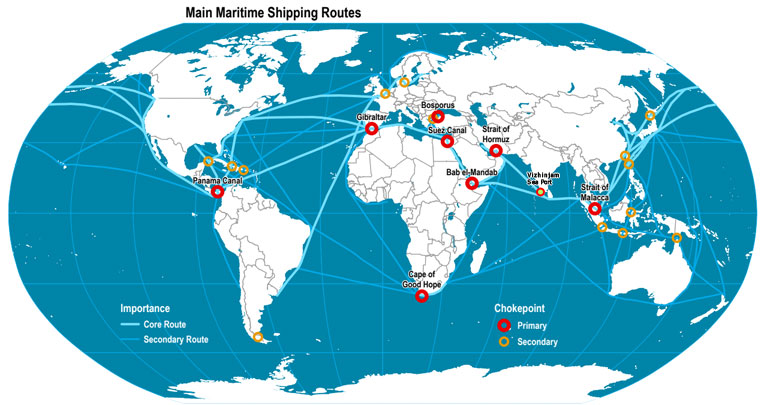
Strategically situated at the crossroads of major international shipping routes, Vizhinjam Port offers several advantages, which are not only critical to India’s economic growth but also have significant geopolitical implications. As a major gateway to the Indian Ocean, it enhances India’s maritime power and positions the country as a pivotal player in the region, offering substantial competition to neighboring ports in Sri Lanka and Singapore.

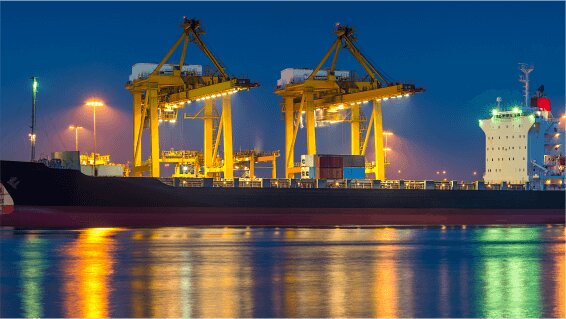
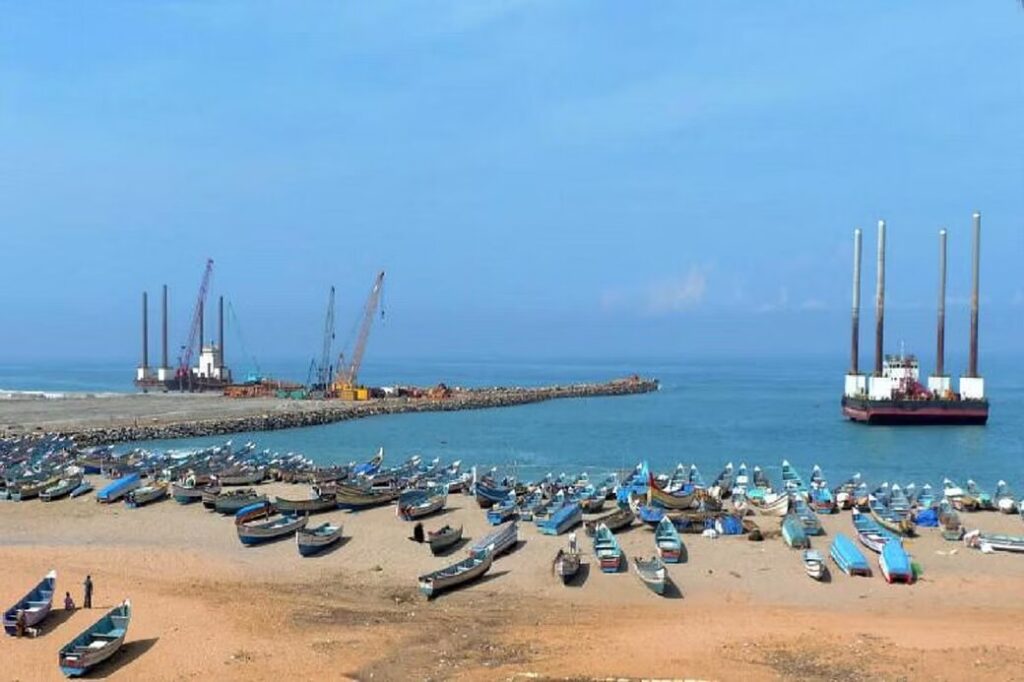
India's megha port Vizhinjam port

Capacity and Connectivity

Vizhinjam Port has been designed to accommodate the largest container ships and oil tankers in the world, setting it apart from many other Indian ports. The port boasts an impressive 20-meter draft, making it well-equipped to handle mega-ships that carry up to 18,000 twenty-foot equivalent units (TEUs). Additionally, the port’s modern facilities and cutting-edge technology will enable the speedy and efficient handling of cargo, reducing turnaround times and boosting trade efficiency. One of the notable features of Vizhinjam is its extensive connectivity network. The port is seamlessly integrated with major highways and railways, enabling efficient transportation of goods to and from the port. Moreover, a nearby international airport ensures easy access for businesses and travelers, making Vizhinjam an attractive logistics and trade hub.

Boosting Trade and Economy

The Vizhinjam Port is expected to have a significant impact on India’s trade and economy. As one of the deepest ports in India, it has the potential to handle a massive volume of cargo. This capacity can lead to a substantial increase in India’s exports, as the country can now export goods more efficiently and at a competitive cost. The port also plays a vital role in Prime Minister Narendra Modi’s “Make in India” initiative by providing manufacturers with a direct route to international markets. Vizhinjam’s connectivity to the Gulf, Europe, and Southeast Asia offers a strategic advantage for businesses looking to expand globally. Moreover, the port has the potential to create thousands of jobs in the region, driving economic growth and providing opportunities for local communities. This development will lead to an increase in the standard of living and a reduction in unemployment rates in the state of Kerala.

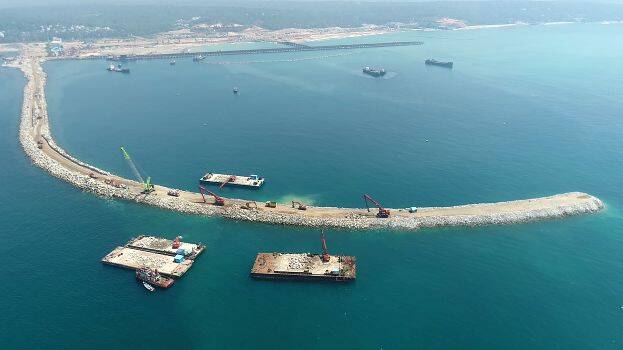
Vizhinjam port Kerala

Environmental Considerations

In the wake of global concerns about environmental sustainability and climate change, the Vizhinjam International Seaport has taken several steps to minimize its ecological impact. The port is committed to using advanced, environmentally friendly technologies, reducing emissions, and adopting green port practices. Additionally, it has incorporated measures to protect marine biodiversity and preserve the coastal ecosystem.

Challenges Ahead

While the Vizhinjam Port holds immense promise, it faces various challenges that must be addressed. Competition from established regional ports in Sri Lanka, Singapore, and the United Arab Emirates poses a substantial obstacle. These ports have already established themselves as key players in the global shipping industry. Furthermore, India’s regulatory and bureaucratic hurdles have long been a concern for investors and businesses. Streamlining administrative processes, improving ease of doing business, and providing efficient customs clearance will be essential to ensure the port’s success.

Additionally, the port must address potential environmental concerns, such as the impact on the local fishing community and potential threats to the fragile coastal ecosystem.

Global Maritime Route

Global Partnerships

The success of the Vizhinjam International Seaport is closely tied to global partnerships and collaborations. The government of Kerala has actively sought foreign investments and partnerships to ensure the port’s seamless integration into the global trade network. Several foreign companies, including ports, shipping lines, and logistics firms, have already expressed interest in partnering with Vizhinjam Port, which bodes well for its future growth and development.

India's Mega Vizhinjam Port

Conclusion

India’s newly inaugurated Vizhinjam International Seaport is undoubtedly a game-changer in the country’s maritime industry. Its capacity to accommodate the world’s largest ships, its strategic location, and its commitment to environmental sustainability make it a significant asset to India’s trade and economy. While it faces challenges, the port’s potential for global integration and collaboration makes it a beacon of hope for the future of India’s maritime sector. As the port begins to attract international vessels and businesses, its influence on the region and global shipping industry is likely to grow, positioning India as a major player in the world of trade and commerce. In the years to come, the Vizhinjam International Seaport could become a symbol of India’s progress and ambition in the field of maritime transportation and trade.

Israel’s Ports Disrupted: Impacts, Security, And The Global Economy

17th October 2023

In the wake of a series of attacks on vital infrastructure, Israel’s ports are feeling the strain as shipping traffic experiences significant slowdowns. The attacks, which occurred just last week, have raised concerns about the country’s economic stability and the need for increased security measures to safeguard its critical transportation hubs.

On October 9, 2023, multiple incidents rocked Israel’s key ports in the Mediterranean and Red Sea, disrupting the smooth flow of international trade. These attacks have heightened tensions in the region and put a spotlight on the vulnerabilities of crucial infrastructure.

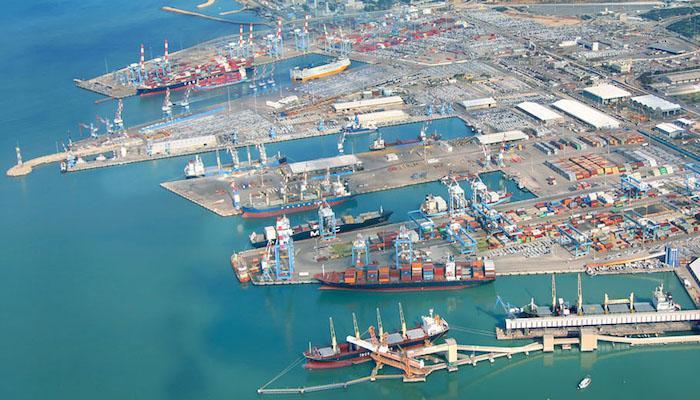
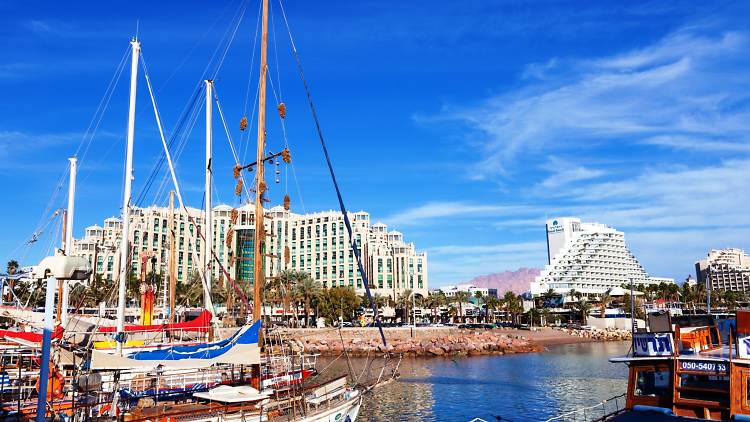
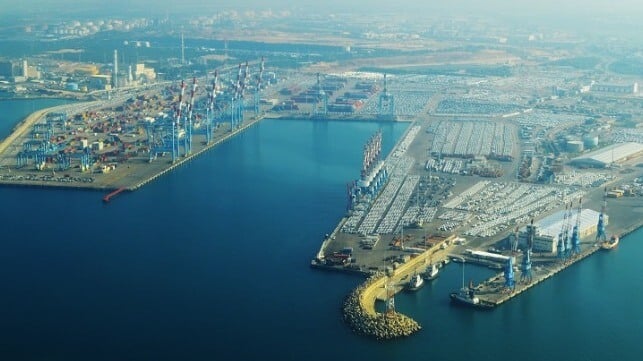
The attacks primarily targeted the ports of Haifa and Eilat, two of Israel’s busiest and most strategically important ports. Haifa, located on the Mediterranean coast, is the largest and busiest port in Israel, handling a substantial portion of the country’s imports and exports. Eilat, situated on the Red Sea, plays a crucial role in maintaining trade links with the east, particularly with countries like India and China.

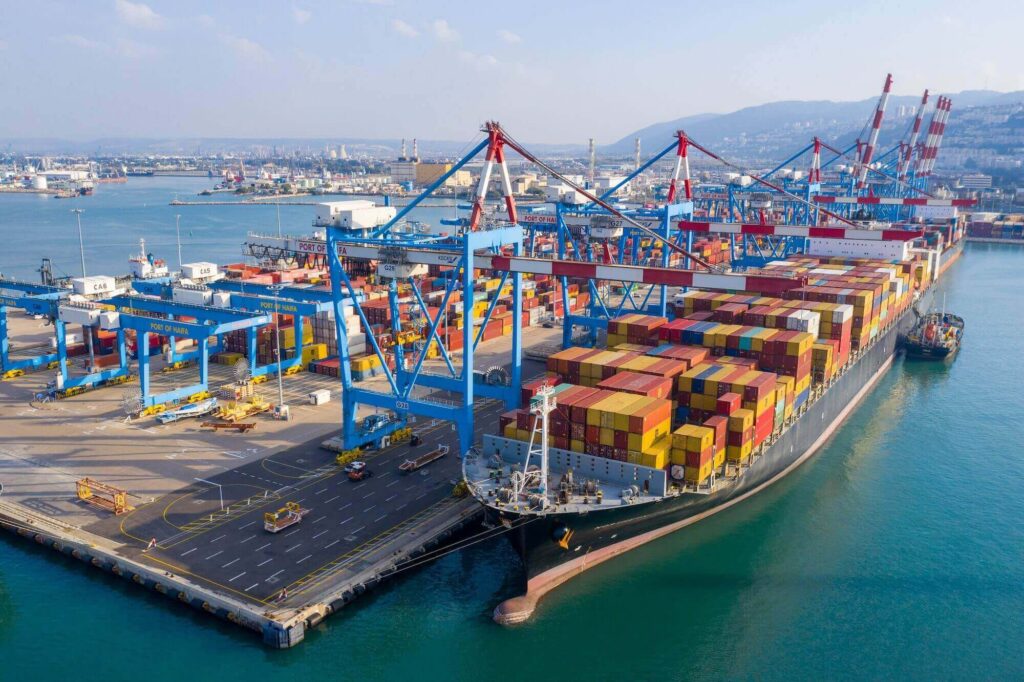
ports of Haifa

The attacks involved a combination of cyberattacks, suspected drone strikes, and underwater sabotage. Experts believe that a coordinated effort was made to disrupt the ports’ operations. These attacks disrupted communications, delayed shipping schedules, and caused concerns about the overall security of Israel’s transportation infrastructure.

One of the most significant challenges arising from these attacks is the slowdown in shipping traffic. The Haifa and Eilat ports are vital links in the global supply chain, with cargo destined for Europe, Asia, and Africa regularly passing through them. The disruption has caused delays in the delivery of goods, impacting industries far beyond Israel’s borders. For instance, European manufacturers relying on timely shipments from Asia are experiencing delays that affect their production schedules.

To address these issues, Israeli authorities have taken several immediate steps. The Israel Ports Company, responsible for operating the country’s ports, has implemented enhanced security measures. These include increased surveillance, additional personnel, and the deployment of anti-drone technology. Authorities are working closely with international partners to investigate the attacks and enhance security cooperation in the region.

Eilat ports

The slowdown in shipping traffic has not only affected the economy but also raised concerns about energy security. Israel heavily relies on the import of oil and natural gas, primarily transported through these ports. The attacks have caused temporary disruptions in the energy supply chain, leading to concerns about potential shortages and increased energy prices.

Additionally, the attacks have raised questions about the vulnerability of critical infrastructure, not only in Israel but also worldwide. Many countries are reassessing their own infrastructure’s security in light of this incident, fearing similar attacks on their own transportation hubs, which are essential for economic stability.

The geopolitical implications of these attacks are also significant. Israel is pointing fingers at various state and non-state actors in the region. There are concerns that regional rivalries and conflicts may be spilling over into cyber and physical attacks on infrastructure. Israel’s intelligence agencies are working diligently to identify the perpetrators and the motives behind the attacks.

In response to these developments, the international community has expressed concern and offered support to Israel. The United Nations has condemned the attacks and called for an immediate ceasefire and negotiations to resolve regional tensions. Major powers like the United States and European Union have offered assistance in investigating and mitigating the effects of the attacks.

The attacks on Israel’s ports come at a time when global shipping is already facing challenges. The ongoing effects of the COVID-19 pandemic have created supply chain disruptions, leading to shipping delays and container shortages. This incident in Israel exacerbates these challenges, putting additional stress on the global trade network.

For neighboring countries, the attacks on Israel’s ports have also raised security concerns. Many rely on these ports for their trade, and the disruption has affected their economies as well. Countries in the region are discussing ways to enhance security cooperation and prevent similar incidents in the future.

As the investigation into the attacks continues, Israel is considering longer-term strategies to enhance the security and resilience of its critical infrastructure. This includes investing in advanced cyber defense systems, improving port security, and strengthening international partnerships to combat threats to transportation hubs.

The attacks on Israel’s ports serve as a stark reminder of the growing importance of cybersecurity in the modern world. Cyberattacks on critical infrastructure are a global concern, and this incident underscores the need for international cooperation and vigilance.

While the immediate disruptions caused by the attacks are being addressed, it is clear that the broader implications will be felt for some time. The slowdown in shipping traffic, energy security concerns, and the broader economic impact of these attacks highlight the importance of a comprehensive and resilient security strategy for critical infrastructure in an increasingly interconnected world.

Conclusion

The attacks on Israel’s ports have triggered a significant slowdown in shipping traffic, raising concerns about economic stability, energy security, and the vulnerability of critical infrastructure. Israel and the international community are working together to investigate the attacks, enhance security measures, and address the immediate and long-term challenges they present. This incident underscores the importance of cybersecurity and global cooperation in safeguarding critical infrastructure in an interconnected world.

By adding three medium-range oil tankers to its fleet, Seven Islands Shipping

14th October 2023

In a strategic move to bolster its presence in the global shipping industry, Seven Islands Shipping has recently announced the acquisition of three medium-range oil tankers. The company, known for its commitment to quality and excellence in the maritime transportation sector, is set to make waves with this significant expansion.

Meeting the Growing Demand for Oil Transportation

The decision to add three medium-range oil tankers to their fleet comes at a time when the demand for oil transportation continues to surge. As the world’s economies recover and industries rebound, the energy sector has witnessed a resurgence in oil consumption. With this expansion, Seven Islands Shipping is well-positioned to meet the growing demand for oil transportation services.

Introducing the New Additions

The three newly acquired oil tankers are state-of-the-art vessels designed to meet the highest industry standards for safety, efficiency, and environmental sustainability. The ships are named “SIS Horizon,” “SIS Discovery,” and “SIS Endeavor.” These names were carefully chosen to reflect the company’s adventurous spirit and unwavering commitment to exploration and excellence.

Each of these medium-range oil tankers has a carrying capacity of 50,000 deadweight tons (DWT) and boasts the latest technology in terms of navigation, communication, and safety equipment. The vessels are equipped with cutting-edge systems to ensure the utmost safety of the crew and cargo during transit. Furthermore, the tankers are designed with energy efficiency in mind, aligning with Seven Islands Shipping’s commitment to environmental sustainability.

Prem Wasta seven Island

Enhancing Global Reach and Services

The addition of these medium-range oil tankers will not only bolster Seven Islands Shipping’s fleet but also expand its global reach and service offerings. The company, headquartered in Mumbai, India, already has a strong presence in the Indian Ocean and Southeast Asian markets. With the new vessels, it aims to diversify its operations and extend its footprint into new regions, including Europe and the Americas.

The expansion will also enable Seven Islands Shipping to cater to a wider range of clients, including major oil producers, refiners, and traders. The medium-range oil tankers are versatile vessels, ideal for both short-haul and long-haul routes. This versatility will enable the company to adapt to the dynamic needs of its clients, further solidifying its reputation as a flexible and reliable shipping partner.
Commitment to Sustainability

Seven Islands Shipping has a longstanding commitment to sustainability and environmental responsibility. The company has consistently invested in modern, eco-friendly technology to reduce its carbon footprint and minimize the impact of its operations on the oceans. The new medium-range oil tankers are equipped with advanced emissions-reducing technology, ensuring compliance with the latest environmental regulations and fostering a greener approach to maritime transportation.

Are fully committed to protecting the environment and actively contributing to the sustainability of our oceans. The addition of these vessels demonstrates our dedication to reducing our carbon footprint and setting a positive example for the industry.

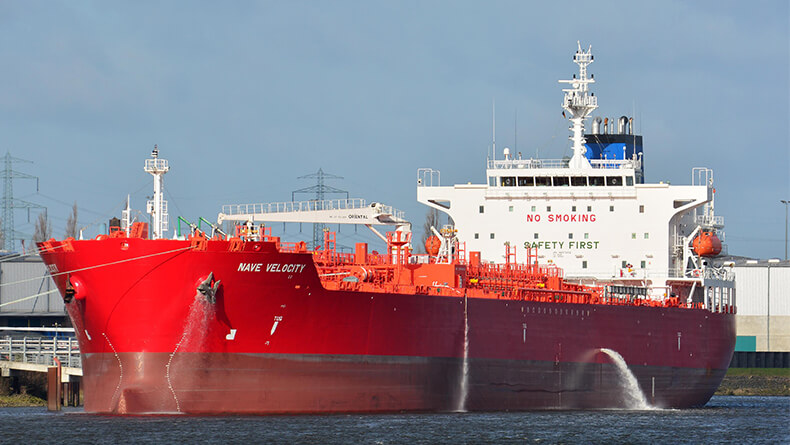
3 New Oil Tanker of Seven Island shipping

Economic Implications

The expansion of Seven Islands Shipping’s fleet with these three medium-range oil tankers is not only a testament to the company’s growth but also has economic implications. It signifies increased job opportunities for both experienced and aspiring seafarers, as the company will need to hire additional crew members and support staff to operate and maintain these new vessels. Additionally, the investment in state-of-the-art technology will stimulate the maritime technology sector, driving innovation and progress in the industry.

Conclusion

Seven Islands Shipping’s acquisition of three medium-range oil tankers marks a significant step in the company’s journey towards becoming a global leader in the maritime transportation industry. The addition of these vessels is a testament to their commitment to quality, safety, and sustainability, as well as their dedication to meeting the growing demand for oil transportation services. As the world’s economies recover and industries thrive, Seven Islands Shipping’s expansion promises to play a crucial role in facilitating the flow of vital resources to support global growth.

Combatting Mississippi River Salinity: USACE’s Freshwater Barging Initiative

13th October 2023

United States Army Corps of Engineers (USACE) has initiated a groundbreaking effort to mitigate the increasing salinity levels in the Mississippi River, a critical waterway that serves as a lifeline for communities, agriculture, and industries along its path. The move comes as freshwater plants and aquatic ecosystems grapple with unprecedented salinity levels, posing severe threats to the region’s environment and economy.

Salinity Intrusion Threatens Vital Ecosystems

The Mississippi River, one of the longest rivers in North America, plays a vital role in supporting the livelihoods of millions of people and serves as a natural habitat for a diverse range of plant and animal species. However, over the past few years, the river has been facing an alarming problem – increased salinity.

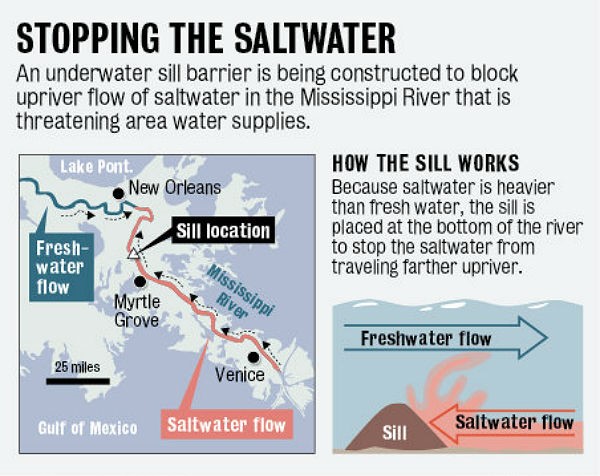
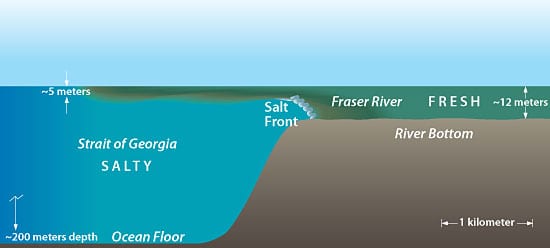
Salinity intrusion occurs when saltwater from the Gulf of Mexico makes its way upstream, displacing freshwater and negatively impacting the river’s ecology. This intrusion has far-reaching consequences, including the destruction of wetlands, harm to aquatic life, and reduced water quality.

USACE Takes a Proactive Approach

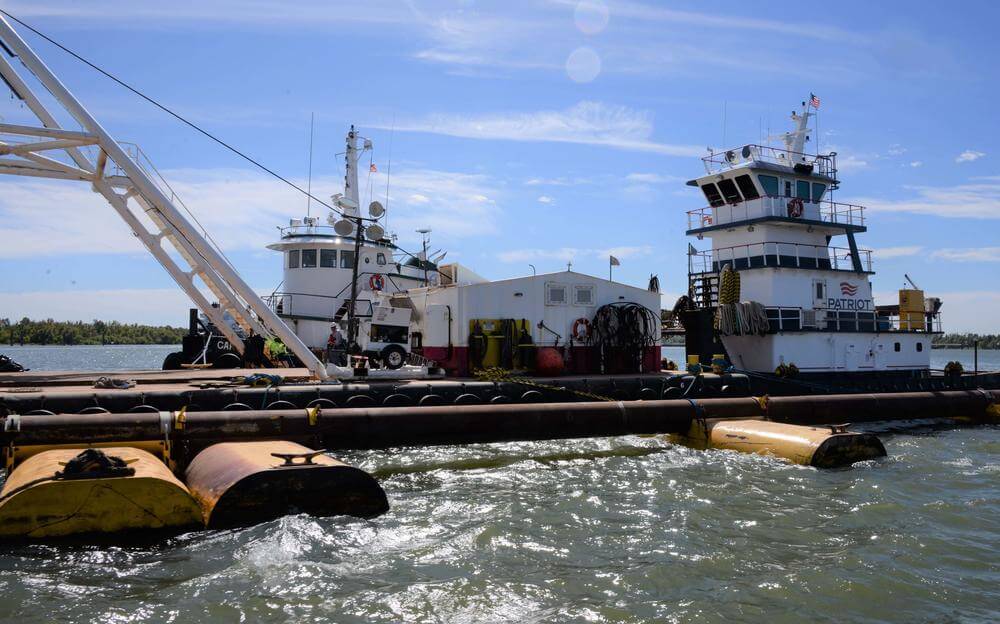
Recognizing the urgency of the situation, the USACE has embarked on an ambitious mission to address the salinity crisis. They have initiated a program to transport freshwater from further upriver to dilute the saline waters plaguing the lower Mississippi. The process involves using specially designed barges to carry large quantities of freshwater from freshwater-rich regions, such as the Ohio River, and then release it into the Mississippi River downstream.

“This is a crucial step in preserving the ecological balance of the Mississippi River and ensuring its continued usability for navigation, agriculture, and drinking water,” stated Brigadier General Sarah Williams, Commander of the USACE’s Mississippi Valley Division. “Our commitment to safeguarding the river’s health and the livelihoods it supports is unwavering.”

Unprecedented Collaborationa

The USACE’s efforts are not isolated. They have partnered with a diverse array of stakeholders, including state and local governments, environmental organizations, and industry leaders, to tackle this complex problem.

Environmental groups have lauded the USACE’s initiative as a significant step toward protecting fragile ecosystems and vulnerable species. Dr. Emily Davis, a marine biologist and spokesperson for the Gulf Restoration Network, expressed optimism about the program. “This collaboration demonstrates the importance of working together to address ecological challenges. By restoring a more balanced salinity level, we can protect the unique biodiversity of the Mississippi Delta.”
Agriculture and Industry Concerns

Salinity intrusion has also raised concerns among agricultural and industrial stakeholders, who depend on the Mississippi River for irrigation and transportation. Increased salt levels can harm crops, corrode industrial equipment, and disrupt shipping operations.

One of the largest concerns is the potential impact on the shipping industry, as saltwater can accelerate corrosion of vessels and infrastructure. Mark Richardson, President of the Mississippi Valley Shipping Association, emphasized the importance of maintaining a freshwater environment. “The Mississippi River is the backbone of the inland waterway system. Keeping it healthy and navigable is critical for transporting goods efficiently and economically.”

Data of Salinity

Logistics of Freshwater Transport

The USACE’s freshwater transport initiative involves several logistical challenges, including ensuring a reliable supply of freshwater, efficient transportation, and the management of discharge points along the river. The Corps plans to use a combination of pumping stations and pipelines to move the water from the Ohio River to the Mississippi River.

This massive operation requires careful coordination to avoid potential conflicts with existing users of both rivers. State and federal agencies are collaborating to establish regulations and guidelines for water diversion and distribution.

Long-Term Sustainability

While the USACE’s efforts are commendable, experts emphasize that addressing the root causes of salinity intrusion is equally crucial. Climate change, sea-level rise, and reduced sediment flow are contributing factors to the rising salinity levels. Sustainable practices, such as restoring wetlands and preserving natural riverine processes, are essential for the long-term health of the Mississippi River.

As the USACE begins the task of barging freshwater to combat salinity intrusion, there is hope that this immediate solution will buy time for a more comprehensive and sustainable approach to be implemented.

Diagram of salinity of Mississippi River

Conclusion

The USACE’s initiative to barge freshwater into the Mississippi River is a significant step towards mitigating the increasing salinity levels that threaten the vital ecosystems and industries dependent on this iconic waterway. Collaboration among various stakeholders underscores the urgency and importance of addressing this environmental crisis. While the short-term plan is essential to stabilize the river’s health, a long-term strategy that addresses climate change and ecological restoration is essential to secure the future of the Mississippi River for generations to come.

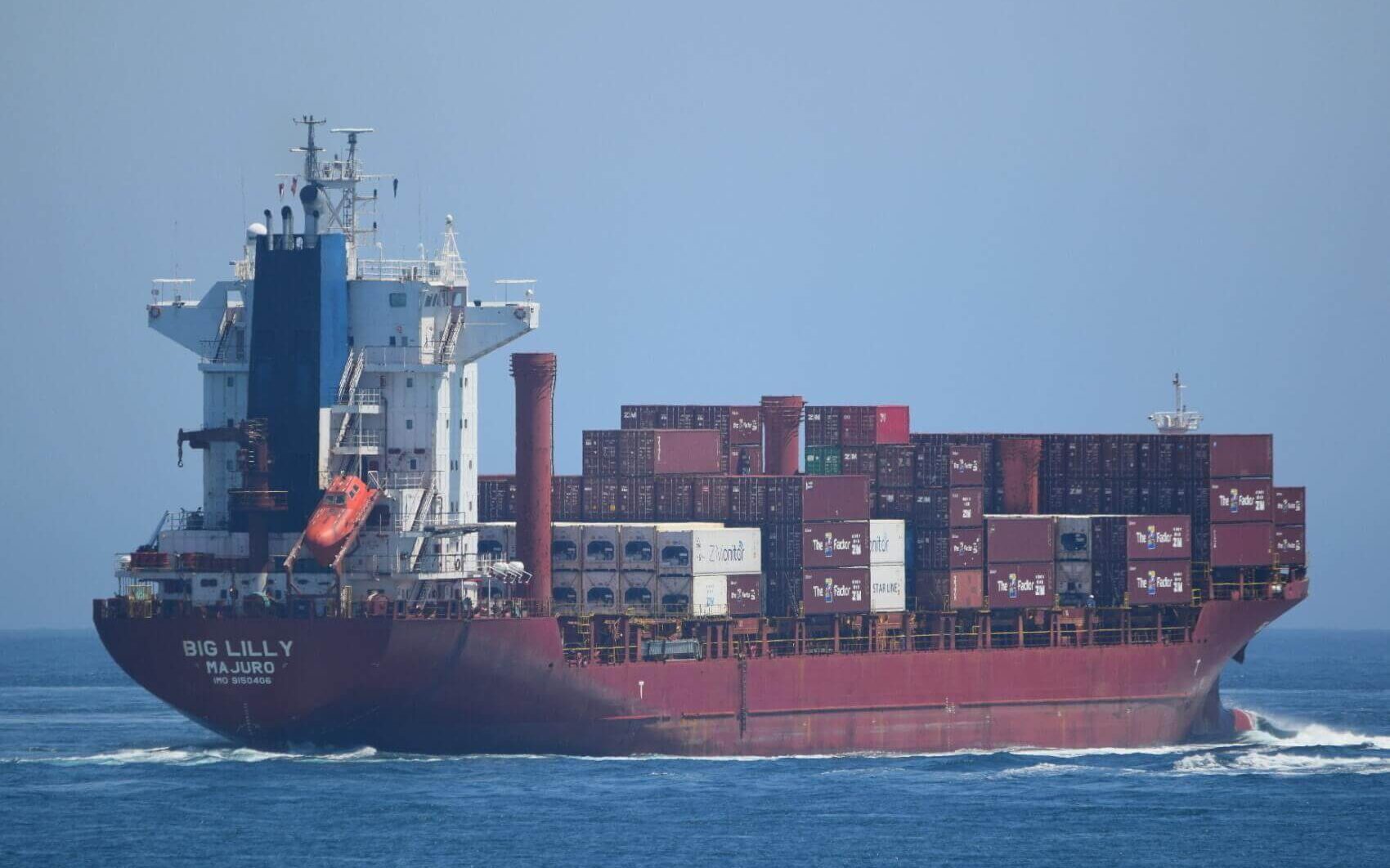
Big Lilly Containership Banned from Australian Waters: Safety and Maintenance Concerns Rock Maritime Industry

12th October 2023

In a shocking development that has sent ripples through the maritime industry, the Big Lilly Containership has been banned from Australian waters due to grave safety and maintenance concerns. The vessel, owned and operated by the global shipping giant, Horizon Shipping Co., has been a regular presence in Australian ports for years. However, recent inspections have unveiled a litany of issues that have prompted authorities to take decisive action.

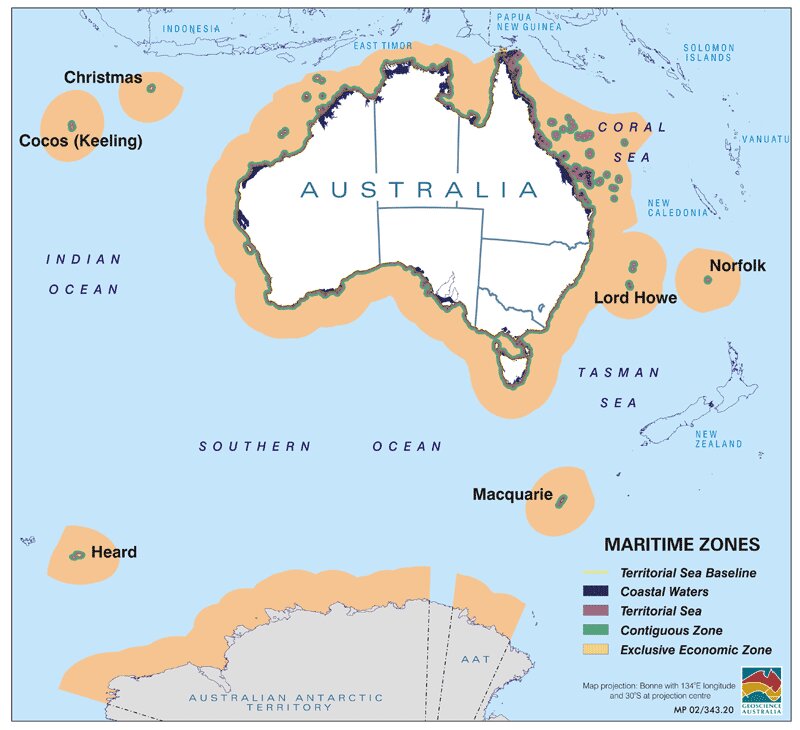
The decision to ban the Big Lilly Containership, one of the largest cargo vessels in the world, was announced by the Australian Maritime Safety Authority (AMSA) following a thorough inspection of the vessel’s safety and maintenance records. AMSA’s decision to bar the ship from Australian waters comes as a result of serious safety and maintenance violations that were deemed detrimental to both the crew and the environment.

Safety Concerns Reach Alarming Levels

Safety is paramount in the maritime industry, and the findings regarding the Big Lilly Containership have raised alarm bells across the sector. AMSA’s inspection revealed a multitude of safety violations, including inadequate fire safety equipment, malfunctioning lifeboats, and defective emergency response procedures. Such glaring deficiencies not only jeopardize the lives of the crew but also pose a significant threat to the marine environment.

“The safety lapses on the Big Lilly Containership were of a magnitude that we could not ignore,” stated Captain Sarah Mitchell, CEO of AMSA. “Our priority is to ensure the safety of all those involved in maritime operations, and this vessel’s non-compliance with basic safety standards was unacceptable.”

Captain Mitchell emphasized that the decision to ban the vessel was not taken lightly, but it was necessary to prevent potential disasters at sea. She also noted that the safety violations on the Big Lilly Containership were among the most severe AMSA has encountered in recent memory.

Maintenance Neglect Raises Concerns

Beyond the safety concerns, the vessel’s maintenance records revealed a troubling pattern of neglect. Routine maintenance tasks, essential for keeping a ship of this size and complexity in good working order, were consistently delayed or overlooked. The lack of proper maintenance raised concerns about the ship’s seaworthiness and its ability to operate safely.

Maintenance deficiencies were not limited to the ship’s structure and mechanical components; they also extended to its environmental systems. The vessel was found to be in violation of international environmental regulations, with improper waste disposal practices and inadequate measures for preventing oil spills. Given Australia’s commitment to protecting its pristine coastal waters, these environmental concerns played a significant role in the decision to ban the vessel.

Global Ramifications for Horizon Shipping Co.

Horizon Shipping Co., the company that owns and operates the Big Lilly Containership, is now facing global scrutiny in the wake of the vessel’s ban from Australian waters. The company is one of the world’s largest shipping conglomerates, with a fleet that crisscrosses the globe, carrying goods essential to international trade.

The ban on the Big Lilly Containership in Australia raises questions about the company’s commitment to safety and environmental standards across its entire fleet. International maritime authorities are closely monitoring the situation, and there is growing pressure for Horizon Shipping Co. to demonstrate its dedication to rectifying these issues and ensuring the safety and compliance of all its vessels.

Horizon Shipping Co. has released a statement acknowledging the serious concerns raised by AMSA’s inspection and the subsequent ban. The company’s CEO, Richard Reynolds, stated, “We deeply regret the lapses in safety and maintenance that have come to light on the Big Lilly Containership. We take full responsibility for these issues and are committed to rectifying them promptly.”

Reynolds also announced a comprehensive internal review of the company’s safety and maintenance practices, promising to implement immediate improvements. “Safety is our top priority,” he reiterated, “and we will not rest until every vessel in our fleet meets or exceeds the highest industry standards.”

Impacts on Global Trade

The banning of the Big Lilly Containership from Australian waters has sent shockwaves throughout the global trade industry. The vessel, with its immense cargo capacity, has been a critical link in the supply chains of countless businesses, from manufacturers to retailers. Its absence will undoubtedly disrupt these supply chains, potentially leading to delays and increased costs for goods imported and exported to and from Australia.

Other shipping companies are also facing increased scrutiny as a result of this incident. Maritime authorities worldwide are intensifying their inspections and audits of vessels to ensure that safety and maintenance standards are met, contributing to a growing sense of urgency within the industry.

Conclusion

The banning of the Big Lilly Containership from Australian waters is a stark reminder of the critical importance of safety and maintenance in the maritime industry. It serves as a wake-up call for shipping companies globally, highlighting the need for rigorous compliance with international standards to ensure the safety of crew, protect the environment, and maintain the integrity of global trade networks.

As Horizon Shipping Co. works to rectify the issues on the Big Lilly Containership, the maritime industry will be closely watching, with a collective hope that this incident serves as a catalyst for positive change and a renewed commitment to safety and environmental responsibility across the shipping sector. In the meantime, the disruption caused by the vessel’s ban serves as a stark reminder of the delicate balance that must be maintained in the world of global trade, where safety, environmental stewardship, and efficiency must coexist for the benefit of all.

Ukraine’s Black Sea Ports Reopen: A Boost for Trade and Diplomacy

11th October 2023

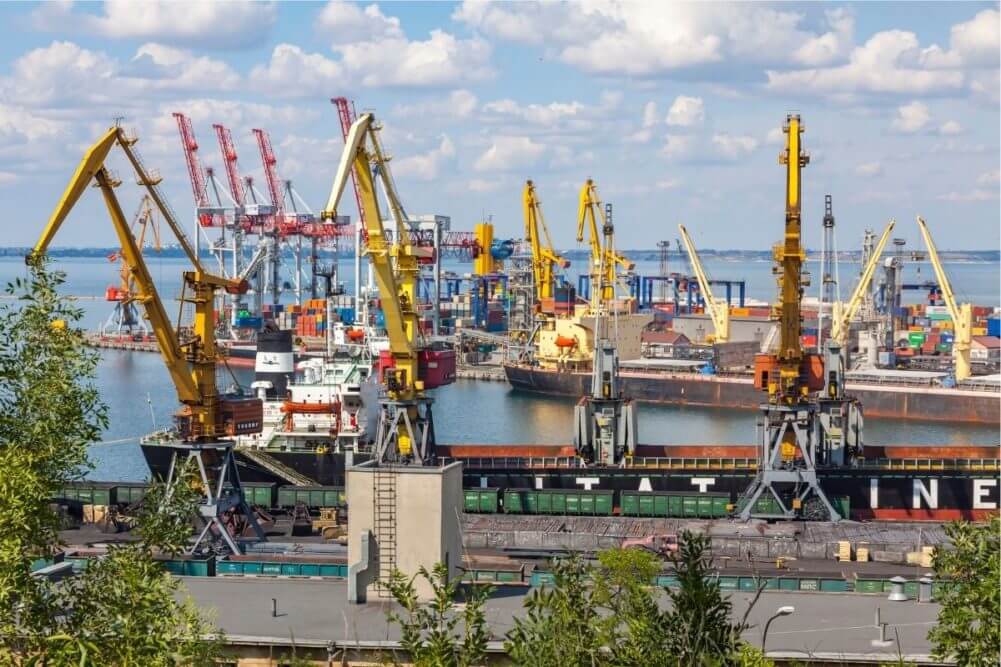
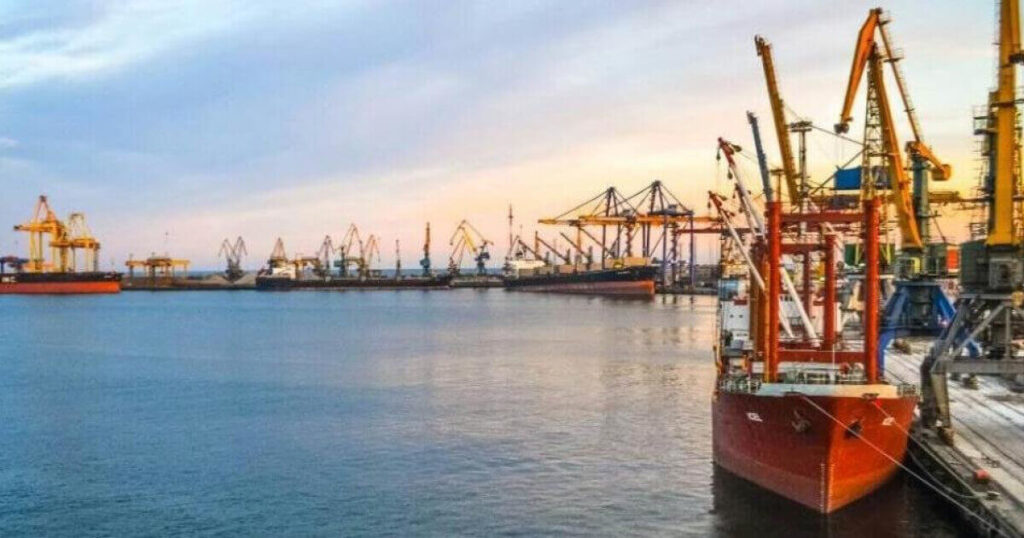
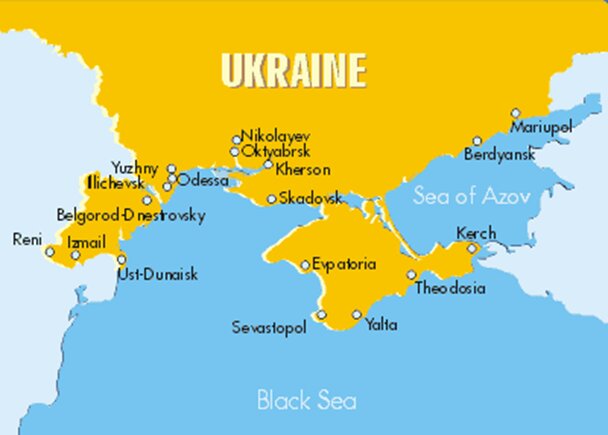
In a significant development that promises to boost Ukraine’s economy and international trade, all three major Black Sea ports in Ukraine have officially reopened to ships. The ports of Odessa, Yuzhny, and Chornomorsk had been temporarily closed due to ongoing geopolitical tensions in the region. However, after months of negotiations and diplomatic efforts, the Ukrainian government has announced their reopening.

Odessa Port

The Port of Odessa, Ukraine’s largest and most strategically important port, officially reopened its doors to ships yesterday. The port, situated on the northwestern shores of the Black Sea, plays a pivotal role in Ukraine’s trade relations with Europe and beyond.

Odessa Port, which handles a wide range of goods including containerized cargo, bulk cargo, and passenger traffic, had been closed since [insert date]. This closure had a significant impact on Ukraine’s trade, as it disrupted supply chains and caused delays in the delivery of essential goods.

The reopening of the Port of Odessa is expected to have a cascading effect on the entire Ukrainian economy. Vital imports such as energy resources, food products, machinery, and raw materials will now flow freely into the country, reducing shortages and price fluctuations. Additionally, Ukrainian exports will gain easier access to international markets, thus bolstering the nation’s economic recovery.

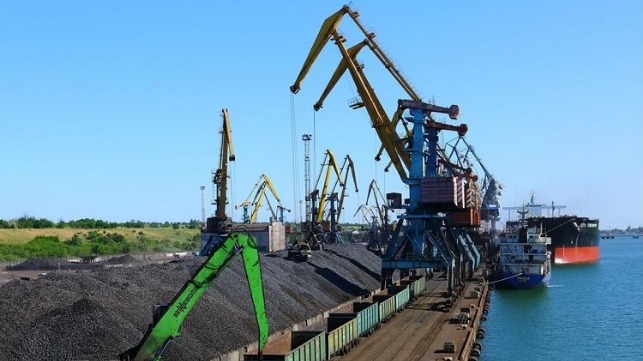
Yuzhny Port

Yuzhny Port, another major player in Ukraine’s maritime industry, has also resumed operations after months of closure. Located just south of Odessa, Yuzhny Port specializes in handling bulk cargo, including grain, coal, and iron ore.

The closure of Yuzhny Port had a profound impact on Ukraine’s agricultural sector, as it disrupted the export of grain, one of the country’s primary commodities. Ukrainian farmers, who depend on international markets for their livelihoods, faced challenges in getting their produce to customers abroad. The reopening of Yuzhny Port comes as a relief to these farmers and is expected to boost the country’s agricultural exports.

Furthermore, Yuzhny Port is a crucial gateway for the transportation of energy resources, such as coal and oil, which Ukraine relies on for its energy needs. The resumption of operations at this port will help stabilize energy supplies within the country.

Chornomorsk Port

Chornomorsk Port, the third major port on Ukraine’s Black Sea coastline, has also reopened, marking a complete recovery for the nation’s maritime industry. This port is strategically located near the city of chornomorsk and handles various types of cargo, including containers, grain, and ferrous metals.

The closure of Chornomorsk Port had a considerable impact on Ukraine’s steel and metallurgical industries, as it disrupted the export of steel products to international markets. The reopening of this port will reestablish the flow of these products and is expected to provide a much-needed boost to Ukraine’s industrial sector.

The combined reopening of Odessa, Yuzhny, and Chornomorsk Ports sends a strong signal to the international community that Ukraine is open for business and is committed to enhancing its trade relations. This development is also seen as a significant diplomatic achievement for Ukraine, as it required delicate negotiations and international cooperation.

Geopolitical Context

The closure of these ports had been linked to ongoing tensions in the Black Sea region, particularly the conflict in Eastern Ukraine and Russia’s annexation of Crimea. Ukraine, backed by the international community, had demanded the withdrawal of Russian military forces from the region and the restoration of its territorial integrity.

The reopening of these ports is seen as a diplomatic breakthrough, indicating a willingness on the part of the involved parties to find peaceful solutions to the ongoing conflict. International mediation efforts, led by organizations such as the United Nations and the Organization for Security and Cooperation in Europe (OSCE), played a crucial role in achieving this positive outcome.

Economic Implications

The reopening of all three major Black Sea ports is expected to have far-reaching economic implications for Ukraine. It will lead to an increase in trade volume, boost foreign investment, create job opportunities, and ultimately contribute to the country’s economic recovery.

Additionally, Ukraine’s position as a key transit country for goods flowing between Europe and Asia will be reinforced. The improved connectivity through these ports will enhance Ukraine’s role in regional and global supply chains.

Conclusion

The reopening of Ukraine’s major Black Sea ports is undoubtedly a momentous development for the country, its people, and the international community. It signifies a step towards de-escalation in the Black Sea region and a renewed commitment to peaceful dialogue.

As these ports regain their full operational capacity, Ukraine can look forward to a brighter economic future, with increased trade, investment, and stability. The world will be watching closely as Ukraine takes this important step towards rebuilding and strengthening its economy and its place on the global stage.

Green Shipping Milestone: AtoB@C Shipping Launches ‘Stellamar,’ Second Plug-in Hybrid Coaster in 12-Vessel Fleet

7th October 2023

Chowgule Shipyard, India – In a significant step towards reducing its carbon footprint and embracing sustainable shipping solutions, ESL Shipping’s subsidiary, AtoB@C Shipping, celebrated the launch of “Stellamar,” the second unit in a series of 12 plug-in hybrid coasters. The launch event, which took place on October 1 at the Chowgule Shipyard in India, marked a milestone in the company’s commitment to environmentally friendly shipping practices.

The “Stellamar” is part of a groundbreaking project undertaken by AtoB@C Shipping to introduce a fleet of state-of-the-art plug-in hybrid coasters. These vessels are designed to operate on a combination of electricity and traditional marine fuels, significantly reducing emissions and contributing to a more sustainable maritime industry.

The launch event was attended by key stakeholders, including representatives from ESL Shipping, AtoB@C Shipping, and Chowgule Shipyard. It showcased the remarkable engineering and innovation behind the “Stellamar” and the company’s vision for a greener future in the shipping industry.

Mikael Forsell, CEO of ESL Shipping, expressed his excitement about the project, stating, “The launch of ‘Stellamar’ is a testament to our commitment to sustainability. We believe that the future of shipping lies in eco-friendly solutions, and these plug-in hybrid coasters represent a significant step in that direction.”

The “Stellamar” is an impressive vessel, boasting advanced technological features that make it an eco-efficient maritime transport solution. Here are some key highlights of the vessel:

  • Plug-in Hybrid Technology: The “Stellamar” is equipped with a cutting-edge plug-in hybrid propulsion system that allows it to switch between electric power and traditional marine fuels, such as LNG (liquefied natural gas) or low-sulfur diesel. This flexibility ensures reduced emissions during transit, especially in environmentally sensitive areas.
  • Battery Capacity: The coaster is outfitted with a substantial battery capacity, allowing it to operate on electric power for extended periods, even when sailing at low speeds. This feature not only reduces emissions but also enhances operational efficiency.
  • Cargo Capacity: Despite its eco-friendly design, the “Stellamar” doesn’t compromise on cargo capacity. It can handle a wide range of dry bulk cargoes, ensuring that it remains a versatile and efficient transport solution for various industries.
  • State-of-the-Art Navigation and Safety Systems: The vessel is equipped with advanced navigation and safety systems, including modern radar and communication equipment, to ensure safe and reliable navigation in all conditions.
  • Reduced Environmental Impact: The plug-in hybrid technology in the “Stellamar” is expected to reduce CO2 emissions significantly, aligning with international efforts to combat climate change and meet ambitious emission reduction targets.
Green shipping Stellamar

AtoB@C Shipping’s investment in this fleet of plug-in hybrid coasters represents a forward-thinking approach to the shipping industry’s growing environmental challenges. By adopting eco-friendly technology and promoting sustainable practices, the company aims to set an example for the maritime sector and contribute to a greener, more responsible future.

Chowgule Shipyard played a pivotal role in the construction of the “Stellamar” and the ongoing project to build the remaining vessels in the series. The shipyard’s expertise in shipbuilding and commitment to quality have been instrumental in bringing this vision to life.

Speaking at the launch event, the Managing Director of Chowgule Shipyard, Rajesh Chowgule, said, “We are proud to be part of this important project that aligns perfectly with our commitment to sustainable shipbuilding. The ‘Stellamar’ is a testament to the capabilities of Indian shipbuilding and our dedication to creating vessels that are both efficient and environmentally responsible.”

The “Stellamar” is expected to undergo sea trials and rigorous testing to ensure that it meets the highest industry standards for safety, performance, and environmental compliance. Once these tests are successfully completed, the vessel will join AtoB@C Shipping’s fleet, operating on routes that require both flexibility and sustainability.

conclusion

In conclusion, the launch of “Stellamar,” the second unit in AtoB@C Shipping’s series of 12 plug-in hybrid coasters, represents a significant step forward in the shipping industry’s journey toward sustainability. With its innovative technology, reduced emissions, and commitment to environmental responsibility, this vessel serves as a shining example of what can be achieved when industry leaders prioritize eco-friendly solutions. As the maritime sector continues to evolve, AtoB@C Shipping’s vision for a greener future is undoubtedly a beacon of hope for the industry and the planet.