Ukraine’s Revival: First Major Grain Ship Departs Post-Russia Trade Deal Exit

6th October 2023

Overview: Ukraine Grain Ship Departs

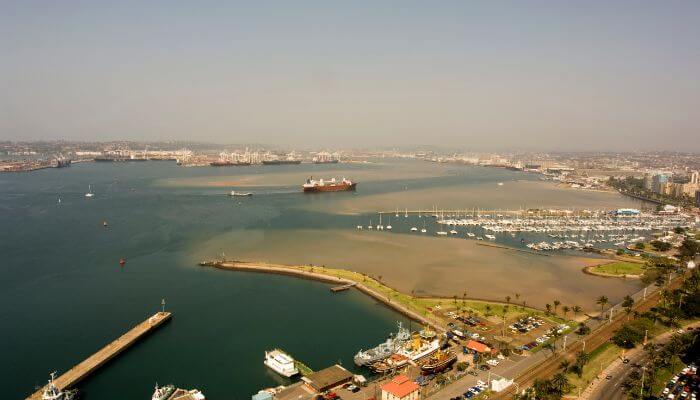
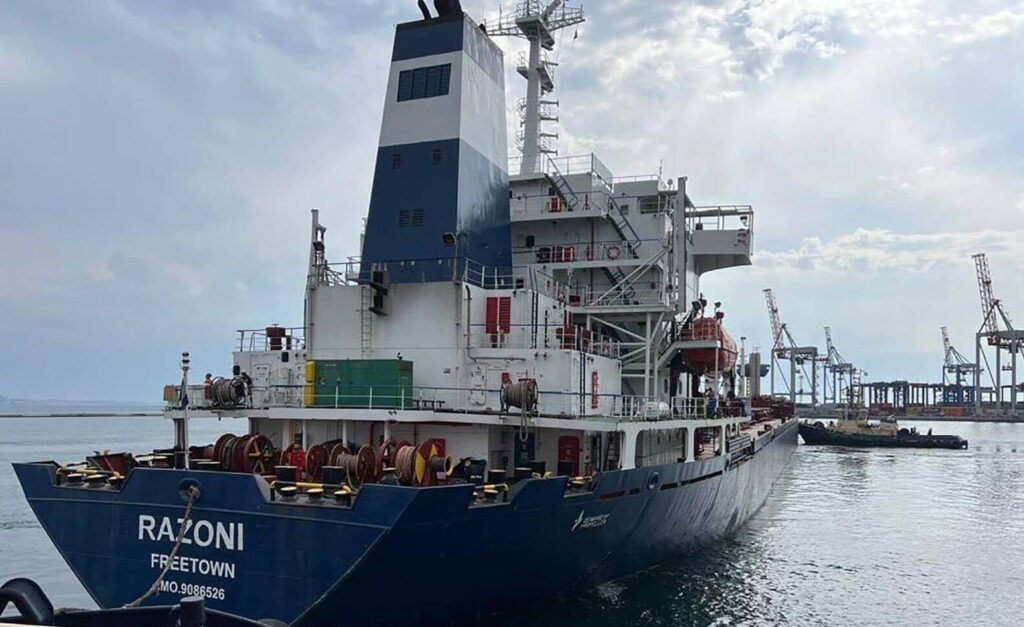
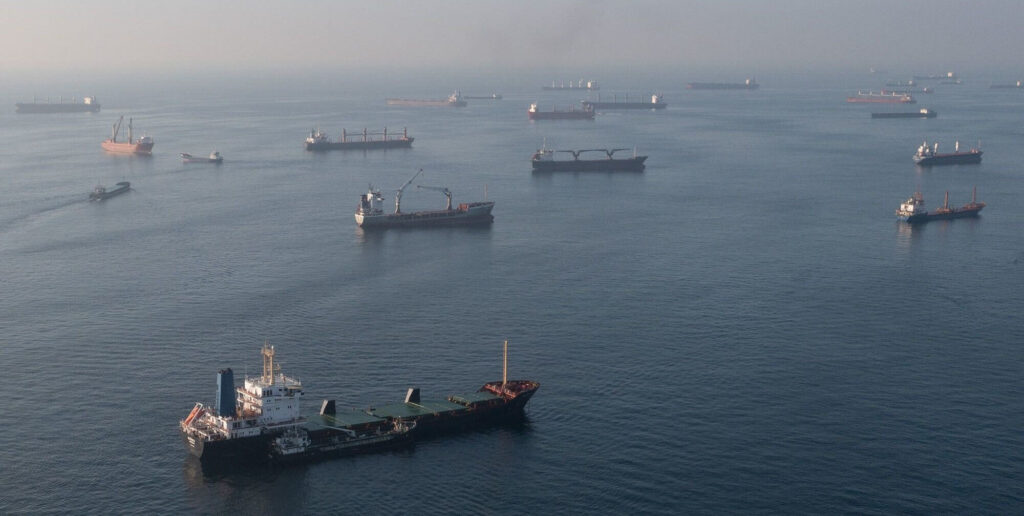
In a significant development for Ukraine’s agricultural sector and its strained relationship with Russia, the first major grain shipment since Moscow’s withdrawal from a trade agreement in July has departed from Ukraine’s Black Sea port. The bulk carrier vessel, named Aroyat, left the port of Odessa earlier this week, loaded with thousands of tons of grain destined for international markets.

The departure of Aroyat marks a crucial moment for Ukraine, as the nation seeks to reaffirm its position as one of the world’s leading grain exporters and recover from the abrupt disruption caused by Russia’s decision to terminate the export agreement.

Background: The Moscow-Ukraine Grain Deal

The Moscow-Ukraine grain export agreement had been in place for years, facilitating the smooth flow of Ukrainian grain to international markets through Russian ports. However, tensions between the two nations escalated earlier this year, leading to Russia’s unilateral withdrawal from the deal in July 2023. Moscow cited national security concerns and its desire to prioritize domestic food supplies as reasons for its abrupt exit.

The termination of this agreement sent shockwaves through Ukraine’s agricultural sector, which heavily relies on grain exports. Ukraine is one of the world’s largest producers of wheat, barley, and corn, and the loss of the Russian export route had a severe impact on the country’s farmers and economy.

A New Beginning: The Departure of Aroyat

The departure of the bulk carrier vessel Aroyat signifies a fresh start for Ukraine’s grain export industry. The vessel, with a capacity of over 50,000 tons, is loaded with Ukrainian wheat, and its destination includes multiple international markets in Europe, Asia, and beyond. This departure marks the first major grain shipment since the breakdown of the Moscow-Ukraine trade agreement.

Ukraine’s Minister of Agriculture, Natalia Korolova, expressed optimism about this development, saying, “The departure of Aroyat is a clear signal that Ukraine is determined to rebound from the challenges posed by the disruption of the grain trade with Russia. Our farmers have worked tirelessly to ensure that our grain reaches international markets, and this shipment is just the beginning of a new era for Ukrainian agriculture.”
First Major Grain Ship Departs

Challenges and Opportunities

While the departure of Aroyat represents a positive step forward for Ukraine, significant challenges remain on the horizon. The nation must now establish alternative trade routes and partnerships to ensure the uninterrupted export of its agricultural products.

One potential route is through the Black Sea and the Bosporus Strait, with shipments making their way to Turkish and Mediterranean ports. Ukraine is also exploring opportunities to strengthen trade ties with European Union countries and expand its presence in global markets.

This shift towards diversification in export routes could lead to greater resilience for Ukraine’s agricultural sector in the long run, reducing its dependence on any single trading partner.

Geopolitical Implications

The departure of Aroyat also carries geopolitical significance, given the strained relations between Ukraine and Russia. The termination of the grain export agreement was just one of several contentious issues that have strained the ties between these neighboring countries.

As Ukraine looks to establish new trade routes and partnerships, it may seek to distance itself further from Russia’s economic influence. This development could reshape the geopolitical landscape in the region and impact the balance of power.
International Response and Markets

The international community has been closely monitoring the situation in Ukraine, and the departure of Aroyat has been met with interest and support. Several countries have expressed their willingness to engage in trade agreements with Ukraine and assist in diversifying its grain export routes.

In global markets, the departure of Aroyat has already caused ripples. Grain prices, which had seen fluctuations due to the uncertainty surrounding Ukraine’s exports, are expected to stabilize as Ukraine resumes its shipments. This stability is particularly important as countries around the world grapple with food security concerns.

Conclusion

The departure of the bulk carrier vessel Aroyat from Ukraine’s Black Sea port signifies a fresh start for Ukraine’s grain export industry, following the termination of the Moscow-Ukraine grain trade agreement in July. Ukraine’s determination to rebound from the disruption and its efforts to establish alternative trade routes demonstrate resilience and determination in the face of adversity.

While challenges remain, including the need to diversify export routes and navigate a complex geopolitical landscape, Ukraine’s agricultural sector is on a path to recovery. The international community’s support and willingness to engage in trade agreements with Ukraine offer hope for a more stable and prosperous future for the nation’s farmers and economy.

Maritime Heroes: Firefighters Save Burning Container Ship Off Cape Coast

3rd October 2023

Overview: Firefighters & Container Ship Rescue

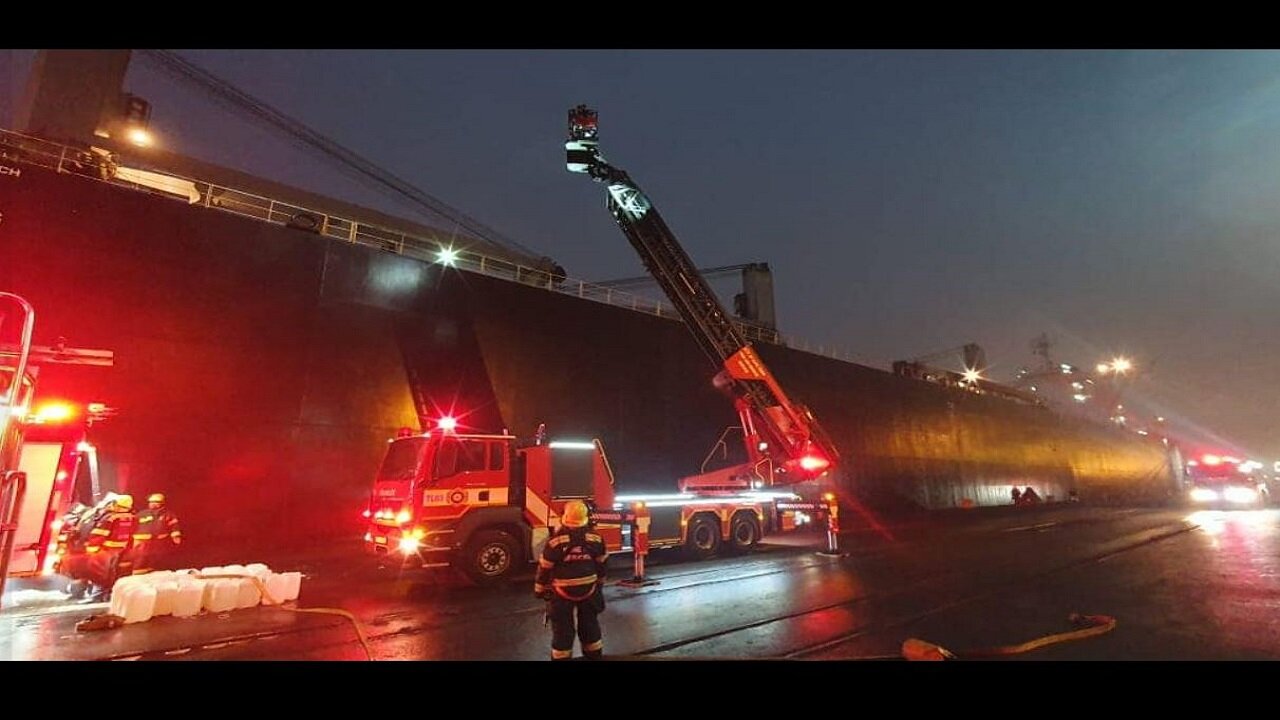
In a dramatic and heroic effort, firefighters battled fierce flames to save a burning container ship off the Cape Coast on Monday night, ensuring the safety of crew members and preventing a potential environmental disaster.

The vessel, named the MV Cape Star, was enroute to the bustling port of Cape Coast, carrying thousands of containers filled with goods from various parts of the world when the fire broke out. The incident occurred approximately 20 nautical miles off the coast, raising concerns about the safety of the crew, the cargo, and the nearby marine ecosystem.

The Midnight Alarm

The Cape Coast Maritime Rescue Center received an emergency distress call from the MV Cape Star at around 11:30 PM on Monday night. The ship’s captain reported that a fire had broken out in one of the ship’s cargo holds and was spreading rapidly. The urgency of the situation was palpable, with fears that the flames could engulf the entire vessel.

The Maritime Rescue Center immediately dispatched a team of experienced firefighters, equipped with advanced firefighting equipment, to the scene. The Cape Coast Fire Department was also alerted and joined the rescue efforts. The clock was ticking as the teams raced against time to reach the burning container ship.

A Battle Against the Elements

The firefighting teams faced several challenges as they approached the blazing vessel. The night was marked by strong winds and high waves, making it difficult to get close to the ship. Nevertheless, the firefighters displayed remarkable courage and determination, guiding their vessels through the tumultuous waters to reach the MV Cape Star.

Upon arriving at the scene, they were met with a daunting sight: towering flames leaping from the ship’s cargo holds and thick plumes of smoke billowing into the night sky. The situation was dire, and it was clear that immediate action was required to prevent the situation from spiraling out of control.

Coordinated Efforts Save the Day

The firefighting teams immediately set to work, utilizing powerful water cannons and foam to douse the flames. The battle was fierce, and the intense heat posed a constant threat to their safety. The crew of the MV Cape Star was evacuated to safety on a nearby vessel, ensuring that no lives were lost in the incident.

As the firefighting efforts continued, the Coast Guard established a safety perimeter around the area to prevent other vessels from getting too close to the burning ship. This precaution was taken to avoid potential collisions and to ensure the safety of all involved.

The coordinated efforts of the firefighters, the Coast Guard, and other maritime agencies proved successful. After several hours of relentless battling, the flames were finally brought under control. The MV Cape Star, though heavily damaged, was stabilized, preventing a complete catastrophe.

Maritime Heroes

Salvaging the Cargo

Once the fire was extinguished, the focus shifted to assessing the damage and securing the thousands of containers on board. Salvage teams were called in to evaluate the condition of the cargo and determine the extent of the losses. It is estimated that a significant portion of the goods on board has been damaged by the fire and water used in firefighting efforts.

Efforts are now underway to safely offload and salvage the remaining cargo. The process is expected to take several days, and specialized equipment will be required to lift and transport the containers. Authorities have assured that every effort will be made to minimize the environmental impact of the salvage operation.

Environmental Concerns

The incident has raised concerns about the potential environmental consequences of the fire. The burning of cargo containers may have released pollutants and hazardous materials into the sea. Environmental agencies are closely monitoring the situation and conducting water quality tests to assess the impact on marine life and coastal ecosystems.

Local authorities have also urged residents and fishermen in the area to exercise caution and avoid contact with any debris or materials that may wash ashore. Efforts are being made to contain any potential pollution and minimize its effects on the fragile coastal environment.

Investigating the Cause

An investigation into the cause of the fire is currently underway. Initial reports suggest that the fire may have started due to a malfunction in one of the ship’s cargo refrigeration units. However, a thorough inquiry will be conducted to determine the exact cause and any potential negligence or safety violations.

The shipping company that operates the MV Cape Star has pledged full cooperation with the investigation and has expressed relief that there was no loss of life in the incident.

A Heroic Effort

The successful firefighting operation off the Cape Coast serves as a testament to the bravery and professionalism of the responders who risked their lives to save both the crew and the environment. Their quick and coordinated efforts prevented a potential disaster and showcased the importance of well-trained emergency response teams in maritime incidents.

As the investigation continues and salvage operations progress, the focus remains on ensuring the safety of the crew, mitigating environmental damage, and learning from this incident to prevent similar occurrences in the future. The Cape Coast community and maritime agencies are working together to support the affected crew members and address the aftermath of this challenging and heroic rescue operation.

INMEX SMM India 2023: Navigating the Future of India’s Maritime Sector

30 September, 2023

Overview: INMEX SSM India

The 14th edition of INMEX SMM India, the largest maritime exhibition and conference in India, opened its doors to industry leaders, experts, and enthusiasts from around the world on September 20, 2023. Held at the Bombay Exhibition Centre in Mumbai, this biennial event has once again emerged as a significant platform for showcasing the latest advancements, trends, and opportunities in the maritime sector. INMEX SMM India 2023 is not just an exhibition; it’s a convergence of ideas, innovation, and vision, charting a course for the future of India’s maritime sector.

Setting the Maritime Agenda

The maritime sector in India plays a pivotal role in the nation’s economic growth, accounting for nearly 95% of India’s trading by volume and over 70% by value. INMEX SMM India has consistently strived to provide a platform where key stakeholders, including government bodies, industry leaders, and technology providers, can come together to discuss and shape the future of the maritime industry.

In his inaugural address, Shri. Rajnath Singh, Ho’ble Defence Minister of India, highlighted the significance of the maritime sector in India’s security and economy. He emphasized the need for modernization, innovation, and sustainable practices in the maritime industry. “The maritime sector is not just about trade and commerce; it’s also about safeguarding our nation’s interests and securing our coastline,” said Singh.
Showcasing Technological Advancements

One of the standout features of INMEX SMM India 2023 is the showcase of cutting-edge maritime technologies. With over 400 exhibitors from 30 countries, the event is a treasure trove of innovations ranging from autonomous vessels and clean energy solutions to advanced navigation systems.

A prominent highlight was the unveiling of India’s first fully autonomous cargo ship, developed by a consortium of Indian maritime companies. This breakthrough is expected to revolutionize cargo transport by increasing efficiency and reducing the risk of accidents.

Green technologies also took center stage, reflecting the growing emphasis on sustainability in the maritime sector. Several companies showcased eco-friendly ship designs, alternative fuels, and emissions reduction technologies, aligning with India’s commitment to reducing its carbon footprint.

Fostering International Collaboration

INMEX SMM India 2023 served as a melting pot for international collaborations and partnerships. The event featured several international pavilions, including those from Germany, South Korea, and the Netherlands, showcasing their expertise in shipbuilding, maritime technology, and port infrastructure.

Mr. Gao Wei, Deputy Minister of Transport of the People’s Republic of China, delivered a keynote speech highlighting the potential for collaboration between India and China in the maritime sector. “India and China, as two major maritime nations in Asia, have a great opportunity to work together to enhance maritime trade and security in the region,” he noted.

The event also witnessed numerous Memoranda of Understanding (MoUs) and agreements being signed between Indian companies and their international counterparts, fostering knowledge exchange and technology transfer.

technological advancements, international collaboration, workforce development, and sustainability,a more innovative, efficient, and environmentally conscious maritime industry in India.

Addressing Challenges in the Maritime Workforce

The maritime industry faces a growing challenge in recruiting and retaining skilled professionals. INMEX SMM India 2023 addressed this issue by organizing seminars and panel discussions on workforce development and training. Experts from leading maritime academies and training institutes shared their insights on the evolving skills required in the industry.

Captain Seema Tyagi, Chairperson of the National Maritime Foundation, emphasized the importance of nurturing a skilled maritime workforce. “The maritime sector is rapidly evolving with the integration of advanced technologies, and it is imperative that we equip our workforce with the necessary skills to navigate this transformation,” she stated.

Strengthening India’s Shipbuilding Capabilities

The event highlighted India’s shipbuilding capabilities and its potential to become a global hub for ship construction. Indian shipyards showcased their projects, including naval vessels, cargo ships, and offshore platforms. The ‘Make in India’ initiative received a significant boost as several international companies expressed interest in collaborating with Indian shipbuilders.

Admiral Karambir Singh, Chief of the Naval Staff of the Indian Navy, lauded the efforts of Indian shipbuilders. “The Indian Navy is committed to strengthening its maritime capabilities through indigenous shipbuilding. Events like INMEX SMM India provide a platform for our shipbuilders to showcase their potential,” he affirmed.

Promoting a Sustainable Future

Sustainability remained a central theme throughout the event, with discussions on reducing the environmental impact of shipping and port operations. Experts explored the potential of renewable energy sources, such as wind and solar, for powering vessels and port facilities. Additionally, discussions on waste management and pollution control measures were held.

Dr. Ramesh Kumar, an environmental scientist and keynote speaker, emphasized the role of the maritime sector in mitigating climate change. “The maritime industry must take proactive measures to reduce its environmental footprint. It’s not just a regulatory requirement but a moral responsibility,” he stated.

Conclusion

INMEX SMM India 2023 has once again proven itself as a pivotal event in shaping the future of India’s maritime sector. With a focus on technological advancements, international collaboration, workforce development, and sustainability, the event has set the course for a more innovative, efficient, and environmentally conscious maritime industry in India.

As the event concluded, attendees left with a sense of optimism and determination to work together in charting a course for the future of India’s maritime sector. The 14th edition of INMEX SMM India has not only showcased the industry’s potential but also underlined its responsibility in ensuring a prosperous and sustainable maritime future for the nation.

Navigating a Sustainable Future: How Shipping, Ports, and Logistics Drive the Energy Transition

30 September 2023

Overview: Energy Transition (Shipping, Ports and Logistics)

In a world increasingly focused on combating climate change and transitioning to sustainable energy sources, the role of shipping, ports, and logistics cannot be overstated. These essential components of global trade and commerce are undergoing a transformation of their own, playing a crucial role in enabling the shift to sustainable energy.

The Greening of Global Trade

The shipping industry, which accounts for approximately 80% of global trade by volume, has long been a significant contributor to greenhouse gas emissions. Large cargo ships, powered by fossil fuels, have been notorious for their environmental impact. However, in recent years, there has been a growing awareness of the need to reduce emissions in this sector.

One of the most significant advancements in this regard has been the development of eco-friendly vessels. These ships are designed to be more fuel-efficient, use cleaner fuels, or even operate on alternative energy sources such as electricity or hydrogen. For instance, some companies have introduced hybrid vessels that can switch between traditional fuels and electric propulsion, allowing for reduced emissions in environmentally sensitive areas.

Furthermore, the adoption of cleaner technologies like exhaust gas cleaning systems (scrubbers) and energy-efficient ship designs has also contributed to reducing the carbon footprint of the shipping industry. These innovations not only lower emissions but also result in cost savings for ship operators in the long run.

Ports as Key Players

Ports, often referred to as the “gateways of global trade,” are essential in facilitating the transition to sustainable energy. They serve as critical points of interface between ships and land-based transportation systems, making them pivotal in the distribution of sustainable energy resources.

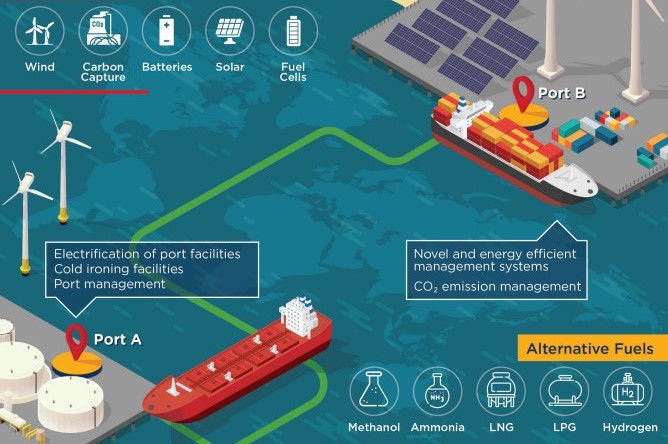
One of the most notable developments in this context is the electrification of port operations. Many ports around the world are investing in electrified infrastructure to support the docking and unloading of electric or hybrid vessels. This allows ships to connect to the grid and power down their engines while at port, reducing emissions and noise pollution significantly.

Moreover, ports are playing a crucial role in the handling and distribution of renewable energy resources such as wind turbines and solar panels. As renewable energy production increases, the demand for efficient logistics and transportation networks becomes paramount. Ports are strategically positioned to facilitate the transportation and export of renewable energy equipment to various parts of the world.

Logistics: The Backbone of Sustainability

The logistics industry, often less visible but equally vital, is a linchpin in the transition to sustainable energy. It encompasses the planning, coordination, and execution of the movement of goods, including renewable energy technologies, across the globe.

One of the key areas where logistics is contributing to sustainability is in the optimization of supply chains. Companies are increasingly adopting environmentally conscious supply chain practices, including the use of electric or hybrid delivery vehicles, improved route planning to reduce fuel consumption, and the consolidation of shipments to reduce overall transportation emissions.

Additionally, innovations in logistics technology are enabling greater transparency and efficiency. Blockchain, for example, is being used to create transparent and secure supply chain networks for renewable energy products, ensuring that they are sourced and transported sustainably.

The Interconnectedness of Sustainability

It’s important to recognize that shipping, ports, and logistics are interconnected components of a larger sustainability ecosystem. Sustainable energy production relies on the timely and efficient transportation of renewable energy equipment, which is made possible by innovative logistics solutions and eco-friendly shipping practices.

The integration of these sectors with renewable energy production extends beyond transportation and includes various other aspects such as the recycling and disposal of old energy infrastructure, the development of sustainable packaging materials, and the reduction of waste generated throughout the supply chain.

Challenges and Opportunities

While significant progress has been made, challenges remain on the path to a fully sustainable shipping, ports, and logistics industry. The transition to alternative fuels and technologies, for instance, requires substantial investments and infrastructure upgrades. Additionally, global standards and regulations for emissions reduction need to be harmonized to ensure a level playing field for all stakeholders.

However, these challenges also present opportunities for innovation and collaboration. Governments, industries, and academia are coming together to develop and implement sustainable practices and technologies. Initiatives like the International Maritime Organization’s (IMO) targets for reducing greenhouse gas emissions from shipping and the electrification of ports demonstrate the commitment of stakeholders to creating a more sustainable future.

Conclusion

In the grand scheme of transitioning to sustainable energy, the roles of shipping, ports, and logistics are often overlooked, but they are undeniably essential. These sectors are not only reducing their own environmental footprint but are also enabling the global shift to sustainable energy sources. As the world continues to grapple with climate change, it is crucial to recognize and celebrate the transformative efforts of these industries in building a more sustainable future for us all. The synergy between sustainable energy and the logistics of its production and distribution is a testament to the power of innovation and collaboration in addressing the most pressing challenges of our time.

Charting a Greener Future: World’s First Transpacific Green Shipping Corridor

29th September 2023

Overview: Green Shipping Corridor

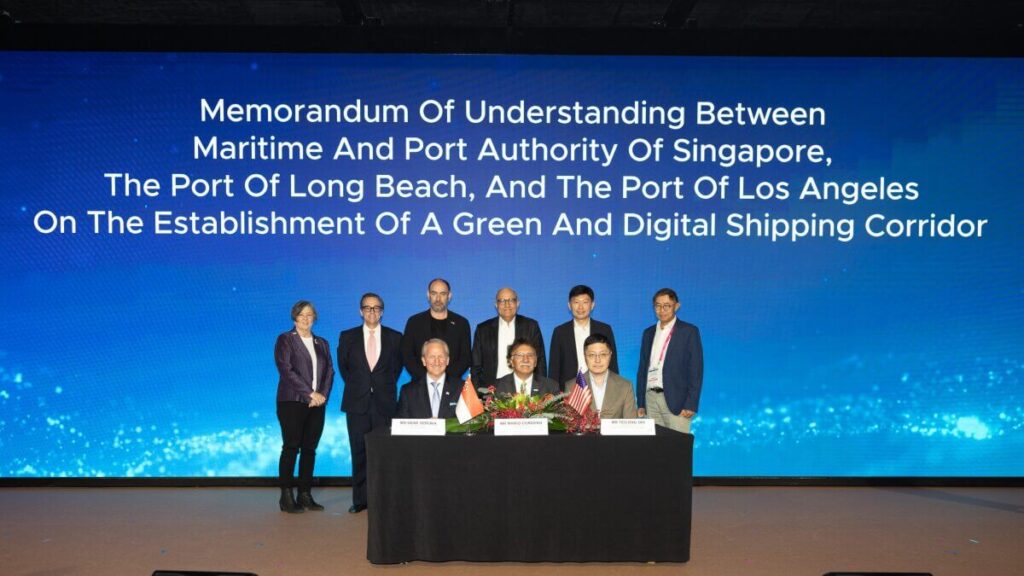
A groundbreaking move towards sustainability and environmental consciousness in the shipping industry, plans for the world’s first transpacific green shipping corridor are underway. This ambitious project aims to revolutionize global trade by reducing the carbon footprint of maritime shipping, one of the largest contributors to greenhouse gas emissions worldwide.

The Need for a Green Shipping Corridor

With global trade on the rise, the shipping industry has been grappling with the environmental consequences of its activities. Cargo ships are notorious for their reliance on fossil fuels, releasing massive amounts of carbon dioxide and other pollutants into the atmosphere. These emissions contribute significantly to climate change and air pollution, jeopardizing the health of our planet and its inhabitants.

The concept of a green shipping corridor emerged as a response to this environmental crisis. The idea is to establish a route across the Pacific Ocean that minimizes the environmental impact of shipping while maintaining economic efficiency. This corridor will serve as a model for sustainable maritime transport and help pave the way for similar initiatives worldwide.

Visionaries Behind the Project

The Transpacific Green Shipping Corridor project is a collaborative effort led by visionary industry leaders, environmental organizations, and government agencies. Some of the key players include:

1. Maersk Line

As one of the world’s largest container shipping companies, Maersk Line has committed itself to reducing its carbon emissions significantly. They are a driving force behind the project, providing both financial and logistical support.

2. Environmental Defense Fund (EDF)

EDF is a renowned environmental organization that has long advocated for sustainable solutions in various industries. They are lending their expertise in environmental policy and advocacy to ensure the corridor’s success.

3. US and Chinese Governments

Both the United States and China have a vested interest in reducing emissions from shipping. The corridor will connect the ports of Los Angeles and Shanghai, making it a critical link in their trade relationship. The governments of both nations have pledged financial and regulatory support to make this initiative a reality.

Key Features of the Transpacific Green Shipping Corridor

1. Low-Emission Shipping Technologies

The corridor will prioritize the use of low-emission technologies, such as ships powered by liquefied natural gas (LNG) and alternative fuels. These vessels emit significantly fewer greenhouse gases and air pollutants than traditional diesel-powered ships.

2. Energy-Efficient Routes

Advanced navigation systems and weather forecasting will be utilized to optimize routes and reduce fuel consumption. Ships will follow the most fuel-efficient paths, avoiding unnecessary detours and emissions.

3. Port Upgrades

Both the Port of Los Angeles and the Port of Shanghai will undergo significant upgrades to accommodate the influx of green shipping. These upgrades will include facilities for refueling LNG-powered vessels and handling environmentally friendly cargo.

4. Carbon Offsetting

To further mitigate emissions, the project will invest in carbon offset programs. This includes reforestation projects and renewable energy initiatives that will counterbalance the remaining emissions from shipping operations.

Economic and Environmental Benefits

The Transpacific Green Shipping Corridor promises a multitude of benefits, both economic and environmental:

1. Reduced Carbon Footprint

By prioritizing low-emission technologies and optimizing routes, the corridor is expected to reduce carbon emissions from shipping by up to 40%. This significant reduction aligns with global efforts to limit global warming and combat climate change.

2. Economic Efficiency

While sustainability is a primary goal, the project also aims to maintain economic efficiency. With improved route optimization and modernized port facilities, the corridor is expected to enhance trade between the United States and China, benefiting businesses on both sides.

3. Improved Air Quality

The reduction in emissions will have a direct impact on air quality in port cities like Los Angeles and Shanghai. Residents can expect cleaner air and better respiratory health, reducing healthcare costs associated with air pollution.

4. International Collaboration

The collaboration between the U.S. and Chinese governments sends a powerful message about the importance of addressing global environmental challenges together. It sets a precedent for international cooperation in the fight against climate change.

Transpacific Green Shipping Corridor

Challenges and Road Ahead

While the vision for the Transpacific Green Shipping Corridor is inspiring, several challenges lie ahead. Financing such a monumental project, securing regulatory approvals, and ensuring the ongoing commitment of all stakeholders are among the primary hurdles.

Financing is a significant concern, given the costs associated with upgrading ports and subsidizing the use of green technologies. Regulatory approvals are also complex, as international shipping is subject to a web of regulations and treaties. Maintaining the commitment of all stakeholders, particularly in the face of economic and political changes, will be essential for the project’s long-term success.However, the supporters of the corridor remain optimistic. They believe that the economic and environmental benefits far outweigh the challenges. With continued collaboration and innovation, the Transpacific Green Shipping Corridor has the potential to be a game-changer for global trade and sustainability.

Conclusion

The world’s first transpacific green shipping corridor represents a beacon of hope for the future of global trade and environmental preservation. As the world grapples with the urgent need to reduce emissions and combat climate change, initiatives like this are not only welcome but essential. By investing in sustainable technologies, optimizing routes, and upgrading ports, the corridor will not only reduce the carbon footprint of shipping but also serve as a shining example of international cooperation and innovation.

As plans for the corridor move forward, the world watches with anticipation, hoping that this project will set a precedent for greener, more sustainable practices in the maritime industry. The Transpacific Green Shipping Corridor is more than a corridor; it’s a symbol of our collective commitment to a cleaner, healthier planet.

Shining a Light on India’s Maritime History: The Inaugural Lighthouse Festival in Goa

28th September 2023

Overview: Lighthouse Festival in Goa

In a splendid celebration of India’s rich maritime heritage and a nod to its historical past, the country’s first-ever Lighthouse Festival kicked off with grandeur in the picturesque state of Goa. This unique event, organized by the Ministry of Tourism in collaboration with various state agencies and tourism stakeholders, shines a spotlight on 75 historical lighthouses that are set to be transformed into major tourist attractions.

A Beacon of History and Culture

The Lighthouse Festival, inaugurated by the Honorable Minister of Tourism, Ms. Priya Sharma, promises to be a month-long extravaganza filled with activities, exhibitions, and cultural showcases, all centered around Goa’s captivating coastline. The event aims to promote tourism, create awareness about India’s maritime heritage, and highlight the importance of lighthouses as historical landmarks.

“Lighthouses have long been silent sentinels guarding our coasts, and today, we honor them by bringing their history to life. India’s maritime history is as rich and diverse as our culture, and through this festival, we hope to showcase our coastal heritage to the world,” said Ms. Sharma during her inaugural speech.

Historical Transformation: From Guardians to Tourist Destinations

The festival’s main highlight is the unveiling of plans to develop 75 lighthouses across the country into major tourist destinations. These lighthouses, some dating back centuries, will be restored and repurposed, offering visitors a unique blend of history, culture, and scenic beauty.

One such lighthouse set for transformation is the iconic Aguada Lighthouse, located in North Goa. Built in the 17th century, it stands as a testament to Goa’s Portuguese colonial history and offers breathtaking views of the Arabian Sea. It will soon be home to a maritime museum, showcasing artifacts and stories from India’s seafaring past.

The decision to redevelop these lighthouses is part of the government’s ongoing efforts to diversify the tourism landscape and promote lesser-known historical sites. By doing so, it not only creates more tourist attractions but also preserves these historical structures for future generations.

A Month-Long Extravaganza

The Lighthouse Festival has something for everyone, from history enthusiasts to beach lovers. The festival will feature:

Historical Tours: Guided tours of lighthouses, where visitors can learn about their history, architecture, and role in maritime navigation.

Cultural Performances: Traditional music, dance, and art exhibitions showcasing the rich cultural tapestry of coastal India.

Adventure Sports: Water sports, including jet skiing, parasailing, and snorkeling, to showcase the region’s recreational potential.

Food and Craft Stalls: A variety of local cuisine and crafts on display, allowing tourists to savor the flavors of Goa.

Workshops: Educational programs on maritime history and environmental conservation.

Photo Exhibitions: A collection of photographs capturing the scenic beauty and cultural diversity along India’s coastline.

Boosting Tourism and Local Economies

The festival is expected to give a significant boost to Goa’s tourism industry, which has been recovering from the impacts of the COVID-19 pandemic. The influx of tourists is not only expected to create jobs but also stimulate the local economy.

Local businesses, such as hotels, restaurants, and souvenir shops, have already reported an increase in bookings and sales since the festival’s announcement. The extended tourism season that the festival brings will provide a much-needed source of income for many Goans.

Preserving Maritime Heritage

India’s lighthouses have played a crucial role in ensuring the safety of maritime activities along its vast coastline. The festival not only celebrates their historical significance but also underscores the importance of preserving these structures.

To ensure the preservation of these lighthouses, the government has allocated funds for their restoration and maintenance. Heritage conservationists and architects have been engaged to ensure that the redevelopment maintains the historical integrity of these structures while making them accessible to tourists.

International Attention

The Lighthouse Festival has garnered international attention, with travel enthusiasts and historians from around the world expressing interest in attending. The event is expected to not only attract domestic tourists but also showcase India’s rich maritime heritage to a global audience.

In a world increasingly focused on sustainability and responsible tourism, the festival also emphasizes the need for coastal conservation and responsible tourism practices. Efforts are being made to minimize the environmental impact of the festival, such as waste reduction and responsible tourism guidelines.

A Glimpse into the Future

As the Lighthouse Festival unfolds in Goa, it represents more than just a celebration of India’s maritime heritage—it offers a glimpse into the country’s future as a diverse and vibrant tourist destination. By transforming historical lighthouses into major tourist attractions, India is not only preserving its past but also opening doors to a promising future in tourism.

As tourists from around the world gather to explore the picturesque Goan coastline and learn about India’s rich maritime history, the Lighthouse Festival marks the beginning of an exciting new chapter for the nation’s tourism industry and its cultural heritage.

Conclusion

The India Lighthouse Festival, a month-long celebration in Goa, is not only a tribute to the nation’s maritime heritage but also a forward-looking initiative to promote tourism and preserve historical landmarks. With the spotlight on the transformation of 75 historical lighthouses into major tourist attractions, the festival promises to bring new life to these silent sentinels while boosting the local economy and showcasing India’s rich coastal culture to the world. As the festival unfolds, it serves as a beacon of hope and opportunity for both tourists and the preservation of India’s maritime heritage.

For the shipping of its oil, Russia still depends on Europe

26th September 2023

Overview: Russia’s Oil Shipping & Europe

As the global energy landscape continues to evolve, Russia finds itself in a complex and paradoxical situation. Despite being one of the world’s leading oil producers, the country still relies heavily on European nations for shipping its oil to international markets. This surprising dependence highlights the intricate web of economic, political, and logistical factors at play in the energy industry.

Russia, with its vast reserves of oil, has long been a major player in the global energy market. It ranks among the top oil producers in the world, alongside countries like Saudi Arabia and the United States. The significance of the Russian oil industry is not limited to its domestic economy; it also has far-reaching international implications.

While Russia has the capacity to extract and refine massive quantities of oil, it faces significant challenges when it comes to transporting this valuable commodity to global consumers. The majority of Russia’s oil exports are transported via pipelines, with a substantial portion of these pipelines directed toward Europe. This dependence on European transit routes has significant implications for both Russia and Europe.

One of the primary reasons Russia relies on Europe for shipping its oil is its geographical proximity. Russia’s vast landmass extends deep into Eurasia, and the most cost-effective and efficient means of transporting oil is often through pipelines that lead to European markets. The Druzhba pipeline, for example, stretches over 4,000 kilometers, connecting Russian oilfields to consumers in Europe.

While pipelines are a reliable mode of transportation, they can also be a double-edged sword. The dependence on a network of pipelines that traverse multiple countries makes Russia vulnerable to geopolitical tensions and disputes. Recent events, such as the Nord Stream 2 pipeline controversy, have demonstrated how political considerations can impact the flow of Russian oil to Europe.

The Nord Stream 2 pipeline, which would have delivered natural gas from Russia to Germany directly under the Baltic Sea, became a source of contention between Russia, Europe, and the United States. It highlighted how political disputes can disrupt the flow of Russian energy resources to European markets, raising concerns about Europe’s energy security and Russia’s reliance on these transit routes.

Furthermore, Russia’s dependence on European transit routes makes it susceptible to sanctions. In response to Russia’s actions in Ukraine, Western countries, including the European Union and the United States, have imposed economic sanctions that have targeted Russia’s energy sector. These sanctions have not only affected Russia’s economy but have also raised concerns about the stability of European energy supplies.

Europe, on the other hand, benefits from its role as a transit hub for Russian oil. European countries receive substantial revenue from transit fees, and the availability of Russian oil helps diversify their energy sources. However, this dependence on Russian energy resources also exposes Europe to geopolitical risks, as any disruptions in the flow of Russian oil can have significant economic and energy security consequences.

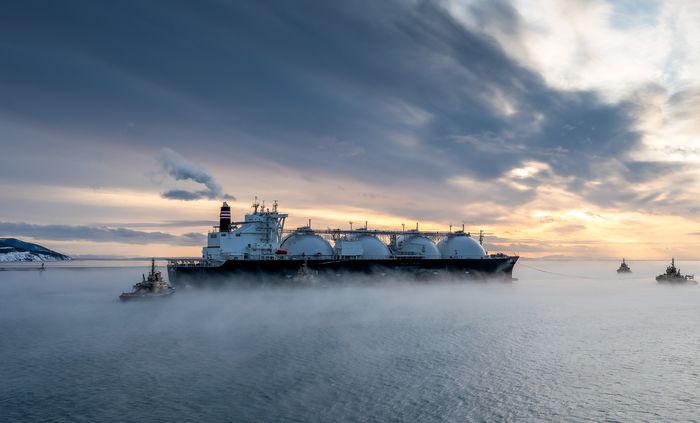
Russian crude oil

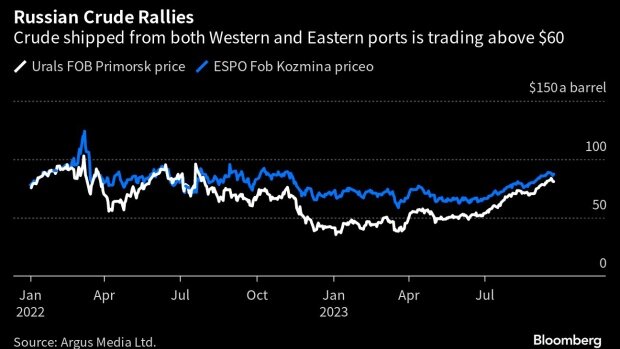
To reduce its vulnerability to geopolitical tensions and sanctions, Russia has explored alternative means of exporting its oil. One such initiative is the Eastern Siberia-Pacific Ocean (ESPO) pipeline, which diversifies Russia’s export routes by delivering oil to the Asia-Pacific region, particularly China. The ESPO pipeline has allowed Russia to reduce its reliance on European markets to some extent and tap into the growing demand for energy resources in Asia.

Nevertheless, Europe remains a critical destination for Russian oil exports, and finding alternative markets that can match Europe’s capacity and willingness to import Russian oil is a challenging task. Moreover, diversifying export routes requires significant investments in infrastructure and may take years to establish fully operational alternatives.

As Russia continues to navigate the intricate landscape of the global energy market, it must balance its energy export strategy with the changing geopolitical dynamics and economic realities. Europe, too, faces the challenge of securing its energy supplies while minimizing its dependence on Russia. This delicate dance between energy supplier and transit nation underscores the complexities of the global energy trade.

In conclusion, Russia’s heavy reliance on Europe for shipping its oil highlights the intricate interplay of economic, political, and logistical factors in the energy industry. While Russia possesses vast oil reserves and production capabilities, it continues to depend on European transit routes for exporting its oil to international markets. This dependence exposes both Russia and Europe to geopolitical risks and challenges that require careful consideration and strategic planning in an ever-evolving global energy landscape.

Drought Challenges: Why Panama Canal Remains Maritime Industry’s Preferred Route

13 September 2023

Overview: Drought Challenges in Panama Canal

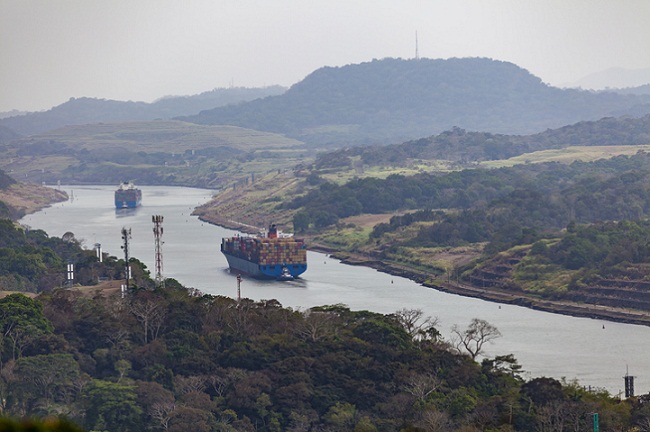
The Panama Canal, a crucial artery in global trade, is facing a significant challenge as drought conditions persist, affecting shipping operations and raising concerns about the sustainability of this vital route. Despite these drought challenges, the maritime industry continues to prefer the Panama Canal over alternative options, highlighting its enduring importance in global trade.

Drought Strikes at the Heart of the Panama Canal

The Panama Canal, connecting the Atlantic and Pacific Oceans, has long been celebrated as one of the most efficient and time-saving routes for international shipping. However, in recent years, a recurring issue has emerged, causing significant disruptions to its operations: drought.

Drought conditions have plagued the region surrounding the Panama Canal, with decreased rainfall and lower water levels in the Gatun Lake, a critical water source for the canal’s operations. This drop in water levels has led to a reduction in the depth of the canal, limiting the size of vessels that can transit through it and requiring strict draft restrictions.

Impact on Shipping Operations

The drought’s impact on shipping operations through the Panama Canal has been profound. Larger vessels, known as “New Panamax” ships, designed to maximize the canal’s expanded capacity, are now facing constraints due to the reduced water levels. As a result, these vessels must carry fewer cargoes, leading to increased operational costs for shipping companies.

Additionally, longer waiting times and increased transit costs have become commonplace, as ships often need to be partially loaded or wait for tide conditions to improve before passing through the canal. These delays not only affect the timeliness of deliveries but also contribute to higher shipping costs, which can ultimately be passed on to consumers.

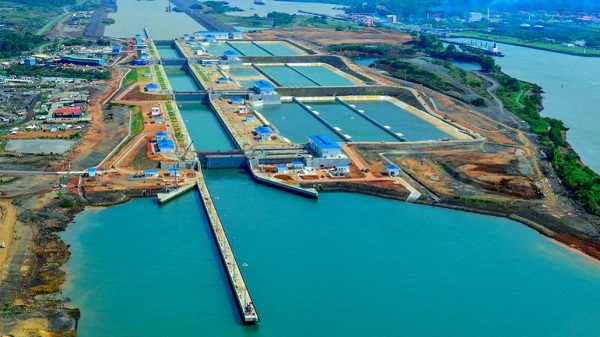
Drought Challenges

Alternative Routes and Their Limitations

Given the challenges posed by the drought, some shipping companies have explored alternative routes to bypass the Panama Canal. Two primary options include the Suez Canal and the Cape of Good Hope route around the southern tip of Africa.

The Suez Canal, which connects the Mediterranean Sea to the Red Sea, offers a shorter distance for ships traveling between Europe and Asia. However, the Suez Canal has its own set of challenges, including political instability in the region and the occasional blockage, as witnessed in the Suez Canal crisis of 2021.

The Cape of Good Hope route, while avoiding the canal altogether, is significantly longer and adds considerable voyage time and fuel costs. This option also exposes ships to the unpredictable weather conditions of the southern oceans, which can be treacherous.

The Maritime Industry’s Loyalty to the Panama Canal

Despite the challenges posed by the drought, the maritime industry continues to prefer the Panama Canal for several compelling reasons:

  • Time Efficiency: The Panama Canal offers a shorter and more predictable route for many key trade routes, particularly those connecting the east and west coasts of the Americas. Time-sensitive shipments, such as perishable goods and consumer electronics, still find the Panama Canal indispensable.
  • Infrastructure Investment: The Panama Canal Authority has been proactive in addressing the drought-related challenges. Significant investments have been made to expand the canal’s capacity and ensure it remains competitive. This includes the construction of additional locks and ongoing dredging projects to maintain depth.
  • Trade Agreements: Trade agreements and alliances often favor the use of the Panama Canal as the primary route for goods transportation. These agreements provide incentives for shipping companies to continue using the canal, despite its temporary limitations.
  • Economic Viability: While the drought presents short-term challenges, the long-term economic viability of the Panama Canal remains strong. It plays a crucial role in global supply chains, facilitating trade between the Americas and the rest of the world.
  • Environmental Considerations: Shipping through the Panama Canal can be more environmentally friendly than longer alternative routes, reducing greenhouse gas emissions associated with longer voyages.

The Way Forward: Sustainability and Adaptation

The Panama Canal Authority recognizes the need for long-term sustainability and has taken steps to address the issue of drought. Plans include further investments in water-saving technologies, improved water management practices, and ongoing infrastructure improvements to adapt to changing conditions.

Sustainability initiatives, such as the expansion of the canal’s locks to accommodate larger vessels, aim to enhance the canal’s competitiveness while minimizing its environmental impact. Additionally, discussions are underway to explore the possibility of constructing additional reservoirs to secure water supply for the canal during prolonged dry periods.

Conclusion

The drought affecting the Panama Canal underscores the importance of this vital waterway in global trade. While shipping operations have faced challenges, the maritime industry continues to prefer the Panama Canal due to its efficiency, infrastructure investments, and economic advantages.

As the Panama Canal Authority works to address the drought-related issues and enhance sustainability, it is clear that this historic route remains integral to global commerce. The canal’s ability to adapt to changing conditions and maintain its relevance in international trade will be critical in the years to come.

Securing The Seas: The Imperative Of Maritime Cyber security

12 September 2023

Overview: Maritime Cyber Security

In an era defined by digital transformation and technological advancement, virtually no industry remains untouched by the ever-evolving threat of cyberattacks. Among the sectors that have increasingly come under the scrutiny of malicious actors is the maritime industry, which plays a pivotal role in global trade and commerce. As vessels and ports become more interconnected through sophisticated systems and the Internet of Things (IoT), the importance of tackling maritime cyber threats cannot be overstated.

The Global Maritime Industry: A Backbone of Global Trade

Before delving into the significance of addressing cyber threats in the maritime sector, it is essential to understand the industry’s colossal global impact. Maritime transport carries over 80% of the world’s trade by volume and constitutes the lifeblood of international commerce. Enormous container ships, oil tankers, and bulk carriers traverse the world’s oceans, ensuring the movement of goods and raw materials vital to economies across the globe.

Moreover, ports are critical nodes in the supply chain, serving as hubs for cargo transfer, storage, and distribution. These ports are not only crucial for imports and exports but also for national security and economic stability. Consequently, any disruption or compromise of maritime operations can have catastrophic consequences, ranging from economic losses to environmental disasters and security breaches.

The Growing Cyber Threat Landscape

In recent years, the maritime industry has witnessed an alarming rise in cyberattacks. These attacks range from ransomware incidents and data breaches to the manipulation of navigation systems and operational disruptions. While cyberattacks in the maritime sector may not garner as much media attention as those in finance or healthcare, their consequences are no less severe.

One noteworthy incident occurred in 2017 when the NotPetya ransomware attack crippled the operations of Maersk, the world’s largest container shipping company. The attack resulted in estimated losses of hundreds of millions of dollars and disrupted global supply chains. This incident served as a wake-up call, highlighting the vulnerability of the maritime sector to cyber threats.

The Importance of Tackling Maritime Cyber Threats

  • Economic Implications: The economic ramifications of cyberattacks on the maritime industry are significant. Disruptions in shipping operations can lead to delays, increased costs, and reduced business confidence. These ripple effects are felt throughout the supply chain, affecting manufacturers, retailers, and consumers alike. By addressing cyber threats, the industry can protect its economic stability and ensure the efficient flow of goods.
  • Environmental Concerns: Cyberattacks on maritime systems can have devastating environmental consequences. Manipulation of navigation systems, for instance, could lead to collisions, groundings, or oil spills. Such incidents pose a grave threat to marine ecosystems, wildlife, and the communities that depend on them. Tackling cyber threats is crucial to prevent these environmental disasters.
  • National Security: Maritime operations are closely intertwined with national security. Ports serve as critical infrastructure, and disruptions or breaches can have security implications, including the smuggling of illicit goods, human trafficking, and the potential for terrorist attacks. Ensuring the cybersecurity of these vital assets is paramount to safeguarding national interests.
  • Protection of Personal Data: The maritime industry deals with vast amounts of sensitive data, including crew information, passenger details, cargo manifests, and financial records. Cyberattacks can lead to data breaches, exposing individuals and organizations to identity theft, fraud, and other malicious activities. Protecting personal data is not only a legal obligation but also a matter of trust between the industry and its stakeholders.
  • Reputation Management: Trust is a cornerstone of the maritime industry. Companies that fall victim to cyberattacks may suffer reputational damage, eroding the confidence of customers, investors, and partners. Addressing cyber threats proactively can help maintain trust and reputation, which are invaluable assets in the global market.

The Road Ahead: Tackling Maritime Cyber Threats

To effectively address maritime cyber threats, a multifaceted approach is necessary:

  • Education and Training: Industry stakeholders, including shipowners, port operators, and crew members, must be educated about cyber risks and trained in best practices for cybersecurity. Awareness is the first line of defense.
  • Regulation and Compliance: Governments and international organizations should develop and enforce cybersecurity regulations and standards for the maritime sector. Compliance with these regulations should be mandatory to ensure a minimum level of cybersecurity.
  • Investment in Technology: The industry should invest in robust cybersecurity technologies, including intrusion detection systems, firewalls, and endpoint security solutions. Regular software updates and patch management are crucial.
  • Incident Response Plans: Every organization in the maritime sector should have a comprehensive incident response plan in place. This plan should outline steps to take in the event of a cyber incident, including communication strategies and cooperation with law enforcement.
  • Collaboration: Information sharing and collaboration between industry stakeholders, governments, and cybersecurity experts are essential to stay ahead of emerging threats. The maritime sector should establish mechanisms for sharing threat intelligence and best practices.
  • Cyber Insurance: Companies should consider cyber insurance to mitigate the financial impact of cyber incidents. However, insurance should not be a substitute for robust cybersecurity measures.
  • Research and Development: Continued research and development efforts are needed to innovate and create more secure maritime technologies. This includes designing systems with cybersecurity in mind from the outset.

Conclusion

The importance of tackling maritime cyber threats cannot be overstated. As the maritime industry becomes increasingly digitized and interconnected, it becomes a more attractive target for cybercriminals and hostile actors. The economic, environmental, national security, and reputational risks associated with cyberattacks on maritime operations demand immediate attention and action from industry stakeholders, governments, and international organizations. By working together and implementing proactive cybersecurity measures, the maritime sector can safeguard its vital role in global trade and ensure the smooth flow of goods across the world’s oceans. Failure to do so could result in dire consequences for economies, the environment, and national security.

Drought Threatens Panama Canal: Impacts On Global Trade And Sustainability

11 September 2023

Overview: Panama Canal Drought Threat

 The Panama Canal, a vital waterway connecting the Atlantic and Pacific Oceans, is facing one of its most challenging periods in recent history as a severe drought threatens to further reduce daily transits. This critical trade route, responsible for facilitating global commerce and shipping, has been grappling with the effects of climate change, raising concerns about its long-term sustainability.

The Panama Canal: A Global Trade Lifeline

The Panama Canal has been a linchpin of global trade for over a century, shortening maritime routes and reducing transit times for ships traveling between the Eastern and Western Hemispheres. Its importance cannot be overstated, as it facilitates the movement of goods worth billions of dollars annually.

Each day, an average of 40 to 50 vessels traverse the canal, ranging from massive container ships to oil tankers and bulk carriers. The waterway’s capacity and efficiency are paramount, as even a minor disruption can have far-reaching consequences for global trade flows.

The Drought Dilemma

However, the canal’s role as a global trade hub has come under threat due to a prolonged and severe drought. Climate change has brought about unpredictable weather patterns, causing extended dry seasons in the region. These dry spells have led to a significant decrease in the water levels of the canal’s reservoirs, primarily Gatun Lake, which serves as the primary source of water to keep the canal operational.

The Panama Canal Authority (ACP) relies on Gatun Lake to provide the water necessary to operate the locks and maintain the required depth in the canal. The drought-induced water shortage has forced the ACP to impose restrictions on vessel drafts and limit transits, affecting the canal’s efficiency and profitability.

Drought

Impact on Global Trade

The repercussions of the drought on the Panama Canal are not limited to the local economy but have far-reaching consequences for global trade. Here are some of the key impacts:

Delays and Increased Costs

Ships transiting the Panama Canal have been facing delays and increased costs due to the water restrictions. Vessels must now reduce their cargo loads, which translates to higher shipping costs per unit of cargo. These added expenses ultimately trickle down to consumers, potentially raising the prices of goods worldwide.

Shipping Route Diversification

As a response to the uncertainties caused by the drought, some shipping companies have started exploring alternative routes. The Suez Canal in Egypt and the Northern Sea Route in the Arctic have seen increased traffic as shippers seek to bypass the Panama Canal’s uncertainties. This shift in shipping routes could lead to long-term changes in global trade patterns.

Supply Chain Disruptions

The Panama Canal’s reduced capacity has disrupted supply chains, causing delays in the delivery of goods and raw materials. Industries reliant on just-in-time inventory management are particularly vulnerable, as even minor delays can lead to production stoppages and financial losses.

Mitigation Efforts

In an effort to address the crisis, the Panama Canal Authority has implemented several measures:

Water Saving Technologies

The ACP has invested in water-saving technologies such as water-saving basins and modernized locks, which aim to reduce the amount of water required for each transit.

Tugboat Assistance

Tugboats are now used more frequently to assist vessels through the locks, reducing the strain on the canal’s water resources.

Rainwater Capture

Efforts to capture and store rainwater for canal operations have been scaled up, with new infrastructure in place to collect and retain precipitation during the rainy season.

Pricing Adjustments

To incentivize more water-efficient transits, the ACP has adjusted its pricing structure, offering discounts to ships with smaller drafts or those using water-saving technologies.

Long-Term Sustainability Challenges

While these mitigation efforts are crucial for immediate relief, the long-term sustainability of the Panama Canal remains a pressing concern. Climate change projections suggest that extreme weather events, including droughts, are likely to become more frequent and severe in the region.

The ACP is considering more ambitious strategies, such as expanding the canal’s capacity and building additional reservoirs. However, these projects involve substantial financial investments and environmental considerations, raising questions about their feasibility and impact.

International Cooperation

The challenges faced by the Panama Canal highlight the interconnected nature of global trade and the urgent need for international cooperation on climate change mitigation. Climate resilience strategies and water management practices must be shared and implemented across borders to ensure the continued functioning of vital trade routes like the Panama Canal.

Conclusion

The drought-induced water shortage in the Panama Canal is a stark reminder of the vulnerability of critical global infrastructure to the impacts of climate change. As the canal faces the prospect of reduced daily transits, it is imperative that immediate and long-term measures are taken to secure its sustainability. International cooperation, technological innovation, and responsible water management will be key to ensuring that this vital trade lifeline continues to serve global commerce for generations to come.

Navigating The Path To Net Zero: How The Global Shipping Industry Is Leading The Way

11 September 2023

Overview: Net Zero in Global Shipping

In the face of climate change, one industry stands as both a key contributor to the problem and a vital part of the solution: the global shipping industry. Responsible for transporting over 80% of the world’s goods, this industry is a cornerstone of our interconnected global economy. However, its environmental footprint is substantial, emitting a significant share of the world’s greenhouse gases. To combat climate change and work towards a net zero future, the global shipping industry is embarking on a transformative journey to reduce its carbon emissions and promote sustainability.

The Shipping Industry’s Environmental Challenge

The shipping industry’s contribution to climate change has long been a matter of concern. According to the International Maritime Organization (IMO), shipping accounts for nearly 3% of global carbon dioxide (CO2) emissions. If left unchecked, these emissions are projected to increase substantially, potentially doubling or even tripling by 2050.

The industry faces unique challenges in reducing its environmental impact. Cargo ships are powered by large engines that predominantly rely on fossil fuels, primarily heavy fuel oil. Moreover, shipping routes traverse international waters, making it difficult to enforce stringent environmental regulations consistently. However, the urgency of the climate crisis has spurred global collaboration to address these challenges.

The Path to Net Zero Emissions

In recent years, the global shipping industry has made significant strides in its commitment to sustainability and reducing carbon emissions. Key strategies and initiatives include:

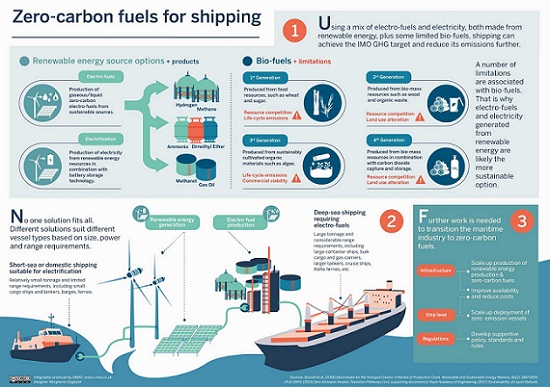
  • Alternative Fuels: A transition towards cleaner fuels is underway. Many companies are exploring options like liquified natural gas (LNG), hydrogen, and ammonia as alternatives to traditional fossil fuels. Some have even experimented with wind-assisted propulsion systems to harness the power of nature.
  • Energy Efficiency: Retrofitting existing vessels and designing new ships with energy-efficient technologies is crucial. Innovations like air lubrication systems and hull modifications are proven methods to reduce fuel consumption and emissions.
  • Carbon Capture and Storage (CCS): Some shipping companies are investing in CCS technologies to capture and store CO2 emissions produced during the shipping process, effectively neutralizing their carbon footprint.
  • Slow Steaming: Reducing ship speeds can significantly cut emissions. This practice, known as “slow steaming,” has become more prevalent, although it can impact supply chain schedules.
  • Digitalization: Smart technologies and data analytics play a vital role in optimizing routes, weather forecasting, and fuel consumption, further reducing emissions.
  • Emissions Reporting: The IMO’s mandatory data collection system requires ships of a certain size to report their fuel consumption and CO2 emissions, fostering transparency and accountability.
Net Zero

Regulation and International Cooperation

Addressing the shipping industry’s carbon footprint requires coordinated global efforts. The IMO’s Initial Strategy on Reducing GHG Emissions from Ships, adopted in 2018, outlines a clear trajectory towards reducing carbon emissions. This strategy aims to reduce the industry’s carbon intensity by at least 40% by 2030 and, ultimately, to achieve a 50% reduction in total annual GHG emissions by 2050 compared to 2008 levels.

International collaboration is essential in achieving these goals. The Poseidon Principles, a global framework for responsible ship finance, are gaining traction among financial institutions. These principles commit signatory banks to assessing and disclosing the climate alignment of their shipping portfolios.

Moreover, the transition towards greener shipping practices is being supported by various national governments and the European Union, which are implementing policies, incentives, and regulations to encourage sustainable shipping.

The Role of Innovation and Investment

Innovation and investment are key drivers of sustainability in the shipping industry. Governments, industry stakeholders, and investors are actively supporting research and development efforts focused on greener technologies. Initiatives such as the Green Shipping Program, which fosters public-private partnerships to develop and deploy green technologies, are becoming increasingly important.

Additionally, sustainable finance is playing a pivotal role. Investors are increasingly looking for opportunities that align with environmental, social, and governance (ESG) criteria. This trend is encouraging shipping companies to adopt cleaner practices and technologies, as they seek to attract responsible investment.

Challenges and Remaining Hurdles

While significant progress has been made, the global shipping industry faces several challenges on its path to net-zero emissions:

  • High Costs: Transitioning to cleaner fuels and technologies can be expensive, and many shipping companies, especially smaller ones, may struggle to finance these changes.
  • Infrastructure and Supply Chain: Building the infrastructure needed to support alternative fuels and technologies can be a logistical and financial challenge.
  • Global Coordination: The industry’s international nature makes it challenging to implement consistent regulations and practices worldwide.
  • Consumer Demand: Meeting consumer expectations for fast and reliable shipping while reducing emissions can be a delicate balancing act.

The Way Forward

The global shipping industry’s commitment to reducing its environmental impact is a positive step towards a sustainable future. With the support of governments, international organizations, and investors, it has the potential to become a leader in climate action.

To achieve the net-zero emissions target, the industry must continue to innovate, invest in sustainable practices, and collaborate on a global scale. The transition will undoubtedly require time and resources, but the cost of inaction is far greater.

In closing, the global shipping industry’s journey towards net-zero emissions is not just an environmental imperative; it is an economic and moral one. By embracing sustainability, the industry can contribute significantly to the global effort to combat climate change, ensuring that future generations inherit a healthier and more sustainable planet.

Infrastructure Deal Between India and Nigeria to Change Agriculture and Shipping Ports

11th September 2023

Overview: India-Nigeria infrastructure deal

India and Nigeria have signed a landmark infrastructure deal aimed at bolstering agriculture and enhancing shipping ports in the West African nation. The agreement, reached after months of negotiations, is expected to bring about significant improvements in Nigeria’s agricultural sector and boost its trade potential through upgraded ports.

The bilateral deal, valued at over $2.5 billion, was officially sealed during a virtual summit between Indian Prime Minister Narendra Modi and Nigerian President Muhammadu Buhari. Both leaders expressed their commitment to strengthening the economic ties between their countries.

Transforming Nigerian Agriculture

One of the key aspects of the agreement is the focus on revamping Nigeria’s agriculture sector. Nigeria, known as the “Giant of Africa,” has a vast agricultural potential that has not been fully realized due to inadequate infrastructure and outdated farming practices.

Under the terms of the deal, India will provide technical expertise and financial support to modernize Nigeria’s farming techniques. This includes the introduction of advanced irrigation systems, the use of high-yield crop varieties, and the implementation of sustainable farming practices.

Indian agribusiness companies are expected to play a crucial role in this transformation by sharing their knowledge and technology. This collaboration aims to increase agricultural productivity in Nigeria, reduce post-harvest losses, and improve food security for its growing population.

President Buhari expressed his optimism about this aspect of the deal, stating, This partnership with India will help us unlock the full potential of our agricultural sector. It will not only benefit our farmers but also contribute to food security across the continent.

Upgrading Shipping Ports:

Another significant component of the agreement is the enhancement of Nigeria’s shipping ports. Nigeria is strategically located on the Gulf of Guinea, making it a critical hub for trade in West Africa. However, its ports have faced several challenges, including congestion, inadequate infrastructure, and outdated technology.

India, with its experience in managing one of the world’s busiest ports in Mumbai, is set to assist Nigeria in modernizing its port facilities. This will involve improving container handling capabilities, enhancing security measures, and implementing digital solutions to streamline port operations.

The upgraded ports are expected to facilitate faster and more efficient movement of goods, not only within Nigeria but also in the broader West African region. This development aligns with Nigeria’s ambition to become a regional trade and logistics powerhouse.

Prime Minister Modi highlighted the significance of this infrastructure upgrade, stating, Nigeria’s ports are critical to the economic development of not only Nigeria but the entire region. Our collaboration will not only benefit Nigeria but also contribute to the growth of West African economies.

India-Nigeria infrastructure deal

Strengthening Bilateral Ties: India-Nigeria infrastructure deal

The India-Nigeria infrastructure deal is seen as a testament to the strong and growing relationship between the two countries. India has been actively engaging with African nations in recent years, focusing on economic cooperation and development partnerships.

President Buhari commended India’s approach, saying, “India has been a reliable partner in our journey towards economic transformation. This infrastructure deal is a testament to the friendship and cooperation between our two nations.”

Both leaders also discussed opportunities for further collaboration in areas such as healthcare, education, and renewable energy during their virtual summit.

Economic Impact: India-Nigeria infrastructure deal

The India-Nigeria infrastructure deal is expected to have a significant economic impact on both countries.

For India, this deal opens up new avenues for investment in Africa. It provides Indian companies with opportunities to expand their presence in Nigeria and the wider West African market. Additionally, by supporting Nigeria’s agricultural sector, India can secure a stable source of agricultural products, ensuring food security for its own population.

On the Nigerian side, this agreement is anticipated to drive economic growth. The modernization of agriculture and shipping ports will create jobs and boost trade, potentially reducing Nigeria’s reliance on oil exports and diversifying its economy.

Environmental Considerations

While the focus of the deal is on economic development, both India and Nigeria have also committed to addressing environmental concerns. Sustainable farming practices, water management, and energy-efficient technologies will be integrated into the agricultural transformation process.

Furthermore, the upgrade of shipping ports will include measures to reduce environmental impacts. Efforts will be made to minimize pollution and promote cleaner energy sources.

Conclusion

The India-Nigeria infrastructure deal represents a significant step forward in the economic partnership between the two nations. By focusing on agriculture and shipping ports, this agreement has the potential to transform Nigeria’s economy, improve food security, and enhance regional trade in West Africa. As both countries move forward with implementation, the positive impacts of this collaboration are expected to be felt for years to come, strengthening the bonds between India and Nigeria.

Biden’s G20 Strategy To Counter China’s Belt And Road Initiative Via India’s NSTC

10 September 2023

Overview: NSTC | BRI

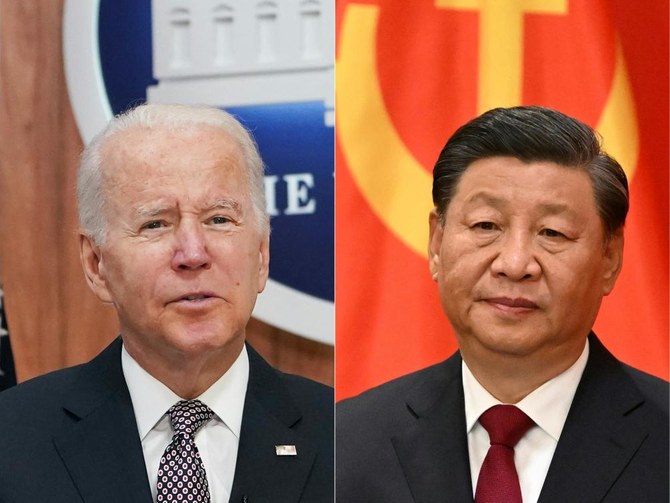
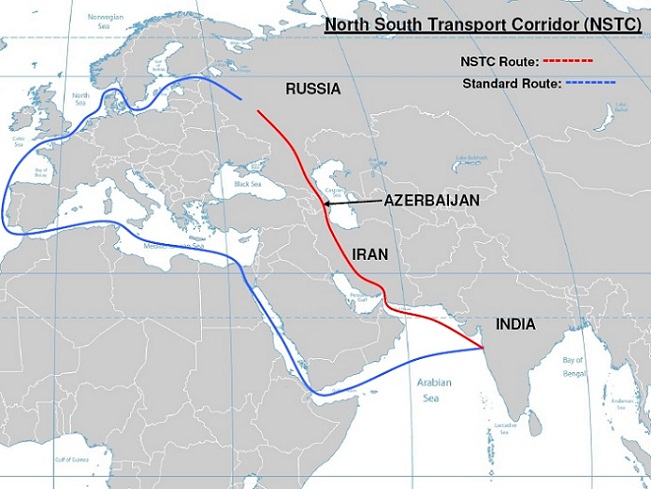
New Delhi – As world leaders will gather in New Delhi for the G20 summit, one issue is set to dominate discussions: the intensifying competition between the United States, led by President Joe Biden, and China, led by President Xi Jinping. At the heart of this geopolitical rivalry lies China’s ambitious Belt and Road Initiative (BRI), which seeks to reshape global trade and infrastructure. Biden arrives in India ready to counter China’s influence, and nowhere is this more evident than in the realm of shipping, where India’s strategic location is poised to play a pivotal role (North-South Transport Corridor) NSTC.

NSTC Biden’s Counterplay Against the Belt and Road Initiative

Since its inception, the Belt and Road Initiative has been a linchpin of China’s foreign policy, aiming to enhance connectivity and trade across Asia, Europe, and Africa. While China portrays the BRI as a means of fostering global economic development, it has faced criticism for its debt-trap diplomacy, lack of transparency, and potential strategic implications.

President Biden, along with many Western allies, views the BRI with caution and suspicion. In response, his administration has launched the “Build Back Better World” (B3W) initiative. B3W aims to provide an alternative to the BRI by mobilizing private-sector capital to invest in infrastructure projects in low- and middle-income countries. This initiative aligns with Biden’s broader foreign policy goal of reasserting American leadership on the global stage.

India’s Strategic Role in Biden’s Counter-BRI Strategy

India, the host nation of this year’s G20 summit, holds a unique position in the evolving landscape of global trade and geopolitics. As one of the world’s fastest-growing major economies and a democratic counterweight to China in the Indo-Pacific region, India is a key player in Biden’s efforts to counter the BRI.

One of the most significant aspects of India’s role in this strategy is its geographical location. The subcontinent serves as a natural land bridge between the Middle East, Central Asia, and Southeast Asia, making it a vital node for trade and connectivity. India’s western coastline, in particular, is strategically positioned for maritime trade routes connecting the Middle East and Europe.

President Biden, along with many Western allies, views the BRI with caution and suspicion

The Potential Disruption of Shipping Routes

The Biden administration, aware of India’s geographic significance, is looking to leverage its strategic location to disrupt the traditional shipping routes that have long been dominated by China. Currently, the most common shipping route from India to Europe involves crossing the Suez Canal, controlled by Egypt, or taking the longer journey around the Cape of Good Hope at the southern tip of Africa. These routes are essential but are vulnerable to disruptions, such as the recent blockage of the Suez Canal in 2021.

India, in collaboration with the United States, European Union, and other allies, is exploring alternative routes that bypass Chinese-controlled chokepoints. The most notable proposal is the North-South Transport Corridor (NSTC), a multimodal network that connects India to Russia via Iran, Azerbaijan, and the Caspian Sea. The NSTC offers a shorter and potentially more reliable route for goods traveling between India and Europe.

The NSTC: A Game-Changer in Shipping

The North-South Transport Corridor, once fully operational, could revolutionize shipping from India to Europe via the Middle East. It would reduce transit times, lower transportation costs, and minimize exposure to geopolitical tensions in key chokepoints.

Reduced Transit Times

One of the main advantages of the NSTC is its potential to significantly reduce transit times. Currently, shipping goods from India to Europe through the Suez Canal takes approximately 25-30 days. In contrast, the NSTC could cut this transit time by nearly half, with estimates suggesting a journey of 14-16 days.

Lower Transportation Costs

Reduced transit times not only save time but also money. Shorter routes mean lower fuel consumption and reduced operational costs for shipping companies. This cost efficiency could make the NSTC an attractive option for businesses looking to optimize their supply chains.

Geopolitical Resilience

Perhaps the most compelling aspect of the NSTC is its ability to bypass traditional maritime chokepoints, such as the Suez Canal and the Strait of Hormuz. By doing so, it offers greater resilience against geopolitical tensions, blockades, and disruptions. This is particularly relevant in a world where maritime security concerns are on the rise.

The North-South Transport Corridor, could revolutionize shipping from India to Europe via the Middle East.

International Cooperation and Challenges

While the NSTC presents promising opportunities, it also comes with challenges that need to be addressed. International cooperation will be crucial to the success of this alternative route. Diplomatic negotiations, infrastructure development, and security arrangements must be coordinated among the countries involved.

Additionally, the NSTC passes through regions with their own geopolitical complexities, including the ongoing conflict in Ukraine and tensions between India and Pakistan. These challenges require careful diplomacy and risk mitigation strategies.

Conclusion: Shaping the Future of Global Shipping

As President Biden arrives in New Delhi for the G20 summit, all eyes are on the evolving competition between the United States and China. The Belt and Road Initiative and its counterplay through the Build Back Better World initiative are at the forefront of this rivalry. India’s strategic location and the development of the North-South Transport Corridor offer a glimpse into the future of global shipping.

The success of the NSTC could reshape the dynamics of international trade and reduce dependency on traditional maritime routes controlled by China. However, realizing this vision will require extensive cooperation, infrastructure investment, and careful diplomacy among nations. As world leaders gather in New Delhi, they face a pivotal moment that could determine the future of global shipping and the balance of power in the Indo-Pacific region.

Strategic Milestone: Mazagon Dock And U.S. Government Join Forces To Service U.S. Naval Fleet In India

9 September 2023

Overview: Mazagon Dock And U.S.

Mumbai – In a historic development for India’s defense and maritime industry, (Mazagon Dock And U.S.) Mazagon Dock Shipbuilders Limited (MDL) has inked a significant agreement with the United States government to provide servicing and maintenance support to the U.S. Naval Fleet operating in the Indian Ocean region. The momentous deal, which marks a significant milestone in India’s growing defense capabilities and global partnerships, was announced today at a ceremony held in Mumbai, where top officials from both nations gathered to celebrate this collaboration.

The agreement, signed under the aegis of the Defense Technology and Trade Initiative (DTTI), signals a strengthening of ties between the two nations in the realm of defense and maritime security. It outlines a long-term partnership that will see MDL’s world-class shipbuilding and repair facilities being utilized to service and maintain U.S. naval vessels operating in the region.

The ceremony was attended by dignitaries from both India and the United States, including Indian Defense Minister Rajnath Singh and U.S. Secretary of Defense Lloyd J. Austin III. Speaking at the event, Minister Singh emphasized the importance of this collaboration, stating, “This agreement represents a significant step forward in the Indo-U.S. defense relationship, solidifying our commitment to maritime security in the Indian Ocean region. It also reflects India’s growing prowess in shipbuilding and maintenance capabilities.”

Secretary Austin echoed these sentiments, highlighting the importance of the Indo-Pacific region in global security. He remarked, “The Indo-Pacific is a critical theater for international security, and our partnership with India in maintaining a robust naval presence here is of utmost importance. This agreement with Mazagon Dock Shipbuilders signifies our shared commitment to upholding maritime security and promoting regional stability.”

Mazagon Dock Shipbuilders, headquartered in Mumbai, is one of India’s leading shipbuilding and repair facilities, with a rich history dating back over a century. The company has been involved in the construction of various classes of warships, submarines, and commercial vessels, earning a reputation for its technical expertise and quality of work. The agreement will see MDL providing maintenance, repair, and overhaul (MRO) services for U.S. naval vessels on a scheduled basis.

Mazagon Dock And U.S.

The partnership holds several advantages for both parties. For India, it represents a significant boost to the country’s defense industry, showcasing its capabilities on the global stage. It is also expected to generate revenue and create job opportunities in the region, further boosting India’s economy. On the other hand, for the United States, this agreement will enhance the operational readiness of its naval fleet in the Indian Ocean, a region of increasing strategic importance.

Furthermore, the agreement aligns with the broader U.S. strategy of strengthening its partnerships in the Indo-Pacific region to counterbalance the influence of other major powers. India’s growing role in regional security and its commitment to maintaining a free and open Indo-Pacific have made it a key partner for the United States in this endeavor.

The collaboration will also provide valuable opportunities for technology transfer and knowledge exchange between Indian and American defense industries. This knowledge sharing is expected to drive innovation and development in the field of shipbuilding and maintenance, benefiting both nations.

While the agreement is primarily focused on servicing U.S. naval vessels, it opens doors for potential future collaborations in defense production and technology development. India’s ‘Make in India’ initiative, aimed at boosting domestic manufacturing and reducing reliance on imports, could potentially benefit from this partnership, allowing for the transfer of technology and expertise.

Critics, however, have raised concerns about the implications of such a partnership on India’s strategic autonomy and foreign policy. They argue that deepening ties with the United States in the defense sector might compromise India’s ability to maintain a balanced approach in its relationships with other nations, such as Russia and China.

The agreement between MDL and the U.S. government

In response to these concerns, Indian officials have reiterated that the agreement does not compromise India’s sovereignty or strategic interests. They emphasize that India will continue to pursue an independent foreign policy while engaging in strategic partnerships that align with its national security goals.

The agreement between Mazagon Dock And U.S. government comes at a time when the Indo-Pacific region is witnessing increased maritime activity, with multiple stakeholders vying for influence. China’s expanding naval presence in the South China Sea has raised concerns among neighboring countries, leading to a growing demand for maritime security cooperation.

In this context, India’s collaboration with the United States is seen as a positive step toward enhancing regional stability and ensuring the free flow of trade and commerce in the Indian Ocean. It also underscores India’s commitment to the principles of freedom of navigation and adherence to international maritime law.

As part of the agreement, Mazagon Dock Shipbuilders will undergo necessary upgrades and expansions to meet the requirements of servicing U.S. naval vessels effectively. This will include investments in infrastructure, technology, and workforce development to ensure that MDL can deliver high-quality maintenance and repair services to the U.S. Navy.

The agreement has received widespread support from the Indian defense and maritime industry, as well as from international partners who view it as a significant development in the Indo-Pacific security landscape. It is expected to bolster India’s position as a reliable partner in the region and strengthen its defense capabilities.

In conclusion, the signing of the agreement between Mazagon Dock and U.S. government marks a milestone in India’s defense and maritime sector. It reflects the growing strategic partnership between India and the United States in the Indo-Pacific region and demonstrates India’s commitment to upholding maritime security and regional stability. While concerns have been raised about the implications of the partnership, Indian officials have reassured that it does not compromise the country’s sovereignty or strategic autonomy. As the Indo-Pacific region continues to evolve, this collaboration is poised to play a vital role in shaping its security landscape for years to come.

Challenges And Solutions In Securing Green Fuel Supply For The Shipping Industry

8 September 2023

Overview: Green Fuel Supply in Shipping Industry

The global shipping industry, responsible for moving over 80% of the world’s trade, is facing a daunting challenge – securing a stable and sustainable supply of green fuels. As the world grapples with the urgent need to reduce carbon emissions and combat climate change, the maritime sector finds itself at the forefront of the transition to cleaner and greener energy sources.

The Maritime Industry’s Carbon Conundrum

Shipping, traditionally reliant on heavy fuels like diesel and bunker oil, has long been a significant contributor to greenhouse gas emissions. It is estimated that international shipping alone accounts for approximately 2-3% of global CO2 emissions, a number projected to rise if no significant changes are made. To mitigate this impact, the industry has been under increasing pressure to transition to cleaner alternatives.

The International Maritime Organization (IMO), a United Nations agency responsible for regulating shipping, has set ambitious targets for reducing emissions. The organization’s initial strategy aims to reduce total annual greenhouse gas emissions from international shipping by at least 50% by 2050 compared to 2008 levels. To achieve this, the maritime industry needs to transition to low or zero-emission fuels.

The Green Fuel Challenge

While the vision of a carbon-neutral maritime sector is admirable, the practicality of achieving it remains a considerable challenge. The primary hurdle is securing a reliable supply of green fuels at scale.

  1. Hydrogen and Ammonia: Hydrogen and ammonia are two of the most promising green fuels for the maritime industry. However, producing these fuels in sufficient quantities and at competitive prices is still a work in progress. Hydrogen production, particularly green hydrogen derived from renewable sources, requires significant investment in infrastructure and technology. Ammonia production, while less energy-intensive, faces similar challenges of scale and infrastructure development.
  2. Biofuels: Biofuels derived from renewable sources such as algae or waste materials offer a promising pathway towards reducing emissions. However, the production of biofuels on a large scale is constrained by land and resource limitations. Additionally, competition with other sectors like aviation and ground transportation for biofuel resources further complicates matters.
  3. Methanol and LNG: Liquified natural gas (LNG) and methanol are considered transitional fuels. While they produce fewer emissions than traditional fossil fuels, they are not entirely carbon-neutral. Moreover, the sustainability of LNG production has been questioned due to concerns about methane leakage during extraction and transportation.
  4. Electrification: The concept of electrifying ships using batteries or fuel cells has gained traction, especially for short-sea and inland waterway transport. However, the development of infrastructure for charging or refueling these vessels is still in its infancy and is limited to specific regions.
  5. Regulatory Challenges: The maritime industry’s transition to green fuels is further complicated by the need for global standards and regulations. Different countries and regions have varying policies and incentives for promoting green fuels, creating a fragmented landscape that hinders investment and development.

Innovative Solutions and Industry Collaboration

Despite these challenges, the maritime industry is not standing still. It is witnessing a wave of innovation and collaboration aimed at overcoming the green fuel hurdle.

  1. Research and Development: Companies and research institutions are actively engaged in developing new technologies for green fuel production and storage. These efforts are focused on making these fuels more cost-effective and sustainable.
  2. Investment: Financial institutions and governments are recognizing the importance of green shipping and are providing funding to support research, development, and infrastructure projects.
  3. Collaboration: Industry stakeholders, including shipowners, operators, and fuel producers, are working together to form alliances and partnerships. These collaborations are essential for sharing knowledge, pooling resources, and accelerating the transition to green fuels.
  4. Policy Initiatives: Governments around the world are implementing policies to incentivize the use of green fuels in shipping. Tax breaks, subsidies, and emissions regulations are some of the tools being employed to promote sustainable practices.

The Road Ahead

Securing a sustainable supply of green fuels for the shipping industry is a complex and multifaceted challenge. It requires concerted efforts from governments, industry players, and the broader energy sector. While the path forward is not without obstacles, the imperative to reduce emissions and combat climate change makes this transition unavoidable.

In the coming years, stakeholders must continue to invest in research and development, foster collaboration, and advocate for regulatory consistency on a global scale. The transition to green fuels in the maritime industry is not just an environmental imperative; it represents an opportunity to reshape the sector for a more sustainable and prosperous future.

As the world watches the shipping industry grapple with this challenge, there is hope that innovative solutions and a collective commitment to a greener future will pave the way for a maritime sector that is both economically viable and environmentally responsible. The journey to secure a stable and sustainable supply of green fuels is a pivotal chapter in the larger story of humanity’s efforts to address the urgent threat of climate change.