Maritime Insurers Unite: A Comprehensive Initiative To Reduce Cargo Fires

7 September 2023

Overview: Maritime Insurers unite (Cargo Fires)

Major maritime insurers unite to address the ongoing problem of cargo fires at sea, marking a significant step towards improving safety in the worldwide shipping industry. This joint effort aims to safeguard the lives of seafarers, protect the environment, and reduce the hazards involved in shipping commodities across the world’s oceans.
A Growing Concern: Cargo Fires at Sea
The maritime industry has long been concerned about cargo fires aboard ships, and that issue is getting worse. The safety of the crew, the vessels, and the environment are seriously threatened by these fires. The results could be disastrous, including the loss of life, severe ship damage, and environmental catastrophes.

It has become harder to avoid and efficiently fight these fires due to the complexity of modern supply lines and the variety of cargo being transported.Hazardous goods, incorrect stowage, and insufficient onboard fire prevention measures are common causes of cargo fires.
A Collaborative Approach
Major maritime insurers have joined forces to create a consortium with the goal of decreasing cargo fires after seeing the necessity for a coordinated response to this urgent issue.Some of the most well-known businesses in the sector are represented in the consortium, which is combining its resources and knowledge to create complete plans and solutions.

Key Objectives and Initiatives : The primary objectives of this consortium are:

  1. Risk Assessment and Management: The consortium will conduct extensive research and risk assessments to identify the root causes and factors contributing to cargo fires. By understanding these risks better, insurers can work with shipping companies to develop more effective risk mitigation strategies.
  2. Improved Training and Awareness: Crew training is a critical factor in preventing and responding to cargo fires. The consortium plans to develop and promote standardized training programs for seafarers, ensuring that they are well-prepared to handle emergencies effectively.
  3. Best Practices and Guidelines: The consortium will work to establish best practices and guidelines for cargo stowage, storage, and transportation. These guidelines will help shipping companies reduce the risk of cargo fires during transit.
  4. Technological Solutions: Embracing innovative technologies, such as fire detection and suppression systems, will be a key focus. The consortium will explore and promote the adoption of advanced systems that can quickly detect and extinguish fires before they escalate.
  5. Data Sharing: The sharing of data on cargo fires, near-miss incidents, and successful prevention measures will be encouraged within the industry. This collective knowledge will enable shipping companies to learn from past experiences and continuously improve safety measures.

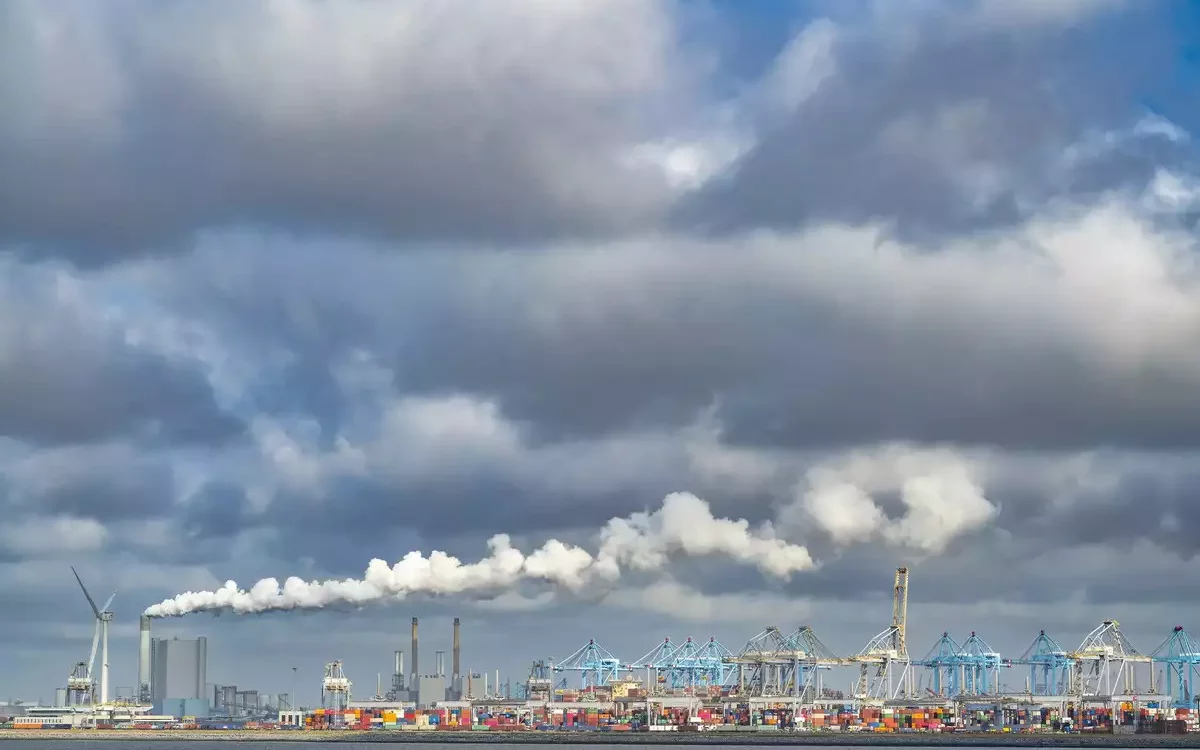
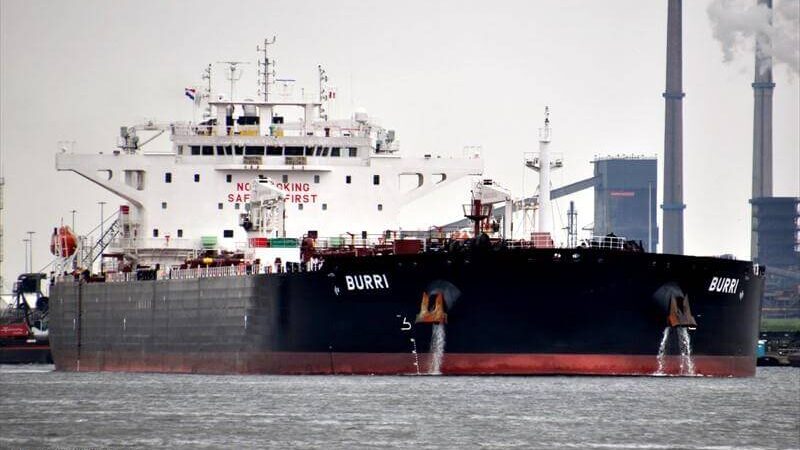
maritime insurers unite

The Significance of Insurance Industry Involvement : The participation of major insurers in this initiative is pivotal for several reasons:

  1. Financial Backing: Insurers bring significant financial resources to the table, allowing for the implementation of large-scale projects and initiatives aimed at preventing cargo fires.
  2. Actuarial Expertise: Insurers have extensive experience in assessing risks and developing models to predict and prevent losses. This expertise can be applied to cargo fire prevention effectively.
  3. Risk Mitigation: By working closely with their clients, the shipping companies, insurers can actively contribute to reducing the risk of cargo fires through better underwriting practices and safety requirements.
  4. Claims Management: Insurers are intimately involved in the aftermath of cargo fires, as they handle claims resulting from such incidents. Their participation in this initiative signifies a commitment to reducing such claims through proactive prevention measures.

Industry Reactions and Support
Numerous stakeholders in the maritime industry have expressed strong support for the consortium’s announcement.Port administrations, industry organisations, and shipping corporations have all stated their support for this joint venture.
While admitting the difficulties ahead, shipping corporations have supported the initiative.Many people have already started talking with the consortium to figure out how they can help with the effort to prevent cargo fires.

Environmental Impact
Cargo fire effects on the environment are frequently disregarded. Injurious chemicals and contaminants can be released into the water when items catch fire at sea.Delicate ecosystems may be harmed, and marine life may be destroyed.This project helps to save our oceans and marine wildlife by lowering the frequency of cargo fires.

Conclusion
A important step has been taken toward improving safety, defending the environment, and saving the lives of seafarers with the formation of this coalition of significant maritime insurers to address the ongoing problem of cargo fires at sea. These insurers stand to significantly impact the maritime sector by combining their knowledge and resources. It is hoped that as they make progress toward their goals of risk assessment, enhanced training, best practices, technology advancements, and data sharing, cargo fires would lessen in frequency and instead become an uncommon hazard in international shipping. This program demonstrates the industry’s dedication to on-going development and maritime safety.

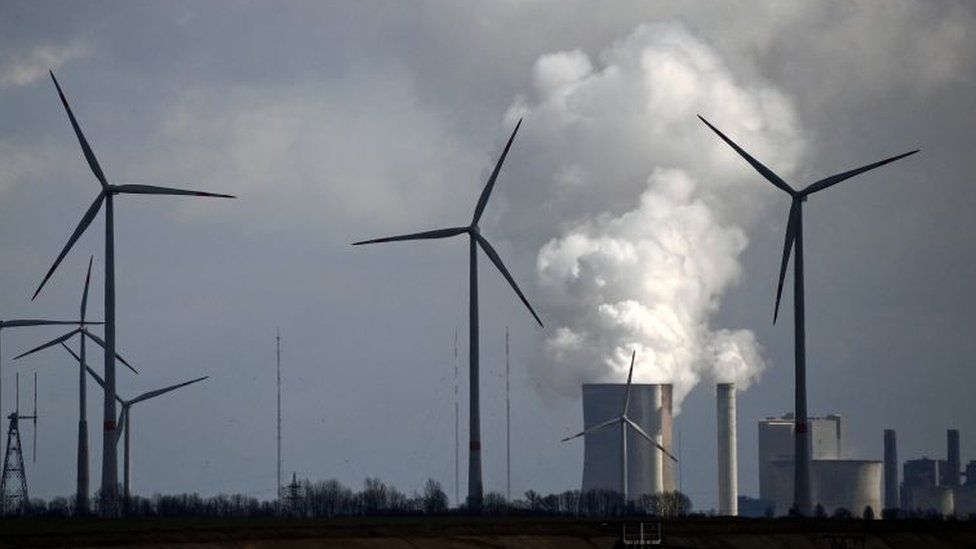
By 2030, the shipping sector hopes to use fuel that is only one-third carbon-neutral

8th September 2023

The global shipping industry, a crucial component of international trade, is embarking on an ambitious journey to reduce its carbon emissions. In a landmark commitment, industry leaders and stakeholders have set their sights on utilizing one-third of the world’s carbon-neutral fuel by 2030. This bold initiative, driven by mounting concerns over climate change and increasing regulatory pressures, marks a significant stride towards a more sustainable future for maritime transportation.

The Shipping Industry’s Carbon Conundrum

The shipping industry, responsible for transporting around 80% of the world’s goods, has long been a major contributor to greenhouse gas emissions. These emissions primarily stem from the use of heavy fuel oil, which releases substantial amounts of carbon dioxide (CO2), sulfur oxides (SOx), and nitrogen oxides (NOx) into the atmosphere.

With climate change concerns taking center stage on the global agenda, there is growing pressure on the industry to decarbonize. The International Maritime Organization (IMO), the United Nations agency responsible for regulating shipping, has already adopted stringent emissions targets, including reducing greenhouse gas emissions by at least 50% by 2050 compared to 2008 levels.

A Pledge for Change

In a bid to meet these targets and accelerate the transition towards cleaner fuels, the shipping industry has made a momentous pledge: to incorporate one-third of the world’s carbon-neutral fuel into its operations by 2030.

The commitment, endorsed by major industry players, including shipping companies, shipbuilders, and fuel producers, marks a turning point in the industry’s approach to sustainability. It signals a collective recognition that a significant shift in fuel consumption is not only necessary but also economically viable in the long run.

carbon free shipping

The Role of Carbon-Neutral Fuels

To achieve this ambitious goal, the shipping industry plans to turn to carbon-neutral fuels, such as hydrogen, ammonia, and biofuels. These fuels offer a promising alternative to traditional heavy fuel oil as they produce little to no carbon emissions when burned. Here’s a closer look at the key carbon-neutral fuel options:

1. Hydrogen

Hydrogen is gaining traction as a clean energy source for the shipping industry. It can be produced using renewable energy sources, such as wind or solar power, through a process called electrolysis. When used in fuel cells, hydrogen generates electricity to power ships, emitting only water vapor as a byproduct.

2. Ammonia

Ammonia is another contender on the path to decarbonization. It can be produced using renewable energy and, like hydrogen, emits zero carbon when burned. The challenge lies in developing safe and efficient storage and propulsion systems for ammonia-powered vessels.

3. Biofuels

Biofuels, derived from organic materials such as algae or plant waste, are a well-established renewable energy source. They can be used in existing engines with minimal modifications and offer a carbon-neutral alternative to conventional fuels.

Overcoming Challenges

While the goal of using one-third carbon-neutral fuel by 2030 is ambitious and promising, it is not without its challenges. Several hurdles must be addressed to ensure the successful implementation of this initiative:

1. Infrastructure Development

To accommodate the use of carbon-neutral fuels, a substantial investment in infrastructure is required. This includes developing hydrogen production facilities, ammonia storage and transport systems, and expanding the availability of biofuels.

2. Research and Innovation

Innovations in ship design and propulsion systems are needed to efficiently utilize carbon-neutral fuels. This may involve retrofitting existing vessels or designing new ships optimized for these alternative fuels.

3. Cost Considerations

At present, carbon-neutral fuels are generally more expensive than traditional fuels. Industry stakeholders must work to drive down costs through economies of scale, technological advancements, and government incentives.

4. Regulatory Framework

The development of a consistent and effective regulatory framework is vital to ensure that the industry’s carbon-neutral fuel transition remains on track. Governments and international bodies must collaborate to establish clear guidelines and incentives for the use of cleaner fuels.

Industry Commitment and Collaboration

Despite these challenges, the shipping industry’s commitment to adopting one-third carbon-neutral fuel by 2030 is a clear indication of its determination to reduce its carbon footprint. Collaboration among industry stakeholders, governments, and environmental organizations will be key to overcoming the obstacles ahead.

Several leading companies have already taken significant steps towards this goal. Maersk, one of the world’s largest container shipping companies, has announced plans to have its first carbon-neutral vessel in operation by 2023. Other major players are also investing in research and development to accelerate the adoption of carbon-neutral fuels.

Environmental and Economic Benefits

Beyond the environmental advantages, the shift to carbon-neutral fuels offers potential economic benefits. It can drive innovation, create new jobs in the renewable energy sector, and position the shipping industry as a leader in sustainable transportation.

Moreover, as governments worldwide implement stricter emissions regulations, ships that run on carbon-neutral fuels may enjoy preferential treatment, reduced port fees, or other incentives. This can help offset the initial higher costs associated with these fuels.

Conclusion

The global shipping industry’s commitment to using one-third carbon-neutral fuel by 2030 is a significant step towards a more sustainable future. It demonstrates a growing awareness of the urgent need to reduce carbon emissions in the maritime sector and signals a collective determination to take action.

While challenges remain, including infrastructure development, innovation, cost considerations, and regulatory frameworks, the industry’s resolve to address these issues is encouraging. With continued collaboration and investment, the shipping industry can navigate these challenges and make substantial progress in reducing its environmental impact, ultimately contributing to a greener and more sustainable planet.

As long as the West doesn’t meet its demands, Russia won’t renew the grain deal

6th September 2023

Overview: Grain Deal

Russia has thrown the global grain market into turmoil by announcing its decision not to renew a crucial grain deal with Western nations until its demands are met. This unexpected move has sent shockwaves through the agricultural industry and raised concerns about food security and geopolitical tensions.

For years, Russia has been a key supplier of wheat and other grains to Western nations, including many European countries. The existing grain deal, which had been in place for over a decade, facilitated the export of Russian grain to the West, ensuring a stable food supply for millions of people.

However, recent political developments have strained Russia’s relations with Western nations, particularly in the aftermath of the Ukraine crisis and ongoing disputes over sanctions. In response to what it perceives as unfair treatment and encroachments on its sovereignty, Russia has chosen to weaponize its agricultural exports.

Demands from Moscow

The Russian government, led by President Vladimir Putin, has outlined a series of demands that must be met before it agrees to renew the grain deal. Among these demands are

  1. Sanctions Relief: Russia is insisting on a significant easing of Western sanctions, including those imposed in response to its actions in Ukraine and other international disputes. The Russian government argues that these sanctions have harmed its economy and are unjust.
  2. Recognition of Crimea: Moscow has long sought international recognition of its 2014 annexation of Crimea from Ukraine. Russia considers Crimea a part of its territory, but most Western nations view the annexation as illegal and have not recognized it.
  3. Non-Interference in Internal Affairs: Russia is calling for a commitment from Western nations to refrain from interfering in its internal affairs, particularly in relation to domestic politics and elections.
  4. Respect for Its Sphere of Influence: Moscow insists on Western acknowledgment of Russia’s historical and geopolitical interests in neighboring countries, often referred to as its “sphere of influence.”
  5. NATO Expansion Halt: One of the most contentious demands is for Western nations to halt the expansion of NATO (North Atlantic Treaty Organization) into Eastern Europe, which Russia sees as a direct threat to its security.

These demands have sparked intense debate and controversy among Western leaders. While some argue that concessions may be necessary to secure a stable food supply, others view this move by Russia as blatant economic blackmail.

Global Ramifications

The refusal to renew the grain deal has far-reaching implications for the global grain market and food security. Russia is one of the world’s largest exporters of wheat, and any disruption in its grain supply can have a cascading effect on global prices and availability.

European countries, in particular, rely heavily on Russian grain imports to meet their food and animal feed needs. The sudden suspension of this vital supply source could result in higher food prices and potential shortages, affecting consumers and businesses alike.

Furthermore, this move by Russia could lead to increased competition for alternative grain sources, putting additional strain on global grain producers. Countries like the United States, Canada, and Argentina might be able to fill some of the supply gap, but logistical challenges and increased demand could lead to supply chain disruptions.

Global Response and Diplomatic Efforts

Western leaders have responded cautiously to Russia’s demands. Diplomatic efforts are underway to find a peaceful resolution to the crisis. However, finding common ground on issues as complex and politically charged as sanctions, territorial disputes, and security concerns is a daunting task.

The European Union, which heavily relies on Russian grain imports, is in a difficult position. It must balance its commitment to upholding international norms and principles with the practical need to ensure a stable food supply for its citizens. The EU is actively engaged in negotiations with Russia, hoping to find a compromise that safeguards both food security and political principles.

The United States, while not as reliant on Russian grain imports as Europe, is also concerned about the broader geopolitical implications of this move. The Biden administration has expressed its commitment to diplomacy and is exploring avenues for dialogue with Russia while maintaining a tough stance on issues such as sanctions and NATO.

Uncertainty Looms

As negotiations between Russia and Western nations continue, uncertainty looms over the global grain market. The longer the dispute persists, the greater the risk of price volatility and supply disruptions. Farmers, food producers, and consumers around the world are watching closely, hoping for a swift and peaceful resolution to this crisis.

In the face of these challenges, the international community must work together to ensure food security and address the underlying political issues that have led to this crisis. The Russia-West grain deal serves as a stark reminder of the interconnectedness of food, politics, and security in today’s globalized world.

The coming weeks and months will be critical in determining whether Russia’s demands are met and if the global grain market can weather this storm. The stakes are high, and the world is watching as leaders grapple with the complex task of balancing political interests and the basic need for sustenance.

Shanghai Jiushi: First Zero-Emission Battery-Powered Cruise Ship to be Launched in China

5 September 2023

Overview: Shanghai Jiushi: first zero-emission Cruise Ship

Shanghai Jiushi: first zero-emission cruise ship, will be unveiled by China in a game-changing step toward environmentally friendly maritime transportation. This incredible accomplishment represents a crucial turning point in the global fight against climate change and the reduction of the shipping sector’s carbon footprint.

Sustainable Transportation Revolution

The Shanghai Jiushi, a project of the Shanghai Jiushi Group, represents a revolutionary change in the cruise ship industry. The ship, whose maiden voyage is planned for later this year, has cutting-edge battery technology that will completely eliminate the harmful emissions typically associated with cruise ships that use fossil fuels.

The cruise industry has long been criticized for its environmental impact, with traditional cruise ships emitting copious amounts of greenhouse gases, sulfur dioxide, and other pollutants into the atmosphere. The Shanghai Jiushi aims to rewrite this narrative by pioneering a new era of clean and green cruising.

Cutting-Edge Battery Technology

The ship’s advanced battery technology lies at the core of this nautical revolution. The propulsion system and onboard amenities of the Shanghai Jiushi are powered by a sizable lithium-ion battery bank that is installed on the ship. This cutting-edge battery system has a capacity of up to 7,500 kWh, giving the ship a range of about 80 nautical miles on a single charge.

The batteries’ design includes features for quick and easy recharging in addition to optimal energy efficiency. When parked, the ship can be powered by renewable energy sources like solar and wind power to recharge, thus minimizing its impact on the environment.

Unparalleled Luxury and Comfort

The Shanghai Jiushi does not compromise on comfort or elegance despite its dedication to sustainability. The ship has a number of amenities and services on par with the most opulent cruise ships in the world. While enjoying top-notch food, entertainment, and relaxation, passengers may feel good about their contribution to a better and cleaner future.

The Shanghai Jiushi’s accommodations are roomy, tastefully decorated, and have stunning ocean views. The ship’s architecture and internal layout innovate environmentally mindful travel by effortlessly fusing contemporary aesthetics with sustainable materials.

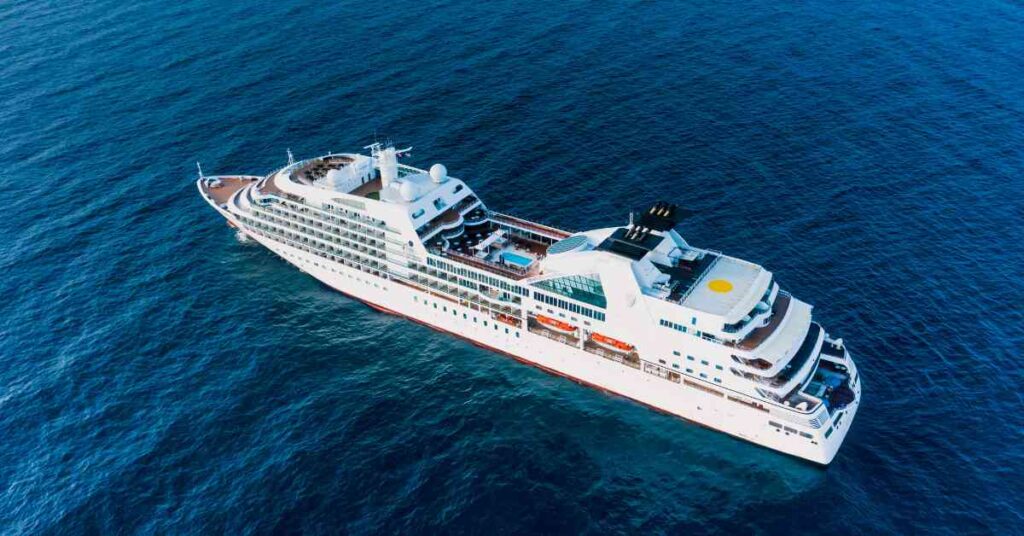
Shanghai Jiushi: first zero-emission

A Commitment to Environmental Stewardship

The launch of the Shanghai Jiushi aligns with China’s commitment to sustainable development and environmental protection. The Chinese government has set ambitious targets for reducing carbon emissions, and the maritime sector is a crucial component of this strategy. By introducing this innovative battery-powered cruise ship, China is not only taking a giant step towards achieving its emissions reduction goals but also leading the global maritime industry towards a more sustainable future.

Global Implications

The significance of the Shanghai Jiushi extends far beyond China’s borders. It serves as a testament to what is possible when innovation, technology, and environmental responsibility converge. The global cruise industry is closely watching this development, as other countries and companies seek to replicate this remarkable feat. It is expected that the launch of the Shanghai Jiushi will catalyze a broader shift towards clean energy and zero-emission cruise ships worldwide.

A Bright Future for Clean Cruising

The Shanghai Jiushi is emerging as a symbol of inspiration and optimism as the globe struggles with the pressing need to solve climate change. It demonstrates how even sectors that have a reputation for pollution can change in order to support the sustainability objectives of the planet. The Shanghai Jiushi’s debut will mark the beginning of a new age in clean cruising, allowing travelers to travel the world’s waters with little impact on the environment.

Conclusion

The unveiling of the “Shanghai Jiushi” as the world’s first zero-emission battery-powered cruise ship represents a remarkable achievement for China and the global maritime industry. This revolutionary vessel stands as a beacon of hope for environmentally conscious travelers and serves as a reminder that innovation and environmental stewardship can coexist. As the Shanghai Jiushi prepares for its inaugural voyage, it is poised to inspire change and lead the way towards a more sustainable and responsible future for the cruise industry.

Russia’s Grain Deal Standoff: Implications For Global Food Security

5 September 2023

Overview: Russia’s Grain Deal

Russia’s Grain Deal: Russia has announced its refusal to extend a major grain agreement with Western nations until its demands are met, in a stunning decision that has shocked agricultural markets throughout the world. The decision, which comes amid rising Western-Russian tensions, poses a threat to the global food supply chain and has sparked worries about its potential effects on food security.

The Risk to the Grain Deal

Russia has long been a significant player in the world’s grain trade, sending significant amounts of wheat, barley, and other grains to nations in Europe, the Middle East, and Asia. These exports have been crucial in helping millions of people worldwide meet their dietary demands, making Russia a significant supplier in the world’s food supply chain.

The grain deal in question, which is set to expire at the end of this year, has been a cornerstone of Russia’s economic relationship with Western nations. Under the terms of the agreement, Russia has been exporting a significant portion of its grain to Western countries in exchange for much-needed foreign currency.

Russia’s Demands

Western nations are confused and concerned by Russia’s determination to not renew the grain contract until its demands are met. Although the demands’ specifics have not been made public, insiders claim that they are connected to more general geopolitical concerns and may involve relaxing economic sanctions against Russia, providing security assurances in Eastern Europe, and acknowledging Russia’s influence in nearby nations.

The Kremlin has not formally endorsed these requests, but it has made hints that the grain agreement is linked to larger political talks. Russian officials have highlighted that the nation’s economic interests and national security concerns should be taken into account together.

Escalating Tensions

The grain agreement was not renewed at a time when tensions between Russia and Western countries were rising. Diplomatic ties have been strained as a result of the conflicts in Ukraine, allegations of cyberattacks, and disagreements over the sovereignty of neighboring nations. As a result, Western powers have imposed economic sanctions on Russia.

The development of China as a significant player in the global grain market has made the issue even more complicated. In an effort to lessen its dependency on the United States and other Western nations, China has been aggressively looking for alternative grain suppliers. Russia’s choice may provide China a chance to deepen its ties with Moscow, potentially changing the dynamics of the world grain market.

Russia's Grain Deal

Global Food Security Concerns

Because of the market’s high degree of interdependence, any break in the supply chain could have far-reaching effects. One of the biggest exporters of grains in the world, Russia’s decision to not renew the grain agreement has sparked worries about global food security.

Russia’s action may have a particularly negative effect on nations that import a lot of Russian grain. Particularly the Middle East and North Africa have been major consumers of Russian grains, and finding alternate sources of supplies may be difficult for them. Food shortages and increased pricing could result from this in some areas.

Furthermore, the uncertainty surrounding the grain deal could trigger volatility in commodity markets, affecting prices not only for grains but also for other agricultural products. Consumers worldwide may feel the ripple effects of this decision in their grocery bills.

International Response

The decision made by Russia has drawn criticism from senior Western figures, who have also advocated for a diplomatic solution to the problem. Both the European Union and the United States have pledged to uphold the security of the world food supply chain and have offered to hold talks with Russia to allay its worries.

International agencies are closely observing the issue, particularly the Food and Agriculture Organization (FAO) of the United Nations. The FAO has urged for a concerted response to prevent the increasing tensions from endangering global food security.

Conclusion

Russia’s refusal to renew the grain deal until its demands are met has cast a shadow of uncertainty over the global food supply chain. The situation highlights the interdependence of the world’s economies and the risks associated with geopolitical tensions impacting essential commodities like grains.

The coming months will be critical as diplomats and leaders from both sides seek to find a resolution to the crisis. The world will be watching closely, hoping for a peaceful resolution that safeguards global food security and helps to de-escalate the broader geopolitical tensions that have brought us to this point.

Kenya-India Maritime Partnership: Boosting Security And Shipbuilding

5 September 2023

Overview: Kenya-India Maritime Partnership

Nairobi, Kenya – Kenya-India maritime Partnership have announced a joint endeavor to improve marine security and increase shipbuilding skills, which is a big development for both countries. Through the cooperation, opportunities will be created for technology transfer and talent development, as well as for closer economic linkages and increased security in the Indian Ocean region. This project promises to have significant effects on both countries and the region’s geopolitics as a whole.

Increased Maritime Security

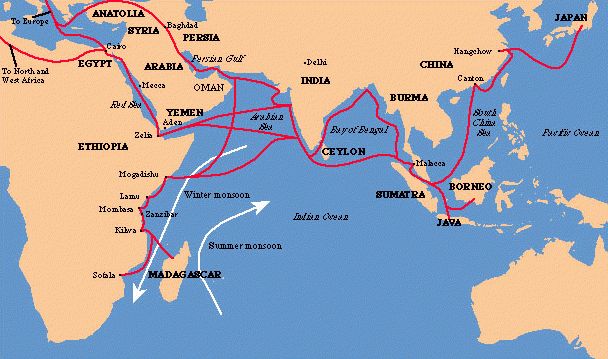
The rise in piracy, illegal fishing, and other international dangers has made maritime security a top priority in recent years. An important chunk of the world’s trade goes across the Indian Ocean, which is particularly at risk. Kenya and India have strengthened their collaboration in marine security as a result of realizing this.

Kenya plays a critical role in protecting Indian Ocean shipping lanes thanks to its strategic location along Africa’s eastern coast. India, a major maritime nation in the region, has a wealth of knowledge and resources. Through this partnership, the two countries will be able to exchange information, go on joint patrols, and work together to coordinate their efforts to stop piracy and other illegal maritime operations.

Uhuru Kenyatta, the president of Kenya, stressed the significance of this alliance by declaring that “Maritime security is essential for economic development and regional stability. In addition to defending our shared interests, Kenya and India working together will promote stability and prosperity in the Indian Ocean.

Fostering Capabilities for Shipbuilding

Kenya and India work together on projects that go beyond security issues. Additionally, there is a strong emphasis on Kenyan shipbuilding capacity development. India’s shipbuilding sector is strong and has a long history, and it wants to help its Kenyan counterparts by imparting knowledge, technology, and best practices.

This project supports Kenya’s long-term objectives of building out its marine infrastructure and improving its capacity for maritime trade. Kenya wants to develop itself as a center for shipbuilding and repair services on the east coast of Africa by setting up shipbuilding facilities and enhancing regional ship maintenance and repair skills.

The collaboration was welcomed with enthusiasm by Indian Prime Minister Narendra Modi, who declared, “India is dedicated to assisting Kenya’s objectives in the shipbuilding sector.We think that this agreement will deepen our relations in the maritime industry while also generating jobs and stimulating economic growth.

Kenya-India maritime partnership

Financial Implications

The partnership between Kenya and India has enormous economic potential for both nations.Significant investment opportunities should result, and commerce in maritime-related businesses should be encouraged. Additionally, the introduction of shipbuilding facilities in Kenya could spark the growth of the local economy and result in the production of numerous jobs.

Furthermore, other countries in the region might gain from this collaboration. Increased peace and prosperity in the Indian Ocean region may result from enhanced security and economic opportunities brought about by cooperation between Kenya and India.

Geographical Importance

The relationship between Kenya and India in shipbuilding and maritime security has significant geopolitical ramifications. This development will probably be noticed by China, which has been increasing its presence in the Indian Ocean through its Belt and Road Initiative. It represents India’s expanding regional dominance and its attempts to balance China’s maritime ambitions.

Even though Kenya and India have both stated their support for an approach that is open and inclusive in the Indian Ocean, the cooperation may have effects on the wider struggle for influence in the region. The United States, Japan, and European countries, as well as other countries with interests in the Indian Ocean, will be keenly monitoring these developments.

Kenya delegation visited Goa Shipyard

Future Prospects

The Kenya-India collaboration on maritime security and shipbuilding is a tribute to the developing ties between the two nations. This collaboration is anticipated to result in a number of projects and agreements that will influence how they work together in the future.

Joint naval exercises, intelligence sharing, and the construction of marine training programs are a few probable future possibilities. Additionally, the coordinated shipbuilding activities may result in the production of vessels for export to nearby nations in addition to domestic use.

This partnership’s development will surely have a big impact on the Indian Ocean region’s economy, security, and geopolitical environment. The world will be closely watching to see how Kenya and India navigate these waters and work together to achieve their shared goals.

In conclusion, the collaboration between Kenya and India on marine security and shipbuilding is a positive development that promises to boost relations between the two countries, bring about economic gains, and increase security. Kenya and India are prepared to make important contributions to the stability and prosperity of the Indian Ocean region as they set out on this journey, as well as have an impact on the larger geopolitical dynamics of the region.

Ocean Floor Sterilization Caused By Sand Extraction Is A Growing Environmental Concern

5 September 2023

Introduction: Sand Extraction

Sand, a material that appears to be abundant throughout beaches and underneath the ocean’s surface, is essential in forming coastal ecosystems and maintaining marine life. Sand dredging, however, is having a terrible influence on the delicate equilibrium of our oceans since it is an uncontrolled and frequently indiscriminate practice. Recent research and environmental reports are demonstrating the extent to which sand dredging is sterilizing the ocean floor, harming marine habitats, and upsetting the larger ecological web.

Sand Supply and Demand

Construction, manufacturing, and a number of industrial operations all involve sand, which is an essential part of our daily life. High-quality beach and seabed sand, which is best for building purposes, is in high demand rather than simply any sand. Sand demand has increased dramatically as urbanization and infrastructure development continue to grow.

To meet this demand, an industry of sand extraction has flourished, with companies resorting to dredging the ocean floor and shorelines to harvest sand. The consequences of this extraction are far-reaching, and they go beyond the immediate removal of sand from aquatic environments.

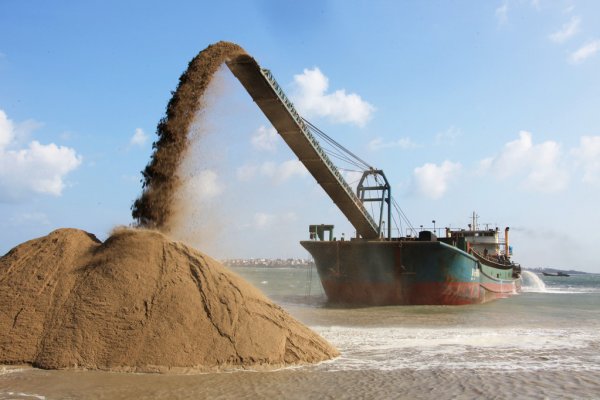
Sand Extraction

Sweeping up the ocean floor

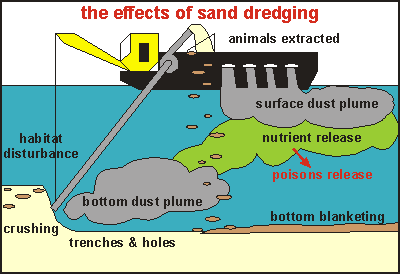
Sand is removed from the ocean floor during the sand dredging operation, frequently with the aid of sizable ships fitted with strong suction dredgers. Not only is this practice depleting the ocean floor of its natural sand resources, but it is also seriously harming marine ecosystems.

The sterilization of the ocean floor is one of the most concerning effects. The growth of seagrasses, corals, and other organisms can be supported by the sand, which is an essential habitat for a variety of marine species. These ecosystems are lost when sand is removed, which forces several marine animals to shift and puts them in danger.

Environmental disruption

Sand habitat loss has a cascading effect on the ecosystem as a whole. These areas are necessary to many fish species for mating and shelter, and when these habitats vanish, the fish populations suffer. This has an impact on larger predators that eat these fish, which propagates along the food chain.

Additionally, sand removal from coastal regions causes beach erosion, which can cause coastal flooding, property damage, and the loss of livelihoods for coastal populations. In essence, sand dredging directly threatens human settlements that depend on the integrity of coasts in addition to harming marine ecosystems.

Inadequate Regulation and Illegal Sand Mining

The lack of efficient control and oversight in many areas is one of the most alarming features of sand dredging. Although several nations have put rules and laws in place to control sand extraction, enforcement is sometimes lax, which encourages illegal and unregulated sand mining.

Sand mining that is done illegally not only worsens environmental effects, but also maintains social and economic inequities. It frequently happens in exposed coastal locations when local communities might not have the means to safeguard their environment and way of life. They are frequently left to take the brunt of the harm brought on by sand dredging as a result.

effects of sand dredging

Environmental Impacts

Sand dredging has longer-term effects on the environment in addition to its immediate effects on marine ecosystems. The natural flow of sediment, which is essential for preserving the stability of coastal habitats, is disrupted when sand from seas and coasts is removed. Without enough silt, coastal erosion worsens and the likelihood of flooding rises.

Sand extraction also adds to the release of pollutants that are bonded to sediment into the ocean, further lowering water quality and endangering marine life. The transport of nutrients and critical minerals, which are crucial for marine ecosystems, might be impacted by the disruption of normal sediment dynamics.

Worldwide Problems and actions Requests

The negative impacts of sand dredging are widespread and not limited to a particular area. The ecological and socioeconomic effects of unrestrained sand mining have been seen in coastal regions of Asia, Africa, the Americas, and Europe.

As a result, there is growing awareness on a global scale about the need for tougher laws and environmentally friendly procedures in the sand dredging sector. The urgency of tackling this issue has been underlined by groups like the International Union for Conservation of Nature (IUCN) and the United Nations Environment Programme (UNEP). They emphasize the significance of developing stronger regulatory frameworks, adopting sustainable sand mining practices, and funding research to better understand the effects of sand extraction.

Conclusion

Although sand dredging may appear like a typical activity, it has extensive and harmful effects on the ocean floor and coastal ecosystems over time. In addition to contributing to coastal erosion and water quality degradation, it sanitizes habitats and upends food networks. At the local, national, and international levels, immediate action is required to control and lessen the negative consequences of sand dredging.

Stricter laws, improved oversight and enforcement, investments in environmentally friendly alternatives to sand extraction, and public awareness campaigns are just a few of the many steps that must be taken to address this issue. We must strike a balance between the need for sand and the need to preserve marine ecosystems if we hope to maintain the health of our oceans and the prosperity of coastal communities. We have the best chance of stopping the trend of sterilizing our ocean floors and preserving the future of our seas if we work together.

India’s Ship Management Sector Set For 6%+ CAGR Growth

4 September 2023

Overview: India’s Ship Management Sector CAGR Growth

Captain Bjorn Hojgaard, CEO of Anglo-Eastern Group, forecasts a 6%+ CAGR increase in India’s ship management industry, providing new employment opportunities for Indian sailors. This industry, which has more than 153 large and medium-sized businesses, has enormous potential for the marine sector in India and its seafaring experts. Members of the Maritime Association of Shipowners, Shipmanagers, and Agents are located in Kolkata, a center for ship management firms. This industry is anticipated to beat the 5% CAGR growth anticipated for the worldwide cargo transportation industry. Anglo-Eastern Group is mostly dependent on 4,500 seafarers, the majority of them are from West Bengal.

The ship management industry in India is expected to grow rapidly in the years to come, with experts predicting a compound annual growth rate (CAGR) of over 6%. A number of factors, such as the increased demand for shipping services worldwide, the nation’s advantageous geographic location, and its dedication to enhancing maritime infrastructure and services are responsible for this upbeat outlook.

Rise of the World’s Maritime Industry

Due to rising trade volumes and the demand for effective and affordable shipping solutions, the global maritime industry has recently seen a renaissance. India is ideally situated to benefit from this expansion thanks to its extensive coastline and closeness to important global trade routes. The sector was briefly interrupted by the COVID-19 outbreak, but it has since recovered, offering fresh chances for ship management firms in the nation.

Trade Routes and Strategic Location

India’s geographic location is a huge benefit for its ship management industry. The Suez Canal and the Strait of Malacca are only two examples of the country’s advantageous geographic location along major international commerce routes. As a result, it is a crucial component of international shipping and a desirable location for ship management businesses wishing to grow their business.

India's ship management sector

Advancements in Technology and Digitalization

The ship management industry is changing as a result of digitization and the introduction of new technology. Artificial intelligence (AI), Internet of Things (IoT), and data analytics are being used more frequently by Indian businesses to enhance vessel maintenance, efficiency, and safety. These technologies not only improve operational effectiveness but also save expenses and have a smaller environmental impact.

Demand for Sustainable Shipping is Growing

In the world of shipping, sustainability is becoming a bigger issue. Ship management businesses are adjusting to new sustainability requirements as a result of escalating environmental laws and a focus on lowering greenhouse gas emissions. The ship management industry in India is no exception, as it seeks to support global initiatives to lessen the carbon footprint of maritime operations.

Development of Infrastructure and Government Initiatives

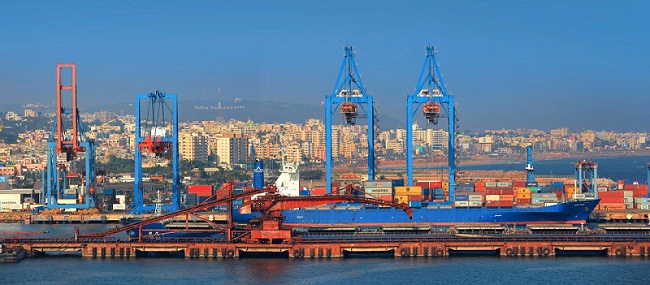
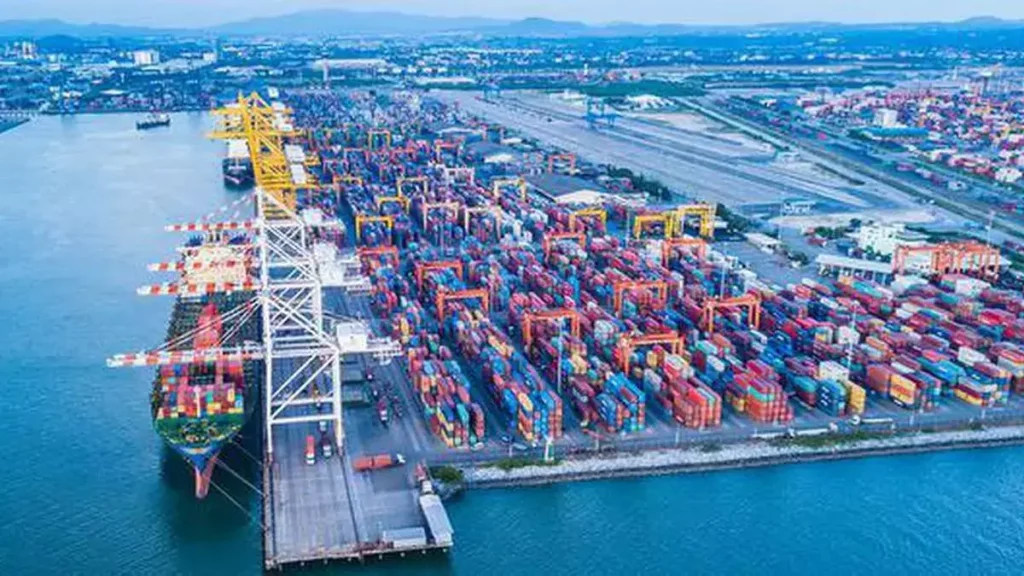
The expansion of the maritime industry has been actively supported by the Indian government. Initiatives like “Sagarmala” and “Make in India” sought to improve port facilities, simplify logistics, and advance shipbuilding and repair activities. India is now a more exciting location for shipowners and operators because to investments made in ports and terminals, which have enhanced their capacity and efficiency.

The ship management industry has also benefited from regulatory reforms, improved economic conditions, and a reduction in bureaucratic barriers. This has prompted both domestic and foreign firms to investigate prospects in India’s maritime sector.

infrastructure growth at Visakhapatnam port in India

Workforce Development and Skills

India is funding skill-building and training for its maritime workers in order to sustain the anticipated expansion. The effective management and operation of vessels depends on a personnel that has received proper training. Future marine professionals are getting the knowledge and skills they need at various institutions and training facilities across the nation.

Challenges and the Market Environment

Despite having a promising future, India’s ship management industry nevertheless faces a number of obstacles. These include the necessity for ongoing technical advancements, fluctuating fuel prices, growing competition from multinational companies, and regulatory compliance. The current pandemic’s potential effects on world trade are also still unknown. India’s ship management firms must respond to these difficulties by embracing innovation, improving operational effectiveness, and keeping a laser-like focus on compliance and safety.
Conclusion

The ship management industry in India is expected to develop significantly over the next several years, with a CAGR of over 6%. India is a major participant in the global marine sector because to a number of factors, including its strategic location, government efforts, infrastructural development, technology improvements, and a trained labor population. Despite ongoing difficulties, the industry’s dedication to sustainability and innovation will be crucial in ensuring its success in the future. India’s ship management business is well-positioned to play a significant role in determining the direction of the industry as long as the globe depends on shipping for the transfer of products.

Black Sea Shipping is expected to dominate news stories this week

4th September 2023

Overview: Black Sea Shipping

The Black Sea Shipping, a crucial nexus of global trade and geopolitics, is poised to take center stage in the world’s attention this week as several significant developments unfold. From escalating tensions in the region to the expansion of critical infrastructure projects, the Black Sea is proving to be an area of immense significance for international trade and security.

Tensions Rise Amidst Geopolitical Struggles

One of the primary factors driving the Black Sea into the headlines is the escalating geopolitical tensions between Russia and Ukraine. The longstanding conflict, which reached its zenith with Russia’s annexation of Crimea in 2014, continues to simmer, periodically erupting into military clashes and skirmishes.

In recent weeks, the situation has taken a turn for the worse, with both sides accusing each other of provocations. The Ukrainian government has expressed concerns over the buildup of Russian troops along the border, while Russia claims it’s merely responding to perceived threats from NATO and Ukraine. As the rhetoric heats up, the international community is closely watching the situation, fearing an outbreak of renewed hostilities that could disrupt shipping lanes and impact global energy markets.

Energy Transit Routes in the Spotlight

The Black Sea plays a pivotal role in the transit of energy resources, with several critical pipelines and shipping routes passing through its waters. The most notable of these is the Bosporus Strait, a narrow and congested waterway that connects the Black Sea to the Mediterranean. This strategic passage is a chokepoint for the transport of oil and gas from Russia and other energy-rich countries to global markets.

The Bosporus Strait has been a source of contention for years, with Turkey asserting control over its traffic and often restricting the movement of large vessels, particularly oil tankers, for safety reasons. In response to these concerns, alternative energy transit routes are being explored. One such project is the Southern Gas Corridor, which aims to transport Caspian Sea natural gas through pipelines running from Azerbaijan to Europe, bypassing the Black Sea altogether. As discussions around energy transit routes intensify, the future of the Black Sea’s role in global energy supply remains uncertain.

Infrastructure Projects Signal Regional Ambitions

Beyond the geopolitical wrangling and energy concerns, the Black Sea region is witnessing significant infrastructure developments that could reshape its economic and strategic importance. One of the most notable projects is the construction of the Istanbul Canal in Turkey.

The Istanbul Canal, often dubbed “Canal Istanbul,” is a massive undertaking that aims to create an artificial waterway connecting the Black Sea to the Sea of Marmara. This ambitious project, initiated by the Turkish government, has sparked both enthusiasm and controversy. Proponents argue that it will relieve congestion in the Bosporus and boost the region’s economy. However, environmentalists and some experts worry about the ecological impact and potential risks associated with the canal’s construction.

Meanwhile, countries bordering the Black Sea, including Bulgaria and Romania, are investing in their ports and maritime infrastructure to accommodate larger vessels and increase their share of Black Sea trade. These developments reflect the broader regional ambitions and the growing economic significance of the Black Sea.

Security Implications for NATO

The Black Sea region holds strategic importance for the North Atlantic Treaty Organization (NATO) as well. NATO members Romania and Bulgaria share the Black Sea coastline, and the alliance has been reinforcing its presence in the region in response to Russian assertiveness. This includes the establishment of a NATO Maritime Command in the Black Sea and increased joint exercises with partner nations.

NATO’s commitment to safeguarding the Black Sea has been met with mixed reactions from Russia, further contributing to regional tensions. The alliance’s presence is seen as a counterbalance to Russia’s influence, but it also raises concerns about the potential for accidental clashes in the crowded waters.

Global Implications

The developments in the Black Sea region reverberate far beyond its shores. The international community is closely monitoring the situation, particularly given the global impact of disruptions to energy transit routes and the potential for regional conflicts.

The Black Sea’s importance in global trade cannot be overstated. It connects Europe to Asia, serves as a vital energy corridor, and hosts a complex web of geopolitical interests. Any disruptions in the region could lead to higher energy prices, supply chain disruptions, and further geopolitical instability.

As the situation in the Black Sea continues to evolve, it remains a hotbed of complex issues with significant global implications. The world will be watching closely, hoping for diplomatic solutions that promote stability and economic prosperity while preventing the outbreak of conflict in this critical region.

Panama Canal Operations Navigate Challenges Across Shipping Segments

2nd August 2023

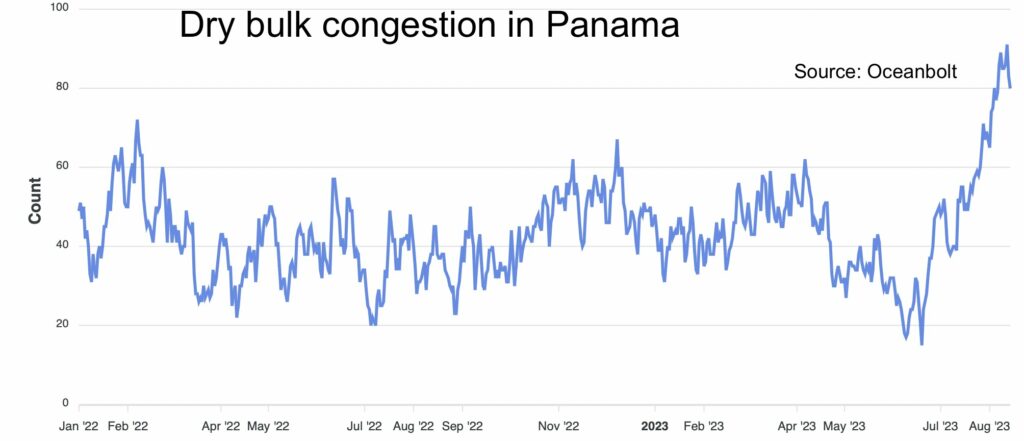
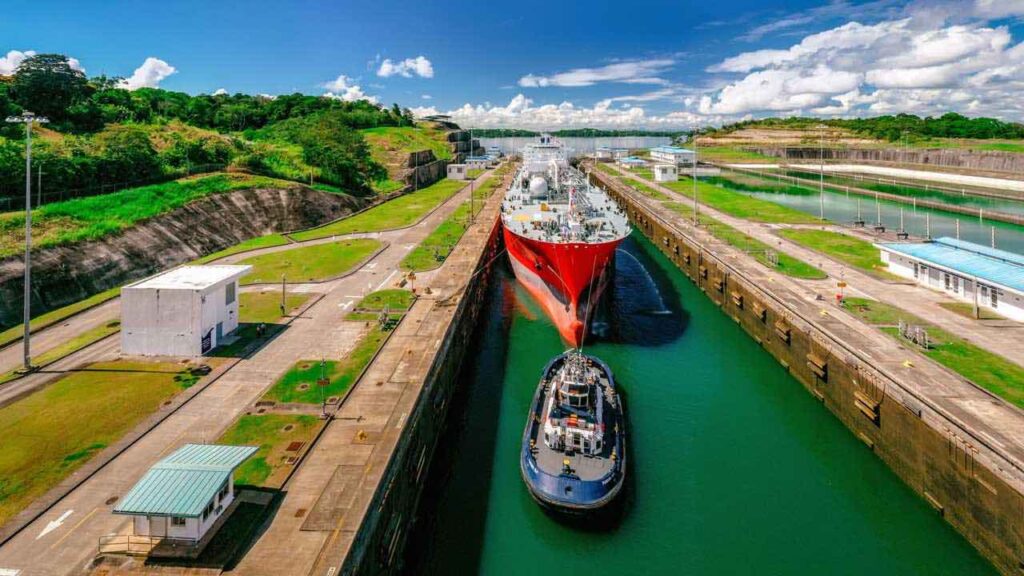
The Panama Canal, one of the world’s most vital maritime arteries, is currently facing unprecedented challenges that are rippling through every shipping segment. From container ships to bulk carriers and liquefied natural gas (LNG) tankers, each sector is feeling the impact of a rapidly evolving global landscape. In this article, we delve into the latest developments and how they are affecting each shipping segment.

Container Shipping

Container shipping, a cornerstone of global trade, has been significantly affected by the ongoing disruptions in the Panama Canal. The rise in container traffic, primarily driven by e-commerce, has exacerbated congestion issues and strained the Canal’s capacity. Vessels are facing longer waiting times, leading to delays in delivering goods worldwide. This is particularly problematic for time-sensitive shipments and industries reliant on just-in-time inventory systems.

Furthermore, container ships are grappling with a shortage of empty containers in some cases, leading to supply chain bottlenecks. Shippers are also navigating soaring transportation costs due to the increased demand for container space. These challenges are forcing companies to reevaluate their supply chain strategies, consider alternative routes, and even invest in larger vessels capable of traversing the expanded Canal.

Bulk Carriers

Bulk carriers, responsible for transporting commodities such as grains, ore, and coal, have faced their own set of challenges. The Panama Canal’s draft restrictions, which limit the maximum depth of vessels that can pass through, have made it difficult for larger bulk carriers to utilize the Canal fully. This has led to increased shipping costs, as many vessels opt for longer routes around South America, like the Cape of Good Hope.

Additionally, the Canal’s restrictions have prompted some countries to explore alternative trade routes. For example, Brazil has been investing heavily in expanding its northern ports, which could provide a competitive alternative to the Panama Canal for exporting grains and other bulk commodities. While these investments will take time to materialize fully, they could reshape the global bulk shipping industry in the long term.

LNG Tankers

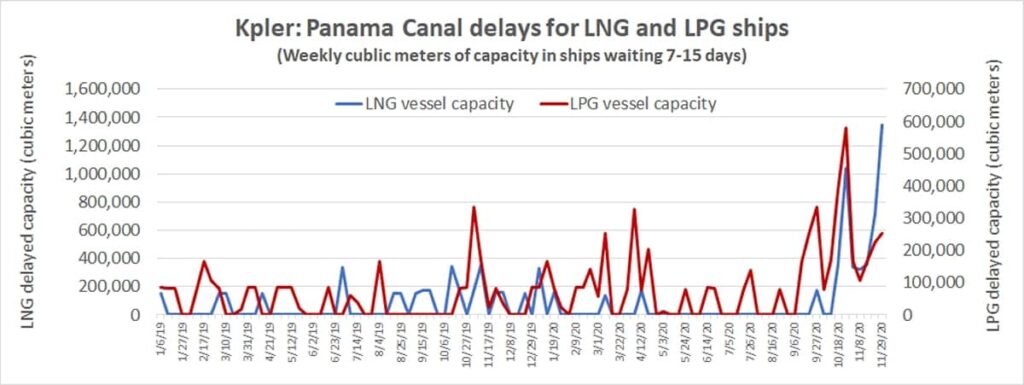
The LNG industry, which has seen significant growth in recent years, relies on the Panama Canal for expedited shipments from the United States Gulf Coast to markets in Asia and the Pacific. However, LNG tankers have faced challenges related to the Canal’s limitations, particularly with regards to vessel size.

Larger LNG carriers require deeper draft allowances, which the Canal struggles to accommodate. As a result, many LNG shipments have had to bypass the Canal, opting for longer routes around South America. This not only increases transit times but also adds to fuel costs and environmental concerns.

To address this issue, Panama has initiated discussions with the shipping industry and relevant stakeholders to explore potential solutions, such as dredging certain areas of the Canal to increase draft allowances. These efforts aim to ensure that the Canal remains a competitive route for LNG tankers and supports the growing global demand for cleaner energy sources.

Impact on Global Trade

The impact of challenges in the Panama Canal on global trade is significant and multifaceted. The Panama Canal plays a pivotal role in facilitating the movement of goods between the Atlantic and Pacific Oceans, and disruptions in its operations can have far-reaching consequences for international commerce. Here are some key ways in which the challenges in the Panama Canal impact global trade

  1. Delays and Disruptions: One of the most immediate and visible impacts of Canal challenges is delays in shipping schedules. Container ships, bulk carriers, and LNG tankers all experience longer waiting times, leading to delays in the delivery of goods to their destinations. This can disrupt supply chains, affecting businesses’ ability to meet customer demands promptly.
  2. Increased Costs: Longer transit times and delays result in increased shipping costs. Shipping companies often pass these added expenses onto consumers, leading to higher prices for imported goods. In some cases, businesses may absorb the additional costs, affecting their profit margins.
  3. Supply Chain Disruptions: Many industries rely on just-in-time inventory systems to minimize storage costs and maximize efficiency. Delays in shipping can disrupt these systems, leading to shortages of critical components and impacting manufacturing and production processes worldwide. Industries like automotive and electronics, which require precise coordination of parts and components from various locations, are particularly vulnerable.
  4. Commodity Price Fluctuations: The challenges in the Panama Canal can affect the supply and demand dynamics of commodities. For example, disruptions in bulk carrier shipments can lead to fluctuations in the prices of grains, ore, and other bulk commodities. These price variations can impact industries that rely on stable commodity prices, such as agriculture and mining.
  5. Exploration of Alternative Routes: To mitigate the risks associated with Canal-related disruptions, some shipping companies and nations are exploring alternative trade routes. This includes using routes that bypass the Panama Canal entirely, such as the Cape of Good Hope in South Africa or the Northern Sea Route through the Arctic. These alternative routes can affect the profitability of the Canal and have geopolitical implications.
  6. Infrastructure Investments: Countries and companies affected by Canal challenges may invest in infrastructure projects to reduce their dependence on the Canal. For instance, countries like Brazil have been expanding their northern ports to accommodate larger bulk carriers and reduce reliance on the Canal for grain exports. These investments reshape global trade routes over the long term.
  7. Environmental Concerns: Longer shipping routes, such as circumnavigating South America, can result in increased fuel consumption and emissions. This is a significant concern as nations and industries are striving to reduce their carbon footprints. It highlights the environmental consequences of disruptions in Canal operations.
  8. Geopolitical Considerations: The Panama Canal’s importance extends beyond economics; it has geopolitical significance as well. Control over the Canal and its smooth operations can influence the strategic positioning of nations and alliances. Disruptions may lead to political tensions and diplomatic efforts to secure alternative routes.

Conclusion

The Panama Canal, a linchpin of global maritime trade, is navigating significant challenges that are impacting shipping segments across the board. Container ships are grappling with congestion and rising costs, bulk carriers face draft restrictions, and LNG tankers contend with size limitations. These issues reverberate through the global supply chain, affecting businesses and consumers alike.

As the world continues to adapt to evolving trade dynamics, the future of the Panama Canal remains uncertain. However, it is clear that stakeholders from governments to shipping companies are actively engaged in finding solutions to ensure the Canal’s continued relevance in an ever-changing global economy. The outcomes of these efforts will shape the future of international trade for years to come.

China Merchants Readies Methanol-Fuelled VLCC Taking Step towards Green Maritime Innovation

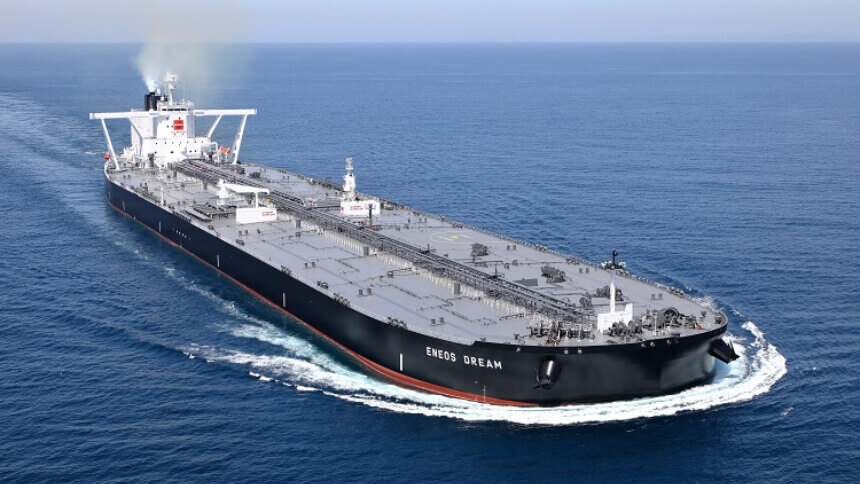
In a significant move towards sustainable maritime practices, China Merchants Group is reportedly gearing up to place an order for a series of Very Large Crude Carriers (VLCCs) powered by methanol. The board of the Shanghai-listed energy transport unit of China Merchants Group has unanimously approved the construction of one vessel which cost $107.5m. This groundbreaking initiative not only demonstrates China’s commitment to reducing greenhouse gas emissions but also marks a notable stride in the shipping industry’s ongoing efforts to adopt alternative fuels and minimize its environmental impact.

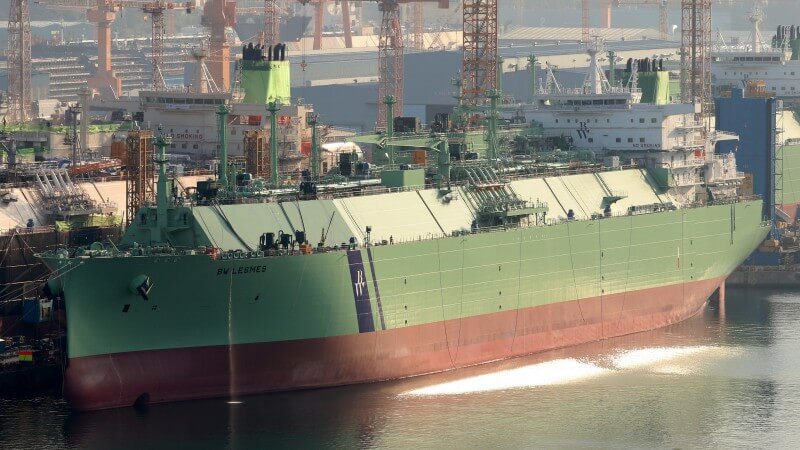
Methanol-Fueled as a Green Marine: China Merchants

China Merchants Group, a renowned state-owned conglomerate, has long been at the forefront of innovative solutions within the maritime sector. This time, the group is focusing on incorporating methanol, a renewable and environmentally friendly fuel, into the very heart of its fleet. Methanol, often termed as a “bridge fuel” due to its potential for reducing emissions compared to traditional fossil fuels, holds the promise of achieving carbon neutrality in shipping.

Methanol is recognized for its clean-burning properties, which lead to lower greenhouse gas emissions, including carbon dioxide and sulfur oxides, when compared to conventional marine fuels. The adoption of methanol in VLCCs marks a crucial step in aligning with the International Maritime Organization’s (IMO) strategy to reduce total annual greenhouse gas emissions from international shipping.

China’s Maritime Industry Leading the Green Transition

The move by China Merchants Group aligns well with China’s broader sustainability goals. The nation has been making significant strides to tackle pollution and enhance environmental protection across various sectors. In the maritime context, China’s commitment to the reduction of emissions is underscored by this order of methanol-powered VLCCs, which could serve as a model for other global shipping giants to follow suit.

China’s maritime industry has also been investing in research and development related to alternative fuels and energy-efficient vessel designs. The successful implementation of methanol-powered VLCCs could potentially catalyze similar efforts within the shipping industry on a global scale.

Benefits Beyond Emissions Reduction

The transition to methanol-fueled VLCCs holds benefits beyond emissions reduction. Methanol is a widely available fuel, with a global production capacity that could support the shipping industry’s energy needs. This could contribute to energy security and price stability, in addition to environmental benefits.

Moreover, methanol-powered engines are known for their lower maintenance requirements, which could lead to reduced operational costs over the lifespan of these vessels. This economic advantage, coupled with environmental considerations, makes methanol-powered VLCCs an attractive proposition for both shipowners and investors.

China Merchants Methanol-Fueled

Addressing Challenges and Ensuring Safety

While the move towards methanol-powered vessels is promising, it’s essential to address potential challenges associated with the adoption of this alternative fuel. Methanol has different properties compared to traditional marine fuels, requiring adjustments in storage, handling, and distribution infrastructure. Safety protocols, including fire prevention and firefighting measures, will need to be rigorously designed and implemented to ensure crew and vessel safety.
The industry will also need to collaborate closely with regulatory bodies to establish robust standards for methanol-fueled ships. Classification societies, maritime organizations, and other stakeholders must work together to create a comprehensive framework that ensures the safe and efficient operation of these vessels.

A Greener Future on the Horizon

As China Merchants Group readies itself to place an order for methanol-fueled VLCCs, the maritime industry as a whole is taking a step towards a greener and more sustainable future. This move is a testament to the transformative power of innovation and collaboration, proving that the shipping sector can adapt to evolving environmental concerns without compromising efficiency and economic viability.
The adoption of methanol as a marine fuel opens the door to exciting possibilities for reducing the environmental footprint of shipping operations worldwide. With China leading the way in this endeavor, the industry’s momentum towards sustainable practices is bound to accelerate, setting a positive example for other countries and maritime companies to follow.

As the world watches China Merchants Group’s methanol-fueled VLCC project unfold, the hope is that this initiative will inspire similar ventures and signal a paradigm shift in the way the shipping industry views its role in shaping a cleaner and more prosperous planet.

South Korea’s AI-Powered LNG Capesize Bulk Carrier, A New Era of Sustainable Maritime Innovation

28th August 2023

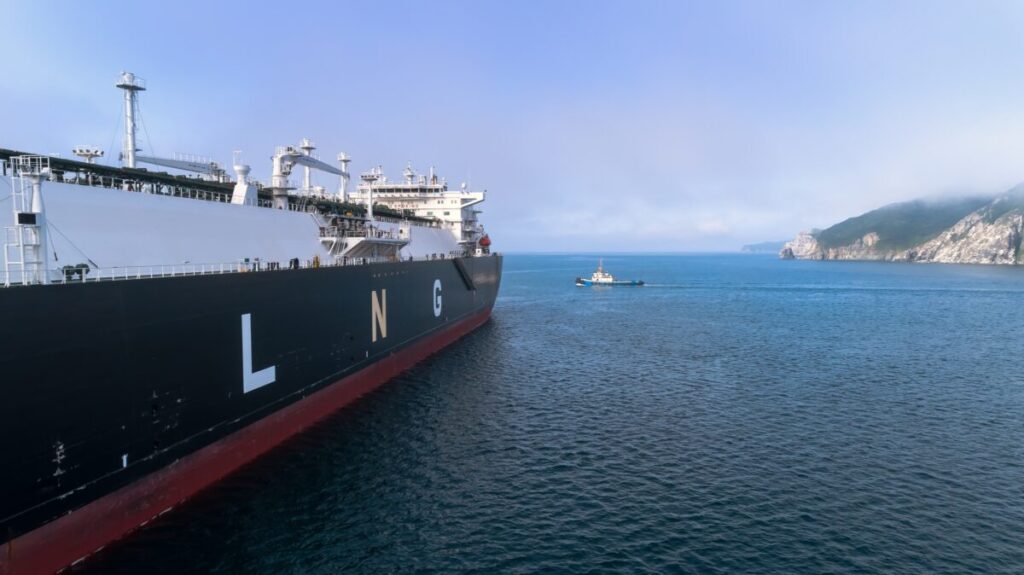
In a significant leap towards revolutionizing the maritime industry, South Korea has unveiled its latest breakthroughs in autonomous shipping technology. With a rich history of maritime trade and innovation, the country is now poised to lead the charge in the development and implementation of autonomous vessels, promising safer, more efficient, and environmentally friendly maritime transportation. LNG powered LNG Capesize bulk carrier integrated with cutting-edge artificial intelligence (AI)-based machinery monitoring and safety systems. This groundbreaking development represents a significant step forward in the nation’s commitment to sustainable shipping and technological innovation.
Autonomous Ships A New Horizon LNG Capesize

South Korea’s commitment to technological advancement is no secret, and its maritime sector is no exception. The nation’s latest endeavors focus on bringing autonomous ships to the forefront of the shipping industry, with the goal of reducing human error, improving navigational efficiency, and ultimately transforming the way goods are transported across the world’s oceans.

The Korea Maritime and Ocean University (KMOU), renowned for its maritime research, has been at the forefront of this endeavor. The university’s researchers have developed cutting-edge AI algorithms that allow ships to autonomously navigate complex routes, respond to changing weather conditions, and avoid collisions – all while optimizing fuel consumption. This breakthrough holds the potential to greatly reduce the environmental impact of maritime transportation, a critical concern as the world grapples with climate change. The new LNG-powered Capesize bulk carrier, named the “Green Voyager,” is a testament to South Korea’s dedication to environmentally friendly shipping solutions. Utilizing liquefied natural gas (LNG) as its primary fuel source, the vessel significantly reduces greenhouse gas emissions and air pollutants compared to traditional fossil fuels. This aligns perfectly with international efforts to combat climate change and promote sustainable shipping practices.

LNG Capesize

Challenges and Opportunities

While the prospects of autonomous shipping are promising, challenges remain. Ensuring the cybersecurity of autonomous vessels is a paramount concern, as any compromise in the ship’s systems could have far-reaching consequences. South Korea has responded by establishing a cybersecurity task force dedicated to addressing these vulnerabilities and developing robust protective measures.

The advancement of autonomous shipping also raises questions about the future of maritime jobs. As traditional crew roles evolve, there is a need for reskilling and upskilling the workforce to operate and maintain the sophisticated technologies that power these vessels. South Korea has taken a proactive approach by investing in training programs and education initiatives that equip maritime professionals with the skills needed for the digital age.

Collaboration and Regulation

South Korea recognizes that the transition to autonomous shipping collaboration with Samsung Heavy Industries to develop  LNG bunkering ship equipped with the Samsung Autonomous Ship (SAS) system. Government agencies, academic institutions, maritime companies, and technology firms are all working together to create a comprehensive framework that supports the safe and efficient deployment of autonomous vessels.

The Korean Register of Shipping (KR), a leading classification society, has been actively involved in developing guidelines for autonomous ships. These guidelines encompass the design, construction, and operation of autonomous vessels, addressing concerns related to cybersecurity, emergency response, and liability. By setting standards and ensuring compliance, KR is instrumental in instilling confidence in this groundbreaking technology.

A Blueprint for the Future

The unveiling of the Green Voyager marks a significant achievement not only for South Korea but for the global shipping industry as a whole. This successful integration of LNG propulsion and AI-based safety systems serves as a blueprint for future vessels seeking to combine sustainable operations with cutting-edge technology.

As maritime regulations continue to evolve to address environmental concerns and safety standards, the Green Voyager demonstrates that it is possible to achieve both ecological responsibility and operational efficiency. It sets a precedent for the integration of AI and advanced monitoring systems in maritime operations, underscoring South Korea’s leadership in shaping the future of shipping.

Conclusion

South Korea’s journey into the realm of autonomous shipping marks a significant milestone in the evolution of maritime transportation. The LNG-powered Capesize bulk carrier equipped with AI-based machinery monitoring and safety systems represents a turning point in maritime innovation. With its commitment to environmentally friendly practices and technological excellence, South Korea’s maritime industry is charting a sustainable course towards a cleaner, safer, and more efficient shipping landscape. As the world watches these developments unfold, the promise of autonomous ships navigating the high seas is no longer a distant dream but a tangible reality on the horizon.

Indian Ministry Of Ports Unveils Ambitious Next-Gen Container Terminal Project at Tuna Tekra, Gujarat

25th August 2023

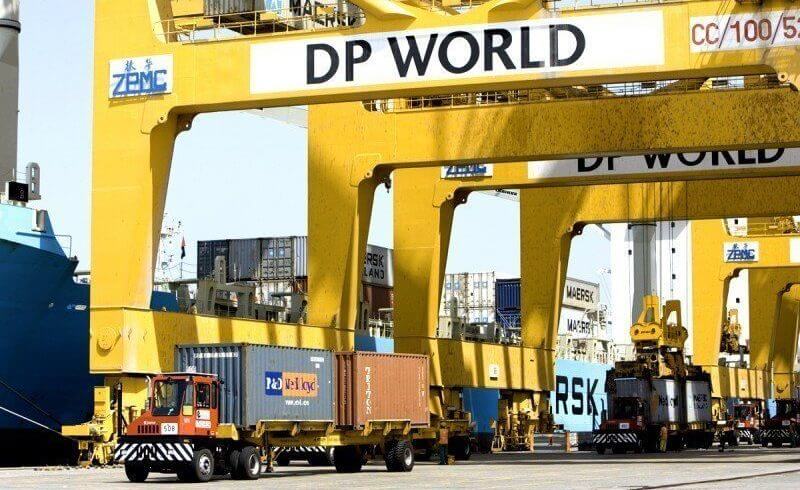
In a groundbreaking move poised to redefine India’s maritime infrastructure, the Indian Ministry of Ports has unveiled plans for a state-of-the-art next-generation container terminal at Tuna Tekra, Gujarat. This visionary project, backed by substantial investment, is set to transform the way goods are imported, exported, and transported, cementing India’s position as a global trade powerhouse. Deendayal Port Authority (DPA) is set to sign a concession agreement with DP World, a multinational logistics company based in Dubai, for the development, operation, and maintenance of a new mega container terminal.

Tuna Tekra: Strategic Location and Significance

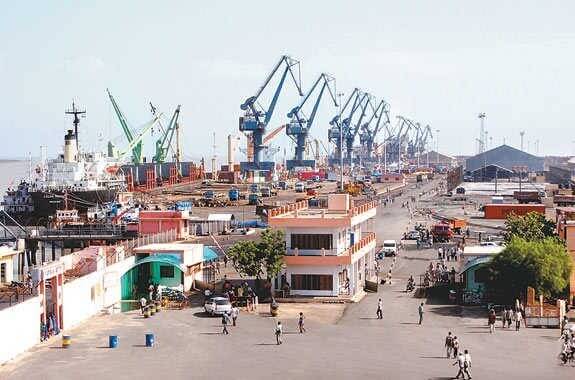
Tuna Tekra, strategically positioned along the Arabian Sea coast, is primed to become a pivotal gateway for international trade. The location offers direct access to key trade routes, facilitating the movement of goods to and from major markets around the world. This advantageous geographic positioning makes the terminal not only a vital link in India’s trade network but also a desirable hub for shipping lines and manufacturers eyeing the Indian market. The new terminal will cater to future trade demand from Northern, Western and Central India, connecting the regions to global markets.

Tuna Tekra

Investment and Economic Implications

The Indian government’s commitment to bolstering its maritime infrastructure is evident in the substantial investment allocated to the project. With an investment of (Rs 4,243.64 crore ), the Indian Ministry of Ports aims to create a modern and efficient container terminal that can handle a significant volume of cargo. Once complete, the terminal will have annual capacity to handle 2.19 million container units (TEUs) with capability to handle next-generation vessels carrying more than 18,000 TEUs. This infusion of funds not only demonstrates the government’s determination to foster economic growth but also underscores its recognition of the crucial role that efficient ports play in realizing India’s trade ambitions.

Furthermore, the project’s economic implications extend beyond its construction phase. The terminal is poised to generate a substantial number of job opportunities in the region. From technical experts and engineers to skilled labor and administrative staff, the project’s influence on employment is anticipated to make a meaningful contribution to the local economy.

Embracing Next-Gen Technologies

At the heart of the Tuna Tekra terminal project is the integration of cutting-edge technologies that promise to revolutionize the way cargo is handled and managed. The terminal is set to be equipped with a range of advanced container handling equipment, including autonomous cranes and robotic systems. These innovations not only enhance operational efficiency but also minimize the need for human intervention, particularly significant in an era shaped by global challenges.

Moreover, the terminal will implement real-time data analytics and blockchain-based supply chain management systems. These tools will provide stakeholders with actionable insights into cargo movement, allowing for optimized decision-making and streamlined operations. The adoption of these technologies positions India at the forefront of digital innovation within the maritime sector.

Environmental Sustainability

In a world increasingly concerned about the environment, the Tuna Tekra terminal project places a strong emphasis on sustainability. The Indian Ministry of Ports has committed to incorporating eco-friendly initiatives aimed at reducing the terminal’s carbon footprint and environmental impact. From energy efficient lighting systems to efficient waste management practices, the project demonstrates a comprehensive approach to addressing ecological concerns.

Boosting Trade Connectivity

The development of the next-generation container terminal aligns perfectly with India’s broader objective of enhancing trade connectivity. The terminal’s efficient operations will contribute to reducing cargo dwell times, leading to faster turnaround times for vessels and trucks. This, in turn, will boost trade efficiency and foster greater reliability in supply chains, making India an even more attractive destination for global trade partners. The container terminal will be fully compliant with the green port guidelines ensuring sustainability in port operations by adopting best practices of port environment management contributing towards the long-term sustainability goals set out by the Government of India.

Collaboration and Execution

The Tuna Tekra terminal project is a result of collaborative efforts between the Indian Ministry of Ports, various governmental bodies, private sector partners, and international stakeholders. The planning and execution phases are characterized by meticulous attention to detail and a commitment to achieving world-class standards. This collaborative approach ensures that the project not only meets but exceeds the expectations of all involved parties.

Conclusion

The Indian Ministry of Ports’ ambitious venture to develop a next-generation container terminal at Tuna Tekra, Gujarat, marks a significant milestone in India’s maritime history. By leveraging advanced technologies, strategic location, and sustainability initiatives, the project is set to elevate India’s status as a global trade and logistics hub. As the project progresses, it promises to reshape the way goods flow in and out of India, fostering economic growth, job creation, and international partnerships. The Tuna Tekra terminal represents not only a physical infrastructure development but also a testament to India’s determination to lead in the realm of maritime innovation and trade facilitation.

Navigating Troubled Waters “The Alarming Impact of Soaring Ocean Temperatures on Shipping”

24th August 2023

Introduction: Rising Ocean Temperatures

In recent years, the world has been grappling with the devastating consequences of climate change, and one of its most ominous indicators is the rapid rising ocean temperatures. While the impacts of warming oceans are widely acknowledged, an industry that is particularly vulnerable to this phenomenon is shipping. With oceans acting as the lifeline of global trade, the warming waters pose a multifaceted threat to the shipping industry, affecting everything from operational efficiency to environmental sustainability. This article delves into the specific reasons why shipping should be deeply concerned about the soaring ocean temperatures and the steps that need to be taken to navigate these troubled waters. These changes in weather patterns threaten the entire shipping industry – vessel owners and operators, cargo owners, and ports. There are also knock-on effects on global supply chains that could affect economies more broadly. Global warming is creating more freak waves, more ferocious and sudden storms far out to sea. Ship designs and cargo configuration of the future will need to absorb these fast-changing weather patterns.

rising ocean temperatures

Factors affecting the Shipping industries

1. Impact on Fuel Efficiency and Costs

Shipping is a complex ecosystem that relies heavily on fuel consumption. As ocean temperatures rise, several factors come into play that undermine the fuel efficiency of vessels. Warmer waters reduce the density of seawater, affecting the buoyancy of ships and thus increasing their fuel consumption. Moreover, elevated temperatures can lead to decreased engine efficiency, prompting ships to burn more fuel to maintain their desired speeds. This double whammy not only drives up operational costs for shipping companies but also contributes significantly to greenhouse gas emissions, further exacerbating the climate crisis.

2.Hull Fouling and Maintenance Challenges

Soaring ocean temperatures create an ideal environment for the proliferation of marine organisms such as barnacles, algae, and mussels on the hulls of ships. This phenomenon, known as biofouling, increases drag and reduces the hydrodynamic efficiency of vessels. As a result, ships have to exert more energy to overcome this resistance, once again leading to higher fuel consumption and maintenance costs. To counteract these effects, ships are often required to undergo more frequent and thorough cleaning, involving the use of anti-fouling coatings and underwater cleaning mechanisms. However, these practices can introduce toxic substances into the marine ecosystem, causing additional environmental concerns.

3.Disrupted Trade Routes and Increased Storm Risks

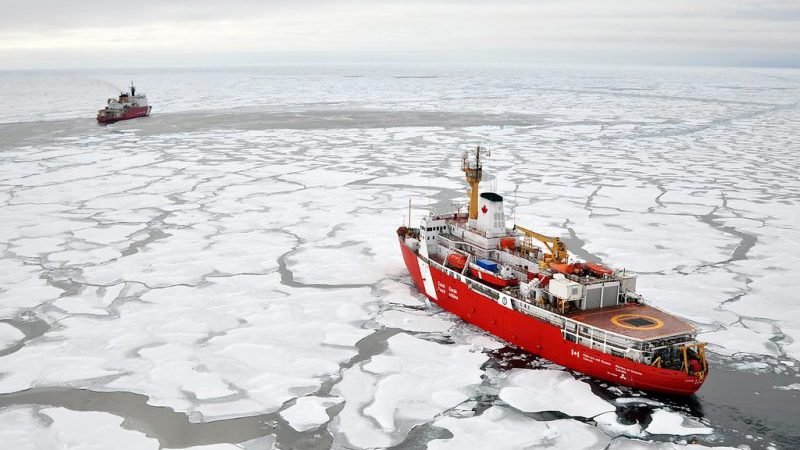
The warming of oceans contributes to the intensification of weather patterns and the increased frequency of extreme weather events, including hurricanes and typhoons. Such conditions pose a significant threat to maritime safety, potentially leading to shipwrecks, cargo losses, and even loss of human lives. Additionally, the changing climate could alter traditional trade routes as melting polar ice opens up new passages in the Arctic region. While this might offer shorter routes for some shipments, it introduces new challenges due to unpredictable ice conditions, lack of infrastructure, and potential environmental damage to this delicate ecosystem. The shipping industry and climate at Seas is at Risk, alluded to recent research from Oxford University’s Environmental Change Institute which estimates that more than $122bn of economic activity including $81bn in international trade is at risk from the impact of extreme climate events per year. 

4.Rising Sea Levels and Port Infrastructure Vulnerability

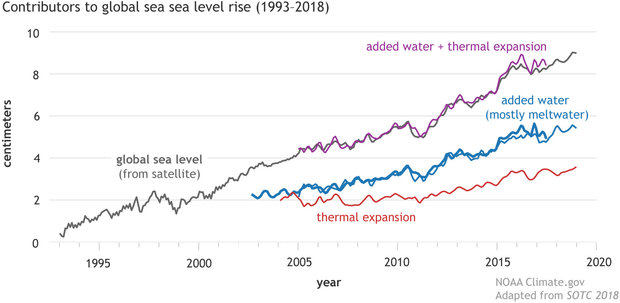
One of the most concerning aspects of global warming is the rise in sea levels, primarily driven by the melting of glaciers and the expansion of seawater as it warms. This poses a direct threat to port infrastructure located in low-lying coastal areas. Many major ports around the world are susceptible to flooding and damage due to sea-level rise and the increased frequency of storm surges. The destruction of port facilities not only disrupts shipping operations but also has broader economic implications, affecting the movement of goods and global supply chains. Furthermore, the rising sea levels due to high temperatures might require substantial work on raising the heights of port terminals. Ocean Conservancy noted that raising the height of existing port terminals alone could cost more than $63bn by the end of the century.

5. Regulatory Pressures and Sustainability Demands

As the world shifts its focus toward sustainability, the shipping industry faces increasing pressure to reduce its environmental footprint. International bodies such as the International Maritime Organization (IMO) are implementing stricter regulations to curb emissions from ships, including those related to greenhouse gases and air pollutants. The global sulphur cap regulation imposed in 2020 by the International Maritime Organization (IMO) have cut ships’ sulphur pollution by more than 80% and improved air quality worldwide. The reduction has also lessened the effect of sulphate particles in seeding and brightening the distinctive low-lying, disappearing reflective clouds that follow in the wake of ships so called ship tracks and help cool the planet. The warming oceans only amplify the urgency of adhering to these regulations. Shipping companies are being pushed to adopt cleaner technologies, such as alternative fuels and improved engine designs, to mitigate their contribution to climate change. Failure to do so could result in financial penalties, reputational damage, and restricted access to certain ports.

Conclusion

The shipping industry stands at a critical juncture where the escalating ocean temperatures demand swift and decisive action. The challenges posed by rising sea temperatures are multifaceted, impacting fuel efficiency, maintenance costs, trade routes, maritime safety, port infrastructure, and regulatory compliance. Addressing these challenges requires collaborative efforts from governments, industry stakeholders, and international organizations.

Shipping companies must invest in innovative technologies that enhance fuel efficiency, minimize biofouling, and adapt to changing trade routes. They should also prioritize sustainable practices to reduce emissions and minimize their ecological impact. Governments need to provide incentives for greener shipping practices and invest in the resilience of coastal infrastructure. Furthermore, international cooperation is vital to implement and enforce regulations that ensure the sustainable growth of the industry.

In the face of soaring ocean temperatures, the shipping industry can no longer remain passive. It must embrace the urgent need for adaptation and transformation, not only for its own survival but also for the health of our oceans and the planet as a whole. Only through collaborative efforts can we hope to navigate these troubled waters and secure a sustainable future for global shipping.

Collision of a Tanker and LNG Carrier Navigational Challenges in the Suez Canal

17th August 2023

Introduction: Collision of a Tanker and LNG Carrier

The maritime industry plays a crucial role in global trade, with countless vessels navigating intricate waterways daily. Among these vital routes, the Suez Canal stands out as a linchpin, connecting the Mediterranean Sea to the Red Sea and providing a shortcut for vessels traveling between Europe and Asia. However, this strategic waterway isn’t immune to accidents, as exemplified by the collision between a tanker and an LNG carrier. This incident highlights the intricate challenges and potential consequences of maritime navigation, even in well-established routes.

The Suez Canal, opened in 1869, is a 120-mile-long artificial waterway traversing the Isthmus of Suez in Egypt. It serves as a critical maritime link, reducing the travel distance between Europe and Asia by thousands of miles. The canal’s narrow width, averaging around 205 meters (672 feet), necessitates precise navigation and coordination between vessels, making it prone to potential collisions. While the canal’s management employs advanced technologies to monitor and guide vessels, accidents can still occur due to various factors.

The Incident: Collision of a oil product tanker BURRI Cayman-flagged and Singapore-flagged LNG Carrier BW LESMES

while transiting the Suez Canal en route from the Mediterranean to the Red Sea. The LNG carrier, controlled by BW LNG, reportedly ran aground at about 2200 hours local time while underway in the southbound convoy causing the tanker behind it to run into it. The collision occurred in a narrower section of the canal, where vessels often need to wait for their turn to pass due to limited space.

The Suez Canal Authority confirmed earlier this morning that a minor collision occurred between the two vessels following a sudden stop by BW Lesmes at the 77.75370 nautical miles of the channel. The LNG carrier experienced a technical failure, causing the vessel to lose steering ability and run aground. The LNG carrier was not loaded with cargo at the time of the incident, according to Suze canal authority. The Cayman Islands-flagged product tanker behind it in the convoy was unable to stop in time and ran into the LNG carrier. The Ever Given grounded in the same general vicinity in March 2021, blocking the waterway for six days. This incident that shook the maritime community. The collision resulted in significant damage to both vessels, impacting their ability to move and blocking the canal for hours.

Vessel BURRI Tanker

Navigational Challenges in the Suez Canal

The incident sheds light on the intricate navigational challenges that vessels face while transiting the Suez Canal

  1. Limited Width: The narrow width of the canal demands precision from ship captains and pilots. A minor deviation from the optimal course can quickly escalate into a collision. Maneuvering large vessels in such tight confines requires skilled navigation and constant communication with the canal’s control center.
  2. Vessel Traffic Management: The Suez Canal witnesses heavy traffic, with vessels of various sizes and types passing through daily. The need to manage this influx while maintaining safe distances between vessels is a complex task. Delays in one vessel’s passage can lead to congestion and increase the risk of accidents.
  3. Weather Conditions: Weather conditions, including wind speed and visibility, play a significant role in safe navigation. Strong crosswinds can push vessels off course, making it challenging to maintain control, especially in the narrow stretches of the canal.
  4. Human Error: Even with advanced technology and sophisticated navigation aids, human error can still contribute to accidents. Miscommunication, misinterpretation of instructions, or lapses in judgment can lead to dire consequences.

Consequences and Impact

The collision’s immediate impact was the obstruction of the Suez Canal, disrupting global trade for several hours. Vessels scheduled to pass through the canal faced delays and had to consider alternative routes, leading to potential financial losses. Additionally, the blockage resulted in a backlog of vessels waiting to enter the canal, exacerbating the congestion and further highlighting the vulnerabilities of such a critical maritime passage.

The incident’s aftermath included extensive damage to both the tanker and the LNG carrier, requiring significant repair work and investigation. Environmental concerns arose due to the potential leakage of cargo or fuel, prompting immediate response efforts to mitigate any possible pollution.

Conclusion

The collision of a tanker and an LNG carrier in the Suez Canal serves as a stark reminder of the complexities involved in maritime navigation, even in widely used and well-regulated routes. As global trade continues to rely on the efficient movement of goods through waterways like the Suez Canal, it is imperative for the maritime industry to prioritize safety, invest in technology, and implement rigorous training programs. By learning from such incidents and continuously refining navigation practices, the industry can mitigate risks and ensure the smooth flow of international commerce.