Russian & Chinese Warships Sail Near Japanese Islands On The Eve Of US-Japan-South Korea Summit


19 August 2023

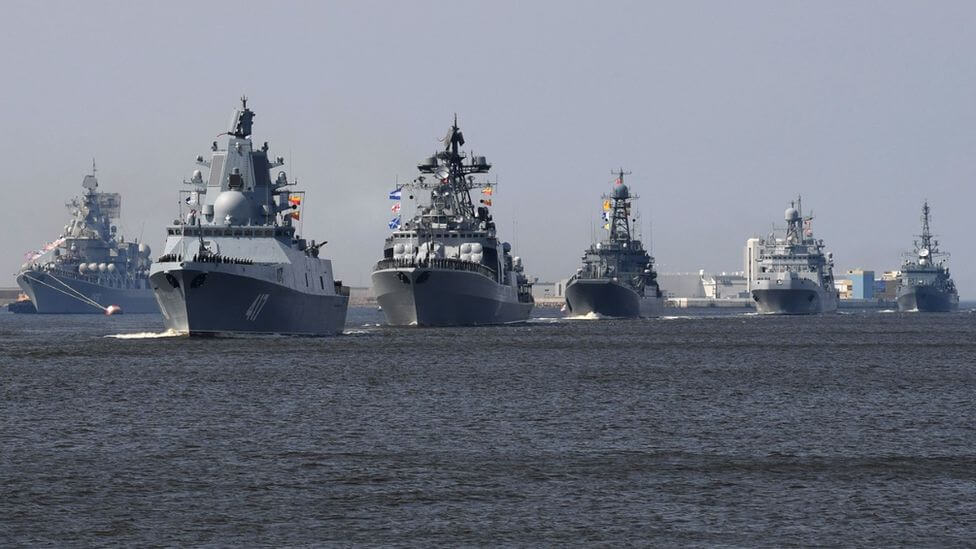
As global geopolitical tensions continue to ebb and flow, the recent sighting of Russian and Chinese warships in close proximity to Japanese islands has ignited concerns and raised eyebrows across international diplomatic circles. The timing of this maneuver, occurring on the eve of a significant US-Japan-South Korea summit, adds an additional layer of complexity to an already intricate web of regional relationships and power dynamics.

On the surface, the presence of warships from Russia and China near Japanese waters might be seen as routine naval exercises, a show of force, or a strategic maneuver to underscore their presence in the Pacific region. However, the timing of these maneuvers, just ahead of a high-stakes diplomatic summit, underscores the subtler nuances at play in international politics.

The Geopolitical Landscape

Russia and China’s assertive actions come as no surprise to those following global politics. Both nations have been increasingly expanding their influence and asserting their power in the Asia-Pacific region. China’s assertiveness in the South China Sea and its rapid military modernization have raised concerns among neighboring countries and the United States. Russia, on the other hand, has been keen on maintaining its presence in the Pacific and strengthening its ties with countries in the region.

The appearance of Russian and Chinese warships near Japanese islands, coupled with the forthcoming trilateral summit between the United States, Japan, and South Korea, can be seen as a calculated move to send messages and exert pressure on multiple fronts.
Warships

Signaling and Strategic Messaging

Geopolitical maneuvers often involve more than meets the eye. The positioning of warships near Japanese islands just before a significant summit is laden with strategic signaling. For Russia, this action can be interpreted as a demonstration of its ability to influence regional affairs and a reminder of its importance in any discussions involving the Asia-Pacific. By projecting naval power, Russia aims to secure its role as a key player in the region’s future landscape.

China’s involvement, however, carries its own implications. The presence of Chinese warships underscores China’s intent to be an active participant in shaping regional dynamics. It can also be interpreted as a way to demonstrate solidarity with Russia, showcasing a united front against potential counteractions by the United States and its allies.

US-Japan-South Korea Summit

The timing of this naval display is crucial, as the United States, Japan, and South Korea prepare for a summit to address shared security concerns and discuss avenues for enhanced cooperation. The presence of Russian and Chinese warships adds an element of complexity to these discussions. It forces the participating nations to factor in these regional power dynamics and consider how they might influence the outcomes of the summit.

For Japan, which is situated in close proximity to both Russia and China, this maneuver serves as a stark reminder of the need for nuanced diplomacy. Japan finds itself caught in a delicate balancing act, as it seeks to maintain its strong alliance with the United States while simultaneously navigating its relationship with its powerful neighbors.

Implications for Regional Stability

The presence of Russian and Chinese warships near Japanese islands not only impacts the forthcoming summit but also has broader implications for regional stability. These maneuvers have the potential to escalate tensions and prompt neighboring countries to reassess their security policies. As such, diplomatic efforts will be crucial in ensuring that these actions do not lead to a dangerous spiral of confrontation.

The incident highlights the importance of open lines of communication and robust diplomatic channels. Clear and transparent communication among all parties involved will be vital in understanding each nation’s intentions and preventing any miscalculations that could lead to unintended conflicts.

Conclusion

The sight of Russian and Chinese warships sailing near Japanese islands on the eve of the US-Japan-South Korea summit is a vivid illustration of the intricate interplay of geopolitics in the Asia-Pacific region. While these maneuvers may carry elements of strategic posturing and signaling, they also serve as a reminder of the delicate balancing act that nations in the region must perform to maintain stability and peace.

The forthcoming summit presents an opportunity for the United States, Japan, and South Korea to collaboratively address shared security concerns and foster enhanced cooperation. However, the presence of Russian and Chinese warships emphasizes the need for careful diplomacy and an understanding of the underlying power dynamics at play.

As the international community watches closely, it is evident that the outcomes of both the summit and the ongoing regional maneuvers will have lasting implications for the broader Asia-Pacific landscape. Diplomatic finesse, clear communication, and a commitment to peaceful resolutions will be paramount in ensuring that these developments contribute to stability rather than exacerbating tensions.

The Importance of Marine Highways, MARAD Designates New Marine Highway in Alaska and Pennsylvania in U.S.

In an era marked by rapidly growing populations, urbanization, and increased trade, finding innovative and sustainable transportation solutions is crucial. One such solution that has gained significant attention is the concept of “marine highways.” These water-based transportation routes hold the potential to address multiple challenges simultaneously, ranging from congested roadways to environmental concerns. In this article, we will delve into the importance of marine highways, exploring their benefits, specific details, and the role they play in shaping a more efficient and eco-friendly transportation network.

Defining Marine Highways

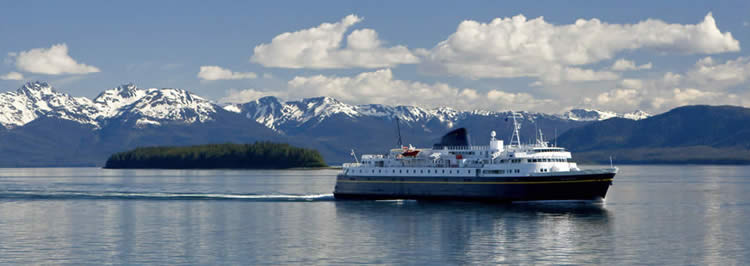
Marine highways, often referred to as “blue highways” or “waterborne corridors,” involve the utilization of inland and coastal waterways for freight transportation. These water routes serve as an alternative to traditional road and rail transportation methods. Just as highways on land facilitate the movement of goods and people, marine highways provide a similar function on water, linking key ports and terminals.

Benefits of Marine Highways

  1. Reduced Congestion: One of the primary advantages of marine highways is their potential to alleviate road congestion. As urban areas continue to expand, roadways often become clogged with traffic, leading to increased travel times, pollution, and stress. By diverting freight traffic onto waterways, marine highways can help relieve this congestion, making road travel smoother for both commercial and private vehicles.
  2. Environmental Sustainability: In an age of growing environmental awareness, marine highways offer a more eco-friendly mode of transportation. Shipping by water produces fewer emissions compared to road or air transportation, contributing to reduced carbon footprints and improved air quality. Additionally, utilizing waterways minimizes the need for large-scale land development and the associated habitat destruction.
  3. Energy Efficiency: Ships are inherently more energy-efficient than trucks or trains when it comes to transporting goods over long distances. Water transportation requires less energy per ton-mile, making it a cost-effective solution for large-scale freight movement. This energy efficiency translates to lower operational costs and potentially reduced prices for consumers.
  4. Economic Growth: Marine highways can stimulate economic growth by bolstering regional trade and commerce. Ports that are connected by efficient waterborne corridors can experience increased trade volumes, attracting businesses, creating job opportunities, and boosting local economies. Moreover, by reducing transportation costs, marine highways contribute to a more competitive market environment.
  5. Resilience and Redundancy: Marine highways can play a crucial role in building resilient transportation networks. In the face of natural disasters, accidents, or infrastructure failures, waterways can serve as alternative routes, ensuring a continuous flow of goods even when other transportation modes are disrupted.

Several successful marine highway projects and initiatives around the world highlight the practicality and potential of this mode of transportation.

  1. American Marine Highways: In the United States, several marine highway routes have been established or proposed. For instance, the Marine Highway Program supports the development of routes along the East Coast, Gulf Coast, and Pacific Northwest. The New York Harbor to Florida route, known as the “Atlantic Coast Marine Highway,” connects multiple ports and provides an alternative to congested roadways.
  2. European Short Sea Shipping: Europe has been a pioneer in promoting short sea shipping as an alternative to road transportation. The European Union’s Motorways of the Sea initiative aims to enhance maritime connections between different regions, reducing road congestion and environmental impact.
  3. Asian Marine Highways: In Asia, countries like Japan have embraced marine highways to improve connectivity between their islands. For instance, Japan has established routes connecting its main islands, such as the Seto Inland Sea route, which alleviates the burden on road and rail systems.

New marine highway routes

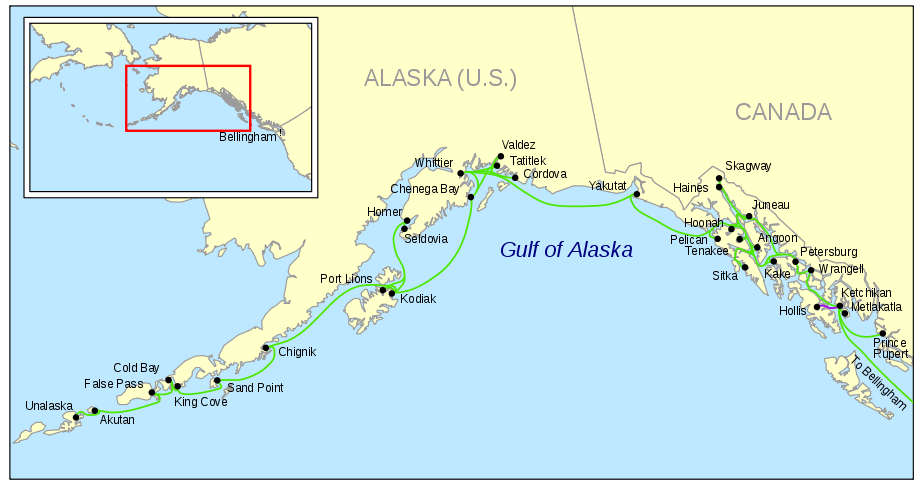
As part of the United States Marine Highway Program (MHP), the U.S. Maritime Administration has announced the identification of two additional Marine Highway Routes, expanding the system by 6,500 miles in Alaska and almost 250 miles along the Ohio River.

The new designations were announced by U.S. Transportation Secretary Pete Buttigieg in Alaska. Marine highways are vital links in our supply chains, helping to move goods quickly, cleanly, and efficiently,” said Secretary Buttigieg. “By expanding our marine highway system, we can strengthen our supply chains, improve port operations, and help keep goods affordable.

The M-11 Marine Highway Route Alaska

The M-11 Marine Highway Route (Alaska), supported by the Alaska Department of Transportation and Public Facilities, will connect coastal and river ports in southwestern and northern Alaska by extending the marine highway network by more than 6,500 miles. This will improve mobility in areas that rely on a network of ports, rivers, barge landings, and airports to transfer people and products, giving residents more options for watery transit.

The M-79 Marine Highway Route Pennsylvania and West Virginia

The Port of Pittsburgh and the Morgantown Monongalia Metropolitan Planning Organization are the co-sponsors of the M-79 Marine Highway Route (Pennsylvania and West Virginia), which extends the Ohio River system’s reach by nearly 250 miles. This route offers local businesses a dependable and affordable alternative to surface transportation and acts as a catalyst for increased operations, infrastructure investments, and freight movement.

Conclusion

As we navigate the challenges of a rapidly changing world, finding sustainable transportation solutions is paramount. Marine highways present a promising avenue to address multiple concerns simultaneously – from congestion and pollution to economic growth and resilience. By utilizing the vast network of waterways available, we can unlock a more efficient, cost-effective, and environmentally friendly mode of freight transportation. With successful examples from around the globe, marine highways offer a blueprint for building a more connected, prosperous, and sustainable future.

China Surges Ahead of Greece to Become Leading Ship owning Nation by Gross Tonnage

Introduction

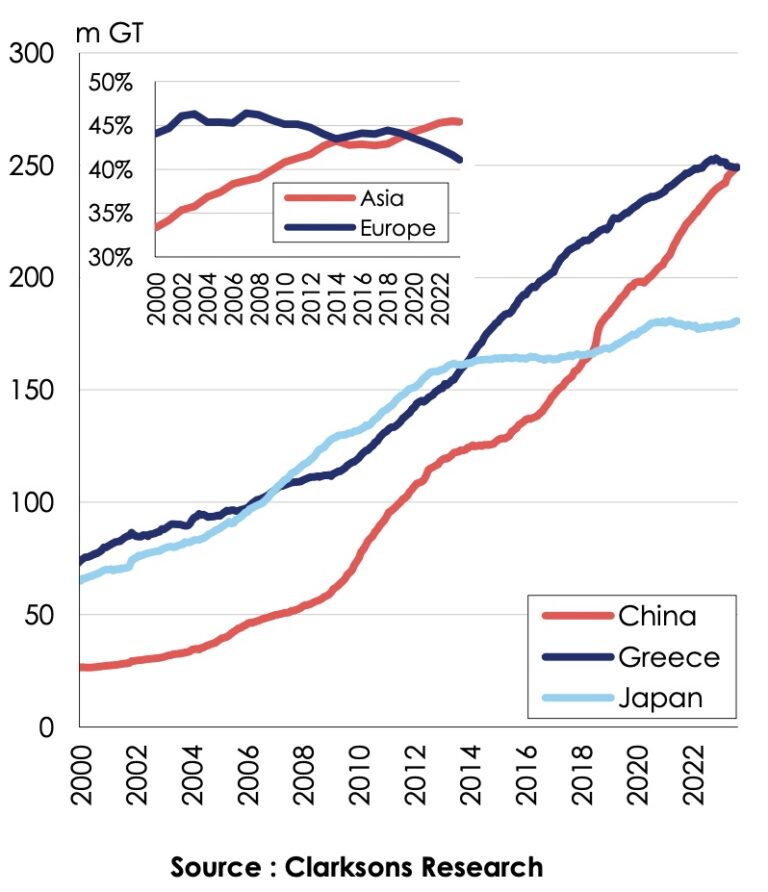
In a significant maritime shift, China has risen to the forefront of the global shipping industry, surpassing Greece to claim the title of the world’s top shipowning nation by gross tonnage. This transition underscores China’s persistent economic growth, strategic maritime investments, and its commitment to expanding its influence in the global maritime trade landscape.

China’s Maritime Ascension

For decades, Greece has held the esteemed position of the world’s leading shipowning nation, benefiting from a rich maritime history and a strong tradition of seafaring. However, China’s rapid ascent in various sectors of the economy, including shipping, is emblematic of its dynamic growth on the global stage. The Asian giant has capitalized on its economic prowess to invest in and develop a formidable fleet of ships, propelling it to the forefront of the industry.

Gross Tonnage as a Metric

The measurement of gross tonnage serves as a critical metric to assess a country’s dominance in the shipping realm. Gross tonnage represents the total internal volume of a ship, encompassing both cargo and the ship’s structural components. As of the most recent data available, China’s gross tonnage has exceeded that of Greece, illustrating its burgeoning fleet and its successful drive to secure a substantial share of the global shipping market.

Factors Behind China’s Success

Several factors have contributed to China’s surpassing of Greece in terms of shipowning by gross tonnage:

  • Economic Growth and Industrial Capacity: China’s rapid economic expansion has fueled its ability to invest in various sectors, including shipping. The country’s immense industrial capacity has allowed it to manufacture and construct ships at a scale that few nations can match.
  • State Support and Investment: The Chinese government’s commitment to maritime development has played a pivotal role. State-owned enterprises, with access to resources and favorable policies, have been instrumental in building and expanding the nation’s shipping fleet.
  • Global Trade Dominance: China has become a global trade powerhouse, with its exports and imports necessitating a substantial shipping infrastructure. By owning a considerable portion of this infrastructure, China positions itself strategically to support its trade ambitions.
  • Acquisitions and Collaborations: China has pursued acquisitions and collaborations with international shipping companies, allowing it to gain access to established networks and expertise. These partnerships have accelerated China’s growth in the maritime domain.
  • Belt and Road Initiative (BRI): China’s ambitious BRI, focused on enhancing global connectivity through infrastructure projects, has further catalyzed its investments in shipping. Ports, shipping lanes, and maritime infrastructure are central to the success of this initiative, leading to expanded shipowning.

Global Implications

China’s rise to the pinnacle of shipowning has far-reaching implications for the global maritime landscape:

  • Geopolitical Influence: As China solidifies its maritime presence, it enhances its geopolitical influence. Increased ownership of shipping assets gives the nation greater control over vital sea lanes, allowing it to exert more significant influence over global trade routes.
  • Trade Dynamics: China’s dominance in shipping is a reflection of its status as a trading powerhouse. This dominance could potentially reshape trade dynamics, affecting both traditional partners and emerging markets.
  • Technological Innovation: China’s investments in shipbuilding and ownership encourage technological innovation in the sector. The pursuit of efficient, eco-friendly, and automated ships can drive advancements that benefit the entire industry.
  • Competition and Collaboration: China’s ascent will likely foster competition among shipowning nations, prompting them to invest in their own fleets. It also offers opportunities for collaboration, as nations seek to align their interests in the complex realm of maritime trade.

Conclusion

China’s elevation to the position of the world’s top shipowning nation by gross tonnage signals a profound shift in the global maritime hierarchy. The nation’s economic prowess, strategic investments, and commitment to maritime development have propelled it past Greece, a nation long synonymous with maritime excellence. As China’s influence in the shipping industry continues to expand, the world can anticipate a realignment of trade dynamics, technological innovations, and geopolitical considerations that will shape the future of global maritime trade.

Panama Canal Implements Slot Reductions to Alleviate Congestion and Ensure Smooth Operations

Introduction

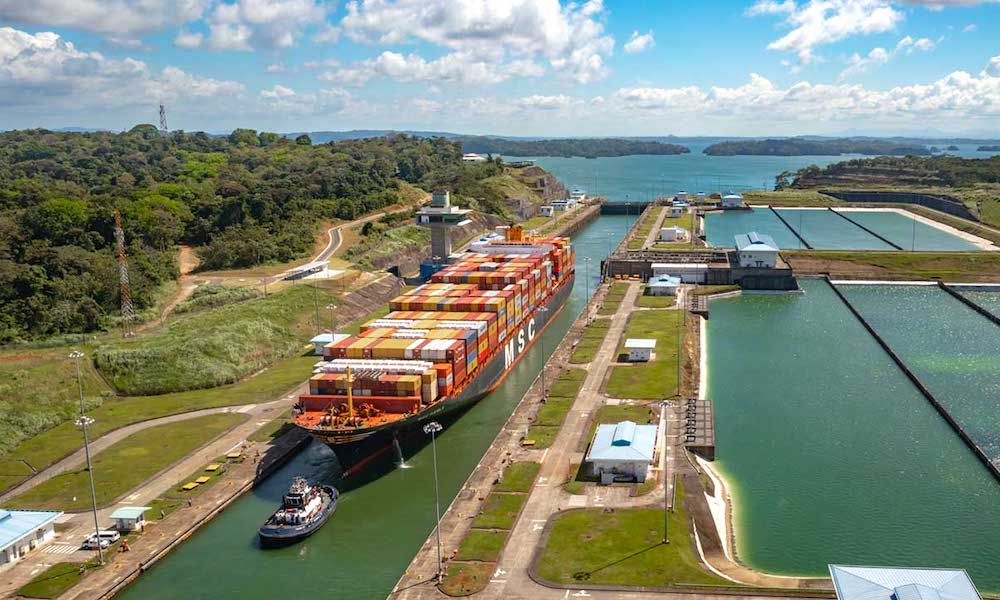
The Panama Canal, a marvel of engineering connecting the Atlantic and Pacific Oceans, has long been a crucial trade route facilitating global commerce. However, its popularity and increasing maritime traffic have led to congestion issues in recent years. To address this challenge and ensure the continued efficiency of this vital waterway, the Panama Canal Authority has taken a bold step by implementing slot reductions. This strategic move aims to alleviate congestion, optimize operations, and maintain the Canal’s significance in the modern shipping industry.

The Significance of the Panama Canal

Stretching approximately 50 miles across the Isthmus of Panama, the Panama Canal has been an essential conduit for international trade since its completion in 1914. Its strategic location shaves thousands of miles off maritime routes, reducing transit times and costs for vessels transporting goods between the Atlantic and Pacific Oceans. The Canal’s impact on global trade is profound, allowing economies to access markets, raw materials, and manufactured goods more efficiently than alternative routes.

The Challenge of Congestion

In recent years, the Panama Canal has faced a growing challenge: congestion. The surge in maritime trade, particularly driven by the rise of global economic powers in Asia, has led to an increase in the number of vessels transiting the Canal. This heightened traffic has resulted in delays, longer waiting times, and potential disruptions to supply chains. Addressing this congestion is not only critical for the Canal’s effective functioning but also for the broader global trade network.

The Implementation of Slot Reductions

To combat congestion and maintain operational efficiency, the Panama Canal Authority has decided to reduce the number of booking slots available for vessels to transit the Canal. This move aims to strike a balance between accommodating trade demands and preventing overwhelming traffic. By carefully managing the number of ships allowed to pass through within a given timeframe, the Canal can mitigate bottlenecks and minimize the likelihood of delays.

Key Benefits of Slot Reductions

  1. Improved Efficiency: With fewer vessels scheduled for transit, the Canal can operate more smoothly, reducing waiting times for ships and optimizing the use of its resources. This streamlining of operations benefits both the Canal Authority and the shipping companies, enhancing overall trade efficiency.
  2. Predictable Scheduling: By implementing slot reductions, the Canal Authority can offer more predictable scheduling for shipping companies. This predictability allows companies to plan their operations more effectively, leading to smoother supply chain management and reduced uncertainties.
  3. Infrastructure Maintenance: The reduced traffic resulting from slot reductions can create windows of opportunity for essential maintenance and upgrades. Regular maintenance is crucial for ensuring the Canal’s long-term sustainability and reliability.
  4. Environmental Considerations: Congestion can contribute to increased emissions due to prolonged waiting times and inefficient operations. By reducing congestion, the Canal can play a part in minimizing its environmental footprint, aligning with global efforts to promote sustainable shipping practices.

Challenges and Mitigations

While slot reductions offer numerous benefits, there are challenges to consider. The shipping industry’s fluid nature means that demand can fluctuate unexpectedly, potentially leading to periods of underutilization or overutilization of available slots. The Canal Authority must maintain flexibility in its approach, regularly monitoring traffic patterns and adjusting slot availability as needed. Clear communication with shipping companies is also vital to ensure they understand the rationale behind the changes and can plan their operations accordingly.

Conclusion

The Panama Canal’s decision to implement slot reductions marks a pivotal moment in its history. As a linchpin of global trade, the Canal must adapt to the evolving demands of the shipping industry while maintaining its efficiency and reliability. By carefully managing the number of booking slots available for vessels, the Canal Authority is proactively addressing congestion issues and laying the groundwork for sustainable growth. This strategic move not only benefits the Canal’s operations but also contributes to the overall resilience of the global supply chain network. As the maritime industry continues to evolve, the Panama Canal remains a shining example of how innovation and adaptability can ensure the continued success of a century-old engineering marvel.

Over 3,000 US Navy Sailors and Marines Arrive in Middle East Amid Iranian Threat to Shipping

Date: August 9, 2023

In a strategic move responding to rising tensions in the Middle East, the United States has deployed over 3,000 Navy sailors and Marines to the region. This significant military buildup comes in the wake of heightened Iranian threats to shipping in the vital waterways of the Persian Gulf. The deployment underscores the complex web of geopolitical concerns and the importance of safeguarding global trade routes.

The Middle East has long been a hotspot for political and military tensions, and recent events have only served to amplify the existing unease. Iran, a regional power, has not shied away from flexing its muscles to assert its influence. In recent months, the Iranian government has openly expressed its displeasure with international sanctions, resorting to aggressive rhetoric and posturing.

United States

One of the most concerning aspects of Iran’s actions has been its threats to shipping in the Persian Gulf and the Strait of Hormuz, a narrow waterway that connects the Gulf to the open seas. This passage is of immense strategic importance, serving as a conduit for a significant portion of the world’s oil trade. Any disruption to this flow could have far-reaching consequences for global energy markets and the economies of numerous nations.

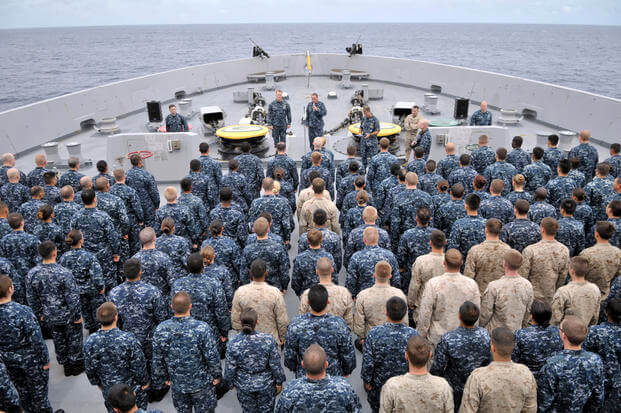
The arrival of over 3,000 US Navy sailors and Marines in the Middle East is a clear signal of the United States’ commitment to ensuring the security of these critical maritime routes. The deployment includes the presence of a guided-missile cruiser, several destroyers, and a Marine expeditionary unit. This naval force brings with it a formidable combination of firepower and expertise, capable of responding to a wide range of contingencies.

While the deployment is framed as a defensive measure to protect international shipping, it also serves to demonstrate the United States’ resolve in the face of Iran’s assertive behavior. The American military presence not only aims to deter potential hostile actions but also to reassure regional allies and partners. The stability of the Middle East is of paramount importance to global security, and the United States is not alone in recognizing this fact.

The international community has closely monitored these developments, with nations in the region and beyond expressing concerns about the potential for escalation. The European Union, for instance, has urged all parties to exercise restraint and engage in diplomatic efforts to de-escalate the situation. Dialogue and negotiations, rather than military confrontation, are often seen as the most effective means of resolving complex geopolitical disputes.

In the midst of these tensions, it is crucial to consider the broader implications of military deployments and their potential consequences. The delicate balance of power in the Middle East could easily be upset by miscalculations or misinterpretations of intentions. While the presence of US Navy sailors and Marines is intended to prevent conflict, the inherent risk of inadvertent incidents remains a concern that cannot be ignored.

Furthermore, this situation highlights the broader issue of energy security in a world that relies heavily on oil and gas resources. The vulnerability of key energy supply routes underscores the need for diversification and investments in alternative energy sources. As tensions flare in regions that play a pivotal role in global energy markets, the importance of pursuing sustainable and resilient energy solutions becomes all the more evident.

In conclusion, the deployment of over 3,000 US Navy sailors and Marines to the Middle East in response to Iranian threats to shipping reflects the complex and delicate nature of geopolitics in the region. The United States’ commitment to ensuring the security of vital maritime routes is both a demonstration of its resolve and a reminder of the broader implications of such deployments. As tensions continue to simmer, the international community must emphasize the importance of diplomacy and dialogue to prevent unintended escalation. Ultimately, this situation serves as a stark reminder of the interconnectedness of global security, energy, and stability.

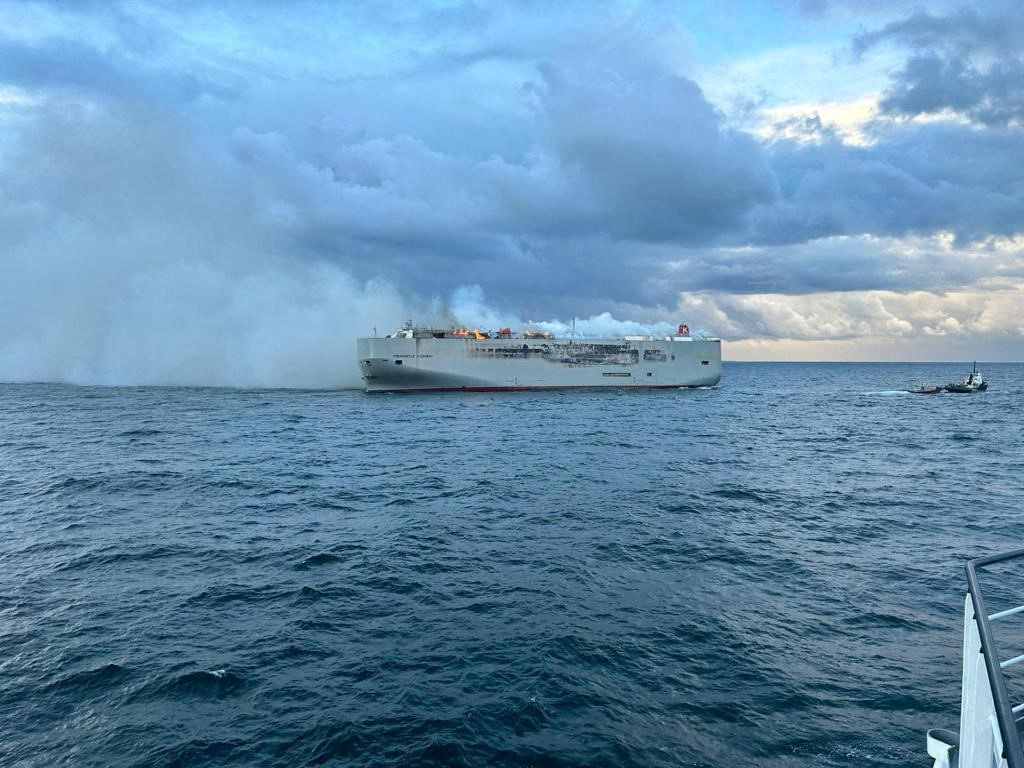
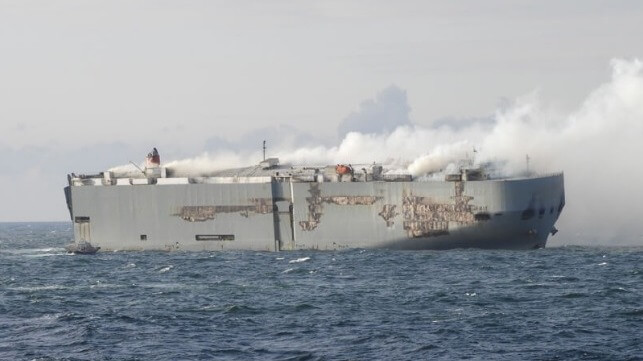
Tragedy at Sea: The Fiery Ordeal of the Vessel Fremantle Highway

Introduction: Fremantle Highway

On a fateful day that will forever be etched in maritime history, the vessel Fremantle Highway found itself in the midst of a catastrophic incident that would leave a trail of destruction and heartache in its wake. The vessel, which once stood as a symbol of global trade and connectivity, became the epicenter of a fiery ordeal that unfolded on the open seas. This incident serves as a stark reminder of the unpredictable nature of maritime operations and the bravery of those who responded to the crisis.

The Vessel and Its Journey

The Fremantle Highway, a massive cargo ship, was a crucial player in the intricate web of global trade routes. Laden with containers of various goods, it embarked on a journey that spanned thousands of nautical miles, connecting economies, cultures, and lives. Its sheer size and capacity made it a common sight in busy ports and bustling harbors, a testament to human innovation and the progress of international commerce.

The Fiery Ordeal

However, the vessel’s journey took a nightmarish turn when a fire broke out on board. The incident began with an innocuous spark in one of the cargo holds, a seemingly minor glitch in the complex machinery of maritime operations. But within minutes, the spark evolved into an uncontrollable blaze, fueled by the cargo’s contents and the unforgiving conditions of the open sea. The crew’s attempts to contain the fire were thwarted by its relentless intensity, leaving them with no choice but to send out a distress call.

Response and Rescue

The distress call echoed across the maritime network, reaching nearby vessels, coast guards, and emergency services. The response was swift and coordinated, showcasing the strength of international cooperation in times of crisis. Ships from various nations converged on the location of the Fremantle Highway, fighting against time and the elements to reach the burning vessel.

Braving rough seas, adverse weather, and the perilous proximity to the raging fire, the rescue teams launched a relentless battle to save both the stricken ship and the lives of its crew. Their efforts were marked by unwavering determination, remarkable courage, and a commitment to the safety of fellow seafarers. Helicopters hovered above, lowering personnel onto the vessel’s deck to aid in firefighting and evacuation efforts. The dramatic scenes played out against the backdrop of billowing smoke and towering flames, underscoring the gravity of the situation.

Fremantle Highway

Lessons Learned and Reflections

The incident involving the Fremantle Highway underscores the inherent risks of maritime operations and the indispensable role of preparedness and training. It serves as a wake-up call for the maritime industry to prioritize safety measures, risk assessment, and crisis management protocols. The incident’s aftermath prompts a reevaluation of cargo handling practices, fire prevention strategies, and crew training programs to ensure that such a tragedy does not repeat itself.

Furthermore, the incident highlights the vital role of international collaboration in times of crisis. The rapid and coordinated response of various nations’ maritime assets exemplifies the power of unity in the face of adversity. The incident stands as a testament to the shared responsibility of all maritime stakeholders to ensure the safety of seafarers and the protection of our oceans.

Conclusion

The fire incident on the vessel Fremantle Highway serves as a somber reminder of the unpredictable nature of maritime operations and the immense challenges that seafarers and emergency responders can face. It is a story of tragedy, heroism, and the resilience of the human spirit. As the maritime industry reflects on this incident, it is imperative that lessons are learned, improvements are made, and a renewed commitment to safety and cooperation is forged. Only through such efforts can we honor the memory of those who lost their lives and prevent future maritime disasters from casting a shadow on the industry’s noble pursuits.

The Promising Horizon: Methanol-Fueled Ships in the Commercial Maritime Industry

In recent years, the maritime industry has been seeking innovative solutions to address its environmental impact and reduce greenhouse gas emissions. Among the array of alternative fuels, methanol has emerged as a frontrunner, holding the potential to revolutionize the way ships operate and navigate our oceans. As we move toward a more sustainable future, methanol-fueled ships are poised to play a pivotal role in shaping the commercial maritime industry.

The Case for Methanol: Environmental and Economic Advantages

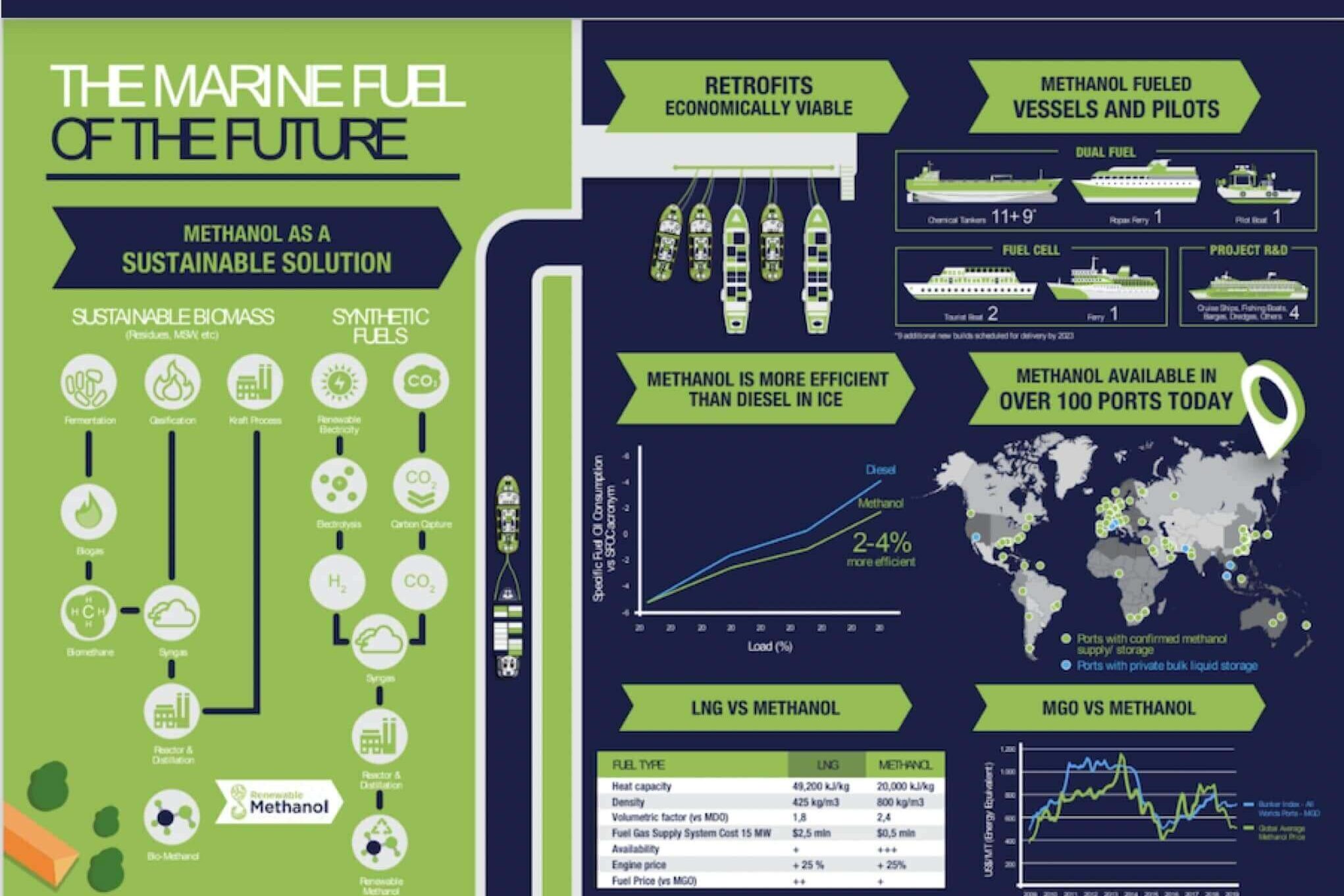
Methanol, a colorless alcohol-based liquid, has gained traction as a clean-burning fuel source for marine vessels due to its promising environmental and economic benefits. When compared to traditional marine fuels, such as heavy fuel oil or diesel, methanol combustion releases significantly fewer harmful pollutants, including sulfur oxides , nitrogen oxides , and particulate matter. This reduction in emissions aligns with the International Maritime Organization’s (IMO) stringent regulations aimed at curbing air pollution and mitigating climate change.

Beyond emissions reductions, methanol production can be derived from a variety of sources, including natural gas, biomass, and even carbon dioxide recycling. This versatility reduces dependency on fossil fuels and provides the industry with a more diversified and sustainable energy supply chain. Moreover, methanol’s energy density and ease of storage make it a viable option for long-haul shipping, addressing concerns about range and efficiency.

Pioneering Initiatives and Research

The adoption of methanol as a maritime fuel is not a distant dream; it is rapidly becoming a reality. Several pioneering initiatives and research projects have showcased the potential of methanol-fueled ships. One notable example is the world’s first methanol-powered containership, the “Mari Jone,” which embarked on its maiden voyage in 2016. This historic journey demonstrated the feasibility of using methanol as a primary fuel source and laid the foundation for further exploration in this field.

Research efforts have also been directed toward optimizing methanol engines and propulsion systems. Methanol’s combustion characteristics differ from traditional fuels, necessitating innovations in engine design and fuel delivery systems. Collaborations between maritime companies, engine manufacturers, and research institutions have yielded significant progress in this area, ensuring the efficient utilization of methanol as a marine fuel.

Challenges on the Horizon

While the potential benefits of methanol-fueled ships are compelling, several challenges must be addressed to ensure a successful transition. Infrastructure is a critical concern. Establishing a global network of methanol refueling stations is essential to support the widespread adoption of this fuel. Governments and industry stakeholders need to collaborate to invest in the necessary infrastructure, including storage, transportation, and distribution facilities.

Cost considerations also play a role. Currently, the production and storage of methanol are more expensive compared to traditional fossil fuels. However, economies of scale, advancements in production technology, and increasing demand could drive down costs over time. Government incentives and policies that promote the adoption of alternative fuels could further accelerate the competitiveness of methanol in the maritime sector.

Navigating Toward a Sustainable Future

The future of methanol-fueled ships in the commercial maritime industry holds promise. As regulatory pressures continue to mount and environmental concerns gain momentum, the industry is seeking innovative solutions that balance economic viability with ecological responsibility. Methanol’s ability to significantly reduce emissions and offer a pathway to sustainable energy aligns perfectly with these aspirations.

Incorporating methanol as a marine fuel is not a standalone solution but part of a broader strategy to decarbonize the shipping industry. Hybrid systems that combine methanol with other alternative fuels, such as hydrogen or ammonia, could further enhance efficiency and reduce emissions. These integrated approaches leverage the strengths of various fuels to create synergistic solutions that cater to the diverse needs of different types of vessels and routes.

Conclusion

The commercial maritime industry is on the cusp of transformation, and methanol-fueled ships are poised to be at the forefront of this evolution. Their potential to reduce emissions, enhance energy security, and drive sustainable development underscores their importance in shaping the industry’s future. While challenges remain, collaborations between stakeholders, advancements in technology, and favorable policies will play crucial roles in accelerating the adoption of methanol as a viable and eco-friendly maritime fuel. As we sail toward a more sustainable horizon, methanol’s significance cannot be overstated in propelling the maritime industry into a cleaner and greener era.

Naval Drone Hits Russian Military Tanker: Navigating the Complexities of Maritime Security

In a recent turn of events that has sent ripples through the international maritime community, a naval drone strike hannened on a Russian military tanker in what appears to be a deliberate act of aggression. The incident underscores the evolving landscape of maritime security, where unmanned technologies are playing an increasingly pivotal role. As nations grapple with the implications of this incident, questions about responsibility, accountability, and the future of naval warfare arise.

The Incident Unfolds: Naval Drone Strike

The incident occurred in the waters of the Black Sea, a region that has witnessed heightened tensions in recent years due to geopolitical rivalries and territorial disputes. The Russian military tanker, which was navigating through this contested area, reportedly came under attack from an unidentified naval drone. Preliminary reports suggest that the drone was armed and targeted the vessel with precision.

The strike on a military tanker raises several critical concerns. Military tankers play a crucial role in maritime operations, ensuring the replenishment of naval vessels at sea. Targeting such a vessel not only poses a direct threat to the safety of the crew but also impacts the logistical capabilities of the nation’s naval forces.

The Role of Naval Drones

Naval drones, often referred to as Unmanned Surface Vehicles (USVs) or Unmanned Underwater Vehicles (UUVs), have rapidly gained prominence in modern naval warfare. These autonomous or remotely operated systems offer a range of capabilities, from surveillance and reconnaissance to mine clearance and even offensive actions. The incident involving the Russian military tanker highlights the growing significance of these technologies in shaping the dynamics of maritime security.

Naval drones provide nations with the advantage of conducting operations in contested or risky areas without risking the lives of human personnel. They can gather intelligence, monitor maritime traffic, and engage in offensive actions if required. However, their use also presents ethical and legal challenges, particularly in scenarios where their actions lead to unintended escalations.

Geopolitical Ramifications

The incident has sparked a diplomatic row, with Russia vehemently condemning the attack and demanding a thorough investigation. The international community is closely watching the developments, as the incident has the potential to exacerbate existing tensions in the region. The use of naval drones to target a military vessel raises questions about the rules of engagement in maritime conflicts and the appropriate response mechanisms.

One of the challenges lies in determining the responsible party behind the attack. The autonomous nature of some naval drones makes it difficult to attribute blame directly. Additionally, the lack of standardized regulations for the use of naval drones in international waters complicates the process of addressing such incidents.

Navigating the Legal Quagmire

The incident also underscores the need for clear and universally accepted guidelines governing the use of autonomous naval technologies. The United Nations Convention on the Law of the Sea (UNCLOS) provides a foundational framework for maritime activities, but it doesn’t comprehensively address the use of unmanned systems. As technology evolves, international law must adapt to encompass these advancements.

Key issues to consider include defining the rules of engagement for naval drones, establishing mechanisms for attribution and accountability in case of incidents, and ensuring that the use of unmanned systems complies with international humanitarian law. The complexity of these challenges highlights the urgent need for collaborative efforts among nations to address the legal gaps surrounding naval drones.

The Path Forward

As the incident involving the Russian military tanker reverberates across the international stage, it serves as a wake-up call for the global community. The integration of naval drones into maritime operations is irreversible, and the implications of their use are far-reaching. To prevent similar incidents in the future and mitigate the risks associated with unmanned technologies, nations must engage in constructive dialogue and develop comprehensive guidelines for their use.

The incident also underscores the importance of investing in diplomacy and conflict prevention. Transparent communication channels, crisis management protocols, and mechanisms for de-escalation are critical in avoiding unintended conflicts arising from technological misunderstandings or misjudgments.

In a rapidly evolving world where technology is reshaping traditional power dynamics, the incident involving the Russian military tanker underscores the need for adaptability and foresight. As naval drones continue to reshape maritime security, nations must collaboratively navigate the complexities of this new era while upholding the principles of peace, cooperation, and international law.

Arctic Becomes New Pathway for Russian Oil Shipments to Asia

05 Aug 2023

Introduction

The Arctic region, once a frozen and inaccessible frontier, is rapidly transforming into a new pathway for Russian oil shipments to Asia. As the effects of climate change accelerate, the Arctic ice is melting at an alarming rate, opening up previously unnavigable waters and unlocking vast opportunities for trade and resource exploration. For Russia, this melting ice presents a strategic advantage, allowing it to tap into its rich oil reserves and establish shorter shipping routes to Asian markets. However, the increasing presence of Russian oil tankers in the Arctic also raises concerns over environmental risks and geopolitical implications.

The Melting Arctic: A New Trade Route for Russian Oil

Climate change has had a profound impact on the Arctic region, leading to a dramatic reduction in sea ice coverage. Consequently, the Northern Sea Route (NSR), which stretches along the Russian Arctic coast from the Kara Sea to the Bering Strait, is becoming increasingly navigable for longer periods each year. This has significantly shortened the traditional shipping route from Europe to Asia by thousands of miles, making it an appealing alternative for commercial vessels and, particularly, for Russian oil exports.

Russia’s Vast Oil Reserves and Asian Demand

Russia, being one of the world’s leading oil producers, possesses abundant reserves of hydrocarbons in the Arctic region. The ability to transport this oil more efficiently to Asian markets, especially to energy-hungry countries like China, Japan, and South Korea, offers a competitive advantage for Russia. By utilizing the NSR, Russian oil companies can reduce transportation time and costs, making their products more appealing in the competitive Asian energy market.

China’s Arctic Interest and Investment

China, the world’s largest energy consumer, is closely monitoring the developments in the Arctic. Recognizing the economic and strategic potential of the Northern Sea Route, China has shown growing interest in Arctic affairs. Chinese companies have made significant investments in Russian Arctic energy projects, forging partnerships that serve China’s energy needs while bolstering Russia’s Arctic ambitions. However, such cooperation raises concerns among other nations over the potential implications for regional dynamics and sovereignty.

Environmental and Ecological Risks

The melting Arctic ice also raises serious environmental concerns. The region is ecologically sensitive, home to unique species of wildlife and vital ecosystems. The increased shipping activity in these waters poses a risk of oil spills, maritime accidents, and pollution, which could have devastating consequences on the fragile Arctic environment. Addressing these risks requires international cooperation and stringent regulations to safeguard the Arctic’s ecological balance.

Also Read:
U.S. Contemplates Deploying Military Personnel on Merchant Ships in Strait of Hormuz

Geopolitical Implications and Tensions

As the Arctic ice continues to recede, there is a growing interest in the region from other nations, including the United States, Canada, and several European countries. The potential for resource exploration, shipping opportunities, and the establishment of new trade routes has fueled competition for influence in the Arctic. This has led to geopolitical tensions, with some nations expressing concern about Russia’s expanding military presence in the region and the possibility of territorial disputes.

The Legal Framework: UNCLOS and Territorial Claims

The United Nations Convention on the Law of the Sea (UNCLOS) provides the international legal framework for managing maritime spaces, including the Arctic. However, several Arctic countries, including Russia, have overlapping territorial claims, leading to complex negotiations over resource rights and the demarcation of maritime boundaries. Resolving these issues in a peaceful and cooperative manner is essential for ensuring stability and preventing potential conflicts.

Conclusion

The melting Arctic is transforming the dynamics of global trade and resource exploration, with Russia eyeing the region as a new pathway for its oil shipments to Asia. The Northern Sea Route presents significant economic opportunities for both Russia and Asian countries, particularly China. However, the increasing presence of Russian oil tankers in the Arctic raises environmental concerns and geopolitical tensions. It is crucial for the international community to collaborate and establish effective regulations to protect the Arctic’s delicate environment while ensuring peaceful cooperation among Arctic nations. As climate change continues to reshape the Arctic, responsible and sustainable management of this fragile region will be essential for the future of our planet and its geopolitics.

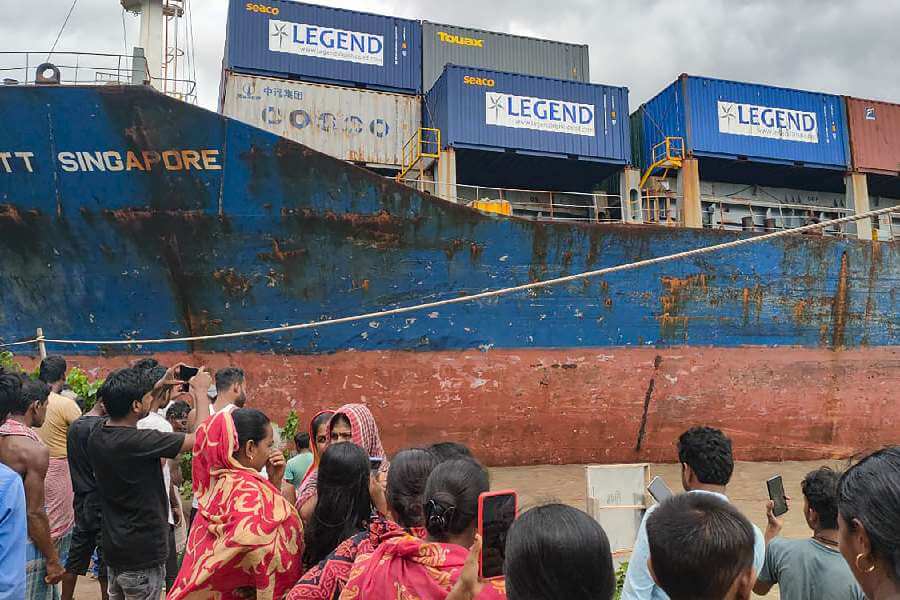
Container Vessel MTT Singapore Runs Aground in Hooghly River in Bengal, Crew Members Safe

04 Aug 2023

Introduction

On a fateful morning, the maritime community was met with news of the container vessel MTT Singapore running aground in the Hooghly River, West Bengal. The incident, which took place on [date], sent shockwaves through the industry, raising concerns about navigational safety and potential environmental consequences. Fortunately, all crew members aboard the vessel were reported to be safe. This article delves into the details surrounding the incident, its potential causes, and the subsequent response.

The Incident: MTT Singapore

MTT Singapore, a massive container vessel owned and operated by a leading shipping company, was on its routine voyage when it encountered an unforeseen obstacle in the Hooghly River, one of the major distributaries of the Ganges Delta. The vessel, laden with thousands of containers filled with various goods destined for ports across the Indian subcontinent, ran aground near [location], a critical stretch of the river.

The reasons behind the vessel running aground remain uncertain, but initial reports suggest that adverse weather conditions and navigational challenges might have played a significant role. The Hooghly River is known for its unpredictable currents, shifting sandbanks, and shallow stretches, making navigation particularly challenging, even for experienced mariners.

Image Source: The Telegraph Online

Response and Rescue Operations

Upon receiving distress signals from MTT Singapore, the Indian Coast Guard immediately dispatched rescue teams to the scene. Prompt and efficient coordination with local authorities ensured that all crew members were safely evacuated from the vessel. This quick response averted a potential disaster and brought relief to the families and friends of the crew members.

However, the grounding of MTT Singapore posed a significant challenge to the authorities, as it obstructed a vital waterway used for maritime trade in the region. The grounded vessel’s positioning raised concerns about potential fuel leakage, posing environmental risks to the river and surrounding ecosystems. To mitigate these risks, authorities worked tirelessly to contain any potential pollution from the vessel and prevent any further damage.

Investigation and Accountability

As is customary with maritime incidents of this magnitude, an investigation was launched to determine the cause of the grounding. A team of experts, including marine engineers, naval architects, and experienced seafarers, were assembled to conduct a thorough assessment of the vessel and the surrounding conditions leading up to the incident.

The investigation aimed to establish whether human error, mechanical failure, or external factors, such as adverse weather or navigational challenges, were the primary causes of the grounding. The findings of the investigation would play a crucial role in determining the accountability of those involved and would help prevent similar incidents in the future.

Lessons Learned and Maritime Safety

The grounding of MTT Singapore serves as a stark reminder of the challenges and risks associated with maritime trade. Despite advances in navigation technology and safety protocols, vessels continue to face unforeseen hazards at sea. It underscores the importance of continuous training for the crews and up-to-date equipment to mitigate potential dangers effectively.

Moreover, incidents like this highlight the significance of maritime safety regulations and the need for diligent adherence to established guidelines. It is essential for shipping companies to prioritize the safety of their crew, the environment, and the vessels themselves.

Maritime authorities in the region should also take this opportunity to reassess the navigational challenges in the Hooghly River and improve safety measures to prevent similar groundings in the future. Regular dredging, updating navigational charts, and enhanced real-time monitoring could significantly reduce the risk of grounding incidents in such critical waterways.

Environmental Concerns and Cleanup Efforts

One of the major concerns following the grounding was the potential for environmental pollution. Vessels like MTT Singapore carry large quantities of fuel and other hazardous materials that, if spilled, can have severe consequences on marine life and coastal ecosystems.

To address this risk, local authorities promptly deployed pollution response teams and containment booms to mitigate any potential spillage. Environmental experts are closely monitoring the situation, and cleanup efforts are underway to minimize the impact on the Hooghly River and its surroundings.

Conclusion

The grounding of the container vessel MTT Singapore in the Hooghly River, West Bengal, was a wake-up call for the maritime industry regarding the need for enhanced safety measures and navigational protocols. Thankfully, all crew members were rescued safely, preventing a human tragedy.

The incident emphasizes the importance of continuous training, adherence to safety regulations, and investment in state-of-the-art navigational technology. It also highlights the critical role of prompt response and effective coordination between maritime authorities in times of crisis.

As the investigation into the incident progresses, the maritime community awaits the findings eagerly. The lessons learned from this incident should serve as a catalyst for positive change, leading to improved safety standards and environmental protection in the shipping industry. By learning from such incidents, we can collectively strive for safer and more sustainable maritime practices in the future.

U.S. Contemplates Deploying Military Personnel on Merchant Ships in Strait of Hormuz

04 Aug 2023

Introduction

In a significant development, the U.S. United States is reportedly exploring a plan to deploy military personnel on merchant ships transiting through the highly strategic and volatile Strait of Hormuz. The move comes in the wake of heightened tensions in the region and increasing concerns over maritime security. The proposal aims to safeguard American interests and maintain the free flow of trade through one of the world’s most critical chokepoints for oil shipments. However, the potential implications and challenges of such a measure raise questions about its feasibility and broader geopolitical consequences.

The Importance of the Strait of Hormuz

The Strait of Hormuz, located between Oman and Iran, is a narrow waterway connecting the Persian Gulf to the Gulf of Oman and the Arabian Sea. It serves as a vital passage for international trade, with approximately 20% of the world’s oil supply passing through its waters. As such, any disruption in navigation can have significant implications for global energy markets and the stability of the world economy.

Heightened Tensions and Security Concerns

The region has been characterized by longstanding geopolitical rivalries and conflicts. Iran, a major player in the region, has previously threatened to close the Strait in response to mounting pressure from international sanctions and political disputes. Incidents such as attacks on oil tankers, drone seizures, and the seizure of a British-flagged tanker by Iran’s Revolutionary Guard have further heightened concerns about security in the area.

The U.S. Naval Presence and Its Limitations

The U.S. has maintained a significant naval presence in the region for decades to protect its interests and those of its allies. However, the presence of warships alone cannot guarantee absolute security for merchant vessels. The sheer number of merchant ships and the vastness of the region pose a logistical challenge to providing continuous protection to each vessel.

The Proposed Plan: Military Personnel on Merchant Ships

To address the limitations of traditional naval presence, the U.S. government is exploring the concept of placing military personnel on board merchant ships transiting the Strait of Hormuz. The primary objective is to have a dedicated security force on each ship capable of responding promptly to potential threats, thereby ensuring the safe passage of vessels.

Advantages and Potential Benefits

The plan offers several advantages. First, having military personnel onboard merchant ships could act as a deterrent against potential attacks. Second, in case of a security incident, the response time would be significantly reduced compared to waiting for warships to arrive. Third, it could potentially free up naval resources to focus on other crucial strategic areas in the region.

Challenges and Considerations

Despite its potential benefits, the plan raises several challenges and considerations that must be carefully evaluated. One of the primary concerns is the potential escalation of tensions in an already volatile region. The presence of armed U.S. military personnel on commercial vessels could be seen as a provocative move and could exacerbate hostilities.

Another concern is the safety of civilian crew members on board the merchant ships. Placing military personnel on civilian vessels could expose non-combatants to greater risks and increase the likelihood of harm in the event of an attack.

Logistical hurdles also loom large. Training and equipping military personnel for maritime security duties would require considerable resources and cooperation from the merchant shipping industry. Moreover, coordinating communication and response protocols between the military and commercial crews could present challenges during high-stress situations.

Conclusion

The U.S. government’s consideration of placing military personnel on merchant ships in the Strait of Hormuz is a response to the evolving security landscape in the region. The objective of safeguarding the free flow of trade and protecting international interests is commendable, but the potential consequences of such a measure must be meticulously analyzed. Striking a balance between enhancing security and avoiding unintended escalation will require thorough planning, cooperation with international partners, and careful navigation of the complex geopolitical dynamics at play in the region. Only through a comprehensive and measured approach can the U.S. and its allies hope to maintain stability and safeguard the critical maritime passage through the Strait of Hormuz.

India Invites The IMO To Set A Realistic Target Of 5% Zero-Carbon Marine Fuel By 2030.

5th July 2023

Realistic Target Of 5% Zero-Carbon Marine Fuel

India has pleaded with the International Maritime Organization (IMO) to establish reasonable targets for reaching a 5% composition of zero-carbon fuels in the naval fuel mix by 2030. The nation stresses the need to steer clear of bad decisions, risky ventures, and hasty technology fixes. India has provided a thorough proposal for a policy of progressive reduction, providing a smooth transition to a maritime industry that is sustainable. The nation is also in favor of enacting a tax on greenhouse gas emissions to promote the use of renewable energy sources and provide funds for research and development in the maritime industry, alternative fuel production, and fuel supply networks.

India underlines the need for future fuels that are inexpensive, efficient engines, and a qualified workforce in order to meet the lofty goals of the Paris Agreement. Concerns regarding greenhouse gas pricing and trade, which can create uncertainty and influence investment choices in zero-carbon technology, are raised as well as requests for equitable revenue creation. India acknowledges the assistance of co-sponsors including China, Norway, Japan, and ICS but stresses the need for additional elaboration and consolidation before to official adoption. In order to reduce emissions from the marine industry, help international efforts to combat climate change, and promote a sustainable maritime business, India is still committed to supporting IMO activities.

Anglo Eastern Ship Management’s (India) RPSL license has been suspended for three years.

2 April 2023

Seamen’s Employment Office, affiliated to the D G Shipping issued the suspension order, reason behind this suspension is the death of Sanjay Chaudhary, Chief Engineer on 17 April 2018 who was onboard Ship (MT Atlantic Olive) and it was managed by Anglo Eastern during that period.

Anglo Eastern Ship Management is one the World’s largest ship management companies based in Hong Kong. On 31 May 2023 India’s maritime Regulator The Directorate General of Shipping issued a 3 year suspension order for violating the recruitment and placement service rule of seafarers.

Anglo Eastern in Response

In response to the order Vinit Gupta, Managing Director, Anglo Eastern Ship Management (India) commented “Anglo-Eastern has more than 20,000 Indian officers and crew presently in our employment. Our commitment to the employment, training, and wellbeing of Indian seafarers goes back 30 years and has been acknowledged many times over in the past three decades, most recently at the 2023 National Maritime Day Awards, where we were proud to be named the top foreign employer of Indian seafarers by the Directorate General of Shipping.

It is now being alleged that we are prohibited from operating due to a license issue. To be clear we can confirm that we are discussing this matter with the Directorate of Seamen’s Employment arising from an ongoing case involving the natural death of a senior officer on board one of our managed vessels in 2018. We are legally prohibited from commenting on the case, however, we have fully cooperated with all relevant authorities since 2018 and we are absolutely certain that we will be able to continue to perform Indian manning services on behalf of many of the world’s largest and most reputed international shipping companies.

In the meantime, rest assured that our operations remain business as usual. The ongoing discussion does not impact our day-to-day operations, our seafarers ashore or on board, or the continuity of the employment of seafarers and their confirmed joining schedules. We remain, as always, committed to the safety and wellbeing of all our seafarers and their families and look to a quick resolution.”

Well, it is not going to affect much since Anglo Eastern holds a second RPSL License originally issued to Univan Ship Management Ltd. The company’s merger happened back in 2015. 

Philippines Maritime Sanctuary At Danger Due To Oil Leak From Sunken Cargo Vessel

21 march 2023

According to reports, the maritime corridor of Isla Verde, a well-liked marine sanctuary, has been affected by the industrial oil leak from the drowning of a cargo vessel in February 2023. This environmental disaster could be caused by the marine corridor. Around 533 hectares of mangroves were reported to have been damaged by the leak in Pola, Oriental Mindoro, by the university. Oil has been spotted in the marine corridor and on beaches.

The government of the Philippines is getting assistance from its Japanese counterpart to control the spill that is still coming from the cargo ship that sank at a depth of 400 metres without the authorities being able to completely block the escape path for the oil. Up to a year is possibly needed to clean up the spill, and for six months, fisherman from villages near the spill may not be able to fish in the nearby waters.

Also Read: 40 People Are Rescued After A  Ship Sinks In Lough Derg Lake.

The Lough Derg RNLI rescued 40 people on a 40-foot passenger ship that had grounded on a rocky shoal off the coast of County Galway’s Bonaveen Point. The lifeboat questioned the casualty vessel and Valentia Coast Guard if it had been taking on water and if there were any risks in the water nearby while in VHF contact with them. Read More

Also Read: A Tanker Fire Off The Coast Of Portugal Raises Concerns About Pollution.

The Portuguese Navy reports that at around 3:30 p.m. Tuesday, the Lisbon Maritime Search and Rescue Coordination Centre (MRCC) received a distress call about a fire aboard the Malta-flagged tanker Greta K, which was about 1.5 miles off the coast, about 3 kilometers from Ingleses Beach in Foz do Douro, Portugal. Read More

Also Read: Chinese And Russian Navy Exercises With Iran In The Gulf Of Oman

This week, Russia, China, and Iran started The “Security Belt 2023” combined naval exercises in the Gulf of Oman, showing their readiness to work together on maritime operations. which takes place in the seas around the port of Chabahar from Wednesday through Saturday, includes activities at sea like a search and rescue exercise and a gunnery exercise. Read More

A Tanker Fire Off The Coast Of Portugal Raises Concerns About Pollution.

22 march 2023

The Portuguese Navy reports that at around 3:30 p.m. Tuesday, the Lisbon Maritime Search and Rescue Coordination Centre (MRCC) received a distress call about a fire aboard the Malta-flagged tanker Greta K, which was about 1.5 miles off the coast, about 3 kilometers from Ingleses Beach in Foz do Douro, Portugal.

There are 19 Filipino crew members on board the tanker, some of whom have already left. The Ports Administration of Douro, Leixes, and Viana do Castelo (APDL) has sent three tugboats to help fight the fire. Boats from the lifesaving stations, Póvoa de Varzim, and the local command of the maritime police have successfully rescued 12 crew members.

The remaining seven crew members are still on board, and the tanker is being hauled to an offshore region for safety precautions. The national maritime authority of Portugal has mobilized teams to respond to pollution and preparing supplies. The Hydrographic Institute of the Navy is also keeping a close eye on the situation and is prepared to determine drift patterns in the event of a pollution disaster.

Also Read: 40 People Are Rescued After A  Ship Sinks In Lough Derg Lake.

The Lough Derg RNLI rescued 40 people on a 40-foot passenger ship that had grounded on a rocky shoal off the coast of County Galway’s Bonaveen Point. The lifeboat questioned the casualty vessel and Valentia Coast Guard if it had been taking on water and if there were any risks in the water nearby while in VHF contact with them. Read More

Also Read: Philippines Maritime Sanctuary At Danger Due To Oil Leak From Sunken Cargo Vessel

According to reports, the maritime corridor of Isla Verde, a well-liked marine sanctuary, has been affected by the industrial oil leak from the drowning of a cargo vessel in February 2023. This environmental disaster could be caused by the marine corridor. Read More

Also Read: Chinese And Russian Navy Exercises With Iran In The Gulf Of Oman

This week, Russia, China, and Iran started The “Security Belt 2023” combined naval exercises in the Gulf of Oman, showing their readiness to work together on maritime operations. which takes place in the seas around the port of Chabahar from Wednesday through Saturday, includes activities at sea like a search and rescue exercise and a gunnery exercise. Read More