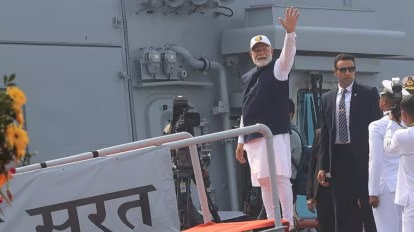
Tripura to Be Linked with Kolkata, Visakhapatnam, and Paradip via Waterways: Union Minister Sonowal

Report: Tripura to Be Linked with Kolkata, Vizag & Paradip via Waterways

In a landmark initiative aimed at bolstering regional connectivity and economic growth, Union Minister for Shipping, Ports, and Waterways, Sarbananda Sonowal, announced plans to link Tripura with major Indian ports—Kolkata, Visakhapatnam, and Paradip—via waterways through Bangladesh. This strategic move is poised to transform Tripura’s trade dynamics, offering a more efficient and cost-effective route for the transportation of goods.

Enhancing Tripura’s Connectivity

Traditionally, Tripura, a landlocked state in India’s Northeast, has relied heavily on road and rail networks that traverse through Assam and West Bengal to access other parts of the country. This overland route spans approximately 1,650 kilometers from Agartala to Kolkata via Guwahati. In contrast, the distance between Agartala and Kolkata through Bangladesh is just about 620 kilometers, highlighting the potential for significant reductions in travel distance and time.

The proposed project involves the development of jetties along the Gomati River in Tripura. These jetties will facilitate direct access to the Bay of Bengal through Bangladesh’s waterways, effectively connecting Tripura to the ports of Kolkata in West Bengal, Paradip in Odisha, and Visakhapatnam in Andhra Pradesh. This initiative is expected to provide a seamless maritime route, enhancing trade efficiency and opening new markets for Tripura’s products.

Strategic Importance of the Ports

Each of the ports identified in this project holds strategic significance:

  • Kolkata Port: As one of India’s oldest operating ports, Kolkata serves as a critical hub for trade in the eastern region. Its connectivity to Tripura via waterways will streamline the movement of goods, reducing dependency on overland routes.
  • Paradip Port: Located in Odisha, Paradip is a deep-water port that handles a substantial volume of cargo, including coal, iron ore, and other bulk commodities. Linking Tripura to Paradip can facilitate the export of the state’s agricultural and industrial products to larger markets.
  • Visakhapatnam Port: Situated on the east coast of Andhra Pradesh, Visakhapatnam is one of India’s leading ports in terms of cargo throughput. Its inclusion in the connectivity project offers Tripura an additional gateway to southern and central Indian markets, as well as international destinations.

Economic Implications for Tripura

Tripura boasts a diverse range of agricultural and horticultural products, including pineapples, jackfruits, rubber, and bamboo. The enhanced connectivity is anticipated to provide local producers with more accessible and lucrative markets, both domestically and internationally. By reducing transportation costs and transit times, the waterways linkage will make Tripura’s exports more competitive, potentially leading to increased income for farmers and entrepreneurs.

Moreover, the improved infrastructure is expected to attract investment in the state’s industrial and manufacturing sectors. With more efficient access to major ports, industries in Tripura can benefit from the import of raw materials and the export of finished goods, fostering economic diversification and job creation.

Leveraging International Agreements

The success of this initiative hinges on effective collaboration between India and Bangladesh. Utilizing the Protocol on Inland Water Transit and Trade (PIWTT) between the two countries, the project aims to ensure smooth navigation and transit of vessels through Bangladeshi waterways. This bilateral agreement facilitates not only regional trade but also strengthens diplomatic ties between the neighboring nations.

Environmental and Social Considerations

While the project promises economic benefits, it also necessitates careful environmental and social assessments. The Gomati River, being a rain-fed river, experiences fluctuations in water levels, especially during the dry season. Ensuring year-round navigability may require dredging and other interventions, which must be managed sustainably to protect the river’s ecosystem.

Also Read: Strengthening Maritime Ties: PM Modi and President Macron Visit CMA CGM Headquarters in Marseille

Additionally, the development of port infrastructure and increased traffic may impact local communities. Engaging with these communities to address concerns and ensure that they benefit from the project is crucial for its long-term success.

Government’s Vision for the Northeast

This waterways connectivity project aligns with the Indian government’s broader vision for the development of the Northeastern region. Under the “Act East Policy,” there is a concerted effort to enhance infrastructure, improve connectivity, and foster economic growth in the Northeast, positioning it as a gateway to Southeast Asia.

Union Minister Sarbananda Sonowal highlighted the transformative changes in Tripura over the past decade, noting the substantial improvements in air and rail connectivity. The introduction of waterways as an additional mode of transport is expected to complement these developments, creating a multi-modal transport network that boosts trade and tourism.

Conclusion

The initiative to connect Tripura with major Indian ports via waterways through Bangladesh marks a significant milestone in the region’s development trajectory. By providing an alternative and efficient route for trade, this project is poised to unlock Tripura’s economic potential, benefiting local communities and contributing to the broader goal of regional integration. As the project progresses, careful attention to environmental sustainability and community engagement will be essential to ensure that the benefits are both inclusive and enduring.

Also Read: Deendayal Port Authority Takes a Major Leap Towards Women’s Empowerment
Strengthening Maritime Ties: PM Modi and President Macron Visit CMA CGM Headquarters in Marseille

Report: PM Modi & President Macron Visit CMA CGM Headquarters in Marseille

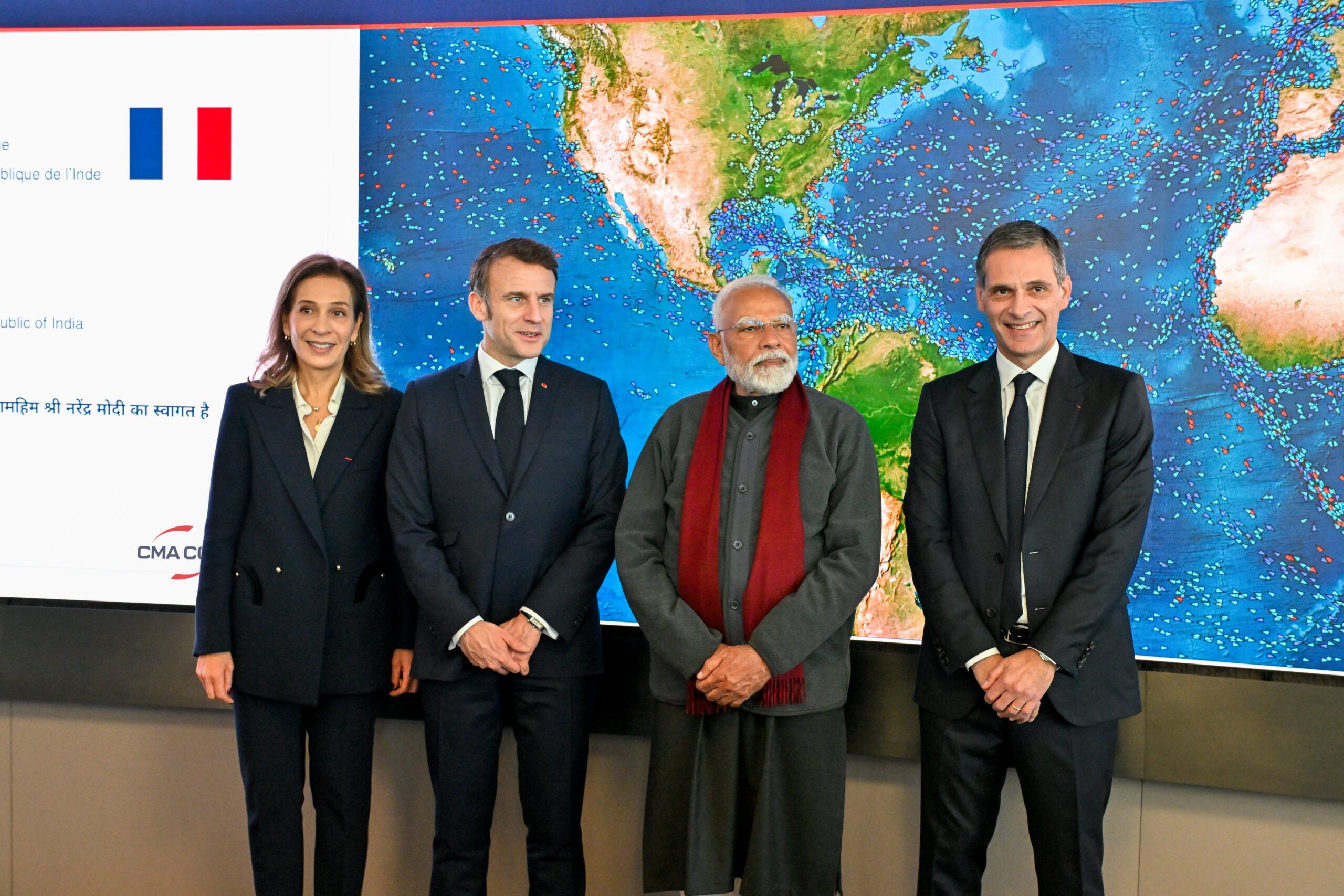
In a significant demonstration of the deepening ties between India and France, Indian Prime Minister Narendra Modi and French President Emmanuel Macron visited the headquarters of the CMA CGM Group in Marseille on February 12, 2025. This visit underscored the strategic importance of maritime collaboration and the shared vision for enhanced global connectivity between the two nations.

Strengthening Maritime Collaboration

Rodolphe Saadé, Chairman and CEO of CMA CGM, welcomed Prime Minister Modi and President Macron to the company’s headquarters. The discussions centered on bolstering economic ties and advancing the India-Middle East-Europe Economic Corridor (IMEC), a project aimed at creating an integrated trade route connecting India, the Middle East, and Europe through a combination of maritime and land infrastructure. CMA CGM’s modern fleet, strategic port hubs, and extensive logistics expertise position the company as a pivotal player in ensuring the efficiency and success of this new corridor.

With a presence in India spanning over 34 years, CMA CGM has established itself as a key facilitator of the country’s trade with global markets. The company operates 19 weekly maritime services connecting India to various international destinations. Strategic investments have been made in port infrastructure, notably in Nhava Sheva Freeport (NSFT) and Mundra Port, enhancing the efficiency and capacity of India’s maritime trade routes.

In line with global sustainability efforts, CMA CGM introduced India’s first LNG-powered container vessel in December 2024. This initiative is part of the company’s broader decarbonization strategy, aiming to reduce the environmental impact of maritime operations. Additionally, CMA CGM is promoting block train solutions, which offer a 67% reduction in CO₂ emissions compared to traditional road transport, thereby contributing to greener and more efficient supply chains.

Humanitarian and Educational Initiatives

Beyond its commercial ventures, CMA CGM has demonstrated a strong commitment to social responsibility in India. The CMA CGM Foundation, led by Tanya Saadé Zeenny, has been actively involved in humanitarian and educational projects across the country. Collaborations with organizations such as Child Rights and You (CRY) and the Salaam Baalak Trust have resulted in support for over 2,150 children annually through various educational and social programs. In 2025, the Foundation plans to inaugurate three new centers to further expand educational access for underprivileged children.

Also Read: Deendayal Port Authority Takes a Major Leap Towards Women’s Empowerment

During the COVID-19 pandemic, CMA CGM played a crucial role in delivering essential medical supplies to India. The company facilitated the transport of ventilators, syringe pumps, and oxygen production units, providing much-needed support to Indian hospitals during a critical period. This effort exemplifies the company’s dedication to leveraging its logistical capabilities for humanitarian assistance.

Advancing the India-Middle East-Europe Economic Corridor

The IMEC project stands as a testament to the collaborative spirit between India and France, aiming to enhance trade and economic integration across regions. By connecting India to Europe via the Middle East through a blend of maritime and land routes, the corridor is poised to streamline trade flows, reduce transit times, and foster economic development along its path. CMA CGM’s involvement is crucial, given its extensive experience and resources in global shipping and logistics. The company’s strategic port hubs and modern fleet are expected to play a significant role in the operationalization and success of the IMEC.

A Symbol of Franco-Indian Partnership

The joint visit to CMA CGM’s headquarters by Prime Minister Modi and President Macron symbolizes the robust and growing partnership between India and France. It highlights a mutual commitment to enhancing maritime cooperation, promoting sustainable practices, and strengthening economic ties. As both nations navigate the complexities of the global trade environment, such collaborations are pivotal in achieving shared economic and strategic objectives.

Conclusion

The visit of Prime Minister Narendra Modi and President Emmanuel Macron to the CMA CGM headquarters in Marseille marks a significant milestone in Franco-Indian relations. It underscores the importance of maritime collaboration, sustainable development, and economic integration in the bilateral agenda. With initiatives like the India-Middle East-Europe Economic Corridor and CMA CGM’s continued investment in India’s maritime infrastructure, the partnership between the two nations is poised to reach new heights, fostering prosperity and connectivity across regions.

Also Read: UN to Review Seafarer Work Hours Following Alarming Overwork Study

Deendayal Port Authority Takes a Major Leap Towards Women’s Empowerment
Report: Deendayal Port Authority Boosts Women’s Empowerment
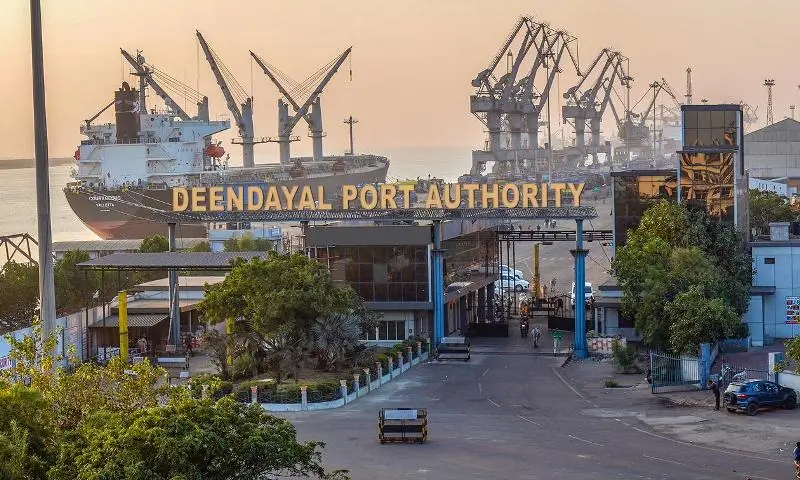
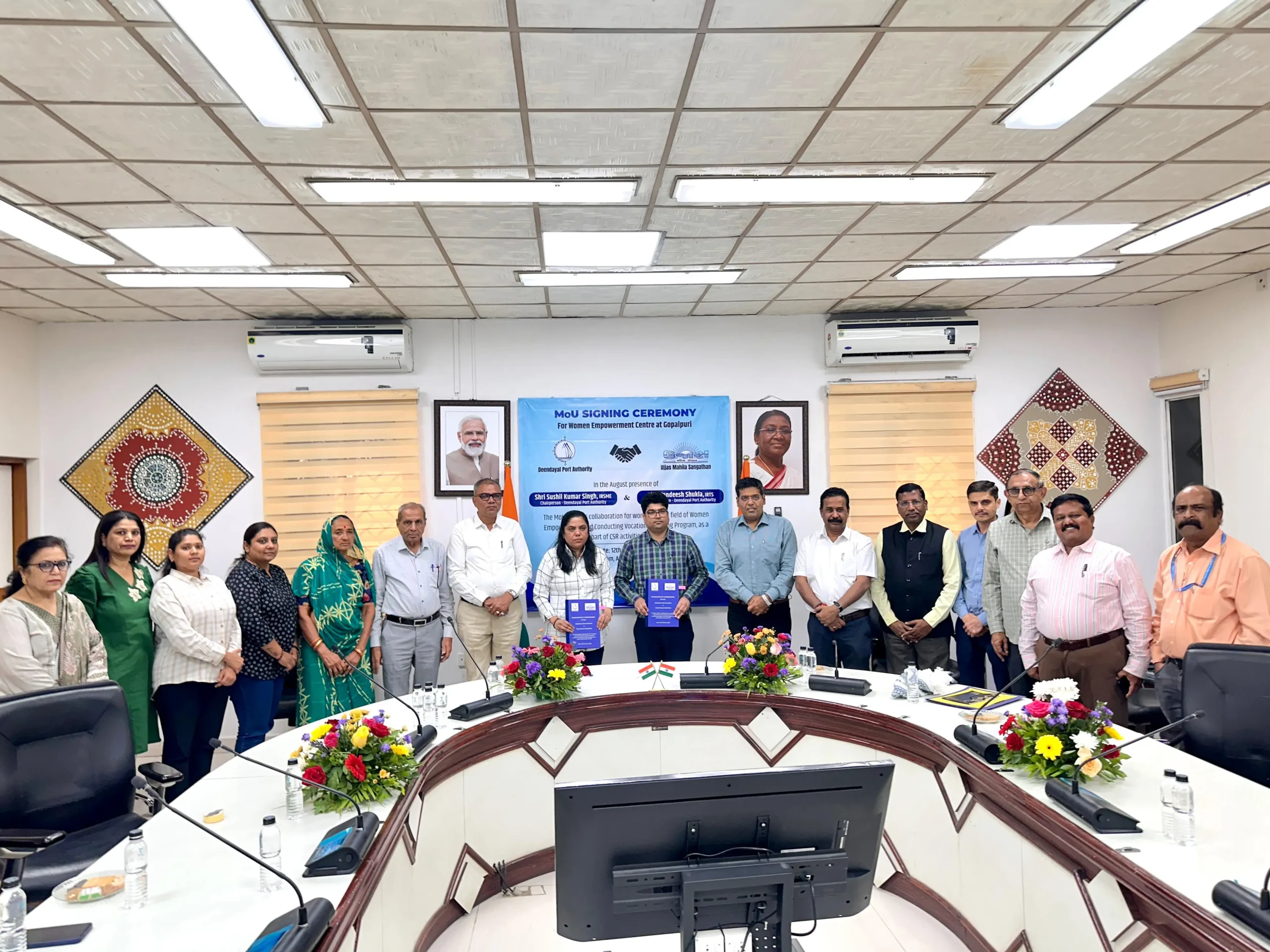
Gandhidham, Gujarat – In a significant move towards fostering women’s empowerment, the Deendayal Port Authority (DPA) has joined hands with the Ujjas Mahila Sangathan (UMS), a prominent Kutch-based women’s organization. The collaboration aims to establish a dedicated center for women’s empowerment in Gopalpuri, marking a milestone in DPA’s Corporate Social Responsibility (CSR) initiatives.

The Memorandum of Understanding (MoU) between DPA and UMS, signed on February 12, 2025, outlines a comprehensive plan to empower women in the region. The center, slated to commence operations in March 2025, will be housed in a renovated Kendriya Vidyalaya building in Gopalpuri. DPA has committed ₹119.48 lakhs in funding for the project, demonstrating its dedication to the cause.

UMS, with its extensive experience in promoting women’s economic, social, and political empowerment since 1989, will utilize the center to conduct a range of programs. These initiatives will focus on skill development, livelihood training, legal aid, and health awareness, equipping women with the tools they need to thrive. The center aims to train 1200 women in various trades, empowering them to secure livelihoods and become self-reliant.

A unique aspect of this initiative is the sustainability model. After the first year, UMS will manage the center on a self-sustaining basis, ensuring its long-term impact and continued support for women in the community. This approach underscores the commitment of both DPA and UMS to creating lasting change and empowering women for generations to come.

The partnership between DPA and UMS reflects a shared vision of uplifting women in Gandhidham and its surrounding areas. By providing opportunities for skill development, economic independence, and access to vital resources, the center will empower women to overcome challenges and actively contribute to their communities.

This initiative is not just about providing training; it’s about fostering a holistic approach to women’s empowerment. By addressing various aspects of their lives, including economic, social, and legal needs, the center aims to create a supportive environment where women can flourish.

The establishment of this center is a testament to DPA’s commitment to social responsibility and its recognition of the crucial role women play in society. By investing in women’s empowerment, DPA is not only transforming individual lives but also contributing to the overall development of the region.

This initiative is a shining example of how public-private partnerships can drive meaningful change. By combining the resources and expertise of a government body like DPA with the on-the-ground experience of an organization like UMS, the project is poised to make a significant impact on the lives of women in Gandhidham.

Also Read: UN to Review Seafarer Work Hours Following Alarming Overwork Study

The women’s empowerment center is expected to become a hub of activity, providing a safe and supportive space for women to learn, grow, and connect with each other. It will serve as a catalyst for change, inspiring women to break barriers, challenge stereotypes, and achieve their full potential.

The impact of this initiative will extend beyond individual women, rippling through families and communities. As women become more empowered, they will be able to contribute more effectively to their families’ well-being, participate in decision-making processes, and become agents of change in their communities.

The Deendayal Port Authority’s initiative is a significant step towards creating a more equitable and inclusive society. By empowering women, DPA is not only fulfilling its social responsibility but also investing in a brighter future for the entire community.

Conclusion:

The collaboration between the Deendayal Port Authority and Ujjas Mahila Sangathan to establish a women’s empowerment center is a commendable initiative that promises to bring about positive change in the lives of women in Gandhidham. By providing access to skill development, livelihood training, legal aid, and health awareness programs, the center will empower women to become self-reliant and contribute meaningfully to their communities. This initiative serves as a powerful example of how public-private partnerships can drive social progress and create a more equitable society for all.

Also Read: Union Budget 2025: Modi Govt’s Bold Push to Revitalize India’s Shipbuilding Industry

UN to Review Seafarer Work Hours Following Alarming Overwork Study

Report: UN to Review Seafarer Work Hours After Overwork Study.

In response to a comprehensive study revealing significant overwork among seafarers, the International Labour Organization (ILO) is set to re-examine existing work-rest regulations at the upcoming Special Tripartite Committee of the Maritime Labour Convention (MLC) in April 2025, Geneva.

Study Highlights

A 2022 survey conducted by the World Maritime University (WMU), encompassing over 9,000 seafarers globally, uncovered that maritime workers average 11.5 hours of duty daily, culminating in a 74.9-hour workweek. This figure starkly contrasts with the global average of 43 hours per week reported by the ILO in 2018.

Alarmingly, 28.1% of participants admitted to resting less than the mandated 10 hours per day, directly contravening established rest-hour regulations. Furthermore, seafarers typically receive only seven hours of sleep per day, raising significant concerns about fatigue and its implications for safety and well-being.

The study also highlighted that 78% of seafarers did not experience a single full day off during their entire contract period, a situation that contradicts the spirit of the Maritime Labour Convention. Additionally, 88.3% of respondents confessed to exceeding work/rest limits at least once a month, with 16.5% breaching these limits more than ten times monthly.

Regulatory Framework and Compliance Challenges

The ILO and the International Maritime Organization (IMO) have established clear guidelines through the MLC and the Seafarers’ Training, Certification, and Watchkeeping Code (STCW), stipulating:

  • Maximum Working Hours: 14 hours within a 24-hour period and 72 hours per week.
  • Minimum Rest Hours: 10 hours within a 24-hour period and 77 hours per week.

Despite these regulations, compliance remains inconsistent. Port state control reports often indicate high adherence rates, yet the WMU study suggests a “false narrative at policy levels,” as seafarers frequently underreport working hours to avoid penalties or employer retaliation.

Root Causes and Industry Practices

Maritime industry experts point to systemic issues contributing to overwork. Flag states often issue manning certificates with minimal crew requirements, enabling shipowners to operate vessels with fewer workers, thereby increasing individual workloads. This practice not only leads to excessive working hours but also pressures seafarers to adjust their work/rest records to present a facade of compliance.

The WMU report emphasizes that the current regulatory framework’s flexibility allows for such practices, resulting in a competitive environment where manning levels are minimized to reduce costs. This situation underscores the need for a more stringent and science-based approach to regulating seafarers’ working hours.

Also Read: Union Budget 2025: Modi Govt’s Bold Push to Revitalize India’s Shipbuilding Industry

Proposed Solutions and Future Directions

To address these challenges, a proposal under discussion suggests the creation of a secure online log system, managed by flag states, where seafarers can confidentially record their actual working hours without fear of repercussions. This system aims to provide a more accurate representation of working conditions and ensure better enforcement of rest-hour regulations.

The upcoming ILO meeting in Geneva will focus on reviewing and potentially revising the current work-rest regulations to better protect seafarers’ health and safety. This initiative reflects a growing recognition of the critical role seafarers play in global trade and the necessity of ensuring their well-being.

Conclusion

The WMU’s study has illuminated significant discrepancies between existing regulations and the realities faced by seafarers. The forthcoming ILO review presents an opportunity to address these issues comprehensively. Implementing stricter enforcement mechanisms, revising manning requirements, and fostering a culture that prioritizes seafarers’ well-being are essential steps toward sustainable and ethical maritime operations.

Also Read: ISRO’s Century of Soaring Success: 100th Mission from Sriharikota Ushers in New Era for Maritime Industry

Union Budget 2025: Modi Govt’s Bold Push to Revitalize India’s Shipbuilding Industry

Report: Union Budget 2025: A Big Push for India’s Shipbuilding Industry

a significant move to bolster India’s maritime capabilities, the Union Budget 2025, presented by Finance Minister Nirmala Sitharaman on February 1, announced a comprehensive strategy to rejuvenate the nation’s shipbuilding industry. initiative aligns with Prime Minister Narendra Modi’s vision of establishing India as a developed nation by 2047, emphasizing the creation of world-class infrastructure and self-reliance in critical sectors.

Maritime Development Fund (MDF): A Financial Catalyst

At thheart of this strategy is the establishment of a Maritime Development Fund (MDF) with a substantial corpus of ₹25,000 crore (approximately $3 billion). The gnment will contribute 49% of this fund, with the remaining capital mobilized from ports and private sector entities. The MDFs to provide long-term, low-cost financing to the shipbuilding and repair industry, addressing the sector’s financial constraints and promoting sustainable growth.

Revamping the Shipbuilding Financial Assistance Policy further incentivize domestic shipbuilding, the government plans to revamp the existing Shipbuilding Financial Assistance Polichis overhaul seeks to mitigate cost disadvantages faced by Indian shipyards, making them more competitive on the global stage. The revised policy will include credit notes for shipbreaking activities in Inan yards, promoting circular economy and encouraging the scrping of old vessels to make way for new, more efficient ships.

Promotion of Shipbuilding Clusters

Recognizing the importance of a robust ecosm, the budget proposes the development of shipbuilding clusters. These clusters will encompass additional infrastructure facilities, skill delopment programs, d technological advancements to enhance the industry’s overall capacity and pabilities. By fostering such clusters, the government aims to create a conducive environment for innovation and efficiency in ship production and repair.

Tax Exemptions and Inclusion in Infrastructure Harmonized Master List

In a bid to reduce operational costs, the government has extendedhe import tax exempon on inputs required for shipbuilding and shireaking activities by an additional 10 years. This move is expected to lower production expenses and encourage investment in the sectorrthermore, large ships above a specified size will now be included in the infrastructure harmon master list, facilitating easier access to infrastructure credit for shipbuilders.

Also Read: ISRO’s Century of Soaring Success: 100th Mission from Sriharikota Ushers in New Era for Maritime Industry

Establishment of a New Shipping Company

To expand the nation’s sing fleet and reduce reliance on foreign carriers, the government plans to establish a new shipping company. This venture will involve participation from oil refiners the Shipping Corporation of India. By bolstering the domestic fleet, India aims to retain freight payments within the country and enhance its strategic autonomy in maritime logistics.

Industry Response and Future Outlook

The announcement of these initiatives has been met with optimism within the maritime industry. Shares of the Shipping Corporation of India experienced a 3.8%ick following the budget presentation, reflecting investor confidence in the sector’s revitalization. Industry experts believe that these measures will not only enhance the cetitiveness of Indian shipyards but also position India as a significant player in the global shipbuilding market.

Conclusion

The Union Budget 2025’s emphasis on shipbuilding marks a pivotal step toward strengthening India’s maritime infrastructure. Through financial incentives, policy reforms, and strategic collaborations, the government aims to rejuvenate the shipbuilding industry, fostering economic growth and enhancing national security. As these initiatives unfold, India is poised to emerge as a formidable force in the global maritime arena, steering the nation toward a future of self-reliance and prosperity.

Also Read: Hapag-Lloyd Adjusts South East India-Europe Express Service, Enhancing Connectivity and Efficiency

ISRO’s Century of Soaring Success: 100th Mission from Sriharikota Ushers in New Era for Maritime Industry

Report: ISRO’s 100th Sriharikota launch boosts maritime industry.

Sriharikota, India – In a momentous occasion for Indian space exploration, the Indian Space Research Organisation (ISRO) marked a significant milestone with the successful launch of its 100th mission from the Satish Dhawan Space Centre (SDSC) in Sriharikota. The launch, which took place earlier today, saw a PSLV (Polar Satellite Launch Vehicle) rocket carrying a payload of multiple satellites, including crucial Earth observation and communication satellites, into their designated orbits. This achievement underscores ISRO’s growing prowess in space technology and its invaluable contributions to various sectors, particularly the maritime industry.  

The launch was met with jubilation and applause from scientists, engineers, and dignitaries present at the launch site. This 100th mission from Sriharikota represents decades of dedicated work, innovation, and perseverance, solidifying India’s position as a major player in the global space arena. The mission’s success not only highlights ISRO’s technical capabilities but also its commitment to providing crucial space-based services that benefit various industries and improve the lives of millions.

The payload of this landmark mission included satellites designed for Earth observation, communication, and navigation. These satellites will provide critical data and services that are particularly beneficial to the maritime industry, ushering in a new era of enhanced safety, efficiency, and sustainability.

One of the key benefits of these satellites for the maritime sector is improved maritime domain awareness. The Earth observation satellites, equipped with advanced imaging capabilities, will provide real-time monitoring of sea traffic, illegal fishing activities, and piracy. This enhanced surveillance will significantly improve maritime security and help protect national interests. The high-resolution imagery will also be invaluable for monitoring coastal erosion, tracking marine pollution, and assessing the impact of climate change on marine ecosystems.  

Furthermore, the communication satellites launched as part of this mission will enhance connectivity for ships at sea. Improved communication links will facilitate better coordination between ships and ports, enabling more efficient cargo management and reducing delays. This enhanced connectivity will also improve safety at sea by enabling faster communication in emergency situations. The ability to access real-time information about weather conditions, navigation hazards, and other critical data will empower mariners to make informed decisions and navigate more safely.  

The navigation satellites included in the payload will further enhance the accuracy and reliability of navigation systems for ships. Precise positioning data is crucial for safe and efficient navigation, particularly in congested waterways and challenging weather conditions. These advanced navigation systems will reduce the risk of accidents and groundings, contributing to safer and more sustainable maritime operations.  

Also Read: Hapag-Lloyd Adjusts South East India-Europe Express Service, Enhancing Connectivity and Efficiency

The data provided by these satellites will also be instrumental in optimizing shipping routes and reducing fuel consumption. By analyzing weather patterns, ocean currents, and other environmental factors, shipping companies can identify the most efficient routes, minimizing fuel usage and reducing greenhouse gas emissions. This will not only reduce operational costs for the maritime industry but also contribute to a greener and more sustainable shipping sector.  

The launch of these satellites marks a significant step forward in leveraging space technology for the benefit of the maritime industry. The enhanced maritime domain awareness, improved communication, and precise navigation capabilities provided by these satellites will transform maritime operations, making them safer, more efficient, and more sustainable.  

This 100th mission from Sriharikota is not just a milestone for ISRO; it is a testament to India’s growing capabilities in space technology and its commitment to using space for the betterment of society. The data and services provided by the satellites launched in this mission will have far-reaching implications for various sectors, including agriculture, disaster management, and urban planning. However, the benefits for the maritime industry are particularly significant, as they will contribute to improved safety, security, and sustainability in this vital sector.

Conclusion:

ISRO’s successful 100th mission from Sriharikota is a landmark achievement that showcases India’s prowess in space technology. The launch of Earth observation, communication, and navigation satellites in this mission will have a transformative impact on the maritime industry. By providing enhanced maritime domain awareness, improved communication, and precise navigation capabilities, these satellites will contribute to safer, more efficient, and more sustainable maritime operations. This mission underscores ISRO’s commitment to leveraging space technology for the benefit of various sectors and its invaluable contributions to the nation’s progress. It also marks a new chapter in international collaboration in space, as some of the satellites are often launched for other countries, fostering partnerships and sharing the benefits of space exploration.

Also Read: Containership Ablaze and Drifting in Red Sea After Crew Abandons Ship

Hapag-Lloyd Adjusts South East India-Europe Express Service, Enhancing Connectivity and Efficiency

Report: Hapag-Lloyd improves its South East India-Europe shipping service.

Hamburg, Germany – Hapag-Lloyd, one of the world’s leading liner shipping companies, has announced a significant change in the route rotation for its South East India-Europe Express (IEX) service. Effective mid-March 2025, the IEX service will undergo a strategic realignment aimed at improving connectivity, transit times, and overall service efficiency for its customers.

The most notable change in the revised IEX rotation is the replacement of Bremerhaven with Hamburg as the service’s German port of call. This shift reflects Hapag-Lloyd’s commitment to optimizing its network and leveraging the strengths of its Hamburg hub. The company’s extensive network and state-of-the-art facilities in Hamburg are expected to provide seamless connections to inland destinations and other global services, benefiting customers with enhanced accessibility and streamlined logistics.

The updated port rotation for the IEX service will be as follows:

  • Rotterdam, Netherlands
  • London Gateway, United Kingdom
  • Hamburg, Germany
  • Tangier, Morocco
  • Colombo, Sri Lanka
  • Ennore (Chennai), India
  • Colombo, Sri Lanka
  • Algeciras, Spain
  • Rotterdam, Netherlands  

The first vessel call under the new rotation is scheduled to be the MAERSK STADELHORN V.507W, which will arrive at Hamburg (CTA) on March 21, 2025.  

This adjustment to the IEX service underscores Hapag-Lloyd’s proactive approach to adapting to evolving market dynamics and customer needs. By optimizing its port calls and leveraging its global network, the company aims to provide a more efficient and reliable service for its customers. The change is expected to particularly benefit businesses involved in trade between South East India and Europe, offering improved transit times and enhanced connectivity to key markets.

The decision to consolidate its German operations in Hamburg is likely driven by several factors. Hamburg’s strategic location, advanced port infrastructure, and robust intermodal connections make it an ideal hub for transhipment and distribution of cargo to and from various European destinations. By centralizing its operations in Hamburg, Hapag-Lloyd can streamline its logistics, reduce operational complexities, and offer customers a more seamless and integrated service experience.

Also Read: Containership Ablaze and Drifting in Red Sea After Crew Abandons Ship

Furthermore, the inclusion of Tangier, Morocco, in the IEX rotation provides an additional gateway for cargo moving to and from North Africa and the Mediterranean region. This strategic addition enhances the service’s reach and provides customers with greater flexibility in their supply chain management.

Hapag-Lloyd’s commitment to continuous improvement and customer satisfaction is evident in its proactive approach to network optimization. By regularly reviewing and adjusting its service rotations, the company ensures that it remains at the forefront of the industry, providing its customers with the most efficient and reliable shipping solutions available.

The revised IEX service is expected to further strengthen Hapag-Lloyd’s position in the trade lane between South East India and Europe. By offering enhanced connectivity, improved transit times, and a comprehensive network of services, the company aims to facilitate trade and support the growth of businesses in the region.

The changes to the IEX service are also in line with broader trends in the shipping industry, which is increasingly focused on efficiency, reliability, and sustainability. Shipping companies are constantly seeking ways to optimize their operations, reduce costs, and minimize their environmental impact. Hapag-Lloyd’s decision to streamline its port calls and leverage its Hamburg hub reflects these industry trends and underscores the company’s commitment to operational excellence.

In addition to the route changes, Hapag-Lloyd is also investing in digitalization and other technologies to further enhance its service offerings. The company is committed to providing its customers with innovative solutions that simplify shipping processes, improve visibility, and enhance overall customer experience.

Conclusion:

Hapag-Lloyd’s decision to revise the South East India-Europe Express service rotation is a strategic move that reflects the company’s commitment to providing its customers with the most efficient and reliable shipping solutions. By consolidating its German operations in Hamburg, adding Tangier to the rotation, and optimizing its network, Hapag-Lloyd aims to enhance connectivity, improve transit times, and support the growth of businesses involved in trade between South East India and Europe. This proactive approach to network optimization underscores Hapag-Lloyd’s position as a leading player in the global shipping industry and its dedication to meeting the evolving needs of its customers.

Also Read: HMM Launches New India-North Europe Express Service

Containership Ablaze and Drifting in Red Sea After Crew Abandons Ship

Report: Crew Abandons Burning Containership Drifting in Red Sea.

Dubai, UAE – A Chinese-owned containership is ablaze and drifting in the Red Sea after its crew abandoned the vessel following a fire outbreak. The incident occurred on January 28, 2025, approximately 225 kilometers off the coast of Hodeidah, Yemen.

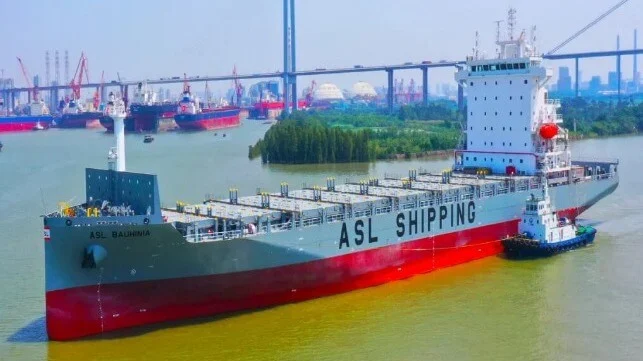
The Hong Kong-flagged vessel, identified as the ASL Bauhinia, was en route from Jebel Ali, Dubai, to Jeddah, Saudi Arabia, when the fire erupted. The exact cause of the fire remains under investigation, but initial reports suggest it may have originated from within a container onboard.

The crew, consisting of 22 Chinese nationals, was safely evacuated by a passing vessel and is reported to be in good condition. However, the ASL Bauhinia remains adrift and engulfed in flames, raising concerns about potential environmental damage and disruptions to maritime traffic in the region.

The Red Sea is a crucial shipping lane connecting Asia, Africa, and Europe, carrying a significant volume of global trade. The incident has prompted a swift response from maritime authorities, with salvage teams and environmental experts assessing the situation and developing a plan to contain the fire and prevent further environmental damage.

Challenges and Concerns

The fire aboard the ASL Bauhinia highlights several critical challenges:

  • Environmental Impact: The burning vessel poses a significant threat to the delicate marine ecosystem of the Red Sea. Potential oil spills and the release of hazardous materials from burning cargo could have devastating consequences for marine life, including coral reefs and fish populations.
  • Shipping Disruptions: The incident could disrupt maritime traffic in the Red Sea, impacting global supply chains and trade flows. Vessels may be diverted to alternative routes, potentially leading to delays and increased costs.
  • Safety Concerns: The incident underscores the inherent risks associated with maritime operations, particularly in volatile regions like the Red Sea. Ensuring the safety of crew members and minimizing environmental damage requires robust safety protocols and emergency response mechanisms.

Also Read: HMM Launches New India-North Europe Express Service

The Role of Maritime Authorities

Maritime authorities are playing a crucial role in managing the situation:

  • Coordinating Response: Authorities are coordinating efforts between various agencies, including coast guards, salvage teams, and environmental experts, to ensure a swift and effective response.
  • Containing the Fire: Salvage teams are working to contain the fire and prevent it from spreading further. This may involve deploying firefighting vessels and using specialized techniques to extinguish the flames.
  • Assessing Environmental Impact: Environmental experts are assessing the potential environmental impact of the incident and developing strategies to mitigate any damage. This may involve deploying oil spill response teams and monitoring water quality.
  • Investigating the Cause: Authorities are investigating the cause of the fire to prevent similar incidents in the future. This may involve examining the vessel’s maintenance records, cargo manifest, and crew testimonies.

Conclusion

The fire aboard the ASL Bauhinia serves as a stark reminder of the risks associated with maritime operations and the importance of robust safety measures and emergency response mechanisms. The incident also underscores the need for concerted efforts to protect the marine environment and minimize the impact of such incidents on global trade. As authorities continue to work towards resolving the situation, the international community must remain vigilant in addressing the challenges of maritime safety and environmental protection.

Also Read: India Poised to Launch National Shipping Line, Form Global Port Consortium

HMM Launches New India-North Europe Express Service

Report: HMM Expands Service to India-North Europe

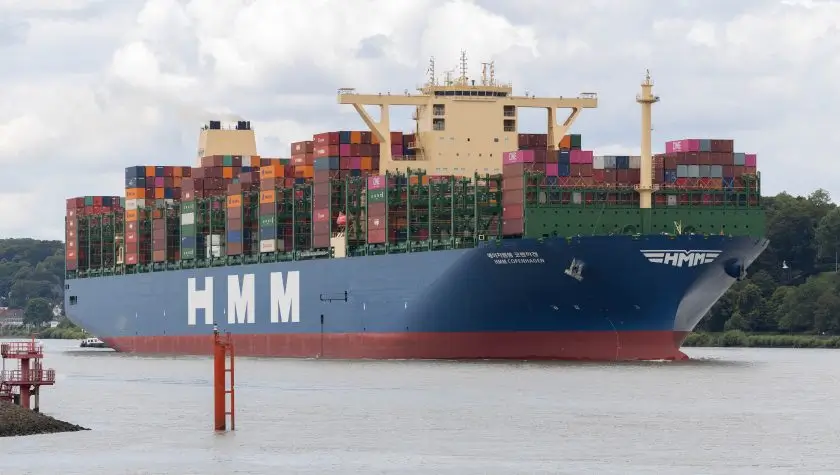
Seoul, South Korea – HMM, a leading global container shipping company, announced the launch of a new weekly maritime service connecting India with North Europe. The service, dubbed “India North Europe Express” (INX), will commence operations on February 5, 2025, with its maiden voyage departing from Karachi, Pakistan.

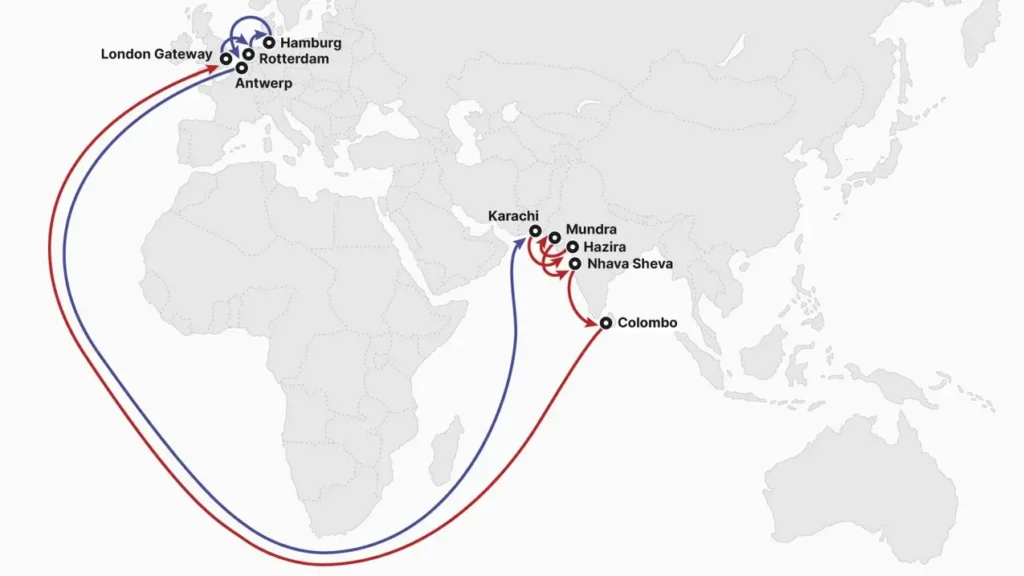
The INX service will be operated jointly by HMM and Ocean Network Express (ONE), employing 6,000 TEU container ships on an 11-week round-trip schedule. The service will offer direct connectivity between key Indian ports, including Karachi, Hazira, Mundra, and Nhava Sheva, to major North European hubs such as London Gateway, Rotterdam, and Hamburg.

This new service is expected to significantly enhance trade flows between India and Europe, offering shippers a faster and more reliable transportation option. Key benefits of the INX service include:

  • Improved Transit Times: The direct service will significantly reduce transit times compared to traditional routes, enabling faster delivery of goods and reducing inventory holding costs for businesses.
  • Enhanced Reliability: With a fixed weekly schedule, the INX service will offer greater predictability and reliability, minimizing disruptions to supply chains.
  • Increased Capacity: The deployment of 6,000 TEU vessels will provide ample capacity to meet the growing demand for cargo transportation between India and Europe.
  • Enhanced Connectivity: The service will connect key Indian ports with major European hubs, providing seamless access to key markets.

The launch of the INX service aligns with HMM’s strategic focus on expanding its global network and providing customers with innovative and efficient shipping solutions. By strengthening its presence in the India-Europe trade lane, HMM aims to further solidify its position as a leading player in the global container shipping market.

indiashippingnews.com

Impact on Indian Trade:

The INX service is expected to have a significant positive impact on Indian trade. By offering faster and more reliable transportation options, the service will enhance the competitiveness of Indian exports in the European market. This will benefit various sectors, including textiles, pharmaceuticals, engineering goods, and agricultural products.

Furthermore, the service will facilitate the import of crucial goods from Europe, such as machinery, equipment, and raw materials, supporting industrial growth and economic development in India.

Also Read: India Poised to Launch National Shipping Line, Form Global Port Consortium

Looking Ahead:

The launch of the INX service marks an important milestone in HMM’s growth strategy. The company is committed to continuously enhancing its service offerings and expanding its global network to meet the evolving needs of its customers. By leveraging its strong operational capabilities and innovative approach, HMM is well-positioned to capitalize on the growing demand for international trade and further strengthen its position in the global container shipping market.

Conclusion:

The launch of the India North Europe Express service by HMM represents a significant development in maritime trade between India and Europe. By offering faster transit times, enhanced reliability, and increased capacity, the service is poised to benefit both shippers and the broader economy. As global trade continues to grow, the INX service will play a crucial role in facilitating seamless and efficient cargo movement between these two important regions.

Also Read: India’s Maritime Expansion: A Six-Fold Leap Towards Global Shipping Dominance

India Poised to Launch National Shipping Line, Form Global Port Consortium

Report: India Plans National Shipping Line, Global Port Consortium

New Delhi: In a move aimed at bolstering its maritime presence and enhancing global trade competitiveness, India is reportedly planning to launch a national container shipping line and establish a consortium to operate overseas ports. This ambitious initiative seeks to address the challenges faced by Indian exporters due to global supply chain disruptions and rising freight costs.

The proposed national shipping line, tentatively named “Bharat Container Shipping Line,” will be operationalized as a vertical within the Shipping Corporation of India (SCI). This move aims to ensure a reliable and efficient transport mechanism for Indian exports, particularly in crucial sectors like textiles, pharmaceuticals, and engineering goods. By establishing a dedicated national carrier, India seeks to reduce its dependence on foreign shipping lines and gain greater control over its international trade flows.

Furthermore, the government plans to form a consortium with equity participation from public sector enterprises to bid for and operate overseas port assets. This consortium, likely to be named “Bharat Global Ltd.,” will replicate the successful model of the Chabahar Port project in Iran, where Indian companies have played a significant role in port development and operations.

The proposed consortium will comprise key players such as the Indian Port Rail & Ropeway Corporation, Sagarmala Development Company, and SCI. This collaboration will leverage the expertise and resources of these entities to identify and pursue strategic port development opportunities in key regions across the globe.

Key Objectives of the Initiative:

  • Enhance Global Trade Competitiveness: By establishing a national shipping line and expanding its global port operations, India aims to reduce logistics costs for exporters, making Indian goods more competitive in international markets.
  • Reduce Dependence on Foreign Shipping Lines: The initiative seeks to minimize reliance on foreign carriers, thereby mitigating risks associated with global supply chain disruptions and ensuring a stable and reliable transportation network for Indian exports.
  • Strengthen Maritime Security: A stronger presence in global shipping and port operations will enhance India’s maritime security and safeguard its national interests in crucial maritime trade routes.
  • Promote Economic Growth: The development of a robust and efficient maritime sector will create new jobs, attract foreign investment, and contribute significantly to India’s economic growth.

Also Read: India’s Maritime Expansion: A Six-Fold Leap Towards Global Shipping Dominance

Challenges and Considerations:

The successful implementation of these initiatives will require careful planning and execution. Key challenges include:

  • Competition: The global shipping industry is highly competitive. The proposed national shipping line will face stiff competition from established global carriers.
  • Investment: Significant investments will be required for fleet expansion, port development, and infrastructure upgrades.
  • Skill Development: The initiative will necessitate a skilled workforce with expertise in maritime operations, logistics, and port management.
  • Geopolitical Factors: The evolving geopolitical landscape and potential risks associated with operating in foreign countries must be carefully assessed and mitigated.

Conclusion:

The Indian government’s decision to launch a national shipping line and form a global port consortium marks a significant step towards strengthening the country’s maritime capabilities and enhancing its global trade competitiveness. While challenges remain, this initiative has the potential to transform India into a major player in the global shipping and logistics sector, driving economic growth and ensuring a secure and reliable supply chain for Indian exports. The success of this endeavor will hinge on effective planning, strategic partnerships, and continuous innovation in the maritime sector.

Also Read: Panama Canal, Paris Agreement, and Gulf of Mexico: Key Shipping Insights from Trump’s First Hours Back

India’s Maritime Expansion: A Six-Fold Leap Towards Global Shipping Dominance

Report: India’s Maritime Leap: A Six-Fold Expansion for Global Shipping

India is embarking on a historic maritime expansion, aiming to increase its port capacity six-fold by 2047. This ambitious undertaking, spearheaded by Union Minister for Ports, Shipping, and Waterways Sarbananda Sonowal, signifies the nation’s unwavering commitment to establishing itself as a global maritime powerhouse. The expansion program envisions a substantial increase in cargo handling capacity, from the current 820 million metric tonnes (MMT) to a staggering 10,000 MMT per annum.  

The cornerstone of this ambitious project lies in the development of two strategic mega-ports:  

  1. Vadhavan Port, Maharashtra: Poised to become India’s largest container facility, Vadhavan Port is strategically located on the western coast, offering seamless connectivity to major trade routes. The port’s deep-water berths and state-of-the-art infrastructure will facilitate the handling of large container vessels, significantly boosting India’s trade competitiveness.  
  2. International Container Transshipment Port at Galathea Bay, Great Nicobar: Situated in the Andaman and Nicobar Islands, this strategically located port aims to capture a significant share of the transhipment trade along key global routes. By offering a convenient stopover for vessels transiting between Asia and Europe, the port is expected to revolutionize India’s maritime trade landscape.  

The expansion program also encompasses a series of transformative initiatives:

  • Modernization of Existing Ports: A comprehensive modernization drive is underway to upgrade existing ports with advanced technologies and infrastructure. This includes the installation of automated cargo handling systems, dredging of channels, and expansion of berthing facilities.  
  • Inland Waterways Development: Recognizing the potential of inland waterways, the government is investing heavily in their development. The ambitious Sagarmala project aims to enhance river connectivity, reducing logistics costs and promoting sustainable transportation.  
  • Coastal Shipping Promotion: Efforts are being made to promote coastal shipping as a viable alternative to road and rail transport. This includes the development of coastal shipping infrastructure and incentives for shippers to utilize this mode of transportation.  
  • Skill Development and Capacity Building: Recognizing the need for a skilled workforce, the government is investing in capacity building initiatives to equip the maritime sector with the necessary human capital. This includes training programs for port workers, seafarers, and other professionals.  

The Benefits of Maritime Expansion:

The six-fold expansion of India’s maritime capacity is expected to yield a multitude of benefits:

  • Economic Growth: The expansion program is projected to generate substantial economic growth, creating numerous job opportunities and attracting foreign investment.  
  • Trade Facilitation: Enhanced port capacity will streamline trade operations, reducing logistics costs and improving the efficiency of supply chains.
  • Regional Connectivity: The development of strategic ports will strengthen India’s connectivity with regional and global markets, facilitating trade and economic cooperation.  
  • Energy Security: The expansion of maritime infrastructure will enhance India’s energy security by facilitating the import of crude oil and other energy resources.
  • National Security: A strong maritime presence will bolster India’s national security, enabling it to effectively safeguard its maritime borders and protect its maritime interests.  

Also Read: Panama Canal, Paris Agreement, and Gulf of Mexico: Key Shipping Insights from Trump’s First Hours Back

Challenges and Opportunities:

While the expansion program presents immense opportunities, it also comes with its share of challenges:

  • Environmental Concerns: The expansion of port infrastructure raises concerns about environmental impact. The government must ensure that environmental regulations are strictly adhered to and mitigation measures are implemented to minimize the ecological footprint.  
  • Technological Advancements: The rapid pace of technological advancements necessitates continuous innovation and adaptation. The government must invest in research and development to ensure that India’s maritime sector remains at the forefront of technological innovation.
  • Global Competition: The global maritime landscape is highly competitive. India must effectively compete with established maritime powers to attract trade and investment.

Conclusion:

India’s ambitious maritime expansion program marks a pivotal moment in the nation’s history. By investing in infrastructure, technology, and human capital, India is poised to emerge as a global maritime leader. The success of this endeavor will not only transform India’s economic landscape but also solidify its position as a key player in the global maritime arena.

Also Read: Gujarat Maritime Board Hosts Stakeholder Consultation Workshop on Coastal Shipping

Panama Canal, Paris Agreement, and Gulf of Mexico: Key Shipping Insights from Trump’s First Hours Back

Report: “Key Shipping Insights from Trump’s Return: Panama Canal, Paris Accord, Gulf of Mexico”

In his first hours after returning to political prominence, Donald Trump touched on critical issues that have significant implications for global shipping: the Panama Canal, the Paris Agreement, and the Gulf of Mexico. These topics highlight the interconnected nature of geopolitics, trade, and environmental policy in the maritime sector.

The Panama Canal: A Vital Global Trade Route

During discussions with Panamanian leaders, Trump reiterated the United States’ historical ties to the Panama Canal. Panama’s President firmly emphasized that the canal “is and will remain Panamanian.” This statement underscores Panama’s sovereignty over the canal, which has been under its control since the U.S. handed it over in 1999.

The Panama Canal, a critical conduit for international trade, serves as a link between the Atlantic and Pacific Oceans. Over 12,000 vessels transit the canal annually, making it indispensable for global shipping. Its strategic importance has grown since the 2016 completion of the canal expansion project, which allows larger ships, known as Neo-Panamax vessels, to pass through. This has bolstered the canal’s capacity and relevance in the ever-evolving global supply chain.

Trump’s focus on the canal reflects broader U.S. concerns about maintaining influence in Latin America, especially amid China’s rising investments in the region. Chinese firms have played a growing role in Panamanian infrastructure projects, including ports and logistics hubs. The canal’s pivotal role in international trade ensures that its governance remains a sensitive topic in global geopolitics.

The Paris Agreement: Climate and Maritime Policy

Another significant takeaway from Trump’s initial remarks was his continued critique of the Paris Agreement. Trump has been a vocal critic of the international accord aimed at combating climate change, citing its potential economic burdens on the U.S. shipping and energy sectors.

For the maritime industry, the Paris Agreement holds substantial implications. The shipping sector, responsible for nearly 3% of global greenhouse gas emissions, has faced increasing pressure to adopt sustainable practices. While the U.S. withdrew from the agreement during Trump’s presidency, global shipping stakeholders continued to align with its goals, spurred by the International Maritime Organization’s (IMO) targets to reduce carbon emissions by at least 50% by 2050 compared to 2008 levels.

Trump’s stance raises questions about the U.S. commitment to international climate initiatives and their impact on maritime trade. The shipping industry has already begun transitioning toward greener technologies, such as using cleaner fuels and investing in energy-efficient vessels. However, the pace of change may slow without strong political backing from major economies like the United States.

The Gulf of Mexico: A Hub of U.S. Energy and Trade

Trump also touched on the importance of the Gulf of Mexico, a crucial hub for U.S. energy production and maritime trade. The Gulf accounts for a significant portion of U.S. crude oil and natural gas output, as well as hosting vital shipping routes.

The region’s strategic value lies not only in its energy resources but also in its ports, including New Orleans, Houston, and Tampa, which handle vast amounts of cargo destined for domestic and international markets. Trump’s policies have historically focused on bolstering U.S. energy independence, which has direct implications for Gulf-based shipping activities.

Also Read: Gujarat Maritime Board Hosts Stakeholder Consultation Workshop on Coastal Shipping

However, the Gulf is also vulnerable to environmental risks, including hurricanes and oil spills, which can disrupt shipping and trade. The Biden administration’s emphasis on renewable energy and environmental safeguards contrasts sharply with Trump’s approach, adding another layer of complexity to the region’s future as a maritime and energy hub.

Interconnected Implications for Global Shipping

The Panama Canal, Paris Agreement, and Gulf of Mexico each represent critical elements of global shipping, but they are deeply interconnected. The canal’s efficiency as a trade route depends on stable geopolitical relationships, including U.S.-Panama ties. Meanwhile, adherence to climate agreements like the Paris Accord influences the shipping industry’s carbon footprint and operational costs. Lastly, the Gulf of Mexico’s role as an energy hub underscores the interplay between fossil fuel reliance and the push for greener shipping practices.

Conclusion

Donald Trump’s renewed focus on these key issues highlights their importance to both U.S. interests and global shipping dynamics. The Panama Canal remains a symbol of national pride for Panama and a strategic asset for international trade. The debate over the Paris Agreement reflects the tension between economic priorities and environmental responsibilities, while the Gulf of Mexico continues to balance its role as an energy powerhouse with environmental challenges.

As the maritime sector faces increasing pressure to adapt to changing geopolitical and environmental landscapes, collaboration among nations, industries, and policymakers will be essential to ensure a resilient and sustainable future for global shipping.

Also Read: Houthis Halt Campaign Against Non-Israeli Ships Amid Israel-Hamas Ceasefire: Implications for Red Sea Shipping

Gujarat Maritime Board Hosts Stakeholder Consultation Workshop on Coastal Shipping

Report: Stakeholder Consultation on Coastal Shipping Convened by GMB

Gandhinagar, January 18, 2025: The Gujarat Maritime Board (GMB) organized a pivotal stakeholder consultation workshop focused on the future of coastal shipping in India. Held in Ahmedabad, the event brought together industry leaders, policymakers, port authorities, and logistics experts to deliberate on opportunities, challenges, and strategies for boosting coastal shipping as a cost-effective and sustainable mode of transportation.

The workshop was part of GMB’s ongoing efforts to strengthen Gujarat’s position as a leading maritime hub in the country. With India’s expanding coastline of over 7,500 kilometers and its vast maritime potential, the event served as a critical platform for aligning stakeholders on policies and plans to enhance coastal shipping infrastructure and operations.

Focus Areas of the Workshop

The workshop revolved around key themes such as infrastructure development, digital integration, regulatory reforms, and sustainable practices in coastal shipping.

1. Infrastructure and Port Modernization
Stakeholders highlighted the need for enhanced port infrastructure to accommodate increasing cargo volumes. Gujarat, home to several major and minor ports, was identified as a critical gateway for coastal trade. Discussions centered on the modernization of existing ports, creation of dedicated coastal berths, and seamless connectivity with hinterland markets.

GMB officials emphasized the progress made under the Sagarmala project, a flagship initiative of the Indian government aimed at port-led development. “Gujarat’s strategic location and robust port infrastructure place us in a unique position to drive the growth of coastal shipping. This workshop is a step toward identifying the gaps and building a roadmap for the future,” said a senior GMB official.

2. Digital Integration
The integration of digital technologies emerged as a major talking point. Participants discussed the adoption of advanced digital platforms for real-time cargo tracking, improved supply chain visibility, and reducing paperwork.

Industry experts stressed the need for digital tools to streamline operations and enhance efficiency. “Digital transformation is key to unlocking the full potential of coastal shipping. We need systems that enable transparency, reduce turnaround time, and promote seamless coordination among stakeholders,” said a representative from a leading logistics company.

3. Policy and Regulatory Reforms
Several participants raised concerns about the regulatory hurdles impeding the growth of coastal shipping. Issues such as cumbersome customs procedures, lack of uniform policies across states, and high logistics costs were identified as barriers to growth.

The workshop saw active discussions on policy frameworks that could incentivize coastal shipping, such as tax benefits, subsidies for fuel, and reduced port tariffs. Participants also recommended a single-window clearance system to simplify regulatory processes.

4. Sustainable Shipping Practices
The workshop underscored the importance of adopting environmentally sustainable practices. With growing concerns about the carbon footprint of the shipping industry, stakeholders called for the use of greener technologies, such as LNG-powered vessels and renewable energy for port operations.

“Coastal shipping is inherently more sustainable than road or rail transport. By promoting eco-friendly practices, we can make this mode of transport even more beneficial for the environment,” said an environmental consultant at the event.

Gujarat’s Role in Coastal Shipping

Gujarat has consistently been at the forefront of India’s maritime activities, contributing significantly to the country’s trade and economic growth. With 48 operational ports, including major ports like Kandla and Mundra, the state handles a substantial share of India’s cargo traffic.

GMB officials noted that Gujarat’s ports are well-positioned to play a pivotal role in advancing coastal shipping. The board has been actively promoting public-private partnerships (PPPs) to attract investment in port development and logistics infrastructure.

Additionally, Gujarat’s robust industrial base and proximity to key domestic and international markets make it a prime location for enhancing coastal connectivity.

Also Read: Houthis Halt Campaign Against Non-Israeli Ships Amid Israel-Hamas Ceasefire: Implications for Red Sea Shipping

Voices from the Workshop

The workshop included presentations and panel discussions featuring prominent industry leaders and policymakers. A senior official from the Ministry of Ports, Shipping, and Waterways lauded Gujarat’s proactive approach and urged stakeholders to collaborate in achieving the government’s vision of reducing logistics costs through coastal shipping.

“We are committed to creating a conducive ecosystem for coastal shipping. This workshop is an excellent initiative to bring together all stakeholders to work toward common goals,” the official remarked.

Participants also shared success stories from other countries, providing valuable insights into best practices that could be adopted in India.

Outcome and Recommendations

The workshop concluded with a set of actionable recommendations to boost coastal shipping in Gujarat and across India. These included:

  1. Prioritizing the development of coastal economic zones to promote regional trade.
  2. Establishing dedicated coastal cargo terminals and improving last-mile connectivity.
  3. Expanding skill development programs for workforce training in maritime operations.
  4. Encouraging investments in modern, fuel-efficient vessels.
  5. Implementing policies to integrate coastal shipping with multimodal transportation networks.

The GMB pledged to consolidate the insights gathered during the workshop into a comprehensive report, which will serve as a blueprint for future initiatives.

Conclusion

The stakeholder consultation workshop hosted by the Gujarat Maritime Board marked an important step in shaping the future of coastal shipping in India. By addressing critical issues such as infrastructure, digitalization, and sustainability, the event highlighted Gujarat’s pivotal role in enhancing maritime trade. With a clear focus on collaboration and innovation, coastal shipping holds immense potential to revolutionize India’s logistics sector and support economic growth.

Also Read: PM Modi Dedicates Frontline Naval Combatants INS Surat, INS Nilgiri, and INS Vaghsheer to the Nation

Houthis Halt Campaign Against Non-Israeli Ships Amid Israel-Hamas Ceasefire: Implications for Red Sea Shipping

Report: Houthis Halt Attacks on Non-Israeli Ships Amid Israel-Hamas Ceasefire

In a significant development, the Houthi movement in Yemen announced a halt to its attacks on non-Israeli shipping in the Red Sea, a decision coinciding with the recent ceasefire between Israel and Hamas. The announcement marks a potential turning point for maritime security in a region critical to global trade, following weeks of heightened tensions and threats.

The Houthis, backed by Iran, had escalated their maritime campaign, targeting vessels they associated with Israel or its allies. These actions disrupted trade routes and intensified concerns among global shipping companies and geopolitical stakeholders. However, in a statement, the Houthis clarified that their campaign had primarily aimed to “deter Israeli aggression” and emphasized their intention to focus solely on Israeli-affiliated vessels. This declaration aligns closely with the ceasefire agreement between Israel and Hamas, sparking speculation about a broader de-escalation across the region.

Background: Tensions in the Red Sea

The Red Sea serves as a vital artery for international trade, linking the Mediterranean Sea to the Indian Ocean through the Suez Canal. Over recent months, the area has become a hotspot for conflict, with the Houthis targeting ships to assert their stance against Israel and its perceived allies. These incidents raised alarms about the region’s stability, driving up insurance premiums and prompting calls for enhanced security measures.

The Houthis’ actions stem from their alignment with Iran, a staunch adversary of Israel. Iran’s support for the Houthis has allowed the group to extend its influence beyond Yemen, demonstrating its capacity to impact global shipping lanes. However, these attacks have also drawn international condemnation, with many countries labeling the Houthis’ actions as reckless and harmful to global commerce.

Israel-Hamas Ceasefire: A Catalyst for Change?

The ceasefire between Israel and Hamas, brokered after weeks of intense conflict, has introduced a glimmer of hope for regional stability. While the ceasefire primarily addresses the situation in Gaza, its ripple effects are being felt beyond Palestine. The Houthis’ announcement to limit their attacks is seen by analysts as a strategic move influenced by the broader geopolitical climate.

Also Read: PM Modi Dedicates Frontline Naval Combatants INS Surat, INS Nilgiri, and INS Vaghsheer to the Nation

Observers suggest that the Houthis may view the ceasefire as an opportunity to recalibrate their approach. By halting attacks on non-Israeli vessels, the group could be signaling a willingness to reduce tensions, potentially in exchange for concessions or to avoid further international isolation. This decision may also reflect pressure from Iran to align with broader regional strategies in light of evolving dynamics.

Maritime Security and Economic Implications

The cessation of Houthi attacks on non-Israeli ships is a welcome development for the maritime industry, which has grappled with disruptions and increased risks. Shipping companies, already navigating challenges posed by global economic uncertainties, had faced additional hurdles due to the threat of attacks in the Red Sea. A decrease in hostilities could lower insurance costs and restore confidence in the safety of these critical trade routes.

However, experts caution that the situation remains fluid. The Houthis’ pledge to target only Israeli-affiliated vessels still poses risks, as identifying such ships in international waters can be ambiguous and contentious. Moreover, the group’s ability to influence Red Sea dynamics underscores the fragile security environment in the region.

Conclusion

The Houthis’ decision to halt attacks on non-Israeli ships, coupled with the Israel-Hamas ceasefire, offers a rare moment of optimism in a region marred by conflict. While these developments hint at a potential reduction in tensions, they also highlight the intricate interplay of local and regional dynamics. Whether this signals a lasting shift toward stability or merely a temporary reprieve will depend on the actions of all stakeholders involved. For now, the maritime industry and geopolitical observers will closely watch the unfolding developments, hoping for sustained peace in one of the world’s most critical waterways.

Also Read: Vizhinjam International Port Accelerates to Full Operations, Ushering in New Era for Kerala’s Economy

PM Modi Dedicates Frontline Naval Combatants INS Surat, INS Nilgiri, and INS Vaghsheer to the Nation

Report: PM Modi Dedicates INS Surat, INS Nilgiri, and INS Vaghsheer to the Nation.

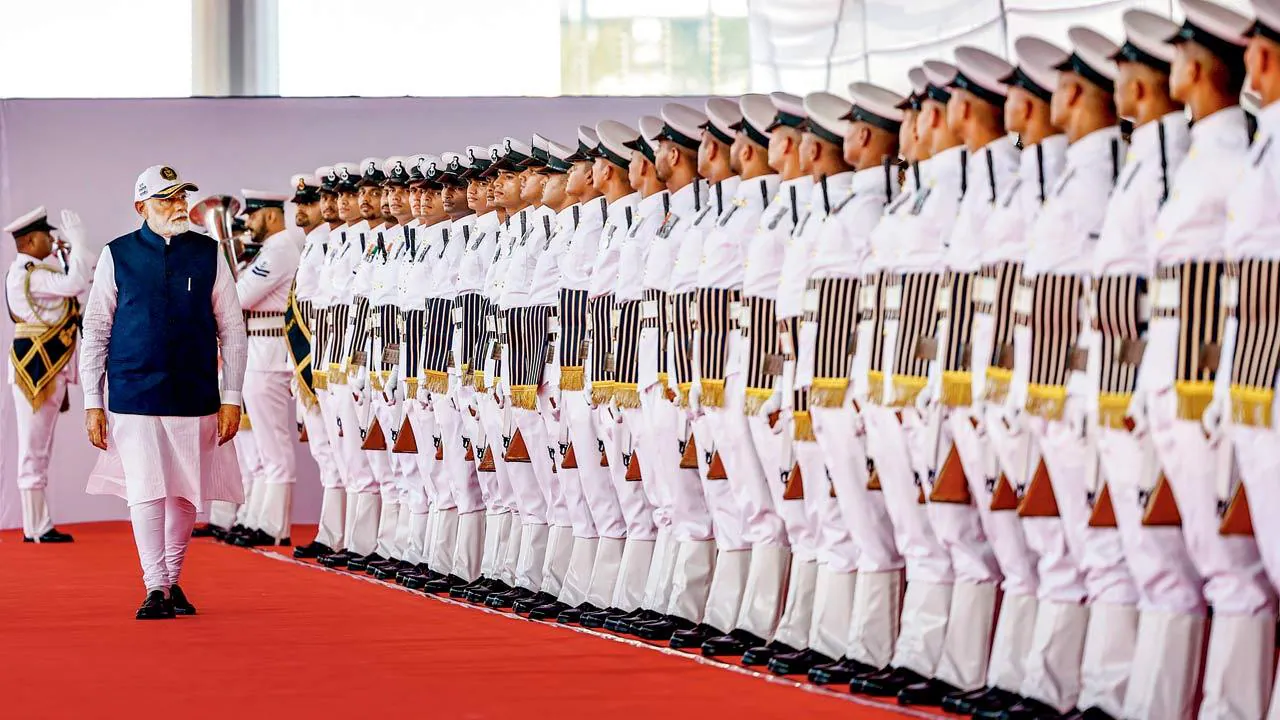
New Delhi, January 18, 2025: In a landmark event showcasing India’s growing maritime prowess, Prime Minister Narendra Modi dedicated three frontline naval combatants—INS Surat, INS Nilgiri, and INS Vaghsheer—to the nation. The ceremony, held at the Mazagon Dock Shipbuilders Limited (MDL) in Mumbai, marked a significant milestone in India’s journey toward becoming a self-reliant maritime power.

Addressing a gathering of naval personnel, defense officials, and dignitaries, PM Modi emphasized the importance of a strong navy in ensuring the nation’s security and economic prosperity. “The Indian Navy is a symbol of India’s strength and self-reliance. The dedication of these advanced naval platforms reaffirms our commitment to protecting our maritime borders and interests,” he said.

INS Surat: A Guided Missile Destroyer

INS Surat, the fourth ship in the Visakhapatnam-class of stealth-guided missile destroyers, is a testament to India’s shipbuilding capabilities. Constructed under the ‘Make in India’ initiative, the vessel boasts cutting-edge weaponry, including BrahMos surface-to-surface missiles, Barak-8 air defense systems, and advanced sonar equipment. The destroyer, with its stealth features, can operate in diverse missions ranging from surface warfare to anti-submarine and anti-air operations.

Designed for a crew of over 300 personnel, INS Surat is equipped with a state-of-the-art propulsion system that allows speeds exceeding 30 knots. Its commissioning is expected to significantly enhance the Navy’s operational readiness in the Indian Ocean Region (IOR).

INS Nilgiri: A Stealth Frigate

INS Nilgiri is the lead ship of the Project 17A frigates and represents a quantum leap in India’s indigenous warship-building capabilities. This multi-role stealth frigate features advanced radar systems, electronic warfare equipment, and a robust arsenal of weaponry. Capable of executing a variety of missions, including anti-submarine, anti-air, and anti-surface operations, INS Nilgiri embodies modern naval warfare’s versatility.

Built with a high degree of automation, INS Nilgiri is designed to operate in synergy with other naval assets. Its stealth characteristics reduce radar cross-section, making it a formidable adversary in combat scenarios.

INS Vaghsheer: A Scorpène-Class Submarine

INS Vaghsheer is the sixth and final submarine in the Kalvari-class of diesel-electric attack submarines, constructed under Project-75. Developed in collaboration with France’s Naval Group, the submarine is designed for a range of missions, including intelligence gathering, surveillance, and precision strikes. Armed with advanced torpedoes and Exocet anti-ship missiles, INS Vaghsheer ensures silent and stealthy operations, making it a strategic asset for the Indian Navy.

The submarine’s induction comes at a time when India is focusing on enhancing its underwater capabilities to counter challenges in the Indo-Pacific region. Its modern sensors and weapon systems provide a critical edge in maintaining underwater dominance.

Also Read: Sarbananda Sonowal Launches National River Traffic Navigation System, Announces ₹50,000 Crore Investment in National Waterways

Significance of the Event

The dedication of these platforms underscores India’s resolve to achieve self-reliance in defense manufacturing. Speaking on the occasion, Defense Minister Rajnath Singh highlighted the role of domestic shipyards like MDL in bolstering the nation’s maritime capabilities. “With over 75% indigenous content in these vessels, we are setting new benchmarks in self-reliance. This achievement is a testament to the talent and determination of our scientists, engineers, and naval personnel,” he said.

India’s maritime strategy has gained momentum in recent years, with a focus on securing the vast maritime domain encompassing the Arabian Sea, Bay of Bengal, and the Indian Ocean. The Indian Navy plays a pivotal role in safeguarding sea lanes that are vital for the nation’s trade and energy security.

The Prime Minister also commended the collaborative efforts between the Indian Navy and the defense industry in realizing these projects. He reiterated the government’s vision for an ‘Aatmanirbhar Bharat’ (self-reliant India) and announced plans to further strengthen naval capabilities through indigenous platforms and advanced technology.

Conclusion

The dedication of INS Surat, INS Nilgiri, and INS Vaghsheer marks a defining moment in India’s maritime history. These advanced naval platforms not only bolster the Indian Navy’s operational strength but also symbolize the nation’s progress in achieving self-reliance in defense manufacturing. As India continues to expand its naval footprint, these frontline combatants will play a crucial role in ensuring maritime security and fostering regional stability.

Also Read: DG Shipping Constitutes Committee to Review Collective Bargaining Agreements for Seafarers