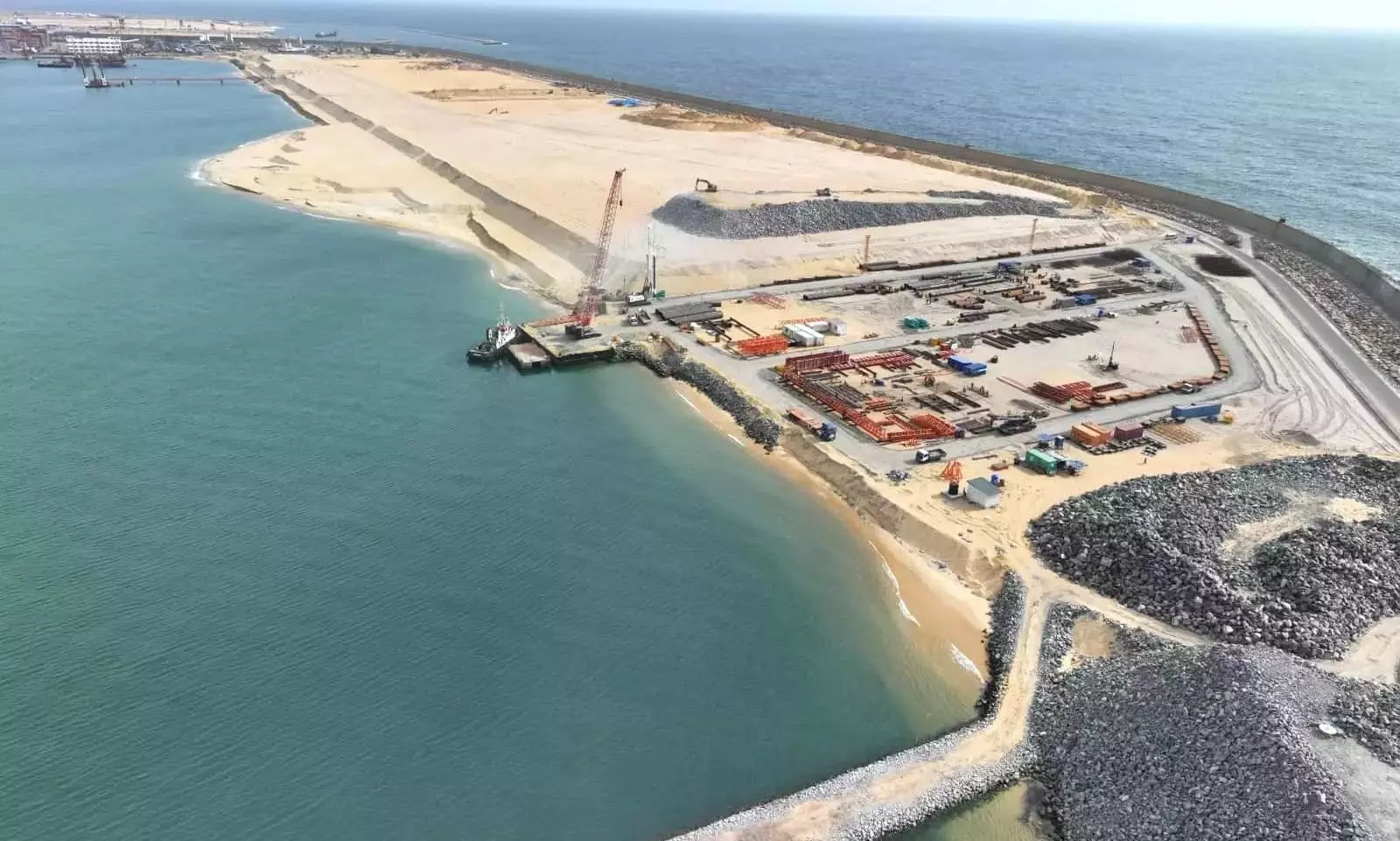
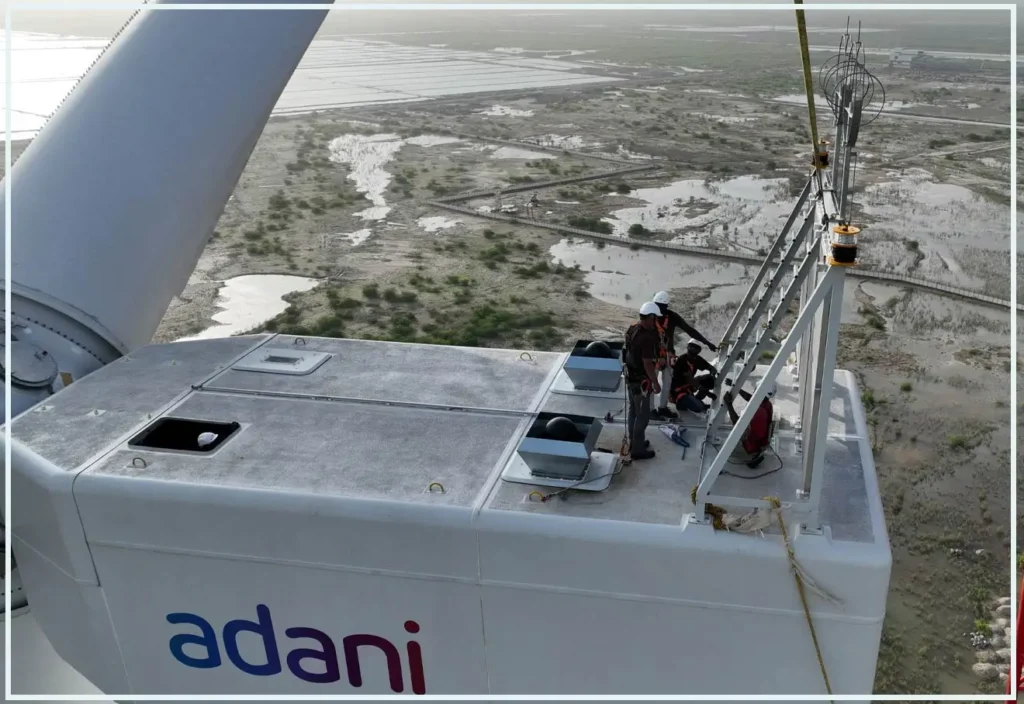
Sarbananda Sonowal Launches National River Traffic Navigation System, Announces ₹50,000 Crore Investment in National Waterways

Report: Sarbananda Sonowal Launches Navigation System, Unveils ₹50,000 Crore Waterways Investment

Union Minister of Ports, Shipping, and Waterways Sarbananda Sonowal unveiled the National River Traffic Navigation System, an advanced digital platform to enhance inland water transport in India. The announcement was accompanied by a major declaration: an investment of ₹50,000 crore will be directed toward the development of national waterways over the next five years.

This twin initiative reflects the government’s commitment to revolutionizing India’s inland water transport system, aiming to make it more efficient, environmentally sustainable, and economically viable. The initiatives are part of a larger strategy to promote the use of waterways as a critical mode of transport, easing the burden on road and rail infrastructure.


National River Traffic Navigation System: A Game-Changer

The National River Traffic Navigation System is a state-of-the-art digital initiative designed to enhance safety, efficiency, and transparency in inland water transport operations. By leveraging real-time data, the system will allow vessels to navigate waterways with greater precision, reducing the risk of accidents and optimizing traffic flow.

The system will integrate information about vessel movements, weather conditions, and water levels to ensure smoother operations. It also aims to streamline logistics for freight movement, helping businesses minimize costs while maintaining delivery timelines. This initiative is expected to attract significant interest from the private sector, further boosting economic activity along India’s waterways.

In his address, Sarbananda Sonowal highlighted the importance of technology in modernizing India’s infrastructure. “This system will not only improve navigation but also promote the safety and efficiency of our waterways. It is a significant step toward building a robust inland water transport ecosystem in India,” he said.


Investment in National Waterways: A Visionary Move

The announcement of a ₹50,000 crore investment underscores the government’s long-term vision for national waterways. Spread across 111 designated waterways, this massive funding will focus on infrastructure development, including terminals, jetties, dredging operations, and the procurement of advanced vessels.

With India’s extensive river network, the potential of inland waterways remains largely untapped. Currently, inland waterways handle only about 2% of the country’s total freight traffic. This investment is expected to bridge the gap, providing an eco-friendly and cost-effective alternative to road and rail transport.

The Inland Waterways Authority of India (IWAI) will spearhead these projects, focusing on key waterways such as the Ganga (National Waterway 1), the Brahmaputra (National Waterway 2), and others. These waterways hold immense potential for improving connectivity in remote regions, particularly in the Northeast and Eastern India.

Sonowal emphasized the economic benefits of developing waterways. “Efficient waterways will reduce logistics costs, which is vital for making Indian goods competitive in global markets. This investment will not only support economic growth but also create jobs in sectors like shipping, logistics, and tourism,” he said.


Environmental and Economic Impact

Inland water transport is one of the most sustainable modes of transportation, with lower fuel consumption and carbon emissions compared to road and rail. The development of national waterways aligns with India’s commitment to reducing its carbon footprint and achieving sustainable growth.

The introduction of advanced technologies like the National River Traffic Navigation System further enhances the eco-friendly aspect of this initiative. By optimizing routes and reducing congestion, the system will lower fuel consumption and emissions.

The economic impact is equally significant. Improved infrastructure and navigation will lead to increased cargo volumes, boosting trade and commerce. Additionally, enhanced passenger services could stimulate tourism along scenic waterways, particularly in regions like Kerala, Assam, and the Ganga basin.

Also Read: Vizhinjam International Port Accelerates to Full Operations, Ushering in New Era for Kerala’s Economy


Challenges and the Road Ahead

While the government’s ambitious plans are commendable, challenges remain. The seasonal nature of river navigation due to fluctuating water levels, sedimentation, and extreme weather conditions poses a significant obstacle. Moreover, coordination among multiple stakeholders, including state governments, private players, and environmental organizations, will be critical.

Addressing these challenges will require continuous monitoring, innovative engineering solutions, and policy support. The government’s commitment to a ₹50,000 crore investment indicates its determination to overcome these hurdles and transform inland water transport into a reliable and efficient alternative.


Conclusion

The launch of the National River Traffic Navigation System and the ₹50,000 crore investment in national waterways mark a new chapter in India’s infrastructure development. These initiatives promise to enhance the efficiency, sustainability, and economic viability of inland water transport, offering significant benefits to the environment, industry, and communities.

By leveraging technology and addressing infrastructural gaps, India is poised to unlock the immense potential of its waterways. As these projects take shape, they are expected to play a pivotal role in driving economic growth, reducing logistical costs, and promoting sustainable transportation, cementing India’s position as a leader in innovative infrastructure solutions.

Also Read: Sarbananda Sonowal’s Vision: Transforming Deendayal Port with ₹57,000-Crore Investment

Vizhinjam International Port Accelerates to Full Operations, Ushering in New Era for Kerala’s Economy

Report: Vizhinjam Port Begins Full Operations, Boosting Kerala’s Economy.

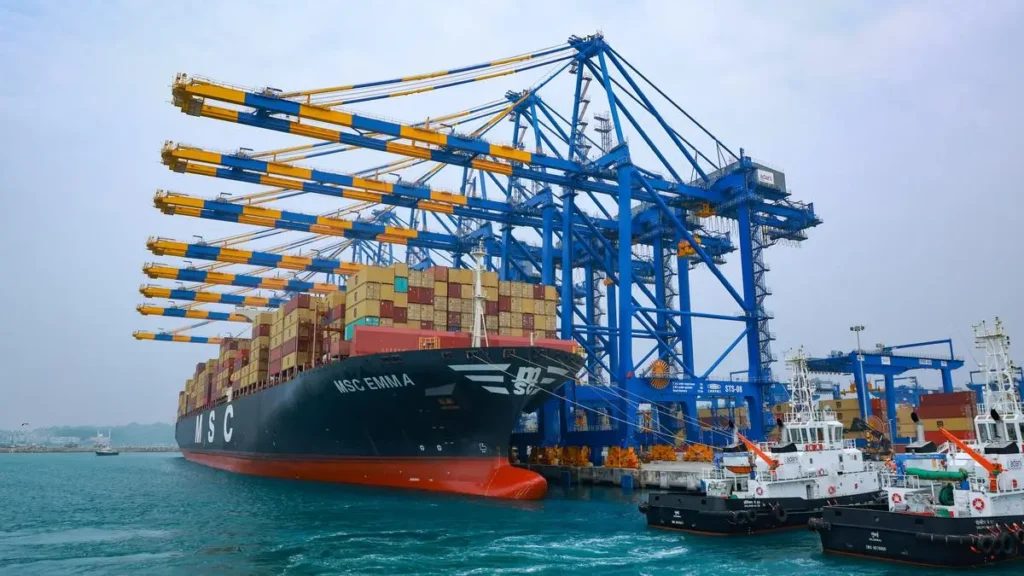
Thiruvananthapuram, Kerala – In a momentous development for the state of Kerala, the Vizhinjam International Port has officially commenced full commercial operations. This significant milestone follows a successful trial phase that saw the handling of over 70 cargo ships and 147,000 containers. The port, a joint venture between the Kerala Government and the Adani Group, is poised to transform Kerala’s economic landscape, boosting trade, logistics, and industrial development.

The inauguration of full operations marks the culmination of years of planning and construction. The port, strategically located on the southern tip of the Indian peninsula, boasts state-of-the-art infrastructure, including a deep-water harbor capable of accommodating large vessels, advanced cargo handling equipment, and efficient logistics systems.

During the trial phase, the port demonstrated its operational capabilities by seamlessly handling a variety of cargo, including containers, bulk cargo, and break-bulk cargo. The successful trial period instilled confidence in the port’s ability to efficiently manage complex logistics operations and meet the demands of global shipping.

The commencement of full operations is expected to have a profound impact on Kerala’s economy. The port is projected to:

  • Boost Trade and Commerce: By providing a modern and efficient gateway for international trade, the port is expected to significantly enhance Kerala’s trade connectivity with global markets. This will facilitate the import and export of goods, benefiting various sectors, including agriculture, manufacturing, and tourism.
  • Generate Employment Opportunities: The port’s operations are expected to create a significant number of direct and indirect employment opportunities for the local population, contributing to economic growth and social development.
  • Attract Investments: The port’s strategic location and modern infrastructure are expected to attract significant investments in various sectors, including logistics, warehousing, and manufacturing. This influx of investment will further stimulate economic growth and create new business opportunities.
  • Develop Infrastructure: The development of the port infrastructure will also lead to the improvement of supporting infrastructure, such as roads, railways, and connectivity networks, benefiting the entire region.

The Kerala Government has been actively promoting the Vizhinjam International Port as a key driver of economic growth. The state has undertaken several initiatives to enhance connectivity to the port, including the expansion of road and rail networks. Additionally, the government is working closely with businesses and industries to leverage the port’s capabilities and maximize its economic benefits.

Also Read: Sarbananda Sonowal’s Vision: Transforming Deendayal Port with ₹57,000-Crore Investment

Challenges and Opportunities:

While the commencement of full operations marks a significant milestone, the port faces certain challenges. These include:

  • Competition: The port will face competition from other major ports in the region, requiring strategic planning and competitive pricing to attract cargo.
  • Environmental Concerns: Ensuring the environmental sustainability of port operations will be crucial, requiring careful consideration of factors such as marine pollution and coastal erosion.
  • Community Engagement: Building strong relationships with local communities and addressing their concerns regarding the port’s operations will be essential for long-term success.

Despite these challenges, the Vizhinjam International Port presents a significant opportunity for Kerala to enhance its economic competitiveness and play a more prominent role in global trade. By effectively leveraging the port’s capabilities, the state can unlock its economic potential and create a more prosperous future for its people.

Conclusion:

The commencement of full operations at the Vizhinjam International Port marks a new era for Kerala’s economy. This state-of-the-art port has the potential to transform the state’s trade landscape, attract investments, and create new employment opportunities. While challenges remain, the port offers significant opportunities for Kerala to enhance its economic competitiveness and contribute to the nation’s economic growth. The success of the port will depend on effective collaboration between the government, the port operator, and local communities, as well as a commitment to sustainable development and environmental protection.

Also Read: DG Shipping Constitutes Committee to Review Collective Bargaining Agreements for Seafarers

Sarbananda Sonowal’s Vision: Transforming Deendayal Port with ₹57,000-Crore Investment
Report: Sarbananda Sonowal’s ₹57,000-Crore Vision for Deendayal Port Transformation.

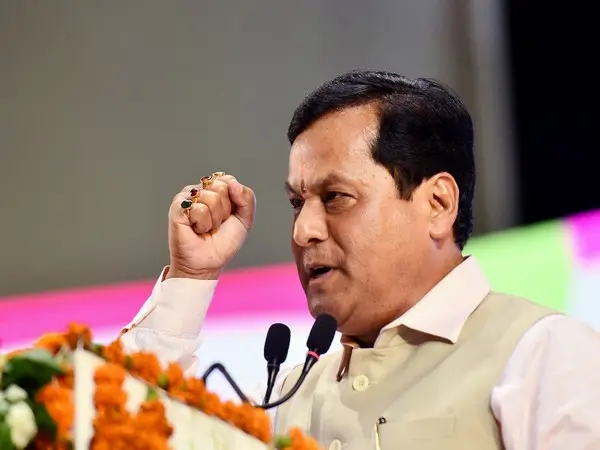
Union Minister Sarbananda Sonowal, known for his dynamic leadership and commitment to advancing India’s infrastructure, is set to visit the Deendayal Port Authority (formerly Kandla Port) today. This visit is part of the government’s focused efforts to strengthen India’s maritime infrastructure and bolster the nation’s economic growth. Deendayal Port, located in Gujarat, is one of the busiest ports in India and plays a pivotal role in the country’s trade and commerce, particularly for the western region.

During his visit, Union Minister Sonowal is expected to engage with port authorities, review ongoing projects, and participate in key meetings to discuss the strategic development of the port. His visit underscores the government’s commitment to enhancing port infrastructure, ensuring better connectivity, and enabling smoother trade operations. A significant focus of these discussions will be the announcement of transformative projects aimed at increasing the port’s capacity and efficiency.

In a parallel development, the Union Minister recently unveiled a series of major projects to boost capacity at Kandla Port with an estimated investment of ₹57,000 crores. This ambitious investment plan is designed to enhance the port’s handling capabilities, making it one of the most advanced and efficient ports in the country. These projects will cater to the growing demands of trade and commerce, facilitating seamless movement of goods and reducing logistical bottlenecks.

Among the proposed developments is the expansion of the port’s cargo-handling infrastructure, with new berths and upgraded equipment to accommodate larger vessels and a broader range of cargo. The focus will also be on developing green port initiatives, including renewable energy integration and eco-friendly practices to reduce the port’s carbon footprint. Additionally, investments will be directed towards enhancing road and rail connectivity, ensuring faster and more efficient cargo movement.

Addressing stakeholders, Sonowal emphasized the importance of the port in India’s maritime sector. “Deendayal Port is a gateway to trade for the western region and plays a crucial role in supporting the country’s economic growth. With these new projects, we aim to position Kandla Port as a global hub for maritime trade,” he stated. The minister highlighted how these investments align with the ‘Maritime India Vision 2030’, a blueprint for accelerating the growth of India’s maritime sector.

The ₹57,000-crore investment plan is expected to generate significant economic benefits, including the creation of thousands of jobs in the region. The development of state-of-the-art facilities will attract international shipping lines, enhancing the port’s competitiveness on a global scale. It will also help in achieving the government’s objective of making India a $5 trillion economy by facilitating trade and export growth.

Also Read: DG Shipping Constitutes Committee to Review Collective Bargaining Agreements for Seafarers

Another key area of focus is the integration of digital technologies to modernize port operations. Automation and digitization are set to transform the way the port functions, ensuring greater transparency, faster processing, and reduced turnaround times for vessels. The adoption of smart port solutions will not only improve operational efficiency but also make the port more sustainable and resilient.

The Union Minister’s visit to Deendayal Port is expected to provide a significant boost to these initiatives, as it will bring together policymakers, industry leaders, and local stakeholders to align efforts toward achieving common goals. The collaborative approach aims to address challenges and unlock the port’s full potential, driving economic growth and development for the region and the country.

In conclusion, Sarbananda Sonowal’s proactive leadership and the government’s robust investment plan mark a transformative era for Deendayal Port. The proposed projects, with their focus on capacity enhancement, sustainability, and technological integration, promise to make the port a cornerstone of India’s maritime ambitions. As these initiatives take shape, they are set to redefine the landscape of India’s maritime trade, strengthening its position in the global economy while contributing to the nation’s growth and prosperity.

Also Read: Dangerous Cargo of Thousands of Tons of Explosives Arrives in Africa After Multiple Controversies

DG Shipping Constitutes Committee to Review Collective Bargaining Agreements for Seafarers

Report: DGS Reviews Collective Bargaining Agreements for Seafarers.

The Directorate General of Shipping (DGS) has taken a significant step towards enhancing the welfare and rights of Indian seafarers by constituting an expert committee to review the existing Collective Bargaining Agreements (CBAs) and their alignment with the Maritime Labour Convention (MLC), 2006. This move aims to ensure fair wages, improved working conditions, and better social protection for seafarers.

The committee, comprising representatives from various stakeholders including seafarer unions, shipping companies, legal experts, and government officials, will undertake a comprehensive review of the current CBA framework. This includes:

  • Analyzing existing CBAs: The committee will scrutinize the terms and conditions outlined in the existing CBAs, focusing on aspects such as wages, working hours, leave entitlements, repatriation rights, medical care, and social security.
  • Assessing compliance with MLC, 2006: The committee will evaluate the extent to which existing CBAs comply with the provisions of the MLC, 2006, an international treaty that sets minimum standards for seafarers’ working and living conditions.
  • Identifying gaps and challenges: The committee will identify any gaps or inconsistencies in the current CBA framework and analyze the challenges faced by seafarers in enforcing their rights.
  • Formulating recommendations: Based on its findings, the committee will formulate recommendations for improving the CBA framework, including potential amendments to existing legislation, guidelines for better implementation of CBAs, and mechanisms for effective dispute resolution..

This initiative by the DGS underscores the government’s commitment to safeguarding the interests of Indian seafarers. By reviewing and strengthening the CBA framework, the government aims to ensure that seafarers’ rights are adequately protected and that they receive fair remuneration for their crucial contribution to the maritime sector.

Also Read: Dangerous Cargo of Thousands of Tons of Explosives Arrives in Africa After Multiple Controversies

Significance of the Review:

The review of CBAs has significant implications for the Indian maritime sector.

  • Improved welfare for seafarers: By ensuring fair wages, reasonable working hours, and adequate social protection, the review will contribute to improving the overall welfare and quality of life of Indian seafarers.
  • Enhanced competitiveness: A robust and fair CBA framework can enhance the competitiveness of the Indian maritime sector by attracting and retaining skilled seafarers.
  • Improved image of Indian shipping: By demonstrating its commitment to the welfare of its seafarers, India can enhance its image as a responsible and ethical maritime nation in the international arena.

Next Steps:

The committee will commence its work immediately and is expected to submit its recommendations to the DGS within a specified timeframe. The DGS will then review the recommendations and take necessary action to implement the proposed changes.

Conclusion:

The DGS’s decision to constitute a committee to review CBAs for seafarers is a welcome step towards improving the working and living conditions of Indian seafarers. By ensuring that CBAs are in line with international standards and adequately address the needs and concerns of seafarers, the government can create a more equitable and sustainable maritime sector. This initiative not only benefits seafarers but also strengthens the Indian maritime industry and enhances the country’s reputation in the global maritime community.

Also Read: Seafarers, Security, and Decarbonization Top IMO Agenda in 2025

Dangerous Cargo of Thousands of Tons of Explosives Arrives in Africa After Multiple Controversies

Report: Thousands of Tons of Explosives Arrive in Africa Amid Controversy

The cargo ship Zimrida, carrying approximately 20,000 tons of ammonium nitrate fertilizer, has finally reached its destination in Africa after a tumultuous journey fraught with controversy. The ship’s arrival marks the culmination of a saga that began in August 2023 when it set sail from the Russian port of Kandalaksha.

The voyage gained international attention due to the highly sensitive nature of the cargo. Ammonium nitrate, while a common agricultural fertilizer, is also a powerful explosive material. The catastrophic explosion in Beirut in 2020, which was attributed to a large stockpile of ammonium nitrate, served as a stark reminder of the potential dangers associated with this substance.

The Zimrida’s journey was not without its challenges. In September, the ship, then known as the Ruby, ran aground off the coast of the United Kingdom due to adverse weather conditions. This incident raised concerns about the safety of the vessel and its cargo, prompting authorities to investigate the matter.

Following the grounding, the ammonium nitrate cargo was transferred to another vessel, the Zimrida, which continued the voyage to Africa. However, the controversy did not subside. Environmental groups raised concerns about the potential environmental impact of the cargo, particularly in the event of an accident or spillage.

Also Read: Seafarers, Security, and Decarbonization Top IMO Agenda in 2025

Despite these challenges, the Zimrida ultimately reached its destination in Africa. The specific location of the offloading has not been publicly disclosed, but it is believed to be in a West African country. The cargo is expected to be used for agricultural purposes, although the exact details of its distribution and use remain unclear.

The arrival of the Zimrida has reignited the debate about the transportation and storage of hazardous materials. Experts have called for stricter regulations and enhanced safety measures to prevent accidents and mitigate potential risks. The incident also highlights the need for greater transparency and communication between shipping companies, authorities, and the public regarding the movement of dangerous cargo.

Conclusion

The safe arrival of the Zimrida in Africa concludes a chapter in a story that has captivated global attention. While the immediate crisis has passed, the incident serves as a stark reminder of the challenges and risks associated with the transportation of hazardous materials. As the world increasingly relies on global trade, it is crucial to ensure that adequate safety measures are in place to protect both human life and the environment.

Also Read: Hon’ble Minister Shri Shantanu Thakur Reviews Andaman Lakshadweep Harbour Works: A Step Towards Strengthening Island Infrastructure

Seafarers, Security, and Decarbonization Top IMO Agenda in 2025

Report: IMO prioritizes seafarers, security, and decarbonization in 2025.

London, UK – The International Maritime Organization (IMO) has outlined its key priorities for 2025, focusing on three critical areas: the welfare and safety of seafarers, enhancing global maritime security, and accelerating the decarbonization of the shipping industry.

Seafarer Welfare and Safety:

  • Addressing the “Human Element”: The IMO recognizes the crucial role of seafarers in the global maritime industry and emphasizes the importance of their well-being. Initiatives will focus on improving crew change procedures, ensuring fair treatment, and addressing mental health challenges faced by seafarers.
  • Combating Piracy and Armed Robbery at Sea: While piracy incidents have decreased in recent years, the IMO remains committed to combating this threat through international cooperation, information sharing, and the implementation of best management practices.
  • Enhancing Maritime Security: The IMO will continue to strengthen the global maritime security framework by addressing emerging threats such as cyberattacks, illegal, unreported, and unregulated (IUU) fishing, and the illicit trafficking of drugs and other contraband.

Decarbonization of Shipping:

  • Developing a Global Regulatory Framework: The IMO is working towards the development of a comprehensive global regulatory framework for the reduction of greenhouse gas (GHG) emissions from ships. This includes exploring various technological options, such as alternative fuels (like methanol, ammonia, and hydrogen), energy efficiency measures, and operational optimization.
  • Supporting Research and Development: The IMO will continue to support research and development initiatives aimed at developing and deploying zero-emission technologies and fuels for the shipping industry.
  • Promoting Green Shipping Practices: The organization will encourage the adoption of green shipping practices, such as slow steaming, route optimization, and the use of shore power, to reduce emissions and improve fuel efficiency.

Key Challenges and Opportunities:

  • Balancing Environmental Protection with Economic Viability: The decarbonization of shipping presents significant challenges, including the need to ensure the economic viability of the industry while transitioning to cleaner fuels and technologies.
  • Technological Innovation: The development and deployment of zero-emission technologies and fuels will require significant investment in research and development, as well as collaboration between industry, academia, and governments.1
  • Ensuring a Just Transition: The transition to a decarbonized shipping industry must be just and equitable, ensuring that seafarers and coastal communities are not adversely affected by the changes.

Conclusion:

The IMO’s agenda for 2025 reflects the multifaceted challenges and opportunities facing the global maritime industry. By prioritizing seafarer welfare, enhancing maritime security, and accelerating decarbonization efforts, the IMO aims to ensure a safe, secure, and sustainable future for global shipping.

Disclaimer: This news article provides a general overview of the IMO’s priorities for 2025 and is not intended to be an exhaustive or definitive statement of the organization’s policies or actions.

Also Read: Hon’ble Minister Shri Shantanu Thakur Reviews Andaman Lakshadweep Harbour Works: A Step Towards Strengthening Island Infrastructure

Hon’ble Minister Shri Shantanu Thakur Reviews Andaman Lakshadweep Harbour Works: A Step Towards Strengthening Island Infrastructure

Report: Minister Shantanu Thakur Reviews ALHW: Strengthening Island Infrastructure

Port Blair, India – January 3, 2025: Shri Shantanu Thakur, the Hon’ble Minister of State for Ports, Shipping, and Waterways, conducted a comprehensive review of the functioning of Andaman Lakshadweep Harbour Works (ALHW) during his recent visit to the islands. The review underscores the government’s commitment to fostering robust port infrastructure in the strategically significant Andaman and Nicobar Islands and Lakshadweep archipelago.

Shri Thakur’s visit comes at a time when maritime development is gaining unprecedented momentum in India’s policy priorities. The Andaman and Nicobar Islands and Lakshadweep are pivotal for India’s maritime security, trade, and connectivity. ALHW, an integral arm of the Ministry of Ports, Shipping, and Waterways, plays a critical role in realizing these objectives by executing port and harbour projects that facilitate economic growth and ensure sustainable development in these remote regions.

A Thorough Evaluation of ALHW

During his visit, Shri Thakur reviewed ongoing projects, including the construction and modernization of jetties, breakwaters, and passenger terminals. He emphasized the need for efficient project execution and adherence to timelines, ensuring minimal disruption to local ecosystems and communities. The Minister inspected facilities in Port Blair, Diglipur, and Campbell Bay, appreciating the strides made in enhancing connectivity and service quality.

“The Andaman and Nicobar Islands hold immense potential to be a maritime hub. ALHW’s efforts in upgrading port infrastructure are instrumental in turning this vision into reality. It is vital to align our developmental goals with the aspirations of the local population and environmental sustainability,” Shri Thakur stated during the review meeting.

Strategic Importance of ALHW Initiatives

The strategic location of these islands offers immense opportunities for bolstering India’s maritime trade and logistics capabilities. ALHW’s projects aim to:

  1. Enhance Maritime Connectivity: By building modern jetties and passenger terminals, ALHW facilitates seamless connectivity between the islands and mainland India.
  2. Promote Tourism: Improved infrastructure boosts the tourism potential of these islands, contributing to economic growth and local employment.
  3. Support Defence Readiness: The development of ports and harbours strengthens India’s maritime defence capabilities, given the islands’ proximity to key international shipping lanes.
  4. Enable Blue Economy Initiatives: ALHW’s work dovetails with India’s broader strategy to harness the potential of the Blue Economy by promoting sustainable fisheries, aquaculture, and marine biodiversity.

Focus on Sustainability and Community Engagement

A critical aspect of Shri Thakur’s review was the emphasis on sustainable practices. ALHW has adopted measures to minimize ecological impact, including:

  • Using environmentally friendly construction materials.
  • Integrating renewable energy sources in port operations.
  • Conducting regular Environmental Impact Assessments (EIAs) to ensure compliance with green norms.

The Minister also interacted with local stakeholders, including community representatives, industry leaders, and environmental experts. Their feedback underscored the necessity of balancing development with the preservation of the unique cultural and ecological heritage of the islands.

Also Read: Indian Ports Make Strides: Infrastructure Upgrades and Record Cargo Handling

Future Roadmap for ALHW

Shri Thakur outlined a forward-looking roadmap for ALHW to further its contributions. Key highlights include:

  • Digital Transformation: Leveraging technology to streamline port operations and enhance service delivery.
  • Capacity Building: Investing in workforce training and development to ensure the highest standards of project execution.
  • Public-Private Partnerships (PPPs): Encouraging private sector involvement in infrastructure projects to accelerate growth and innovation.
  • Regional Collaboration: Collaborating with neighboring countries to boost maritime trade and foster regional economic integration.

Conclusion

The Hon’ble Minister’s review of Andaman Lakshadweep Harbour Works signifies a renewed focus on developing world-class port infrastructure in India’s island territories. By prioritizing sustainability, efficiency, and community engagement, ALHW is poised to play a transformative role in strengthening India’s maritime capabilities. The efforts of Shri Shantanu Thakur and the Ministry of Ports, Shipping, and Waterways reflect a clear vision to integrate these islands into the broader narrative of India’s maritime growth story. As these initiatives come to fruition, they will undoubtedly contribute to the prosperity of the islands and the nation at large.

Also Read: Fatal Collision: Indian Navy Speedboat Rams into Passenger Ferry, Killing 13

Indian Ports Make Strides: Infrastructure Upgrades and Record Cargo Handling

Report: Visakhapatnam Port Authority Signs Rs 300 Crore Deal for Flyover, Streamlining Cargo Traffic

In a significant development for India’s maritime infrastructure, the Visakhapatnam Port Authority (VPA) has signed a Rs 300 crore agreement with Rail Vikas Nigam Ltd (RVNL) for the construction of a flyover. This crucial project aims to alleviate congestion and ensure seamless cargo movement within the port and surrounding areas.

The flyover, estimated to cost Rs 300 crore, will connect Seahorse Junction to the dock area at Vizag Port. Spanning 3.3 kilometers in length, it will feature a carriageway width of seven meters for two lanes and 10.5 meters for three lanes, facilitating efficient entry and exit for port-bound traffic.1

A key feature of this project is the elimination of 11 level crossings that currently obstruct traffic flow. By removing these bottlenecks, the flyover will significantly improve traffic management and cargo evacuation, reducing delays and enhancing overall port efficiency.

Vizag Port Sets New Record: Handles 60 Million Tons of Cargo

In another positive development for India’s maritime sector, the Visakhapatnam Port has achieved a new milestone by handling 60 million tons of cargo. This record-breaking achievement underscores the port’s growing importance as a major hub for trade and commerce in the country.

The port’s strategic location on the east coast of India, coupled with its well-developed infrastructure and efficient operations, has contributed significantly to its success. The handling of 60 million tons of cargo signifies a significant increase in trade volumes, reflecting the growing economic activity in the region and the increasing reliance on maritime trade for both domestic and international commerce.

Combined Impact: Enhancing India’s Maritime Logistics

These two developments highlight the concerted efforts being made to enhance India’s maritime logistics infrastructure. The VPA’s investment in the flyover project demonstrates a proactive approach to addressing the challenges of growing cargo volumes and ensuring smooth traffic flow within and around the port.

Also Read: Lothal to Become Global Hub for Maritime Heritage with National Maritime Heritage Complex: Sarbananda Sonowal

Furthermore, Vizag Port’s record cargo handling achievement underscores the potential of India’s ports to play a pivotal role in driving economic growth. By efficiently handling increasing cargo volumes, these ports contribute to the seamless flow of goods, both domestically and internationally, supporting industries and businesses across the country.

Conclusion:

The Indian maritime sector is witnessing a period of significant growth and transformation. The VPA’s investment in the flyover project and Vizag Port’s record cargo handling achievement are indicative of this positive trajectory. By continuously upgrading infrastructure and optimizing operations, India’s ports are well-positioned to play a crucial role in strengthening the country’s economy and enhancing its global trade competitiveness.

Also Read: 14 Rescued, 2 Missing After Russian Merchant Ship Sinks in the Mediterranean

Lothal to Become Global Hub for Maritime Heritage with National Maritime Heritage Complex: Sarbananda Sonowal

Report: Lothal to Become Global Maritime Heritage Hub: Sarbananda Sonowal

Lothal, an ancient city in Gujarat, is poised to become a global hub for maritime heritage with the development of the National Maritime Heritage Complex (NMHC). Union Minister Sarbananda Sonowal recently emphasized the project’s significance, highlighting its role in preserving India’s maritime legacy and showcasing it to the world. The initiative aims to place Lothal on the global map as a center for maritime history, research, and tourism.

Lothal: A Historical Treasure

Lothal, part of the Harappan civilization, dates back to 2400 BCE and is renowned for its advanced dockyard and maritime trade practices. Archaeological findings reveal that Lothal was a bustling port city with sophisticated urban planning, a dockyard that connected to international trade routes, and a thriving economy based on trade and craft. The city’s unique heritage makes it a fitting location for the NMHC, which seeks to bring its historical significance to light.

The Vision for NMHC

The National Maritime Heritage Complex is envisioned as a state-of-the-art facility that celebrates India’s rich maritime history. According to Sarbananda Sonowal, the complex will include:

  1. Museum Displays: Featuring ancient maritime artifacts, ship models, and exhibits on India’s naval achievements.
  2. Research Facilities: Supporting scholars and archaeologists in studying maritime history and conservation.
  3. Interactive Exhibits: Offering immersive experiences such as virtual reality simulations of ancient sea voyages.
  4. Recreation Areas: Providing tourists with engaging activities and cultural performances that reflect India’s maritime traditions.
  5. Global Collaboration: Partnering with international maritime museums and institutions to enhance the knowledge and preservation of global maritime heritage.

This ambitious project aligns with the government’s broader vision of promoting cultural tourism and leveraging India’s historical assets to boost economic growth.

Progress and Future Plans

Construction of the NMHC is well underway, with significant milestones already achieved. The project is being developed in phases, with the first phase expected to be operational by 2025. The complex is designed to incorporate green and sustainable technologies, ensuring minimal environmental impact while setting a benchmark for modern infrastructure projects.

Once completed, the NMHC is expected to attract millions of visitors annually, including historians, archaeologists, maritime enthusiasts, and tourists from around the world. The complex will serve as a vital platform for educating future generations about India’s maritime legacy and its contributions to global trade and navigation.

Economic and Cultural Impact

The NMHC is not just a cultural endeavor; it has the potential to transform the region’s economy. By positioning Lothal as a key tourist destination, the project will generate employment opportunities, boost local businesses, and enhance infrastructure in the surrounding areas. Additionally, the complex will serve as a hub for cultural exchange, fostering a deeper understanding of India’s maritime history among global audiences.

Sonowal highlighted the importance of the NMHC in reviving India’s maritime ethos and strengthening its cultural identity. “The National Maritime Heritage Complex is a testament to our commitment to preserving and celebrating our rich maritime heritage. It will inspire future generations to take pride in India’s historical achievements and contribute to its maritime aspirations,” he said.

Global Recognition and Collaboration

The NMHC has already garnered international attention, with several countries expressing interest in collaborating on research and exhibitions. This global recognition underscores the importance of preserving and promoting maritime heritage as a shared responsibility. By fostering international partnerships, the NMHC aims to create a global network dedicated to maritime history and conservation.

Also Read: 14 Rescued, 2 Missing After Russian Merchant Ship Sinks in the Mediterranean

Challenges and Opportunities

While the NMHC presents immense opportunities, it also faces challenges such as ensuring timely completion, maintaining authenticity in the representation of history, and addressing logistical issues related to accessibility and infrastructure. However, with strong government backing and a clear vision, these challenges are being addressed proactively.

Conclusion

The National Maritime Heritage Complex at Lothal represents a visionary project that seeks to honor India’s maritime legacy and position it as a global leader in preserving maritime heritage. As it takes shape, the NMHC is set to transform Lothal into a vibrant center for history, culture, and tourism, offering a unique glimpse into India’s ancient maritime traditions. With its blend of historical preservation and modern innovation, the NMHC promises to leave a lasting impact on India’s cultural landscape and inspire future generations to explore the depths of its maritime history.

Also Read: Adani Group Withdraws from US Loan Deal for Colombo Port Project

14 Rescued, 2 Missing After Russian Merchant Ship Sinks in the Mediterranean

Report: 14 rescued, 2 missing after Russian ship sinks.

In a tragic maritime incident, a Russian-flagged merchant ship sank in the Mediterranean Sea on Tuesday morning, leaving 14 crew members rescued and two still missing. The vessel, identified as the MV Kalypso, was en route to Alexandria, Egypt, from the Turkish port of Iskenderun when it encountered severe weather conditions.

Incident Details

According to initial reports from maritime authorities, the MV Kalypso issued a distress signal late Monday night after battling increasingly rough seas for hours. The ship reportedly encountered gale-force winds and waves reaching heights of up to 6 meters, which overwhelmed its stability and ultimately led to its sinking around 50 nautical miles off the coast of Crete.

The vessel’s crew of 16 comprised Russian nationals. Maritime experts believe that the extreme weather, combined with the ship’s cargo—steel coils—may have contributed to the capsizing, as heavy cargo can shift and destabilize a vessel in rough conditions.

Rescue Operations

Greek and Turkish rescue teams swiftly responded to the distress call. The Hellenic Coast Guard deployed helicopters, patrol boats, and a frigate to the area, while nearby commercial vessels joined the search-and-rescue effort. Turkish maritime authorities also provided logistical support and aerial surveillance.

“We received the distress signal at approximately 11:30 p.m. local time and immediately launched a coordinated rescue operation,” said Captain Nikos Pantazis of the Hellenic Coast Guard. “Despite the challenging weather conditions, we managed to locate and recover 14 crew members alive.”

The rescued crew members were transferred to Heraklion, Crete, where they received medical attention. Local hospital officials confirmed that several crew members suffered from hypothermia and minor injuries but are in stable condition.

Missing Crew Members

However, the fate of two crew members remains uncertain. Search efforts continued through the day, with helicopters and patrol boats scouring the area where the ship was last located. Officials expressed concern about the decreasing chances of survival due to the frigid sea temperatures.

“Time is critical,” said Commander Andreas Petrou of the search-and-rescue team. “We are doing everything in our power to locate the missing crew members, but the conditions are challenging.”

Families of the missing sailors have been informed and are anxiously awaiting updates. Russian consular officials in Greece have offered their support and have been in constant communication with local authorities.

Investigation Underway

The sinking of the MV Kalypso has sparked questions about the ship’s condition and whether proper safety protocols were followed. A full investigation is underway, led by Greek maritime authorities in collaboration with their Russian counterparts.

Initial assessments suggest that the vessel might have been overloaded or poorly maintained. An anonymous maritime expert speculated, “The combination of an aging vessel and a heavy cargo like steel coils makes it susceptible to capsizing, especially in severe weather conditions.”

Russia’s Ministry of Transport released a statement expressing condolences to the families affected by the tragedy and pledging full cooperation in the investigation. “We are committed to uncovering the circumstances that led to this unfortunate incident and ensuring that measures are implemented to prevent such occurrences in the future,” the statement read.

Also Read: Fatal Collision: Indian Navy Speedboat Rams into Passenger Ferry, Killing 13

Regional Implications

This incident highlights the ongoing risks faced by maritime workers in the Mediterranean, a critical corridor for global trade but one prone to volatile weather patterns. Maritime unions have called for stricter regulations and enforcement to ensure the safety of ships and their crews.

“Every life lost at sea is a tragedy that could often be prevented with better safety standards,” said Maria Andros, spokesperson for the International Transport Workers’ Federation (ITF). “We urge governments and shipping companies to prioritize the well-being of seafarers over profit margins.”

International Response

The international maritime community has rallied to support the rescue efforts and the subsequent investigation. Neighboring countries such as Cyprus, Egypt, and Turkey have offered resources and expertise. The European Maritime Safety Agency (EMSA) has also pledged to assist in evaluating the causes of the accident.

The incident comes at a time when maritime safety in the Mediterranean is under scrutiny, with increasing shipping traffic and the challenges posed by climate change contributing to more frequent severe weather events. Experts have called for enhanced tracking and monitoring systems to provide real-time updates to vessels in the region.

Conclusion

The sinking of the MV Kalypso serves as a stark reminder of the dangers that maritime workers face daily. While the successful rescue of 14 crew members is a testament to the efficiency of international rescue operations, the ongoing search for the two missing sailors underscores the urgent need for improved safety measures in the shipping industry. As investigations continue, it is hoped that lessons learned from this tragedy will lead to reforms that prioritize the lives and well-being of those who work at sea.

Also Read: Russian Tanker Sinks in Kerch Strait, Causing Oil Spill and Fatality

Fatal Collision: Indian Navy Speedboat Rams into Passenger Ferry, Killing 13

Report: Indian Navy Speedboat Kills 13 in Ferry Collision.

Mumbai, India (December 19, 2023) – A tragic maritime accident off the coast of Mumbai has claimed 13 lives, sending shockwaves across the nation. A naval speedboat, undergoing engine trials, collided with a passenger ferry carrying over 100 people, resulting in the vessel capsizing.  

The incident occurred on Wednesday afternoon near Butcher Island, approximately 8.25 kilometers from the Gateway of India. The ferry, named Neel Kamal, was en route to the popular tourist destination of Elephanta Island when the collision took place.  

Rescue Operations Underway

Immediate rescue operations were launched by the Indian Coast Guard and Navy, involving multiple vessels and helicopters. The swift response helped save numerous lives, with over 100 passengers and crew members being rescued. However, the tragic loss of 13 lives, including civilians and naval personnel, has cast a somber shadow over the incident.  

Eyewitness Accounts

Horrifying videos captured by eyewitnesses have emerged, showing the moment of impact. The footage depicts the speedboat circling the ferry before abruptly colliding with its side, causing the vessel to tilt and capsize. Passengers can be seen struggling to stay afloat as the ferry sinks into the turbulent waters.

Gautam Gupta, a passenger on the ferry, recounted the terrifying ordeal, stating, “I initially thought the speedboat was performing stunts and was filming it. But then it crashed into us. It was chaos. People were screaming and jumping into the water.”  

Navy Acknowledges the Tragedy

The Indian Navy has expressed deep regret over the incident and has launched an inquiry to determine the exact cause of the collision. A preliminary investigation suggests that an engine malfunction may have contributed to the accident.  

Also Read: Ports Ministry Seeks 5,000 Acres of Salt Pan Lands in Maharashtra for Infrastructure Projects

Public Outrage and Demands for Accountability

The tragic loss of life has sparked public outrage and calls for a thorough investigation into the incident. Questions are being raised about the safety protocols and training procedures followed by the Navy. Many are demanding strict accountability for those responsible for the accident and measures to prevent such tragedies in the future.

Maritime Safety Concerns

The incident has also highlighted concerns about maritime safety in India. While significant strides have been made in recent years to improve safety standards, the accident underscores the need for continued vigilance and stricter enforcement of regulations.  

Conclusion

The collision between the Indian Navy speedboat and the passenger ferry is a tragic reminder of the dangers that lurk in the sea. The loss of innocent lives has left a deep scar on the nation. As investigations continue, it is imperative to learn from this incident and take necessary steps to prevent such tragedies from recurring.

Also Read: Russian Tanker Sinks in Kerch Strait, Causing Oil Spill and Fatality

Ports Ministry Seeks 5,000 Acres of Salt Pan Lands in Maharashtra for Infrastructure Projects

Report: Ministry eyes 5,000 acres of Maharashtra salt pans for development.

Mumbai, – The Union Ministry of Ports, Shipping, and Waterways has proposed acquiring over 5,000 acres of salt pan lands in Maharashtra for the development of maritime and industrial infrastructure projects. This move has sparked debate among environmentalists and local communities concerned about the potential ecological and social impacts.

The ministry has identified several locations across the state, including Palghar, Vasai, Karanja, Pen in Raigad, Belapur in Thane, and Ghatkopar in Mumbai suburbs, where it intends to acquire salt pan lands. These lands are currently leased to salt pan workers and used for traditional salt production.

The proposed acquisition is part of the ministry’s broader plan to repurpose large tracts of land for critical port and industrial developments, such as the upcoming Vadhvan Port in Palghar district. The ministry believes that these projects will boost economic growth and create employment opportunities in the region.

However, environmentalists and local communities have raised concerns about the potential environmental impact of the proposed land acquisition. Salt pan lands play a crucial role in maintaining the ecological balance of coastal ecosystems. They provide habitat for a variety of flora and fauna, including migratory birds, and help to protect coastal areas from erosion.

The acquisition of these lands could also have a significant impact on the livelihoods of salt pan workers, who have been using these lands for generations. Many of these workers are from marginalized communities and rely on salt production for their income.

The proposed land acquisition has also raised concerns about the potential for industrial pollution and the impact on local communities. Some residents fear that the development of large-scale industrial projects could lead to air and water pollution, as well as increased traffic congestion and noise pollution.

Also Read: India to Launch ‘Made in India’ Cruise Ships: Nitin Gadkari Commends Cochin Shipyard

The Maharashtra government is currently reviewing the ministry’s proposal and conducting public consultations to gather feedback from stakeholders. The government has also commissioned an environmental impact assessment to assess the potential ecological and social impacts of the proposed land acquisition.

The outcome of the public consultations and the environmental impact assessment will play a crucial role in determining the fate of the proposed land acquisition. If the government decides to proceed with the acquisition, it will need to ensure that adequate measures are taken to mitigate the environmental and social impacts of the project.

Conclusion

The proposed acquisition of salt pan lands in Maharashtra by the Union Ministry of Ports, Shipping, and Waterways has raised significant concerns among environmentalists and local communities. While the ministry argues that the project will boost economic growth and create jobs, critics fear that it could have a devastating impact on the environment and the livelihoods of salt pan workers. The outcome of the public consultations and the environmental impact assessment will be crucial in determining the future of these lands and the impact of the proposed development projects.

Also Read: Third Russian Tanker Issues Distress Signal as Oil Washes Up on Black Sea Coast

Third Russian Tanker Issues Distress Signal as Oil Washes Up on Black Sea Coast

Report: Third Russian Tanker in Distress as Oil Pollutes Black Sea Coast

MOSCOW – A third Russian oil tanker has issued a distress signal in the Black Sea, adding to the mounting environmental crisis unfolding along the Russian coast. The incident comes just days after two other tankers were severely damaged in a weekend storm, leading to a major oil spill.

The latest vessel in distress is the Volgoneft-109, an oil tanker carrying approximately 4,000 metric tons of fuel oil. According to reports, the ship’s captain issued a distress signal on Tuesday morning after a leak was detected in one of the cargo tanks. The exact cause of the leak remains under investigation, but authorities are working to contain the situation and prevent further environmental damage.

This incident follows closely on the heels of two other major tanker accidents. On Sunday, the Volgoneft-212 tanker split in two in the Kerch Strait, spilling an estimated 3,000 metric tons of oil into the sea. The following day, the Volgoneft-239 ran aground in the same area, further exacerbating the environmental crisis.

The oil spill has already had a devastating impact on the Black Sea coastline. Thick layers of oil have washed ashore, coating beaches and threatening marine life. Local authorities have declared a state of emergency in several regions, and cleanup efforts are underway. However, the scale of the disaster is immense, and it is feared that the environmental damage could be long-lasting.

The string of tanker accidents has raised serious concerns about the safety of Russia’s aging maritime fleet. Many of the vessels involved in the recent incidents are decades old and may not meet modern safety standards. Experts have warned that the lack of investment in ship maintenance and upgrades could lead to further accidents and environmental disasters.

The Russian government has acknowledged the severity of the situation and has pledged to take action to address the environmental crisis. However, critics argue that the government’s response has been inadequate, and that more needs to be done to prevent future accidents and protect the Black Sea ecosystem.

The environmental consequences of the oil spill are likely to be significant. Oil pollution can have a devastating impact on marine life, including fish, birds, and other wildlife. The oil can also contaminate water supplies and harm human health. The economic impact of the spill is also likely to be substantial, as the fishing industry and tourism sector could be severely affected.

Also Read: Russian Tanker Sinks in Kerch Strait, Causing Oil Spill and Fatality

The incident has also sparked renewed debate about the safety of oil transportation by sea. While shipping remains a vital means of transporting goods around the world, it also carries inherent risks. Oil spills can have devastating consequences for the environment and human health, and it is essential that all possible measures are taken to prevent such incidents.

In the wake of the recent tanker accidents, there are calls for stricter regulations on the maritime industry, including mandatory safety inspections and upgrades for aging vessels. There are also calls for increased investment in environmental protection measures, such as oil spill response capabilities and technologies to prevent future accidents.

The Black Sea oil spill is a stark reminder of the environmental risks associated with oil transportation. It is essential that governments and industry stakeholders work together to address these risks and ensure the safety of our oceans.

Conclusion

The recent string of tanker accidents in the Black Sea has highlighted the urgent need for greater attention to maritime safety and environmental protection. The oil spill has had a devastating impact on the Black Sea ecosystem, and the long-term consequences could be severe. It is essential that all stakeholders work together to prevent future accidents and protect our oceans.

Also Read: Sri Lanka Approves Adani Colombo Port Project, Rejects Wind Farm

Russian Tanker Sinks in Kerch Strait, Causing Oil Spill and Fatality

Report: Russian Tanker Sinks, Spills Oil, Claims Life in Kerch Strait

Kerch Strait, December 16, 2024 — A Russian coastal tanker, identified as the Viktor Chernov, sank early Monday morning in the Kerch Strait, resulting in the tragic death of one crew member and an oil spill that has sparked environmental concerns in the region. The incident occurred during rough weather conditions, exacerbating rescue efforts and raising questions about maritime safety protocols in the area.

The Incident

The tanker, which was transporting approximately 800 tons of diesel fuel, reportedly began taking on water late Sunday night. According to initial reports from Russia’s Ministry of Emergency Situations, the vessel issued a distress signal around 3:00 AM local time. The crew attempted to stabilize the tanker but were ultimately unsuccessful as it began to list heavily and sink within hours.

The Kerch Strait, a strategic waterway connecting the Black Sea and the Sea of Azov, has long been a bustling route for maritime traffic. However, the narrow strait is prone to unpredictable weather and strong currents, which can pose significant risks to vessels. High winds and rough seas were reported at the time of the incident, complicating the situation for the crew of the Viktor Chernov and the responding emergency teams.

Casualties and Rescue Efforts

Of the 12 crew members onboard, 11 were rescued by nearby vessels and emergency response teams. Tragically, one seafarer—whose identity has not yet been disclosed—was pronounced dead at the scene. The body was recovered during the rescue operation, which involved multiple Russian naval and civilian ships, as well as aerial support from helicopters.

“Our hearts go out to the family of the deceased crew member,” said a spokesperson for the Ministry of Emergency Situations. “This incident underscores the inherent dangers of maritime work, particularly in adverse weather conditions.”

Environmental Impact

The sinking of the Viktor Chernov has resulted in a significant oil spill, with diesel fuel leaking into the Kerch Strait. Early estimates suggest that approximately 400 tons of fuel have already entered the water, forming a slick that spans several kilometers. Environmental organizations have raised alarms about the potential ecological damage, particularly to marine life and coastal ecosystems.

“Diesel fuel is highly toxic and can have devastating effects on aquatic life,” said Olga Ivanova, a marine biologist with the Russian Academy of Sciences. “The Kerch Strait is home to several endangered species, and this spill could disrupt their habitats for years to come.”

Authorities have deployed containment booms and skimmers in an attempt to limit the spread of the oil. However, the effectiveness of these measures is being hindered by the rough sea conditions. Local fishermen have been urged to avoid the affected areas, and a temporary ban on maritime traffic through the strait has been imposed to facilitate cleanup operations.

Also Read: Sri Lanka Approves Adani Colombo Port Project, Rejects Wind Farm

Investigation Underway

Russian authorities have launched an investigation into the cause of the sinking. Preliminary findings suggest that structural issues with the tanker may have played a role. Built in the early 1990s, the Viktor Chernov was reportedly overdue for maintenance, raising concerns about the enforcement of maritime safety standards in the region.

“This tragedy highlights the need for stricter regulations and regular inspections of older vessels,” said Alexander Petrov, a maritime safety expert. “The Kerch Strait is a vital shipping route, and incidents like this can have far-reaching consequences.”

The investigation will also examine whether the weather conditions were adequately factored into the tanker’s voyage plan. With storm warnings issued in the area prior to the incident, questions are being raised about why the vessel proceeded with its journey.

Economic and Political Implications

The Kerch Strait has long been a point of geopolitical tension, particularly since the construction of the Crimean Bridge linking Russia to the annexed Crimean Peninsula. The sinking of the Viktor Chernov is likely to add another layer of complexity to the already contentious maritime dynamics in the region.

In addition to the environmental damage, the oil spill could disrupt local economies that rely on fishing and tourism. Several coastal communities have already reported sightings of oil-soaked debris washing ashore, prompting concerns about long-term economic fallout.

Calls for Reform

Environmental groups and maritime organizations are calling for urgent reforms to prevent similar incidents in the future. Recommendations include stricter oversight of aging vessels, improved weather forecasting systems, and enhanced training for crews operating in hazardous conditions.

“This is not just a Russian problem but a global one,” said Ivanova. “As shipping traffic increases worldwide, we need to ensure that safety and environmental protection keep pace.”

Conclusion

The sinking of the Viktor Chernov in the Kerch Strait is a stark reminder of the perils of maritime transportation and the environmental risks it entails. While rescue efforts have saved the majority of the crew, the loss of life and the significant oil spill underscore the urgent need for stricter maritime regulations and improved safety measures. As cleanup operations continue, the focus must also shift to preventing such tragedies in the future, ensuring the safety of seafarers and the protection of vulnerable marine ecosystems.

Also Read: India to Launch ‘Made in India’ Cruise Ships: Nitin Gadkari Commends Cochin Shipyard

Sri Lanka Approves Adani Colombo Port Project, Rejects Wind Farm

Report: Sri Lanka Backs Adani Port, Opposes Wind Farm

Colombo, December 14, 2024: The Sri Lankan government has approved the controversial Adani Group’s Colombo Port Terminal project, while simultaneously rejecting a proposed wind farm project by the Indian conglomerate. This decision has sparked mixed reactions, with supporters hailing it as a boost to the country’s economy and critics expressing concerns over environmental and economic implications.

Adani Colombo Port Terminal Project

The Adani Group’s Colombo Port Terminal project has been a subject of debate for several years. The project involves the development of a new terminal at the Colombo Port, which is expected to significantly enhance the port’s capacity and efficiency. While the project is expected to create jobs and boost the Sri Lankan economy, environmental activists have raised concerns over potential damage to marine ecosystems and coastal erosion.

Rejection of Wind Farm Project

In a surprising move, the Sri Lankan government has rejected the Adani Group’s proposed wind farm project. The project, which was aimed at generating renewable energy, faced opposition from local communities and environmental groups who argued that it would disrupt the ecological balance and displace local residents.

Government’s Rationale

The Sri Lankan government has justified its decision to approve the port project and reject the wind farm by citing economic benefits and environmental concerns. The government has argued that the port project will contribute to the country’s economic growth and create employment opportunities. On the other hand, the government has expressed concerns over the potential environmental impact of the wind farm project.

Also Read: Decarbonizing Transport: A Global Imperative

Public Opinion and International Reactions

The Sri Lankan public is divided over the government’s decision. While some support the port project, others are critical of the government’s decision to prioritize economic interests over environmental concerns. International organizations and environmental groups have also expressed mixed reactions. Some have welcomed the port project as a potential economic boon, while others have raised concerns over the environmental and social impacts.

Conclusion

The Sri Lankan government’s decision to approve the Adani Colombo Port Terminal project and reject the wind farm project highlights the complex interplay of economic and environmental considerations in development projects. While the port project is expected to bring economic benefits, it is crucial to ensure that environmental concerns are adequately addressed. The government must strike a balance between economic growth and environmental sustainability to ensure the long-term well-being of the country.

Also Read: Natural Gas: India’s Energy Transition Catalyst