India Boosts Shipbuilding with “Infrastructure” Status & Global Export Vision

India’s shipbuilding landscape is undergoing a transformative shift driven by landmark policy changes, substantial financial support, and a renewed focus on infrastructure integration. In Budget 2025, shipbuilding was officially classified as “infrastructure,” unlocking concessional financing and faster clearances to scale up capacity for modern, large vessels domestically and for export markets. Simultaneously, the government has revamped its Shipbuilding Financial Assistance Policy, Maritime Development Fund, and extended tax incentives to bolster competitiveness. Complemented by the Sagarmala 2.0 initiative and plans for dedicated shipbuilding clusters along India’s coasts, these measures aim to position India among the top five global shipbuilding nations by 2047 and to establish a self-reliant “Atmanirbhar Bharat” maritime ecosystem.

Historical Evolution of Indian Shipbuilding

Shipbuilding in independent India began in intense with the launch of SS Jala Usha, the first modern steamship built at Hindustan Shipyard Limited in Visakhapatnam on 14 March 1948. Over the decades, major public sector yards like Cochin Shipyard Limited (CSL), Hindustan Shipyard Limited (HSL), Garden Reach Shipbuilders & Engineers (GRSE), and Mazagon Dock Limited (MDL) laid the groundwork for indigenous capabilities.

Cochin Shipyard has grown into India’s largest shipbuilding and repair facility, capable of constructing vessels up to 120,000 deadweight tonnes (DWT).

Hindustan Shipyard is the second largest, with an 80,000 DWT capacity and a track record in defence and commercial vessels.

Mazagon Dock Limited and Garden Reach Shipbuilders & Engineers both play pivotal roles in naval ship construction, with MDL building India’s first indigenous aircraft carrier and GRSE exporting military and civilian vessels.

Source: pmindia.gov.in

Classification as “Infrastructure” An ideal shift

In the February 2025 Budget speech, Finance Minister Nirmala Sitharaman announced that “large ships above a specified size” would be added to the Harmonised Master List of infrastructure assets, granting shipbuilding access to long-term, low-cost financing, infrastructure bonds, and tax benefits. Prime Minister Modi underscored this initiative at India Steel 2025, stating, “India aims to manufacture modern and large ships domestically and export them to other countries”.

By adding vessels above the specified size to the infrastructure fold, shipbuilders and shipowners can now tap into extended-tenor loans, lower interest rates, and infrastructure bonds on par with sectors like roads and ports. This dramatically reduces their cost of capital and better aligns repayment schedules with vessel lifecycles, making fleet modernization financially viable and sustainable.

Infrastructure status also brings critical regulatory incentives, customs duty exemptions, faster clearances, and eligibility for viability-gap funding and buyer’s credit that were previously out of reach. These benefits lower entry barriers, accelerate project timelines, and strengthen the global competitiveness of India’s domestic shipbuilding industry.

Finally, integrating shipbuilding into India’s national infrastructure agenda underscores its strategic role in economic development. This move is set to unlock large-scale private investment, merge with initiatives like the Sagarmala port and coastal cluster program, and position India to emerge as a leading global shipbuilding hub by 2047 transforming shipbuilding from a standalone sector into a core driver of national growth.

Also read: Mumbai International Cruise Terminal Sets Sail: India’s Largest Cruise Hub Inaugurated by Sarbananda Sonowal

Financial Backbone

The Union Budget allocated ₹25,000 crore to the Maritime Development Fund, with a 49% government contribution and the 51% mobilised from ports and the private sector. The fund will provide equity, debt, viability-gap funding, and buyer’s credit to shipbuilders, facilitating acquisitions and construction of vessels under Indian flags.

With an outlay of ₹18,090 crore, Shipbuilding Financial Assistance Policy 2.0 aims to level the global playing field for Indian yards by offering credit notes for shipbreaking, supporting cluster development, and enhancing technology adoption.

Customs duty exemptions on inputs for shipbuilding and shipbreaking have been extended by ten years, encouraging circular economy practices through incentivised scrapping and new-build activities.

Source: Hindustan Shipyard

Infrastructure and Ecosystem Development

Building on the original Sagarmala Programme, Sagarmala 2.0 earmarks ₹40,000 crore of budgetary support to attract ₹12 lakh crore in private and state investment over the next decade. It focuses on shipbuilding, repair, recycling, and port modernisation to boost India’s global maritime competitiveness.

The Ministry of Ports, Shipping & Waterways plans to establish three to four world-class shipbuilding clusters on each coast, with selected sites in Odisha, Andhra Pradesh, Kerala, Maharashtra, and Gujarat, each offering 4–5 km waterfronts and 1,000+ acres for integrated facilities. These clusters will feature common infrastructure, skilling centres, and R&D hubs to drive economies of scale.

Strategic Imperatives and Challenges

Despite robust policy support, India’s shipbuilding sector faces challenges in:

Raw Material Costs – Dependence on imported steel grades, alloys, and components increases input costs, rising demand for pipeline-grade steel underscores the need for specialized domestic production.

Financing and Scale – While MDF provides long-term debt, higher interest rates and longer gestation periods for large vessels remain.

Technology and Skill Gaps – Modern shipbuilding demands advanced automation, digital design, and specialized manpower; Sagarmala’s startup and innovation initiatives aim to bridge these gaps.

Global Competition – Competing with established shipbuilding powers (South Korea, Japan, China) will require stringent quality standards, cost competitiveness, and fast delivery cycles.

Source: Cochin Shipyard

Toward a Global Maritime Hub

The government’s target of elevating India into the top five shipbuilding nations by 2047 is mirrored by ambitions to build modern commercial, defence, and specialized vessels for export. With integrated policies from infrastructure status and financial backstops to port-led development and cluster formation India is charting a course for sustained growth in shipbuilding. The confluence of strategic financing, policy incentives, and ecosystem investments positions India to not only meet domestic maritime requirements but also to become a net exporter of ships, contributing to economic growth, employment, and global trade leadership.

In embracing this multi-pronged approach, India’s shipbuilding sector is poised for a renaissance transforming “skeleton” steel into world-class ships and steering the nation toward maritime self-reliance and global prominence.
Mumbai International Cruise Terminal Sets Sail: India’s Largest Cruise Hub Inaugurated by Sarbananda Sonowal

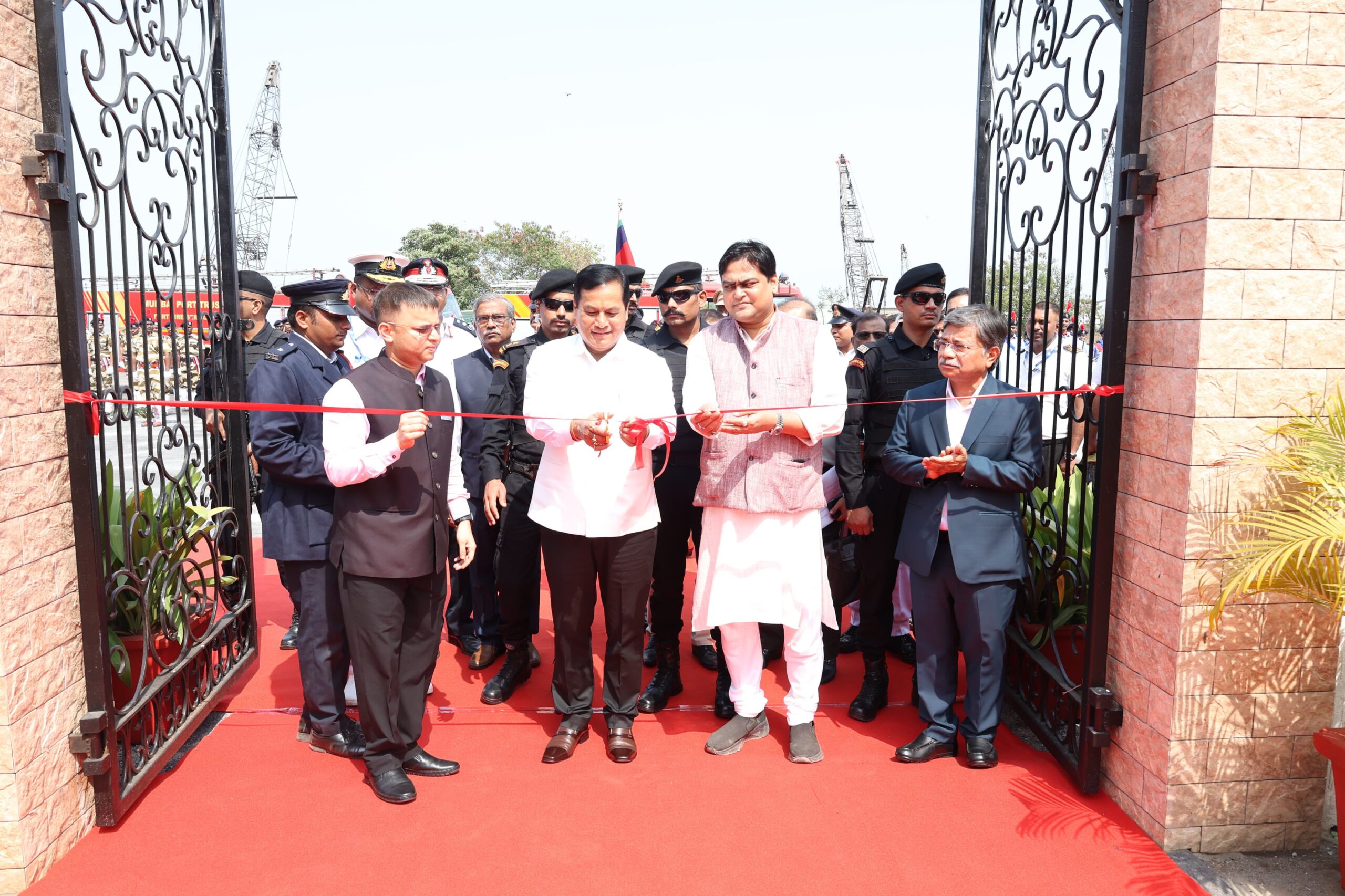
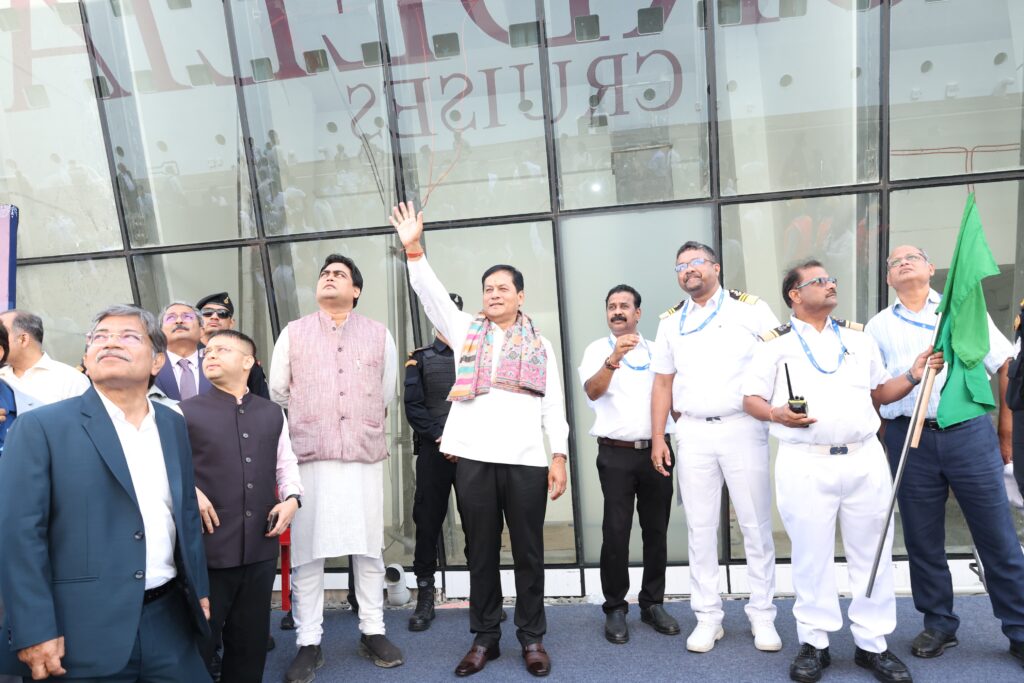
On April 21, 2025, Union Minister of Ports, Shipping and Waterways Sarbananda Sonowal officially flagged off cruise operations at the Mumbai International Cruise Terminal (MICT), India’s largest world-class cruise facility, marking a major step in the nation’s maritime tourism ambitions. Developed under the Centre’s “Cruise Bharat Mission”. The inauguration also included the unveiling of the restored Fire Memorial at Victoria Docks, refurbishments of two heritage buildings in Colaba, and launch of a Shore-to-Ship Electric Supply under the Green Port Initiative. With an investment of ₹556 crore, MICT complements existing facilities at Visakhapatnam and Chennai, reinforcing Prime Minister Modi’s vision of positioning India as a leading global cruise hub by 2029.

Background

The Cruise Bharat Mission, launched on September 30, 2024, aims to harness India’s vast coastline and cultural appeal to boost cruise tourism by doubling passenger traffic to two lakh annually by 2029. In fiscal year 2023-24, India welcomed approximately 471,000 cruise passengers, signalling strong growth potential in a segment traditionally overshadowed by cargo operations. Prior to MICT’s commissioning, India had two international cruise terminals in Chennai and Visakhapatnam both positioned to serve increasing domestic and international demand. The government envisages a three-pillar strategy ocean and harbour cruises, river and inland cruises, and island and lighthouse cruises to diversify offerings and drive regional economic benefits along maritime corridors.

Mumbai International Cruise Terminal
Source: PIB

The Cruise Bharat Mission

The Cruise Bharat Mission has set ambitious yet achievable goals like Development of 10 international sea cruise terminals, creation of 100 river cruise terminals, launch of 5 marinas along our coast, Seamless integration of more than 5000 km of waterways, Aiming for 1 million sea cruise passengers and 1.5 million river cruise passengers by 2029 creation of over 400 thousand direct and indirect jobs across the cruise value chain. Since 2014, the government under the leadership of PM Shri Narendra Modi, has led to a transformation of the maritime sector. The cargo handled at the major port cargo surged from 556 MMT in 2014 to 854 MMT in 2024-25 while costal cargo grew by 119%. The inland water cargo rose from 6.89 MMT to 133 MMT-a leaps of over 1800%. The cruise passengers increased from 85,000 in 2014 to 4.71 lakh today, a phenomenal growth of 454%.

Also read: Major Blow to Red Sea Trade – US Strikes Yemen’s Ras Isa Oil Terminal

Commencement Ceremony

The flag-off ceremony at MICT was presided over by Union Minister Sarbananda Sonowal, who emphasized Mumbai’s storied maritime heritage and the potential for cruise tourism to generate employment and revenue in allied sectors such as hospitality, transport, and local crafts. Also present were Shri Shantanu Thakur, Union Minister of State, (MoSPW) as the Guest of Honour along with Susil Kumar Singh (IRSME), Chairman, Mumbai Port Authority (MbPA); Adesh Titarmare, IAS, Deputy Chairman, (MbPA); Unmesh Sharad Wagh, IRS, Chairman, Jawaharlal Nehru Port Authority (NPA) and Dhruv Kotak, Managing Director, J.M. Baxi among other dignitaries and senior officials of the (MoPSW) and (MbPA), underscoring multi-agency coordination in port modernization efforts. Minister Sonowal remarked that MICT’s cutting-edge facilities would elevate passenger experience to global standards, aligning with the government’s Green Port and heritage conservation priorities.

Mumbai International Cruise Terminal
Source: PIB

Features of Mumbai International Cruise Terminal

MICT’s built-up area exceeds 415,000 sq ft, with the ground and first floors (G+1) housing 72 check-in and immigration counters spread over 207,000 sq ft, enabling rapid processing and reducing embarkation times. The second and third floors are dedicated to commercial outlets, passenger lounges, and other amenities designed to provide a seamless travel experience. Five berths, each accommodating ships up to 300 m in length with an 11 m draft, allow simultaneous handling of multiple vessels, while parking for more than 300 vehicles addresses ground-transport integration. Advanced baggage handling systems, customs and immigration infrastructure, and dedicated arrival and departure halls ensure MICT meets International Ship and Port Facility Security (ISPS) standards.
Heritage Conservation and Green Initiatives

In tandem with modernization, MICT’s inauguration featured the restoration of the Fire Memorial at Victoria Docks and two Grade-II heritage structures Fort House Ballard Estate and Evelyn House in Colaba reaffirming a commitment to preserving Mumbai’s colonial-era maritime legacy. The newly unveiled Sagar Upvan Garden offers passengers and the public a landscaped green space overlooking the harbour, blending recreation with heritage. Under the Green Port Initiative, the Shore-to-Ship Electric Supply will enable docked vessels to tap into shore power, reducing emissions and noise pollution during port stays and advancing India’s environmental targets in line with international maritime standards.

Green Port Initiative
Source: PIB

Strategic Implications

MICT’s launch underlines India’s ambition to emerge as a top-tier cruise destination in Asia, tapping into rising outbound and inbound tourism trends. By providing world-class infrastructure, India aims to attract leading global cruise lines, generate foreign exchange earnings, and stimulate investment in coastal economies. Ancillary industries-hotels, restaurants, ground transport, and local artisans stand to benefit from increased tourist footfall, fostering sustainable livelihoods in waterfront communities. Moreover, MICT’s success is expected to catalyse further investments under the Cruise Bharat Mission’s roadmap, including riverine and island-based cruise circuits that showcase India’s diverse cultural and natural heritage.

Conclusion

The commissioning of MICT represents a transformative leap for India’s cruise tourism landscape, melding modern port infrastructure with heritage conservation and environmental stewardship. As Mumbai opens its gates to international cruise travellers, stakeholders across government and industry will look to replicate this model at other ports, steering India toward its goal of becoming a preeminent cruise destination by 2029.

Major Blow to Red Sea Trade – US Strikes Yemen’s Ras Isa Oil Terminal

US air raids hit a key fuel hub on April 17, cutting vital access to the Bab al‑Mandeb strait and reviving fears of renewed shipping threats.

US strikes Yemen’s Ras Isa oil terminal one of the busiest fuel hubs on the Bab al‑Mandeb shipping lane killed dozens and injured over a hundred people on April 17, disrupting a crucial artery for global maritime trade. The terminal, capable of storing some 3 million barrels of fuel, lies just north of Hodeidah and serves as a lifeline for both commercial shipping and humanitarian aid into Yemen. This strike part of a broader U.S. campaign launched in mid‑March comes amid renewed Houthi threats to target merchant vessels traversing the Red Sea in solidarity with Gaza, echoing the spike in maritime attacks seen earlier this year during the Israel‑Hamas war.

Red Sea trade route
Source: google maps

Strike Details and Immediate Impact

On April 17, the U.S. Central Command reported executing 14 precision airstrikes against Ras Isa’s storage tanks and tanker trucks, aiming to “degrade the economic source of power of the Houthis”. Houthi-run Al Masirah TV said at least 58 people were killed and 126 wounded, including port workers and emergency responders who rushed in to help. Other sources reported even higher tolls up to 80 killed and 150 injured with vivid footage showing flames engulfing fuel installations and charred vehicles strewn across the compound. Satellite imagery confirmed widespread destruction to storage tanks and loading arms, raising concerns over oil leaks polluting the Red Sea.

US strikes yemen
Source: BBC News

Strategic Importance of the Bab al‑Mandeb Route

The Bab al‑Mandeb Strait connects the Red Sea to the Gulf of Aden and handles roughly 10 percent of all seaborne oil traffic, as well as container and bulk shipments bound for Europe and Asia. Disruptions here can force vessels to reroute around the Cape of Good Hope, adding weeks to transit times and dramatically increasing shipping costs. Insurers have already raised rates on Red Sea voyages by over 50 percent since Houthi drone and missile attacks resumed in March, citing a “significant uptick in the threat profile against commercial maritime traffic”.

Also Read: India Stops Unfit Vessel Carrying Russian Oil to Avert Ecological Disaster

Echoes of the Israel‑Hamas War Spillover

Since November 2023, Yemen’s Houthi rebels have intermittently targeted merchant vessels, striking at least 100 ships and sinking two, in what they describe as retaliation for Israeli operations in Gaza. In one high‑profile incident in February 2024, a Houthi anti‑ship missile struck a commercial tanker, prompting CENTCOM to destroy the launcher in self‑defence and warning of “a clear and imminent threat to merchant vessels”. Although the Houthis briefly paused attacks during a January Gaza ceasefire, they pledged to resume targeting Israel‑linked shipping once the truce collapsed an escalation that precipitated the U.S. strikes this month.

Source: India shipping news

Regional Reactions and Shipping Industry Warnings

The Houthis denounced the Ras Isa raid as a “war crime” against civilian infrastructure and vowed to intensify missile assaults on U.S. and Israeli vessels. Iran’s foreign ministry condemned the strikes as “barbaric aggression,” while analysts warn that without a diplomatic breakthrough, airstrikes alone will not deter Houthi operations or stabilize shipping lanes. Shipping associations are urging vessels to exercise “extreme caution” and reroute where possible, as UN agencies warn that further escalation could choke off vital food and fuel imports to Yemen and beyond.

By striking one of Yemen’s most critical oil terminals, the United States has underscored the geopolitical stakes of the Red Sea corridor. With the Bab al‑Mandeb under renewed threat from missile and drone barrages to potential oil spills the global shipping community faces heightened risks reminiscent of last year’s Israel‑Hamas spillover. Unless regional and international stakeholders can forge a ceasefire or security arrangement, merchant vessels will likely continue to navigate these waters under the shadow of conflict.

India Stops Unfit Vessel Carrying Russian Oil to Avert Ecological Disaster

Report: India Prevents Potential Oil Spill by Halting Unfit Russian Oil Tanker.

What was the incident that happened?

In early April, a ship named Andaman Skies carrying around 767,000 barrels of Russian Arctic crude oil was stopped from entering India’s western coast. The ship had sailed from Murmansk, Russia, but was denied entry into Indian waters near the Vadinar port. Why? Because the vessel failed to show the required safety documents.

The ship, which is more than 20 years old and flagged under Honduras, did not have the proper certificate to prove its seaworthiness which is a must for older vessels to dock at Indian ports.This wasn’t a minor paperwork error. The absence of this certificate raised serious concerns about the safety of the ship and the risk it posed to India’s coastline.

Why Was the Ship Stopped?

India has clear maritime rules: oil tankers older than 20 years must have a special certificate of inspection from a recognized classification society. This certificate shows the ship has passed all technical and safety checks and is fit to enter a port. Andaman Skies had no such certificate.

Even though the ship wasn’t blacklisted by the U.S., it was sanctioned by the U.K. and the European Union. However, India didn’t base its decision on political factors. Instead, Indian port authorities acted strictly based on safety regulations and environmental concerns. In short, India said “no” because the ship was not fit either physically, technically or environmentally.

What Was India Thinking?

India took this bold decision to protect its coast, its environment, and its people. In recent years, India has emerged as one of the biggest buyers of Russian oil, especially after the Ukraine war led to Western sanctions on Russian energy exports. Yet, India has drawn a line conveying that the cheap oil can’t come at the cost of safety.

Here’s what likely influenced India’s decision:

  • Avoiding an Oil Spill Disaster: One weak spot in the ship’s body or a technical fault could have led to a major leak or wreck.

  • Safeguarding Marine Life: India’s western coastline is rich in marine biodiversity, coral reefs, and fishing communities that depend on a healthy sea.

  • Protecting Port Infrastructure: Ports like Kandla and Vadinar handle massive amounts of cargo. A single accident could have damaged port operations for days or weeks.

  • Global Reputation: India wants to be seen as a responsible maritime nation that follows international safety standards.

What If the Ship Had Broken Down?

If Andaman Skies had suffered damage or broken down while waiting near the Indian coast, the consequences would’ve been devastating:

  1. Massive Oil Spill

    Over 700,000 barrels of crude oil could’ve leaked into the Arabian Sea. That much oil could cover hundreds of kilometres of coastline, destroying everything in its path.

  2. Damage to Marine Ecosystems

    Turtles, dolphins, fish, coral reefs, and other wildlife animals would’ve been smothered in oil. These species take years or even decades to recover after such disasters.

  3. Fisheries and Livelihood Loss

    Fishing communities in Gujarat and Maharashtra would have suffered immensely. Boats would remain idle, fish would vanish, and families dependent on the sea would have no income.

  4. Polluted Beaches

    Tourist destinations like Diu, Mandvi, and parts of Goa could have seen oil washing up on their shores, making them unusable and unsafe.

  5. Shipping Rerouting

    If a spill had happened, cargo ships, tankers, and navy vessels would have been forced to avoid the area. This would increase travel times, fuel costs, and delay critical imports and exports.

A Global Shadow Fleet Problem

This case also shines a light on a troubling global issue: the “shadow fleet”. These are old, poorly maintained ships used by some traders to move oil in ways that bypass international sanctions and avoid oversight.

They often operate under flags of small or less-regulated countries, without proper insurance or inspections. Many of these vessels continue to carry oil even though they pose a real danger to the oceans and port nations like India.

India’s decision to stop such a vessel is a step toward breaking this dangerous pattern. It shows that compliance, not convenience, will shape India’s maritime decisions.

What Can Be Done Going Forward?

To avoid such risky situations in the future, these steps are crucial:

  1. Stricter Ship Vetting at the High Seas: Countries can work together to inspect and monitor suspicious vessels before they get close to shore.

  2. Stronger International Policies: Global rules around oil trade, especially from sanctioned or high-risk zones, need to be tightened.

  3. Transparent Ship Registries: Knowing exactly who owns and controls these ships would make it harder for shady operators to hide.

  4. Investment in Green Shipping: Countries like India can lead the way in promoting eco-friendly vessels and reducing dependence on risky oil trades.

Why This Story Matters

At first glance, this might seem like just another cargo ship problem. But it’s much bigger than that. This is a story about a country taking responsibility. It’s about how one smart decision, backed by rules, care, and foresight can prevent a huge disaster. It’s a reminder that economic growth must not come at the cost of the environment

India’s coastline, its marine life, its fishermen, and its future were all protected because someone followed the rulebook. And in today’s complex world, that’s something truly worth celebrating.

Prime Minister Modi’s Rameswaram Inauguration – A New Era for Maritime Infrastructure and the Blue Economy

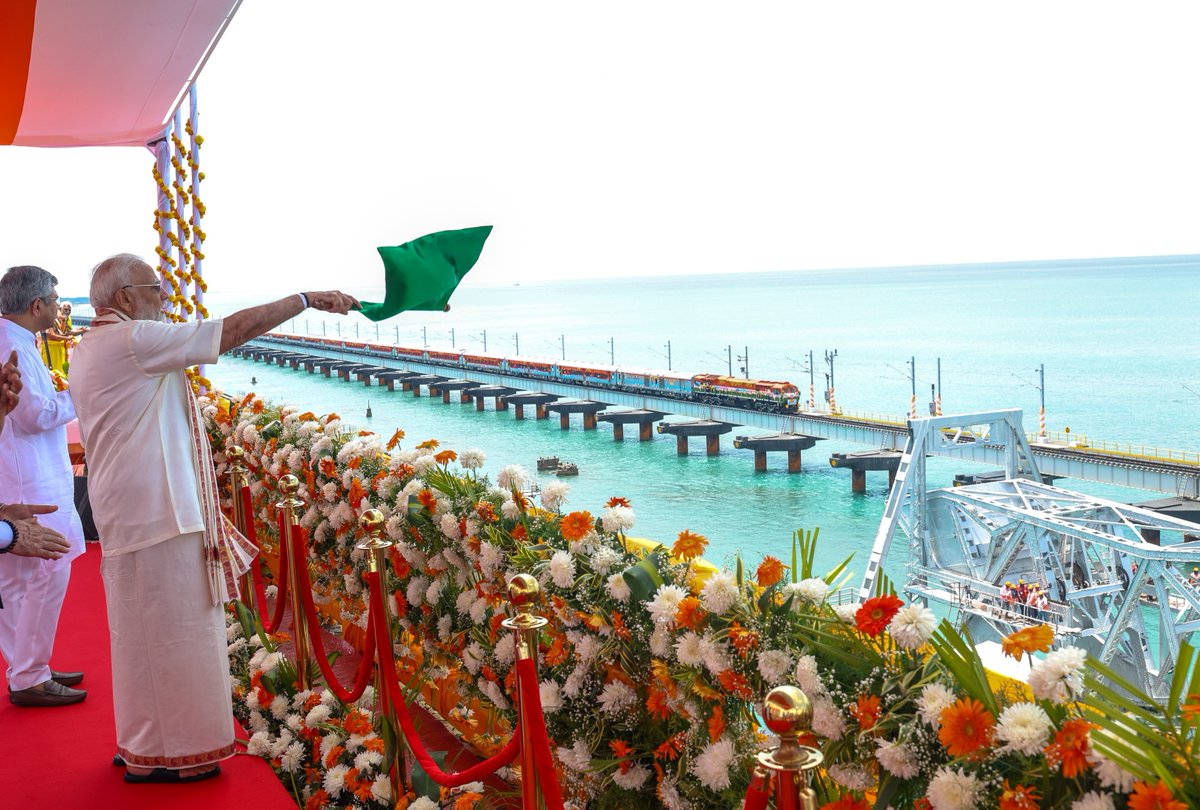
In a landmark event on April 6, 2025, Prime Minister Narendra Modi visited Rameswaram, Tamil Nadu, to unveil transformative projects that signal a bold step forward in modern infrastructure and maritime growth. With initiatives worth over ₹8,300 crore and the debut of India’s first vertical lift sea bridge, the ceremony highlighted Tamil Nadu’s pivotal role in bolstering connectivity, the Blue Economy, and cultural outreach all essential elements for a stronger national future.

Engineering Marvel: The New Pamban Bridge

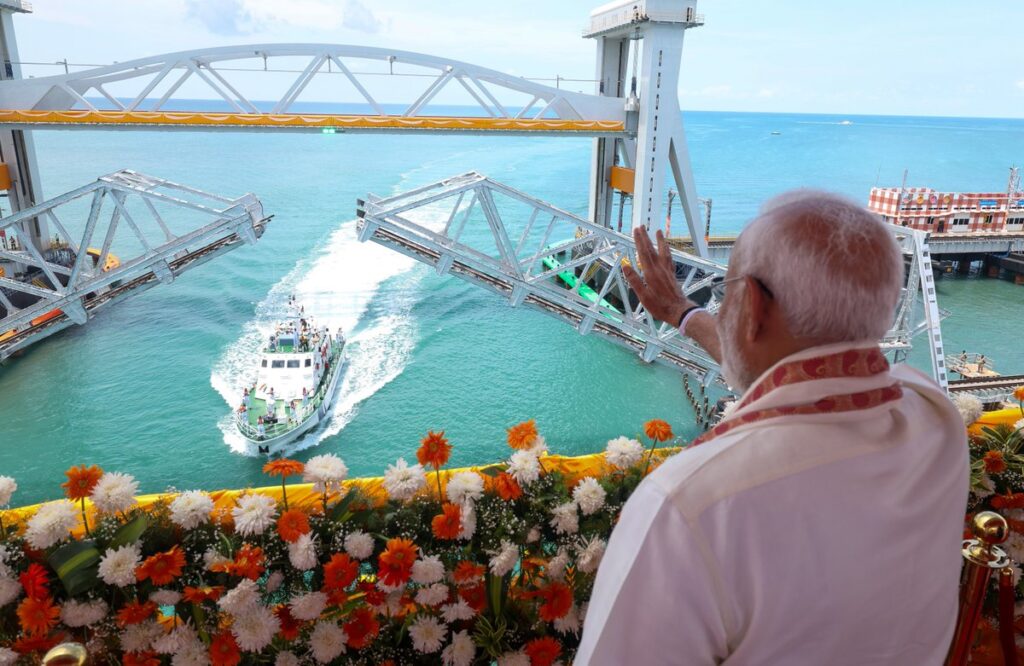
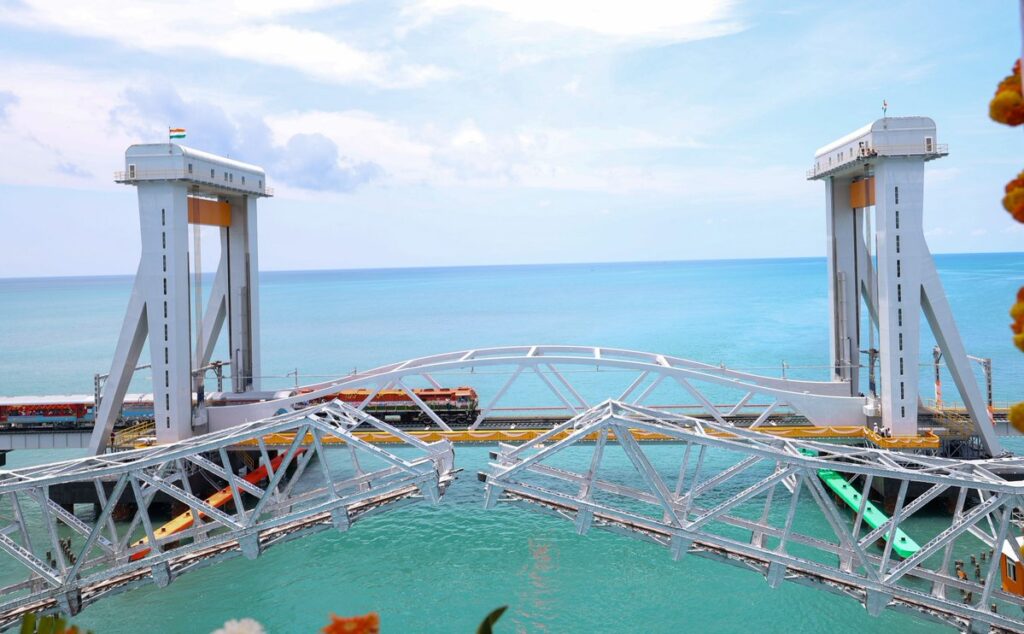
One of the most striking highlights of the day was the inauguration of the new Pamban Rail Bridge India’s first vertical lift sea bridge, which stands as a symbol of the union between modern technology and timeless tradition. Spanning 2.08 kilometres with 99 spans, the bridge includes a 72.5‑meter vertical lift segment that can rise up to 17 meters. This engineering innovation allows large ships to pass safely beneath while enabling uninterrupted rail service.

Constructed at a cost exceeding ₹700 crore, the Pamban Rail Bridge is more than just a transportation link; it’s a reflection of visionary engineering combined with cultural pride. The bridge is built using stainless steel reinforcement, high‑grade protective paint, fully welded joints, and protected with a special polysiloxane coating to ensure long-term durability in the harsh marine environment.

Designed with dual rail tracks for future growth, this modern marvel not only enhances travel efficiency between Rameswaram and Chennai but also stands as a testament to India’s ability to blend engineering ingenuity with rich historical legacy. Prime Minister Modi remarked that the bridge embodies a fusion of innovation and tradition a crucial element in India’s journey towards sustainable development.

Driving the Blue Economy and Empowering Local Communities

In his address, Modi underscored that India’s Blue Economy will play a crucial role in driving national growth a sector where Tamil Nadu is emerging as a global leader. He stated, “India’s blue economy will play a significant role in the country’s growth, and Tamil Nadu’s strength in this sector will be recognized globally.” This commitment is evident in the extensive support provided to the state’s fisheries and maritime sectors.

Under the PM Matsya Sampada Yojana, the central government has infused hundreds of crores of rupees over the past five years into modernizing fisheries infrastructure. Investments have been directed toward developing state‑of‑the‑art seaweed parks, fishing harbours, and landing centres to provide fishermen with modern facilities and improved economic opportunities.

Modi emphasized that these measures not only enhance economic prospects but also ensure the safety of fishermen. Over the past decade, more than 3,700 fishermen have been repatriated from Sri Lanka, including over 600 in the previous year alone, highlighting the government’s robust focus on welfare and security.

Also Read: Dark Waters and Dimmed Lights: The Queen Anne’s Tense Passage

This strategic push in the Blue Economy stands as a complementary pillar to the nation’s broader infrastructural developments. As enhanced maritime infrastructure couples with improved road and rail networks, it creates a multi-dimensional development environment that benefits trade, tourism, and local livelihoods alike. The ripple effect of these initiatives is expected to foster job creation, boost regional commerce, and position Tamil Nadu as a crucial player in India’s overall growth story.

PAMBAN BRIDGE, BLUE ECONOMY
Source: x.com/narendramodi

Infrastructure Breakthroughs Across Tamil Nadu

During the event, the Prime Minister laid the foundation stone for multiple rail and road projects that span across the state. These projects, valued at over ₹8,300 crore, are designed to dramatically enhance regional connectivity and spark economic growth. The initiatives include a comprehensive upgrade of existing transport links through a series of highway improvements, with projects such as –

  • A 28‑km four‑lane expansion of the Walajapet–Ranipet stretch along NH‑40.
  • A 29‑km upgrade on the Viluppuram–Puducherry corridor (NH‑332).
  • A 57‑km development project along the Poondiyankuppam–Sattanathapuram section of NH‑32.
  • A 48‑km improvement on the Cholapuram–Thanjavur stretch of NH‑36.

These highway projects are strategically planned to connect pilgrim centres, tourist spots, medical institutions, and ports, ensuring faster access for local communities and local industries. In doing so, they empower farmers, boost small-scale industry growth, and facilitate the smoother movement of goods and people across the region.

Furthermore, additional high-level projects include the upgrade of 77 railway stations (including Rameswaram station) and extensive rural road improvements that total more than 4,000 kilometres since 2014. Such steps are a testament to the state and central government’s commitment to reinforcing connectivity and fostering local development.

Conclusion

The Rameswaram inauguration captured a multi-faceted agenda: the deployment of breakthrough infrastructure projects, the unveiling of engineering marvels like the Pamban Rail Bridge, the strategic push to harness the Blue Economy, and the reinforcement of cultural and political foundations. Each of these elements plays a critical role in shaping the future of not only Tamil Nadu but also the broader Indian economy.

By advancing connectivity through extensive road, rail, and maritime projects, the government is setting the stage for enhanced trade, tourism, and economic activity. The technical brilliance of the new Pamban Rail Bridge reinforces India’s commitment to creating infrastructure that stands the test of time while inspiring future growth. Simultaneously, targeted investments in the Blue Economy promise to elevate Tamil Nadu’s maritime capabilities and secure the livelihoods of thousands in the fisheries sector.

Dark Waters and Dimmed Lights: The Queen Anne’s Tense Passage

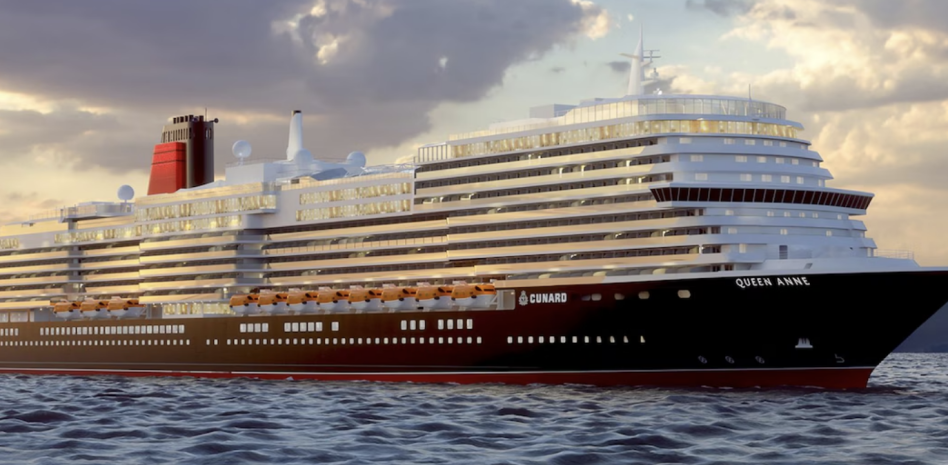
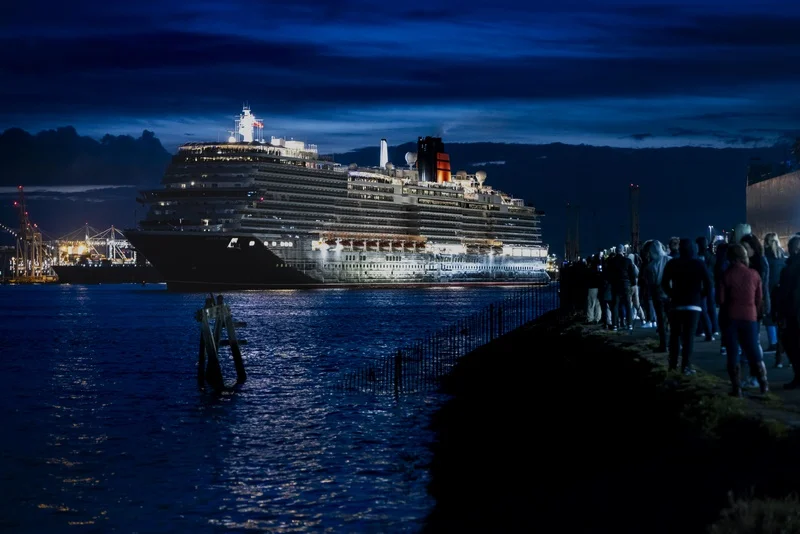
Imagine this—you’re lounging on the deck of Cunard’s Queen Anne, a stunning luxury liner making its way across the ocean on an epic 111-night voyage. The air is warm, the sea stretches endlessly before you, and the sound of gentle waves is almost hypnotic. After a lavish dinner and maybe a glass of wine, you’re ready to unwind.

Then, an announcement cuts through the air: “All passengers must remain indoors. Lights out. Curtains drawn. Do not step outside.”

Queen Anne Cruise Ship
Source: mundodeportivo.com

It sounds like something straight out of a Hollywood thriller. But for those on board on March 14 and 15, 2025, this was no movie. The Queen Anne was sailing through pirate-infested waters near the Sulu and Celebes Seas, and everyone had to follow strict security protocols.

A Cruise into Silence

As the sun set, a strange quiet fell over the ship. There was no panic—just an eerie sense of awareness. The crew had prepared for this moment, and now, so had the passengers.

The exterior lights were dimmed, cabins went dark, curtains were drawn tight, and a strict curfew from 9 p.m. to 5 a.m. was enforced. Passengers who had planned to enjoy a late-night cocktail on the deck were instead told to stay inside.

Also Read: Collision in the North Sea: Tragedy, Controversy, and the Weight of Responsibility

Adding to the tension, pressurized fire hoses were lined up along the promenade deck, a simple but effective defense in case of an attempted boarding. Some passengers whispered nervously, while others exchanged half-serious jokes about living out a real-life Pirates of the Caribbean moment.

The crew, though, remained calm and professional. They assured everyone that these were just precautionary measures. No immediate threat had been detected. But still, as the ship glided through the inky darkness, it was impossible not to wonder—was something lurking out there?

Why Was Queen Anne on Alert?

The Sulu and Celebes Seas, nestled between the Philippines, Malaysia, and Indonesia, are breathtakingly beautiful but also infamous for piracy. Over the years, militant groups like Abu Sayyaf have hijacked ships, kidnapped crews, and demanded ransoms. Though increased naval patrols have reduced incidents, the risk still lingers.

With over 3,000 passengers and crew on board, Queen Anne was an attractive target. The cruise line wasn’t about to take any chances.

Cruise ship
Source: cruiseindustrynews.com

Passengers React: Thrill or Terror?

For some, the incident added an unexpected thrill to their voyage. One passenger later laughed, calling it “the most exciting part of the trip!” Others, however, found it deeply unsettling.

A couple celebrating their anniversary admitted they barely slept, imagining dramatic scenarios of pirates scaling the ship’s hull. Meanwhile, another passenger shrugged it off: “Honestly, it just felt like an energy-saving drill. I slept like a baby.”

By March 16, when the Queen Anne arrived safely in Manila, Philippines, a collective sigh of relief swept through the ship. There had been no attack, no distress signal—just two long nights of heightened vigilance. As guests stepped onto dry land, stories were already being swapped. Some downplayed it, others exaggerated every moment, turning the experience into something fit for a blockbuster.

A Lesson from the Open Seas

Luxury cruises promise comfort, adventure, and indulgence, but this incident was a stark reminder that the sea is unpredictable.

Though nothing happened, the Queen Anne’s security measures underscored the lengths cruise lines go to in ensuring passenger safety. No one wants to think about dangers while sipping a cocktail at sea, but behind the scenes, meticulous planning keeps these floating palaces secure.

Would This Change Your Mind About Cruising?

For most passengers, the answer was a firm no. Once the ship docked, they dove right back into their vacation—exploring Manila, enjoying fine dining, and getting back to the blissful rhythm of cruise life.

But for those who were there on those two silent nights, this was more than just another leg of the journey. It became a story to tell, a reminder of the unpredictability of the open sea, and perhaps, a newfound respect for the hidden world of maritime security.

Because sometimes, even on the most luxurious voyage, the ocean likes to remind you who’s really in charge.

Homecoming Celebration: NASA Astronauts Sunita Williams and Butch Wilmore return to Earth after the Extended Mission

Report: Sunita Williams Return on Earth

It is not just NASA or the USA but the entire World is celebrating the grand return of NASA astronauts Sunita Williams and Butch Wilmore. After an unexpectedly prolonged mission, the duo safely returned to Earth in the SpaceX capsule.

Their journey began with Boeing’s Starliner test flight on 5th June 2024 and concluded with a splashdown off the coast of Florida at 3:27 AM on Wednesday.

Sunita Williams Splashdown in SpaceX Capsule
Source: livemint.com

What was meant to be a quick test mission turned into a nine-month ordeal. Upon their departure to space, NASA was forced to return Boeing’s Starliner to Earth without the astronauts accounting to a series of equipment malfunctions.

Thereby, extending their stay at the ISS (International Space Station). Their stay was again prolonged by a month as the SpaceX capsule sent to bring the astronauts home malfunctioned.

However, NASA with SpaceX made diligent efforts to bring the astronauts home safe and sound.

With the joint efforts of NASA and SpaceX, the duo has returned to Earth and bid farewell to their newfound home (ISS) – The International Space Station.

Overwhelmed with the success of the mission to rescue the astronauts home, NASA has asked for some time to celebrate this legendary success.

Sunita who is of Indian-Slovene descent was carrying a Slovene flag, Samosa and some sausages to stay connected to her home.

Now that she is back, let’s hope she celebrates her safe return with some freshly made samosas. Sunita Williams has spent an impressive 608 days in space, making her the second-most experienced NASA astronaut after Peggy Whitson (675 days).

Williams has participated in multiple ISS expeditions and has completed nine spacewalks, totalling 62 hours and 6 minutes of extravehicular activity.

The splashdown of the SpaceX capsule marked not just the end of an extraordinary space expedition but also the beginning of the swift naval rescue mission. The naval officers were quick to retrieve the astronauts from the waters, ensuring their safe return.

Meerut Shocker: Merchant Navy Officer Murdered by Wife and Her Lover, Body Dismembered and Stuffed in Cement

Report: Meerut: Wife, Lover Kill, Dismember, Cement Merchant Navy Officer.

They say love is in the air – until it’s not. A disturbing case from Meerut, Uttar-Pradesh has come to light, sending shock waves to the entire nation. Saurabh Rajput, a 29-year-old Merchant Navy officer was killed by his estranged wife Muskan Rastogi and her lover Sahil Shukla alias (Mohit). Rajput allegedly came from London on 24th February to celebrate the 6th birthday of his daughter which is on 28th February. The family claims Saurabh has been missing since 4th March.

The couple deeply in love at the time tied the knot in 2016 despite strong opposition from their families. Within a few years of marriage, Rajput left his highly prestigious job as a Merchant Navy officer to spend more time with his wife. This decision led to great chaos in the family and the couple soon left and rented an apartment together. Things were working out splendidly and the couple soon welcomed their only daughter in 2019. However, their happiness was short-lived. The story of love and happiness soon turned into a nightmare filled with hurt, betrayal and heartbreak as Rajput learned of his wife’s affair with Sahil Shukla. Enraged with the infidelity he decided to divorce his wife and move on, but later changed his decision for the sake of his daughter’s future. Still heartbroken he rejoined the Merchant Navy and left the country in 2023.

On the unfateful night of the murder, Rastogi confessed to feeding food laced with sleeping pills to her husband. Once the victim was asleep, Muskan Rastogi along with her lover Sahil Shukla killed him with a knife, cut his body into 15 pieces and stuffed the body parts into a water container filled with wet cement.

Also Read: Collision in the North Sea: Tragedy, Controversy, and the Weight of Responsibility

Rastogi had access to her late husband’s phone and was texting with his family the entire time to avoid any suspicions. However, the family grew worried as they were not able to get a hold of him over calls. When they grew uneasy, she took a step further and soon after the heinous crime, the murderous duo left the city to visit Manali. She and Sahil uploaded content from Rajput’s phone to make it look like he was alive.

The gruesome crime might have gone unnoticed for longer if not for the foul smell coming from her apartment. The police were alerted by neighbours of the dreadful stench. Upon thoroughly investigating the police were able to find the dismembered body parts of Rajput. This led to the arrest of Muskan Rastogi and Sahil Shukla who are currently in police custody awaiting trial.  But for Muskan her arrest wasn’t the worst to come. Her parents Pramod Kumar Rastogi and Kavita Rastogi have made statements to demand justice for their late Son-in-law and urged the authorities to give their daughter the death penalty. 

A love story that started with defying the odds turned into a saga of ultimate hate, betrayal and murder.

Also Read: US-Flagged Oil Tanker ‘Stena Immaculate’ Engulfed in Flames Following North Sea Collision

Collision in the North Sea: Tragedy, Controversy, and the Weight of Responsibility

Report: North Sea Collision: The tragedy

The vast expanse of the North Sea has always been unpredictable, but this time, it has witnessed something that has shaken everyone to its core. MV Solong, a Portuguese vessel carrying alcohol collided with the MV Stena Immaculate, an American tanker carrying jet fuel for the U.S. Air Force.

Two vessels were floating fortresses carrying highly inflammable substances that made the clash both deadly and terrifying inferno. An accident so dreadful, it has made waves and shaken the entire maritime community.

www.bicesteradvertiser.net

Since the collision occurred on the East Coast of England, the rescue operations were led by the United Kingdom. They started the rescue operations by deploying helicopters, lifeboats, and tugs. Germany has also contributed its resources to minimize the loss.

They have successfully rescued the crew from both vessels. However, the horrifying accident has claimed one young life. Mark Angelo Pernia – a young Filipino Seafarer is nowhere to be found and after hours of intense search he is now officially presumed dead.

Also Read: US-Flagged Oil Tanker ‘Stena Immaculate’ Engulfed in Flames Following North Sea Collision

The UK authorities acted quickly on the matter. The Special Crimes & Counter Terrorism Division of the UK charged the Russian-origin captain of MV Solong – Captain Vladimir Motin with one count of Negligence and one count of Manslaughter by taking no chances for an incident of this scale.

The Russian embassy in the UK established its communication with the Russian-origin captain and has provided him with legal representation and a translator.

The investigators are working tirelessly to determine the cause of the crash. The whole maritime industry is tormented by the question, was it a mechanical failure? A lapse in judgment or something simply sinister.

www.aljazeera.com

The authorities have so far ruled that there is no mechanical or technical error found and that this was the case of human error and there are no signs of any foul play. The investigation is still underway to further determine the nature of the accident.

Despite the outcome of the investigation, some conspiracy theorists are projecting that this may be a case of geopolitical tensions emphasising on the pre-existing tensions between Russia and the USA. The fact that a Russian captain was steering the vessel that crashed into an American tanker carrying fuel for the U.S. military has sparked a wave of speculation.

Could this have been deliberate? A silent act of war hidden behind the guise of maritime misfortune? Conspiracy theorists certainly think so. What do you speculate? However, seasoned Merchant Navy professionals and Maritime Safety experts insist that the seas are unpredictable and accidents of this nature, though deadly, happen. They deduce this to be a misfortunate event rather than a catastrophic geopolitical war crime.

Remembering Mark Angelo Pernia – a soul is again claimed by the sea and as for Captain Vladimir Motin – the weight of responsibility weighs high. As for the world – it’s a stark reminder that a small mistake at sea can have catastrophic results.

Interested to know more about the dynamic Merchant Navy industry? Visit Rife-News and stay updated with the latest news and information of the maritime industry.

US-Flagged Oil Tanker ‘Stena Immaculate’ Engulfed in Flames Following North Sea Collision

Report: North Sea collision ignites US oil tanker.

A major maritime incident has unfolded off the coast of the United Kingdom, as the US-flagged oil tanker ‘Stena Immaculate’ was struck by a cargo vessel, resulting in a devastating fire and triggering a large-scale rescue and environmental response. The collision, which occurred in the busy shipping lanes of the North Sea, has raised serious concerns about maritime safety and potential environmental damage.  

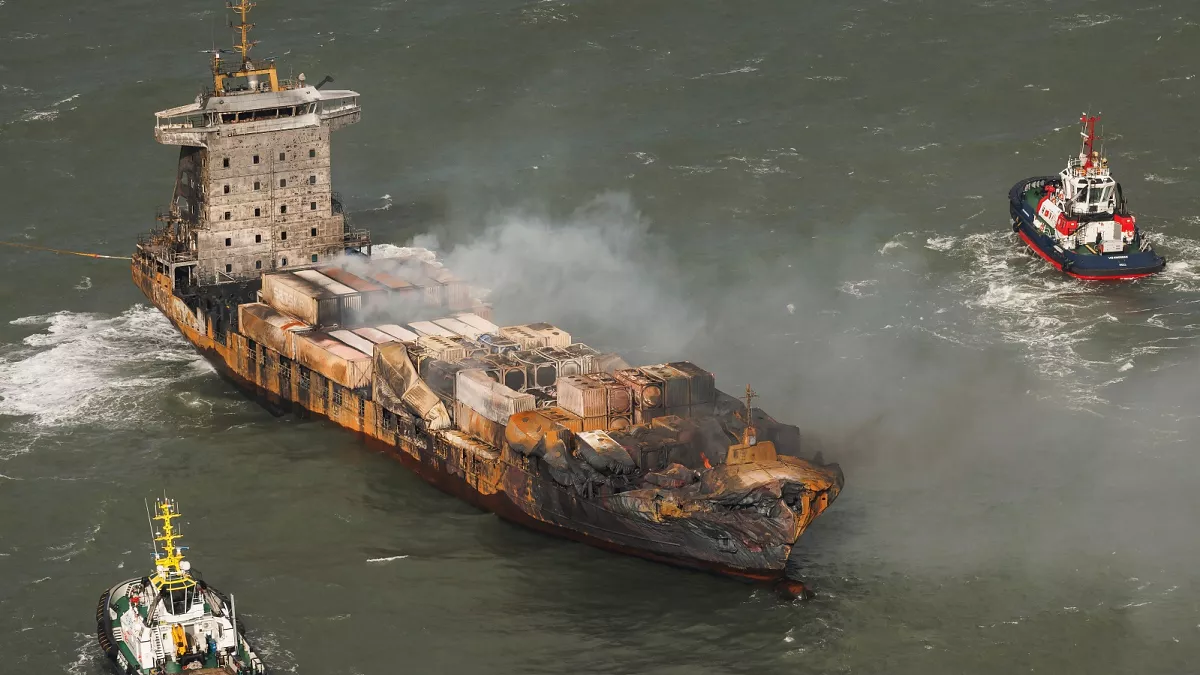
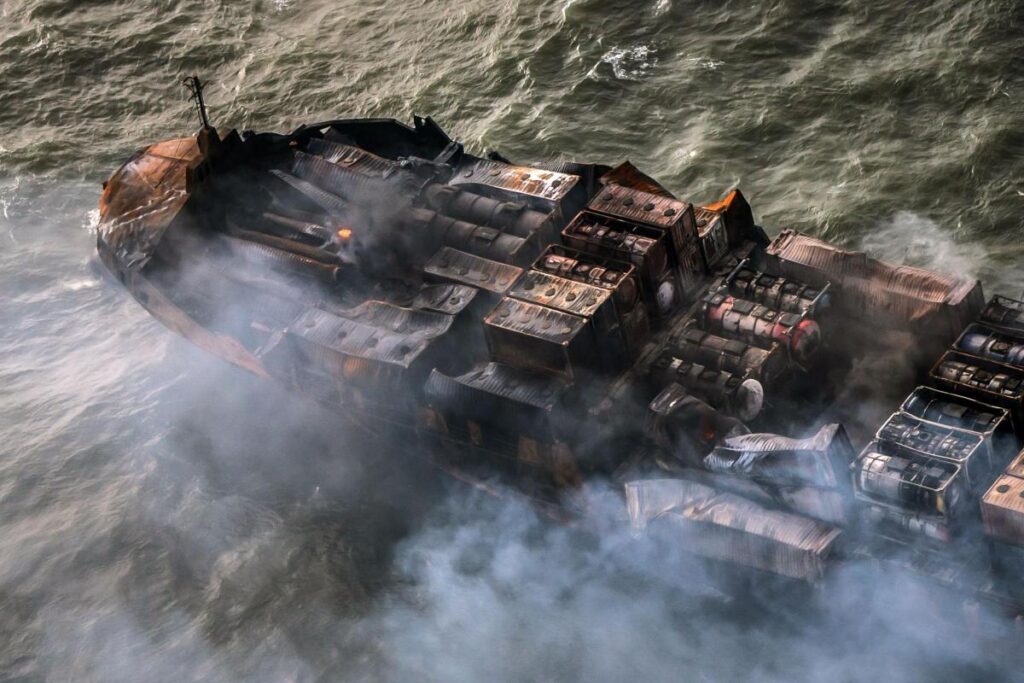
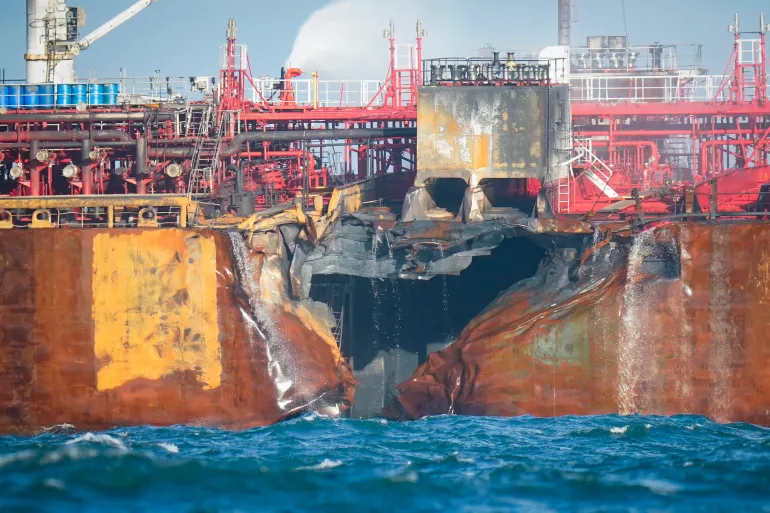
The ‘Stena Immaculate,’ a vessel critical to US national security through its participation in the Department of Transportation’s Tanker Security Program (TSP), was anchored off the Humber Estuary when it was struck by the Portuguese-flagged cargo ship ‘Solong.’ The impact caused significant damage to the tanker, rupturing at least one of its cargo tanks containing Jet-A1 fuel and igniting a fierce blaze.

Emergency Response and Rescue Operations

The collision prompted an immediate and extensive emergency response. The UK Maritime and Coastguard Agency coordinated search and rescue operations, deploying helicopters and lifeboats from nearby coastal stations. The priority was the safe evacuation of crew members from both vessels.

Reports indicate that the majority of the crew members were successfully rescued and brought ashore. However, tragically, one crew member from the ‘Solong’ is presumed dead. The rescue operation was conducted under challenging conditions, with initial reports of thick fog in the area.  

Details of the Incident

The ‘Stena Immaculate’ is a significant vessel, operating within the TSP, which ensures the availability of commercial tankers for US military needs. The tanker, managed by Crowley, was carrying a substantial cargo of Jet-A1 fuel. The ‘Solong,’ a container ship, collided with the anchored tanker, causing the devastating fire.  

Maritime tracking data suggests that the ‘Solong’ may have failed to slow or maneuver appropriately, leading to the collision. This has led to investigations into the cause of the incident, with close attention being paid to the actions of the cargo ships bridge crew.

The collision has resulted in:

  • Fires: Both vessels sustained significant fire damage, with the ‘Stena Immaculate’ suffering the brunt of the initial blaze.
  • Potential Oil Spill: Concerns are high regarding potential fuel spills, as at least one of the ‘Stena Immaculate’s’ cargo tanks was ruptured.
  • Environmental Impact: The incident occurred near sensitive environmental areas, raising fears of damage to marine life and coastal ecosystems.
  • Investigation: A thorough investigation is underway to determine the cause of the collision, with involvement from UK, US, and Portuguese authorities.
  • Legal actions: the captain of the “Solong” has been arrested on suspicion of gross negligence manslaughter.  

Also Read: Maersk and Cochin Shipyard Forge Strategic Alliance to Propel India’s Maritime Growth

Environmental Concerns

The potential for environmental damage is a significant concern. The ‘Stena Immaculate’ was carrying a large quantity of jet fuel, and any spill could have severe consequences for the surrounding marine environment. Environmental agencies are monitoring the situation closely, and efforts are being made to mitigate any potential pollution.  

The area where the collision occurred is home to important seabird colonies and fishing grounds, making the potential for ecological harm particularly worrisome.  

Investigation and Aftermath

The UK’s Marine Accident Investigation Branch, along with US and Portuguese authorities, has launched a full investigation into the cause of the collision. This investigation will examine factors such as:  

  • Navigational errors
  • Equipment malfunctions
  • Weather conditions
  • Adherence to maritime regulations

The arrest of the “Solong’s” captain indicates that the investigation is taking the possibility of human error very seriously.

The incident has also highlighted the importance of maritime safety and the need for stringent regulations to prevent collisions in busy shipping lanes.

Conclusion

The collision involving the ‘Stena Immaculate’ and the ‘Solong’ is a serious maritime incident with potentially far-reaching consequences. The loss of life, the environmental risks, and the disruption to shipping underscore the importance of maritime safety. As investigations continue, the focus remains on mitigating environmental damage and preventing similar incidents in the future. This event serves as a stark reminder of the inherent risks associated with maritime transport and the need for constant vigilance.

Also Read: MSC Boxship Grounds Off Newfoundland Coast Amidst Storm, Crew Rescued

Maersk and Cochin Shipyard Forge Strategic Alliance to Propel India’s Maritime Growth

Report: Maersk and Cochin Shipyard Partner to Boost India’s Maritime Sector

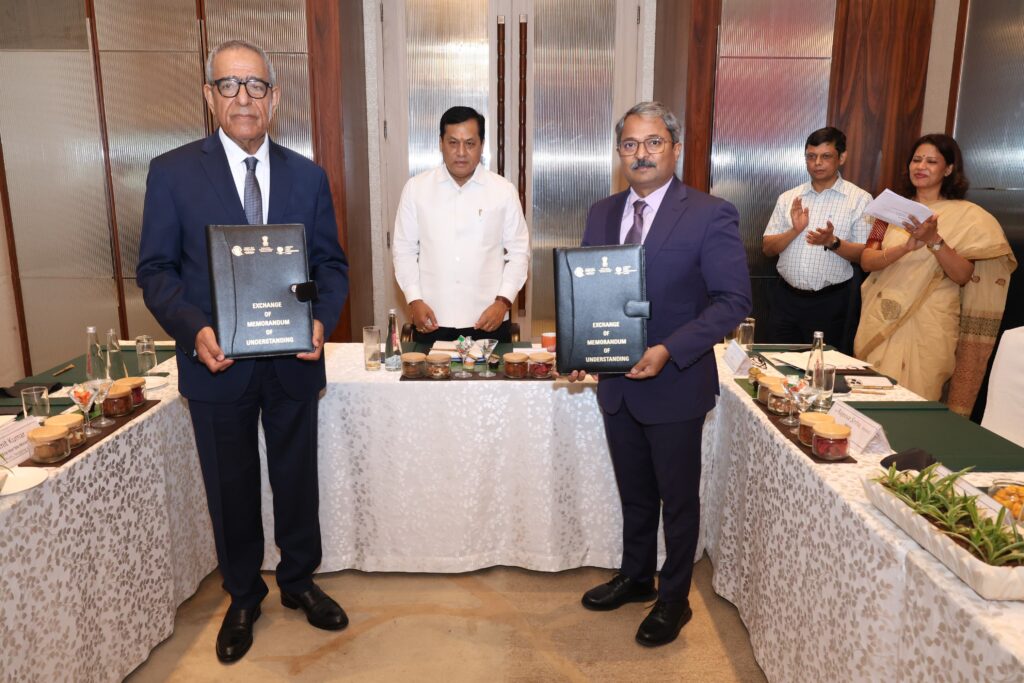
In a major push to strengthen India’s maritime sector, Danish shipping leader A.P. Moller-Maersk has signed a strategic Memorandum of Understanding (MoU) with Cochin Shipyard Limited (CSL). This collaboration is set to elevate India’s shipbuilding and repair capabilities, supporting the country’s goal of emerging as a key player in the global maritime industry.

Key Aspects of the Partnership

The MoU between Maersk and CSL focuses on several crucial areas:

  • Technical Collaboration – The partnership will facilitate the exchange of technical expertise, ensuring that shipbuilding and repair standards meet global benchmarks.
  • Business Expansion – Maersk and CSL will explore opportunities in ship repair, dry docking, and new shipbuilding projects to enhance CSL’s operational portfolio.
  • Skill Development Programs – Both organizations will introduce training initiatives to upskill workers and promote responsible industry practices.

By addressing shipyard capacity constraints, this collaboration provides Maersk with a trusted partner in India for vessel maintenance and construction, reinforcing the country’s maritime capabilities.

Aligning with India’s Maritime Vision

India has been actively working towards strengthening its maritime industry, particularly under the Maritime India Vision 2030 (MIV 2030). This initiative aims to modernize ports, enhance shipbuilding infrastructure, and position India as a global maritime hub.

The Maersk-CSL partnership aligns with this vision by fostering technological advancements and improving India’s competitiveness in the international shipping and shipbuilding markets.

Government Support and Financial Initiatives

To boost the maritime industry, the Indian government has introduced several financial incentives, including:

  • Maritime Development Fund – A $2.9 billion fund to support shipbuilding and repair activities, with contributions from the government and private sector.
  • Subsidies and Incentives – Various financial assistance programs to lower capital and operational costs, encouraging shipbuilding within the country.

Also Read: MSC Boxship Grounds Off Newfoundland Coast Amidst Storm, Crew Rescued

These initiatives create a favorable business environment, attracting global players like Maersk to collaborate with Indian companies like CSL.

Strategic Benefits of the Partnership

  • Operational Efficiency – By leveraging CSL’s facilities, Maersk can ensure the timely maintenance and construction of its fleet.
  • Job Creation and Economic Growth – The collaboration will generate employment opportunities and contribute to the overall economic development of India’s maritime sector.
  • Skill Enhancement – Training programs will equip the workforce with advanced technical skills, further improving industry standards.

Conclusion

The partnership between A.P. Moller-Maersk and Cochin Shipyard Limited represents a significant step towards achieving India’s maritime ambitions. By merging global expertise with local shipbuilding capabilities, this alliance is set to enhance India’s standing in the international maritime industry, paving the way for long-term growth and development.

Also Read: India to Boost U.S. Oil and Gas Imports Amid Trade Negotiations

MSC Boxship Grounds Off Newfoundland Coast Amidst Storm, Crew Rescued

Report: MSC Ship Grounds in Newfoundland Storm, Crew Safe

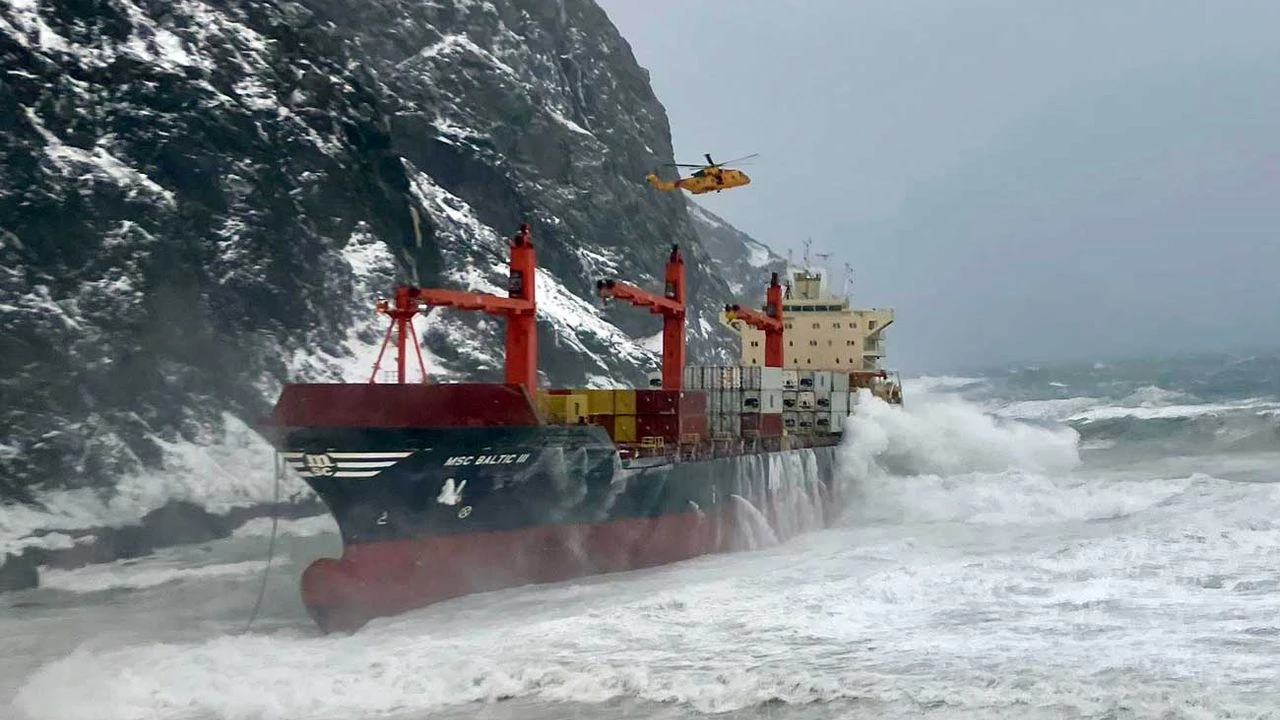
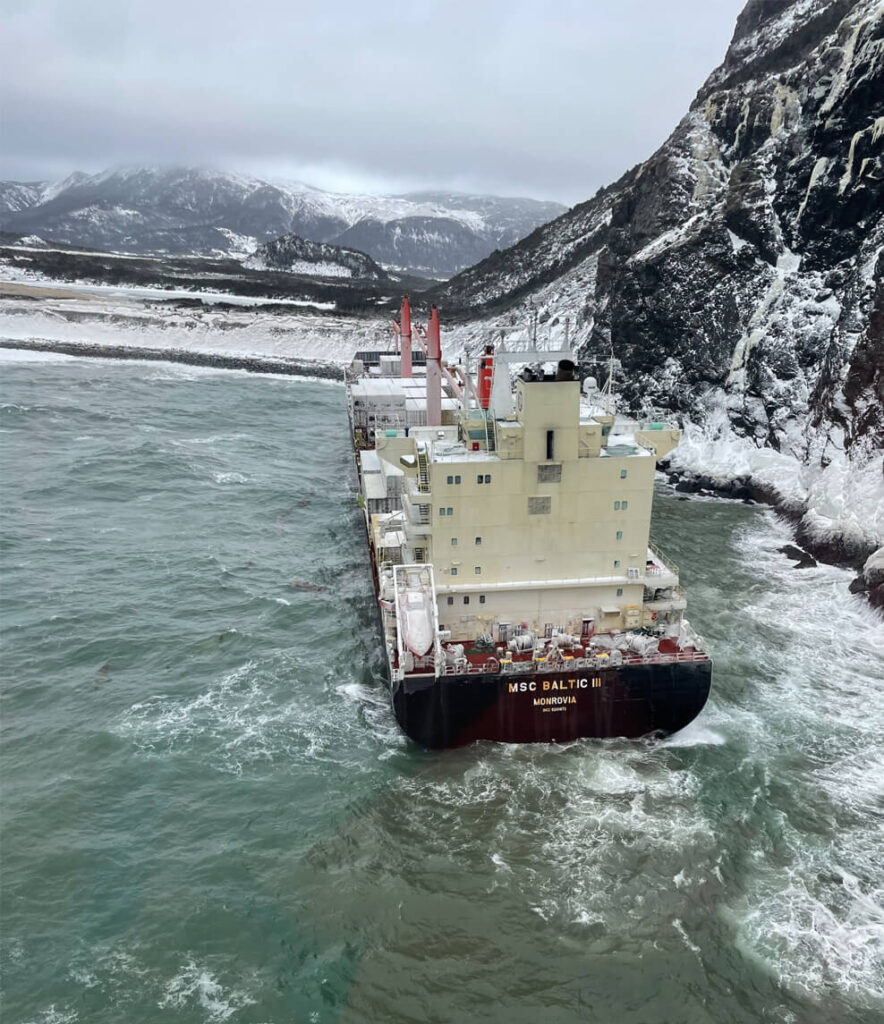
St. John’s, Newfoundland – A dramatic rescue unfolded off the coast of Newfoundland on Saturday as a large container ship, the MSC Baltic III, ran aground during a fierce winter storm. The vessel, carrying 20 crew members, lost power and was unable to anchor in the turbulent seas, ultimately drifting aground in Wild Cove, west of Lark Harbour.

The Canadian Coast Guard responded swiftly to the mayday call issued by the ship, dispatching a Cormorant helicopter and the icebreaker Henry Larsen to the scene. Despite challenging weather conditions, with winds gusting up to 75 mph and waves reaching 20 feet, the helicopter successfully airlifted all 20 crew members to safety.

“The safety of the crew was our top priority,” said a spokesperson for the Canadian Coast Guard. “We are grateful that we were able to rescue everyone despite the difficult conditions.”

The MSC Baltic III, a 33,767 dwt container ship, was en route from Montreal to Corner Brook, Newfoundland, when it encountered the storm. The vessel is owned by NordBaltic and operated by MSC Mediterranean Shipping Company.

The grounding of the MSC Baltic III has raised concerns about the potential for environmental damage. The Canadian Coast Guard is currently assessing the situation and working to prevent any pollution from the vessel.

“We are taking all necessary steps to protect the marine environment,” said the Coast Guard spokesperson. “We have deployed booms and other equipment to contain any potential spills.”

The incident has also highlighted the challenges of navigating the waters off Newfoundland, which are known for their unpredictable weather and treacherous conditions.

Also Read: India to Boost U.S. Oil and Gas Imports Amid Trade Negotiations

“This is a reminder of the dangers that mariners face in these waters,” said a local fisherman. “The weather can change quickly, and it’s important to be prepared.”

The Canadian Coast Guard is investigating the cause of the grounding. It is unclear at this time what led to the ship’s power failure.

“We are committed to determining what happened and taking steps to prevent similar incidents from occurring in the future,” said the Coast Guard spokesperson.

The MSC Baltic III remains aground in Wild Cove. The ship’s owner is currently working on a plan to refloat the vessel.

Conclusion

The grounding of the MSC Baltic III is a serious incident that highlights the dangers of maritime transport in challenging environments. The successful rescue of the crew is a testament to the skill and professionalism of the Canadian Coast Guard. The incident also underscores the importance of environmental protection and the need for thorough investigations to prevent future accidents.

Also Read: U.S. Aircraft Carrier Collides with Merchant Vessel Near Egypt, No Injuries Reported

India to Boost U.S. Oil and Gas Imports Amid Trade Negotiations

Report: India Expands U.S. Oil, Gas Imports to Avoid Tariffs

India to Boost U.S. Oil and Gas Imports Amid Trade Negotiations

In a strategic move to address trade imbalances and avert potential tariffs, India has committed to significantly increasing its oil and gas imports from the United States. This decision emerged from recent discussions between Indian Prime Minister Narendra Modi and U.S. President Donald Trump, aiming to strengthen economic ties and resolve ongoing trade disputes.

Strengthening Energy Trade Relations

India’s Foreign Secretary, Vikram Misri, announced that India plans to elevate its energy imports from the U.S. from the current $15 billion to approximately $25 billion. This substantial increase is intended to reduce the trade deficit between the two nations and mitigate the risk of retaliatory tariffs from the U.S. Misri emphasized the potential impact of this initiative, stating, “Increased energy purchases will contribute to impacting the deficit between India and the U.S.”

State-owned Indian companies are actively pursuing this directive. Indian Oil Corporation is in negotiations with Cheniere Energy Inc. for a long-term liquefied natural gas (LNG) supply agreement. Similarly, GAIL India Ltd. has revived plans to acquire a stake in a U.S. liquefaction facility, as confirmed by Chairman Sandeep Gupta. These efforts align with the joint statement from Modi and Trump, which highlighted the goal to establish the U.S. as a leading supplier of crude oil, petroleum products, and LNG to India, while enhancing investments in hydrocarbon infrastructure.

Addressing Trade Imbalances

The U.S. has been advocating for a reduction in its trade deficit with India, which stood at $45.6 billion. President Trump has proposed “reciprocal” tariffs, aiming to impose equivalent duties on imports from countries that levy higher tariffs on U.S. goods. This policy shift seeks to reform longstanding trade practices and address perceived inequities in international trade.

India’s commitment to increasing energy imports is a strategic response to these developments. By purchasing more U.S. oil and gas, India aims to balance trade disparities and foster a more equitable economic partnership. This move is also expected to provide India with a stable and diversified energy supply, supporting its growing energy demands.

Implications for Indian Industries

Indian industries view this development as an opportunity to expand trade with the U.S. The agreement to boost energy imports is part of a broader strategy to more than double bilateral trade to $500 billion within the decade. Sectors such as textiles, electronics, and engineering goods, which do not directly compete with U.S. industries, are poised to benefit from reduced tariffs and enhanced market access.

Also Read: U.S. Aircraft Carrier Collides with Merchant Vessel Near Egypt, No Injuries Reported

Government incentives, including corporate tax cuts and infrastructure investments, have bolstered the competitiveness of Indian companies. These measures, combined with the anticipated trade deal, are expected to enhance India’s export potential and contribute to economic growth.

Global Trade Dynamics

President Trump’s reciprocal tariff policy represents a significant shift in U.S. trade strategy, challenging established global trade norms. By seeking to match tariffs imposed by other countries, the U.S. aims to address trade deficits and protect domestic industries. However, this approach has raised concerns about potential disruptions to global trade and the possibility of escalating trade wars.

India’s proactive measures to increase U.S. energy imports reflect a strategic adaptation to this evolving trade landscape. By addressing U.S. concerns over trade imbalances, India aims to secure favorable trade terms and avoid punitive tariffs that could impact its economy.

Conclusion

India’s decision to boost oil and gas imports from the U.S. underscores a strategic effort to strengthen bilateral economic relations and address trade imbalances. This initiative not only aims to avert potential tariffs but also positions India to enhance its energy security and support industrial growth. As global trade dynamics continue to evolve, such proactive measures are essential for fostering stable and mutually beneficial international partnerships.

Also Read: PM Modi & Donald Trump Meeting Paves Way for Stronger Trade and Defense Ties

U.S. Aircraft Carrier Collides with Merchant Vessel Near Egypt, No Injuries Reported

Report: U.S. Aircraft Carrier, Merchant Vessel Collide Near Egypt

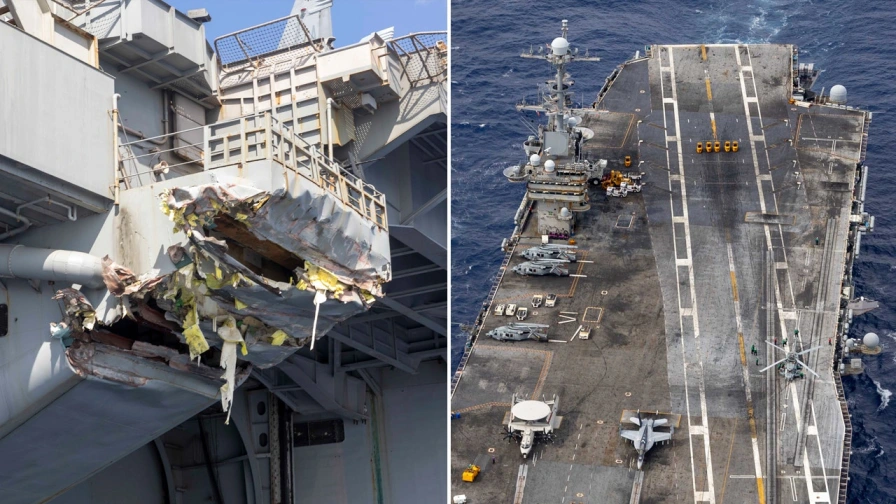
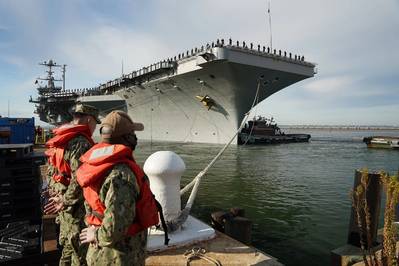
In a rare maritime incident, the U.S. Navy aircraft carrier USS Harry S. Truman collided with the merchant vessel Besiktas-M near Port Said, Egypt, on Wednesday, February 12, 2025. The collision occurred at approximately 11:45 a.m. local time in the Mediterranean Sea as both vessels were maneuvering in a congested area. Despite the severity such incidents can entail, no injuries were reported on either vessel.

Details of the Incident

The USS Harry S. Truman, a nuclear-powered aircraft carrier homeported in Norfolk, Virginia, was operating near Port Said, awaiting transit through the Suez Canal into the Red Sea. The Besiktas-M, a commercial bulk carrier registered under the Panamanian flag, was navigating the same waters when the collision occurred. The area around Port Said is known for its heavy maritime traffic, with approximately 100 ships in the vicinity at the time of the incident.

According to a statement from the U.S. Navy, the collision resulted in damage above the waterline to the USS Harry S. Truman. However, there were no reports of flooding, and the ship’s propulsion systems remained unaffected, maintaining a safe and stable condition. The Besiktas-M sustained minimal damage and was able to continue its voyage under its own power. No injuries were reported among the crew members of either vessel.

Immediate Response and Investigation

Following the collision, both vessels conducted immediate assessments to determine the extent of the damage. The U.S. Sixth Fleet has initiated a comprehensive investigation to ascertain the cause of the incident. Preliminary reports suggest that both ships were in motion during the collision, but specific details regarding navigational decisions and potential communication issues have not been disclosed.

The U.S. Navy emphasized that the collision did not compromise the operational readiness of the USS Harry S. Truman. The aircraft carrier, measuring 1,096 feet in length and accommodating a crew of approximately 5,000 personnel, is designed with robust safety features to withstand such incidents. The ship’s nuclear propulsion system was not impacted, ensuring continued operational capability.

Historical Context and Safety Measures

Collisions involving U.S. Navy vessels are exceedingly rare but have occurred in the past. Notably, in 2017, two separate incidents in the Asia-Pacific region resulted in the loss of 17 sailors’ lives, prompting a thorough review of naval training and operational protocols. These past events have led to the implementation of enhanced safety measures, including improved navigational training, stricter adherence to maritime traffic regulations, and the adoption of advanced collision avoidance technologies.

Also Read: PM Modi & Donald Trump Meeting Paves Way for Stronger Trade and Defense Ties

The recent incident near Port Said underscores the inherent risks associated with operating large vessels in congested waterways. The Suez Canal, a critical maritime chokepoint, sees a high volume of daily traffic, necessitating precise coordination and communication among vessels to prevent accidents.

Impact on Naval Operations and Commercial Shipping

While the USS Harry S. Truman sustained damage, the U.S. Navy has confirmed that the aircraft carrier remains fully operational. The ship will continue its scheduled deployment, which includes various maritime security operations and theater security cooperation efforts in the region. Any necessary repairs are expected to be conducted without disrupting the carrier’s mission.

The Besiktas-M, having incurred only minor damage, has resumed its commercial activities. The incident is not anticipated to have a significant impact on commercial shipping operations in the Mediterranean or through the Suez Canal. However, maritime authorities may review and reinforce existing traffic management protocols to mitigate the risk of future collisions.

Conclusion

The collision between the USS Harry S. Truman and the Besiktas-M near Port Said serves as a reminder of the complexities and hazards inherent in maritime navigation, especially in densely trafficked regions. The absence of injuries and the continued operational status of both vessels reflect the effectiveness of current safety measures and ship design. Ongoing investigations will provide further insights, potentially leading to enhanced protocols to prevent similar incidents in the future.

Also Read: Tripura to Be Linked with Kolkata, Visakhapatnam, and Paradip via Waterways: Union Minister Sonowal

PM Modi & Donald Trump Meeting Paves Way for Stronger Trade and Defense Ties

Report: PM Modi & Trump Strengthen Trade and Defense Ties

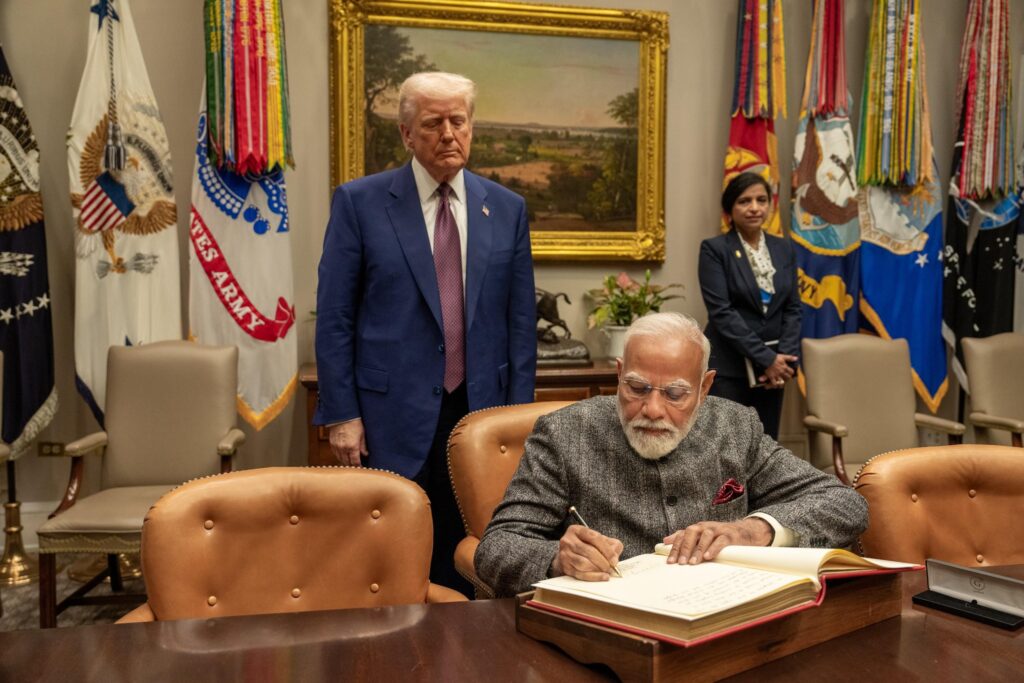
In a significant move to strengthen bilateral relations, Indian Prime Minister Narendra Modi and U.S. President Donald Trump convened at the White House on February 13, 2025. The discussions primarily centered on resolving trade disputes, enhancing defense cooperation, and addressing immigration issues, reflecting a mutual commitment to fortify the strategic partnership between the two nations.

Resolving Trade Disputes

Trade tensions have been a persistent issue between India and the United States, with disagreements over tariffs and market access. During the meeting, President Trump described India’s tariffs as “unfair” and emphasized the need for equitable trade practices. In response, Prime Minister Modi acknowledged these concerns and highlighted recent steps India has taken to reduce tariffs on select U.S. products, aiming to facilitate smoother trade relations. Both leaders agreed to initiate negotiations to finalize the initial segments of a trade deal by the fall of 2025, signaling a proactive approach to resolving these longstanding issues.

A notable development from the talks was India’s commitment to increase its energy imports from the United States. Prime Minister Modi announced plans to raise U.S. energy purchases to $25 billion, up from the previous $15 billion. This move is expected to help balance the trade deficit and provide India with a reliable energy source, while simultaneously benefiting the U.S. energy sector.

Enhancing Defense Cooperation

Defense collaboration emerged as a pivotal theme during the discussions. President Trump announced intentions to bolster military sales to India, including advanced aircraft and other defense equipment. While specific details were not disclosed, this initiative aligns with the broader goal of strengthening India’s defense capabilities and promoting regional security. Both leaders underscored the importance of deepening security cooperation in the Indo-Pacific region, aiming to counterbalance emerging threats and ensure stability.

Addressing Immigration and Extradition

Immigration issues also featured prominently in the dialogue. President Trump expressed concerns about illegal immigration and emphasized the need for stringent measures. Prime Minister Modi responded by assuring cooperation, noting that India had recently accepted 104 migrants repatriated on a U.S. military plane. This gesture reflects India’s commitment to addressing illegal immigration and maintaining robust bilateral relations.

In a significant move to combat terrorism, President Trump backed the extradition of Tahawwur Hussain Rana to India. Rana is implicated in the 2008 Mumbai attacks, and his extradition is expected to serve as a deterrent against terrorism and bolster India’s efforts to bring perpetrators to justice. This decision is likely to enhance President Trump’s standing in India and reinforce the collaborative efforts of both nations in combating global terrorism.

Also Read: Tripura to Be Linked with Kolkata, Visakhapatnam, and Paradip via Waterways: Union Minister Sonowal

Economic and Strategic Implications

The commitment to resolve trade disputes and enhance defense cooperation carries significant economic and strategic implications. For India, increased access to U.S. defense technology is poised to modernize its military infrastructure, thereby strengthening its position in regional security dynamics. From an economic standpoint, the reduction of tariffs and increased energy imports are expected to stimulate trade, create jobs, and foster economic growth in both countries.

For the United States, these agreements open avenues to a burgeoning market for energy exports and defense equipment. The collaboration also aligns with the U.S. strategy to maintain a balance of power in the Indo-Pacific region, countering the influence of other regional actors. Moreover, addressing immigration concerns and ensuring the extradition of individuals involved in terrorism reflect a shared commitment to upholding security and legal frameworks.

Conclusion

The meeting between Prime Minister Narendra Modi and President Donald Trump marks a pivotal moment in Indo-U.S. relations. By addressing critical issues such as trade disputes, defense cooperation, and immigration, both leaders have demonstrated a mutual resolve to strengthen their strategic partnership. The agreements and commitments arising from this dialogue are poised to have lasting impacts on economic growth, regional security, and global stability, reflecting the deepening ties between the world’s largest democracies.

Also Read: Strengthening Maritime Ties: PM Modi and President Macron Visit CMA CGM Headquarters in Marseille